Britain ignored internal warnings that El Fasher would fall amid ethnic cleansing and possible genocide, a new report reveals.
Officials rejected stronger atrocity prevention plans for Sudan despite detailed intelligence predicting mass killings and rapes.
Instead, they chose what insiders called the “least ambitious” of four options, citing aid cuts and limited staff capacity.
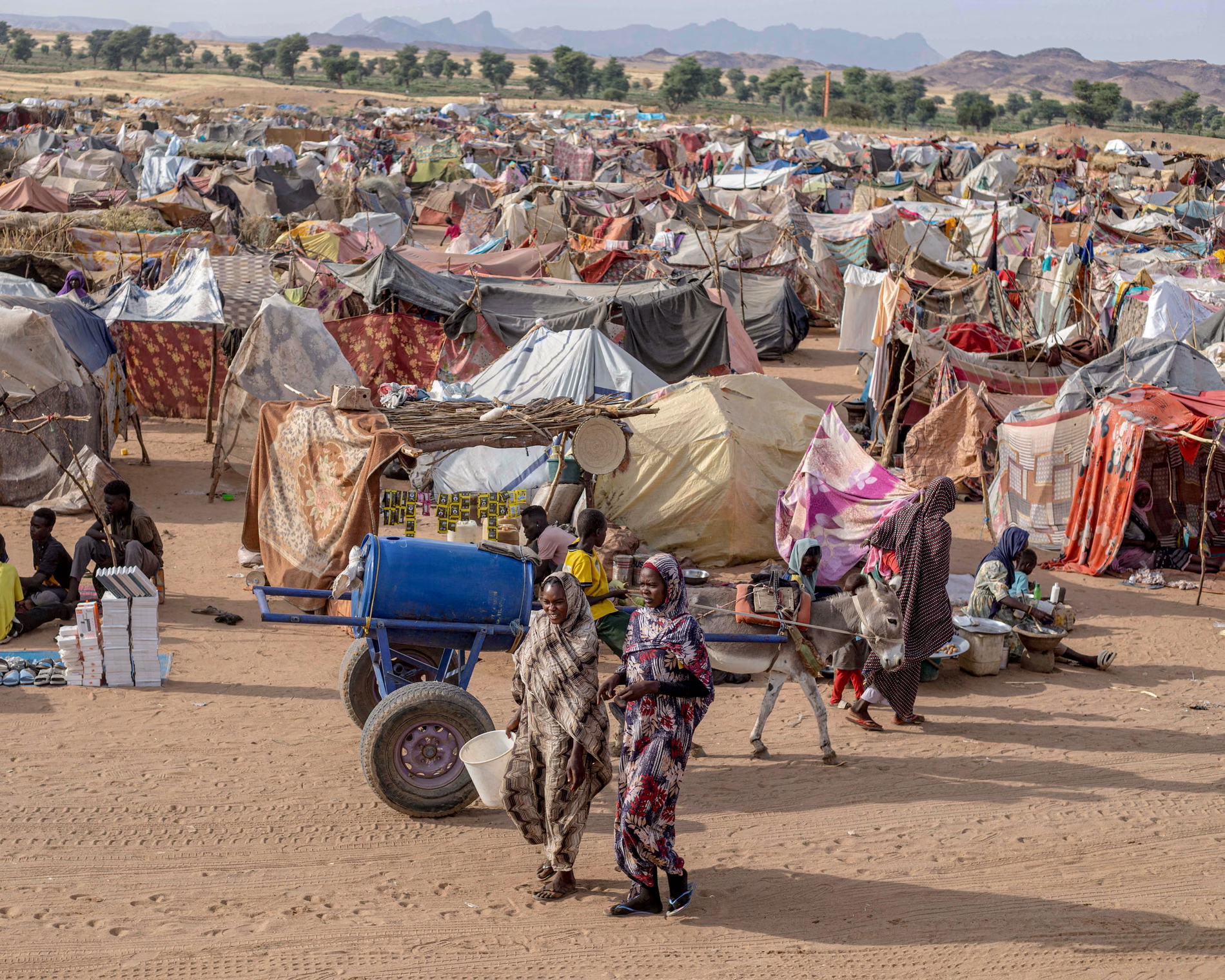
Weeks later, El Fasher fell to the Rapid Support Forces, unleashing widespread killings, sexual violence, and mass displacement.
Thousands remain missing as survivors recount targeted attacks driven by ethnicity and revenge.
An internal UK paper outlined possible strategies for civilian protection, including an international intervention mechanism.
But officials opted for minimal action, allocating only £10 million to humanitarian groups like the Red Cross.
The document admitted Britain had “taken the least ambitious approach” to preventing atrocities and sexual violence in Sudan.
Human rights expert Shayna Lewis condemned the decision as a political failure with deadly consequences.
“Atrocities are preventable, but the UK chose inaction,” she said. “This makes Britain complicit in Darfur’s ongoing genocide.”
The UK holds a key role at the UN Security Council as Sudan’s “penholder,” responsible for shaping global action on the conflict.
Yet a review by Liz Ditchburn found that staffing shortages and aid cuts crippled the government’s response.
She wrote that officials lacked the capacity to manage “a complex new programming area” focused on atrocity prevention.
The report said Britain’s funding constraints also limited protection for women and girls facing sexual violence in Sudan.
A proposed support programme for them was delayed until 2026 due to a lack of funds.
Labour MP Sarah Champion criticised the government’s “shortsighted” decision to prioritise cost-cutting over human lives.
“Atrocity prevention should be core to UK foreign policy, not treated as optional,” she warned.
Despite criticism, UK officials insist their £120 million aid package is helping civilians and supporting peace efforts.
They pledged at the UN to hold RSF leaders accountable for war crimes, though rights groups remain sceptical.
Analysts say Britain’s hesitation echoes past global failures—like Rwanda—where political caution cost countless lives.