By Lillian Okenwa
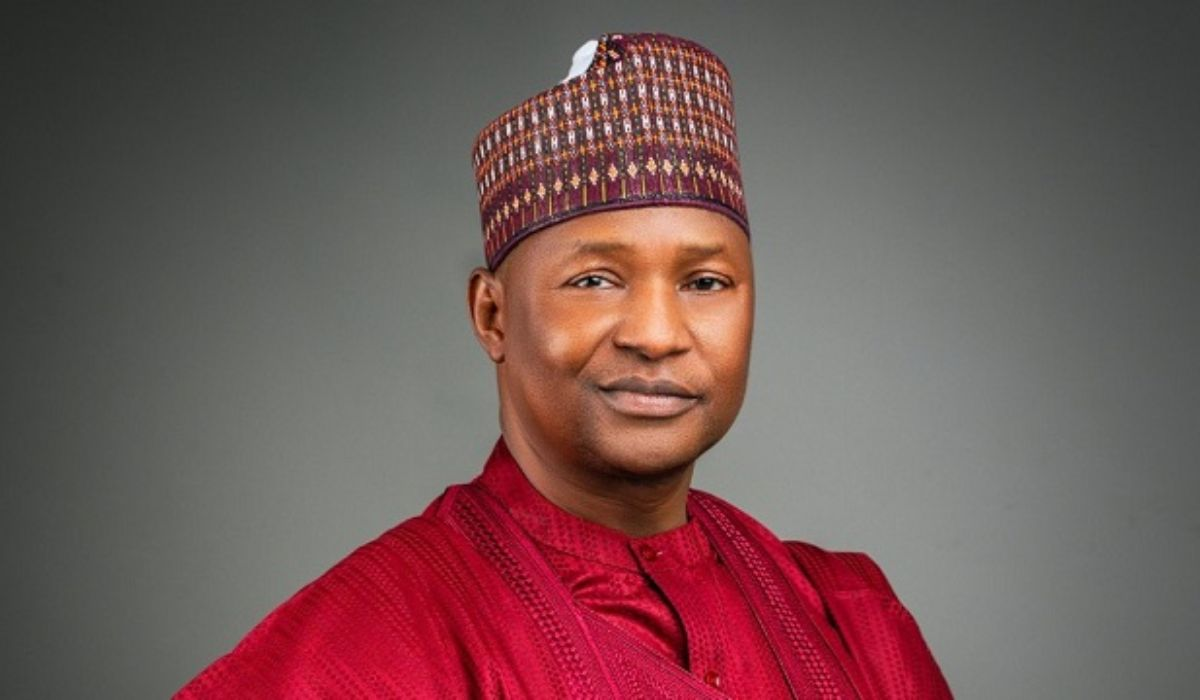
As residents of Edo State grapple with blackouts, overbilling and rising generator costs, Governor Monday Okpebholo has taken an unusual step: joining a street protest against Benin Electricity Distribution Plc (BEDC).
The governor vowed to “break the monopoly” in electricity distribution, arguing that opening the sector to more players, similar to Nigeria’s telecom model, would improve efficiency and service delivery.
But as Edo debates distribution reform, critics say the deeper crisis lies elsewhere: weak generation capacity, fragile transmission infrastructure and sluggish policy execution.
And they point to a growing contrast, one unfolding hundreds of kilometres away.
A Tale of Two States
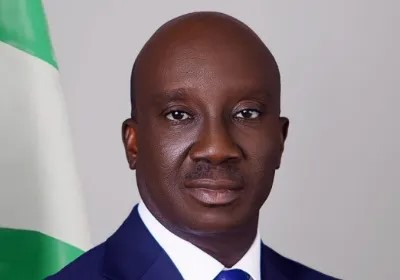
In Abia State, Governor Alex Otti has pursued an aggressive push toward embedded generation and alternative energy partnerships, leveraging new electricity reforms that allow states greater autonomy in power generation and distribution.
Abia has moved to strengthen independent power initiatives and attract private sector investment into localised generation, reducing dependence on the national grid and prioritising industrial clusters and urban centres.
Energy analysts say the strategy reflects a shift from complaint to capacity-building.
“Distribution is the last mile,” one power sector consultant noted. “If generation is weak and transmission is unstable, breaking a monopoly alone won’t solve the darkness.”
Nigeria’s Structural Power Problem
Nigeria’s national grid has long struggled with inadequate generation. producing far below national demand, alongside ageing transmission lines and recurring system collapses.
States now have constitutional and legislative pathways to:
- Develop embedded power plants
- Partner with independent power producers
- Expand solar mini-grids in rural communities
- Create state-level electricity markets
Yet execution varies widely.
For many Edo residents, the central question is whether joining a protest signals empathy — or a vacuum of structured policy alternatives.
Lessons From Smaller Nations
Globally, smaller economies facing similar infrastructure challenges have adopted diversified power strategies:
- Rwanda has aggressively deployed solar mini-grids to electrify rural communities.
- Costa Rica has invested heavily in renewable hydro, wind and geothermal power, dramatically reducing fossil fuel reliance.
- Namibia has expanded independent power producer (IPP) participation to stabilise supply.
These countries demonstrate a core principle: sustainable electricity reform requires generation expansion, infrastructure investment and regulatory clarity — not only market restructuring.
Generation vs Demonstration
Governor Okpebholo’s argument centres on breaking BEDC’s dominance in distribution. But experts caution that without parallel investment in:
- State-backed embedded generation
- Public-private renewable projects
- Infrastructure upgrades
- Transparent regulatory frameworks
… additional distributors may simply share scarcity rather than create abundance.
Critics argue that the optics of a sitting governor joining a protest blur the lines of executive responsibility.
“When a governor protests, who exactly is he protesting against?” asked a Benin-based policy analyst. “Leadership means designing the solution, not marching against the symptom.”
The Governance Test
Edo’s electricity crisis is not just about bills and blackouts, it is about governance capacity in an era where states now have greater power-sector autonomy.
With inflation rising and small businesses strained by diesel costs, the demand is shifting from rhetoric to results.
Residents are not merely asking for solidarity. They are asking for sustained light.
As Abia experiments with generation-focused reform and smaller nations diversify energy portfolios, Edo faces a defining choice: move from protest politics to power-sector transformation.
In the end, the electorate may judge not who joined the rally, but who switched on the lights.