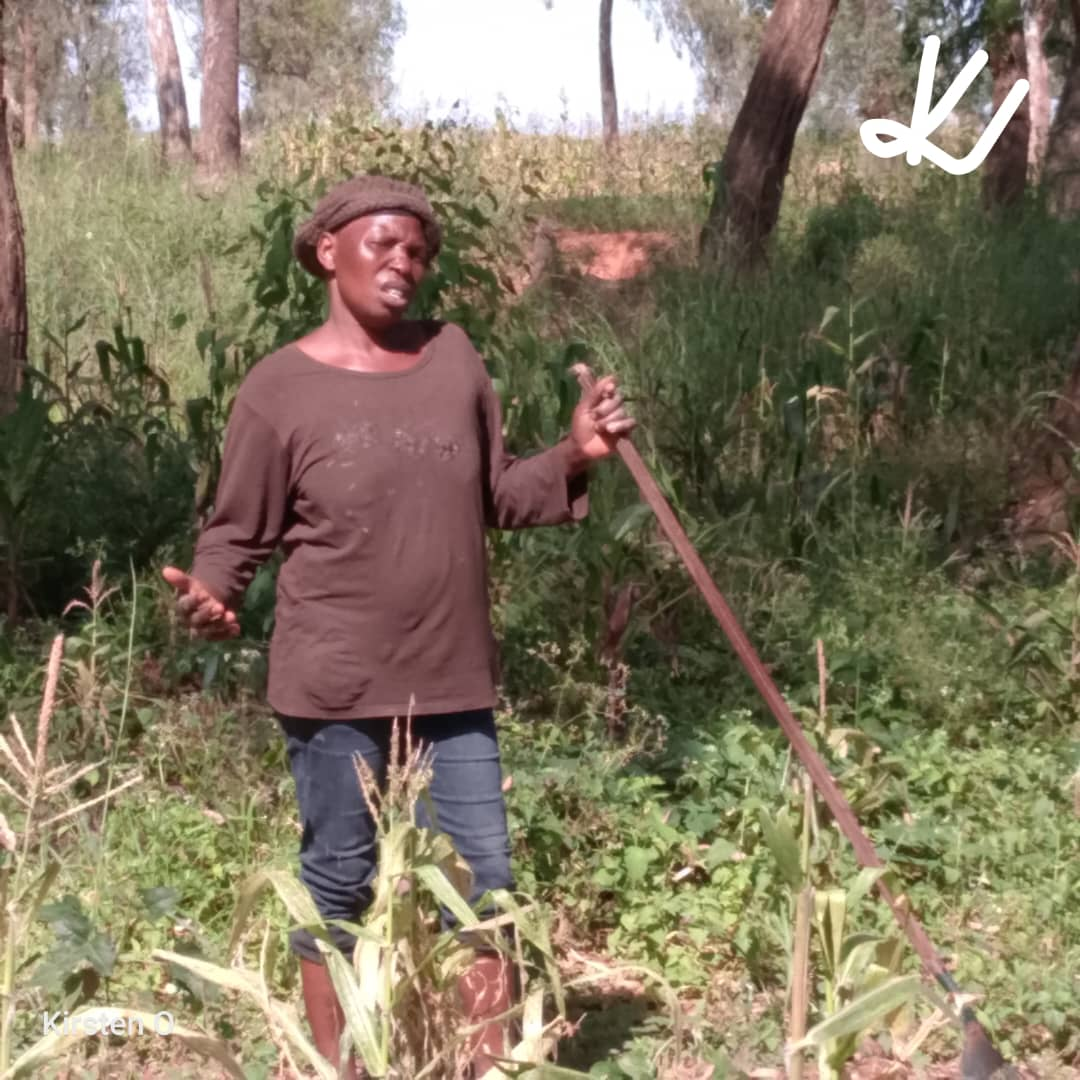
Long before agriculture was a subject of policy discussions, women across Nigeria and West Africa sustained families, markets, and economies through food. As the UN declares 2026 the International Year of the Woman Farmer (IYWF), it is time to recognise, invest in, and stand with the women who have always fed the nation.
By Kirsten Okenwa
Our grandmothers, mothers, sisters, or aunts fed the nation before our policy makers called it a food system. Long before food systems became something we discussed at conferences or wrote into policy documents, Nigerian women were already doing the work. They were farming, processing, transporting, and trading. Our women were feeding families and cities quietly and steadily every day.
Across Nigeria and the wider ECOWAS region, women have always been central to how food moves from soil to plate, from village to market, from one generation to the next. Long before terms like “value chain” or “nutrition security” existed, our women understood something basic: people must eat, and someone has to make that happen.
I was reminded of this during one of our rural coaching sessions. We asked participants to talk about livelihood and resilience. A young police constable raised his hand and spoke about his mother, an enterprising garri dealer. She transports garri from Benin City to the busy Idi Oro market in Lagos. He talked about the early morning labour, long journeys, and slim profit margins. Then he said, simply, “That garri business is how our family survived.”
That sentence says more about Nigeria’s food system than many reports ever could. Women farmers and food traders, both rural and urban, have raised doctors, lawyers, engineers, teachers, civil servants, and countless everyday citizens. They have paid school fees from cassava harvests. They have kept food on tables through smoked fish, palm oil, grains, vegetables, and garri. When the economy tightens, it is often women’s food businesses that stretch to absorb the shock.
Yet for all this labour, women remain largely invisible in how agriculture and food security are discussed. That is why the United Nations, through the Food and Agriculture Organisation (FAO), declaring 2026 as the International Year of the Woman Farmer (IYWF 2026) matters, especially for Nigeria and West Africa. This declaration is not about celebration alone. It is about correction.
Across the ECOWAS region, women play essential roles in agrifood systems, producing food, processing harvests, preserving crops and seeds, and trading across local and cross-border markets. In many communities, women do most of the agricultural work, yet own little or no land. They dominate informal food markets but struggle to access finance, technology, and extension services. They adapt daily to climate stress but are rarely included in climate planning. In plain terms, women carry the food system, but the system does not carry them.
The International Year of the Woman Farmer brings attention to these realities and calls for collective action. According to the FAO, the year will promote investment to close gender gaps, strengthen women’s livelihoods, and support women’s leadership across agrifood value chains. The goal is clear: fairer, more inclusive, and more resilient food systems. But this conversation must stay grounded in lived experience.
At Rohan Rural Support Initiative, we work closely with rural women and youth across the food value chain. We see what statistics often miss: rural women who understand land and seasons better than any manual. Women who process food with skills passed down through generations. Women who manage trade routes, markets, and relationships with quiet expertise. These women are not waiting to be empowered. They are already working. What they need is access; access to land security, finance, training, appropriate technology, and markets. They need systems that recognise their contribution and remove barriers that keep them small and informal. Our work focuses on practical support: building skills, strengthening value addition, improving food safety, and supporting livelihoods that can grow, not just survive.
We also see the ripple effects. When women earn more, households eat better. Children stay in school. Communities become more resilient to climate and economic shocks. This is not theory. It is a daily reality across Nigeria and West Africa. This is why framing women farmers as a “vulnerable group” misses the point. Women farmers are not marginal but foundational. Empowering women farmers is not charity but a strategy. It is about recognising that food security in Nigeria and the ECOWAS region rests on women’s labour, knowledge, and leadership. It is about designing policies that reflect real lives. Financial systems that see women farmers as bankable. Agricultural decisions that include the voices of those who feed us.
The International Year of the Woman Farmer gives us a chance to do this differently. It asks governments to listen better. It challenges institutions to invest smarter. It calls on organisations to deepen practical support. And it reminds all of us that food does not appear by magic. It arrives because women wake early, work long, adapt constantly, and refuse to let families go hungry. The question is not whether women farmers matter. History has already answered that. The real question is whether we are ready to match their contribution with recognition, investment, and action because long before we named it a food system, women were already feeding the nation, and they still are.
Kirsten Okenwa works with rural women and youth across Nigeria and the ECOWAS food systems through Rohan Rural Support Initiative. Her work bridges industrial chemistry, food science, social enterprise, and peace-building, centring practical, community-led approaches to food security and livelihoods.