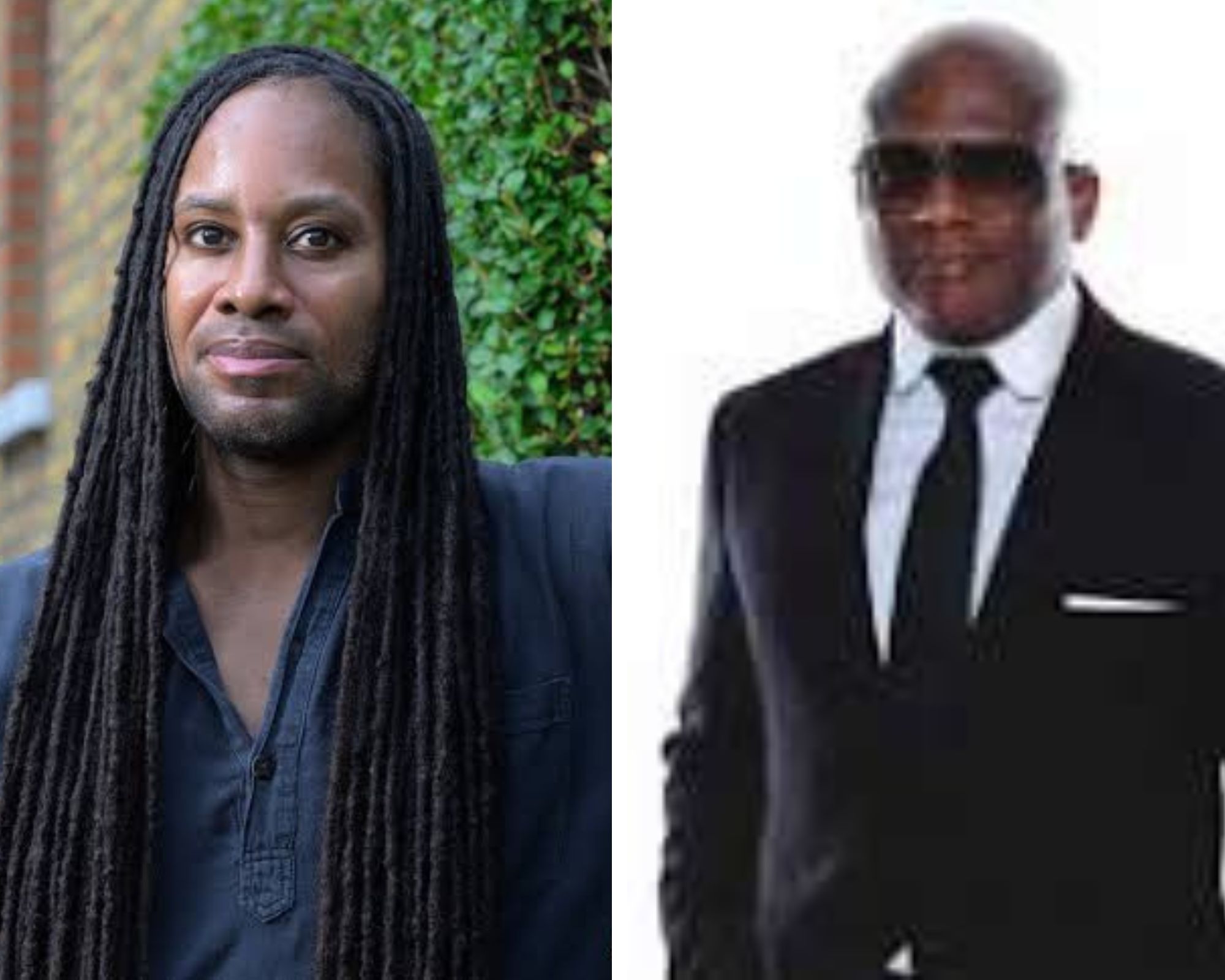
When due process is abandoned in the pursuit of a man, the process itself becomes the scandal.
By Eyimofe Atake, SAN
I am asked, as a Cambridge alumnus, for my view of the Arday saga. My view is this: whatever the truth of the allegations against him, and no tribunal ever established it, the manner of his pursuit abandoned due process, and that abandonment is the scandal within the scandal.
I was in Cambridge from 1984 to 1987. In my time I knew of no Black professor in the University; I cannot recall even a Black lecturer. There was a brilliant Sierra Leonean, an MA and PhD of Cambridge, who applied for virtually everything, including the headship of a college, and was denied everything. When I arrived, the Dean of my College asked how long I intended to spend on my doctorate. Three years, I said, the minimum allowed. He replied that most Africans spent six to eight years, and we wagered one pound on it. I finished in exactly three years and won the wager. On my graduation day he pressed the pound into my hand and told my father that his son had done extremely well. I record it with affection, but mark what it reveals: the expectation set for men like me was delay and failure, and excellence was the anomaly requiring explanation.
Now the record, and it is record, not speculation. Arday became the University’s youngest Black professor at 37. When the plagiarism allegations came, the institution that awarded and examined his doctorate, Liverpool John Moores University, investigated them and did not uphold them, finding honest error rather than misconduct. Cambridge itself said in June that he was the object of a “vile campaign” to undermine his credibility. Those are Cambridge’s words, not mine. Then the ground shifted: the questions moved from the thesis to his qualifications and honorary appointments, dozens of academics demanded an inquiry into how he was ever appointed, and Cambridge reversed itself and opened a fresh investigation.
He resigned on 5 August. Nine days later he was dead at 41. Among the principal accusers was Nathan Cofnas, a philosopher who styles his views “race realism” and who had published that in a meritocracy Black people would largely vanish from prominent positions outside sport and entertainment. Emmanuel College severed his research affiliation in 2024 amid the uproar over those writings; in fairness I record that the University’s own inquiry later dismissed the complaints against him, and that he is suing the college. His published views, not his employment history, tell us from what quarter the campaign came.
Due process is not a lawyer’s ornament. It means that no man is condemned unheard; that the accuser does not sit as judge; that accusation is tested on evidence before an impartial tribunal, with the accused heard, before any consequence follows. Publicity is not process. A newspaper is not a court. A petition of colleagues is not a verdict. A resignation extracted under siege is not a finding. The presumption of innocence is not a courtesy extended to the probably guilty; it is the only discipline by which the innocent can ever be distinguished from the merely accused. When accusation, publicity and judgment run ahead of process, what results is not justice but sentiment wearing its robes. Arday denied the allegations to the end. The one competent body that examined the central charge did not uphold it. No tribunal ever pronounced against him, and death has now placed him beyond both vindication and censure forever. Plagiarism is an academic sin, and I do not condone it for a moment. But the gravity of a sin is precisely why its proof must be disciplined: grave charges call for more process, not less.
So I am entitled to ask whether a white professor, cleared by the awarding institution, would thereafter have been pursued with this appetite? I submit that he would not be. The coroner will tell us how he died. No coroner is required to tell us what he was living under when he died. Johnnie Cochran, marshalling the Simpson defence, told his team that all you are left with during a crisis is your conduct during it. By that measure, the accusers and the institutions now fall to be judged by theirs.
May his soul rest in peace.
Eyimofe Atake, SAN, Phd., Cantab.