By Adamazi Mary Ikoku
The just-concluded 2026 party primaries may have accomplished what decades of conferences, advocacy campaigns and policy conversations could not. They have forced Nigeria to confront an uncomfortable truth: our democracy cannot continue to speak the language of inclusion while preserving structures that systematically exclude women.
For decades, Nigerian women have been told that the answer lies in patience. We were advised to work harder, build stronger structures, cultivate relationships and prove ourselves. We were assured that competence, sacrifice and loyalty would ultimately be rewarded.
And Nigerian women believed.
They mobilized communities, financed campaigns, defended political parties and invested their time, resources and reputations in institutions they believed would eventually recognize merit and service. Yet, after decades of showing up for the political process, women still find themselves largely absent from the rooms where the most consequential decisions are made.
The events of the 2026 primaries merely reaffirmed what many women have known for years. The problem was never a shortage of competent women. Neither was it a lack of preparation, commitment or grassroots appeal. The problem has always been the system.
Indeed, the 2026 primaries did not expose a deficit of female competence; they exposed a deficit of political courage.
Across party lines; APC, APGA, PDP, ADC, NDC, Labour Party and others, remarkably accomplished women found themselves sidelined by entrenched interests and opaque calculations that had little to do with merit and everything to do with preserving the status quo.
These were not women seeking charity. They were accomplished leaders with formidable grassroots support, proven records of service and unquestionable capacity.
In Abia State, respected figures such as Senator Nkechi Justina Nwaogu and Dr. Blessing Nwagba offered themselves for service. In Ogun State, women like Adeola Azeez embodied the kind of leadership Nigeria desperately needs. In Taraba State, Hajia Zainab Ibrahim, the APC Deputy National Woman Leader and a senatorial aspirant, stepped aside in deference to party consensus. Across other political parties, women such as Aisha Yesufu, Dr. Constance Ikokwu and countless others encountered different manifestations of the same structural barriers.
The names may differ, but the stories are remarkably similar.
Across Nigeria, women consulted widely, built bridges, inspired communities and invested enormous personal resources in the pursuit of public service. Yet, in far too many cases, they were reminded that competence alone was not enough. Once again, gatekeepers prevailed over merit.
Perhaps the greatest tragedy is that Nigerian women have become victims of their own resilience. Because they continue to show up, society assumes they are fine. Because they continue to endure exclusion, society assumes they have accepted it. And because they continue to return after every disappointment, many have mistaken resilience for satisfaction.
Nothing could be further from the truth.
No democracy can continue to draw endlessly from the labour, loyalty and legitimacy of women while denying them equitable access to power.
Nigeria’s persistently low level of female representation in Parliament is not merely a women’s issue. It is a democratic deficit.
A nation that consistently sidelines half of its talent pool cannot hope to maximize its potential. The underrepresentation of women is not simply an injustice to women; it is a loss to Nigeria itself.
A legislature that consistently excludes half of the population cannot honestly claim to represent the aspirations, experiences and priorities of the nation.
Democracy is not merely about elections. Democracy is about inclusion. It is about legitimacy. It is about ensuring that the rooms where decisions are made reflect the society those decisions affect.
This is precisely why the Reserved Seats for Women Bill should not be viewed as an act of charity. It is an act of democratic correction.
Those who oppose the bill often invoke merit. But merit has never operated in a vacuum. No serious observer of Nigerian politics can honestly argue that our political system rewards merit alone. If merit alone determined outcomes, many of the women who participated in the 2026 primaries would have emerged candidates.
The truth is uncomfortable.
Women in Nigeria are often expected to do twice as much to receive half as much. And even then, there are no guarantees.
Reserved seats do not diminish merit. They create opportunity. They do not replace competition. They expand participation.
History teaches us that societies do not stumble into inclusion. They legislate it. They institutionalize it. They protect it.
That is why countries across Africa and around the world have adopted temporary special measures to correct historical imbalances and strengthen representation. Those nations understood that equality is not achieved through speeches alone. It is achieved through deliberate action. Nigeria must now summon the courage to do the same.
Importantly, the Reserved Seats for Women Bill neither takes away existing seats from men nor prevents women from contesting regular constituencies. Its purpose is not to create dependency. Its purpose is to create parity.
Some have argued that women should simply continue to compete under the current arrangement.
But for how much longer?
How many more election cycles must produce the same disappointing statistics? How many more brilliant women must be told to wait their turn? How many more generations of girls must grow up believing that leadership is a privilege reserved primarily for men?
History will not remember us kindly if we continue to confuse exclusion with tradition.
Indeed, the greatest irony of the 2026 primaries is that those who sought to preserve the status quo may have unwittingly become the strongest advocates for reform. For perhaps the first time, many Nigerians have witnessed what women have always known.
The issue is not capacity. The issue is access. The issue is not competence.
The issue is structure.
The issue is not women. The issue is democracy itself.
This moment demands courage from our political leaders and moral clarity from the National Assembly.
The question before Nigeria is no longer whether women are ready. Nigerian women have always been ready.
The question is whether our democracy is prepared to live up to its own promise. Because when women are absent from the tables where laws are made and national priorities are set, the nation loses more than female voices. It loses perspectives.
It loses talent. It loses solutions. And ultimately, it loses progress.
Nigeria has waited.
Nigeria has paid the price. Nigeria has lost too much talent for too long. History will judge this generation of leaders not by the speeches it made about inclusion, but by the structures it built to guarantee it.
The time for symbolic promises is over. The time for constitutional inclusion has come. And history may well judge us harshly if we fail to seize this moment. Because the true measure of a democracy is not how loudly it proclaims equality, but how deliberately it institutionalizes it.
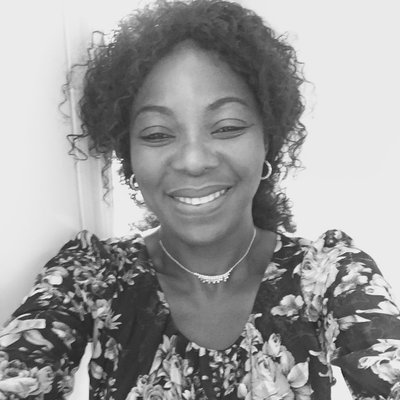
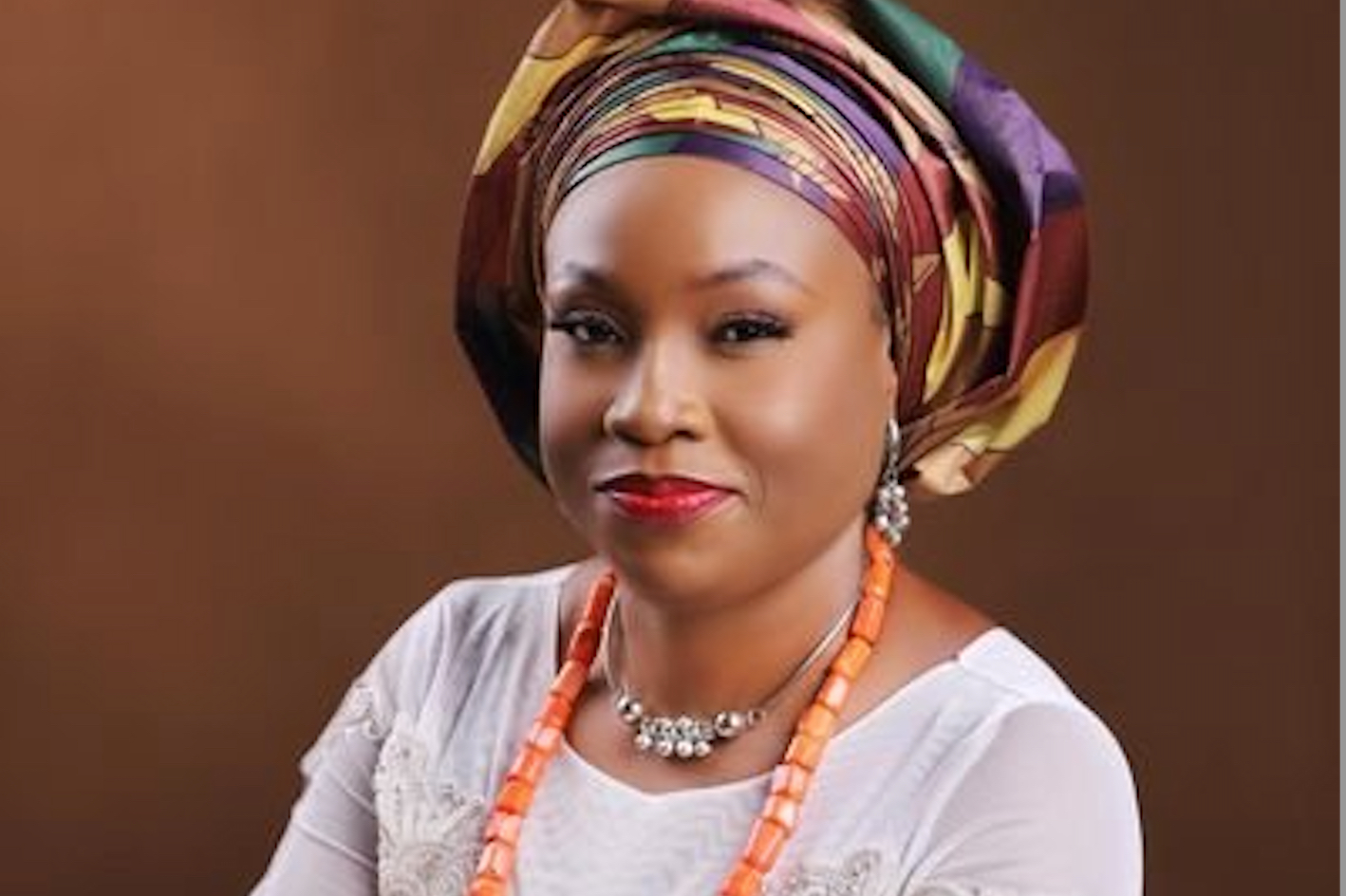
Mary Ikoku is the Founding President of Emerge Women Dev. Initiative, and Convener of SheThePeople Nigeria, a leading Advocate on Reserved Seats Bill. APC 2027 House of Reps Aspirant for Arochukwu/Ohafia Federal Constituency.