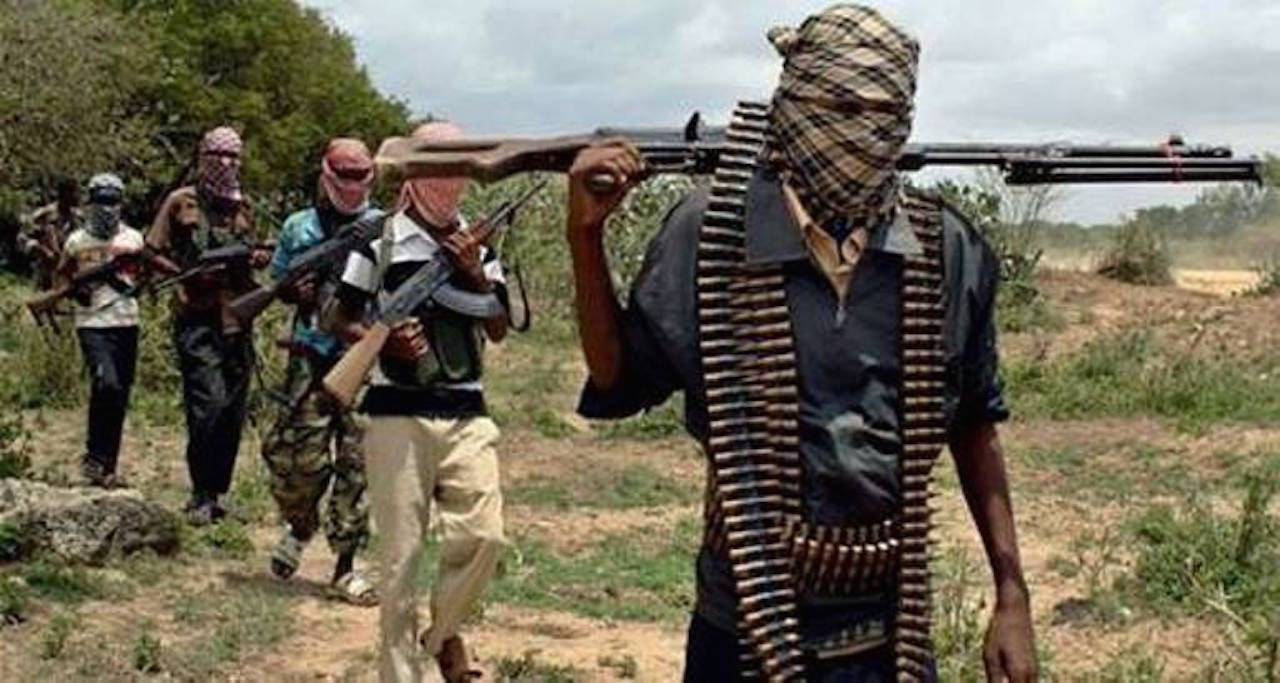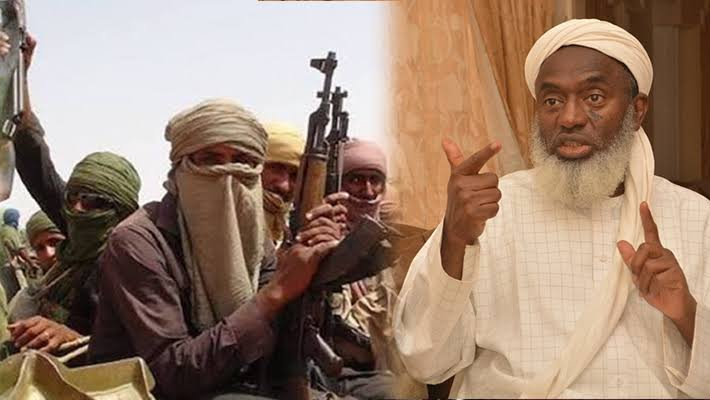
As bandits and kidnappers tighten their grip on Nigeria—leaving schoolchildren and toddlers languishing in forest camps and fuelling a multi-billion-naira ransom economy—Islamic cleric Sheikh Ahmad Gumi has urged the government to reconsider branding them terrorists, arguing some are willing to negotiate.
Nigeria’s spiralling security crisis took another troubling turn this week after prominent Islamic cleric Sheikh Ahmad Gumi argued against designating bandits as terrorists, insisting some armed groups are open to dialogue, even as fresh data painted a grim picture of a nation increasingly overwhelmed by killings, kidnappings and organised criminal violence.
The comments come against the backdrop of a devastating month in which violence claimed 842 lives, 279 people were abducted, and 156 attacks were recorded across the country, according to the latest figures released by the Nextier Nigeria Violent Conflicts Database.
The statistics underscore a worsening national emergency. Compared with May last year, violent incidents surged by more than 50 per cent, fatalities nearly doubled and kidnappings rose sharply, reinforcing fears that Nigeria’s lucrative ransom industry continues to expand despite repeated government assurances that insecurity is being contained.
Across parts of the country, children—including school pupils and toddlers—remain in captivity months after being seized by armed groups, while desperate families continue to raise millions, and in some cases billions, of naira to secure the freedom of loved ones.
Yet rather than endorse tougher action against the armed groups, Gumi questioned the government’s decision to classify bandits as terrorists, warning that the designation could foreclose opportunities for negotiation.
“We don’t want to push them into terror beyond what they are doing now because it can get worse,” the cleric said in a widely circulated video, arguing that some groups had previously indicated a willingness to engage in dialogue and had even cooperated with authorities against Boko Haram elements in Zamfara State.
“They have shown us their willingness to negotiate, so people that are ready to negotiate, why are you rushing to declare them terrorists?” he asked, lamenting that the designation had effectively closed channels through which religious leaders could communicate with armed groups.
Gumi’s remarks have reignited long-running debate over whether negotiation or overwhelming force offers the best path to ending banditry. Critics argue that such appeals risk legitimising criminal organisations accused of mass killings, village raids and large-scale kidnappings for ransom.
The renewed controversy comes as security analysts question the effectiveness of existing peacebuilding efforts. In a newly published paper titled The Travails of Measuring Peacebuilding in Fragile Contexts, researchers Jamilu Musa and Dr. Chukwuma Okoli argue that governments and development partners have focused too heavily on counting workshops and dialogue sessions instead of measuring whether violence is actually declining.
“The real test is whether communities are becoming safer and more resilient,” the researchers contend, warning that current indicators fail to capture the worsening reality on the ground.
Veteran columnist Lasisi Olagunju echoed those concerns, urging Northern Nigeria to confront what he described as the social conditions that allow terrorism and banditry to flourish. While acknowledging that northerners themselves are among the biggest victims of the violence, he argued that the region must also grapple with the environments that sustain and replenish armed groups.
His intervention followed criticism from northern leaders and commentators who rejected suggestions of collective regional responsibility, insisting that poor governance—not geography or ethnicity—is the principal driver of insecurity.
As policymakers debate strategy, the latest figures offer a stark reminder of the human cost: hundreds dead in a single month, hundreds more dragged into captivity, and countless families trapped in fear while kidnappers continue to operate a ransom economy worth billions of naira.
Against that backdrop, Gumi’s call for dialogue rather than terrorist designation is likely to remain one of the most contentious interventions in Nigeria’s ongoing struggle to contain banditry and restore public safety.