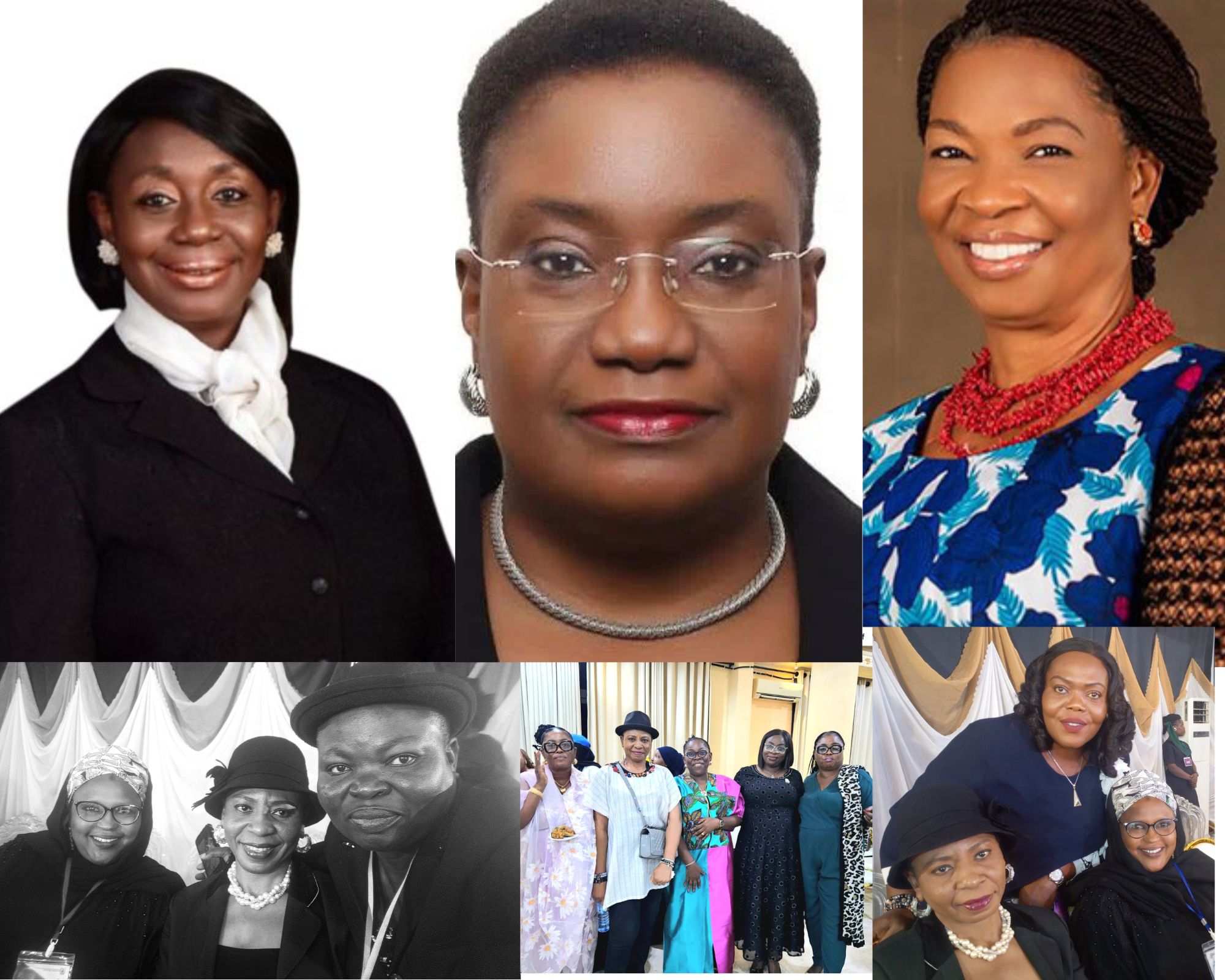
As FIDA Nigeria’s NEC opens in Abuja, former lawmaker Nkoyo Toyo urges women to pursue power boldly while Country Vice President Eliana Martins warns that democracy cannot flourish amid rising violence, exclusion and inequality.
The campaign for greater female representation in Nigeria’s politics gathered fresh momentum on Wednesday as leading lawyers, judges and policymakers used the opening of the Second Quarter National Executive Council (NEC) Meeting of the International Federation of Women Lawyers (FIDA) Nigeria in Abuja to demand urgent action against the structural barriers keeping women out of power.
Held under the theme, “Strengthening Women’s Representation in Democratic Governance: Law, Policy and Practice,” the gathering became a rallying point for renewed calls to translate decades of advocacy into concrete political gains ahead of the 2027 general elections.
Delivering the keynote address, former diplomat and ex-member of the House of Representatives Hon. Nkoyo E. Toyo challenged Nigerian women to stop waiting for opportunities and instead actively compete for leadership positions at every level of governance.
She argued that political inclusion would not be achieved through goodwill alone but through deliberate participation, organisation and sustained engagement in the democratic process.
According to Toyo, despite years of campaigns for gender equality, women remain significantly underrepresented in elective offices and strategic decision-making positions, making it imperative to dismantle legal, institutional and cultural obstacles that continue to limit their advancement.
The call was echoed by FIDA Nigeria Country Vice President, Eliana Martins, who said the struggle for women’s inclusion cannot be separated from the broader fight against insecurity, gender-based violence and economic exclusion.
Martins warned that the country is witnessing an alarming rise in violations against women and children—including sexual violence, trafficking, child abuse, cyber harassment and kidnappings—which continue to undermine their ability to participate fully in public life.
“The safety, dignity and rights of women and children are not merely social concerns; they are fundamental human rights and essential indicators of national development,” she said, urging governments at all levels to strengthen enforcement of protective laws, expand access to justice and hold perpetrators accountable.
She also expressed concern over attacks on schools, the plight of displaced women and children in conflict-affected communities, and worsening economic hardship, which she said has increased vulnerability to exploitation, child labour and forced marriages.
In a goodwill message, Justice of the Court of Appeal and Matron of FIDA Abuja, Hon. Justice Suzzette Eberechi Wike, JCA, commended the organisation’s unwavering advocacy for women’s rights and access to justice, urging members to sustain efforts aimed at expanding women’s participation in leadership and democratic governance. She stressed that empowering women through the law is essential to building more inclusive institutions and a stronger democracy.
The opening ceremony was attended on behalf of the Chief Judge of the High Court of the Federal Capital Territory, Hon. Justice Husseini Baba Yusuf, by Hon. Justice Maryann E. Anenih, who reinforced the call for more inclusive governance and equal access to leadership opportunities.
Justice Anenih described the conference theme as timely and significant, noting that meaningful democracy requires the voices and perspectives of women to be reflected in the institutions where laws are made and policies are shaped.
She praised FIDA Nigeria for its sustained advocacy on behalf of women and vulnerable groups and urged participants to continue using the law as a vehicle for social transformation, accountability and justice.
Taken together, the messages from the conference painted a common picture: Nigeria’s democratic future will remain incomplete unless women are protected from violence, empowered economically and encouraged to occupy the spaces where critical national decisions are made.
With political realignments already underway ahead of 2027, participants insisted that the time has come to move beyond symbolic commitments and embrace reforms capable of delivering genuine representation and lasting equality.