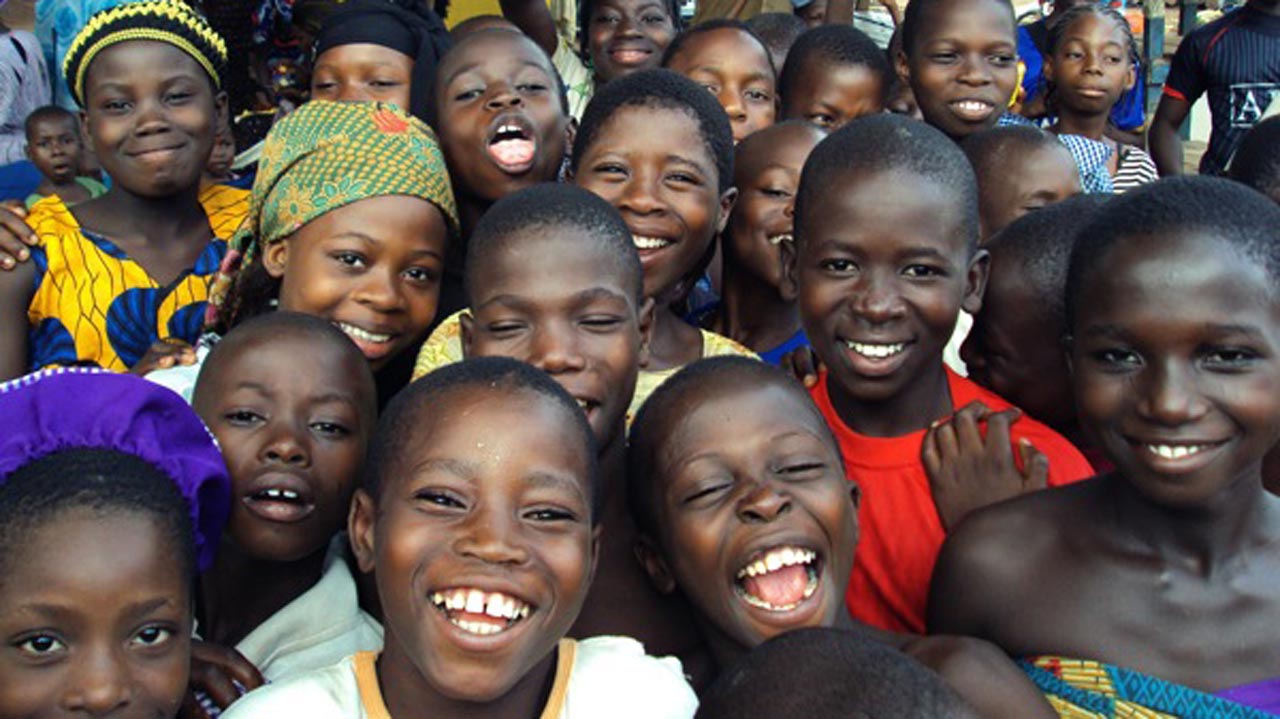
Kano State is preparing for a demographic surge that could see between 600,000 and 700,000 babies born in 2026 alone, a projection that underscores mounting pressure on an already overstretched healthcare system amid Nigeria’s deepening economic and infrastructure crisis.
The estimate, based on a 3.5 percent population growth rate projected from the 2006 census, was disclosed over the weekend by Dr. Mansur Mudi Nagoda, Executive Secretary of the Kano State Hospitals Management Board, during the maiden convocation ceremony of the Sardauna College of Health Sciences and Technology, a private health institution in the state.
While the figures reflect Kano’s youthful and fast-growing population, Nagoda warned that the scale of expected births presents a daunting public health challenge, particularly in a state grappling with shortages of skilled personnel, inadequate facilities and uneven access to basic services.
“Kano is facing a serious manpower crisis,” Nagoda said, noting that the state currently has a deficit of about 4,000 professional health workers. “Our population growth is outpacing the capacity of our health system.”
Health experts say the warning highlights a broader national dilemma: rapid population growth colliding with fragile infrastructure and limited public investment, especially in northern Nigeria, where poverty rates remain among the highest in the country.
Nagoda urged training institutions to prioritise practical, community-oriented medical education, stressing that graduates must be equipped to deliver frontline services, particularly in rural and underserved areas. He disclosed that the state government plans to recruit additional health workers and deploy them to hard-to-reach local government areas such as Doguwa, Rogo and Sumaila.
Yet analysts caution that recruitment alone may not be enough. Nigeria’s public health sector continues to suffer from chronic underfunding, uneven distribution of resources and weak primary healthcare infrastructure, problems that have persisted despite repeated policy announcements and reform pledges.
The situation in Kano mirrors a national demographic shift of historic proportions. Nigeria currently records between 7.5 million and 9.2 million births annually, a figure that now exceeds the combined number of births across Europe and Russia, estimated at about 6.3 million per year.
With a fertility rate of roughly 4.7 to 5.3 children per woman, Nigeria stands in sharp contrast to Europe’s aging societies, where birth rates have fallen below replacement levels. As of early 2025, Nigeria’s population is estimated at over 235 million, making it the sixth most populous country in the world.
United Nations projections suggest that by 2050, Nigeria could become the third most populous country globally, with more than 400 million people, and by 2100, its population may exceed 700 million, potentially surpassing the entire population of Europe.
Nigeria’s population is also strikingly young, with an estimated 120 million people under the age of 15, a demographic profile that could deliver a powerful economic dividend—if matched with education, jobs and infrastructure.
For now, however, the reality remains stark. Unemployment exceeded 40 percent in 2023, inflation continues to erode household incomes, and access to basic services such as healthcare, clean water and electricity remains uneven, particularly in northern states.
Critics argue that the country’s demographic momentum is being squandered by poor governance and mismanagement of resources, in a nation widely regarded as wealthy enough to meet its citizens’ basic needs.
As Kano braces for hundreds of thousands of new births in a single year, the warning from health officials is clear: without urgent investment in healthcare infrastructure, workforce expansion and economic stability, Nigeria’s population boom risks deepening inequality rather than driving development.
The question facing policymakers is no longer whether Nigeria’s population will grow, but whether the state can keep pace with the lives it is bringing into the world.