By Lillian Okenwa
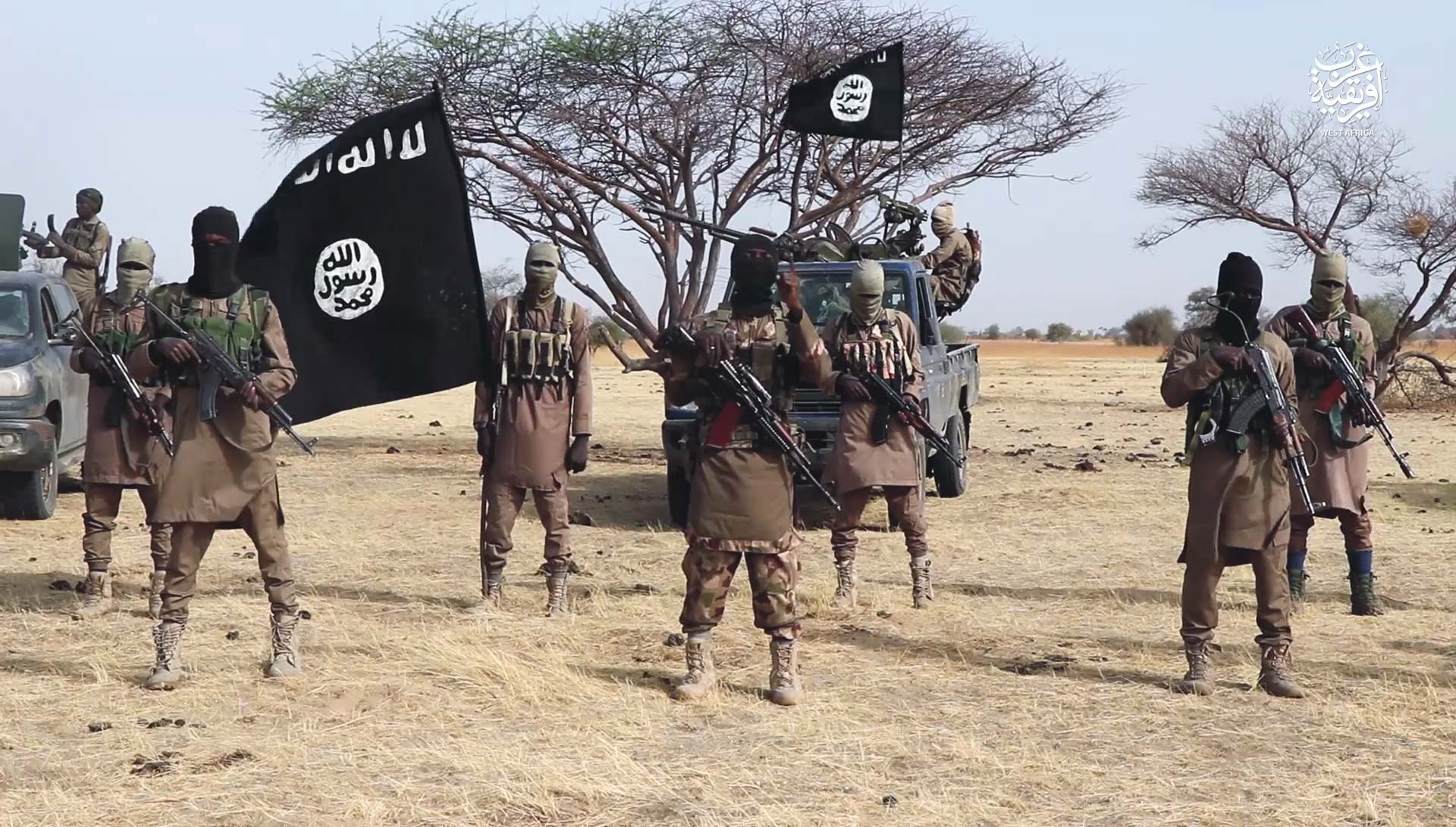
A fierce national debate is erupting across Nigeria after the Federal Government moved to reintegrate 744 “repentant” Boko Haram members into society, a policy officials describe as a peacebuilding strategy but which critics increasingly condemn as a dangerous assault on justice, accountability, and the memory of terror victims.
Fuelling the controversy is Operation Safe Corridor, the Federal Government’s flagship deradicalisation and rehabilitation initiative designed for surrendered or “low-risk” insurgents linked to Boko Haram.
But as government officials defend the programme as internationally compliant and essential for ending insurgency, victims, legal analysts, civil society groups, and traumatized survivors are asking a far more explosive question:
If terrorists can be forgiven and reintegrated, why are thousands of ordinary Nigerians jailed for lesser crimes still rotting in prison?
“They Are Victims, Not Terrorists”
In a controversial interview, Brigadier General Yusuf Ali rejected the term “ex-terrorists,” insisting many of those passing through the programme were themselves victims of terrorism.
“Some were abducted. Others were forced into Boko Haram at gunpoint,” he said, arguing that once individuals surrender and are cleared by the Ministry of Justice, international humanitarian law requires humane treatment and rehabilitation rather than indefinite punishment.
Read Also: When the State Kneels Before the Gun, By Olusegun Adeniyi
According to Ali, many of the beneficiaries underwent psychosocial therapy, drug rehabilitation, religious reorientation, and vocational training before being released back into communities.
He claimed more than 3,000 individuals had already been reintegrated over the last decade without recorded incidents of recidivism.
The programme, he said, is monitored by international partners including the United Nations and European Union and is being studied by conflict-hit countries across Africa and Latin America.
But outside government circles, the backlash has been volcanic.
“Where Is the Justice?”
For many Nigerians, especially victims of Boko Haram’s atrocities, the government’s framing of former insurgents as “victims” has ignited outrage.
Thousands of survivors remain trapped in underfunded internally displaced persons camps across the North-East, struggling with trauma, hunger, stigma, and poverty more than a decade after Boko Haram’s insurgency devastated communities.
Read Also: Terrorists don’t repent
Many watched in disbelief as former fighters appeared publicly in freshly pressed clothes, receiving rehabilitation support, vocational kits, and reintegration assistance.
To critics, the optics are devastating.
“Killers are being treated like prodigal sons while victims remain abandoned,” one rights advocate said.
The controversy has reopened deep moral and legal questions about whether Nigeria’s non-kinetic counterterrorism strategy is undermining justice itself.
The Law, Justice and the Godwin Josiah Principle
Legal experts point to a long-established principle in Nigerian jurisprudence: justice is not designed solely for the accused.
In the landmark Supreme Court case Godwin Josiah v The State, the apex court famously held that justice is “three-way traffic” — owed not only to the accused person, but also to victims and society at large.
The ruling established a foundational criminal law principle:
- Justice to the victim;
- Justice to society;
- Justice to the accused.
Critics argue that Operation Safe Corridor risks collapsing that balance by prioritizing rehabilitation of insurgents while victims receive comparatively little support, compensation, or closure.
Under Nigeria’s Terrorism (Prevention and Prohibition) Act, terrorism-related offences carry severe criminal penalties including life imprisonment.
Section 36 of the 1999 Constitution also guarantees equality before the law and due process.
For critics, the issue is not whether some individuals were coerced into joining Boko Haram, but whether alleged participation in killings, kidnappings, or logistical support for terrorism can simply be washed away through administrative clearance and rehabilitation.
“If armed robbers, cultists, kidnappers, and murder convicts all claim they were victims of circumstance, will the government now rehabilitate everyone instead of prosecuting them?” one Abuja-based lawyer asked.
“That is the dangerous precedent many Nigerians fear.”
A Country Divided Over Mercy and Security
Government officials insist critics misunderstand the programme.
Ali argued that hardcore terrorists are prosecuted, convicted, and jailed, while only “low-risk” individuals cleared by the justice system enter the reintegration pipeline.
Under international humanitarian law, surrendered combatants are entitled to humane treatment, and deradicalisation programmes have increasingly become part of global counterinsurgency models.
Security officials also argue that encouraging defections weakens insurgent groups by reducing recruitment and shrinking operational manpower.
“The 744 individuals are no longer available to Boko Haram,” Ali said. “This is peacebuilding.”
Yet fear remains widespread in many communities expected to receive reintegrated individuals.
Some residents worry former insurgents may become informants, sleeper cells, or future recruits if monitoring systems fail.
Others argue that the secrecy surrounding identities and alleged crimes fuels distrust.
Civil society groups have demanded greater transparency from the Ministry of Justice regarding how individuals are screened, cleared, and categorized as “low-risk.”
Victims Say They Were Forgotten
Perhaps the most politically dangerous aspect of the controversy is the growing perception that Nigeria’s terrorism victims have become secondary in the government’s peace process.
Women who escaped Boko Haram captivity have repeatedly reported inadequate psychosocial care and weak reintegration support. Children orphaned by insurgency continue to face severe poverty.
Some communities destroyed during the conflict remain only partially rebuilt. Others are ether not rebuit or completely taken over by the aggressors.
Critics argue that while former insurgents receive structured rehabilitation programmes, survivors are often left to rely on overstretched humanitarian agencies. The contrast has fueled a growing moral backlash against the programme nationwide.
“Can You Forgive Terrorism While Jailing Petty Criminals?”
The debate is also exposing wider frustrations with Nigeria’s criminal justice system.
Across social media and legal circles, many Nigerians are questioning why alleged terror-linked individuals can access rehabilitation pathways while thousands accused of lesser offences languish in overcrowded prisons awaiting trial.
“If terrorism — the gravest crime against humanity — can be forgiven, then what moral justification exists for locking away petty thieves, fraud suspects, or minor offenders for years?” critics ask.
Supporters of Operation Safe Corridor reject that comparison, insisting terrorism deradicalisation is a specialized national security strategy rather than a substitute for criminal justice.
But politically and emotionally, the distinction is becoming harder to defend.
The Bigger Question Facing Nigeria
The reintegration controversy now cuts to the heart of Nigeria’s battle against insurgency:
Can a nation traumatized by mass killings, bombings, kidnappings, and displacement truly achieve peace without accountability?
Or does endless punishment risk prolonging conflict by discouraging defections and reconciliation?
For now, Nigeria appears trapped between two competing imperatives — the pursuit of peace and the demand for justice.
And for thousands of victims still carrying the scars of Boko Haram’s violence, that debate is no longer theoretical. It is painfully personal.