Abuja, Nigeria — New alarm is rippling through Nigeria’s political landscape as Senator Ireti Kingibe claims that key sections of the Electoral Act 2026 were tampered with, inserting what she describes as “fraudulent” provisions into the final law.
Speaking during a televised interview on Arise News Monday night, the lawmaker claimed that controversial sections allowing the use of ballot papers without official security features were not part of the original reform document agreed upon by stakeholders.
“The fraudulent provisions that permit ballot papers without INEC security features in the new Electoral Act were not in the original version. It’s different,” Kingibe said, questioning both the credibility of the law and the process that produced it.
Her remarks echo earlier warnings from former electoral official Mike Igini, who described elements of the legislation as “poison pills” capable of undermining safeguards ahead of Nigeria’s 2027 general elections.
Disputed Safeguards and “Missing” Provisions
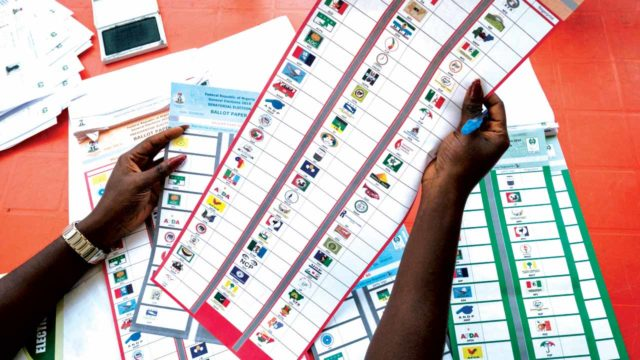
Under Nigerian electoral practice, ballot papers typically carry identifiable security markings—such as serial numbers, stamps, or holograms—to prevent counterfeiting. However, Section 63(2) of the revised law allows presiding officers to count ballots lacking such features if they are “satisfied” the papers originated from official booklets.
Critics argue that this discretionary power introduces subjectivity into a process that has historically relied on strict verification standards.
Kingibe, who served on the National Assembly committee that worked on electoral reforms, insisted the clause was absent from the draft produced after two years of consultations involving lawmakers, the Independent National Electoral Commission, and civil society groups.
“We worked on a document that we believed would guarantee free and fair elections,” she said. “Every aspect of it was turned upside down.”
She further alleged bias within the electoral body’s leadership, stating that its chairman, Joash Amupitan, “has shown he is not unbiased”—a claim likely to intensify scrutiny of the commission as preparations for the next election cycle gather pace.
Technology vs. Discretion
The controversy also highlights a broader contradiction within Nigeria’s electoral framework: the simultaneous investment in advanced voting technologies alongside provisions that make their use optional.
“Why go to the expense of electronic and digital devices if you say you don’t have to use them?” Kingibe asked, referencing the decision by lawmakers to reject mandatory real-time electronic transmission of results.
The Independent National Electoral Commission has in recent years deployed systems like the Bimodal Voter Accreditation System (BVAS) to verify voters and curb fraud. Yet analysts warn that weakening complementary safeguards—such as secure ballot design—could erode those gains.
Loopholes or Layered Safeguards?
Supporters of the law argue that multiple verification layers still exist, even in the absence of visible ballot security features. These include serial tracking of ballot booklets, cross-checking the number of votes against accredited voters, and real-time monitoring by party agents and observers.
But opponents remain unconvinced.
Beyond Section 63, critics have flagged other contentious provisions, including limits on challenging election results based on procedural non-compliance and reduced requirements to hold specific electoral officials accountable in petitions.
Together, they argue, these measures could narrow legal pathways for contesting disputed outcomes.
Pressure for Reform
Despite the controversy, Kingibe expressed cautious optimism that the law could still be amended—if public pressure mounts.
“When there’s a need for it, things will be amended,” she said, invoking Nigeria’s past use of emergency legislative interventions.
For now, the debate underscores growing unease about the credibility of Nigeria’s electoral framework at a time when trust in democratic institutions remains fragile.
With the 2027 elections on the horizon, the stakes are rising—and so are the questions: whether the Electoral Act 2026 strengthens democracy, or quietly weakens the safeguards meant to protect it.