While families are still reeling from the Palm Sunday massacre in Plateau State, the situation in parts of Kwara has also deteriorated. Nightfall no longer comes quietly, it arrives with gunfire, panic, and the growing fear that help may not come.
Meanwhile, critics have described President Tinubu’s condolence visit at Jos airport as distant and insufficient, questioning whether it reflects the urgency of the situation on the ground.
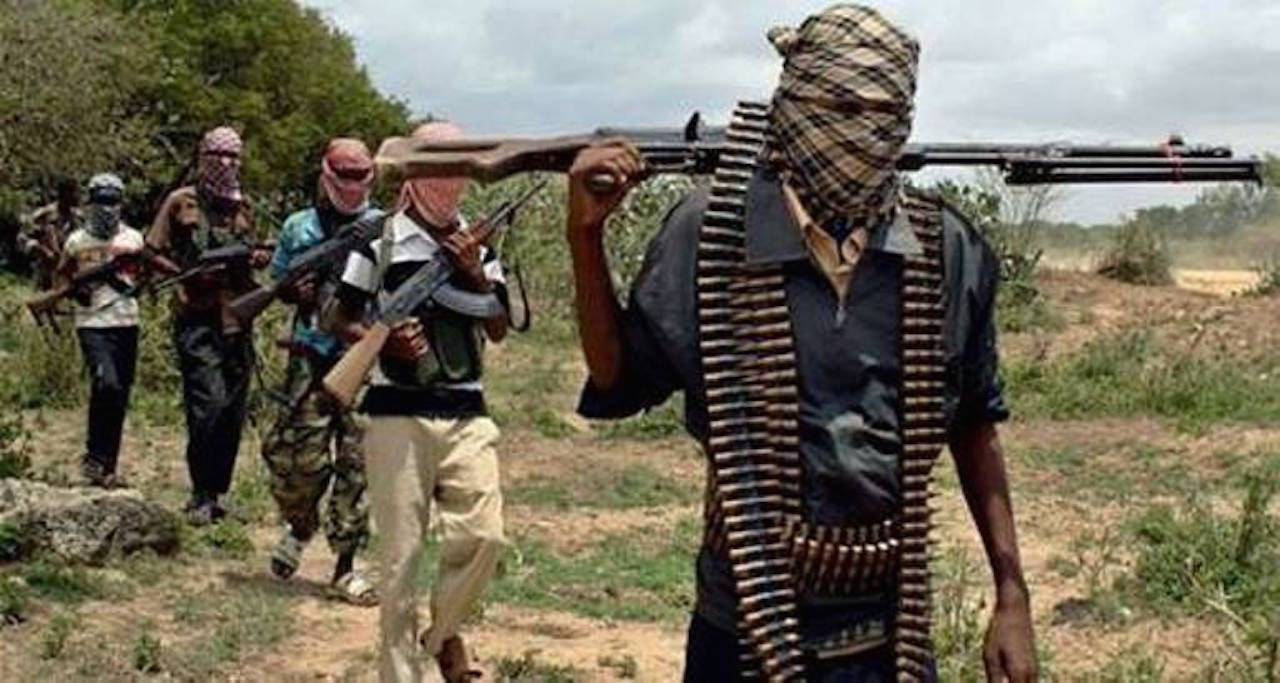
In Kwara state, at least five residents, including three soldiers, were killed when heavily armed bandits launched a coordinated attack on the twin communities of Mari and Dina in Patigi Local Government Area. Beyond the immediate death toll, the assault has exposed a more troubling reality: entire communities are being deserted, families are fleeing en masse, and there is a deepening sense that the state is losing control of its most vulnerable areas.
A Calculated Assault—and a Deadly Trap
Residents say the attackers arrived in large numbers, moving with precision and confidence. Gunfire erupted without warning, sending villagers scrambling into nearby bushes in a desperate bid to survive.
“It was chaos,” one local source said. “People were running in every direction. Some were shot while trying to escape. Nobody knew where the bullets were coming from.”
Several residents were reportedly abducted, including women and children, and marched into surrounding forests. Their whereabouts remain unknown, adding to the anguish of families already reeling from loss. But the violence did not end there.
When troops from the Forward Operational Base in Patigi mobilised in response to distress calls, they walked straight into a deadly ambush. The attackers, apparently anticipating the military response, had positioned themselves strategically along the route.
Three soldiers were killed in the ensuing gun battle. A military patrol vehicle was set ablaze. “It was a trap,” another source said. “The bandits were waiting.”
Communities Under Siege
Eyewitness accounts suggest the attack was not random. Residents describe it as highly coordinated, raising fears that armed groups are becoming increasingly sophisticated, and emboldened.
For many in Kwara South, the assault is part of a disturbing pattern.
“This is no longer occasional violence,” a community member said. “It is becoming a way of life.”
Across affected areas, fear has taken hold. Villagers say they can no longer sleep peacefully, unsure when the next attack will come—or whether anyone will come to their rescue.
A Humanitarian Crisis Unfolds in Nasarawa
While Kwara bleeds, neighbouring Nasarawa is witnessing a different but equally devastating consequence: mass displacement on a staggering scale.
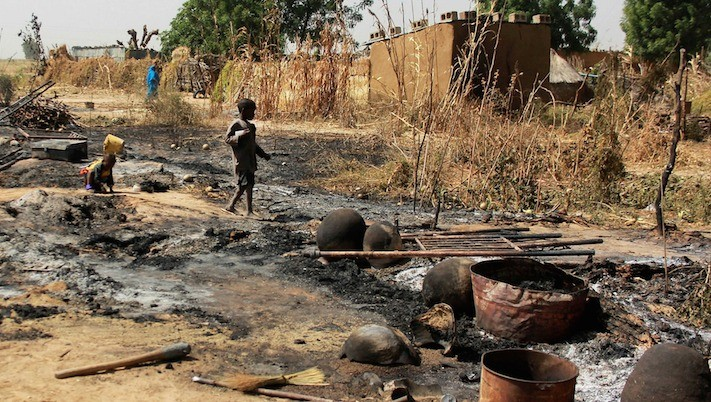
Thousands of residents have fled their homes following renewed bandit attacks, trekking long distances on foot with whatever belongings they can carry.
Footage from communities around the Green River axis shows an unending stream of displaced people, women clutching infants, elderly men struggling to keep pace, children trailing behind in exhaustion.
“We have been driving for several minutes and people are still coming,” one eyewitness said. “They are leaving everything behind.”
Local estimates suggest the number of displaced could exceed 7,000—far higher than official figures. Many have nowhere to go.
“No shelter, no food, no protection,” another witness said. “This is very, very bad.”
Empty Towns, Silent Streets
In some areas, entire communities have been abandoned. Homes stand empty. Shops are shuttered. Farmlands lie untended. What remains is silence, and fear.
Residents warn that if the attacks continue unchecked, rural depopulation could accelerate, pushing bandits closer to major towns and urban centres.
“The villages are gone,” one local said bluntly. “If nothing is done, the cities are next.”
A Crisis of Confidence in Government
Amid the escalating violence, frustration with government response is boiling over. Residents accuse authorities of failing to provide adequate security, leaving communities to fend for themselves against heavily armed groups.
“The government has abandoned us,” one displaced resident said. “We are on our own.”
That sentiment is increasingly echoed across affected regions, where people say the absence of visible security presence has deepened their vulnerability.
Leadership Under Fire
The crisis has also reignited scrutiny of federal leadership.
President Bola Ahmed Tinubu faced backlash following a brief condolence visit to victims of a separate attack in Plateau State, held at an airport rather than the affected community. Critics and victims argued that holding the meeting at the airport, far from the community where 28 people were killed, displayed a profound lack of empathy.
The President reportedly told families he could only spend 10 minutes, which was slammed as “indifference dressed as protocol”.
Opposition voices characterized it as optics over substance, while grieving families reportedly felt disconnected from the gesture.
The presidency, however, defended the decision, citing security and logistical constraints, as well as prior engagements. Officials insisted the focus remains on long-term solutions, including enhanced surveillance and security deployments.
A Nation on Edge
From Kwara to Nasarawa, the pattern is becoming harder to ignore. Attacks are growing more coordinated. Communities are increasingly exposed. Displacement is rising. Trust in protection is eroding.
What is emerging is not just a security crisis, but a slow, visible unravelling of rural life. For those on the frontlines, the reality is stark. They are not just fleeing violence.
They are fleeing a future that no longer feels safe.
Watch the video below.