Nigeria’s 2026 budget has become the subject of another spending controversy after a N6.44 billion appropriation for a “Presidential Support Group for the 2026 World Cup qualifiers” drew attention despite the Super Eagles’ failure to qualify for the tournament, reigniting debate over transparency and fiscal discipline in the country’s appropriation process.
The latest controversy comes barely weeks after public debate over other disputed appropriations, including allocations linked to projects critics said fell outside the statutory mandates of certain agencies and concerns over funding earmarked for entities whose legal or operational status has been questioned.
Together, the controversies have revived a familiar question: How do questionable budget lines repeatedly find their way into Nigeria’s annual spending plans despite worsening economic conditions and growing demands for transparency in public finance?
The World Cup allocation has drawn attention because Nigeria’s Super Eagles failed to qualify for the 2026 FIFA World Cup, prompting questions over why such a substantial provision remained in the budget and whether any public funds were, or are intended to be, committed under that heading.
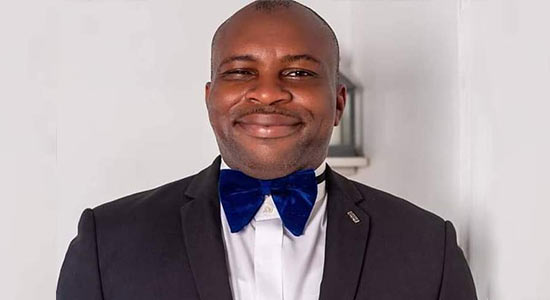
Former Vice President Atiku Abubakar, who weighed in on the controversy on Wednesday through his spokesman, Phrank Shaibu, described the appropriation as difficult to justify.
“How does a serious government budget N6.44 billion for presidential support for World Cup qualifiers after the country had already been eliminated?” he asked.
“What competition was the money intended to support? Who inserted the provision, who approved it, and who was expected to benefit from an expenditure whose stated purpose had already ceased to exist?”
According to the statement, the allocation was reportedly intended to cover logistics, camping and match bonuses connected with Nigeria’s World Cup qualifying campaign.
Whether the appropriation was ultimately released, remains dormant or was intended for another purpose has yet to be publicly clarified by the relevant authorities. The controversy has nevertheless renewed calls for greater transparency in the preparation, amendment and implementation of the national budget.
The questions come at a particularly difficult moment for Africa’s largest economy.
Across the country, millions of Nigerians continue to grapple with soaring food prices, high unemployment, declining purchasing power and widespread infrastructure deficits. Public hospitals struggle with inadequate funding and medical personnel shortages. Many public schools require urgent rehabilitation, while communities across several states continue to demand better roads, electricity, potable water and stronger security in the face of persistent attacks by terrorists, bandits and kidnappers.
Against that backdrop, governance experts have repeatedly argued that every poorly explained appropriation carries an opportunity cost. Resources committed to projects whose necessity or legal basis cannot easily be justified are resources unavailable for critical investments capable of improving the daily lives of citizens.
The controversy also feeds into broader concerns that have trailed successive federal budgets over alleged insertions, duplications and allocations that appear disconnected from the statutory responsibilities of some beneficiary institutions. Those concerns have fuelled repeated calls for stronger legislative scrutiny, more transparent budget preparation and greater public accountability throughout the appropriation process.
Nigeria’s Constitution vests the power of appropriation in the National Assembly, but constitutional lawyers have consistently argued that this responsibility extends beyond approving expenditure. It also requires lawmakers to ensure that public funds are allocated lawfully, prudently and in ways that advance the public interest.
Atiku said the latest appropriation reinforced public perception that sections of the national budget had become susceptible to expenditures lacking a clear and defensible public purpose.
He urged the National Assembly to investigate the provision, establish whether any funds have been released under the budget line and ensure that, where appropriate, resources are redirected towards more pressing national priorities.
The latest controversy is likely to intensify debate over whether Nigeria’s budgetary process has become sufficiently transparent to inspire public confidence or whether more far-reaching reforms are required to eliminate questionable allocations before they become law.
For many observers, the issue extends beyond one disputed budget line. It goes to the credibility of a public finance system expected to balance limited national resources against overwhelming national needs. At a time when government continues to urge citizens to make sacrifices in the interest of economic recovery, every controversial appropriation inevitably raises a broader question: Are public resources being deployed where Nigerians need them most?