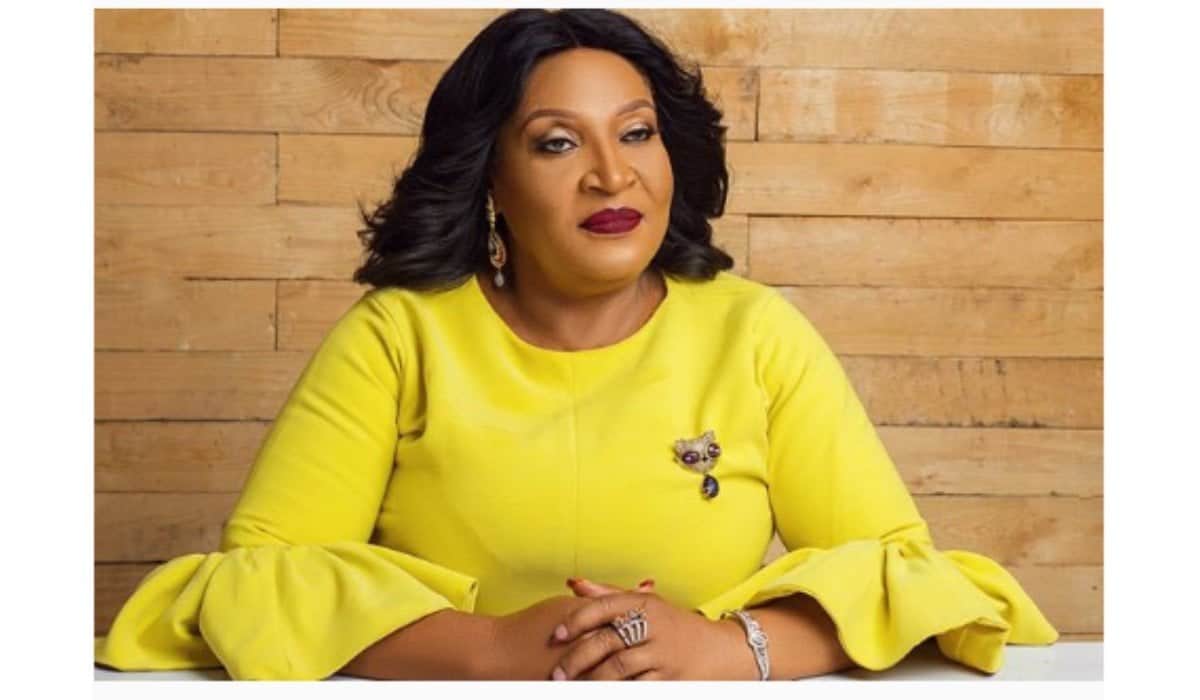
Veteran Nollywood actress Ngozi Nwosu has broken her silence about enduring domestic abuse in her former marriage.
She revealed that she suffered severe physical violence, including beatings during pregnancy, before choosing to walk away.
Speaking on the podcast Real Life Matters with Aunty Ayo, hosted by actress Ayo Adesanya, Nwosu shared her painful experience.
She said marriage should never be treated as a “do-or-die affair,” urging women to prioritise safety over societal pressure.
According to her, social media often glamorises pain while masking the brutal reality many women face in private.
“When you see real beating, correct pummeling, you won’t even remember social media,” she said. “You’ll struggle for your life.”
Nwosu explained that she endured the abuse silently and refused to make her struggles public while it lasted.
“I didn’t want to wash my dirty linen in public,” she said. “It was well while it lasted, but I don’t want to talk about it.”
She admitted she once tried to leave her marriage after being beaten, but was persuaded to stay by family members.
“He beat me even while I was pregnant,” she recalled. “I said this marriage is a no-no for me.”
Her elder sister begged her to stay, saying the man was sorry and asking what people would say.
“I agreed, but once beaten, always beaten,” Nwosu said. “If you take it once, be ready to take it forever.”
The actress expressed deep sympathy for women trapped in abusive relationships.
She referenced the late gospel singer Osinachi Nwachukwu, whose death was reportedly linked to domestic violence.
“When it’s too much, you have to move,” she advised. “It’s your life we are talking about, not theirs.”
Legal experts have also raised concerns about outdated marriage laws that fail to protect victims of domestic violence.
Senior Advocate of Nigeria Ebun-Olu Adegboruwa noted that Nigeria’s matrimonial laws are relics of colonial times.
He argued that these laws do not reflect modern realities or the cultural and emotional complexities of Nigerian families.
According to him, domestic violence cases like FRN v Okeke show why legal reforms and stronger enforcement are urgent.
He emphasised that a broken chain of causation or weak evidence often prevents abusers from being held accountable.
The case also exposed flaws in Nigeria’s healthcare system, where poor diagnosis and negligence can worsen abuse outcomes.
Adegboruwa urged families to instil respect, self-control, and compassion in their children from an early age.
He said domestic violence often stems from poor upbringing and a failure to resolve conflicts peacefully.
“The family is the foundation,” he wrote. “When it collapses, society bleeds.”
For Nwosu, survival came through courage and self-worth.
“I chose life over marriage,” she said. “No woman should die proving loyalty to pain.”