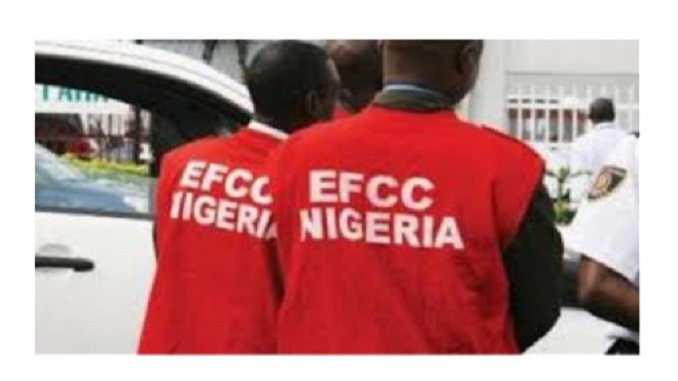
A Court of Appeal verdict in Port Harcourt has reopened debate over the powers of the Economic and Financial Crimes Commission and the extent to which state governments can resist federal anti-corruption investigations.
In its decision delivered on Friday, the appellate court ordered the enforcement of a 2007 High Court judgment that barred the EFCC from investigating the accounts of the Rivers State Government.
The court held that the anti-graft agency was still bound by the original ruling because it never appealed the judgment when it was first issued nearly two decades ago.
The case traces back to February 16, 2007, when the High Court of Rivers State restrained the EFCC from probing the state’s finances. The matter that later reached the Court of Appeal in 2011 focused not on whether the original judgment was correct, but on whether it should be implemented.
According to the appellate court, the answer was straightforward: the EFCC failed to challenge the 2007 ruling and therefore cannot ignore it years later.
The judgment is already drawing attention from lawyers, anti-corruption advocates and political observers who believe it may influence how other states respond to federal financial investigations.
Some analysts argue that the ruling could encourage more state governments to seek legal shields against EFCC scrutiny, especially in a country where questions around public spending, debt and accountability remain politically sensitive.
Reacting to the decision, legal scholar and public affairs commentator Prof. Chidi Odinkalu suggested the ruling may deepen concerns about selective enforcement in Nigeria’s anti-corruption campaign.
“Other states will claim benefit of this decision,” Odinkalu wrote. “One consequence could be that the EFCC will double down on harassing students and hair salons in order to form activity. The politicians meanwhile can double down on plunder under cover of judicial protection.”
His remarks reflect wider criticism often directed at the commission over the visibility of raids targeting young Nigerians and small businesses, while several politically exposed corruption cases remain unresolved for years.
The speed with which a certified true copy of the judgment became available also drew attention online.
“In case you have not noticed, the judgment was issued yesterday and there is already a certified copy,” Odinkalu noted. “That is a small miracle in a country where judgments can take months to break cover.”
The EFCC has yet to publicly comment on the ruling.
Beyond the legal implications, the judgment has revived broader questions about accountability and institutional credibility. For many Nigerians already frustrated by rising living costs, growing public debt and failing infrastructure, the case adds to concerns about whether public institutions are equipped to effectively monitor government finances.
The ruling may ultimately become more than a Rivers State case. It could shape future disputes over how far federal anti-corruption agencies can go in scrutinising state governments — and how easily those powers can be limited through the courts.