When endurance becomes a way of life
By Lillian Okenwa
There is something remarkable about Nigerians. We endure. We adapt. We improvise. We survive.
Perhaps no people have perfected the art of making something out of almost nothing with such stubborn determination. Parents still wake before dawn. Traders still open their shops. Farmers still venture out despite fear. Workers still report for duty. Young people still dream, even if those dreams increasingly come with exit plans.
But there is a dangerous mistake we make as a nation. We often confuse survival with healing.
They are not the same.
Over the years, Nigerians have become experts at enduring hardship. We have learnt to manage almost everything. We manage transport costs. Manage rent. Manage school fees. Manage electricity. Manage healthcare. Manage insecurity. Manage hope itself.
Everything has become management.
Yet human beings were not created merely to survive. They were created to live, to flourish, to dream and to rest. Survival is what people do in emergencies. The tragedy is that many Nigerians have now lived so long in emergency mode that it has begun to feel normal.
Read Also: Echoes of Trauma: The people we forget after the headlines fade
But abnormality does not become healthy simply because it has lasted.
Behind every inflation statistic are exhausted people. A teacher skips meals so her children can eat. A retiree cuts his medication in half because his pension no longer stretches. Young graduates sit under their parents’ roofs wondering when life will finally begin. Families postpone treatment because hospitals have become too expensive.
Economic debates may occupy conference halls and policy papers. Citizens experience policies differently. Through empty refrigerators. Through anxious conversations around dinner tables. Through postponed dreams.
And while economists celebrate macroeconomic indicators and investors discuss future possibilities, millions of Nigerians are dealing with something far less abstract.
Emotional exhaustion.
The hunger has become democratic.
Nobody needs complicated grammar anymore to explain the situation. The market woman understands it. The commercial driver understands it. The fresh graduate understands it. Even the middle class now understands it with frightening intimacy.
When families that once discussed investment opportunities are now debating how many eggs should appear on the breakfast table, something deeper than economics is taking place.
It is psychological.
Mental health specialists are increasingly warning that young Nigerians are experiencing burnout, anxiety and depression under the weight of economic pressures, unemployment, academic competition and social expectations. Success has become a race without rest. Productivity is celebrated. Recovery is ignored.
Healthy ambition is gradually giving way to unhealthy pressure. Social media compounds the problem, presenting carefully edited lives that make ordinary struggles appear like personal failures. Comparison breeds despair. Fear of failure becomes chronic anxiety.
But the problem goes beyond young people.
The entire nation appears trapped in survival mode.
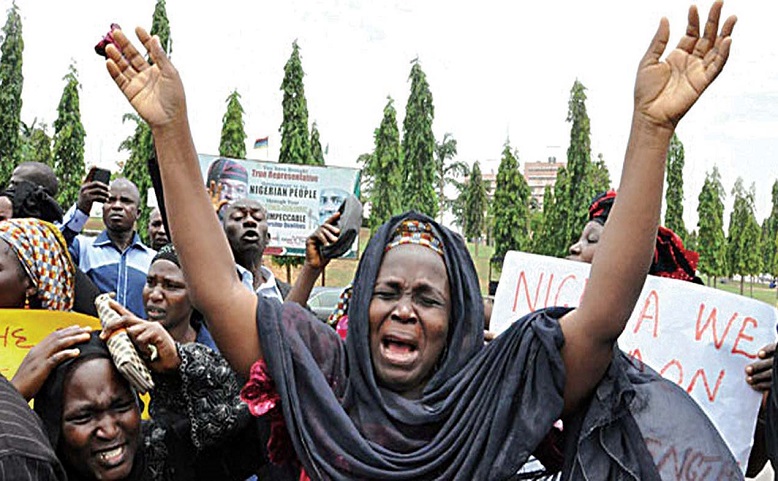
People no longer react to bad news with the same outrage. Repeated killings, kidnappings and violence have created what psychologists call compassion fatigue. Horror no longer horrifies us as it once did.
The consequences of insecurity go far beyond the headlines. They include abandoned farms, disrupted education, shrinking businesses and chronic anxiety across communities. Parents now investigate school security before they investigate academic standards. Travellers rehearse emergency phone calls before interstate journeys. Entire communities live under permanent tension.
And perhaps the greatest danger is emotional hardening.
People become numb.
Outrage fades. Compassion weakens. Citizens adjust to conditions that should provoke national outrage. Stable electricity becomes cause for celebration. Bread prices rise so frequently that consumers no longer complain. They simply sigh.
Nigeria moves on because Nigeria always moves on.
But moving on is not the same thing as healing.
Unfortunately, healing itself has become a luxury.
Trauma-informed care remains largely absent from our public conversations. Mental healthcare is poorly funded and often inaccessible. Counselling remains beyond the reach of many ordinary citizens. In workplaces, burnout is seen as dedication. In homes, emotional distress is dismissed as weakness. In churches and mosques, spiritual support, though important, is sometimes expected to substitute for psychological care.
Talk about mental health is growing, but conversation alone cannot heal people who are struggling to feed themselves.
No amount of motivational speeches can substitute for security, dignity and economic stability.
Still, despair must not have the final word.
The way out begins with recognising that mental health is not a luxury reserved for the wealthy. It is a public necessity.
Government must treat trauma and emotional wellbeing as public health priorities. Primary healthcare centres should incorporate basic mental health services. Schools and universities should provide counselling support. Employers must recognise that rest is not laziness. Faith communities and civil society groups can help dismantle the stigma around seeking help. Communities should rebuild the culture of checking on one another rather than suffering in silence.
Above all, leadership must rediscover empathy.
Economic reforms are not merely numbers. They affect human beings. Policy must be measured not only by graphs and statistics but by whether families can sleep without fear, afford food without humiliation and hope without anxiety.
Nations do not survive on GDP figures alone.
They survive on hope.
And hope is becoming dangerously scarce.
Yet despite everything, Nigerians continue to rise each morning. Mothers still sacrifice. Fathers still struggle. Young people still dream. Small businesses still open their doors. Communities still support one another.
There is resilience everywhere.
Resilience is a beautiful virtue, but when leaders begin to rely on it too comfortably, resilience becomes exploitation.
Yet there comes a time when a people must stop congratulating themselves merely for surviving. A nation cannot remain permanently in emergency mode. Nigerians deserve more than endless management. They deserve security, dignity and the freedom to dream again.
A people can endure much. History proves that.
But endurance is not governance.
Suffering is not patriotism.
And survival, however admirable, is not recovery.
After years of simply surviving, perhaps the question confronting us now is no longer how Nigerians are coping, but when we shall finally begin to heal.
A lawyer and equity advocate, Lillian can be reached at [email protected]