Nigeria’s legal education authorities have drawn a firm line against sweeping reforms while imposing some of the toughest disciplinary sanctions in recent years, signalling a hardening stance on both policy and professional standards.
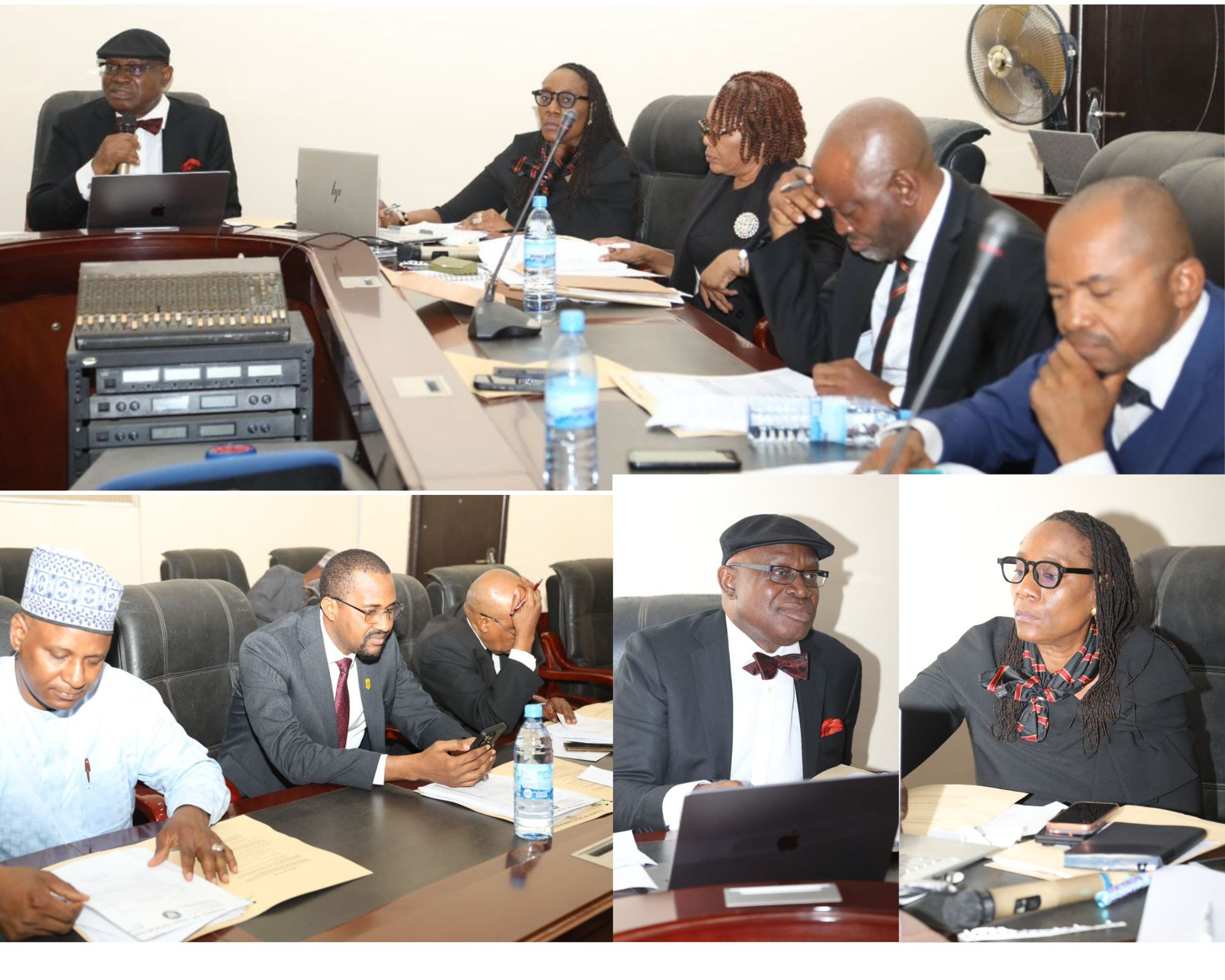
At its second quarter meeting held in Abuja, the Council of Legal Education rejected growing calls to privatize legal training and decentralize the Nigerian Law School system, warning that such moves could undermine the integrity of the country’s legal profession.
Presiding over the meeting, Council Chairman Emeka Ngige, SAN, reaffirmed the body’s commitment to maintaining centralized oversight while pursuing incremental improvements in quality.
Reform Proposals Rejected
The Council’s pushback comes amid increasing debate over whether Nigeria’s legal education system should open up to private sector participation.
But members dismissed the idea outright, insisting the current structure remains essential for maintaining uniform standards in the training of lawyers.
Bar Exam Results Reveal Stark Divide
The Council also approved results from the December 2025 Bar Final Examinations, offering a snapshot of performance across the country.
Out of 7,602 candidates:
- Only 212 earned First Class honours
- More than 1,000 candidates failed outright
- Hundreds more received conditional passes
The figures highlight a persistent performance gap, raising fresh questions about preparedness and the rigor of legal training nationwide.
Decade-Long Bans in Misconduct Crackdown
In one of the meeting’s most consequential decisions, the Council approved sweeping sanctions against students found guilty of examination misconduct.
Three candidates were handed a 10-year ban from both Bar Part I and Part II programmes.
An additional 20 applicants were penalized for failing to disclose prior misconduct during admission processes:
- Those who concealed their records received 10-year bans
- Those who disclosed them were issued five-year bans
The move underscores a zero-tolerance approach to ethical breaches at the entry point of the legal profession.
Universities Cleared—And Checked
The Council also approved accreditation outcomes affecting several universities.
Both Babcock University in Ogun State and Lux Mundi University in Abia State received approval to begin academic programmes with an intake of 50 students each.
Meanwhile, Crescent University secured an increase in its admission quota, while Christopher University was denied expansion due to unresolved deficiencies, highlighting uneven compliance across institutions.
Leadership and Institutional Direction
The meeting also marked the first Council session for the Director-General of the Nigerian Law School, Olugbemisola Odusote, whose leadership the Council publicly endorsed.
In a further administrative move, S. A. Osamolu was confirmed as the substantive Deputy Director-General.
What It Means
Taken together, the decisions point to an institution intent on tightening control, over both the structure of legal education and the conduct of those within it.
By rejecting privatization, enforcing strict disciplinary measures, and maintaining centralized authority, the Council is signalling that reform, if it comes, will be on its own terms.
For aspiring lawyers, the message is clear: standards are rising, and the consequences for falling short are becoming far more severe.