By Kachi Okezie, Esq
The gavel didn’t fall for a barrister last month. It fell for code. At Wandsworth County Court, a judge awarded £7,000 to a freelance HR consultant and dismissed the other side’s counterclaim. Nothing unusual there: small claims courts do that daily. What was unusual was who prepared the case. Garfield AI, the UK’s first regulated AI law firm, didn’t just assist a lawyer. It drafted the pleadings, managed disclosure, prepared four witness statements, compiled the trial bundle, and ran the strategy. Then it instructed a human barrister for the 3-hour hearing because UK law still requires a mouthpiece in court.
The barrister looked at the AI’s work and called it “more than sufficient”. The judge agreed. Code beat counsel, and for the first time anywhere in the world, a court accepted that an algorithm could meet the duty of care owed to a client and win against human solicitors. That is the day law stopped belonging only to those who can afford it.
To understand why this matters, start with the economics of justice. Law has always been priced like a luxury. In London a junior solicitor bills £300 an hour. In Lagos a simple demand letter can cost a month’s rent. The result is a silent tax on legal rights. A landlord loses a deposit, an employer withholds final pay, a client refuses to pay an invoice. The amount is too small for court but too large to ignore. So people walk away. They tell themselves “it’s not worth the stress” and the debtor learns that delay pays. That is not justice. That is rationing.
Garfield cut through that rationing by doing what AI does best: turning repetition into software. It interviewed the client, identified the legal basis, drafted the letter before action for £2, filed the claim for £50, responded to the defence, and prepared everything a county court judge expects. Total cost to the client: £400. The other side had both a solicitor and a barrister. Garfield had training data and processing power. The judge didn’t care which side had more wigs. He cared which side had better documents. And code won.
Now move that logic from London to Abuja, Accra, Nairobi, and Kampala. The problem Garfield solved is our problem too, only bigger. Nigeria’s MSMEs are owed trillions in unpaid invoices. The World Bank says enforcing a simple contract in Nigeria takes 546 days on average. Most traders, freelancers, landlords, and small businesses never bother with court because the price of entry is higher than the claim itself. An AI firm that can file a magistrate court claim for ₦25,000 in fees changes that calculation. Suddenly the cost of recovery drops below the value of the debt. That shifts behaviour. When debtors know you can sue cheaply and quickly, they pay on time. Contract culture improves not because people got more honest, but because enforcement got more affordable. Code over counsel means consequences over excuses.
The second reason this hits differently in developing societies is supply. Nigeria has roughly 140,000 lawyers for 220 million people, and most are clustered in Lagos and Abuja. If you’re in Lokoja, Yola, or Ogbomoso, finding affordable counsel for a tenancy dispute or NYSC allowance issue can be tough. AI doesn’t need a Lekki office. It needs your facts and the internet. Garfield is authorised by the UK Solicitors Regulation Authority, which means it carries insurance and client money protection. A Nigerian version regulated by the NBA and LPDC could do the same for debt recovery, tenancy, consumer complaints, employment disputes, and the thousands of small matters that clog our lower courts. Not murder trials, not complex mergers. But the 80% of legal problems that are document-heavy and precedent-driven. Code can scale where humans can’t.
There’s also the corruption angle that most people won’t say out loud. Part of why Nigerians avoid courts isn’t just cost, it’s friction. Adjournments, lost files, “come back next month”, informal demands. AI doesn’t get tired, doesn’t forget deadlines, and doesn’t ask for “transport money”. It files on time, tracks every date, generates perfect bundles, and cites the rules. That doesn’t end judicial corruption overnight, but it removes the logistical gaps that enable discretion to become delay. When both parties submit AI-drafted, citation-checked pleadings, the judge can focus on law instead of chasing paperwork. Code over counsel makes the process boring, and boring processes are harder to manipulate.
The pushback will be loud. “AI can’t understand context.” Fair. Today’s models still hallucinate and miss nuance. Garfield didn’t argue the case itself; a human barrister did. That hybrid is the real near future: AI handles 90% of drafting, research, and admin, humans handle advocacy and judgment. “What about jobs?” The same fear greeted calculators, word processors, and e-filing. Junior lawyers won’t vanish. Their work shifts from typing witness statements to checking AI output, advising clients, and doing courtroom persuasion. Firms that adapt will reach more clients at lower cost. Firms that don’t will price themselves out of small claims entirely. The market will decide.
But the deepest shift is philosophical. For yonks, the legal profession has sold itself as a priesthood. Complex language, slow process, high fees, exclusive access. Garfield’s win says the technical part isn’t magic. If an algorithm can read the Civil Procedure Rules, apply them to facts, and persuade a county court judge, then legal knowledge is more codifiable than we like to admit. That’s uncomfortable for lawyers, but liberating for everyone else. Justice stops being something you buy from a gatekeeper and starts being something you access like electricity or mobile money. You still need senior advocates for complex matters, but for routine rights enforcement, you only need software.
For Nigeria, the Wandsworth judgment should be a starting gun. Imagine an AI firm integrated with a National Court Automation System. You upload your contract and proof of service. It drafts the claim, files it in the magistrate court, serves the defendant electronically, and reminds you of hearing dates. Flat fee: ₦25,000. That would flood lower courts at first, yes, but it would also flood the economy with recovered cash. It would teach a generation that the law works if you can afford to use it. Right now too many Nigerians don’t believe that. An AI barrister could change the belief by changing the price.
£7,000 is small money in London. But history doesn’t care about the amount. It cares about the precedent. This is the first time a court accepted AI as counsel’s equal for prep work and awarded judgment against human lawyers. The next decade will scale that from £7k claims to £70k, then to family matters, then to criminal defence support. Robots won’t replace judges or senior advocates. But they will replace the friction that keeps ordinary people out of court.
Code over counsel doesn’t mean lawyers are obsolete. It means law is no longer a monopoly. The day Garfield won in London was the day AI proved justice can be cheaper, faster, and still fair. And once justice gets cheaper, everything else, business trust, contract culture, faith in institutions, starts to change too. The robot barrister didn’t just win a case. It announced that law, finally, belongs to everyone.
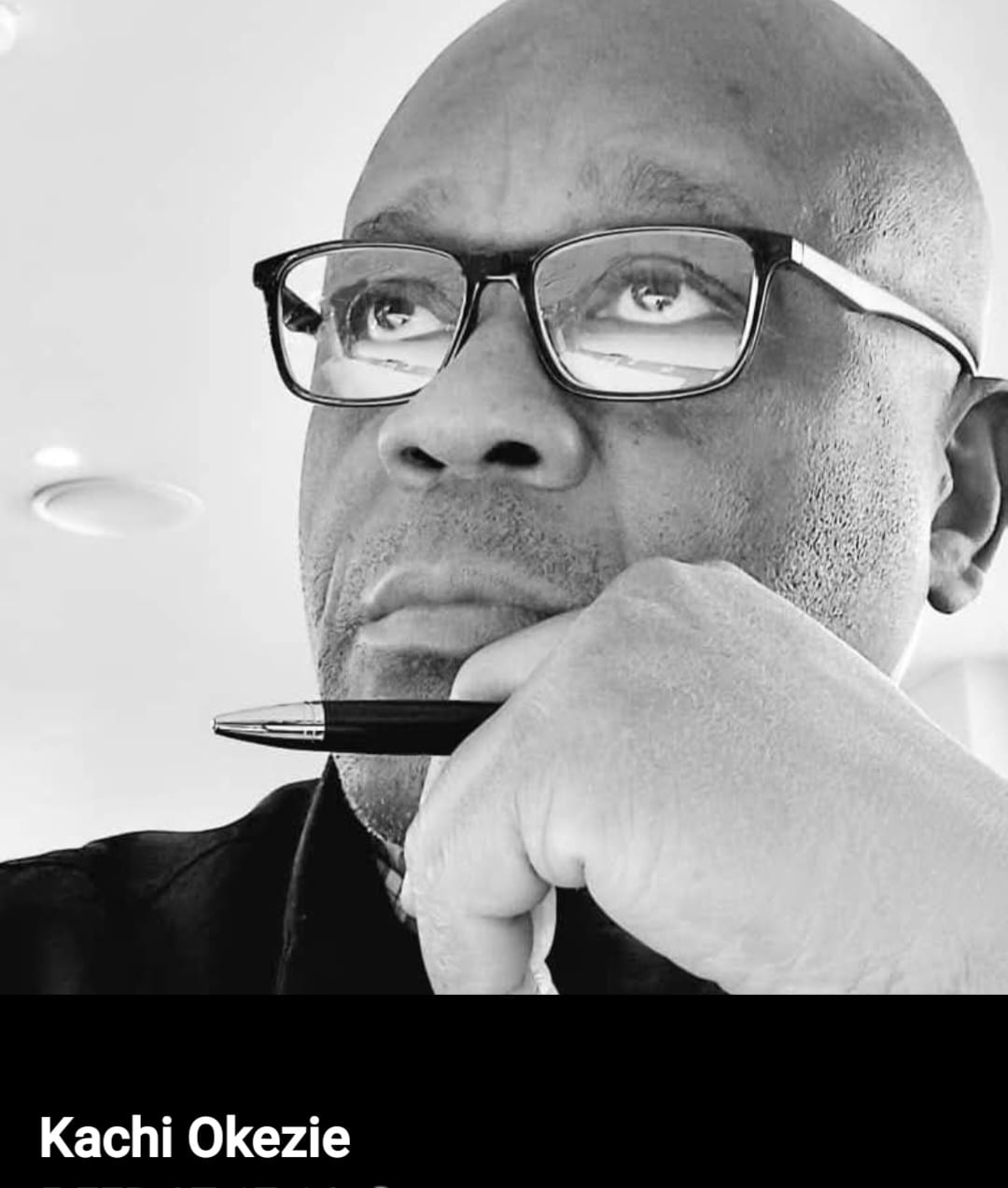
Kachi Okezie, Esq is a legal practitioner and chartered mediator.