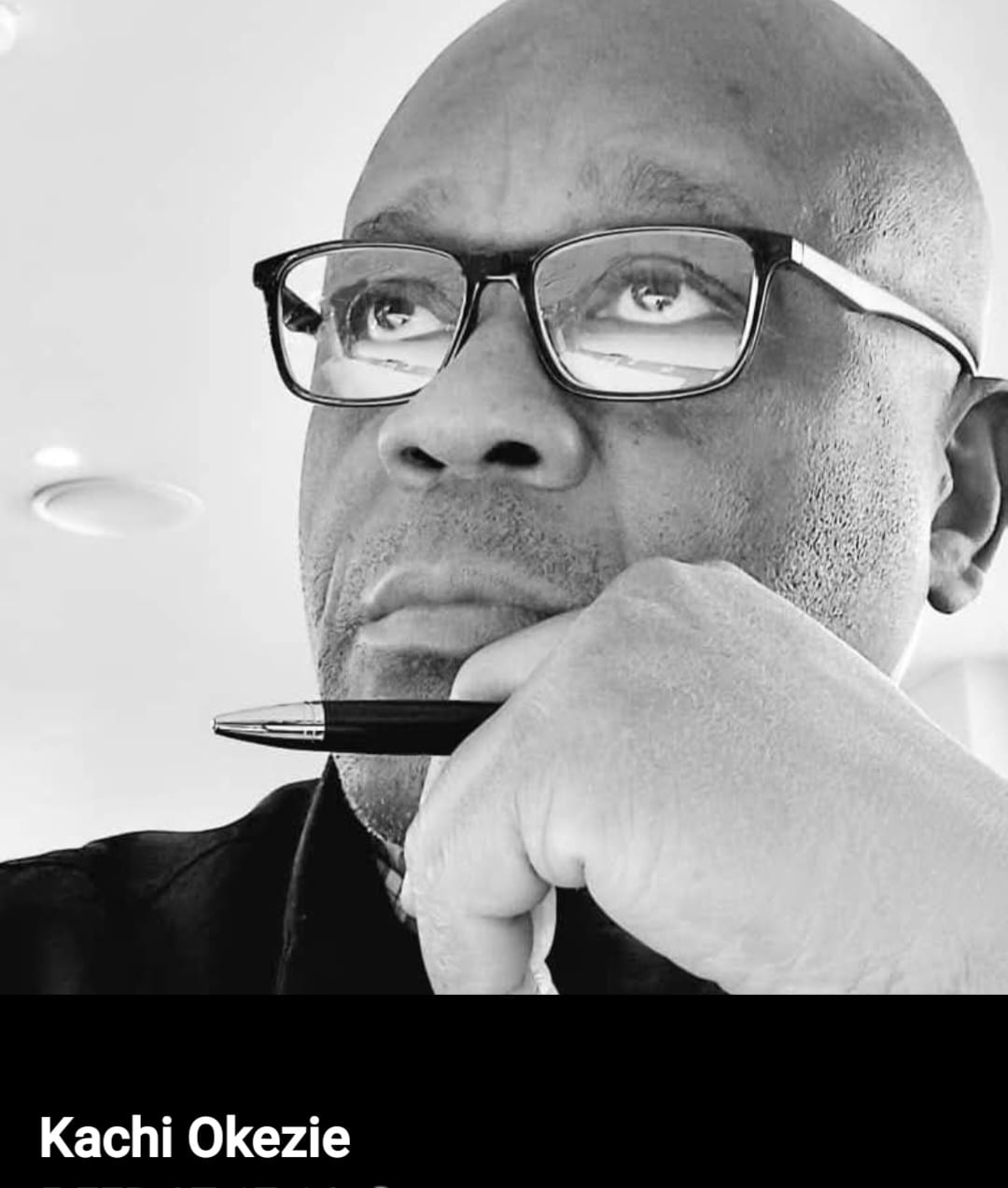
By Kachi Okezie, Esq
A Facebook post recently sparked an uncomfortable but necessary debate. The claim was blunt: Nigerians based in the UK are poor! Not broke, not stingy, but poor — especially when compared with Nigerians living in the EU, the United States, Canada, or even Malaysia. Predictably, the comment offended many. But it left me rather bemused. The reason is because beyond the outrage lies a more serious question Nigerians rarely confront honestly: what do we really mean when we talk about poverty?
Because “broke” is temporary. It describes a phase, a setback, a rough patch. Broke assumes recovery. “Stingy” is different — it is deliberate. You have money, but you are selective about how it leaves your hands, who you give it to, and in exchange for what. But “poor” is not merely an economic condition. At its most damaging, poverty is behavioural. It is cultural. It is a mindset or mentality that survives even when income improves.
Years spent living in the UK make this distinction impossible to ignore. The British system is not glamorous, but it is rigid and deeply structured. Time is money in the most literal sense. You are paid for hours worked, and those hours are accounted for. There is no big-man culture to negotiate with, no madam to appease, no shortcut worth the consequences. Accountability is baked in. Planning is normal. Waste is costly.
The social safety net reinforces this discipline. Healthcare, education, and basic public services function well enough to remove constant survival anxiety. Taxes are collected with frightening efficiency — compliance is not optional. In such an environment, dependence loses its moral cover. There is little room for a “dash me” mentality when the system already provides a baseline of dignity for everyone. What remains is choice: how you spend, how you save, how you plan. If you fail to plan you plan to fail. Simple as.
Yet when Nigerians in the UK are compared with Nigerians in the US, Canada, parts of Europe, or Malaysia, an uncomfortable pattern appears. It is not always about earnings. UK-based Nigerians often earn less than those in North America, but so do other migrant communities — and many of those communities still appear more stable, less stressed, more upwardly mobile. But the strong sterling compensates handsomely. The difference is posture. Expectations. Financial habits and attitudes shaped long before migration. Begging normalised.
Nigerians mostly don’t suffer from a lack of ambition or grit. What they’re fast forming is an attitude of entitlement without structure. Hustle is celebrated, but discipline is ridiculed. Suffering is romanticised, yet accountability is resisted or excused. Many people carry extended family obligations they cannot afford, while simultaneously performing wealth they do not possess. Consumption becomes evidence of relevance. Saying no feels like failure.
These attitudes spill loudly into relationships. Nigerian women are generally intelligent, visible, and globally ambitious — as they should be. But ambition becomes distortion when it turns into extraction. Soft life is not the issue; soft accountability is. When marriage is framed as an upgrade plan rather than a partnership, when provision is demanded as proof of love while contribution remains negotiable, the outcomes should not surprise anyone.
It is no accident that many Nigerian men abroad increasingly form relationships with women from Uganda, Kenya, Zimbabwe, and similar contexts — women who often arrive with fewer assumptions and clearer expectations. This is not an insult; it is market feedback. People respond to incentives, not slogans.
The men are not innocent either. Many confuse pressure with masculinity, overextend themselves financially, avoid honest conversations, and then resent the expectations they quietly enabled. Everyone feels cheated. No one feels responsible.
So when someone says Nigerians in the UK appear “poor” compared to their counterparts in the US, Canada, the EU, or Malaysia, it is worth resisting knee-jerk defensiveness. What if the observation is not about salary levels but about culture and value systems? What if it is not income that is missing, but intention? What if money passes through quickly because planning never arrived with it?
Perhaps, this where institutions like the National Orientation Agency should matter — but rarely do. Nigeria’s real orientation problem is not motivation; it is recalibration. Work is treated as punishment, not leverage. Money is treated as validation, not a tool or factor of production. Relationships are treated as transactions, not partnerships.
Being broke is a phase. Being stingy is a choice. But being poor — truly poor — is when mindset quietly sabotages opportunity, again and again, across borders and currencies.
And that kind of poverty travels easily. It needs no visa.
The views expressed by contributors are strictly personal and not of Law & Society Magazine.