Home Blog Page 952

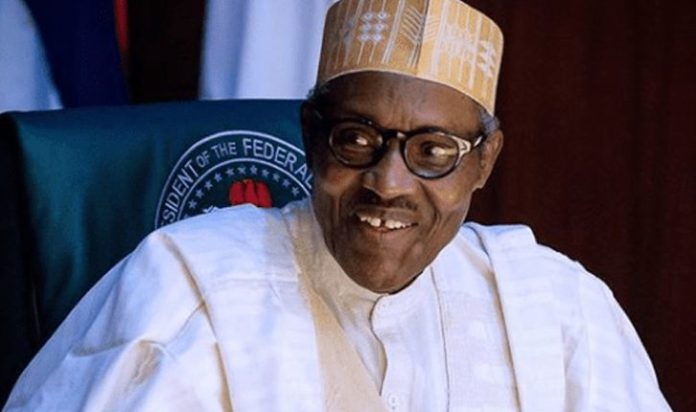
An Open Letter To President Buhari

By Dike Chukwumerije

Mister President, I listened very closely to your last interview, and would respectfully like to respond to the parts that stung me the most. You are famous for saying a lot with a little. And, in that interview, you did not disappoint. It is an ability every good poet strives to have. But, forgive me, this letter is rather long. Let us begin.

Your solution to the farmer/herder crisis is not the correct one. You have asked us to understand that open grazing is part of the culture of the nomadic Fulani. And you have also suggested that the way forward is to dispossess all who have encroached on those grazing routes and reserves marked out in the 1960s.

I know, sir, that as a Fulani man your heart will always tilt towards the Fulani. Indeed, as Nigerians, we all wrestle with this instinct – to speak in the interests of our own ethnic groups, even when so doing would, clearly, not be the right thing. But I appeal to you to consider the fact, easily verifiable, that open grazing by nomadic Fulani herdsmen is the cause of conflicts resulting in more deaths, year on year, in Nigeria today than any other. Please think about it. That a successful attack even by the dreaded Boko Haram does not immediately lead to a palpable heightening of ethno-religious tensions across the country. But each attack by armed herdsmen, not only puts more of your citizens – on average, per attack – in body bags, but feeds these tensions as directly as pouring kerosene on fire.

It cannot be that all affected farmers, from Zamfara to Bayelsa, different tribes, different tongues, all have this problem of not ‘understanding the culture of the Fulani’. It can only be that this aspect of the culture of the nomadic Fulani – like the killing of twins, or the abandonment of babies in evil forests, like mutilation of the genitals of little girls or the disinheritance of women – is one that needs to evolve with the times. Because Abuja, as it is today, did not exist in the 1960s. How can we go back? Our population has more than doubled since the 1960s. How can we go back? Attempting to force the country back to the days when a vast country and a relatively small and dispersed population made open grazing sustainable is as futile as banning Twitter. That train has left the station. Already, under your watch, the historic Hausa-Fulani classification has, for the first time in living memory, been broken. If you keep trying to send us back in time, with a policy position that considers the root cause of Nigeria’s most lethal crisis – the herder/farmer crisis – as the inability of all other ethnic groups to ‘understand’ the Fulani, your only success will be in further isolating the Fulani as targets of popular discontent in public imagination.

Two. We know you have kith and kin on the other side of the border with Niger – because you have told us so. We know that the Fulani from Mauritania (the ones you say are adept with the AK-47) cannot be distinguished from the Fulani in Nigeria (the ones you say only carry matchets and sticks). But for a believer in One Nigeria, one should not be left wondering if your loyalty to your trans-regional ethnic group is equal to, or greater than, your loyalty to your own nation. Do you consider yourself Nigerian first, or do you consider yourself Fulani first? If armed Fulani from across the West African region mobilize to carry out a struggle within Nigeria, on which side would you fight? If your honest answer would be, ‘on the side of the Fulani’, then you have more in common with today’s secessionists than you realize. And this is not uncommon. For we live in a country where the average citizen struggles with this internal sense of divided loyalties – between their ethnicity and their nationality. And it is precisely for this reason that our founding fathers made it a cardinal principle of the Nigerian state – to run an inclusive system of government. It is why section 15 of our Constitution mandates the State “to foster a feeling of belonging and of involvement among the various peoples of the Federation, TO THE END THAT LOYALTY TO THE NATION SHALL OVERRIDE SECTIONAL LOYALTIES”.

You see? Our founders, and our current Constitution, recognize that One Nigeria is a construct that has to be proactively invested in and built, if it is to be realized. And that one of the most important tools for doing this is running an inclusive government. That is a government that listens. That is a government that engages with different points of view. That is a government that carries everyone along. That is a government that, according to Sir Ahmadu Bello, does not pretend that we do not have differences, but instead commits to understanding these differences and accommodating them. This is the cardinal principle that your government has so visibly violated, particularly in the area of your body language towards the South East (that infamous 5% comment) and your appointments into sensitive positions. And it is this that is the root cause of the unrest in the region. For, as you very rightly said in your interview, if you give people what they want – the infrastructural development and sense of belonging they crave – they will leave you alone.

In truth, Nigeria is a country that only works when it is being led by someone who has resolved the inner struggle between tribe and nation within himself or herself in favour of nation. By someone who is truly committed to the National Interest. By someone who, in ethos and orientation, is Nigerian. For ‘One Nigeria’ is not a mantra. It is an outlook of tolerance, a willingness to accommodate, a commitment to building a diverse society where the rights of one are fairly balanced against the rights of the other, so that everyone has a healthy stake in the Union. It is just like Wole Soyinka said in his poignant rejoinder to that famous Civil War jingle. The Poet Laureate said – the attitude should not be, ‘To keep Nigeria one is a task that must be done’, rather it should be, ‘To make Nigeria one, Justice must be done’. For, ultimately, it is a just Nigeria that is One Nigeria – nothing else. With this in mind, Mr President, please lead us forward.

Igboland is not a dot and it’s not landlocked, By Aloy Ejimakor

It’s often said that a lie told so many times, if unchallenged, may – in course of time – begin to pass for the truth. One of such is the terrible lie, institutionally purveyed since the end of the Civil War, to the effect that Igboland is landlocked or has no access to the sea.

The purpose of this essay, therefore, is to debunk this lie with some simple historical and topographical evidence that are even in plain view, if you care to dig or do some basic physical explorations of your own.

Suffice it to say that it is a profound tragedy that entire generations of the immediate post-War Igbos never bordered to check but seemingly accepted this brazen institutional falsehood, largely intended to taunt the Igbo and put them down. A few that knew it to be false just didn’t care anymore.

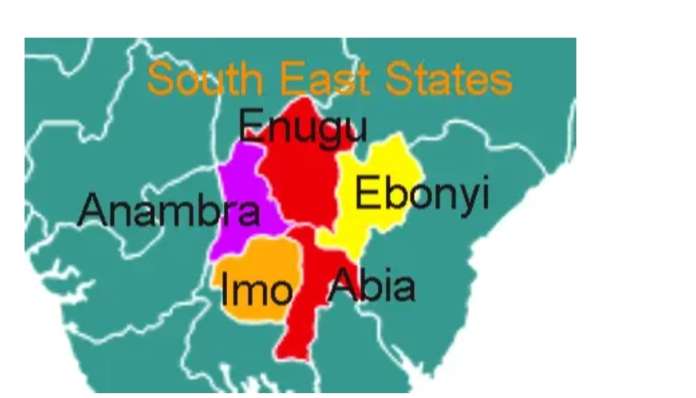
And that history was constructively banned since the end of the Civil War made it worse, plus the fact that most people don’t take physical Geography (or even adventure) that serious anymore, otherwise they would have discovered that Abia, Imo and Anambra states have varying short-distance paths to the Atlantic through Imo, Azumiri and Niger Rivers.

It’s not really rocket science, as you can easily confirm this if you know how to read (or plot) Google Earth; or you conquer your fear of swamp snakes and walk through these areas on foot.

There are also many other hardly explored waterways and slithering tributaries, including the remote reaches of Oguta Lake and Urashi River at Oseakwa (Ihiala) that meandered through Igbo-delta wetlands to the Southeastern ends of the Atlantic waterfront.

These rivers have varying lengths of short navigational paths to the Atlantic, and in some cases, are far shorter nautically (and even on footpath) than the Portharcourt, Calabar and Ibaka seaports are to their side of the Atlantic.

Many of these pathways, including particularly the ones from the outer reaches of Imo and Azumiri Rivers terminate at the Atlantic at no more than 15 to 30 Nautical miles to the beachhead. To put it in lay language, one nautical mile equals 1.8 kilometers.

Thus, the contiguity of Southeast (not even the greater Igboland) to the Atlantic is nautically less than the Atlantic is to the seaports in Calabar, Onne, Ibaka, Lagos and Portharcourt. If you discount the territories unfairly excised from Igboland during State creations and the damnable boundary adjustments, it will be far less.

To be sure, Ikwerre land or Igweocha which bears the greater portions of the Portharcourt seaport was dredged up to 50 miles to the Atlantic front through the Bonny River. Onne seaport was dredged up to 60 miles to the Atlantic and Calabar seaport was dredged some 45 nautical miles to the Atlantic. Ibaka seaport is about 30 nautical miles to the Atlantic and the Lagos seaports dredged up to about 50 nautical miles to the Atlantic.


State, which is only 25 nautical miles to the Atlantic from the confluence of Imo and Azumiri Rivers, of which Azumiri, on its separate merits, lies not more than 30 nautical miles to the Atlantic beachfront. The less obvious one is the little-known Oseakwa (Urashi) in Ihiala (Anambra State) which is mere 18 nauticals to the Atlantic, all with its 65 feet of natural depth, unarguably comparable to no other River in Nigeria.

Additionally, what is geopolitically known as Igboland today is far smaller than what it was and legally supposed to be. As far back as 1856, Baikie – one of the earliest and credible Geographers of ancient Nigeria, had this to say – “Igbo homeland, extends east and west, from the Old Kalabar river to the banks of the Kwora, Niger River, and possesses also some territory at Aboh, an Igbo clan, to the west-ward of the latter stream. On the north it borders on Igara, Igala and A’kpoto, and it is separated from the sea only by petty tribes, all of which trace their origin to this great race” (Baikie, William Balfour, published with a sanction of Her Majesty’s Government in 1856).

But with that infamous post-War abandoned property policy and the egregious institutional injustices in boundary adjustments, coupled with the widespread anti-Igbo gerrymandering, Igbos physically and psychologically lost political hold of their vested ancestral lands, all to the point of not caring anymore about their historical contiguity to the Atlantic, which their ancestors beheld and called ‘Oshimiri’ – The Great Sea.

The psychological beat-down and gang-up got so bad and institutional that some of the descendants of these Igbo ancestors (nearest to the Atlantic and now lying outside Southeast) are no longer sure whether they are Igbo or not.

The worst injustice was in 1976 when the Justice Nasir Boundary Adjustment Commission made a serious and targeted agenda of carving out core Igboland territories into some neighboring States of the South-South. But they didn’t quite make an absolute success of it. They missed the southernmost Southeast lands that possess Rivers that meandered through slices of Igbo-friendly South-South territories and ended up at the Atlantic, thus unwittingly (and luckily) placing Igboland and its right of access to the sea under the canons and realms of customary international law.

As it stands, international law of the sea guarantees Igboland (whether it remains Nigerian territory or not) unhindered access to the nearest sea (in this case: the Atlantic) peacefully through any of the various short-distance rivers, waterways and tributaries that originated from Igboland but ultimately washed into the Atlantic through contiguous SouthSouth territories.

For avoidance of doubt, there’s particularly the Obuaku confluence in Ukwa West (Abia State) that flows through greater Ikot Abasi in Akwa Ibom State before expanding out and washing into the near-reaches of the Atlantic. And the River Niger which ultimately joined the Atlantic through a vast network of hardly explored creeks and mangrove swamps that abut the Bight of Biafra (officially corrupted to Bight of Bonny, after the War).

Nigeria is subject to the International Law of the Sea and is therefore bound to abide by its provisions, should the need arise in a scenario of persistent sovereign oppression of the Igbo as an identifiable (and protected) indigenous group within Nigeria. The others are the United Nations Treaty of the Sea and the African Union Treaties and Conventions on the Sea, including particularly the African Charter on Human and People’s Rights, which Nigeria ratified and domesticated in 1983.

The pertinent provisions are mostly embedded in the copious protections relating to the collective economic and commercial rights of indigenous peoples lying within a Treaty nation. Ndigbo are undoubtedly an indigenous people presently lying within Nigeria.

So, international law will surely come into play should a belligerent or legal conflict arise out of Nigeria’s oppressive institutional resistance to granting a seaport to Igboland – an issue so fundamental and compelling that it bears the fulcrum of what is agitating the Igbo to the point of seeking an alternative to Nigeria.

Ejimakor writes from Alaigbo.

THE FEAR FACTOR

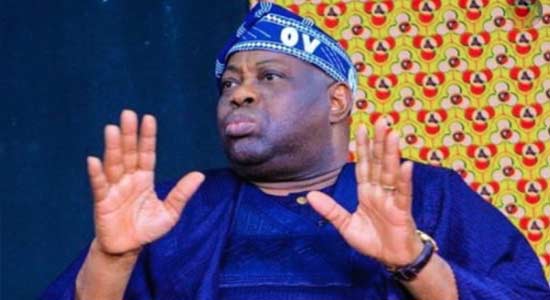
THE GOVERNMENT IS CAUSING THE PROBLEM NOT THE IGBO —Dele Momodu

But some Igbos are so scared of …tell me…of what type of consequences? —that they are busy seeing war mongers in the East– and looking for Facebook warriors, and proffer no single solutions whatsoever— and prescribe a slavish robot- like unresponsiveness to the structural inequalities meted against Igbos?

Who told you that Kanu doesn’t want peace? Have things started changing and you continue to see zero sensitivity to his attitude?

Was he there when the INDIGENIZATION DECREE that took away the heights of the Nigerian economy from Igbos was made? What did those advising a slavish and moronic reaction do then as so called Solomons of that time?

Was Nnamdi there when we were humiliated and decapitated economically by the £20 policy? What did your fathers do when indigenousness, quota system and federal character became official policies all over the country to divest Igbos of their edge in many of these areas? What did you do when THE LAND USE ACT was used to check Igbo predilection for acquisition of land?

Was Nnamdi the causes of those riots in which Igbo properties and lives were suddenly destroyed up North and have them scurrying back to the East to start life anew under the most painful and humiliating circumstances? What have these so-called men of wisdom who seek influence without responsibility done to ensure the safety of lives of Igbos, let alone their respect and humanity? We were all here in 2019 when the right of the Igbo to go to the ballot box and vote in Lagos or elsewhere was fatally challenged and their private markets locked up leaving great patriots in the streets as the worst level of outcasts possible in any society? What did many of these Igbo lawyers and doctors sermonizing and demonizing those currently complaining of injustice do at critical times like this? When Buhari knocked down the first private university built in Nigeria by Nnanna Ukegbu in Imo state (because the North didn’t need them at the time–even don’t still need them), what did you do? The federal government, up till today, has made a policy of turning the entire South East into an economic cum investment desert by providing absolutely no infrastructure or incentives for the operations of top notch multinationals and other investors– to the effect that the greatest Igbo intellectuals and tycoons could hardly make Igbo land their base by virtue of natural osmosis to regions of high investment friendly centers like Lagos, Kano, Abuja and Kaduna, what did you do?

The list could go on and on. Admissions, rule of law, appointments, just name anything that the Igbo has not just been marginalized in but humiliated in as well? People have advised government to engage Kanu. Have they? They wouldn’t because they are still in a mindset that sees him as crassly inconsequential even as the wind continues to gather momentum? Where are the Igbo Obasanjos and Gumis? All these wise counselors should do something drastic to convince the government of the need to engage not allowing their mother’s crotch to become the subject of market jest.

Where are our Fayoses, Fani-Kayodes, Falanas, Umars, Soyinkas and so on? Where are our Dinnos? Aisha Yezufu? With the exception of few people like Olisa Agbakoba, Abaribe, Oby Ezekwesili and Ugochinyere Ikenga,( and others I may not know), IgboIand is deeply in crisis of judgement, sabotage and fear.

Who told you that young Igbo youths angry at these things want war? If half of all influential Igbos who waste their energy on preaching eternal slavery to their youths in the midst of this crisis were to speak up like this great man DELE MOMODU, this problem would simply thaw and disappear. I don’t know what they are waiting for to knock sense into them. In the North people have hoisted flags, declaring personal caliphates out of Nigeria’s land and the government rounds them up and gives them scholarships and in the East Kalu expresses a desire for a plebiscite to be conducted and you term him a rebel? Didn’t Britain conduct their own and leave the EU? Why must we make monsters out of moving clouds? Sometimes you think of all this and wonder if Kanu’s signature acerbity is not a function of his frustration with this generation of Igbos who would do nothing to protect their own but everything to destroy them. Who told you that all the people involved in this agitation necessarily want Nigeria broken? I cherish Nigeria but not under the circumstances Igbos currently belong to it.

Now do something positive and please stop this campaign of calumny against those who are man enough to say no to a structural life of injustice. If the Igbos believe in their self respect they can use their combined economic and demographic powers (especially outside their zones–as Jews do in America and other places–) to stem the tide of this violent and perennial dehumanization. NOW IF THERE ARE BETTER AND WORKABLE ALTERNATIVES, EXPLOIT THEM but be humble enough to give sympathy to your people’s plight when necessary. YOUR EFFORT IN THIS DIRECTION MAY QUICKLY MAKE THE “SCARY” ALTERNATIVES MORIBUND. But before then, acknowledge your fear– we all are–but ask God for the spirit to go through these things without violence.

Aren’t they also Nigerians? Maikyau, SAN makes case for the physically challenged

By Lillian Okenwa

A physically challenged man living in Lagos, Nigeria was once quoted to have said: “Institutions are manned by individuals and individual attitudes shape the environment and institutions. So, when the attitudes of a community are negative towards a particular, vulnerable group, they will struggle much more to realize their potential.” This statement captures the attitude of the Nigerian society and the plight of persons living with disabilities in the country.

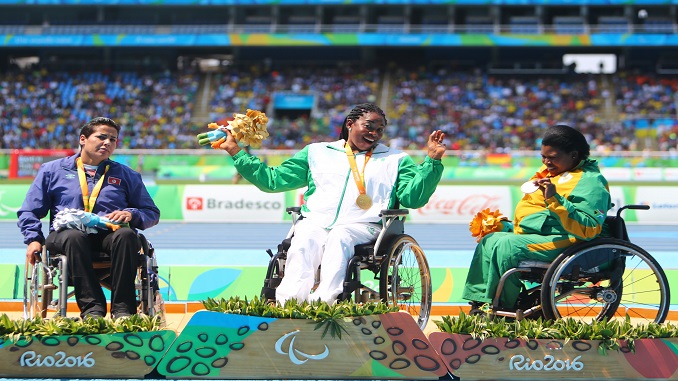
On Sep 6, 2016, Team Nigeria arrived Rio, Brazil, for Paralympics 2016. Two weeks later, they touched down at Nnamdi Azikiwe International, Airport, in Nigeria’s capital city of Abuja to a cheering crowd of dancers and spectators who thronged welcome the champions. The team had won 12 medals including eight gold. So far, it remains the best result in Team Nigeria’s Olympic and Paralympic history. Sadly, this same team now living in penury have been forgotten. Sadly, persons living with disabilities in Nigeria are only recognised when they win laurels for the country. Even so, in a matter of time they are forgotten.

Ezuruike Roland (Power-lifting Men’s -54 kg Gold Medal winner) set three Paralympic Records (PR) in Rio as he ended with a lift of 200 kg.

Kehinde Paul (Power-lifting Men’s – 65 kg Gold Medal Winner) twice broke the men’s -65kg World Record (WR) to win Gold in the Power-lifting event.

Ejike Lucy (Power-lifting Women’s -61 kg Gold Medal winner) shattered the Paralympic and World Record three successive times, winning gold in the women’s -61kg event in Power-lifting.

Onye Lauritta (Athletics Women’s Shot Put – F40 Gold Medal winner) handed Team Nigeria its first medal in the athlete’s event, clinching gold in the women’s shot put F40.

Nwosu Ndidi (Power-lifting Women’s -73 kg Gold Medal winner) beat the defending champion to win women’s -73kg Power lifting event.

Omolayo Bose (Powerlifting Women’s -79 kg Gold Medal winner) shattered her own World Record (WR) and set a new one of 138kg to win Nigeria’s sixth Gold medal in Rio.

Ugwunwa Flora (Athletics Women’s Javelin Throw – F53/54) put up a splendid display as she erased Tunisian Hania Aidi’s World Record (WR) of 18.86m set at the IPC World Championships in Doha the previous year. She furthered the mark by almost 2 metres.

Tijani Latifat (Power-lifting Women’s -45 kg silver medal winner) won Team Nigeria’s first medal at the 2016 Paralympic Games, clinching Silver in the women’s -45 kg Power-lifting event.

Oyema Esther (Power-lifting Women’s -55 kg Silver medal winner) gave Nigeria her third medal of the 2016 Paralympic Games; winning silver in the women’s -55 kg event.

Innocent Nnamdi (Power-lifting Men’s -72 kg Bronze medal winner), with a lift of 210 kg muscled his way to the podium as he settled for bronze.

Iyiazi Eucharia (Athletics Women’s Discus Throw – F56/57 Bronze medal winner) won Nigeria’s final medal in Rio.

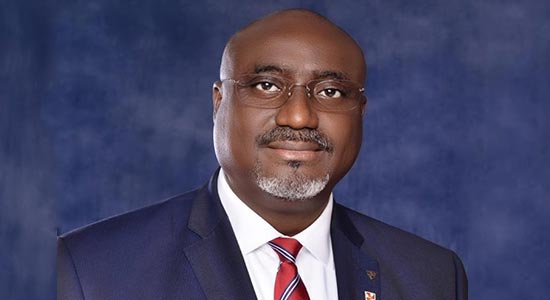
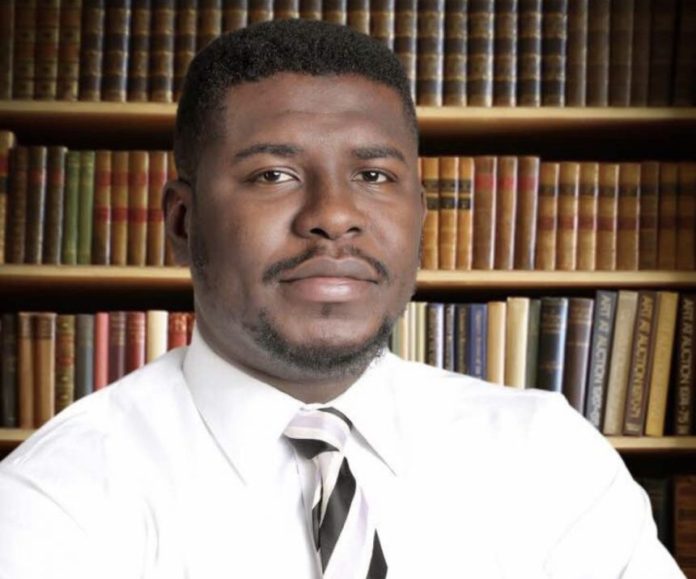
Y. C. Maikyau, SAN

Meanwhile, the squad of 77 athletes fielded by Nigeria Olympics Committee to compete in 10 sports at the 2016 Olympics brought home only one bronze. And they have no disabilities.

Although the accomplishments of these highly side-lined members of the society have been largely ignored, National Director, Promoting Disability Inclusion through Sports, Naomi Ejobe joined the voices being raised on their behalf. Ejobe in an interview remarked that while the ground-breaking achievements of athletes with intellectual disabilities have not received considerable media coverage nor nationwide celebration, their achievements are recognised and respected in sports circles across Africa and the world.

“Our Unified football team was awarded the Best Team of the 2018 Unified Cup Tournament in celebration of the 50th Anniversary of the Special Olympics in Chicago. Also, at the 2019 Special Olympics World Summer Games in Abu Dhabi, the athletes participated in 7-Olympic type sports and returned home with 63 medals including gold medals in Football and Volleyball.”

Indeed, persons with disabilities in Nigeria have shone in sports, distinguished themselves in arts but appear to have been shut out in political appointments and other key positions where their talents could be harnessed.

And although Nigeria’s government at state and federal levels, has taken some steps to address the needs of persons with disabilities following the January 2019 ratification of the Discrimination Against Persons with Disabilities (Prohibition) Act 2018, persons with disabilities in Nigeria persistently face stigma, discrimination, and barriers to accessing basic social services and economic opportunities.

Making a case for youths, women and persons with disabilities at the just concluded Public Hearing on Constitution Review hosted by the House of Representatives Committee on Constitution Review, at the Birnin Kebbi Centre of the North West Geopolitical Zone, the Welfare Committee Chairman of the Nigerian Bar Association (NBA), Mr. Yakubu C. Maikyau, SAN, maintained that this group should not be excluded from government and agencies at any level.

Y. C. Maikyau, SAN

The Senior Advocate of Nigeria called for an all-inclusive Constitutional concept of Federal Character which he said “must be expanded to accommodate this level of participation of youths, women and persons living with disabilities.”

Calling for a deliberate constitutional policy that would make room for persons living with disabilities, he expressed concern that their potentials have long been ignored. “I have a colleague in my office; incidentally she is from this State, who graduated with a 2:1 degree in Law and 2:1 from the Nigerian Law School. She has so much faith in this Country and I believe there are many more like her, waiting to be carried on board a constitutional pedestal and it will amaze Nigerians, the dimension of productivity they will bring into the polity.”

Maikyau also advocated for the establishment of Nigeria as State, founded on democracy and social justice. “The composition of Governments of the Federation and the State, their agencies and parastatals, should at all times in their composition or appointments, as the case may be, comprise youths, women and persons living with disabilities.”

This he said with reference to Section 14(3) and (4) of the 1999 Constitution as amended, “will only be said to have recognised the diversity of the people with the view to promote a sense of belonging and loyalty among all the people of the Federation, where not less than 1/2 of those so appointed into positions in the respective Governments of the Federation, State and their agencies comprise youths, women and persons with disabilities.”

Likewise, he said the provisions of Sections 171 and 208 of the Constitution, on appointments by the President and the Governors respectively, should be altered to accommodate youths, women and persons living with disabilities, in the like manner.

“We must therefore approach this understanding with a constitutional response, in order to guarantee deliberate and sustained effort towards harnessing the potentials of our youths, for the desired national development.”

While also pushing for an amendment to allow for Independent candidacy, he proposed the amendment of Section 223(1) of the Constitution in the manner that will ensure not less than 1/2 of those to be elected/appointed into the Executive Committee or other governing bodies of political parties, comprise of youths, women and persons living with disabilities.

“The all-inclusive constitutional concept of Federal Character must be expanded to accommodate this level of participation of youths, women and persons living with disabilities. I must however add that in all cases, regard must be had to merits and standards,” he concluded.

Insecurity remains a snag, but Buhari has done well on infrastructure, By Fredrick Nwabufo

Is a critic oathed to only hunt for faults? Should he be impervious to hope, optimism and positivity or should he be amenable to fairness, truth and sanguinity – even if the facts are not in harmony with his public posture? It is customary here once you are branded a ‘’critic’’ of the government you are expected to only breathe fire like a dragon – ‘’see no good, speak no good; – just attack and attack’’.

This is the fallout out of militarised socialisation – a hangover of military-era opposition. During Nigeria’s military rule, scorched-earth activism/criticism was the definitive approach to the government and rightly so. Down with the Kaiser! If you betray any emotion for the Kaiser, then you are a traitor who must be hanged ‘’comrade-style’’.

I used to be that guerrilla critic; always hungry for an attack. And truly so, there were always reasons – good reasons. But I realised that if you prime yourself for complaints and fault-finding, you will always have reasons. You only see what you want to see. This does not vitiate the very important task of holding the government to account. No!

Insecurity remains a detraction to the achievements of the Buhari administration. While most of us agree that the performance of the government on security has not been impressive, very few may want to acknowledge the fact.

The Buhari administration has done well on infrastructure. It is a leap from where we used to be. We can agree that security remains a challenge but still acknowledge the good outcomes when we see them. At a time Nigeria was fortuned by favourable crude oil prices – in the past administration – funds for infrastructure were either diverted or frittered away. Contracts were awarded as a meal for political cronies. I am aware that the contract for a famous road in Abuja was awarded without a design – but funds were paid to the contractor who happens to be a cousin of the former president. That road was abandoned afterwards.

Let me get down to brass tacks. On rail, the 157km Lagos-Ibadan standard-gauge rail was inaugurated today. The benefits of this infrastructure are immense. The project is a relief for those who ply the tortuous Lagos-Ibadan road. The 327km Itakpe-Warri standard-gauge rail was completed and inaugurated 33 years after construction began. Abuja light rail was completed in 2018. Financing negotiations for Ibadan-Kano standard-gauge rail project are also in progress.

Some road projects have been completed and more are in progress. Also, more than N360 billion worth of Sukuk Bonds was raised in 2017 for many crucial road projects across all the six geopolitical zones. New terminals for international airports in Lagos, Abuja, Kano and Port Harcourt were completed. The construction of new runways for Abuja and Enugu international airports was also completed.

Yet it appears insecurity is eclipsing the achievements of the Buhari administration in this area. The basic responsibility of any government is to protect lives and property. We can only ride on the train and use the roads if we are alive. In fact, road trips have become an attempt at self-murder. The roads are gravely unsafe. Security comes first in the hierarchy of needs. It is the nucleus.

The Buhari administration must do well to address insecurity – for its own reckoning. Any achievement it records in other sectors will be obviated and dampened by daily episodes of killings and kidnappings.

The administration will be cheered and applauded by more Nigerians for its achievements when it saves Nigeria from the grim reaper rampaging everywhere in the country.

Twitter @FredrickNwabufo

Fighting A Losing War With Twitter

It began with a tweet on June 1, 2021, from President Muhammadu Buhari’s Twitter handle @ MBuhari.

He reprimanded angry youths “misbehaving” and alluded to his role in the civil war promising to treat secessionists “in the language they understand”. This tweet was followed by public outcry and condemnation because many considered it repulsive, and some deem it a call for genocide.

As a result, Twitter pulled down the specific tweet and video, and the FG banned Twitter in Nigeria indefinitely and called for other social media restrictions.

Like other actions of any leader, the ban has been received with mixed reactions. It is understandable while the President should be irritated with the country’s security situation, especially regarding the South-Eastern part of the country.

Since the turn of the year, attacks by “unknown gunmen” have led to the death of scores of policemen, army personnel as well as other security agents. In addition, many public institutions, especially police stations and offices of the Independent National Electoral Commission, have been razed by the hoodlums in the southeast.

The Nigerian Police has linked the attacks to the Indigenous Peoples of Biafra (IPOB), a secessionist group that seeks to restore the defunct State of Biafra. The group, led by Nnamdi Kanu, is believed by security agencies to have embarked on an arms struggle.

On social media, Nigerians trended the #IAmIgboToo hashtag to express their displeasure over the President’s statement. In addition, Nigerian Twitter users from different ethnic groups also adopted Igbo names to show their solidarity with the Igbo people. What followed was the removal of the tweet by Twitter.

Twitter policy on hateful conduct prohibits tweets that “promote violence or threaten” people based on “race, ethnicity, national origin.” So, the tech company deletes such tweets, or Twitter compels users to “remove the violating content.”

Though some may believe that Twitter removed the tweets as it felt it violated its policy, I must point out that it has not always been neutral in dealing with Nigeria.

For example, during the #EndSARS protests of last year, Twitter allegedly encouraged the protest by a nauseous promotion of the #EndSARS hashtag and advised the protesters on alternative ways of raising funds through cryptocurrencies to bypass the clampdown on accounts funding the protests by the Nigerian Central Bank.

Reacting to these seeming contradictions and lack of neutrality, the Minister of Information, Lai Muhammed, complained that Twitter condones worse tweets from IPOB leader Nnamdi Kanu.

This comparison demeans the Nigerian President’s office. How can he compare tweets from the President with that of a secessionist leader known for uncouth language, acerbic words, and temper tantrums?

The announcement that the FG has banned Twitter indefinitely took many Nigerians by surprise, and it seems in many quarters that it is not a well thought out response, and the federal government may have taken on a battle it can never win. The reasons for this view are manifold.

The first reason is that the speed and context of the Twitter ban by FG smirk of hasty and jerky reaction and retaliatory action against an organisation upholding the dictates of its policies. The reasons proffered by the FG at best are conjectural and unrelated to the issues at hand.

Misinformation and spread of fake news which may have affected national security as claimed by some of the president’s handlers would not fly as the reason for the ban if the ban came only a few days after Twitter pulled down the President’s tweet. People are wise to uncover the hidden reason, and many felt it was not the whole truth and is disingenuous of the FG to pull such a stunt.

The second reason is that people are suspicious of any fight against the media, which often they  interpret as an attempt to muffle their freedom of speech and expression in a country practising constitutional democracy.

On the contrary, Twitter and platforms like it create a public sphere for expressing divergent views by all.

It is a marketplace for ideas and counter ideas, often competing for relevance and acceptance. Everyone with a smartphone and mobile data could air his views on local, national, and international issues, mobilise and fight for a course, and assess and learn about current events.

Therefore, a complete ban on Twitter may be seen by many as an affront to their fundamental liberty.

The ban immediately brought to peoples’ mind the draconian decree 4 of 1984 that curtailed freedom of speech for journalists and public commentators. This decree promulgated during the military regime of Gen. Mohammadu Buhari, and any assault on the media forces people to reminisce on those days.

The third reason is that the FG cannot afford to engage in a war with international media, especially at this auspicious time. Insecurity, banditry, poor economy, and secessionist agitations have negatively affected Nigeria’s image locally and internationally.

We need international media as our friends rather than foes. Banning Twitter sends a wrong signal that FG is applying undue high-handedness in dealing with domestic issues. Opposition and non-state actors will milk this to prove that the FG is persecuting them for contrary views, and the FG is anti-people.

Other international media (social and traditional) may likely come together to portray the FG in a bad light internationally. We should avoid this at all costs, especially given our current impasse. We cannot multiply the war front.

Fourthly, President Buhari is not the first presi  dent to have a face-off with Twitter.

Donald Trump, the former US President, was utterly banned from Twitter and other social media for almost two years.

As Twitter has become powerful, so have the users become vulnerable to the dictates of the owners and managers. Jack Dorsey, the CEO of Twitter and Mark Zuckerberg, Facebook founder, have become two of the most powerful men in the world.

So, when Twitter decided to suspend the account of Donald Trump after the January 6, 2021 insurrection whereby his supporters stormed the US Capitol, it caused severe reverberations. It meant that a private company could clip the wings of a sitting US President, widely regarded as the most powerful man in the world.

The fifth reason is that Nigeria does not want to be among countries that banned Twitter and other social media. China, Iran, North Korea, Cuba, Turkmenistan, Nigeria. These countries are the list of countries where Twitter is banned. How can Nigeria be listed with other widely accepted countries that stifle free speech, discourage dissent, and abuse human rights?

These countries do not have democratic values and profile ,and are not countries Nigeria should be proud to be linked together. The sixth reason is that social media is an outlet for people, especially young people, to express themselves and vent their anger.

Imagine the amount of frustration young people will go through when they get cut off from the global social world they link with through social media. Any parent of young people can testify to how attached young ones are to their social media, and most of the information they get is from social media.

Young people inhabit this virtual reality bubble created by social media to the extent that some are addicted to it and may struggle to clearly distinguish between digital reality and social reality. Young people may rebel against any ban on social media.

Moreover, I am not sure that we have the technical capacity to shut down social media over the internet.

How can we make laws or rules that we cannot enforce? Even if we can implement this ban, why waste resources that should solve a panoply of other pressing needs confronting Nigeria? FG seems to be acting desperately and, therefore, may be making more mistakes.

Remember that Mubarak and Ghadaffi tried to ban social media during the Arab spring but failed. Banning media is an antiquated technique and adopts a standard military approach which cannot work in a democracy.

I think the President’s tweet should not have been posted in the first instance by his Twitter handlers. His media handlers should have seen to that.

The President’s handlers should have ensured that his anger and frustrations over the breakdown of law and order in the country and the acute security challenges that threaten to dismember the country are not in the public dormain.

There is a measure of diplomacy expected in the President’s public statements. Governments worldwide spend millions of dollars on Public Relations consultants whose primary duty is to give the government an acceptable image to the public.

However, after posting the tweet and the backlash ensued, which culminated in the removal of the tweet by Twitter, the government should have learnt her lessons and ensured that any tweet coming from the President’s handle goes through greater scrutiny.

Maybe they should have interrogated the President’s social media management team. Instead, suspending Twitter in the country adds more fuel to the fire and depicts the government as dictatorial. There was some rumpus when Twitter announced setting up her African office in Ghana some months ago.

However, many people had expected them to set up shop in Nigeria as the country offers more significant opportunities than Ghana.

With this development, the decision of Twitter to snub Nigeria would be seen as a wise move as they would have been more susceptible to government sanction if their offices were in Nigeria.

Social media has become an essential tool in the everyday lives of many Nigerians. It is a symbol of free speech and a vital ingredient for democratic rule and governance.

The issue of regulation of social media is a matter for another day . The current administration is a beneficiary of social media as it used it extensively in the arduous battle to unseat the People’s Democratic Party (PDP)-led government in 2015.

This ban has economic consequences and may damage Nigeria profoundly by creating loss of jobs for our teeming youths in the digital marketing sector, rob off negatively on Nigeria’s image abroad, negatively batter foreign investors’ confidence in Nigeria, dampen our democratic antecedents, widen the communication gap between the FG and the people, and may lead to international embarrassment and hostile public diplomacy.

In summary, by banning Twitter, we will be hurting our economy more and the Federal Government risks sending the message that we are back to the old days of military dictatorship, during which the free press was usually the first target.

Moreover, it risks undermining the assertion by the President’s supporters that he has fully transformed from a military man to a democrat, that the current administration is different from the time the President took power as a soldier via a coup d’état in 1984.

There are many ways the government can address the unfortunate removal of the President’s tweet or even our security challenges But, unfortunately, banning Twitter in the country is not one of them

Twitter vs. Nigeria; The Human Rights of Twitter Inc. and the Twitter Users.

Twitter vs. Nigeria; The Human Rights of Twitter Inc. and the Twitter Users. Daily Law Tips (Tip 806) by Onyekachi Umah, Esq., LL.M, ACIArb(UK)

Introduction:

Nigeria is a democratic state governed by written laws and its government has the mandate to maintain law and order within its territory, at all times. There are fundamental human rights in Nigeria but most of the fundamental human rights are not absolute, since they can be suspended. The Constitution of Nigeria allows government to restrict and limit some fundamental human rights under certain specific circumstances, however, through some legal procedures.

On 5 June 2021, the Federal Government of Nigeria banned Twitter in Nigeria, after the micro-blogging site deleted the tweets (public messages) of the President of Nigeria and as Nigeria puts it; “for activities that are capable of undermining Nigeria’s corporate existence. “Twitter had deleted the presidential messages, claiming that the message was offensive, being a message threatening to offend the people of southern Nigeria. Facebook also removed similar presidential messages but has not been banned yet. Twitter is a social networking service launched in July 2006 and founded by Jack Dorsey and three others, having a total asset of USD $13.37 Billion as at 2020.

So far, many international and local institutions have condemned the ban on Twitter, including; Amnesty International, Socio-Economic Rights and Accountability Project (SERAP), the Nigerian Bar Association, The Redeemed Christian Church of God, Nigeria Union of Journalists, Deeper Christian Life Ministry Worldwide, Online Publishers of Nigeriaand many others, as well as the governments of Britain, Canada, United States, Ireland and the European Union.

This work (Twitter vs. Nigeria; The Human Rights of Twitter Inc and the Twitter Users) examines the fundamental human rights in Nigeria and the ban on Twitter and Twitter Users in Nigeria. It focuses on the fundamental human rights of Twitter Inc. and other businesses in Nigeria as well as the right of Nigerians (Twitter Users) to express their views through “any media and regardless of frontier”.

Fundamental Human Rights In Nigeria:

Fundamental human rights are basic, elementary, mandatory, compulsory and unshakable entitlements of persons. Fundamental human rights are never purchased rather they are inborn and inbuilt on every person (human being or corporate being). List of Fundamental Human Rights In Nigeria.

There are not too many fundamental human rights in Nigeria. The few fundamental human rights in Nigeria are contained in the Constitution of Nigeria, 1999 and also in the African Charter on Human and People’s Rights. The African Charter on Human and People’s Rights has expanded the fundamental human rights in Nigeria.

The fundamental human rights contained in the constitution of Nigeria are: Right to Life, Right to Dignity of Human Person, Right to Personal Liberty, Right to Fair Hearing, Right to Private and Family Life, Right to Freedom of Thought, Conscience and Religion, Right to Freedom of Expression and the Press, Rights to Peaceful Assembly and Association, Right to Freedom of Movement, Right to Freedom from Discrimination and then, Right to Acquire and Own Immovable Property anywhere in Nigeria.

Generally, these rights should not be violated by any person, including government, the law enforcement agencies or agents in any part of Nigeria. Consequently, where there is a violation or even mere attempted violation of a fundamental human right, the victim and any other person on behalf of the victim, can seek justice against the violator.

Clearly, the fundamental human rights allow Nigerians and foreigners to own businesses and operate their businesses in Nigeria. On this ground, Twitter Inc. (a business owned by Jack Dorsey and others) has the fundamental human rights to operate in Nigeria, however, in accordance with the laws of Nigeria.

Fundamental Human Rights of Twitter and Users of Twitter:

In Nigeria, people are free to communicate in private and public media, on newspapers, televisions, groups, social networks and others. The fundamental human rights (specifically, the Right to Private and Family Life, Right to Freedom of Thought, Conscience and Religion, Right to Freedom of Expression and the Press, Rights to Peaceful Assembly and Association) empower such communications. Hence, any unlawful conduct or ban that may tamper with such rights is a violation of the rights.

It is important to mention that the Universal Declaration of Human Rights, clearly in Article 19, prohibits the ban or restriction of the choice of media platforms to be used by people in their expression of the rights to freedom of expression and others. The simple diction of Article 19 makes it attractive its reproduction below; “Everyone has the right to freedom of opinion and expression; this right includes freedom to hold opinions without interference and to seek, receive and impart information and ideas through any media and regardless of frontiers”.

The ban of Twitter, any social media platform or foreign media organization in Nigeria is a violation of the right to Nigerians to air their views through “any media and regardless of frontier”. The ban on media organization is not only a violation of the rights of the media organization but a violation of all users and prospective users of the media organization. However, there are two specific circumstances, wherein government is allowed to lawfully ban and restrict some fundamental human rights. The 2 legal procedures for such are via a written law or a declaration of a state of emergency in a part of Nigeria.“Human Rights That Can Never Be Restricted Even In War, Pandemic or State of Emergency”.

The present ban on Twitter and Twitter Users was made via a social media post and that is no law. mere television/radio comments, policy documents/broadcasts, social media posts or public threats and pleas of President, Governor or their agents are not laws or regulations. At best, such threats/pleas are policy guidelines/directions and in Nigeria, policy guidelines of government are not laws.

Conclusion: 

Generally, persons in Nigeria have fundamental human rights. The interactions of the fundamental human rights have secured the operation of businesses like Twitter, in Nigeria. However, most fundamental human rights are not absolute, since there are constitutional procedures for them to be ‘lawfully violated” by the governments in Nigeria. “Does The President/Governors Have Powers To Lockdown Any Part Of Nigeria Or Restrict Human Rights?”.

The recent ban of Twitter and the threat to prosecute users of Twitter in Nigeria calls for the re-examination of the actions of Nigerian government viz-a-viz the fundamental human rights in Nigeria. The government of Nigeria has rather unlawfully and unconstitutionally banned Twitter and the users of Twitter and as such continues to violate the fundamental human rights of millions of users of Twitter in Nigeria. Hence, the judicial arm of governments in Nigeria is expected to be called in by Nigerians and activists in the search for legal remedies in the Nigerian courts. However, the National Human Rights Commission (NHRC) and the ECOWAS Court of Justice (sitting in Abuja) are better alternatives to the striking and often very slow Nigerian courts in the quest for justice for Nigerians. An Alternative to Courts for Human Rights Cases.

My authorities, are:

1.Sections 14, 20, 33, 34, 35, 36, 37, 38, 39, 40, 41, 42, 43, 44, 45, 305, 318 and 319 of the Constitution of the Federal Republic of Nigeria, 1999.

2.Article 19 of the Universal Declaration for Human Rights.

3.Sections 6, 7, 8 and 22 of the National Human Rights Commission (Amendment) Act 2010.

4.Sections 1, 2, 5 and 6, the National Human Rights Commission (Amendment) Act 1995.

5.The judgment of the Supreme Court of Nigeria (on meaning and nature of fundamental human rights) in the case of RANSOME-KUTI & ORS v. AG FEDERATION & ORS (1985) LPELR-2940(SC)

6.The judgment of the Supreme Court of Nigeria (on meaning and nature of fundamental human rights) in the case of AGBAI & ORS v. OKOGBUE (1991) LPELR-225(SC).

7.The judgment of the Supreme Court of Nigeria (on when and why fundamental human rights can be restricted/suspended) in the case of DOKUBO-ASARI v. FRN (2007) LPELR-958(SC).

8.The Supreme Court judgment on “Meaning of Regulation” in the case of AG LAGOS STATE v. EKO HOTELS LTD & ANOR (2006) LPELR-3161(SC)

9.The Court of Appeal judgment on “Meaning of Executive Order/Regulation” in the case of ELEPHANT GROUP PLC v. NATIONAL SECURITY ADVISER & ANOR (2018) LPELR-45528(CA)

  1. The Supreme Court judgment on “Policy Documents/Guidance” in the case of COMPTROLLER GENERAL OF CUSTOMS & ORS v. COMPTROLLER ABDULLAHI B. GUSAU (2017) LPELR-42081(SC).
  2. The Supreme Court judgment on “Policy Documents/Guidance” in the case of UNION BANK OF NIGERIA PLC & ANOR. v. IFEOLUWA NIG. ENTERPRISES LTD (2007) 7 NWLR (Pt.1032) 71 at 84.
  3. Nimi Princewill and Stephanie Busari, “Nigeria bans Twitter after company deletes President Buhari’s tweet” (CNN, 5 June 2021) <https://edition.cnn.com/2021/06/04/africa/nigeria-suspends-twitter-operations-intl/index.html> accessed 7 June 2021
  4. Adeyemi Adepetun, Sunday Aikulola, Silver Nwokoro, Nkechi Onyedika-Ugoeze and Nnamdi Akpa, “Adeboye, Kumuyi defend Twitter use as envoys again reject ban” (The Guardian, 8 June 2021) <https://guardian.ng/news/adeboye-kumuyi-defend-twitter-use-as-envoys-again-reject-ban/> accessed 8 June 2021
  5. BBC, “Nigeria’s Twitter ban: Government orders prosecution of violators” (BBC, 6 June 2021) <https://www.bbc.com/news/world-africa-57368535> accessed 8 June 2021
  6. Alfred Olufemi, “After Twitter, Facebook deletes Buhari’s controversial ‘civil war’ post” (PremiumTimes, 4 June 2021) <https://www.premiumtimesng.com/news/headlines/465653-just-in-after-twitter-facebook-deletes-buharis-controversial-civil-war-post.html> accessed 8 June 2021
  7. Anietie Ewang, “Nigeria’s Twitter Ban Follows Pattern of Repression” (Human Rights Watch, 7 June 2021) <https://www.hrw.org/news/2021/06/07/nigerias-twitter-ban-follows-pattern-repression> accessed 8 June 2021
  8. Onyekachi Umah, “Scarcity of Passport and the Government’s Violation of the Right of Movement” (LearnNigerianLaws.com, 1 June 2021) <https://learnnigerianlaws.com/scarcity-of-passport-and-the-governments-violation-of-the-right-of-movement/> accessed 8 June 2021
  9. Onyekachi Umah, “An Alternative to Courts for Human Rights Cases” (LearnNigerianLaws.com, 14 May 2021) <https://learnnigerianlaws.com/an-alternative-to-courts-for-human-rights-cases/> accessed 23 May 2021.
  10. Onyekachi Umah, “Details of State Offices of National Human Rights Commission” (LearnNigerianLaws.com, 27 October 2020) <https://learnnigerianlaws.com/details-of-state-offices-of-national-human-rights-commission/> accessed 14 May 2021
  11. Onyekachi Umah, “Human Rights That Can Never Be Restricted Even In War, Pandemic or State of Emergency” (LearnNigerianLaws.com, 2 April 2020) <https://learnnigerianlaws.com/human-rights-that-can-never-be-restricted-even-in-war-pandemic-or-state-of-emergency-daily-law-tips-tip-539-by-onyekachi-umah-esq-llm-aciarbuk/> accessed 23 May 2021
  12. Onyekachi Umah, “Does The President/Governors Have Powers To Lockdown Any Part Of Nigeria Or Restrict Human Rights?” (LearnNigerianLaws.com, 1 October 2020) <https://learnnigerianlaws.com/does-the-president-governors-have-powers-to-lockdown-any-part-of-nigeria-or-restrict-human-rights-daily-law-tips-tip-537-by-onyekachi-umah-esq-llm-aciarbuk/> accessed 14 May 2021
  13. Onyekachi Umah, “How to Report and Discipline Police Officers” (LearnNigerianLaws.com, 25 May 2021) <https://learnnigerianlaws.com/how-to-report-and-discipline-police-officers/> accessed 27 May 2021
  14. Onyekachi Umah, “Warrant of Arrest: Contents and Issuance” (LearnNigerianLaws.com, 19 April 2021) <https://learnnigerianlaws.com/warrant-of-arrest-contents-and-issuance/> accessed 25 May 2021.
  15. Onyekachi Umah, “12 Situations Where Police Officers Can Arrest Without Warrant” (LearnNigerianLaws.com, 18 June 2019) <https://learnnigerianlaws.com/12-situations-where-police-officers-can-arrest-without-warrant/> accessed 25 May 2021.
  16. Onyekachi Umah, “Stripping Suspects Naked is Torture and it’s a Crime” (LearnNigerianLaws.com, 16 February 2021) <https://learnnigerianlaws.com/stripping-suspects-naked-is-torture-and-its-a-crime/> accessed 23 May 2021
  17. Onyekachi Umah, “Can Police Punish Unlawful Protesters?” (LearnNigerianLaws.com, 15 February 2021) <https://learnnigerianlaws.com/can-police-punish-unlawful-protesters/> accessed 23 May 2021
  18. Onyekachi Umah, “When Can A Protest Become A Riot?” (LearnNigerianLaws.com, 6 November 2020) <https://learnnigerianlaws.com/when-can-a-protest-become-a-riot/> 23 May 2021
  19. Onyekachi Umah, “#EndSarsNow: Punishment For Police (SARS) Torture” (LearnNigerianLaws.com, 6 October 2020) <https://learnnigerianlaws.com/endsarsnow-punishment-for-police-sars-torture/> accessed 23 May 2021
  20. Onyekachi Umah, “#EndSarsNow: Nigeria Police Lacks Power To Punish” (LearnNigerianLaws.com, 7 October 2020) <https://learnnigerianlaws.com/endsarsnow-nigeria-police-lacks-power-to-punish/> accessed 23 May 2021
  21. Onyekachi Umah, “#EndPoliceBrutality: How To Sue the Nigeria Police Force and Police Officers” (LearnNigerianLaws.com, 14 October 2020) <https://learnnigerianlaws.com/endpolicebrutality-how-to-sue-the-nigeria-police-force-and-police-officers/> accessed 23 May 2021
  22. “Demand justice for Police Brutality in Nigeria” (Amnesty International) <https://www.amnesty.org/en/get-involved/take-action/nigeria-end-impunity-for-police-brutality-end-sars/> accessed 23 May 2021
  23. Onyekachi Umah, “Who Can Be Lawfully Killed In Nigeria?” (LearnNigerianLaws.com, 26 October 2020) <https://learnnigerianlaws.com/who-can-be-lawfully-killed-in-nigeria/> accessed 23 May 2021
  24. Femi Falana, “Police Permit Not Required For Rallies in Nigeria” (Premium Times, 23 January 2014) <https://www.premiumtimesng.com/opinion/153860-police-permit-required-rallies-nigeria.html> accessed 23 May 2021
  25. Onyekachi Umah, “Can A Person With A Nigerian Flag Be Shot Or Killed?” (LearnNigerianLaws.com,23 October 2020) <https://learnnigerianlaws.com/can-a-person-with-a-nigerian-flag-be-shot-or-killed/> accessed 23 May 2021
  26. Onyekachi Umah, “#EndPoliceBrutality: When & How Can Government Prohibit Protest In Nigeria?” (LearnNigerianLaws.com, 19 October 2020) <https://learnnigerianlaws.com/when-and-how-can-government-prohibit-protest-in-nigeria/> accessed 23 May 2021
  27. Onyekachi Umah, “#EndPoliceBrutality: The Right To Protest Is A Human Right.” (LearnNigerianLaws.com, 15 October 2020) <https://learnnigerianlaws.com/endpolicebrutality-the-right-to-protest-is-a-human-right/> accessed 23 May 2021
  28. Onyekachi Umah, “#EndPoliceBrutality: Do You Need A Police Permit To Protest?” (LearnNigerianLaws.com, 16 October 2020) <https://learnnigerianlaws.com/endpolicebrutality-do-you-need-a-police-permit-to-protest/> accessed 23 May 2021
  29. Onyekachi Umah, “Does The President/Governors Have Powers To Lockdown Any Part Of Nigeria Or Restrict Human Rights?” (LearnNigerianLaws.com, 31 March 2020) <https://learnnigerianlaws.com/does-the-president-governors-have-powers-to-lockdown-any-part-of-nigeria-or-restrict-human-rights-daily-law-tips-tip-537-by-onyekachi-umah-esq-llm-aciarbuk/> accessed 23 May 2021
  30. Onyekachi Umah, “Duty of Government to Pay Compensation for Damages Caused By Riot.” (LearnNigerianLaws.com, 4 November 2020) <https://learnnigerianlaws.com/duty-of-government-to-pay-compensation-for-damages-caused-by-riot/> accessed 23 May 2021
  31. Onyekachi Umah, “Who Pays For Properties Damaged or Lost In A Riot In Nigeria” (LearnNigerianLaws.com, 6 August 2018) <https://learnnigerianlaws.com/daily-law-tips-by-onyekachi-umah-esq-tip-157-who-pays-for-properties-damaged-or-lost-in-a-riot-in-nigeria/> accessed 23 May 2021
  32. Onyekachi Umah, “List of Fundamental Human Rights In Nigeria.” (LearnNigerianLaws.com, 22 October 2020) <https://learnnigerianlaws.com/list-of-fundamental-human-rights-in-nigeria/> accessed 23 May 2021
  33. Chris Admin, “Onyekachi Umah Speaks To ChannelsTv On SARS & The New Police Act” (LearnNigerianLaws.com, 9 November 2020) <https://learnnigerianlaws.com/onyekachi-umah-speaks-to-channelstv-on-sars-the-new-police-act/> accessed 23 May 2021
  34. Onyekachi Umah, “What Is The Punishment For Any Person Including Police Officers That Tortures Another Person” (LearnNigerianLaws.com, 18 December 2018) <https://learnnigerianlaws.com/daily-law-tips-by-onyekachi-umah-esq-tip-251-what-is-the-punishment-for-any-person-including-police-officers-that-tortures-another-person/> accessed 23 May 2021
  35. Onyekachi Umah, “Is Obeying “Orders From Above” a Defence for Torture in Nigeria” (LearnNIgerianLaws.com, 7 September 2019) <https://learnnigerianlaws.com/is-obeying-orders-from-above-a-defence-for-torture-in-nigeria-daily-law-tips-tip-409-by-onyekachi-umah-esq-llm-aciarb-uk/> accessed 23 May 2021
  36. Onyekachi Umah, “Being Present During Torture Without Participating In It, Is A Crime” (LearnNigerianLaws.com, 25 November 2019) <https://learnnigerianlaws.com/being-present-during-torture-without-participating-in-it-is-a-crime-daily-law-tips-tip-464-by-onyekachi-umah-esq-llm-aciarb-uk/> accessed 23 May 2021
  37. Onyekachi Umah, “New Punishment for Security Officers Involved in Torture in Nigeria.” (LearnNigerianLaws.com, 27 August 2017) <https://learnnigerianlaws.com/new-punishment-for-security-officers-involved-in-torture-in-nigeria-daily-law-tips-tip-401-by-onyekachi-umah-esq-llm-aciarb-uk/> accessed 23 May 2021
  38. Onyekachi Umah, “Watching Torture but not Participating in it, is Torture.” (LearnNigerianLaws.com, 19 November 2019) <https://learnnigerianlaws.com/watching-torture-but-not-participating-in-it-is-torture-daily-law-tips-tip-460-by-onyekachi-umah-esq-llm-aciarb-uk/> accessed 23 May 2021
  39. Onyekachi Umah, “Any Security Agency’s Manual/Protocol that Allows Torture Even for National Security Cases is Unlawful and its Officers are Liable.” (LearnNigerianLaws.com, 11 September 2019) <https://learnnigerianlaws.com/any-security-agency-s-manual-protocol-that-allows-torture-even-for-national-security-cases-is-unlawful-and-its-officers-are-liable-daily-law-tips-tip-412-by-onyekachi-umah-esq-llm-aciarb-uk/> accessed 23 May 2021
  40. Onyekachi Umah, “Every Child has Right to a Rest and Play” (LearnNigerianLaws.com, 27 May 2021) <https://learnnigerianlaws.com/every-child-has-a-right-to-rest-and-play/> accessed 30 May 2021
  41. Onyekachi Umah, “Child Marriage/Abuse Is A Crime (Rape): An Exposé On Laws Prohibiting Child Marriage” (LearnNigerianLaws.com, 22 June 2020) <https://learnnigerianlaws.com/child-marriage-abuse-is-a-crime-rape-an-expose-on-laws-prohibiting-child-marriage-daily-law-tips-tip-593-by-onyekachi-umah-esq-llm-aciarbuk/> accessed 20 April 2021
  42. Onyekachi Umah, “Forced Marriage Is An Offence In Nigeria.” (LearnNigerianLaws.com, 21 October 2020) <https://learnnigerianlaws.com/forced-marriage-is-an-offence-in-nigeria/> accessed 20 April 2021
  43. Onyekachi Umah, “Stripping Suspects Naked is Torture and it’s a Crime” (LearnNigerianLaws.com, 16 February 2021) <https:// 1 National Human Rights Commission, ‘State Offices” (NHRC) <http://www.nhrc.gov.ng/index.php/regional-offices#zamfara> accessed 27 October 2020
  44. Onyekachi Umah, “Details of State Offices of National Human Rights Commission” (LearnNigerianLaws.com, 27 October 2020) <https://learnnigerianlaws.com/details-of-state-offices-of-national-human-rights-commission/> accessed 14 May 2021
  45. Onyekachi Umah, “Does The President/Governors Have Powers To Lockdown Any Part Of Nigeria Or Restrict Human Rights?” (LearnNigerianLaws.com, 1 October 2020) <https://learnnigerianlaws.com/does-the-president-governors-have-powers-to-lockdown-any-part-of-nigeria-or-restrict-human-rights-daily-law-tips-tip-537-by-onyekachi-umah-esq-llm-aciarbuk/> accessed 14 May 2021
  46. Onyekachi Umah, “States & Areas Offices of Public Complaints Commission” (LearnNigerianLaws.com, 20 November 2020) <https://learnnigerianlaws.com/states-areas-offices-of-public-complaints-commission/> accessed 14 May 2021
  47. Onyekachi Umah, “Complaints That The Public Complaints Commission Can Handle” (com, 30 October 2020) <https://learnnigerianlaws.com/complaints-that-the-public-complaints-commission-can-handle/> accessed 14 May 2021
  48. Stephen Ubimago, ‘Legal Aid Council: Facing Challenge Of Relevance Amid Poor Funding’ (Independent, 27 October 2020) <https://www.independent.ng/legal-aid-council-facing-challenge-of-relevance-amid-poor-funding/> accessed 14 May 2021
  49. Onyekachi Umah, “Abandonment Of Wife/Husband, Children Or Dependants Is A Crime” (LearnNigerianLaws.com, 3 December 2019) <https://learnnigerianlaws.com/abandonment-of-wife-husband-children-or-dependants-is-a-crime-daily-law-tips-tip-470-by-onyekachi-umah-esq-llm-aciarb-uk/> accessed 20 April 2021
  50. Onyekachi Umah, “How Lagos State Is Legislatively Ahead Of Other States” (LearnNigerianLaws.com, 30 September 2020 <https://learnnigerianlaws.com/how-lagos-state-is-legislatively-ahead-of-other-states/> accessed 20 April  2021
  51. Onyekachi Umah, “The First Virtual Court Hearing Was In Borno State And Not In Lagos State.” (LearnNigerianLaws.com, 1 June 2020) <https://learnnigerianlaws.com/the-first-virtual-court-hearing-was-in-borno-state-and-not-in-lagos-state-daily-law-tips-tip-579-by-onyekachi-umah-esq-llm-aciarbuk/> accessed 20 April 2021
  52. Onyekachi Umah, “Emotional, Verbal And Psychological Abuse Is Now Criminal Offences” (LearnNigerianLaws.com, 3 September 2019) <https://learnnigerianlaws.com/emotional-verbal-and-psychological-abuse-is-now-criminal-offence/> accessed 28 April 2021
  53. Onyekachi Umah, “Forcing Wife to Stop Work is Now A Crime” (LearnNigerianLaws.com, 21 April 2021) <https://learnnigerianlaws.com/forcing-wife-to-stop-work-is-now-a-crime/https://learnnigerianlaws.com/forcing-wife-to-stop-work-is-now-a-crime/> accessed 26 April 2021
  54. Onyekachi Umah, “It Is Now An Offence To Force Wife/Husband To Stop Working” (LearnNigerianLaws.com, 28 May 2019) <https://learnnigerianlaws.com/it-is-now-an-offence-to-force-wife-husband-to-stop-working-daily-law-tips-tip-340-by-onyekachi-umah-esq-llm-aciarb-uk/> accessed 20 April 2021
  55. Onyekachi Umah, “Seizing or Destroying the Property of a Spouse is a Crime” (LearnNigerianLaws.com, 2 March 2021) <https://learnnigerianlaws.com/seizing-or-destroying-the-property-of-a-spouse-is-a-crime/> accessed 20 April 2021
  56. Onyekachi Umah, “Hiding/Concealing Domestic Violence Is A Crime” (LearnNigerianLaws.com, 11 December 2020) <https://learnnigerianlaws.com/hiding-concealing-domestic-violence-is-a-crime/> accessed 20 April 2021
  57. Onyekachi Umah, “Domestic Violence Is A Crime Not A Family Dispute” (LearnNigerianLaws.com, 10 December 2020) <https://learnnigerianlaws.com/domestic-violence-is-a-crime-not-a-family-dispute/> accessed 20 April 2021
  58. Onyekachi Umah, “Why Lagos State Needs A VAPP/SGBV Law” (LearnNigerianLaws.com, 26 January 2021) <https://learnnigerianlaws.com/why-lagos-state-needs-a-vapp-sgbv-law/> accessed 20 April 2021
  59. Onyekachi Umah, “Lagos State Has No VAPP/SGBV Law !” (LearnNigerianLaws.com, 8 December 2020) <https://learnnigerianlaws.com/lagos-state-has-no-vapp-sgbv-law/> accessed 20 April 2021
  60. Onyekachi Umah, “An Access To Criminal Laws In Nigeria” (LearnNigerianLaws.com, 4 December 2020) <https://learnnigerianlaws.com/an-access-to-criminal-laws-in-nigeria/> accessed 20 April 2021
  61. Onyekachi Umah, “8 New Things About Rape Laws In Nigeria” (LearnNigerianLaws.com, 3 December 2020) <https://learnnigerianlaws.com/8-new-things-about-rape-laws-in-nigeria/> accessed 20 April 2021
  62. Onyekachi Umah, “ChannelsTv Interviews Onyekachi Umah on Rape and the Laws.” (LearnNigerianLaws.com, 20 November 2020) <https://learnnigerianlaws.com/channelstv-interviews-onyekachi-umah-on-rape-and-the-laws/> accessed 20 April 2021
  63. Onyekachi Umah, “Can A Woman Be Charged With Rape” (LearnNigerianLaws.com, 24 June 2020) <https://learnnigerianlaws.com/can-a-woman-be-charged-with-rape-daily-law-tips-tip-595-by-onyekachi-umah-esq-ll-m-aciarbuk/> accessed 20 April 2021
  64. Onyekachi Umah, “Can A Husband Rape His Wife” (LearnNigerianLaws.com, 19 June 2020) <https://learnnigerianlaws.com/can-a-husband-rape-his-wife-daily-law-tips-tip-592-by-onyekachi-umah-esq-llm-aciarbuk/> accessed 20 April 2021
  65. Onyekachi Umah, “When Is Seduction Or Indecent Dressing A Justification For Rape In Nigeria?” (LearnNigerianLaws.com, 18 June 2020) <https://learnnigerianlaws.com/when-is-seduction-or-indecent-dressing-a-justification-for-rape-in-nigeria-daily-law-tips-tip-591-by-onyekachi-umah-esq-llm-aciarbuk/> accessed 20 April 2021
  66. Onyekachi Umah, “New Punishment For Rape In Nigeria” (LearnNigerianLaws.com, 23 June 2020) <https://learnnigerianlaws.com/new-punishment-for-rape-in-nigeria-daily-law-tips-tip-594-by-onyekachi-umah-esq-llm-aciarbuk/> accessed 20 April 2021
  67. Onyekachi Umah, “Rape Cannot Be Settled Out Of Court (No Room For Pay-Off/Forgiveness/Withdrawal Of Complaints” (LearnNigerianLaws.com,26 June 2020) <https://learnnigerianlaws.com/rape-cannot-be-settled-out-of-court-no-room-for-pay-off-forgiveness-withdrawal-of-complaints-daily-law-tips-tip-596-by-onyekachi-umah-esq-llm-aciarbuk/> accessed 20 April 2021
  68. Onyekachi Umah, “A Female Too, Can BE Guilty Of Rape” (LearnNigerianLaws.com, 13 December 2018) <https://learnnigerianlaws.com/daily-law-tips-by-onyekachi-umah-esq-tip-248-a-female-too-can-be-guilty-of-rape-in-nigeria/> accessed 20 April 2021
  69. Onyekachi Umah, “Ages At Which Sexual Intercourse With Consent Will Amount To Rape” (LearnNigerianLaws.com, 20 February 2020) <https://learnnigerianlaws.com/ages-at-which-sexual-intercourse-with-consent-will-amount-to-rape-daily-law-tips-tip-509-by-onyekachi-umah-esq-llm-aciarbuk/> accessed 20 April 2021
  70. Onyekachi Umah, “How To Prove Rape In Nigeria).” (LearnNigerianLaws.com, 2 July 2019) <https://learnnigerianlaws.com/how-to-prove-rape-in-nigeria-daily-law-tips-tip-363-by-onyekachi-umah-esq-llm-aciarb-uk/> accessed 20 April 2021
  71. Onyekachi Umah, “Can a Married Woman Inherit Her Parents’ Property?”, (LearnNigerianLaws.com, 27 March 2020) <https://learnnigerianlaws.com/can-a-married-woman-inherit-her-parents-property-daily-law-tips-tip-535-by-onyekachi-umah-esq-llm-aciarbuk/> accessed 20 April 2021
  72. Onyekachi Umah, “Female Genital Mutilation/Cutting/Elongation, Breasts Ironing And Forced Marriage Are Now Criminal Offences In Nigeria” (Daily Law Tips [443]) <https://learnnigerianlaws.com/female-genital-mutilation-cutting-elongation-breasts-ironing-and-forced-marriage-are-now-criminal-offences-in-nigeria-daily-law-tips-tip-443-by-onyekachi-umah-esq-llm-aciarb-uk/> accessed 20 April 2021
  73. Onyekachi Umah, “Harmful Widowhood Practices (Traditions) Are Illegal In Nigeria” (Daily Law Tips [Tip 589]) <https://learnnigerianlaws.com/harmful-widowhood-practices-traditions-are-illegal-in-nigeria-daily-law-tips-tip-589-by-onyekachi-umah-esq-llm-aciarbuk/> accessed 20 April 2021
  74. Onyekachi Umah, “Forceful Isolation/Separation Of Family Members/Friends Is Now An Offence In Nigeria” (Daily Law Tips [356]) <https://learnnigerianlaws.com/forceful-isolation-separation-of-family-members-friends-is-now-an-offence-in-nigeria-daily-law-tips-tip-356-by-onyekachi-umah-esq-llm-aciarb-uk/> accessed 120 April 2021
  75. Onyekachi Umah, “Abolished Anti-Women Custom of Onitsha People of Anambra State, Nigeria” (LearnNigerianLaws, 10 March 2020) <https://learnnigerianlaws.com/abolished-anti-women-custom-of-onitsha-people-of-anambra-state-nigeria-daily-law-tips-tip-522-by-onyekachi-umah-esq-llm-aciarbuk/> accessed 20 April 2021
  76. Onyekachi Umah, “Citizen By Marriage Is Discriminatory and Against Nigerian Women”, (LearnNigerianLaws.com, 14 September 2020) <https://learnnigerianlaws.com/citizen-by-marriage-is-discriminatory-and-against-nigerian-women/> accessed 20 April 2021
  77. Onyekachi Umah, “Abolished Anti-Women Custom of Yoruba People of Nigeria”, (LearnNigerianLaws.com, 11 March 2020) <https://learnnigerianlaws.com/abolished-anti-women-custom-of-yoruba-people-of-nigeria-daily-law-tips-tip-523-by-onyekachi-umah-esq-llm-aciarbuk/> accessed 20 April 2021
  78. Onyekachi Umah, “Can a Married Woman Inherit Her Parents Property?” (LearnNigerianLaws.com, 27 March 2020) <https://learnnigerianlaws.com/can-a-married-woman-inherit-her-parents-property-daily-law-tips-tip-535-by-onyekachi-umah-esq-llm-aciarbuk/> accessed 20 April 2021
  79. Onyekachi Umah, “Approval For Marriage Of Female Officers/Staff Is Unconstitutional and Discriminatory”, (LearnNigerianLaws.com, 23 September 2020) <https://learnnigerianlaws.com/approval-for-marriage-of-female-officers-staff-is-unconstitutional-and-discriminatory/> accessed 20 April 2021
  80. Onyekachi Umah, “It Is An Offence To Chase Out Wife/Husband From A Home Or Even Attempt To Do So” (LearnNigerianLaws.com, 17 May 2019) <https://learnnigerianlaws.com/it-is-an-offence-to-chase-out-wife-husband-from-a-home-or-even-attempt-to-do-so-daily-law-tips-tip-333-by-onyekachi-umah-esq-llm-aciarb-uk/> accessed 20 April 2021
  81. Onyekachi Umah, “Examining Brutalization of House Helps in Nigeria. (An Exposé on Anti-Cruel Labour Laws in Nigeria)” (LearnNigerianLaws.com, 3 August 2020) <https://learnnigerianlaws.com/examining-brutalization-of-house-helps-in-nigeria-an-expose-on-anti-cruel-labour-laws-in-nigeria-daily-law-tips-tip-623-by-onyekachi-umah-esq-ll-m-aciarbuk/> accessed 27 April 2021
  82. Onyekachi Umah, “11 States That Do Not Protect Children In Nigeria” (LearnNigerianLaws.com, 31 May 2021) <https://learnnigerianlaws.com/11-states-that-do-not-protect-children-in-nigeria/> accessed 31 May 2021

Sabi Law Projects:

#SabiLaw

#DailyLawTips

#SabiBusinessLaw

#SabiElectionLaws

#SabiHumanRights

#SabiLawOnTheBeatFm

#SabiLawLectureSeries

#CriminalJusticeMonday

#SabiLawVideoChallenge

Speak with the writer, ask questions or make inquiries on this topic or any other via [email protected], [email protected] or +2348037665878 (whatsapp). To receive free Daily Law Tips, join our free WhatsApp group via https://chat.whatsapp.com/L7h4f1exItZ38FeuhXG4WNor Telegram group, via the below link: https://t.me/LearnNigerianLaws

To keep up to date on all free legal awareness projects of Sabi Law Foundation, follow us via

Facebook Page:@LearnNigerianLaws,

Instagram:@LearnNigerianLaws,

Twitter: @LearnNigeriaLaw,

YouTube: Learn Nigerian Laws,

WhatsApp Groups via (https://chat.whatsapp.com/L7h4f1exItZ38FeuhXG4WN),

Telegram Group: (https://t.me/LearnNigerianLaws),

Facebook group: (https://www.facebook.com/groups/129824937650907/?ref=share)

or visit our website: (www.LearnNigerianLaws.com)

Harmony at home (2)

‘A house divided against itself will fall.’
Luke 11:17 NIV

They say, ‘The apple never falls far from the tree,’ and Jacob certainly proved that. Nearing the end of his life when he should have been preparing to bless his sons Simeon and Levi, he told them, ‘I…curse…you because of your…anger’ (Genesis 49:7 CEV). But their behaviour should have come as no surprise. The fact is, Jacob had already shaped them by his own example when he deceived his father (see Genesis 27) and his father-in-law (see Genesis 30). And his mother facilitated the deception. Behavioural patterns can be passed from generation to generation. Your attitudes and actions will either blight your children or bless them. The Word of God says, ‘Train up a child in the way he should go: and when he is old, he will not depart from it’ (Proverbs 22:6 KJV). Your children inherit more than just your looks. They end up with the values you taught and the emotional disposition you displayed. Don’t involve them in your marital disputes. The Bible says, ‘Anger rests in the bosom of fools’ (Ecclesiastes 7:9 NKJV), and kids are easy targets for misdirected rage. Even when your outbursts aren’t aimed at them, they still suffer the effects. For example, your boss disciplines you at work, and because you can’t retaliate, you come home like a bear with a headache and make everybody around you walk on eggshells. Lower the decibel level! Don’t let your anger run amok. King David shone on the battle front but struggled on the home front. Perhaps that’s why one of the last psalms reads like this: ‘Help me to guard my words whenever I say something’ (Psalm 141:3 CEV).

Bible in a Year: 1 Chronicles 1-3, Acts 14

The Word for Today

Tribute to a selfless giver, Onoja SAN, By Alex Agbo

“Unless God has raised you up for this very thing, you will be worn out by the opposition of men and devils. But if God be for you, who can be against you? Are all of them together stronger than God? O be not weary of well doing!”
― John Wesley

In 1993, my father transferred me from the Owode Secondary School in Ogun State to our home town of Ikem Ogugu in Olamaboro local government area of Kogi State.

In 1993, my father transferred me from the Owode Secondary School in Ogun State to our home town of Ikem Ogugu in Olamaboro local government area of Kogi State.

I had just finished JSS 3 then. In his mind, he wanted me to continue my education at home. The logic of such a decision is still lost on me. Even as a child, I didn’t find it funny. But that is a story for another day.

There was only a local education authority primary school in the community. So I had to join the students who trekked from Ikem to Adum in the same district, a distance of about 15 kilometres for five days a week. I was in senior secondary class 1. The school, Emomoka Community Secondary School,situated at Adum was and still is owned jointly by the three major communities of Adum, Anyigba and Ikem, and adjoining hamlets.

The journey was not as herculean as the time spent in the school. There was no sign of modernity in the school. The school was surrounded by farms in which pigeon peas and cassava were planted. The widows of the three blocks of classrooms that housed all the six classes were perpetually opened to wind, cold and dust.

By the time I left in 1997, one of the blocks of classrooms had collapsed. My uncle, late Mr Ben Imaji Sule and Mr OnuEmanuel, also late, tried their best to uphold the school as principal respectively but the finances at their disposal was quite a limitation. In spite of the structural limitations at that time, the school was we populated by students from Emagaba, Ogbofe, Ihiangbe and even far away Etteh in Enugu State.

But, some of us had worries. I’d tell a simple story to buttress my point. When I got to Nasarawa State Polytechnic in Lafiato sit for the IJMB exams conducted by the Ahmadu Bello University, I was initially intimidated by the names of the schools I heard. I met people from some of the greatest secondary schools across Nigeria. I told myself that I’d manage whatever result I got. But, as it turned out, i was the best the Polytechnic ever produced since its inception in 2021. I bagged 15 points! And I was nicknamed Father by students and lecturers.

The point is that my school structure made me feel inferior at first. That is the extent of psychological damage a substandard environment can do to a person. It could crumble your self-worth if you are not determined.

It is with such an unpleasant but nostalgic hindsight that I was jubilant when I was told of the gesture of philanthropy by the excellent and learned chief James Ogwu Onoja SAN. For the records, he has gifted the school with a block of classrooms fitted with whatever makes learning worth the time of the student and the teacher. At the risk of sounding immodest, I never knew Chief Onoja beyond being Facebook friends. The closest I got to him in person was when I was to go to with Engineer Abdul Audu to see him but that was cancelled because engineer had other engagements for the day.

But he has remained a hero from afar. What with the dearth of selflessness among our people. Many times I wonder if chief Onoja is Igala, considering the good things I hear of him. How he gives scholarships to students, how he listens to people and meets their individual and collective needs and so many other things.

I am indeed full of imagination about how the school looks like right now, with the new building sitting elegantly in the vast expanse of land that is the premises of the school. This will in no small measure revive the school which had become a ghost since being deserted by people of neighbouring towns because of the mushrooming of secondary schools in every town.

Words alone cannot express how grateful and elated I feel right now knowing my beloved secondary school now wears a new look. You have done what no son of Emomoka has done for us. I think they should pick the gauntlet and continue on the path you have beaten.

Once again, thank you to chief Ogwu Onoja, SAN, the Agenyi Atta Igala. More power to your elbow sir.

What Twitter ban teaches the world about Nigeria, By Azu Ishiekwene

The Nigerian government thinks Twitter is the greatest source of its misery. After straining at the leash for months, it couldn’t resist swatting the microblogging platform with a ban last week.

But what does the ban mean, really?

It means that about 40 million users in Nigeria who are mostly young people would be unable to access the service through local service providers.

This figure is more than the total number that voted for President Muhammadu Buhari in the last two elections combined, over half the total number of those who voted in the general elections of 2019, and nearly three times the number that voted him back in office for his second term in the presidential poll.

The ban means Buhari’s government is afraid of listening to its own citizens, especially the young ones. According to NOI Polls in November 2019, “Twitter users in Nigeria said that it is most effective in gaining attention for an issue or trending topic.”

This was followed by those who said the service is used to “communicate grievances or dissatisfaction”, and then, those who said they use it for “activism and advocacy.”

The ban means more. It means that a government which is currently battling unemployment at 33 percent, doesn’t really bother what happens to nearly 300,000 of its citizens who, by its own statistics, earn a living from ICT. Buhari’s government has been a compulsive job loss-maker and yet, it has no qualms making things worse. That is what the ban means.

Banning Twitter in an already impoverished country is hardly in keeping with the President’s promise to lift 100 million people out of poverty. At the height of the COVID-19 pandemic last year, the government advertised the 15 percent contribution of ICT to the GDP as proof of its seriousness to modernise and diversify the economy.

And just a few months down the line an irritation by one nuisance called Nnamdi Kanu throws the government into a tantrum that is currently costing it $250,600 every hour. The Twitter ban tell us that the government is so confused it’s even prepared and happy to pay for its own mockery.

The ban also means that the government does not know its own history, or does not care. One of the major criticisms against Buhari when he was running for president was his poor record on press freedom and human rights.

He responded, quite reasonably, that the draconian laws on his watch as military head of state reflected the very nature of military regimes. He added, however, that he had since become a “reformed democrat.” If he could ban Twitter for deleting his tweet, and he is a reformed democrat, what would he have done if he was not reformed?

His action also means he doesn’t quite understand Nigeria’s struggle against tyranny, or he doesn’t care. No leader, military or civilian, who has ruled with an iron hand has ended well. Before Twitter, Nigerians used plays, drama, songs and other art forms, apart from a vibrant press, to express themselves in spite of government. Banning Twitter only instigates their creative genius.

Nigerians are voted the world’s happiest bunch because they have a big mouth and they’re not shy to use it. It was this gift that was generously deployed against then President Goodluck Jonathan by Lai Mohammed, the opposition party spokesman, and members of the All Progressives Congress (APC), making Jonathan one of the world’s most abused presidents. Yet, he took it in his stride.

The Twitter ban means, more tellingly, that Buhari’s government is still in the mode described by Kaduna State Governor Nasir El-Rufai in 2010, when he said Buhari, then the presidential candidate of the Congress for Progressive Change (CPC), did not know the difference between a Blackberry phone and the blackberry fruit.

Buhari’s government is apparently lost between Twitter the microblogging site and twitter the bird. Twitter is not a spirit or a committee that decides whose tweet to delete and whose to leave. There is a system for handling complaints.

A report on its action site, for example, showed that between January and June 2020, 93 countries filed 12,657 requests for information from accounts, presumably for matters related to perceived violations.

Complaints may be filed under the company’s emergency or routine action rules. Under the former, requests for disclosure of information about accounts are provided if information is given to support good faith belief of imminent threat; and in the latter case, or routine non-emergency, requests are treated when they are backed by legal demands issued by subpoenas, courts, warrants, and so on.

In the report, requests for the two types of reports increased by 44 percent over the previous reporting period and compliance was 36.7 percent against 40.4 percent previously. Three countries – US, India and France – topped the request list.

While the report for the last six months is still being awaited, Buhari’s government did not cite a single instance of government request for information about any one or group. Nor did it file any complaint for redress after the President’s tweet was deleted. Jack Dorsey does not have to like or dislike Buhari to delete his tweet. The President or his followers only need to file a request with reasons or basis for action.

But the government says it’s not about money, jobs or any infringement on personal liberties. It also says it’s not true that Buhari has conscripted Nigeria into this Twitter war to save the President’s personal ego bruised by a deleted message.

It says the ban is about national security and accuses Twitter of aiding and abetting the Indigenous People of Biafra (IPOB), the banned separatist group determined to dismember the country’s South-east.

There’s a bit of history to the government’s Twitter tantrum.

During the #ENDSARS protests last year when hundreds of young people marched to demand an end to police brutality among others, Jack Dorsey backed them, making the government mad.

The scar had barely healed when Twitter snubbed Nigeria and, instead, opened its first Africa office in neighbouring Ghana, with a backhanded comment about “free speech, online freedom and open internet”, aimed at Nigeria.

The message was not lost on the Nigerian government. Mohammed blamed the lack of patriotism among Nigerian journalists and the country’s negative portrayal in the media as the reasons why foreign businesses were looking elsewhere and once again, dredged up memories of Twitter and #ENDSARS.

Complaints against tech giants are not new, and not altogether unfounded. The cookies and bots these companies deploy prey on our vulnerabilities and map our lives relentlessly while algorithms keep us addicted to the very thing killing us.

After the allegations of Russia hacking in the 2016 US presidential elections and the scandalous role of Cambridge Analytica in that election and in Brexit, tech giants have been forced to take greater responsibility. And with the increasing influence they exert on mindshare worldwide, the pressure on them to act responsibly will not – and should not – recede.

But the platforms also have a responsibility to protect their users from powerful arbitrary forces wherever they may raise their ugly heads. The Buhari Twitter saga, just like former US President Donald Trump’s rascality, highlights just how important and compelling is the need for user vigilance and protection.

Twitter is not Nigeria’s problem and Buhari does not need the futile mission of waylaying citizens on social media. Nigeria’s problem is that Buhari’s government has lost its way. There’s only a narrow track left that leads to lip-service and self-aggrandisement by a handful.

The government is failing on every major promise it made six years ago and is failing terribly where it matters most: security. Yet, every day it promises a different result while stubbornly determined to do things the same old way.

It’s not Twitter, Buhari; it’s your government. While Twitter tantrum may boost the testosterone levels of some people in the government, we’ll soon wake up to find that like all aphrodisiacs, the effect would wear off, but the problem remains.

TIPS