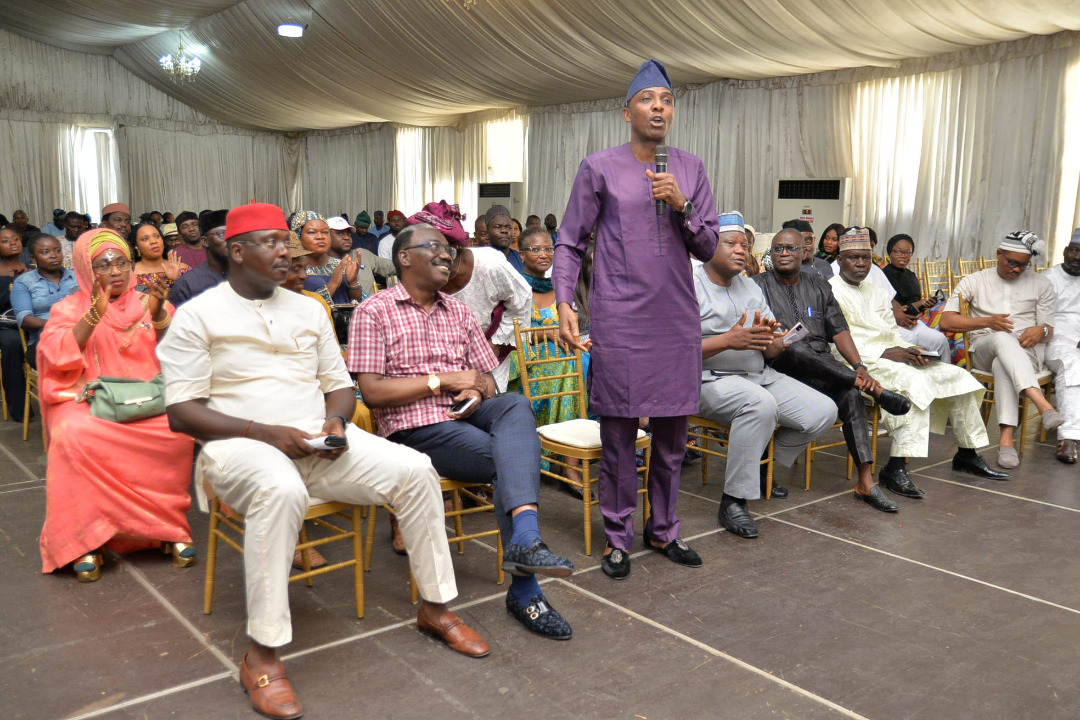
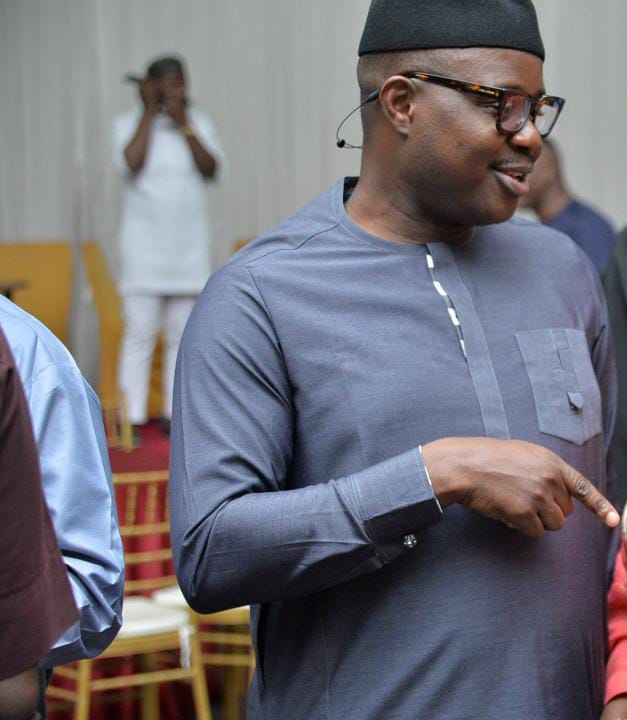
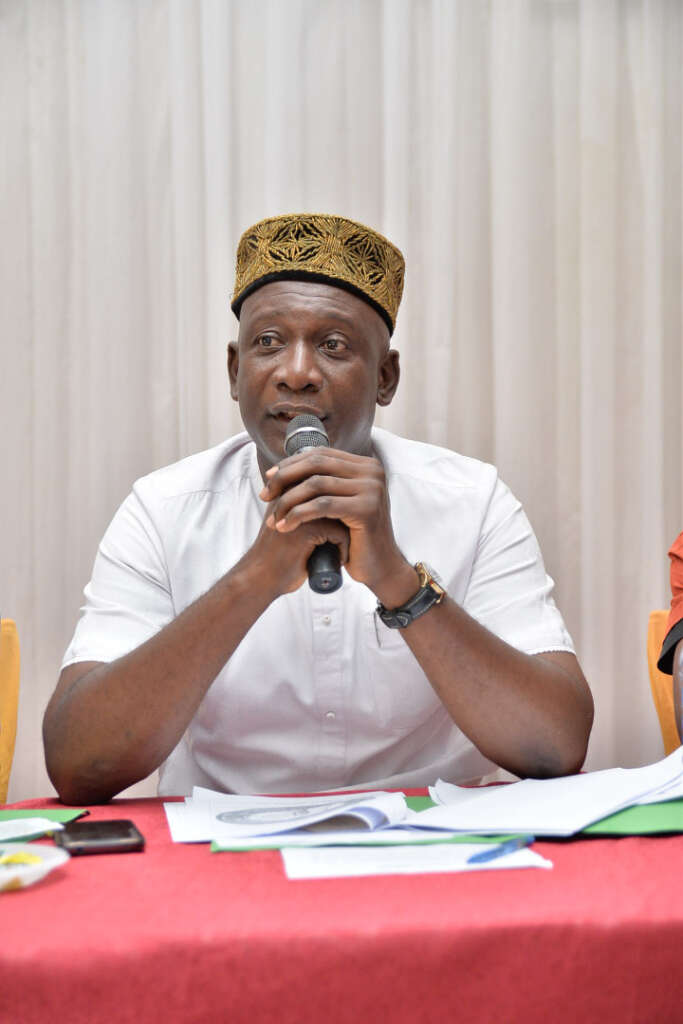
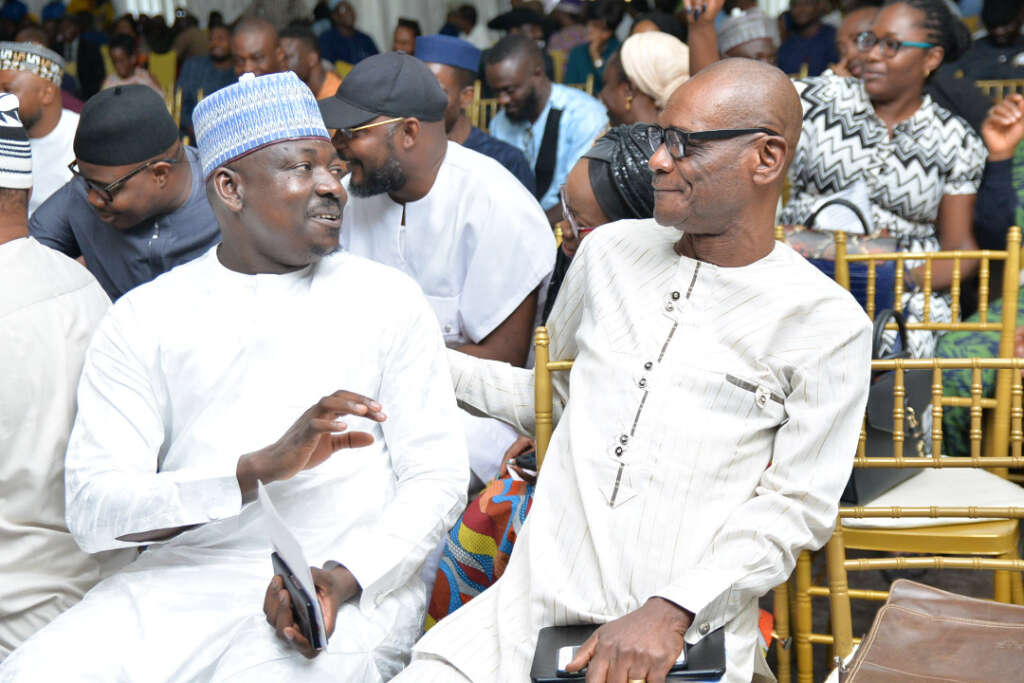
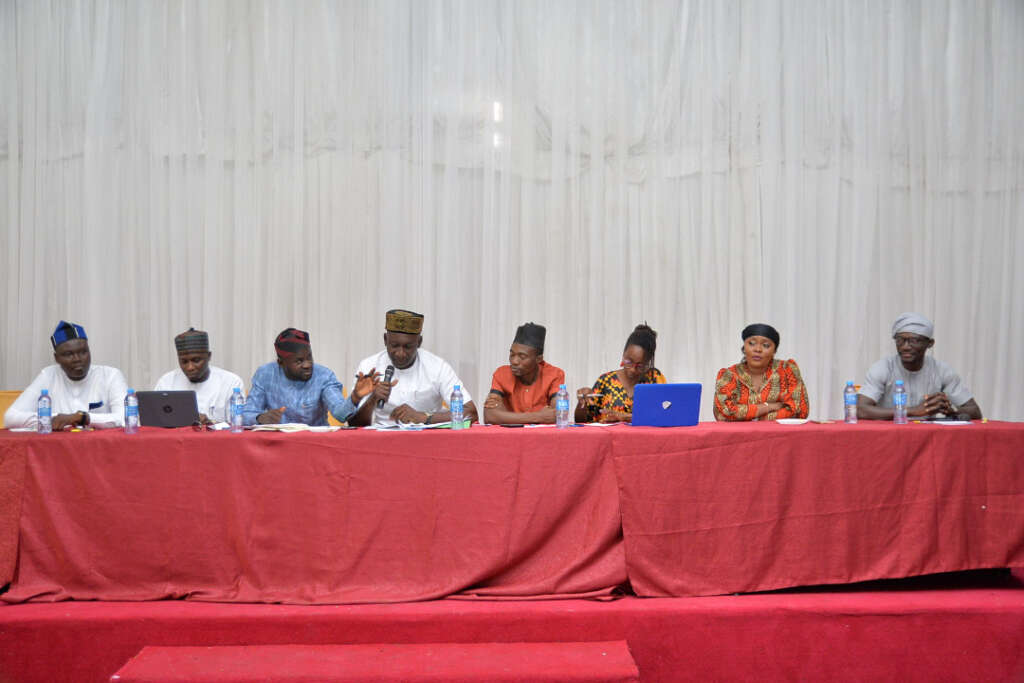
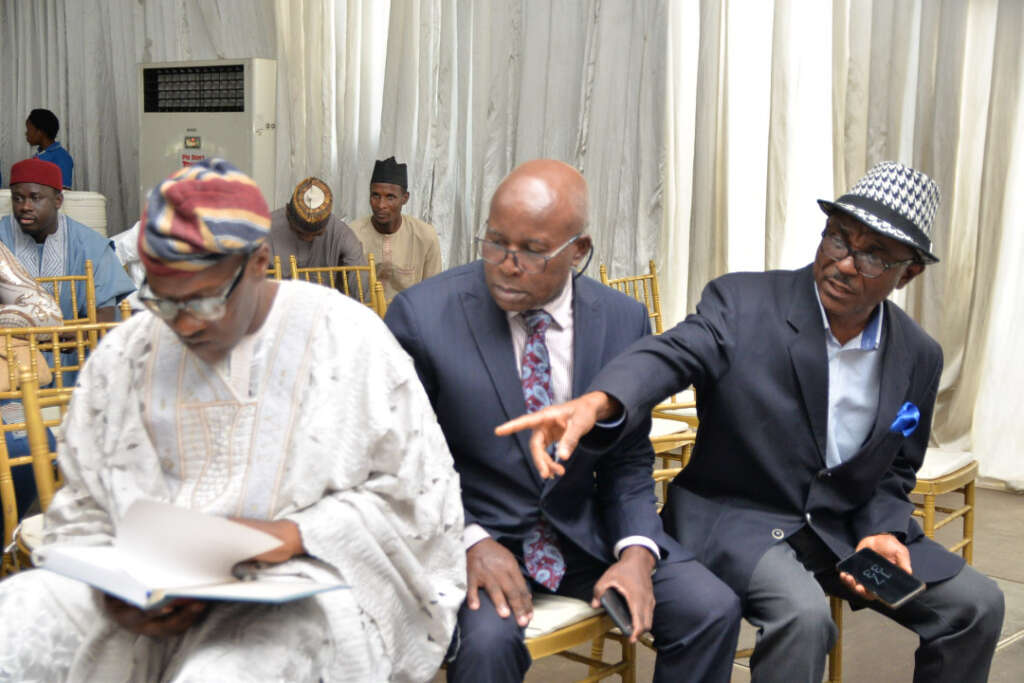
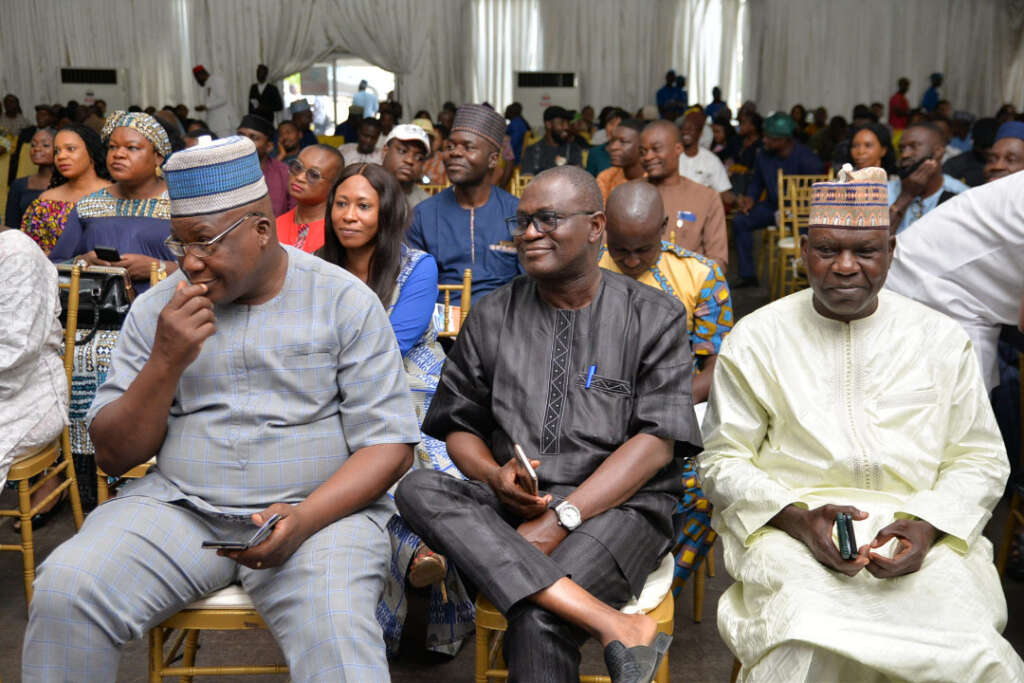
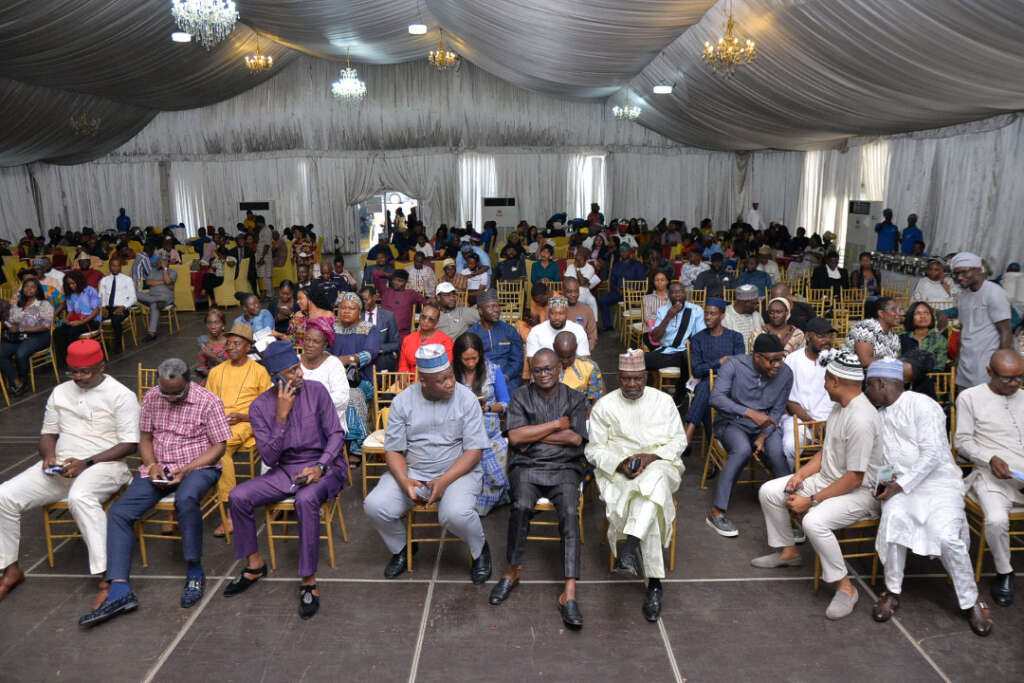
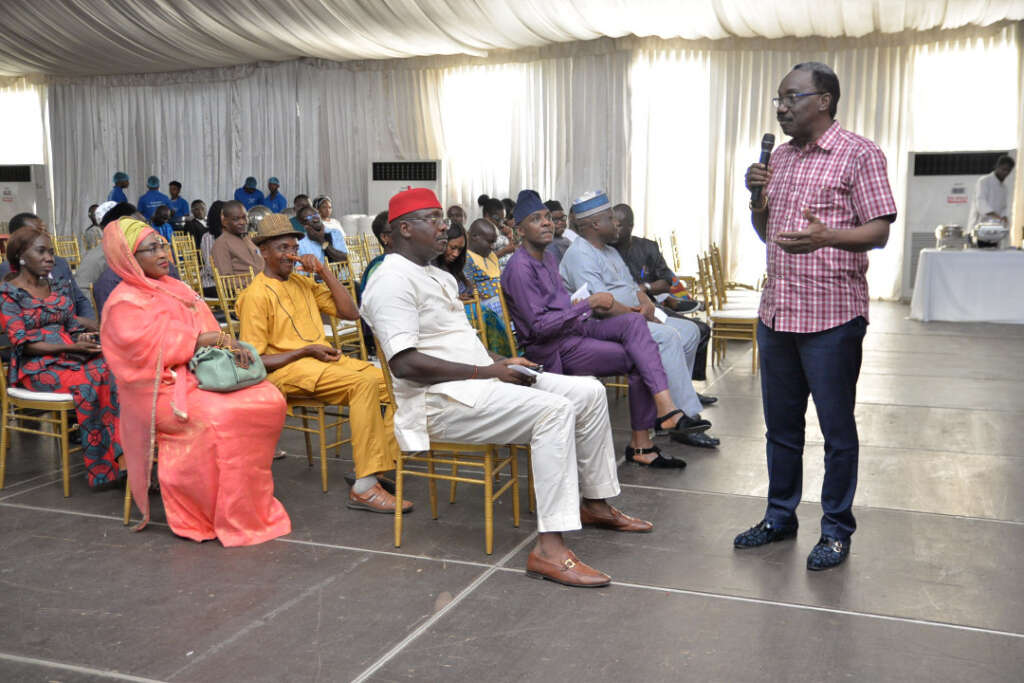
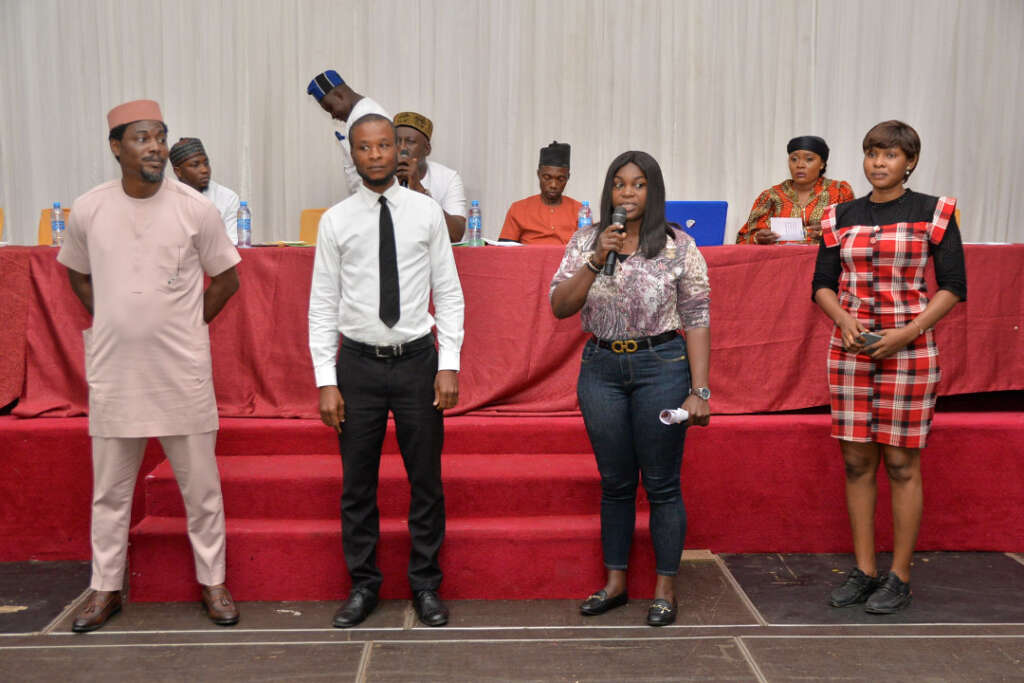
With the declaration of a High Court Justice in Enugu that membership of the Nigerian Bar Association (NBA) is mandatory for all legal practitioners and automatic upon call to Bar and/or on commencement and/or continuance of the practice of the Legal profession in Nigeria, the NBA Abuja branch (Unity Bar) has called for the deregistration of Law Society of Nigeria (LSN).
The branch at its November meeting passed a unanimous resolution condemning the activities of the LSN led by a leading insolvency practitioner, Mr. Kunle Ogunba (SAN) adding that the move by some members of the NBA to create a division within the Bar is unacceptable and should be condemned by all.
While passing a vote of confidence on the leadership of the Bar under Y. C. Maikyau (SAN), the branch called on the leadership of NBA National to write the Corporate Affairs Commission (CAC) requesting it to deregister LSN.
The motion was moved by Chinedu Obienu (Past Secretary of the Branch) and seconded by Moses A. Ebute (SAN) (immediate Past Chairman of the branch).
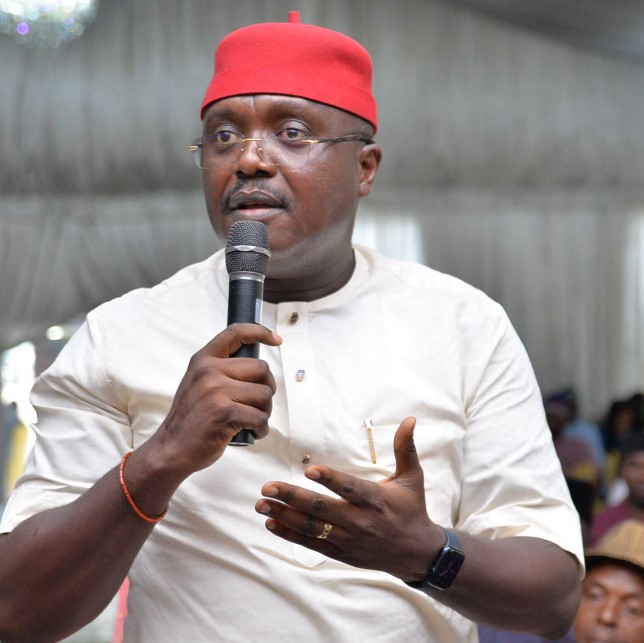
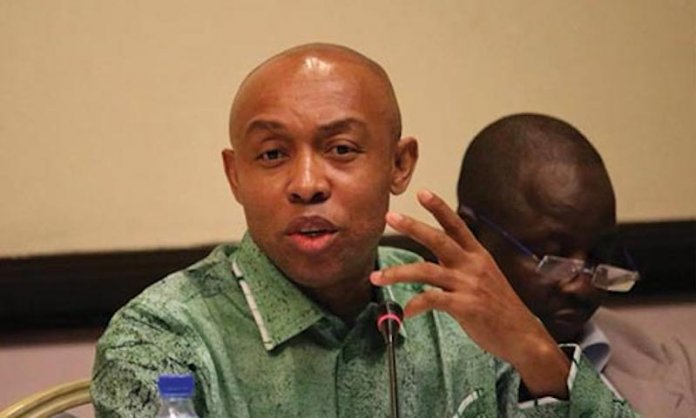
Chinedu Obienu, Esq.
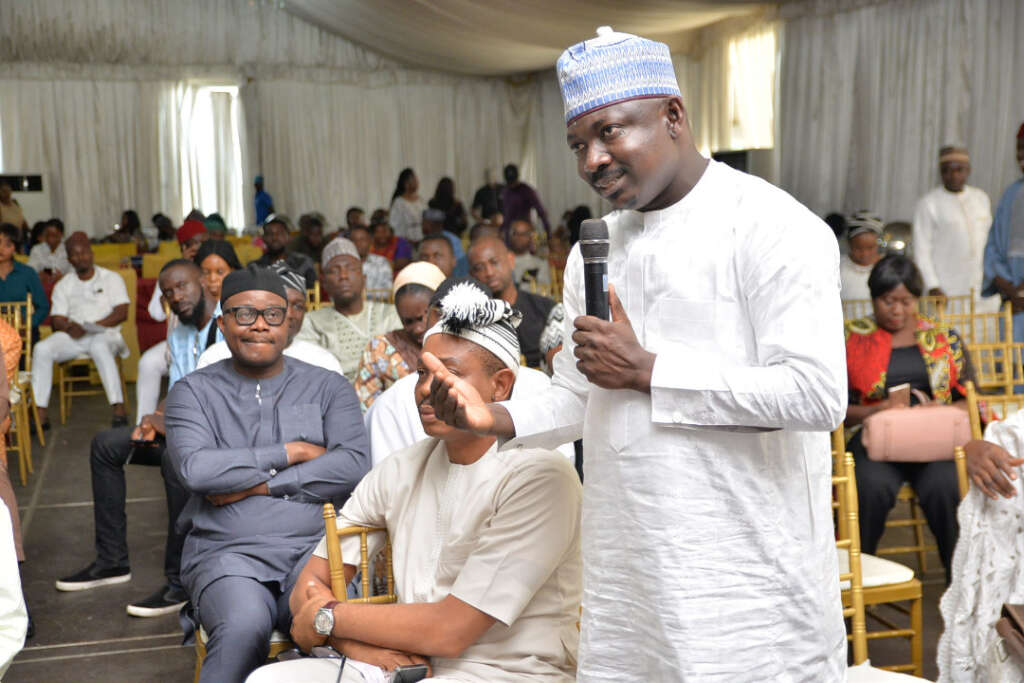
Chief Emeka Obegolu (SAN) and Abdul Mohammed (SAN) also made contributions in support of the motion.
Chief Emeka Obegolu (SAN)Abdul Mohammed, SAN
More photos …
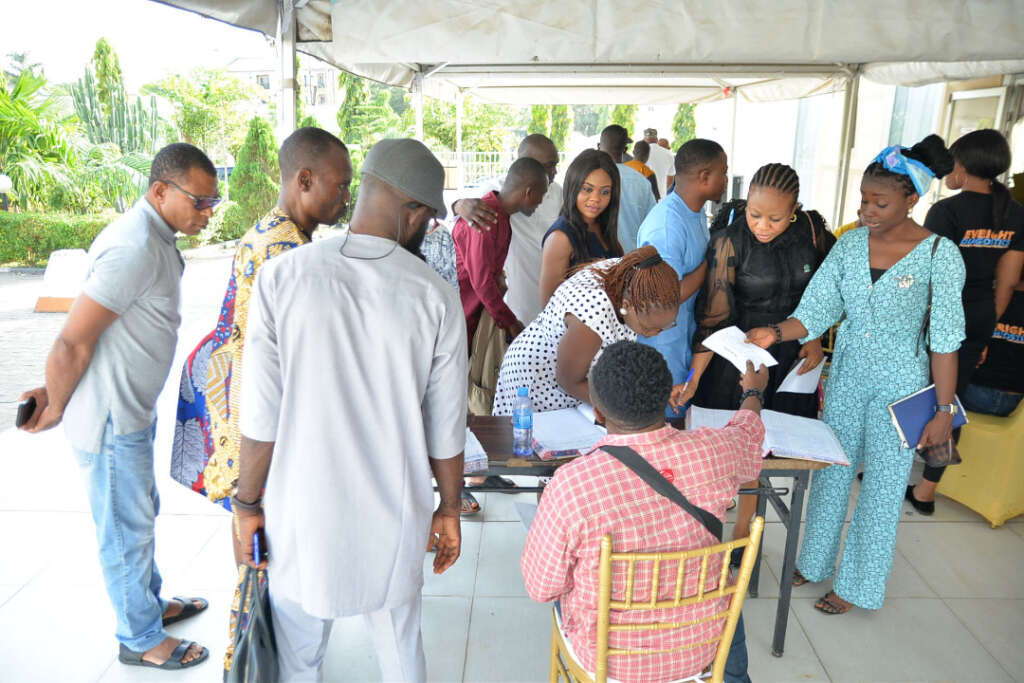
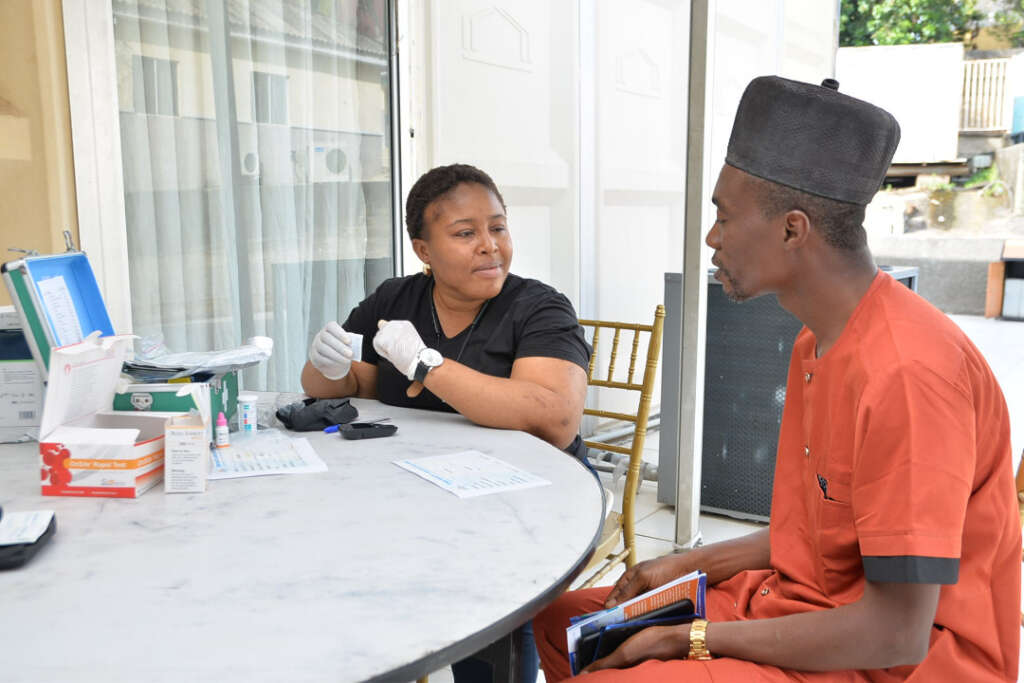
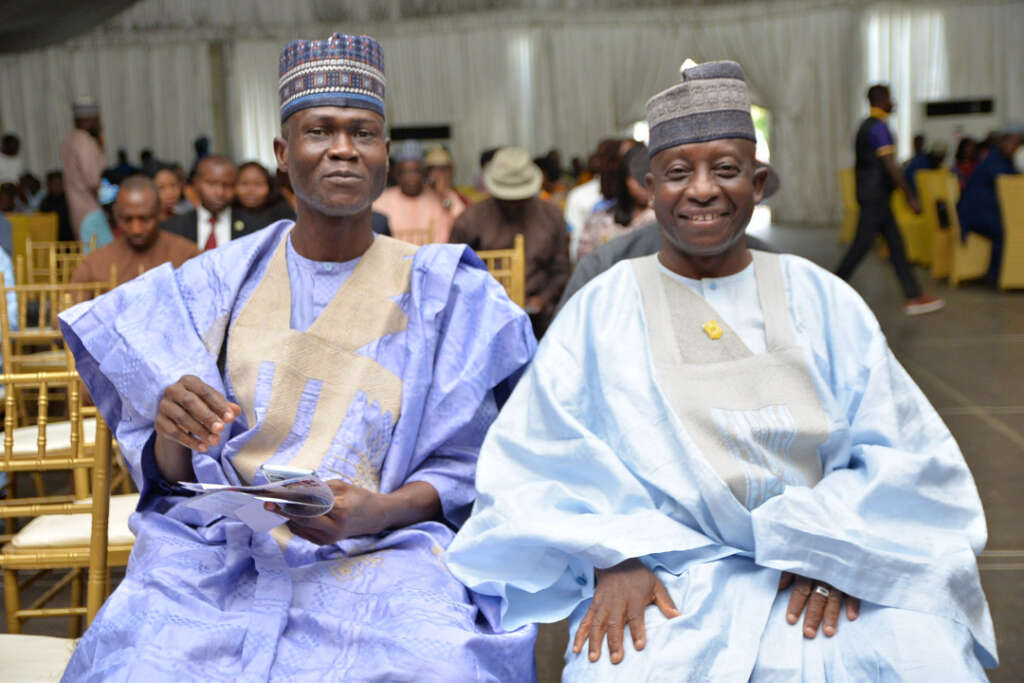
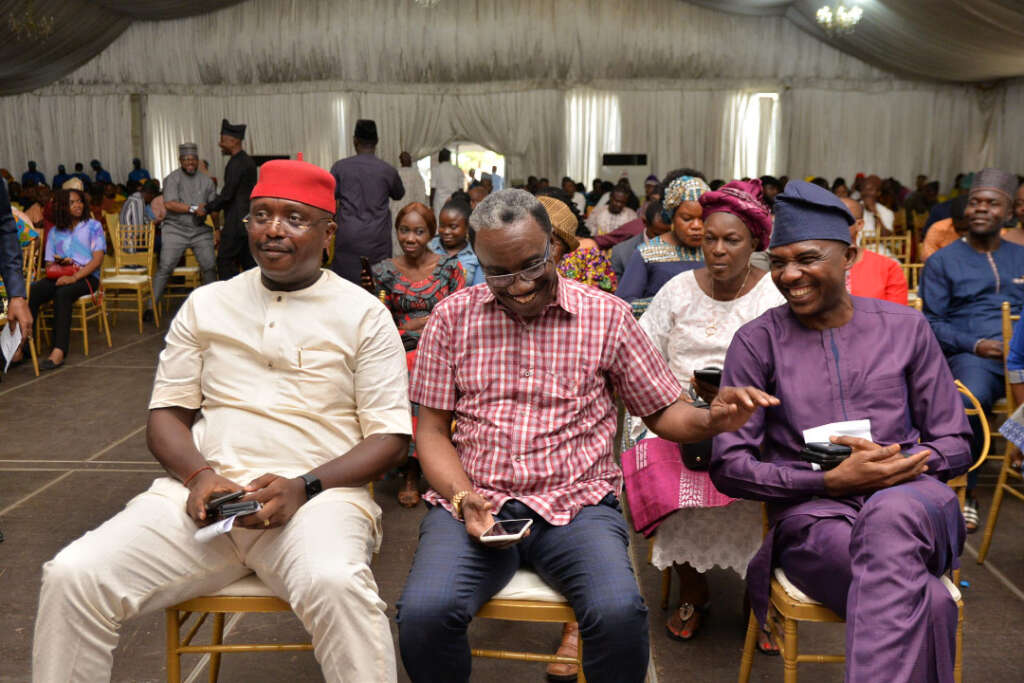
Members signing the attendance registerFree health Check for membersAdekola Mustapha (SAN) and Dr Garba Tetengi (SAN)L-R: Obegolu (SAN), Ojukwu (SAN) and Ebute (SAN)Afam O. Okeke, Esq., Chairman, NBA Abuja Branch (Unity Bar)November Birthday celebrantsOjukwu (SAN)First timers
When he was appointed Justice of the Supreme Court of Nigeria in 1993, Yekini Olayiwola Adio had already been on the bench for 17 years. A graduate of the London School of Economics and Political Science (LSE), Adio became a lawyer in 1959, subsequently receiving his graduate degree in law in 1964 from the Yale Law School in the United States. In 1975, he became Solicitor-General and Permanent Secretary in the Ministry of Justice in Western State of Nigeria. When they created Oyo State of the Western State in 1976, the military appointed Adio a judge of the new High Court of Oyo State in the same year. He rose from there through the Court of Appeal before getting to the Supreme Court.
On Tuesday, 8 July 1997, Yekini Adio took ill during court proceedings at the Supreme Court. He was evacuated to the hospital from the court but sadly died on the same day.
Justice Adio was the sixth appointee to the Supreme Court Bench in Nigeria to die in service in the 24 years from 1973 to 1997. Those who preceded him in this fate included John Idowu Conrad Taylor (1973); Dan Ibekwe (1978); Chukwunweike Idigbe (1983); Augustine Nnamani (1990); and Buba Ardo (1991). In the 20 years since 2002, the following Justices of the Supreme Court have become permanently incapacitated or died in service: Okay Achike, Ekundayo Ogundare, Chukwudinka Pats-Acholonu, Sylvester Ngwuta, and Samuel Oseji.
In all, there have been 111 appointments and preferments to the Supreme Court since Stafford Foster Sutton took office in 1956 as the Chief Justice of the Federation, including 13 who were non-Nigerians and 17 Chief Justices of Nigeria (CJN). Taslim Elias was an exception, becoming CJN in 1972 without previously having served as Justice of the Supreme Court.
Altogether, there have been 81 Nigerians appointed Justices of the Supreme Court since Olumuyiwa Jibowu. Of this number, at least 12 (14.81%) have died in office. In a country with average male life expectancy of about 55 years, some may see nothing serious in the average life expectancy of Nigeria’s Supreme Court Justices which is comfortably north of this benchmark. However, it is also the case that with a few exceptions, most people get to become Justices of the Supreme Court after the age of 55. In any other field, serious questions would surely be asked of any employer or industry which reports a 14.81% cumulative rate of death or permanent incapacity among its senior-most staff as happens in Nigeria’s Supreme Court.
Far from the BOSAN’s suggestion that senior lawyers have not been given a chance to serve in the court, fact is few – if any – self-respecting senior lawyer who has met with relative success in practice wishes to suffer the life-endangering conditions under which Justices of Nigeria’s Supreme Court must conduct judicial deliberations. Former Attorney-General of Osun State, Gboyega Awomolo, a Senior Advocate of Nigeria (SAN), recalls: “I remember when I was invited to join the bench, they were earning just N4,000 per month then. I said no. It is not a place for me where I will be suffering in silence and I would die in silence. It is not for me.”
Ahaji AGF Abdulrazak, SAN, the first lawyer from the old Northern Region, whose appointment as a judge was gazetted by the military under General Yakubu Gowon, persuaded then military governor of Kwara State, David Bamigboye, to issue another gazette reversing the appointment. Indeed, in 47 years of the existence of the preferment, only two SANs have accepted appointments to the judiciary: Augustine Nnamani who was appointed to the Supreme Court in 1979, and Safiya Umar Badamasi appointed judge of the High Court of Katsina State 41 years later in 2020.
One thing is clear: the Supreme Court’s appointments and replacement crisis is a symptom of the problems that afflict the court; it is not the cause. For instance, of the departures from the court since 2019, at least four have been premature. Of the four, two Justices died while two Chief Justices were forced into early retirement. Three of these four would still have been in service, a situation that would have prevented any lamentations about a replacement crisis in the court.
Similar lamentations about the remuneration of Nigerian judges have been well made by different people and it is hardly necessary to repeat them here. It is noteworthy, however, that contrary to the BOSAN’s suggestion that the Supreme Court Bench is responsible for its replacement crisis, judges do not by themselves fix their remuneration. That is the statutory responsibility of the Revenue Allocation, Mobilisation, and Fiscal Commission (RAMFC). The last time they adjusted judicial remuneration was in 2007. It is understandably difficult to seek a significant adjustment in judicial remuneration when working Nigerians in every sector are dying of immiseration. But serving judges who find themselves at the mercy of hunger, penury, or premature death cannot be the most dependable guarantors of judicial independence.
Of the underlying issues that bedevil Nigeria’s Supreme Court, therefore, the most pressing appears to be wellbeing of the court. Clearly, the Supreme Court suffers a crisis of supreme attrition, itself also evidence of an underlying crisis of occupational health at the court. Sylvester Ngwuta, a Justice of the Supreme Court, died at 69 on 7 March 2021. Another, Samuel Oseji, died barely five months later on 28 September 2021 at 67. It may be unfortunate to lose one Justice of the Supreme Court at any time but to lose two in less than six months is institutionally reckless.
Some major issues cry out for attention here. The first is reform of the management of the court’s dockets and working methods. In an article published nearly 18 years ago, the present writer and Sam Amadi warned that the country was “killing the Supreme Court” and that the court was also complicit in turning itself into a dumping ground for mostly irrelevant appeals. Too many of the appeals that preoccupy the court dwell on issues already settled in Nigerian law. A majority also are interlocutory, filed for purposes entirely unconnected with the due administration of justice in order either to deliberately manufacture delay or to aid ambitious lawyers in their pursuit of the rank of SAN. It should not be too difficult to reform the criteria for Silk to emphasise ethical, value-for-money lawyering instead of quantitative criteria such as how many Supreme Court briefs a lawyer has settled but the system does not appear prepared to contemplate this.
As Dr. Amadi and this author wrote in 2004, through an “inexplicable combination of practice, jurisprudence, and inertia, the Court has effectively divested itself of the strategically significant jurisdiction to determine the volumes and jurisprudential significance of casework it receives for consideration.” The result is that the Supreme Court of Nigeria has become the place where appeals in cases not involving politicians or elections go to die and the Justices have become endangered by their commitment to not filtering the appeals that they hear. As long as the dockets of the Supreme Court remain unmanageable, with the court increasingly becoming a forum for the settlement almost exclusively of party political disputes among the most powerful and well-to-do in the country, it may be impossible to recruit people to its bench whose desire is to ensure a more effective administration of accessible justice.
A lawyer and a teacher, Odinkalu can be reached at [email protected]
Those unhappy should therefore sheathe their swords, bury the hatchet and let us all put hands on deck to salvage our profession.
◾STATUS OF THE NBA AS THE UMBRELLA BODY OF ALL LAWYERS IN NIGERIA: I think it’s our courts that have the authority to interpret the constitution. This is not a matter of what we like or what we don’t. It’s strictly a matter of law. The Courts have looked at sections 39 and 40 of the Constitution and have come up with a decision, that:
1️. All Lawyers in Nigeria are automatic NBA members and remain NBA members for as long as they’re lawyers in Nigeria;
2️. This position doesn’t violate the Constitution because those affected had voluntarily chosen to join the NBA, and they are still very free to leave the NBA by having their names struck off the Roll.
So, who says freedom of association isn’t guaranteed here?
◾ COURT PRONOUNCEMENTS ARE BINDING UNTIL SET ASIDE, REPEALED OR OVERRULED: Besides, let’s get these pronouncements of our higher courts set aside before we can come back to discuss what we like or what we don’t like. While Hon Justice Oliver Wendell Holmes Jnr is not the Nigerian Constitution, it’s to the Courts the Constitution has assigned the role of interpreting the Constitution and other extant laws. It’s not for the LSN members/promoters to tell us what the Law is. The Courts have spoken, all must abide by the courts’ position until such is abrogated by setting aside or overruling.
Whether we consider a court order “unconstitutional”, given per incuriam, “invalid”, or whatever or howsoever, we have an obligation to obey. We as lawyers shouldn’t be seen to behave or be lawless, as motor park louts.
On the position of law regarding the obligation to obey subsisting court orders, I said this in a published commentary:
‘Ogundare, JSC, in the case of ROSSEK v A.C.B. LTD. (1993) 8 NWLR (PT. 312) 382 at pages 434-435 E-C treated the matter extensively. Below is, inter, alia, what he said: “A party, who knows of an order, whether null or valid, regular or irregular, cannot be permitted to disobey it. …It would be most dangerous to hold that the suitors, or their solicitors, could themselves judge whether an order was null or valid – whether it was regular or irregular…. As long as it existed, it must not be disobeyed”. This view was re-echoed by Romer L.J in HADKINSON v HADKINSON (supra) where he observed: “It is the plain and unqualified obligation of every person against, or in respect of whom an order is made by a court of competent jurisdiction, to obey it unless and until that order is discharged. The uncompromising nature of this obligation, is shown by the fact that it extends even to cases where the person affected by an order believes it to be irregular, or even void, and affirmed by the Privy Council in ISAACS v Robertson (Supra). Eso, JSC stated the same view in OBA ALADEGBEMI v OBA FASANMADE (Supra) where he observed: “… for a court of competent jurisdiction, not necessarily of unlimited jurisdiction, has jurisdiction to decide a matter rightly or wrongly. If that court never had jurisdiction in the matter, then its decision is, without jurisdiction, void, but then should a court of law not even decide the point? That is, the court without jurisdiction decides without jurisdiction? Should the decision be ignored? Surely, it would not make for peace and finality, which a decision of a court seeks to attain. It would, at least, be against public policy for persons, without the backing of the Court, to pronounce a court decision a nullity, act in breach of the decision, whereas others may set out to obey it. In my respectful view, it is not only desirable, but necessary to have such decisions set aside first by another court before any act is built upon it despite the colourful dictum of the law Lord in U.A.C. v MACFOY (Supra).” Generally, therefore, orders of a competent court must be obeyed as long as they subsist, if the authority and administration of the court are not to be brought into disrepute, scorn, or disrespect. They remain binding on parties thereto until set aside by a superior court of competent jurisdiction, or declared null and void. Thus, once a party knows of the subsistence of an order of the court, whether valid or not and whether regular or irregular or even perverse, he is obliged to obey it. See ADEBAYO v JOHNSON (1969) 1 ALL NLR 176; ALADEGBEMI v FASANMADE (1988) 3 NWLR (PT.81) 129; KOMOLAFE v OMOLE (1993) 1 NWLR (PT.268) 213; ROSSEK v AFRICAN CONTINENTAL BANK LTD. (Supra). See also the dictum of MUHAMMAD, J.S.C ( Pp. 23-27, paras. E-C ) in OSHIOMHOLE & ANOR v FGN & ANOR (2004) LPELR-5188(CA)’
See: “Raid on Justice Odili’s Residence, Police Officers and Need to Apportion Blame Appropriately”
By Sylvester Udemezue (9 November 2021: ThisDayLive).
◾NO! NBA IS NOT “AN ORDINARY ASSOCIATION LIKE THAT OF PEPPER SELLERS REGISTERED WITH THE CAC”: There is this wrong notion some lawyers have about NBA. This was voiced out by a respected learned friend and fellow NBA member for life, Mr.Olasupo Ojo who once wrote that “NBA is not a union but an ordinary association like that of pepper sellers registered with the CAC. Go and dig deep pls.” Following Mr. Ojo’s charge to dig deep, I had embarked on vigorous research. What did I find? NBA is not just as the association of pepper sellers, that you can displace by wishful thinking. See: ” Expository Inquisition into the Hallowed Place of Nigerian Bar Association as the Most Far-Reaching Regulator in Nigeria`s Legal Profession” By Sylvester Udemezue (30 August 2020: BarristerNG). In that paper (please try and read it) I had concluded: “NBA… is not like the “Pepper Sellers Association.” The fact that the NBA is currently facing challenges has not diminished its hallowed status and the pride of place the NBA occupies in the Legal profession. I am proud to be a member of the NBA. Let every other lawyer in Nigeria feel as proud. Let those who are unhappy sheathe their swords, bury the hatchet and let us all put hands on deck to salvage our profession. The duty and responsibility are ours, collectively, to help this great body, the NBA. Escapism is not the solution. As Joseph Fort Newton said, “a duty dodged is like a debt unpaid; it is only deferred, and we must come back and settle the account at least.” [Then s]aid Barack Obama, “the change we desire will not come if we wait for some other person or some other time. We are the ones we’ve been waiting for. We are the change that we seek.” We are only as strong as we are united, as weak as we are divided. And as I had earlier written,“ We’re each other’s business because upon the conduct of each depends the fate of all. Stronger unity within the profession is essential to timely realization of set goals. The deepest and sincerest form of communication is communion; even the weak become strong when they’re united. Where there’s unity, there you find progress, success, and victory.”’
Chief Mbazulike Amechi who died early hours of Tuesday 1 November at age 93 has been described as a true nationalist. Nigeria’s first Aviation Minister and a member of the first republic leaders, he was among the few Nigerians involved in the Zikist Movement and when the movement was proscribed, he became the Secretary General of the National Council of Nigeria and the Cameroons, NCNC Youth, a youth wing of NCNC.
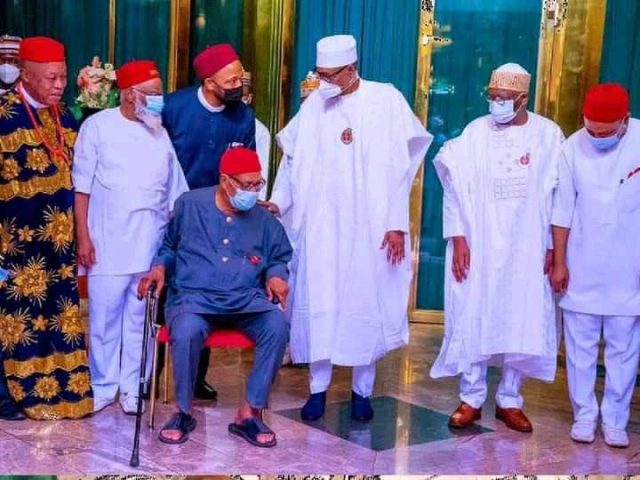
During a visit of select Igbo elders leaders to President Muhammadu Buhari in November 2021 to discuss the possibility of a political solution to the case of Mazi Nnamdi Kanu, leader of the Indigenous People of Biafra, IPOB and insecurity in the southeast, late nationalist was quoted to have told the president:
“Mr. President, I want you to be remembered as a person who saw Nigeria burning, and you quenched the fire.”
Ikenna Emewu in a tribute published by Africa China Press Centre reflects on the insightful interview he had with late the elder statesman in 2019.
“ Ikenna, I am the only one left among all of us that fought colonial Britain.
We used to be three left – Maitama Sule who died in 2017, Shehu Shagari who died recently (December 2018) and myself. After Shagari, I am the only one left and Nigeria has not been going in the direction that makes me happy.
It was Benjamin Franklin who first said, “You can do anything you set your mind to”
It was the American polymath, scientist, inventor, statesman, diplomat, printer, publisher, political philosopher, drafter and signer of the United States Declaration of Independence, Benjamin Franklin who first said, “You can do anything you set your mind to.”
How does one begin to describe one who in some climes would have been written off and whose fate is already sealed as doomed but went ahead to rewrite what would have been the story of her life.
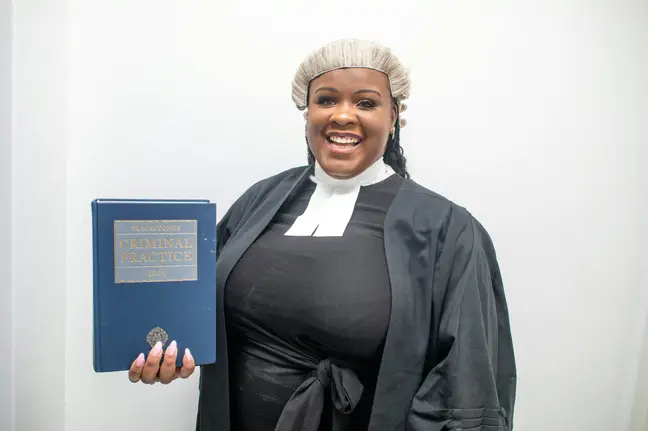
Jessikah Inaba is at the moment celebrating an earth-shattering event in her life after becoming the first blind, Black, female barrister in the UK.
23-year Inaba studied for five years in London to get where she is today and she couldn’t be prouder of her achievements. She did her entire course by reading Braille and had help from friends and tutors when she needed a bit more information on some topics.
She said: “It’s been crazy – I still can’t really believe I’ve done it. One day I’ll wake up and realise how amazing this is.
“It was hard and I often thought of giving up, but my supportive family gave me courage and strength.
“I always believed in myself from the start – there’s nothing about me which means this isn’t possible.
“I know I can do this job really well, and the more people like me who go through training the easier it will become.
Credit: SWNS
“It’s a really good feeling, I know I’m giving hope to others in similar situations to mine. There’s a triple glazed glass ceiling.
“I’m not the most common gender or colour, and I have a disability, but by pushing through I’m easing the burden on the next person like me.”
The four Inns of Court, the Bar Council and the Bar Standards Board all couldn’t find an example where a blind, Black, woman had made it as far as Jess.
She studied at the University of Law – London Bloomsbury and admits that it wasn’t easy getting all the materials she needed for her course.
It took seven months for her university to get one of her two key study texts so she could read on her computer.
It was another five months for the other textbook.
Then it was a struggle to have the pictures and tables converted from the original texts into Braille so she could understand.
Jess said she ended up doing a lot of it herself once she worked out the best method.
“I was spending more time preparing my own learning materials than I was studying,” she said.
“I was hospitalised because I kept fainting in October 2019 because I’d been functioning on about three hours sleep a night for two years.
“I would sometimes get 45 minutes a day to eat, but often I ate while at my computer.
“The university had other visually impaired people who used text to speech, but I just can’t work like that.
“I need to read it physically for myself or I can’t remember it. Everyone is different and has a different work around for various situations.
“A lot of people registered blind have some vision, so they can sometimes use large print, or some blind people manage well just by listening to text.
“Braille is expensive to produce because you need a lot of special software and equipment.”
Jess says she now wears her gown and wig with pride after working so hard to earn them.
The question of who collects practicing fees and whether every legal practitioner must become a member of the Nigerian Bar Association, NBA, is no longer in doubt with the declaration of a High Court Justice in Enugu that membership of the NBA is mandatory for all legal practitioners and therefore automatic upon call to Bar and/or on commencement and/or continuance of the practice of the Legal profession in Nigeria. (CTC of Judgment enclosed).
The Court in SUIT No. OB/27/2020: BEN OLOKO V. THE INCORPORATED TRUSTEES OF NIGERIA BAR ASSOCIATION by Hon. Justice R.O. Odugu, Enugu State High Court, Obollo-Afor Division also held that the NBA has no business in the collection of practicing fees directly from Legal Practitioners in Nigeria as it has no lawful power to do so based on the Legal Practitioners Act which empowers the Chief Registrar of the Supreme Court to collect the practicing fees and disburse same in accordance with the law.
In an originating summons, the Plaintiff claimed the following reliefs against the Defendant:
1. A declaration that the Nigerian Bar Association is not a compulsory association to which every legal practitioner becomes a member automatically upon call to the Bar or commencement and/or continuance of the practice of the legal profession in Nigeria; but a completely private and voluntary organization of legal practitioners, who are interested in the set objectives of the association and have exercised their free volition to join and or/participate in the activities of the association per time.
2. A declaration that the Nigerian Bar Association lacks the power to increase the Annual Practising Fee for legal practitioners in Nigeria, same being a function reserved for the office of the Attorney-General of the Federation, hence the Annual Practising Fees remains as stipulated under the Legal Practitioners (Bar Practising Fees) Notice, 2002, viz: Senior Advocates of Nigeria (N20,000); Legal Practitioners of 15years or more standing post call (N10,000); Legal Practitioners of 10years or more standing but less than 15 years post call (N7500.00); Legal Practitioners of 5years or more standing but less than 10 years post call (N4, 000.00); Legal Practitioners of less than 5 years standing post call (N2,000. 00)
3. A declaration that the Nigerian Bar Association lacks the power to produce and/or issue stamp and seal to be used by all legal practitioners in Nigeria in a professed bid to curb the encroachment of quacks into the practice of the legal profession, same function having been conferred on the Registrar of the Supreme Court by statute.
4. An order of perpetual injunction restraining the Defendant either by itself or its agent(s) or servant(s) from imposing any form of structures and or/duties and//or obligations on the Plaintiff and indeed all other legal practitioners, who may opt not to belong to the Defendant’s association, (including payment of annual dues; mandatory acquisition and use of Nigeria Bar Association seal and stamp on processes and documents) tends in any way to constitute the Defendant as a general umpire, overseer and/or superintendent of all legal practitioners in their practice of the legal profession in Nigeria, including the Plaintiff and other legal practitioners, who may choose not to be members of the Defendant’s association.
The issues for determination as formulated by the Plaintiffs, and adopted and determined by the Court on Friday 29, July, 2022 are as follows:
1. Whether the membership of the NBA is mandatory for all legal practitioners and therefore automatic upon call to Bar and/or on commencement and/or continuance of the practice of the Legal profession in Nigeria.
Resolution: This issue was resolved in favour of the Plaintiff by the Court.
2. Whether the NBA has the power under the law to determine (increase or decrease) tax and/or collect Annual practicing fees for legal in Nigeria.
Resolution: This issue was resolved in favour of the Plaintiff. The Court held that the NBA has no business in the collection of practicing fees direct from Legal Practitioners in Nigeria because it has no lawful power to do so based on the Legal Practitioners Act which empowers the Chief Registrar of the Supreme Court to collect the practicing fees and disburse same in accordance with the law.
3. Whether the NBA has power and/or authority to produce seal and stamps that all legal practitioners, whether they belong to the NBA or not, must affix on processes they prepare for same to be cognizable under the law.
Resolution: This issue was declared to be no longer a life issue as same was withdrawn by the Plaintiff arising from the supervening action of the AG of the Federation which the Plaintiff acknowledged.
The issue of jurisdiction raised by Defendants was resolved in favour of the plaintiff as the Court held that it has the requisite jurisdiction to hear and determine the reliefs of the Plaintiff.
In conclusion, this judgment favours the NBA in that it is compulsory for every Lawyer called to the Nigerian Bar to become a member of the NBA. The NBA still has the power to increase or decrease tax/practicing fees. However, it cannot continue to engage in direct collection of the practicing fees of lawyers in Nigeria and has been restrained from doing so.
The Plaintiff appeared in person while Ikeazor Akaraiwe, SAN and Ejikeme Oji, Esq. appeared for Defendant.
Before our very resourceful crisis merchants perfect their usual business of exploiting our volatilities and vulnerabilities in these perilous times again, authorities and duty bearers in Abuja should continue to assure the already sceptical and traumatised people of this country that the recent United States terror alert from Abuja is not enough to derail the organisation and conduct of next year’s critical elections, after all. The crisis merchants here are very smart. They are very rich and safe. The crisis industry is quite dynamic. The business is well capitalised.
The shadowy drivers, the brains behind the lucrative and protected business have solid connections even in global context. They are very clever with their business plans they sell to some of the many ‘assistant leaders’ all over the place. At the public presentation of the Governor of Kano State’s book titled, ‘Deputising and Governance in Nigeria’ last week, there were revelations from so many former and serving deputies including the current vice president, Professor Yemi Osinbajo and a man who was deputy governor, governor, vice president and president, Dr. Goodluck Jonathan that there are some hidden facts about why deputies are always regarded as dangerous ‘spare tyres’.
In one of the constructs, the author of the book, Abdullahi Umar Ganduje, (Ph.D.) revealed in his remark that there are always some sycophants and crisis merchants around the State Houses who will always tell gory tales to the principals (presidents, governors, ministers, vice chancellors and chief executives generally) about how dangerous their deputies have been and so they will always find ways of creating phantom ‘assistants’ instead of assigning deputies created by laws and statutes. Thus we will always find powerful ‘assistant presidents’, ‘assistant governors’, ‘assistant ministers’, ‘assistant vice chancellors’ assistant MDs, etc who are made to do the work of statutory deputies. They are everywhere there is money or power to make cool money, which ‘answereth all things’.
The crisis merchants will always want terrorism to thrive because no government wants to hear about terrorists: they will always increase security and defence spending even without appropriation bills. Crisis merchants want insecurity to thrive so that they can always manipulate security and intelligence managers to ask for more funding. Where crisis merchants thrive, there will always be scarcity of funds for even critical sectors including infrastructure, human development (services) as their lobbyists in the powerhouses always talk about management of priorities. The merchants of crisis are artful in contextualising sections of the constitution, which provides that: ‘Security and Welfare of the people shall be the primary purpose of government’. They always like strong and influential diplomatic missions to issue terror alerts, yes red flags that can increase security and defence votes across platforms and security sectors. They are very brilliant when it comes to exploitation of protocol management for public sector chief executives. They always advise even First ladies to have long convoys of vehicles for security reasons.
They get even First Sons and Daughters to get presidential and gubernatorial treatments with presidential and chartered planes to take even photographs for schoolwork. They come to the chief executive quietly and cleverly with their proposals on security, especially now that there is a federal characterisation of insecurity: Insecurity is no longer only in Borno and Yobe states. Crisis merchants who negotiated release of 114 captives in 2018 can continue to tell the chief executive of the federation that it has been difficult to negotiate the release of only Leah Sharibu. They will continue to ask for more money to negotiate the release of the only Christian girl who is said to have given birth to two children in captivity. The merchants of crisis have only one god to serve: their bellies.
That is why we have to appeal to our President to beware of the crisis merchants who may want to exploit the terror alerts from the Foreign Missions in Nigeria to use one weapon of mass disruption of the next year’s election – fear. As I have reported here, Alan Paton, author of ‘Cry, the beloved country’, says ‘sorrow is even better than fear. From his experience of Apartheid in South Africa he deconstructs in the classic, ‘fear is a long, terrible journey’.The American Embassy’s action in issuing terror alert isn’t intended to scare anyone. It is for their citizens in Nigeria.
Here is the thing, even if the United States Mission in Nigeria says everything is under alarm and nothing is under control, the chief executive of the federation and commander-in-chief of the armed forces of Nigeria should continue to insist that everything is under control and nothing will be under any alarm. In other words, President Jonathan commanded the armed forces and conducted elections even in the volatile Northeast region in 2011 and 2015. There should be no reasons merchants of crisis should be allowed to fuel rumours of war that can derail the 2023 transition agenda.
Our President has assured us that terrorism would disappear by December 2022. We should believe him. He should not allow casual attitude and simplistic thinking that has allowed crisis to be a big business to some merchants of crisis who would like to create conducive atmosphere for another interim national government after elections in 2023.Here are the facts that are not so extraordinary in diplomatic circles: The governments of Germany, Bulgaria, Ireland and Denmark have cautioned their citizens against non-essential travel to Abuja, Nigeria’s capital over a heightened risk of terror attacks. The travel advisories came a few days after the United States, the United Kingdom, Australia and Canada had warned of a possible terror attack in Abuja.The federal government through the Minister of Information, Lai Mohammed has since dismissed the advisories and specifically said the United States was also not safe.
The embassies had listed targets to include schools, government buildings, hotels, markets, shopping malls, bars, athletic gatherings, transport terminals, law enforcement facilities, restaurants, places of worship and international organisations. There have been reports that other countries have aligned with the United States after a series of meetings, intelligence sharing and “incontrovertible proof of imminent danger. One decent source said, late last week, a suspect was nabbed near the US Embassy at the Central Area allegedly spying on the surroundings. Also, explosive devices were found near the entrance of a compound housing US staff on Saturday, October 22.
And so after gathering intelligence on the plan to attack US citizens and other expatriates, the US government decided to send Special Forces to Abuja to analyse the threat. Beyond that, the US State Department, in the travel advisory issued on Tuesday authorised the departure of non-emergency U.S. government employees.
There is a sense in which government officials in Nigeria can claim that the panic is not worth it. Yes, this is not the first time a security alert has been issued in Nigeria. A Nigerian senior government official who is aware that the president had been made to welcome a United States Secretary of State in Nigeria instead of the Foreign Affairs Minister can also ask at this time: why is it that Nigerians crave for foreign products? The official can also ask rhetorically: is it because the alert came from the USA? It will be recalled that on March 19, 2022, April 22, 2022, and December 14, 2021, the DSS warned about impending bomb and violent attacks and plans by elements to attack public places. Nigerians dismissed those and were never alarmed. Then a few months after, Kano, Jigawa, Imo and other places were attacked. Kuje was attacked. A Nigerian spokesperson can claim that the March/April reported threat could have been worse but for the intervention of our law enforcement authorities. This is what government officials should tell citizens, anyway, and not abusing foreign Missions alerting their own people about security threats. As a senior intelligence source described the US government’s action as disgusting and a slap on Nigerian authorities, what else should they have done instead of scaremongering? The security-intelligence community maintains what they call: Global 5 in the intelligence community.
These include the US, UK, Canada, Australia, and New Zealand. They share the same position on issues. They always have a special relationship and most times align with the position taken by the United States. That is why the security chiefs in Nigeria are saying we are not bothered; we are on course to secure our country. That is fine and re-assuring.
The media in Nigeria had reported how security forces had been working hard to avert severe attacks on Abuja and its environs by terrorists loyal to the Islamic State West Africa Province (ISWAP).
Two weeks ago, two high-profile terrorists were located at the Tipper garage, along the Kubwa Express Road by Jahi District and security operatives put them on their radar. And on Thursday, October 20, one Abubakar Dan Borno, an ISWAP kingpin who fled from the Sambisa Forest, was picked up at Mararaba, a suburb of Abuja in Nasarawa State after days of trailing. The suspect was handed over to the military and taken to the Defence Intelligence Agency (DIA) for interrogation.
In its latest travel advisory on Abuja, the United Kingdom (UK) Foreign, Commonwealth, and Development Office (FCDO) said there is an increased threat of terrorist attacks in the nation’s capital. In an alert posted on its website, the FCDO said “The Foreign, Commonwealth and Development Office (FCDO) had updated its travel advice on 26 October to British nationals. The FCDO now advises against all but essential travel to the Federal Capital Territory, including the city of Abuja.
“British nationals are advised to stay alert, avoid non-essential travel within the city, and follow the local news and the advice of security authorities.
“Other states in Nigeria where we advise against all but essential travel include Bauchi, Kano, Jigawa, Niger, Sokoto, Kogi, Abia, Plateau, Taraba, within 20km of the border with Niger in Kebbi State and non-riverine areas of Delta, Bayelsa, and Rivers states.” The German Foreign Office, in its latest travel advice, cautioned its nationals against non-essential travel to Abuja at present. In a travel advisory on its website dated October 27, the German government urged its citizens to limit journeys within Abuja to the absolute minimum, avoid crowds and busy public places, and be extra vigilant and prudent. The government also urged its nationals not to travel to certain areas of Nigeria, except where necessary. So, our leaders and their reputation managers in Nigeria should not allow merchants of crisis to capitalise on the harmless advisories to campaign for postponement of next year’s election.
Unable to match Peter Obi’s eloquence, credible competence, rising political stature, and wisdom, his main competitors in the Presidential race are now resorting to recruiting political thugs and street urchins and using them to attack the supporters of Peter Obi ostensibly to dampen Obi’s spirit and morale. While some of the hired thugs are directly inflicting severe injuries on some of Obi’s supporters, others are content with just harassing and intimidating the supporters in order to make them back out of their commitment and support for Obi. What is the “offence” of Obi’s supporters? The hope and dream they have found in the person of Peter Obi.
I find it loathsome that a politician in our 21st Century democracy could throw decency overboard and resort to recruiting political thugs to brutally attack and intimidate his political opponent simply because his opponent is gathering more momentum and gaining more political support than him. The chilling video clips and recorded interviews in front of me as I scribble are the evidence in support of the sponsored brutal attacks, violence, and thuggery, and intimidation against Obi’s supporters lately. For example, John Solam is a young man who happened to be a cripple. He hails from Adamawa State. He is a supporter of Peter Obi. He lives in Lagos. Prior to relocating to his current squalor at Egbeda, Lagos he was a beggar living under the Ikeja bridge in Lagos. One day some hired political thugs mercilessly beat him up and destroyed his wheelchair. Why? Because he publicly supports Peter Obi. Hear him:” I was attacked at the first under the bridge, adjacent to the General Hospital, Ikeja. I was coming from the G.R.A side and heading to the Computer Village where I would normally stay to campaign for Peter Obi. I had his banner in front of my truck. Some men numbering up to 5 alighted from a bus and approached me. They asked me why I was moving with Peter Obi’s banner in Tinubu’s land. Before I could respond, they landed a huge blow on my face and started beating me. They broke my wheelchair. They beat me for some minutes before passers-by could come to my rescue. They warned I should never put up Peter Obi’s banner or preach his message again and left me with bruises”
Mr. Olaiyitan OLayiwola is Yoruba of the South-West extraction. Sometime in May this year he made a video clip wherein he compared Peter Obi with Bola Ahmed Tinubu and thereafter urged his audience to vote for Peter Obi in the 2023 Presidential election. That was his only “crime”. What did the hired thugs do to him? First, they threatened him to desist from supporting Peter Obi failure for which he would regret coming to Lagos. Initially, he thought it was an empty threat and continued his support for Obi. But one faithful morning, he was walking down his street when suddenly a hit-and-run driver in full speed came from behind and rammed his vehicle onto him breaking his right leg back. Thank God he did not die. Since then life has become a nightmare for Olaitan. He hardly walks the street unaccompanied by someone let alone for fear that he would be a victim of another brutal attack. John Eze and Agbene David are two die-hard supporters of Peter Obi. The duo eagerly look forward to when Peter Obi would win the 2023 Presidential election and restore economic prosperity to the wasteland. They exude confidence that the Peter Obi Presidency would make a new Nigeria of our dream. But one day they were brutally attacked and seriously injured by hired political thugs as they walked the street brandishing the Labour Party flag.
Two days before the Lagos 4 Million-Obedient March in Lagos, one of the key organizers of the March called Joseph Onuorah was arrested and harassed on his arrival from Paris for the March. Also, prior the March, a social media crusader, Obi Flag Boy, was brutally attacked in Oshodi Lagos while other Obi supporters were arrested. The tricycle (keke) riders and market women in support of Peter Obi were not left out in the brutal attack and intimidation. You may be aware that the tricycle commercial riders in Lagos are not only being forced to pay N500 for the purchase of the Tinubu/Shettima car sticker but they are equally forced to gum the sticker at the rear of their tricycles. In fact, the political thugs of Tinubu/Shettima have warned them that if they dare gum or place the campaign posters or stickers of Peter Obi or any other presidential candidate on any part of their tricycles they would be chased out of Lagos. I have just finished watching the video showing one of the tricycle riders narrating his ordeal in the hands of the Tinubu/Shettima thugs.
You will recall that prior to the Pro-Tinubu/Shettima Rally in Lagos, some Lagos market women were forced not only to contribute N500 in support of the Rally but to ensure that they were physically present at the Rally failure for which they would lose their shops in Lagos. So, the APC-hired thugs are shutting down the political campaigns of other political parties in Lagos. This probably explains why there are no Peter Obi stickers or campaign billboards or stickers and billboards of other presidential candidates in Lagos
Apart from Lagos, the supporters of Peter Obi are also being threatened and attacked in other parts of the country. For example, yet-to-be-identified gunmen numbering about four recently attacked some members of the Labour Party who were holding a meeting in Awgu Community of Awgu Local Government Area of Enugu State. In Nasarawa State, the supporters of Peter Obi were severely attacked. The attack led to serious bodily harm on Joshua Alamu, one of Peter Obi’s supporters. Another Peter Obi supporter called Jamilu Sufi had posted a photo of a seriously injured Joshua, as he was receiving treatment and wrote: “Dear @PoliceNG, Our attention has been drawn on the attack to Mr. Joshua Alamu, at Nasarawa State during @NgLabour sensitization yesterday, we call on you to protect the life of our citizen and bring perpetrators to book.”
What does the foregoing illustrate? Betrayal of democracy. Barbaric desperation for presidential power. Fraud. Jealousy. Bitterness. Frustration. This is Sad. I would advise Peter Obi supporters not to succumb to their attacks, violence, intimidation, and blackmail. Instead, they should continue to boldly and fearlessly campaign for Obi without any fear. They should petition the police to arrest and prosecute their attackers and molesters. The 1999 Constitution guarantees the freedom of expression of every citizen, including freedom to hold, receive, or to impart a Peter Obi political ideology or information without interference. Ours is not a one-party system. We operate a multiparty system guaranteeing popular participation in the electoral process. Popular political participation is the elixir of presidential democracy. Electoral violence is a gateway to electoral anarchy. Electoral violence is a great offense punishable by terms of imprisonment under our Electoral Act. In fact, section 97 of the 2022 Electoral Act prohibits the stoking of ethno-religious violence in presidential campaigns. You don’t have to be a Peter Obi supporter to come to terms with this. Even the presidential candidate of the African Action Congress (AAC), Omoyele Sowore, who is a die-hard Peter Obi critic, has condemned in the strongest terms, the attacks on supporters of Peter Obi.
Therefore the intolerant presidential candidates dispatching their political thugs to attack Peter Obi supporters should desist from doing so. Though tongue and tribe may differ we are all members of the same human family. Why send your thugs to attack the members of your family who happen to be supporters of other presidential candidates? In an age in which we are experiencing the triumph of multipartisansim and multiculturalism, the Nigerian politicians should learn to eschew bitterness, rancour and violence in the political process. What is really happening to us in Nigeria? Look at the United Kingdom producing a Pakistani as a Prime Minister. Can such a feat be allowed to be achieved in Nigeria? I do not think so. Unfortunately here in Nigeria, most people including the so-called educated Nigerians are not governed by their heads or heart but by their tribal instincts.
As many political philosophers continue to argue, we in Nigeria need a national character that defines democracy and establishes the parameters and moral high ground in which democracy should operate in order to promote the well-being of the people. The separation of culture and character from politics or from public life in Nigeria has led to a palpable moral bankruptcy that has been hindering progress over the years.
The whether-fragment is the commonest, darkest, ugliest, and worst method of stating issues.
The whether-fragment “states what should be a direct question as an indirect question in the form of a statement fragment. But that’s the least of the problems. The whether-question is invariably either highly abstract and therefore incomprehensible or else factually convoluted and therefore incomprehensible.” Bryan A. Garner, ‘LawProse Lesson #158: Whether ‘whether’ causes problems for writers,’ 9 April 2014, lawprose.org.
When highly abstract, the whether-fragment is a surface issue. When factually convoluted, the whether-fragment degenerates into “a tale told by an idiot, full of sound and fury, signifying nothing.” William Shakespeare, Macbeth, Act V, Scene 5.
The factually convoluted version of the whether-fragment discloses a devotion to misery.
Issues should throw light on the dispute. The whether-fragment throws darkness.
Attempts to simplify or shorten a whether issue produce a surface issue. “A reader would need to plough through a whole brief to feel comfortable answering [a surface issue].” Bryan A. Garner, The Winning Brief: 100 Tips for Persuasive Briefing in Trial and Appellate Courts, 3rd ed. (OUP, 2014), 96.
A surface issue is insufficiently informative for judicial comprehension, never mind consideration. A surface issue is abstract.
In Okpala v Ibeme [1989] 2 NWLR (Part 102) 208 (SC), 220G–H, Nnaemeka-Agu JSC stressed that an issue for determination “should not be framed in the abstract but in concrete terms.” An abstractly framed issue statement produces a surface issue.
Grammatically, whether issues are not questions. They are not even sentences—they are ungrammatical sentence fragments.
Never begin an issue statement with the word whether. That’s the archetypal whether-fragment.
A whether-fragment can also start without the word whether, which is instead inserted at the beginning of a mid-issue clause, typically following a comma, buried in the formulation. The mid-formulation whether issue, like its more common issue-starting variety, never makes a sentence.
An example of a whether-fragment not beginning with whether is found in Obidigbo v Obiano [2015] 1 NWLR (Part 1441) 471 (CA), 481 (Agube JCA): “Having regard to specific allegations made by the appellants in paragraphs 6(12) (1) (2) (3) (4) (5) (6) (7) (8) (9) (10) (13) (14) and (15) of the petition, whether the tribunal was correct when it struck out the paragraphs on the ground that all the alleged supplying of false information on oath to INEC by the 1st respondent as a result of the multiple registration by him cannot be pronounced upon by the tribunal.”
This Obidigbo formulation is indecipherable. It’s “highly abstract and therefore incomprehensible.” It’s extensive cross-referencing is insensitive to judicial wellbeing and workload.
Forbid the whether-fragment.
This ban on the whether-fragment is no ban on the word whether.
In discussing the issue in a precedent or prior case, you can say “The issue, in that case, was whether ….”
In the analysis or discussion section of your brief or judgment, you can use the word whether.
“In Ghana, wife sexual refusal is a key factor in uxoricides or husband-to-wife murders. Despite this, there is a dearth of systematic research that examines sexual strife as a precipitant of domestic violence and spousal murder,” wrote Mensah Adinkrah in an article When a Wife Says “No”: Wife Sexual Refusal as a Factor in Husband–Wife Homicides in Ghana published in volume 36, Issue 3-4 of Sage Journals.
And the matter of intimate partner killings over sex during the weekend took a trip to Alabama where a man who was frustrated by his girlfriend’s refusal to have sex with him stabbed her over 100 times before chopping off her head.
38 years old Justin Fields has been charged with murder and the abuse of a corpse in the gruesome October 21 attack on his lover, Tammy Bailey, 52.
Credits: People
Fields stabbed his live-in girlfriend with an eight-inch survival knife, which he then used to dismember and behead her.
The victim’s head was found near her feet and one of her limbs had been severed, according to Blount County Sheriff Mark Moon.
The crime scene was so grisly that officers – rookie and veterans on the force – said it was one of the worst things they’ve ever ‘seen or experienced’ in their careers.
Bodycam footage reveals the suspect confessing to the gruesome murder at the crime scene. In the video, he tells deputies he had done something really bad and that the evidence was inside the house.
He also told officers he knew he would be arrested, Moon told WBRC News.
Deputies arrived at the scene around 5:30 p.m. Oct. 22 when a neighbor called 911. The suspect confessed to cops that he’d ‘done something bad’ and the evidence was inside the home
According to officials, Fields and his girlfriend had gone out to celebrate his birthday. They left the home they shared on Bailey Drive to head to the Springville area, approximately a half-hour away, Alabama.com reported.
When they returned, Fields wanted to have sex with his girlfriend and when she declined his advances, he stabbed her in the chest.
‘He had a drink of brandy and then went into his bedroom and was playing guitar,’ Moon said. ‘He decided he wanted to have sex, so he went into her room and propositioned her. When she refused him, it frustrated him, and he stabbed her in the chest.’
Fields told investigators he blacked out, went back to his room and went to sleep. The next day, Fields told police he thought he was having a bad dream and stabbed Bailey more than 100 times.
Moon believed that the victim was dead on ‘the first blow,’ and when they returned the next day, she had ‘not moved.’
The suspect then called his father to share that he’d done ‘something horrible’ and wanted to kill himself. Field’s father called Bailey’s family member, who happened to be a neighbor as well.
When the neighbor went to the home, Moon told her ‘what’s inside is terrible and she doesn’t want to see it,’ and would not let her inside.
She then called 911. Deputies arrived on the scene around 5:30 p.m. The suspect had been sitting outside and confessed to cops that he’d ‘done something bad.’ He also told cops ‘the evidence is inside the home.’
Fields allowed the deputy to handcuff him as he surveyed the area.
When two other officers arrived for backup, they entered the home and inside the bedroom found the horrifying scene: Bailey’s mutilated corpse.
Fields had no criminal history, according to the court records, and no history of mental health problems, according to interviews with the suspects after the vicious crime.
On Monday, Moon said investigators went back to the house to collect final pieces of evidence. He was interviewed again on October 25.
‘He admitted to my investigator everything he’d done so he was stable enough to know what he was doing. He was frustrated because he didn’t get what he wanted, Moon said.
Fields is currently being held at the Blount County jail until his bond hearing, a report said.
Late last year an n 80-year-old Italian man allegedly killed his 61-year-old wife in a jealous rage when she refused to have sex with him – after he already gulped down a Viagra pill.
Vito Cangini told police he fatally stabbed his Ukrainian wife, Natalia Kyrychok, between Christmas Day and Sunday in the town of Fanano di Gradara, New York Post reported.
He said he took the erectile dysfunction drug when she promised to go to bed with him, but then she changed her mind. Kyrychok’s refusal led to a major fight during which Cangini accused her of being more interested in her boss and then allegedly stabbed her, according to the news outlet.
He was accused of leaving her bloodied body on the floor and then going to sleep. The following morning, he reportedly acted as if nothing had happened — ate breakfast and walked his dog twice. In the afternoon, he finally told a neighbour what he had done and asked the man to call the cops.
Vito Cangini told police he fatally stabbed his Ukrainian wife, Natalia Kyrychok, after she refused to have sex with him.
According to police, Vito Cangini admitted to a neighbor what he had done but the neighbour thought he was joking. The neighbour who didn’t want to be involved told Cangini to call the Police by himself, Newsflash reported.
The elderly man later told a woman who called for his wife about the crime and also asked her to make the call to authorities, but she too balked, possibly because she didn’t believe him.
Police say that Vito Cangini flew into a rage after taking Viagra and stabbed his wife several times. Cangini finally called the restaurant where his wife had worked as a chef for two years and told the owner, “I know there was something going on between you two.”
When told he’d never see Kyrychok again, the owner called the police, who found the woman’s body. She had been stabbed at least four times, including once to the heart. Police found the murder weapon at the scene and arrested her husband of 17 years.
Not long ago the Police in Jigawa State arrested a 30-year-old man, Alasan Audu, for allegedly killing his wife days after their wedding at Kankarelu village in Ringim Local Government Area.
17-year-old Hansa’u Audu, was found dead in her matrimonial room twenty days after their wedding. Police said the suspect confessed to having committed the crime. after interrogation.
“At about 0400hrs, I went to her (the deceased) as a husband, but she turned my request down. I then used force on her to satisfy my sexual desire,” the suspect said.
A 2020 report by the United Nations Office on Drugs and Crime (UNODC) disclosed that 47,000 women and girls worldwide were killed by their intimate partners or other family members in 2020. What this means is that, on average, a woman or girl is killed by someone in her own family every 11 minutes.
Our site uses cookies. By clicking “Accept All Cookies”, you direct Law and Society Magazine to store cookies on your device and disclose information in accordance with our Cookie Statement: cookie policyACCEPTREJECT
Privacy & Cookies Policy
Privacy Overview
This website uses cookies to improve your experience while you navigate through the website. Out of these cookies, the cookies that are categorized as necessary are stored on your browser as they are essential for the working of basic functionalities of the website. We also use third-party cookies that help us analyze and understand how you use this website. These cookies will be stored in your browser only with your consent. You also have the option to opt-out of these cookies. But opting out of some of these cookies may have an effect on your browsing experience.
Necessary cookies are absolutely essential for the website to function properly. This category only includes cookies that ensures basic functionalities and security features of the website. These cookies do not store any personal information.
Any cookies that may not be particularly necessary for the website to function and is used specifically to collect user personal data via analytics, ads, other embedded contents are termed as non-necessary cookies. It is mandatory to procure user consent prior to running these cookies on your website.