Home Blog Page 624

Lawyer issues 30 days’ pre-action notice to Tinubu over “unlawful” re-appointment of D.G Nigeria Agricultural Quarantine Service

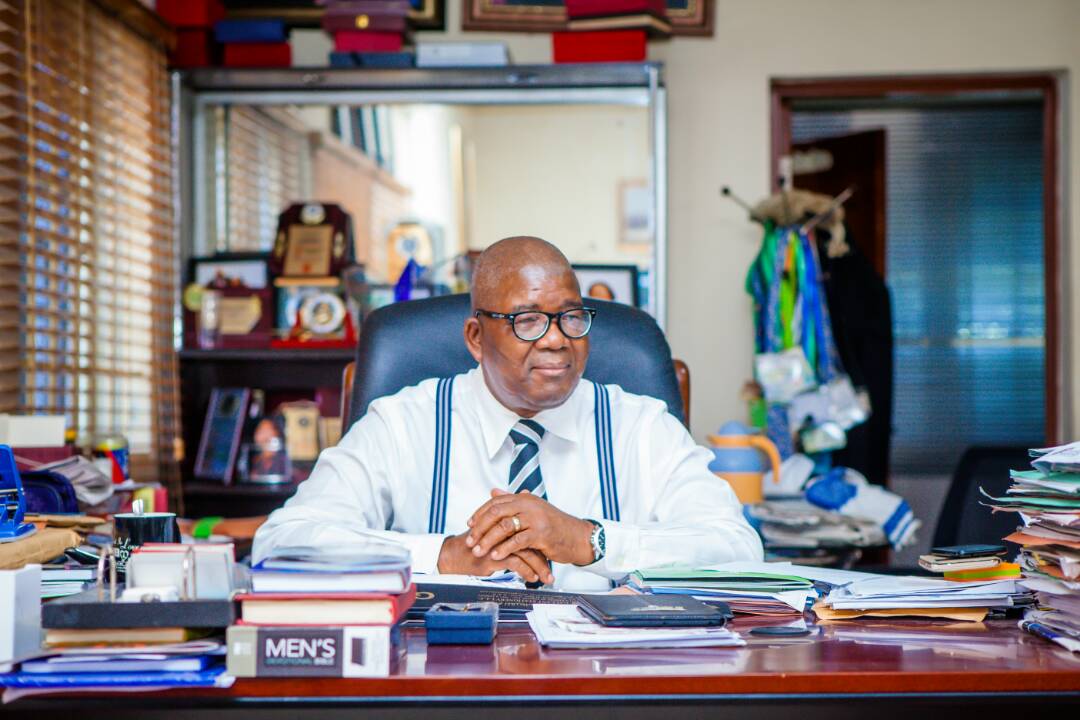
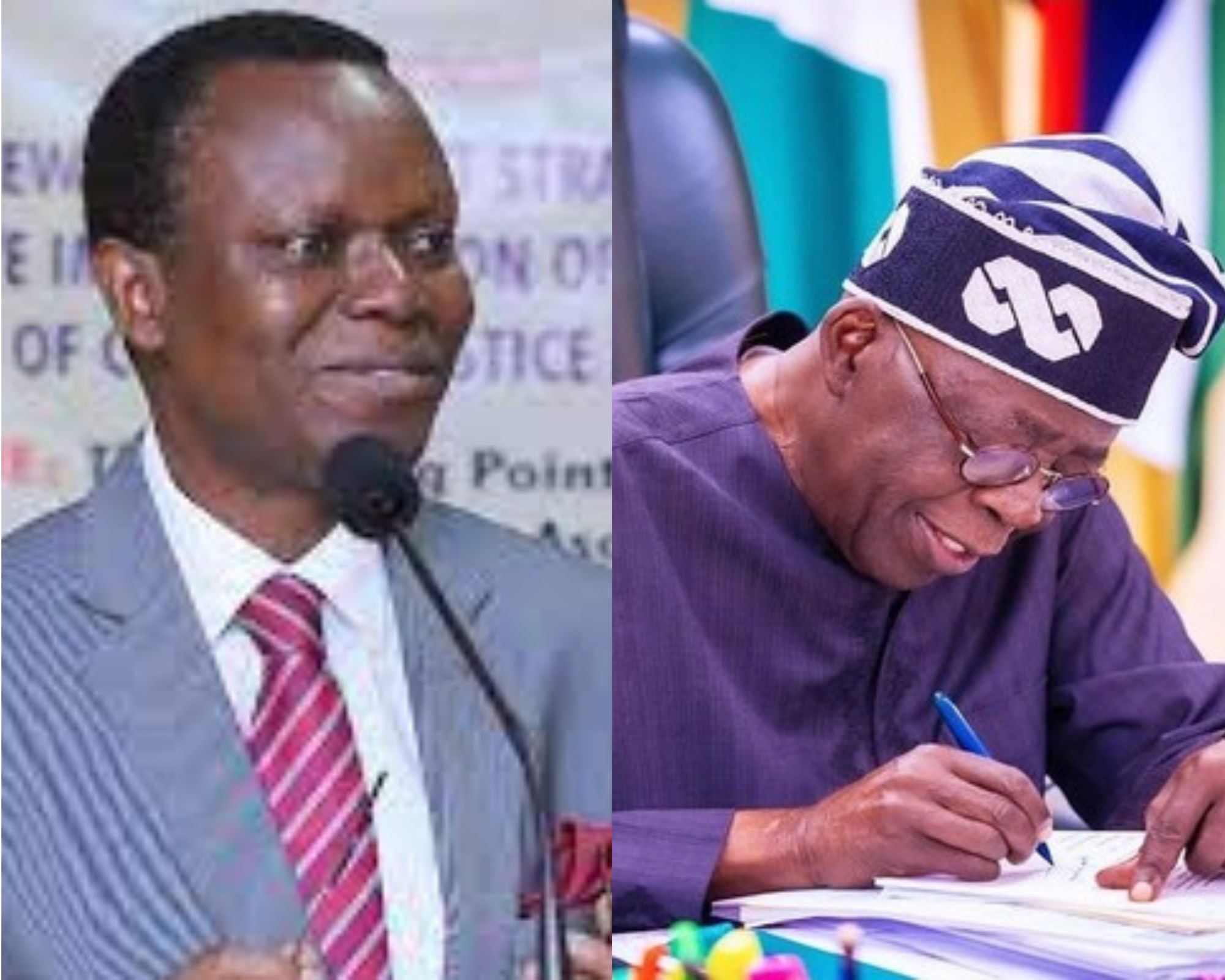
An Abuja lawyer, Maduabuchi .O. Idam, Esq., has issued a 30 days’ pre-action notice to President Bola Tinubu asking him to “reverse the illegal, unlawful and unconstitutional re-appointment of Dr. Vincent Isegbe as Director-General of Nigeria Agricultural Quarantine Service.”

The 20th March 2024 notice addressed to the President of the Federal Republic of Nigeria, Aso Rock, Villa, FCT, Abuja and copied to —The Secretary to the Government of the Federation (SGF). Shehu Shegari Complex, Three Arms Zone, Abuja; The Attorney General of the Federation & Minister of Justice (AGF). Maitama, FCT, Abuja; The Minister of Agriculture & Rural Development. Area 11, Garki, FCT, Abuja and The Nigeria Agricultural Quarantine Service (NAQS). Enugu House, CBD, FCT, Abuja reads:

Sir,

 THIRTY (30) DAYS' PRE-ACTION NOTICE

REVERSE THE ILLEGAL, UNLAWFUL AND UNCONSTITUTIONAL RE-APPOINTMENT OF DR. VINCENT ISEGBE AS DIRECTOR-GENERAL OF NIGERIA AGRICULTURAL QUARANTINE SERVICE

The above subject refers.

I Maduabuchi O. Idam, Esq. Writes as a Nigerian Citizen and Public Interest activist, to register my disenchantment against the cheerless news of Dr. Vincent Isegbe’s controversial re-appointment as the Director General (DG) of the Nigeria Agricultural Quarantine Service ( NAQS), to serve for a fresh term of five years in the NAQS after exiting the office following the expiration of his tenure as DG.

The law is unambiguous that, under the Public Service Rules, a public servant has either thirty-five (35) years to spend in service or he retires upon attainment of sixty (60) years of age, whichever comes first. Consequently, in satisfaction of the Rules, Dr. Vincent Isegbe, who was born on 26th March 1961 (according to information on the public space), retired on the 26th day of March 2021 but however continued to occupy the NAQS Director General office till 13th of December 2023 when he eventually bowed out after the completion of his term as DG, thereby necessitating the appointment of the most senior ranking officer who was so appointed by the Minister in line with the Nigeria Agricultural Quarantine Service Establishment Act (hereinafter after described as “the Act”), to head the agency as DG in acting capacity.

Howbeit, bearing in mind the combined effect of the Public Service Rules and the relevant sections of the Act, I daresay that from the 26th of March 2021, being the period Dr. Isegbe ceased to be in service as a result of his retirement, he ought to have exited the service. Nevertheless, he was asked to vacate the office on the 13th of December 2023 when his tenure as DG expired. Hence, the next most senior in rank was duly appointed in accordance with the Act.

For clarity, I hereunder set out the relevant section of the Act, being Section 10 (1), (2) and (5) viz:

(1) The President shall appoint for the service a Director General on the recommendation of the Minister.

(2) The Director General Shall be a person with cognate and professional experience in the agricultural quarantine activities and shall be a high-ranking officer in the service.(Underlined- “Shall be a high ranking officer in the Service” for emphasis).

Therefore, upon his retirement on 26th March 2021, Dr. Isegbe ceased to be both an officer and or high-ranking officer in the service and accordingly, he ultimately exited the office in 13th December 2023, following the expiration of his tenure as DG which necessitated the appointment of the next in rank to occupy the office albeit in acting capacity as provided by Section 10 (5) of the Act.

Interestingly, Section 10 (5) of the Act provides thus:

If for any reason, the Director General is unable to perform the functions or carry out his duties or there exist a vacancy (there exist a vacancy is underlined for emphasis) in the office of the Director General, the board may designate an employee of the service who is next in rank to act as Director General during the period of his inability or his vacancy until a Director General is appointed in accordance with the provisions of the Act and the employee shall while so acting perform all the powers and functions of the Director General.

With the foregoing unambiguous provisions of the Act as a beacon of light, it is my considered view that Dr. Isegbe has become a total stranger to the Agency, following his exit therefrom. Consequently, he does not qualify as a member of the Agency or an employee thereto and sadly, no provision of the Act contemplates the appointment of a retiree, a stranger or an individual outside the Agency to hold or occupy the position of the DG of the Agency. Therefore, the re-appointment of Dr. Isegbe is utterly baseless and unsupported by law.

What is more, any function carried out by him pursuant to the position is ultra-vires and of no legal consequence. This is because, the country is governed by laws and not by the whims and caprices of Mr. President or those in government and the Supreme Court in array of cases has reiterated that where the law prescribes the mode of doing something, that that mode and nothing else must be followed.

Pending the reversal of this unholy re-appointment, I am constrained to think that the renewed-hope mantra of Mr. President is synonymous with either renewed impunity or renewed hopelessness. Otherwise, why would a public servant, who had spent a total of nine (9) solid years in the office of Director General of a government agency, with an unimpressive record of gross abuse of office and corruption allegations, be considered fit for a re-appointment even after he exited office.

As a Nigerian citizen, I am curious to know: What is the fate of the next most senior officer in the agency who was already appointed as Director General in acting capacity and had been holding sway in that capacity till Dr. Vincent Isegbe’s re-appointment?

Now, will the acting DG be asked to vacate the office for Dr. Vincent to re-assume the position of DG? This must be repugnant to natural justice, equity and good conscience.

What is the encouragement for the officers in the agency who sacrifice their entire careers, hoping for progression?

Will Mr. President be comfortable to see officers in the agency grow and retire from service while Dr. Vincent Isegbe continues as Director General in perpetuity?

How will the agency experience innovation or even take advantage of fresh ideas from officers who have spent several years of service in the system, acquiring various trainings as public servants?

Has the office of the Director General, NAQS become Dr. Vincent Isegbe’s birth right?

The answer to the preceding poser is an emphatic NO.

This re-appointment is certainly not a good example of an administration that chants ‘renewed hope,’ because the hope of the teeming junior officers in NAQS who have invested their years expecting to grow to the highest position would have been truncated if Dr. Vincent Isegbe’s re-appointment is allowed to stand.

I wonder what motivated Dr. Vincent Isegbe’s re-appointment as the Director General of NAQS, considering the plethora of reasons working against him as cited above, which does not even include the several petitions filed against him by various Civil Societies which borders on allegations of corruption and abuse of office.

Unless Mr. President is bent on making unpopular appointments that serve the interests of minority of his cabals in government, he should reverse Dr. Vincent Isegbe’s appointment forthwith, and confirm the Acting Director General as substantive DG in order to encourage productivity, career progression and transparency in government.

TAKE NOTICE that thirty (30) days is hereby given within which to reverse the appointment. However, in the event of your failure to reverse Dr. Vincent Isegbe’s re-appointment within thirty (30) days, I and other patriotic Nigerians shall be constrained to approach the court to question the legality or otherwise of the aforesaid appointment.

Yours faithfully,

Maduabuchi .O. Idam, Esq.
Geneveive I. Anthony.
PP. M.O. Idam Attorneys.

Awomolo, SAN becomes 52nd Chairman Body of Benchers, says decisions of courts no longer inspire confidence and trust

Corruption in every sense is unfortunately a tag attached to the Judiciary Asiwaju A.S. Awomolo, SAN

The newly inaugurated Chairman, Body of Benchers (BoB), Asiwaju Adegboyega Solomon Awomolo, SAN has expressed concern that “decisions of courts no longer inspire confidence and trust.”

The Senior Advocate of Nigeria who took over from Hon. Justice Mary Ukaego Peter-Odili (JSC, Rtd) as 52nd Chair of the august body said: “One must be honest to admit that the current public image of the Bar and Bench in this Country is not at the height that it ought to be. Members of the public no longer trust the Bench and the Bar for justice.”

He however counselled noted: “The Body, in collaboration with other bodies in the administration of justice sector, has the duty to win back public trust and confidence. In the process of administration of justice, we need to strike humble and conciliatory tone in the engagement with the members of the public. Justice, it is said is rooted in confidence.”

Asserting that: “Corruption in every sense is unfortunately a tag attached to the Judiciary,” the new BoB Chair further added: “It is no doubt uncomplimentary and embarrassing but in public opinion, it is real. It then demands that  everyone of us in the discharge of our judicial functions must like Ceasar’s wife be above board.”

According to Awomolo: “Another major problem before the legal profession today is the gradual erosion of discipline and non-observance of the professional ethics contained in the code of conduct of legal practitioners.

“The practice of law today has been thoroughly afflicted with the virus of ineptitude and indiscipline. In the last 4 years, this Body has admitted annually an average of five thousand lawyers. Most of these lawyers went into the practice of the law without any opportunity of tutelage. There is need for a reform that will bring back the enviable status of the legal profession. The ongoing mentorship programme of the Body is the right initiative in this respect.

“Let me acknowledge the good works of the Legal Practitioners Disciplinary Committee which has in the last few years doubled its capacity and returns.  We demand for more.”

Speaking on Constitutional reforms, he said: “There is currently efforts by the National Assembly to further alter the Constitution of the Federal Republic of Nigeria, 1999 (as amended). The draft of the Legal Practitioners Act approved by this Body has been forwarded to the office of the Honourable Attorney General of the Federation and Minister of Justice for presentation to the National Assembly as an Executive Bill.

“This Body has a very important role to play to ensure that its views are reflected in the altered provisions of the Constitution and the Legal Practitioners Act. There was a report in the media yesterday of the proposed alteration of the Constitution which would make appointment, discipline and removal of Judicial officers in the States, the prerogative of the Governors. This move is alarming and will create a threat to the independence of the  Judiciary. The Body cannot be passive or ‘siddon’ look. The danger in this move is to take the Judiciary back to pre-1999.

“I respectfully propose a Committee to put together the views of this Body for submission to the leadership of the National Assembly. I call for volunteers please.”

Expressing appreciation to his predecessor, Justice Mary Odili, he had this to say: “Her style of leadership is inclusivity and  consensus decisions of most members on all matters. The Chairman involved her Vice Chairman (me)in all the decisions affecting this Body and taken at plenary.

“The Vice-Chairman was not treated “as extra-tyre” to be rolled out to fill the punctured tyre. I thank her for kindness and respect for my person and position as Vice Chairman of this Body. I join other Benchers to congratulate her for a very successful tenure as Chairman. Congratulations my noble Lord…”

Admitting that the day’s ceremony is “symbolic and an opportunity of a new call to service”, the one-time Attorney General of Osun State remarked: “The success of any Chairman of this Body is dependent upon the cooperation of all the members irrespective of status.

“The leadership of the Bar Association is very crucial and we solicit for the full cooperation of the leadership of the Bar. I came from the Bar, I gave my all to the Nigerian Bar Association at different stages of my career.”

The Chief Justice of Nigeria, Justice Olukayode Ariwoola is now Vice Chairman of the BoB.

Two universities in Katsina state sued for banning Christian fellowships on campus since 2017

The Christian Association of Nigeria (CAN), Katsina State branch, in conjuction with an American conservative Christian legal advocacy group, Alliance Defending Freedom (ADF International), has instituted an action against two universities in Katsina State for indefinitely banning Christian groups from holding fellowship meetings and worship on campuses.

The ADF International which made this known in a statement issued on Monday said that the suit was filed against the two universities for violating the right to religious freedom by “indefinitely prohibiting” Christian groups from holding fellowship meetings and worship on campus.

According to ADF International, in 2017 and 2022, the two public universities, one state and one federal, placed bans on the use of university facilities for Christian religious activities including worship and fellowship and have since refused to lift the bans.

The Christian legal advocacy group stated that one of the universities which were not mentioned, enforced the ban by locking all worship and fellowship centers on university grounds, preventing Christian students and groups from accessing the facilities, and banning them from meeting for worship and fellowship elsewhere on campus.

“Meanwhile, Muslim student groups at both universities have been permitted to hold worship and fellowship meetings in university-constructed worship and meeting spaces.

“Both universities have relatively high percentages of Christian students and faculty despite Katsina being a Muslim-majority state,” the statement added.

One Christian student in one of the universities was quoted as saying, “We only want to be able to freely gather and worship as Christians on equal terms with other religious faiths. It is wrong that our universities are preventing us from exercising our most basic, fundamental rights.”

The ADF International’s lead attorney on the case, Sean Nelson stated that “No person should be discriminated against for their faith, and the actions of these state and federal universities are plainly unjust.

“The world continues to watch as Nigerian authorities regularly violate the religious freedom rights of their citizens. This kind of discrimination against Christian students cannot be allowed to spread.

“These two universities should immediately revoke these discriminatory policies and allow Christians on their campuses to gather and worship freely.”

The CAN, which filed the lawsuits on behalf of the students, said that “The discrimination shown by these universities restricting Christian worship has been condemned by the local Christian community in Katsina as well as throughout Nigeria.

“It is worrisome to see such discrimination against Christians getting stronger. No government-run educational institution should be discriminating based on religion.

“We ask the rest of the world to condemn this discrimination as well and to join us in praying that the right to worship freely, on campus and elsewhere, will be fully restored.”

The ADF International stated that the lawsuit on behalf of the students was instituted under the provisions of the 1999 Constitution of the Federal Republic of Nigeria that protect Nigerian citizens’ right to freedom of religion or belief, noting that “ADF International is supporting the case.”

On Nigeria’s religious freedom track record, ADF International stated that “Together with other religious minorities in Nigeria, the persecution of Christians in Nigeria is especially severe.

“Worldwide, over 5,500 Christians were killed for their faith in 2022. Of those, 90% were Nigerian. At least 200 Christians were murdered by militants in Plateau State, Nigeria, this past Christmas.       

“The criminalisation of blasphemy in Nigeria carries with it dangerous implications for the country as a whole.

“In a country of more than 200 million, split nearly evenly between Christians and Muslims, blasphemy laws are a significant driver of societal tensions.

“These laws punish the innocent for expressing their beliefs, silence people from sharing their faith, and perpetuate societal violence.

“Blasphemy laws throughout Nigeria encourage brutal mob violence and inflict severe harm on minority Muslims, Christian converts, and others.   

“ADF International is supporting the legal defence of Nigerian musician Yahaya Sharif-Aminu, a Sufi Muslim who was sentenced to death by hanging in 2020 for sharing song lyrics that were deemed “blasphemous” on WhatsApp.

“With the support of ADF International, Yahaya is appealing his case to the Supreme Court of Nigeria in the hopes of overturning the death penalty blasphemy laws in Nigeria. Yahaya, imprisoned for nearly four years, is awaiting his appeal.  

“ADF International also is supporting the defence of Rhoda Jatau, a Christian and mother of five from Nigeria. Jatau, who was recently granted bail, had been imprisoned since May 2022 for allegedly sharing a video on WhatsApp condemning the lynching of Deborah Emmanuel Yakubu, a Nigerian university student who was murdered and set on fire by a mob of her classmates in May 2022 for sharing her Christian faith. Rhoda is currently awaiting the continuation of her trial.”

Judges Salaries: President BAT has achieved what others before him neglected to do —Akinseye-George, SAN

A Senior Advocate of Nigeria, Prof. Yemi Akinseye-George has commended President Bola Tinubu for taking action on improved remuneration for judges.

The President in a letter to the National Assembly titled: “Transmission of the judicial office holders salaries and allowances etc bill 2024”, dated March 19, 2024, urged that the new bill seeking to provide new salaries and allowances for judicial officers across the country be passed speedily.

Prof Yemi Akinseye-George, SAN

According to Akinseye-George, “The Administration of President Bola Ahmed Tinubu deserves commendation for finally taking action on the salaries and allowances of judicial officers. The President has achieved what others before him could have done but neglected to do. We also salute the Hon. Attorney General Federation, Prince Lateef Fagbemi, SAN for this ground-breaking achievement in his time. More grease to your elbows,”

The letter read was at plenary by the Speaker, Abbas Tajudeen on Tuesday.

The letter read: “In accordance with the provisions of Section 58(2) of the Constitution of the Federal Republic of Nigeria, 1999, (as amended), I forward, herewith, the Judicial Office Holders (Salaries and Allowances, Etc) Bill, 2024 for the kind consideration of the House of Representatives.

“The Judicial Office Holders (Salaries and Allowances, Etc) Bill, 2024 seeks to prescribe salaries, allowances and fringe benefits for judicial officers, to end the prolonged stagnation in their remuneration and to reflect contemporary socio-economic realities.

“The bill, which establishes a new legal framework for the remuneration of judicial officers, will also ensure significant improvement in the welfare, capacity and independence of the judiciary.

“Whilst I hope that the Judicial Office Holders (Salaries and Allowances, etc) Bill, 2024 will be carefully yet expeditiously considered and passed by the House of Representatives, please accept, Rt Hon Speaker, the assurances of my highest esteem.”

The proposed law seeks to prescribe salaries and allowances as well as other fringe benefits for judicial officers.

Recall that there has been agitation for an improvement in the salaries, allowances and other welfare packages of judicial officers in the country in recent times.

The Executive bill forwarded by the President was titled “A Bill for an Act to Prescribe the Salaries, Allowances and Fringe Benefits of Judicial Office Holders in Nigeria and for Related Matters.”

The House of Representatives Committee on Judiciary had on Monday invited the Ministers of Finance, Budget and National Planning as well as the Secretary, National Judicial Council for deliberation over the poor remuneration of judicial officials across the country.

Also invited to the meeting slated for Monday, March 25, 2024, are the National President, Judicial Staff Union of Nigeria, the Chairman, Revenue Mobilisation Allocation and Fiscal Commission, the Chairman, Nation’s Salaries, Incomes and Wages Commission, Attorney General of the Federation and Minister of Justice as well as the President, Nigeria Bar Association.

Meanwhile, the bill passed through the Third Reading in the lower chamber on Wednesday. It seeks to amend Certain Political, Public and Judicial Office Holders (Salaries and Allowances, etc) Act, No. 6, 2002 (as amended) by deleting Section 2(b), Part II of the Schedule to the Act and any other provisions relating to Judicial Office Holders.

According to the document obtained by Channels Television, part I of the schedule shows that the Chief Justice of Nigeria is entitled to: N13,462,617.95 annual basic salary or N1,121,884.83 monthly salary. He is also entitled to: N51,157,948.21 annual regular allowances or N4,263,162.35 monthly regular allowances.

The CJN is also entitled to non-regular allowances of: N6,731,308.98 Leave Allowance (when applicable), N142,500 Duty Tour Allowance (per night); $2,000 estacode (per night); N80,775,707.70 severance gratuity (after successful completion of tenure) and N53,850,471.80 as motor vehicle loan (to be repaid before expiration of tenure), while Professional Development Assistant is to be paid from the NJC pool.

Other Justices of the Supreme Court are entitled to N9,913,394.22 annual basic salary or N826,116.19 monthly salary. Each of them is also entitled to: N50,558,310.52 annual regular allowances or N4,213,192.54 monthly regular allowances.

Each apex court judge is also entitled to non-regular allowances of: N9,913,394.22 for Rent (annually); N4,956,697.11 Leave Allowance (when applicable), N100,000 Duty Tour Allowance (per night); $1,300 estacode (per night); N29,740,182.66 severance gratuity (after successful completion of tenure), N29,740,182.66 furniture Allowance and N39,653,576.88 as motor vehicle loan (to be repaid before the expiration of tenure), while Professional Development Assistant is to be paid from the NJC pool.

This is even as their utilities and security are to be provided (TDP).

On the other hand, the President of the Court of Appeal is entitled to N9,913,394.22 annual basic salary or N826,116.19 monthly salary.

Each appellate court judge is also entitled to: N52,540,989.37 annual regular allowances or N4,478,415.78 monthly regular allowances as well as non-regular allowances of: N9,913,394.22 Rent (annually); N4,956,697.11 Leave Allowance (when applicable), N100,000 Duty Tour Allowance (per night); $1,300 estacode (per night); N29,740,182.66 severance gratuity (after successful completion of tenure), N29,740,182.66 furniture Allowance and N39,653,576.88 as motor vehicle loan (to be repaid before expiration of tenure), while Professional Development Assistant is to be paid from the NJC pool.

Additional report from Channels Television.

Removal of Ozekhome, Ejiofor from Kanu’s legal team is a grave error —HURIWA

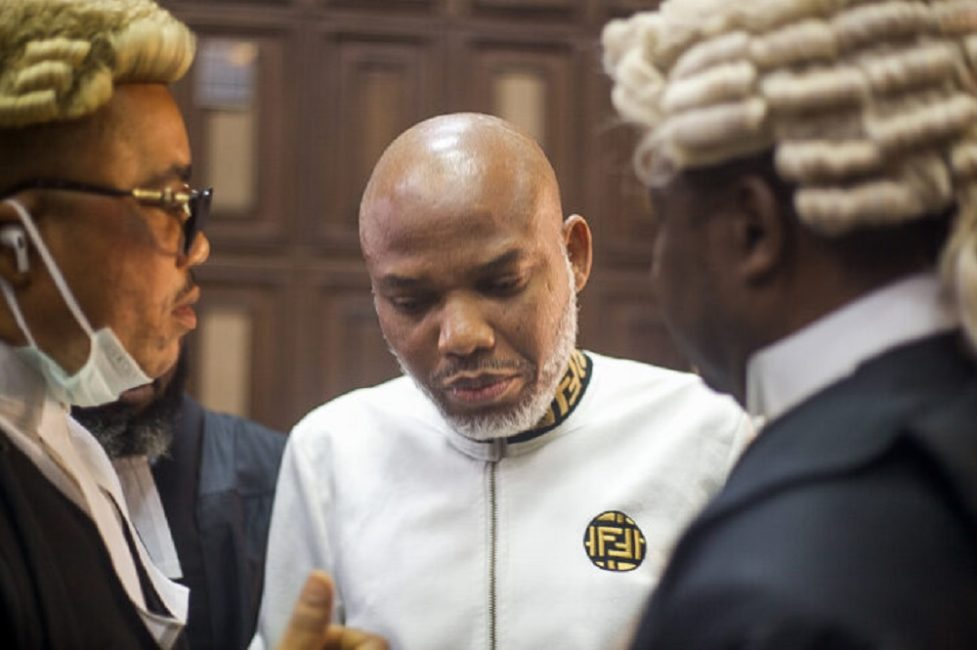
[Press Statement] In a recent development regarding the legal representation of Nnamdi Kanu, the leader of the Indigenous People of Biafra (IPOB), the Human Rights Writers Association of Nigeria (HURIWA) has denounced the removal of Chief Mike Ozekhome (SAN) and Barrister Ifeanyi Ejiofor from Kanu’s legal team.

The prominent civil rights advocacy group characterized the move as not just a high technical error but a profound misstep, considering the monumental successes both lawyers have achieved in the course of defending Kanu.

According to a press statement released on Wednesday, HURIWA highlighted that the removal of Ozekhome and Ejiofor occurred at a critical juncture in Kanu’s legal battle. They pointed out how the new set of lawyers did not succeed in convincing the judge to grant bail to Kanu, given his health challenges, which signals a setback in his quest for justice.

“The removal of Ozekhome and Ejiofor comes amidst a critical juncture in Kanu’s legal battle, marked by the recent poor outing of the new set of lawyers who could not succeed in convincing the judge to grant their client a bail in view if his health challenges”, HURIWA cried out.

HURIWA praised Chief Ozekhome and Ejiofor for their vibrant legal representation, noting that their expertise and unwavering commitment to justice have been instrumental in navigating the complexities of Kanu’s case.

They highlighted Ozekhome’s legal acumen, which has led to the dismissal of numerous charges against Kanu. Similarly, they acknowledged Ejiofor’s steadfast advocacy and unwavering commitment to his client’s cause, despite facing personal risks, including alleged assassination attempts and tragic losses.

“Ozekhome’s legal acumen has been evident in his adept handling of Kanu’s defense, leading to the dismissal of numerous charges against the IPOB leader. His strategic brilliance and dedication to upholding the principles of justice have earned him widespread acclaim within legal circles.

“Similarly, Barrister Ifeanyi Ejiofor’s contributions to Kanu’s legal defense cannot be overstated. Ejiofor’s steadfast advocacy and unwavering commitment to his client’s cause have been evident throughout his tenure as Kanu’s lead counsel.

“Despite facing immense personal risks, including reported assassination attempts and the tragic loss of his close aides during armed invasions of his residence in Oraifite, Ejiofor has remained resolute in his pursuit of justice for Kanu and IPOB.

“Since joining Nnamdi Kanu’s legal team in December 2015, and eventually took on the role of Nnamdi Kanu’s lead Counsel and also as the IPOB General/Lead Counsel in January, 2016, Barr. Ifeanyi Ejiuofor has diligently performed his professional duties in defending Mazi Nnamdi Kanu and IPOB while upholding ethical standards.

“Despite achieving significant and unprecedented victories in securing the release of Mazi Nnamdi Kanu and other comrades in 2017 and 2018 respectively, he has also worked tirelessly to secure the release of numerous IPOB members from detention facilities; both at the federal and state levels, possibly numbering in their thousands.

“These efforts have not gone without consequent repercussions, as both state and non-state actors have allegedly attempted to eliminate him through various inordinate means, part of which was the invasion of his ancestral home in Oraifite, Ekwusigo Local Government Area, Anambra State, by Nigerian Security agents.

“During this operation, many civilians were reportedly murdered in their prime and over 30 houses were burnt, all in a bid to eliminate him at all costs and by any means, perhaps, for being Mazi Nnamdi Kanu’s Attorney and IPOB Lead counsel.

“According to media reports, from 2015 to 2021, Ejiofor narrowly survived five consecutive violent assassination attempts purportedly orchestrated by individuals specifically tasked with eliminating him at any cost. These attempts were not due to any wrongdoing on his part, but has been linked solely because of his defense of Mazi Nnamdi Kanu”, HURIWA narrated.

While informing that although it is the right of the defendant to decide who is to represent him legally in court, HURIWA expressed deep concern over attempts to vilify Ozekhome and Ejiofor, stressing that dedicated advocates like them, who have risked their lives to defend Kanu, should not be subjected to malicious attacks and unfounded allegations.

They urged Kanu’s new legal team to prioritize their mandate and focus on securing his release expeditiously, warning against casting aspersions on esteemed lawyers like Ozekhome and Ejiofor, which could detract from the urgent need for justice.

“It is imperative to recognize the legal triumphs secured by Ozekhome and Ejiofor, including Kanu’s previous releases and the quashing of several charges against him. Furthermore, the failure of the previous administration of Muhammadu Buhari to comply with the Court of Appeal’s judgment, which ordered Kanu’s release, underscores the need for impartial and diligent legal representation”.

In conclusion, HURIWA called for a reevaluation of Kanu’s legal strategy, emphasizing the importance of unity and collaboration among all stakeholders involved.

Comrade Emmanuel Onwubiko
National Coordinator,
Human Rights Writers Association of Nigeria (HURIWA)
March 20, 2024

NBA Abuja pays courtesy visit to its past Chairman’s family, late Senator Sodangi

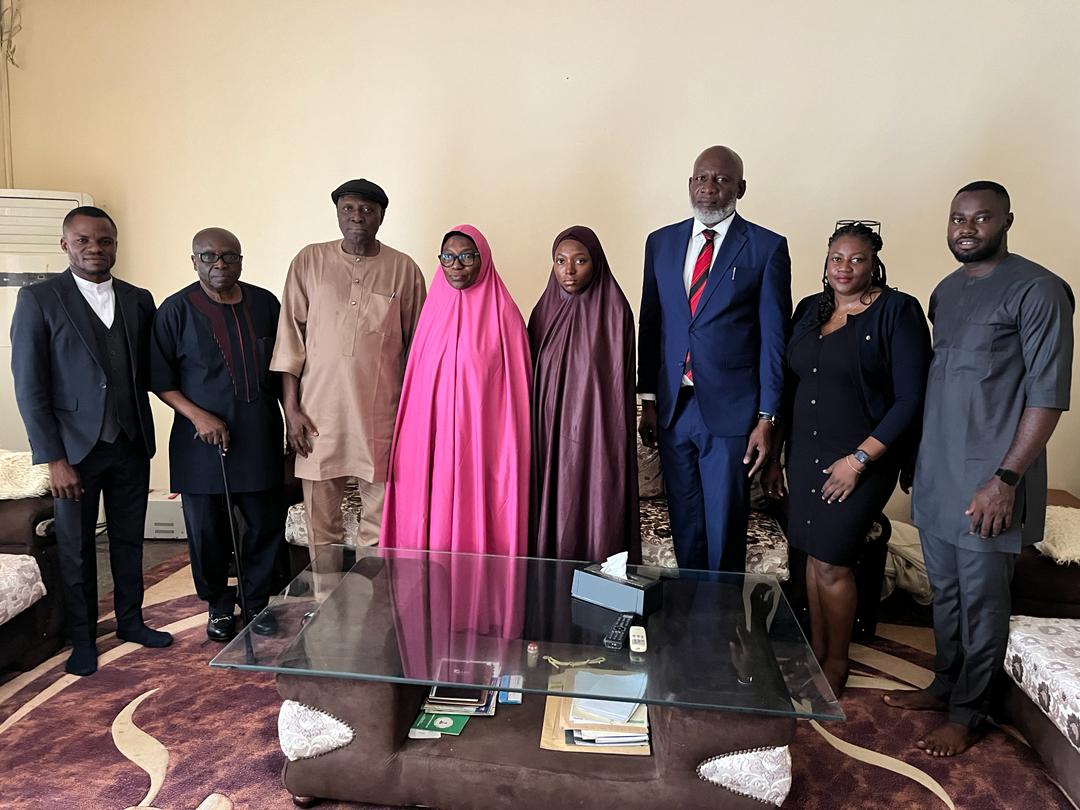
The Nigerian Bar Association (NBA) Abuja, Unity Bar on Wednesday paid a courtesy visit to the family of Late Distinguished Senator Sodangi, Past Chairman of the branch.

The delegation led by Chairman of the branch, Afam O. Okeke, Esq. include: Chief Ikechukwu Ezechukwu, SAN (Past Chairman NBA Abuja), Sir Patrick Okolo, SAN (Past Chairman NBA Abuja), Chinelo Ofoegbunam Treasurer NBA Abuja, Simon Kanshio Social Secretary NBA Abuja, Ekene Arubaleze, YLF Chairman NBA Abuja.

The team condoled with the family and shared fond memories of the late Chairman of the branch.

They also prayed for the Almighty to strengthen them, guide and provide for them in the absence of the head of the family.

NBA Abuja (Unity Bar) mourns the passing of Abdulhamid Muhammed, SAN

It is with sadness that I announce to us the demise of Abdulhamid Muhammed, SAN, a very respected member of our branch.

He was buried according to Islamic rites by 10am today (Wednesday, 20th March 2024).

Our thoughts and prayers are with his loved ones.

May Allah forgive his sins, make it easy for him on the day of Judgment and grant him AIjanah Firdaus 🤲🏻😢

Afam O. Okeke, Esq. AICMC
Chairman
NBA Abuja

Born in Gama ward, Nassarawa Local Government Area of Kano State, Abdulhamid Mohammed obtained his Bachelor of Laws (LLB) degree from prestigious Ahmadu Bello University, Zaria, between 1985 and 1990 before proceeding to the Nigerian Law School in 1991 for his one-year vocational legal training.

 After his called to the Bar in 1992, he committed himself to legal practice and obtained numerous professional certificates. He established his law firm Messrs Hammart & Co in 1994. 

In 2021, Abdulhamid Mohammed was conferred with the rank pf Senior Advocate of Nigeria.

Odi, Zaki Biam, Okuama: Beyond sentiments

By Suyi Ayodele

Soldiers voluntarily elected to die the very day they signed up for military work. They signed up to die at the hands of enemies. It is a grave abnormality, therefore, for soldiers to die in the hands of those they set out to defend. Every society treats its soldiers with respect. In our African traditional settings, we venerate those we engage to guard our towns and villages. We call them Asode, or Olode Oru. While we sleep, caressing our wives, the night guards are in the cold night, watching over our safety and those of our property. That is also the life of an average soldier. Soldiers trade off their comfort for the rest of us to sleep peacefully in our homes. This is how Richard Grenier, a film critic and essayist, obviously quoting George Orwell, describes soldiers in his April 6, 1993 article in The Washington Times: “People sleep peacefully in their beds at night only because rough men stand ready to do violence on their behalf.” The “rough men” referred to here are members of security forces including soldiers and policemen. They risk their lives to defend ours. They deserve our respect and love. So, when soldiers are killed by civilians, like it happened last week in Okuama town of Delta State, such an act stands condemnable. Do we forget history easily in this country?

Dateline was Thursday, November 4, 1999. This democratic dispensation was barely a few months old. A retired army general, Olusegun Obasanjo, was the president. Twelve policemen were on an official assignment to Odi, a small community in Bayelsa State. It was at the heat of the agitation by the Niger Delta ‘militants’ for control of the oil in the region. The 12 policemen were ambushed by some gunmen who took them into captivity. Negotiations started. Goodluck Ebele Jonathan, who later became President and Commander-in-Chief of the Armed Forces, was the one assigned to negotiate with the militants. He was then the deputy governor of Bayelsa State. Obasanjo fumed from Abuja. He gave a marching order to the Bayelsa State Government to “produce the policemen ALIVE.” There was tension everywhere. Then the news broke. Seven of the policemen had been killed by their captors, the news was relayed. Wahala! The following day, Friday, November 5, 1999, the remaining five policemen were also murdered by their captors. Twelve lives wasted just like that. The Odi community was on edge. Permutations were on as to what the Federal Government would do or would not do. Many believed that Obasanjo would not want to put Nigeria on the wrong side of the world map, more so when his administration was fledging then. They were mistaken.

The man called Ebora Owu (the deity of Owu) bided his time. The vulture, we are told, is a patient bird. Days passed, and there was no response from Abuja, the seat of power. Then life returned to normalcy in Odi. Exactly 16 days after the first killing of the seven policemen, tragedy visited Odi. In the early hours of Saturday, November 20, 1999. Odi residents woke up to discover that their community had been surrounded by the military. Land, air and sea, all covered. No escape route. The military opened fire on Odi. Nobody was spared; not even animals. Houses were burnt. Only three buildings; a bank, a church and the community’s health centre were spared. While the Human Rights Watch and other civil society organisations (CSOs) claimed that more than 900 civilians were killed after the encounter, the Nigerian military said just about 34 people, including soldiers, died. Later, the Federal Government under the watch of President Jonathan paid the sum of N15 billion as compensation to Odi. But the damage caused by that incident remains unquantifiable till date. That should have been a huge lesson to Nigerians. It never was!

Barely two years after Odi, another set of felons ambushed some soldiers sent on a peace mission to Zaki Biam town in Benue State, October 10, 2001. The soldiers, 19 of them, were said to be fully armed. However, leaders of the community were said to have persuaded the soldiers to drop their arms such that their presence would not provoke the already charged youths who were at war with their counterparts from Jukun in Taraba State. The soldiers complied. That was their mistake. Hardly had they dropped their arms when boys swooped on them. The 19 of them were murdered and their bodies mutilated! Before killing them, the felons posed with the soldiers, displaying them like trophies won at various competitions. At the funeral rites for the soldiers on October 22, 2001, Obasanjo gave the military marching order to “track and bring to book”, those responsible for the killing of the 19 soldiers. That is a directive any responsible commander-in-chief would give to his troops in such a circumstance. President Bola Ahmed Tinubu gave the same order in almost, if not exactly the same words, on Sunday to the military high command over the killing of soldiers in Okuama village. Incidentally, the late General Victor Malu, who was the Chief of Army Staff (CoS), when the Odi incident happened, hailed from Zaki Biam. Indeed, the military went after “those responsible.” By the time the roll call was made, over 100 people were said to have paid the supreme price in Zaki Biam and the adjoining towns of Tse Adoor, Vaase, Sankera, Anyiin, and Kyado. The exercise lasted between October 22 and 24, 2001. Ever since, there has been no report of civilians, under any guise, killing members of the Nigerian Armed Forces in their number. We thought we had passed that age of barbarism. Again, we are all wrong!

But before we treat the latest madness in Okuama in Delta State, it is pertinent for us to point out that irrespective of our emotions over the responses of the Nigerian military to the killing of their personnel, we also need to understand that when soldiers, or any other law enforcement agent is killed cold-bloodedly, the damage is monumental. We need to realise that for every soldier killed by those they keep watch over; someone’s husband is involved. For every killed soldier, there is a widow. Every soldier killed leaves behind some children. Many of them also have parents who are made to bury their children, and those who depend on them. We also need to know the mentality of the military to these wanton killings of their personnel. What about the psychological effect on the soldier-victims, who at the point of death realised that they were being killed by the very patriots they signed to protect with their lives? As I saw the pictures of the soldiers killed in Okuama, the very mutilated bodies of the armed men, my heart sank. I visualised how they died. I recall here, the graphic image of the young lad, Ikemefuna, as depicted by the master story teller, Chinua Achebe, in his epic novel, “Things Fall Apart.” Ikemefuna, when he received the first blow of the machete, ran to Okonkwo, shouting ‘father’. He was seeking refuge. He thought, given his position in the community, Okonkwo would rise to his defense. But alas, it was the same Okonkwo, who dealt the last blow that sent the lad to the land of no return. Ikemefuna was already a psychological wreck before he hit the ground after Okonkwo dealt him the blow. Nothing can be more tragic than to die at the hands of those who should show one affection and love. That is exactly what happened to the 12 soldiers killed by some untrained children in Okuama. Their killing is as tragic as it is inhuman!

And we should not forget. The military has a different mentality. Iselin Sija Kasperen, a military sociologist, with preference for identity, moral dilemmas, gender and the use of force, published an online article titled: “New societies, new soldiers? A soldier typology”, on June 28, 2020. In the abstract to the article, here is what she says of a soldier: “The term ‘soldier’ is frequently conceptualised as a warrior, a peacekeeper, or a hybrid of both. However, recent changes in the utilisation of soldiers in societies have moved the repertoire of possible ways to think, act, and behave beyond these notions. As such, there exists an undertheorised gap between different expectations of soldiers and actual soldier roles. This presents a need for more nuanced and analytically useful conceptualisations of soldier roles. This article provides a more thorough understanding of the soldier role by identifying seven ideal types of soldiers: the warrior, nation-defender, law-enforcer, humanitarian, state-builder, and the ideological, and contractor soldiers. The typology offers an analytical tool with the capacity to maneuver the empirical reality, which is important because how soldier roles are constructed affect how military personnel understand their role in the postmodern world, where identity is multifaceted and negotiable. Ultimately, identity influences how soldiers interact with societies and how societies respond to war, conflicts, and crises.” Concluding the piece, Kaspeten states: “The soldier typology presented in this article improves our understanding of the soldier role. …This is a serious undertaking, as the way soldiers understand their role in today’s postmodern world, where identity is multifaceted and negotiable, influences how they will perform their role. How society and soldiers construct the soldier roles are critical as it affects soldierly conduct; particularly, how soldiers interact with society and how societies respond to war, conflicts, and crises.”

Come to think of it. In a conventional war, before an officer in the rank of a lieutenant colonel would be killed, only God knows how many other rank and file would have died. The commanding officer, a lieutenant colonel, two majors and nine soldiers were all wasted for doing their job! How else would the military have responded? Agreed, many innocent people were made to pay the price. That in itself is bad. I saw the video of the burning of houses in Okuama. Many of the buildings were built by average ‘strugglers’; the poor of the poor. I pity those families who will never recover after this ugly incident. My heart goes to those parents who will never see their children again. What about the toddlers, children and wards, who have suddenly become orphans and homeless because of the madness of a few misguided youths? What sort of barbarism would make a set of people to murder soldiers and mutilate their bodies? I saw soldiers without arms, legs and private parts; all cut off by their killers! Some were decapitated! Imagine the agony the soldiers passed through. Think about the pains; picture the gruesomeness of their death. Now think about your pity for the residents of Okuama town. Which do you consider justifiable? Who does what the Okuama youths did? How else do you define barbarism? To prove what point? Which military would allow such madness go unpunished? These are the issues at the base of the criminality that took place in Delta State.

Yes, nobody should justify the reaction of the military in this case. Heavens know that I am not by any means justifying that. Two wrongs would not make a right. It was bad for bandits to kill innocent soldiers. It was equally bad for retaliating soldiers to level innocent villagers and their villages. However, my mind agrees with the saying of my people that he who sells sand as goods will be paid back in pebbles – eni ba ta oja yepe; dandan ni ko gbowo okuta. Our elders warn that if your neighbour is feasting on poisonous insects, raise the alarm quickly otherwise, you will not sleep at all again at night. The Okuama youths should have learnt from history. If those felons were too young to witness Odi and Zaki Biam, their parents should have told them the stories. This is a lesson for all community leaders, especially in those towns where the youth have taken over the ladder of leadership from their fathers. Sentiments apart, no one of us will be safe again if boys can just round up soldiers, kill them and thereafter go to relax with a bottle of gin and grasscutter venison. When you kill a soldier, you should expect grave repercussions. It is like what Achebe, again, says about a woman who comes home with ant-infested firewood. Her compound must surely play host to a lounge of lizards. While I grieve at the calamity the Okuama badly-brought up youths brought upon their town, my heart goes to the families of those slain officers and men of the Nigerian Army. May their services to their fatherland not be in vain. Rest in peace, gallant soldiers.

Lawyers, Health Workers speak on what to do if your sex partner dies in your apartment

By Godfrey George

The worst nightmare of any single and sexually active person is for a partner whom they invited over to their house for sexual bonding or sex to die.

It would be like the end of the world because no one would believe they had no hand in the death of the person. The eyes of judgment would question the motive of daring to ask a sex partner to sleep over after sexual intercourse.

But, there are several other unanswered questions. What if their sex partner died right before there was even a chance to bond well enough for any sexual intercourse? What if their sex partner was sick and hid the illness and gave up the ghost minutes after stepping into their house? What if their sex partner had some hidden allergies that the house made apparent? What if it was just sudden, like a cardiac arrest, or a stroke that happened to their sex partner?

A lot of what-ifs but very few answers.

A young nutritionist, Joshua Akinde, stated that he had had a ‘near-death’ experience, where his ex came to his house and almost lost her life had he not rushed her to the hospital.

“That night, we didn’t even do anything. She came from work to help me cook because I was not feeling too well. I didn’t know she had just taken a drug overdose. Late at night, she started jerking and a foamy substance was coming out of her mouth. By the time I could know what was happening, she stopped moving.

“I was so scared that I started shouting. My neighbours gathered and a woman suggested we pour her water first. I did and she coughed but was still unconscious.

“That night, I had to manage to take her to a hospital. I only had a pair of boxers on, and I didn’t even realise until I got to the hospital; I was so confused. What would I have told her people about what happened to their daughter?

“Who would have believed that we didn’t even have sex? Everyone would think I was too hard on her during intercourse and she died. You know how social media can be,” he said.

He added that, from that day, he swore never to let any romantic partner sleep over at his house.

“We either meet in an open place, go to a hotel, or simply not meet physically at all,” he added.

Having a partner die in one’s house can be such a tragic situation. It can be overwhelming, but it’s important to remain calm and take the necessary steps to handle the situation responsibly.

Here are seven practical ways to handle that kind of situation should it happen.

Assess the situation quickly

A legal practitioner, Mrs Selena Onuoha, said the individual who is alive should first ensure he is safe, adding that being alone can trigger irrational thinking that may lead to breaking the law.

“First, ensure your safety and well-being. If you’re alone, call for help immediately by dialing emergency services (such as 112 or 911 in Nigeria) to report the incident,” she said.

A developmental psychologist and occupational safety expert, Mr Solomon Oghe, said making a mental assessment of the situation by trying to resuscitate the person after calling for help was a good way to start.

“If you notice the person who came to your house alive has suddenly died, don’t just keep quiet and start looking for ways to run away. Shout, and cry for help while trying all you can to resuscitate the person. It may be that they have fainted or are in deep sleep. You never can tell.

“If indeed they are dead, more heads can make a rational, more critical decision,” he said.

Don’t tamper with the scene

Onuoha said, legally, tampering with the scene, which she described as a ‘potential crime scene’ might be a bad move

“If the deceased was naked when you found out she was dead, leave they like that. Don’t try to cover what doesn’t need covering. Don’t push, shove, hide, try to clean, carry or move anything around the crime scene. This will enable investigators to be able to do a thorough job to determine if the person died from natural causes or was killed either by you or someone else,” she said.

Another lawyer, Ben Saviour-Uche, said, “Avoid touching or moving anything in the vicinity of the deceased, as it may interfere with the investigation later on. Preserve the scene as much as possible until law enforcement arrives.”

Get help, fast!

Do not conclude a person is dead except a doctor from a recognised hospital says otherwise.

Oghe stated that, sometimes, in the course of events, the partner may simply assume that since the pulse was no longer working, the person would be dead.

“This may not be the case. Let the doctors do their job and take it from there. Don’t jump the gun,” he added.

A medical practitioner, Dr Cletus Pepple, also speaking, said a lot of people had made the mistake of declaring a person dead before they actually died.

“Only certified medical practitioners can declare a person dead and record the time of death, not neighbours, not friends, not first aiders, not paramedics,” he stressed.

Call the police, get a lawyer

Onuoha said informing the authorities should be done right after help had been sought.

She said, “Provide the emergency dispatcher with accurate information about the location, the circumstances of the death, and any relevant details about your partner, such as their identity and medical history.

“Do not hold back any information but do so only with the presence of a lawyer. A lawyer is very crucial at this point because they would help navigate the legal fireworks that may come up during the interrogations.

“We have seen cases where people are just victims of being at the wrong place at the right time and they are made to pay for crimes they know nothing about. A lawyer would be able to advise you on the next step to take,” she added.

Oghe, however, said cooperating with law enforcement agents does more good for the individual in question.

He said, “When the police arrive, in the presence of a lawyer, answer their questions truthfully and provide any assistance they require. Be prepared to provide identification and answer questions about your relationship with the deceased.”

Contact family, friends

Notifying the deceased’s family members or next of kin about what happened is the next thing to do.

This is why, according to Oghe, people should not date people if they are not ready to have family members or friends aware.

“Anything can just happen and you’d need someone to call. Times like this are when you realise that making sure friends or family members of your partner are aware of your relationship is a big good.

“When you inform the family of the tragedy in the most empathetic way you can, please, offer them support and comfort during this difficult time, and assist them in making necessary arrangements. If they decide to sue, please, cooperate with them.

Follow legal procedures

Cooperate with authorities and follow any legal procedures required.

Onuoha stressed that the state, police, or even the family of the deceased might decide to sue, adding that a coroner’s inquest might also be set up.

“Getting a good lawyer at this time cannot be overemphasised,” the lawyer added.

Seek support

Coping with the sudden loss of a loved one can be emotionally challenging. Therefore reaching out to friends, family, or a trusted counselor for emotional support and guidance during this difficult time could be helpful.

Oghe said, “If the death is determined to be from natural causes or accidental, the authorities may conclude their investigation without further action.

“If foul play or suspicious circumstances are suspected, law enforcement may launch a more extensive investigation, which could lead to legal proceedings or charges against individuals involved.

“The deceased’s family may seek legal counsel to address any concerns or questions they have regarding the circumstances of the death or to pursue any necessary legal actions.

“In any case, it’s essential to approach the situation with sensitivity, compassion, and a willingness to cooperate with authorities to ensure that the necessary steps are taken to handle the situation appropriately.”

The PUNCH

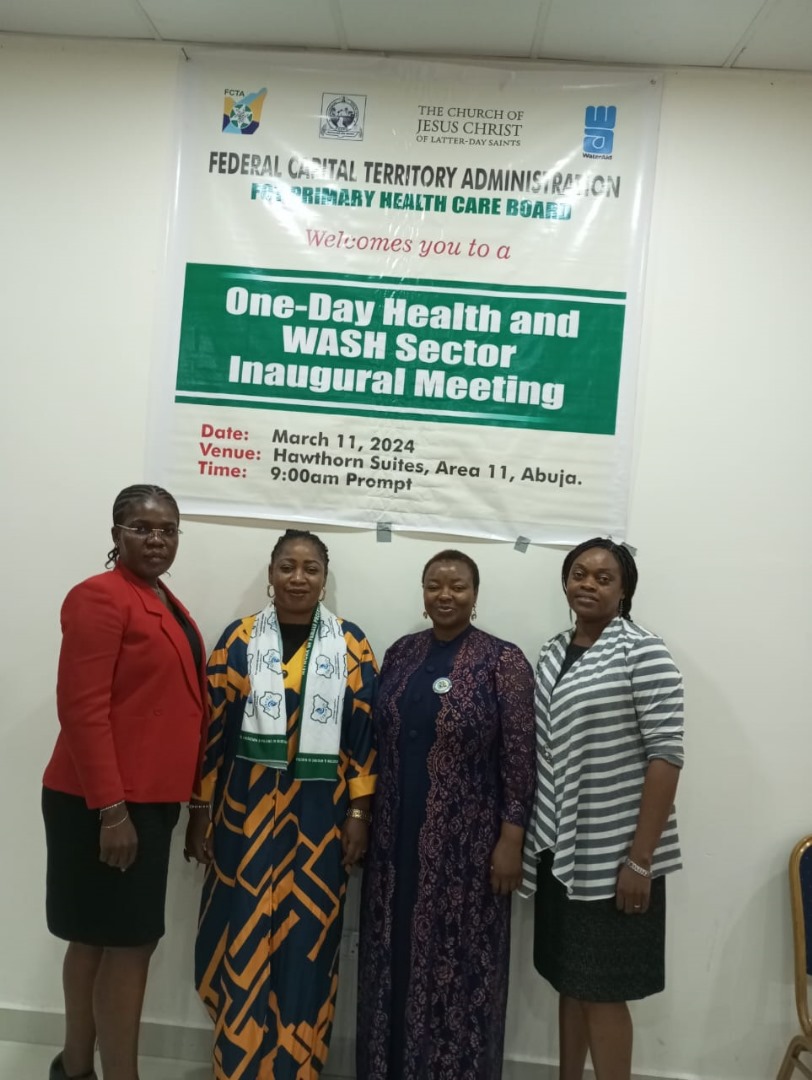
FEMinWASH inaugurated member of infection prevention & control coordination team at FCT Primary Healthcare Board

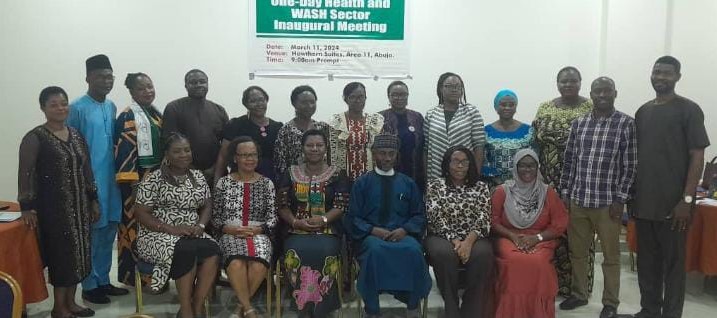
FEMinWASH a nongovernmental organization and network of Female Professionals in Water, Sanitation and Hygiene (WASH) in Nigeria has been inaugurated as a member of the infection prevention and control coordination team at the Federal Capital Territory (FCT) Primary Healthcare Board.

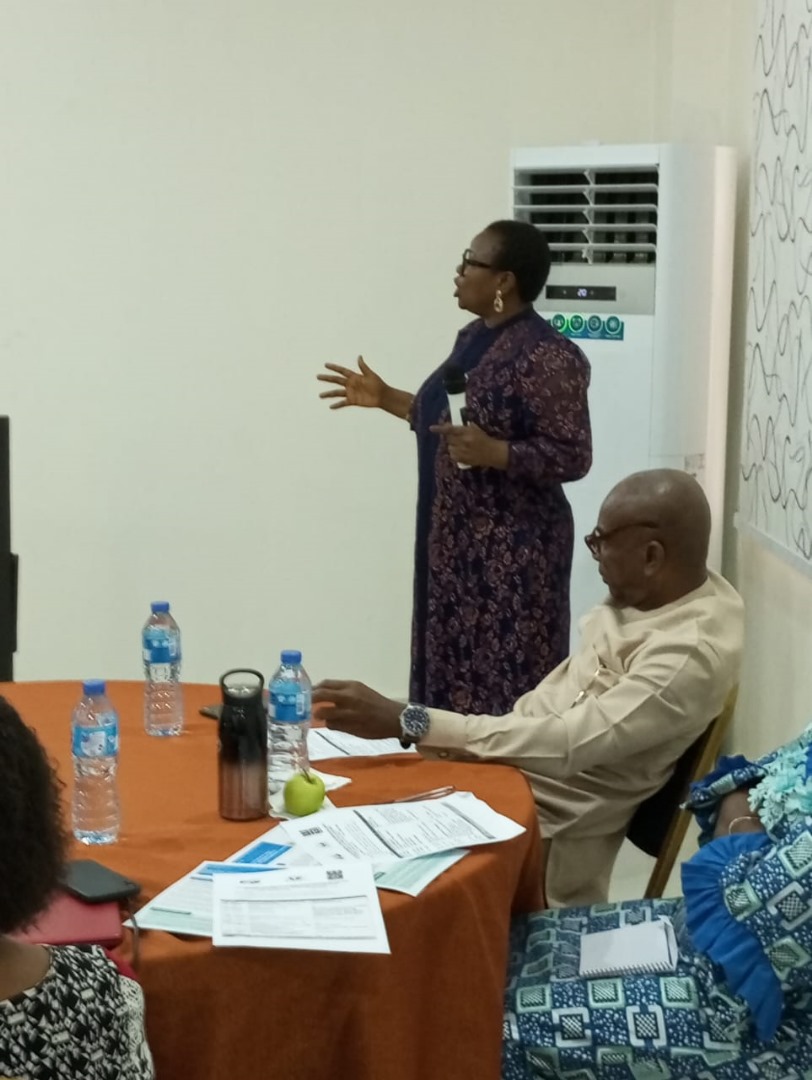
The event was coordinated by the Acting Director, Disease control, FCT PHCB at a forum

for the implementation of the core components recommended by the WHO for effective prevention and control through ensuring that safe, sustainable and inclusive WASH services are in place across all health programmes.

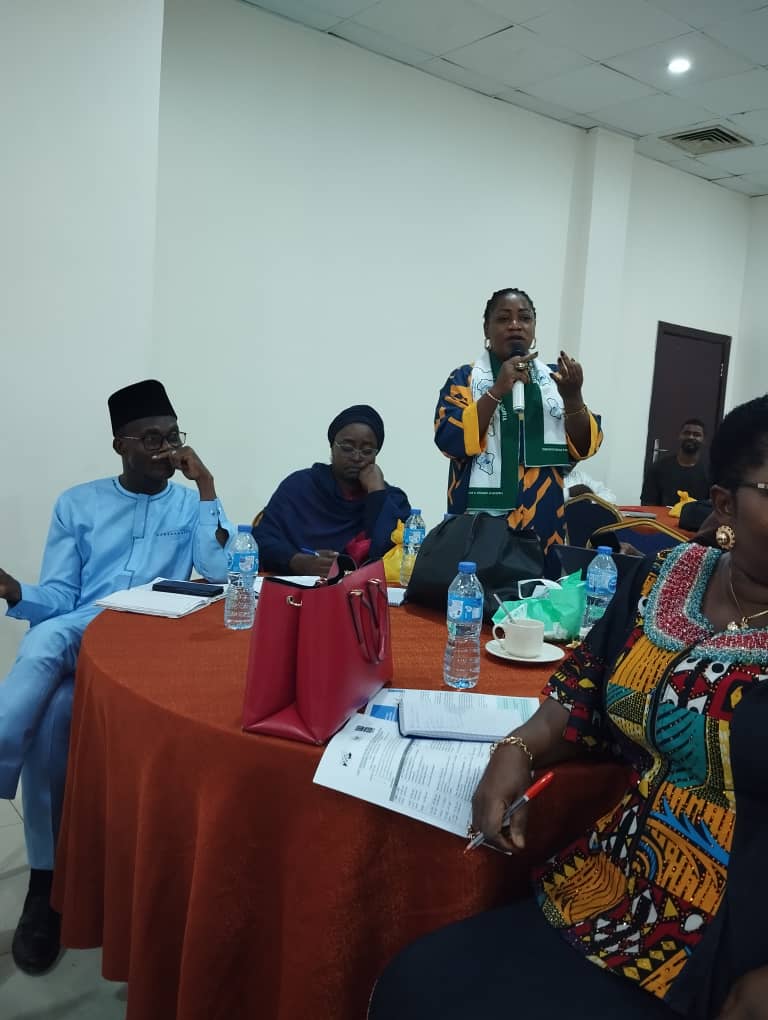
FEMinWASH’ster Funke, during the Inauguration of WASH in Health sector committee for FCT.

It was observed that Bwari Area Council ranks low on indices of WASH in PHC with 42% of PHCs with access to basic water supply services, 7% with access to basic sanitation and only 14% with access to hygiene services, in addition to that, the basic medical waste management and environmental cleaning services were poor, and as low as 0% and 7% respectively.

FEMinWASH’ster Nanbam presented the topic: Improving Water Sanitation & Hygiene Services in Primary Healthcare Centre, Bwari, FCT Abuja.

A report prepared on behalf of FEMinWASH  by Adefunke Adediran further revealed that there are few functional hand washing stations at the points of care in facilities which impacts the ability to mitigate the spread of infectious diseases through hand washing at specific critical times.

“So, with all the evidence-based project, Bwari area council was selected and implementation will be done within six months.

Inaugurated IPC Coordination Team, FEMinWASH members inclusive

“The project will focus on construction/rehabilitating water facility, sanitation facilities and installing hand washing which will be reticulated to care with particular attention to the health of workers and patients.

“WaterAid will work in partnership with the FCT primary healthcare board, WASH agencies, area council department of health services, community leaders, and civil society organizations to improve access to services; provide hygiene education, and strengthen the capacity of health workers on the operation and maintenance of the facilities…”

TIPS