Home Blog Page 606

He spent four years in Edo prison without a case file

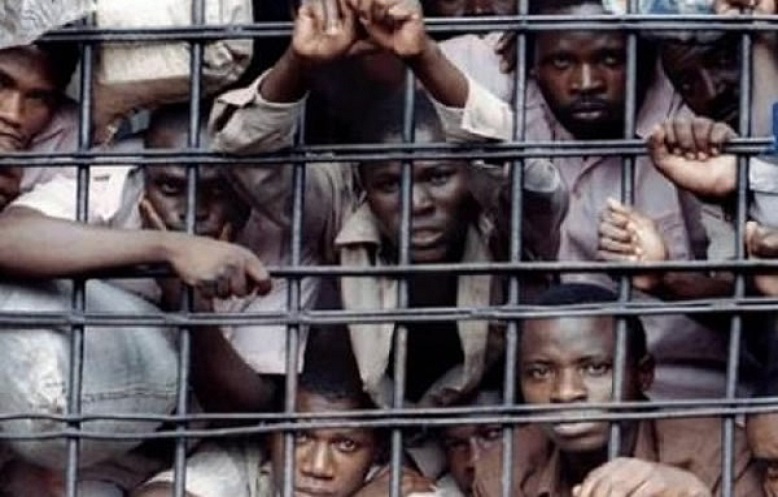
But for the intervention of Hon. Justice Daniel Okungbowa, the Chief Judge (CJ) of Edo State, Saliu Akande, an awaiting trial inmate would still be in custody adding to the swelling number of ATIs in Nigeria’s correctional centres.

Saliu Akande was reportedly charged with rape but despite spending four years at the Auchi Medium Security Correctional Centre, he had no case file.

Justice Okungbowa who visited the prison to decongest it and to promote the speedy trial of inmates, disclosed that Section 470 (2) of the Edo State Administration of Law 2018 entrusted the court with the mandate to ensure criminal matters were speedily dealt with and reduce congestion of criminal cases in courts.

His Lordship further stated: “Since my assumption of office, I have, together with members of the Administration of Criminal Justice Monitoring Committee, worked assiduously to ensure that our mandate is accorded the much-desired seriousness.

“To this end, my avowed and unalloyed commitment is that no one is made to remain here one day longer than necessary unless as prescribed by law.’’

Writing on the subject: Unveiling the crisis of prison congestion, Balikis Anoba a research assistant at Ominira Initiative for Economic Advancement made some revelations

“Despite the constitutional right to a fair hearing in Nigeria, the persistent trial backlog for detainees is alarming. As of January 2024, the country holds 77,350 inmates, with 54,092 awaiting trial—roughly seven out of 10 inmates, making up 69.92 per cent of the country’s total prison population. This protracted trial backlog in Nigeria, where a significant majority of inmates await trial for extended periods not only strains individuals psychologically but also poses a profound challenge to the perceived effectiveness and fairness of the legal system. To redress this critical issue, urgent reforms are imperative, focusing on streamlining legal processes, adopting innovative technologies for efficient case management, and enhancing judicial expediency to ensure timely and impartial justice delivery in Nigeria.

“Nigeria has 240 custodial centres with a collective capacity of 50,153, emphasising the severity of the accommodation problem. The issue intensifies as some inmates endure up to 15 years awaiting trial, straining individuals and questioning the legal system’s efficiency. In 2021, the Lagos Comptroller confirmed that certain inmates at the Maximum Security Custodial Centre, Kirikiri had been awaiting trial for a decade or more, painting a stark picture of the human toll and systemic issues contributing to this crisis.

“The Nigeria Police Force significantly contributes to the substantial number of pending trials, making wrongful arrests and filing wrong charges in inappropriate courts. Capital offences, for example, end up in magistrates’ courts where they lack jurisdiction. Depending on the case’s severity, magistrates may direct the police to forward case files to the Ministry of Justice for legal advice. Unfortunately, due to the overwhelming caseload, files often languish for extended periods and sometimes go missing. Transferring cases to the high court is typically slow and demanding, taking months and, in some cases, years. Consequently, magistrates are empowered to remand suspects on “holding charge” for a maximum of 28 days under the Administration of Criminal Justice Act enacted in 2015.

“However, this regulation is frequently disregarded, resulting in suspects being held indefinitely, denying them timely justice. Some prisoners claim that police unless bribed, may deliberately prolong suspects’ incarceration, and prison officials might skip court appointments if transportation fees are unpaid.

“Compounding these issues are unethical legal practices and insufficient representation for detainees. Despite the police claim that “bail is free,” lawyers and officers often accept bribes from suspects for bail, causing intentional delays if payment is not made. Additionally, magistrates impose stringent bail conditions for minor offences, like petty theft, demanding excessive amounts that prolong detention and provide opportunities for further accusations by the police.

“Another factor contributing to delay is the inadequate communication between prison authorities and prosecutors. Defendants may miss trial dates due to prosecutors’ failure to notify prison authorities promptly, leading to unnecessary adjournments. Prosecution also experiences frequent delays when counsel lacks sufficient evidence or funds to prosecute cases. Furthermore, the transfer of investigating police officers during ongoing cases or the sudden disappearance or unreliability of witnesses can disrupt trial proceedings.

“The judiciary shares responsibility, with inadequate infrastructure being a significant issue. Courts lack proper libraries, hindering legal research and timely judgments. Inadequate courtrooms, shared among multiple officers, result in shortened hours and frequent adjournments. Insufficient staff quarters force judicial officers to shuttle between distant residences and courts. Some officers are lax, starting judgments late and leaving before the stipulated time, causing case adjournments.

“Numerous consequences arise from prolonged awaiting trials, notably overcrowding in the holding cells of the correctional facilities, which usually accommodate over 27,000 individuals beyond capacity—more than 50 per cent. Operating custodial centres above capacity adversely affects nutrition, sanitation, hygiene, health services, prisoner activities, care for vulnerable groups, and high-risk individual management. This leads to conflicts, violence, worsened mental and physical health, and hygiene issues, posing significant management challenges. The Nigerian government reportedly allocates ₦83,333 monthly per inmate, amounting to an additional ₦4,507,648,636 monthly that could be redirected for essential purposes at this critical moment of economic crisis.

“Indeed, delayed justice is denied justice. Utilising modern technology proves an efficient means to accelerate the delivery of justice. To enhance efficiency, it is crucial to transition from manual records and implement a repository system for integrating and automating criminal justice agencies. This database would store detailed information about suspects, their charged crimes, trial progress, and verdicts—facilitating easy monitoring of awaiting trial numbers.

“Addressing this issue goes beyond legal procedures; it is a moral obligation to guarantee prompt and equitable justice in Nigeria. The ACJA 2015 contains several provisions that, if diligently implemented, could eliminate the rise in awaiting trial cases. Section 16(1) of this Act advocates establishing a central criminal records registry in the NPF, linking with state police commands. Section 33 mandates monthly reports from arresting officers to magistrates in the hope of preventing unlawful detentions. Section 34 calls for monthly inspections by chief magistrates, ensuring detainees’ rights are upheld. Section 296 establishes a timeline for remand orders, releasing suspects after specific periods unless a justifiable cause is shown. Although Section 35(6) of the 1999 Constitution mandates compensation and public apologies for unlawfully detained individuals upon release, these measures are seldom implemented.”


Man sentenced to death after paying $2,500 to mum of 5-year-old to abuse her daughter before killing her

Jeremy Williams, a Georgia man has been given four death sentences for paying a mother, Kristen Siple, $2,500 to rape her 5-year-old daughter, Kamarie Holland, before murdering the child.

The horrific details of the case sparked widespread outrage.

The emotional trial saw jurors reportedly shed tears upon viewing videos of Williams’ actions.

Williams was convicted of paying Kristen Siple $2,500 to rape and sodomize her daughter.

Georgia man sentenced to death after he paid mother $2,500 to rape her 5-year-old daughter before killing her

He filmed the sexual assault and then killed little Kamarie Holland.

On Dec. 13, 2021, the girl was snatched from her Columbus, Georgia home.

Williams took her to an abandoned ramshackle home where he once lived across the state line in Phenix City, Alabama, and raped, tortured and strangled the child to death.

Siple initially claimed she woke up that day to discover her daughter missing and the front door open.

Georgia man sentenced to death after he paid mother $2,500 to rape her 5-year-old daughter before killing her

However, last month, she confessed to selling her daughter to Williams for an hour to sate his sickening desires.

The mum now faces 20 years in prison for sex trafficking.

“If there’s ever been somebody that’s deserving of the death penalty, it’s Jeremy Williams,” Russell County Sheriff Heath Taylor told reporters.

Georgia man sentenced to death after he paid mother $2,500 to rape her 5-year-old daughter before killing her

“He’s another type of evil that we in society just don’t need walking around.”

According to reports, at points during the trial, jurors were sobbing as they watched bodycam footage of cops finding Kamarie’s body in the filthy basement.

They also had to endure videos of the little girl being raped.

Williams is a serial child abuser. He is also a suspect in the brutal murder of an Alabama toddler.

Georgia man sentenced to death after he paid mother $2,500 to rape her 5-year-old daughter before killing her

In 2009, he was acquitted of lowering a little boy, aged three, into a bowl of boiling water.

His ex-wife called him a “soulless” man who was “no longer worth her tears.”

A woman who was four when she was raped by Williams called him a “monster.”

As the child killer heard the four death sentences pronounced, he was utterly without emotion.

“You don’t deserve life yourself,” Kamarie’s father, Corey Holland, told him at the sentencing. “We don’t have Kamarie and you don’t deserve to see your kids or life.”

The little girl’s sister added: “I don’t understand why someone would hurt her – she was so sweet and caring.”

Williams was also sentenced to life for the production of obscene material of a child and human trafficking, 20 years for conspiracy of human trafficking, and 10 years for abuse of a corpse.

“There’s no reason that baby should be in the ground. I want to remember her, not this joker. Jeremy is not somebody I want to remember in life,” DA Rick Chancey said.

Culled from Linda Ikeji

How do you handle trauma?

Nneamaka Onyema

By Nneamaka Onyema

There once was a woman named Maya who faced numerous challenges throughout her life. She grew up in a difficult environment and experienced trauma, but she never let those circumstances define her. Maya turned to writing as a way to express herself and find solace.

Despite facing rejection after rejection, Maya persevered and continued to write. Eventually, her talent was recognized, and she became one of the most influential poets and civil rights activists of her time. Maya Angelou’s powerful words and inspiring life story continue to touch the hearts of people around the world.

Maya’s story teaches us that even in the face of adversity, we have the strength within us to rise above and create a better future. It’s important to remember that challenges are not permanent roadblocks but opportunities for growth and resilience. You can find inspiration in Maya’s journey and use it as a reminder that you too have the power to overcome life’s challenges.

Handling trauma is a deeply personal journey, but here are some general strategies that might help:

  1. Seek Professional Help: Therapy with a trained therapist can provide valuable support and guidance.
  2. Self-Care: Prioritize your physical and emotional well-being through activities like exercise, proper nutrition, and relaxation techniques.
  3. Build a Support System: Surround yourself with understanding and supportive friends and family members who can offer comfort and encouragement.
  4. Practice Mindfulness: Techniques such as meditation and deep breathing can help you stay grounded in the present moment and manage overwhelming emotions.
  5. Educate Yourself: Learning about trauma and its effects can help you understand your experiences and develop coping mechanisms.
  6. Express Yourself: Find healthy outlets for expressing your feelings, such as journaling, art, or music.
  7. Set Boundaries: Recognize your limits and communicate them to others to avoid situations that may trigger distress.
  8. Be Patient with Yourself: Healing takes time, so be gentle and compassionate with yourself throughout the process.

Remember, there’s no one-size-fits-all approach to healing from trauma, so it’s essential to find what works best for you.

Build your stars from your scars…

Nneamaka Onyema, FICMC
Senior Associate
Linked Legal Attorneys

📍Federal Ministry of Justice, FCT Abuja.

#National Summit on Justice 2024: Comprehensive Judicial Reforms

By Ikeazor Akaraiwe, SAN

A. Number and Appointment of Judges

i. Justice    Delayed is Justice Denied.

ii. No Judge or Magistrate of a Federating Unit should have more than 100  [One  Hundred]  cases in the court’s docket at any given time.

iii. Make it constitutionally mandatory for new Judges [and Magistrates]  to be appointed for a Federating Unit whenever more than a quarter of the Judges [OR Magistrates] in that Federating  Unit have exceeded 100 [one hundred] cases in their respective dockets  PROVIDED THAT all the  Judges [OR Magistrates]  in that Federating Unit must have met up with their respective quotas as set for them by the  Judicial  Council.

B. Supreme Courts for each Federating Unit

  • The purpose of a Supreme Court for each Federating Unit is to deal with matters within the culture and peculiarities of the Federating Units.
  • Appeals from Chieftaincy Matters, Land Matters, Customary Matters and Religious Matters should terminate a t the Regional Supreme Courts unless there is a constitutional matter arising therefrom the Federal Superior Court.

C. Federal Supreme Court for the Federation

  • All appeals which do not terminate constitutionally at the Regional Supreme Court shall be appealed to the Federal Court of Appeal and thereafter, to the Federal Supreme Court SUBJECT only to the
    following.
  • Appeals to the Federal Supreme Court shall be BY JUDICIAL REVIEW ONLY specifically by Certiorari.
  • The Federal Supreme Court shall decide what matters it wishes to hear. In other words, matters which have been settled by a long line of authorities will not be appealable, since the position of the Court is already known, UNLESS and UNTIL the party seeking to appeal shows to the court, by Motion, what new question which has not been settled or which can be distinguished from settled authorities
    the party is bringing to the court.
  • All Constitutional matters shall be filed first at the Regional Supreme Courts and appeals on those constitutional matters shall go through the Federal Court of Appeal to the Federal Supreme Court.
  • The Federal Supreme Court shall continue to exercise ORIGINAL JURISDICTION between Federating Units or between Federating Units and the Federal Government.

D. Federal Court of Appeal for the Federation

  • To hear appeals to do with matters of Constitutional Interpretation, monetary, economic and every other matter except Chieftaincy, Customary, Land and Religious Matters (all of which shall terminate at the Regional Supreme Court), PROVIDED THAT such religious matters are not of a constitutional nature, in which case the Federal Court of Appeal shall be clothed with jurisdiction.

E. Ecclesiastical Courts

  • Nigeria, being a secular country, all mention of ecclesiastical courts (Sharia Courts and the like) should be removed from the Federal Constitution.
  • Appeals from all ecclesiastical courts shall terminate at the Supreme Courts of the Federating Units.
  • The Laws of the Federating Units shall expressly provide for ecclesiastical courts.
  • All references to religion and ecclesiastical courts should be provided for in the Regional Constitutions. We had Regional Constitutions in the First Republic of Nigeria. Thus, there shall be no reference to Sharia Court s and Grand Khadis or Church Courts and Reverend Judges.
  • In their place shall be a single clause, permitting states / regions to set up their own courts, secular and ecclesiastical. Reference to Sharia and Islamic ecclesiastical courts occur more than 50 times in
    the current Nigerian constitution thus creating a dual system.

F. Federal Judiciary to comprise of a Federal Supreme Court, a Federal Court of Appeal, and a Federal High Court. The National Industrial Court to have its jurisdiction collapsed into the Federal High Court to avoid a proliferation of courts.

The judiciaries of the Federating Units to comprise of High Courts, Magistrates Courts, and an y courts the Federating Units choose to create including Customary Courts, Sharia Courts, and Sharia Courts of Appeal.

Man in custody after allegedly battering lover in Delta for refusing to abort pregnancy

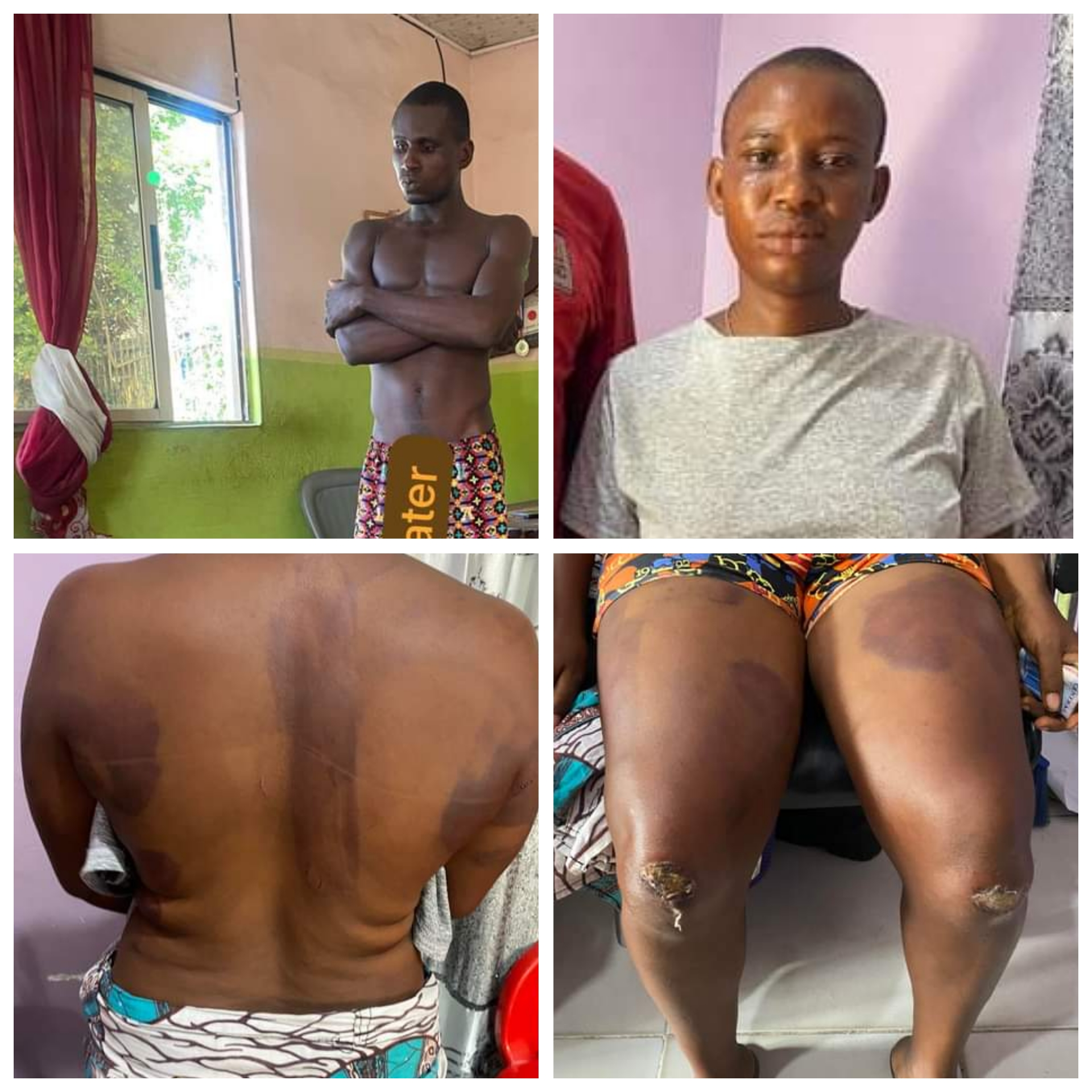
Operatives of the Delta State Police Command have arrested a 32-year-old man, Ernest Okemute, for allegedly assaulting his girlfriend in the Orokpor community in Ughelli North Local Government Area of the state. 

A Nigerian activist, Kelvin Ejumudo, who confirmed the incident in a Facebook post on Sunday, April 21, 2024, alleged that the suspect beat Precious Ekarume who is pregnant for him, with a belt and stick because she refused to abort the pregnancy. 

According to Mr Ejumudo, the suspect had boasted that nothing would happen to him even if he killed his girlfriend. 

His post read;

“Violence against women is Prohibited! One Mr Ernest Okemute 32 years old has beaten his girlfriend, Miss Precious Ekarume in Orokpor community in Ughelli North Local Government Area of Delta state.” 

The boyfriend beat her up because she was pregnant for him and he has forced her to abort the pregnancy and she refused and has also told her to stop talking with a woman in the compound.

She was beaten to stupor by the boyfriend with belt and stick and told her nothing will happen even if he kills her.

The lady was able to reach out to me via the help of community leaders and I immediately swing into action with the help of the Area commander Ughelli Nigeria Police Force Delta State Command ACP ADEMOLA ADEBAYOR who detailed police officers for his arrest.

Mr Ernest Okemute is cooling off at the Police cell in Ughelli Area command and will be charged to court soonest. We have a law in Delta state called Violence Against persons act 2022,hence nobody has the monopoly of violence on any other person within the state.

Man allegedly beats his girlfriend to stupor in Delta for refusing to abort pregnancy

Credits: Linda Ikeji

#National Summit on Justice 2024: In Nigeria everyone in power is above the law

By Jibrin S. Okutepa, SAN

Today being 24th April 2024 and tomorrow being 25th April 2024, there will be a National Summit on Justice 2024. The theme of the summit is repositioning the justice system: constitutional, statutory, and operational reforms for access and efficiency.

This summit is being organised by the Hon, the Attorney General of the Federation, in collaboration with other stakeholders. Eminent legal practitioners and other personalities who are beneficiaries of the kind of justice system we have, have been invited and they will speak and proffer solutions.

For me and other eminent lawyers and personalities who may not be fortunate to have the opportunity of attending the submit since it is strictly by invitation, it is necessary to make some few comments here hoping that those who have the responsibility to do what is right will read our contributions and then have the benefits of what I think is responsible for the kind of justice we get in Nigeria.

First, let me commend the Hon, the Attorney-General of the Federation for the initiative. It is good. That we can gather and speak is good. But we need to think deeper and reflect on why our laws, including our constitution, are not working.

I think there is nothing inherently wrong with our laws and the constitution in Nigeria.The problem with our systems is the Nigerian in us. We have, as a people, paid too much lip services to the rule of law and due processes.There is nothing wrong with the laws we have. Good laws are being operated by bad people.

There is everything wrong with the operators of our laws. We have chosen to disregard our laws, and everyone in power is above the law. Everyone who should show respect and fidelity to the law has no such respect and fidelity. Nobody respects the laws of Nigeria, including, of course, some of those who will be gathering to pontificate in that conference. Our laws prohibit writing of electoral results. Our political actors do so with impunity.

Our laws are against stealing public funds. Public officers in most cases steal with impunity. Our law does not support impunity. But impunity reigns Supreme in Nigeria. Our law prohibits extortions. We see extortionists virtually everywhere in Nigeria. Nigerians beat traffic light with impunity. No respect for law and order.

Take our criminal justice, for instance. We have enacted Administration of Criminal Justice Act 2015 for speedy criminal justice administration. That law is being breached in obedience by all. The bar produces the bench. We have some members of the bar who do not want the merit of the matters in courts examined.

They engage in raising jurisdictional issues to confuse the bench even when the law has set out that issues of jurisdiction and other objections shall be heard along with substantive matters under ACJA. The practice of law does not allow merit of cases to be examined. Lawyers do all sort of things to the prejudices of purity of justice contrary to professional ethics. So nothing wrong with our laws. It is the Nigerian in us that has produced the kind of justice we have.

Most defence lawyers do not want matters to proceed to trial on the merit. Why do we have this attitude of not wanting the merit of the matters examined in our courts? Most high-profile criminal trials are stalled because most defence lawyers do not allow trials to go on. We owe higher duty as lawyers to society. We must assist our courts in delivering justice to society.

I really do not know why some people think we are too gullible in this country that they can contrive so many stories to cover their iniquities. Everything is politicised, including criminal prosecution. The Nigeria state can not effectively prosecute politically exposed persons without politics being read into it. Nigeria is the only country I know that we play politics without governance until another election. So sad.

So, as we gather to proffer solutions, let us examine ourselves and our attitudes. We have no respect for law and order. We have no respect for the rule of law. We have no respect for the Nigerian constitution. Nigerian governments across the board have no respect for laws. Government does not respect judicial decisions and even the judiciary itself. The judiciary too must respect itself.

Those who are in charge of government in the three departments of government have no respect for law and order. They act with impunity, and there are no consequences. This is the bane of our society. Those in power should lead by example. Obey the laws of the land. Apply sanctions without fear or favour. There should be no sacred cows. Those who have been given power to decide should do so without political colourations.

It is submitted in conclusion that we are where we are because of whom we are. I wish us well.

UNN and UniPort dons caught sexually molesting female students (Video)

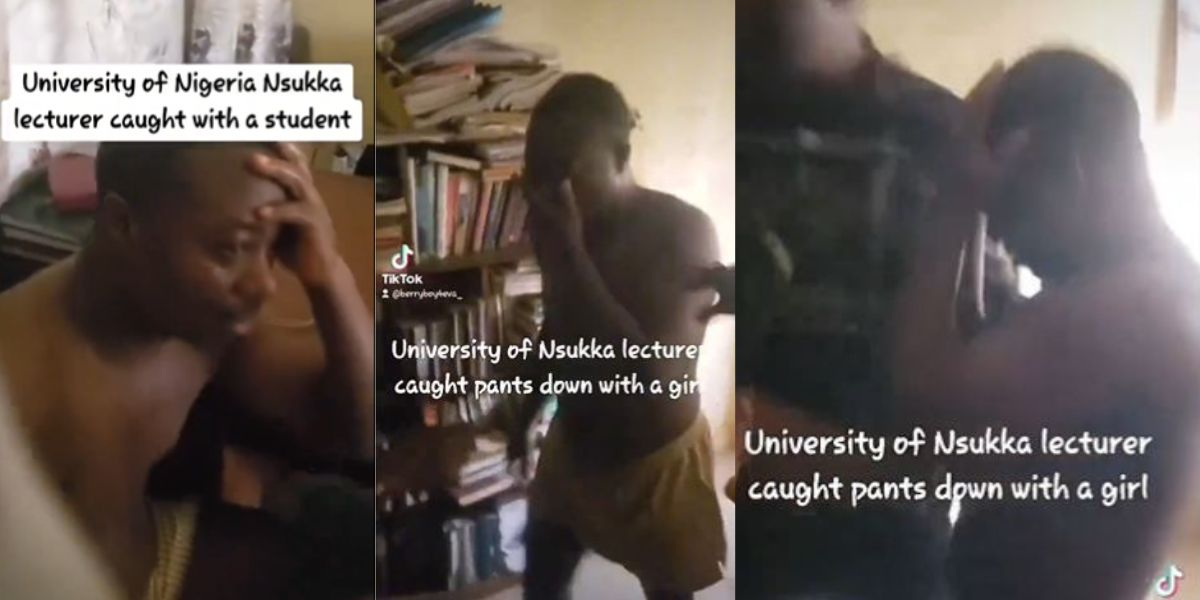
In two separate videos that have now gone viral, a Professor at the University of Nigeria Nsukka (UNN) and a lecturer with University of Port Harcourt were captured as they were sexually molesting female students.

The don from UNN was in a worse shape as he was caught still wearing his under garments. The University teacher identified as Professor Mfonobong David Udoudom of the General Studies department was apprehended by students while prepping up for a sexual experience with a married female student.

The incident reportedly happened in the early hours of April 22, 2024.

Sources, including the brother-in-law of the victim said the lecturer, who teaches GSP 208 (Nigerian People and Culture) had demanded sex in exchange for good grades. The student declined, leading to the lecturer’s threats that the woman might not pass his course if she did not comply. The victim tried to appease the lecturer with money, but he refused, escalating the pressure on her.

It was reported that this was not the first time Professor Udoudom had attempted such acts, with many of his previous victims coming from the Food Science and Technology (FST) department.

To expose the lecturer, he was set up by the student’s husband in collaboration with university security and the Dean of Student Affairs. The plan worked, and evidence was gathered, leading to the lecturer’s apprehension.

University authorities were quick to respond, capturing video footage of the scene and collecting evidence.

One of the security people could be heard in the video emphasising the thoroughness of the investigation. He said, “We have been following the case from the very start. We have all the tracts, voice notes, and everything. We have been following it.”

He was then taken to the Dean’s office for further interrogation, where he was seen in tears as he faced the Dean of Student Affairs, Prof. Edwin Omeje.

Watch the video.

Similarly, another trending video shows the moment a lecturer said to be a staff member of the  University of Port Harcourt  was seen molesting a female student sexually in his office on high definition video.

He could be seen making contact with a few female students’ body parts.

The man in the video was seen pulling the student toward him while the student attempted to stop the lecturer and maintain her distance.

Efforts to get UNIPORT react to this proved abortive as at the time of filing this report.

Many people have reacted to the video with some calling for the lecturer’s dismissal.

Watch the video on X.

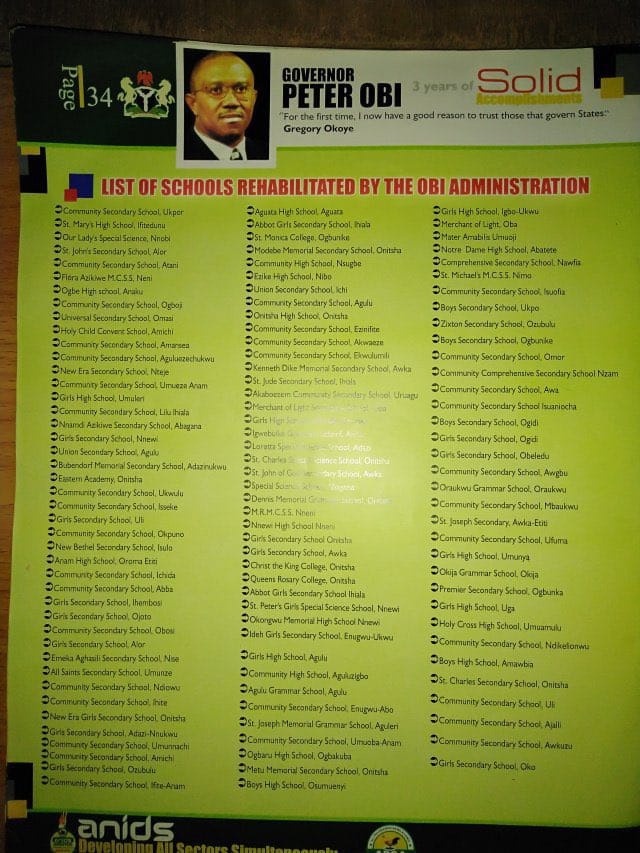
Reno Omokri $10,000 Challenge on Schools Built by Peter Obi

  • Watch Comedy Video of Obi’s schools’ receipts

By Henry Emma Udoji

Anambra State has never lacked schools, so what’s the need for building more?

The numerous schools in Anambra State needed to be renovated, revamped, equipped, and overhauled and these were what HE Peter Obi did in the Education sector in Anambra State during his tenure. The people of Anambra State never complained about the shortage of schools nor did they cry out for not having space in the schools for their kids.

Anambra State has grown past the stage in which Reno Omokri is expecting. Anambra State has schools and what is needed is maintenance, Peter Obi prioritized education during his tenure as the Governor of the state.

All the missionary secondary and primary schools were returned to the management of the churches and he still funds the maintenance of these schools handed over to the churches and other schools with development funding assistance of over 6 Billion, this has shown how willing he is to see Education flourish in the State.

When people lack information we teach them what they don’t know. Peter Obi carried out the construction of over 1,400 classroom blocks for primary school Alone, he rehabilitated over 500 primary school classroom blocks, provision of over 600 school buses to secondary schools, rehabilitation of over 200 Science Labs, provision of 400 fully equipped computer rooms with 10,000 computers, A complete turnaround with Anambra State ranking in the “Top 3” in Secondary school WAEC and NECO results from it’s previous “Bottom 5” position in some years back.

His administration invested over #10 Billion in tertiary institutions during its Tenure which includes All the major improvements in Chukwuemeka Odumegwu Ojukwu University (COOU) and Many other related financial assistance and structures in the education sector. This improvement in the existing schools is a landmark achievement in the Education sector.

Reno Omokri doesn’t have an idea about governing a State, this is one of the numerous areas in Governance he lacks knowledge About, what’s the essence of building More schools where the existing ones need to be maintained, the government of HE Peter Obi is conservative, his administration doesn’t spend for the sake of spending, he prioritizes on the need of the people.

Other areas in the State require government attention, so why build more schools where we already have existing ones?

The current government at the center is budgeting $13 billion for a road project in Lagos-Calabar which looks like a misappropriation of priority.

Note: It’s only the gullible Nigerians who will be swayed by such baseless opinions coming from a displaced political jobber Reno Omokri.

 Henry EU

Watch the video below.

Lawyer sues NBA, asks Federal High Court to hold that attorneys in public service can contest for top offices

The Federal High Court has been asked to declare as unconstitutional, null and void and of no effect section 9 (3) (b) of the Constitution of the Nigerian Bar Association (as Amended in 2021) for offending sections 42 of the 1999 Constitution of the Federal Republic of Nigeria (as amended).

The Applicant, Paul J. Magga, a legal officer at the Nigerian Security and Civil Defence Corps, Kaduna Command contends that Article 9(3)(b) of the NBA Constitution as amended in 2021 which provides that only lawyers in private practice will contest for the positions of President, 1st Vice President and General Secretary, is a direct affront to section 42 of the 1999 Constitution which provides against discrimination.

In the suit which joined the Incorporated Trustees of the Nigerian Bar Association and Seun Abimbola, SAN, Chairman, Electoral Committee of the NBA as respondents, Magga also challenges the provisions of the NBA Constitution which provide that the decisions of the Dispute Resolution Committee and Election Appeal Committee shall be final thus ousting the judicial powers of the court established by law as provided in sections 4(8) and 6 of the 1999 Constitution of the Federal Republic of Nigeria

He contends that the motto of the NBA is promoting the rule of law and item 11 of the NBA aims and objectives are clear on these.

Magga in the Fundamental Rights Enforcement suit filed by his Counsel, Uche Amulu, Esq. and T.M. Ozioko, Esq., wants the Federal High Court to make the following orders:

An ORDER of this Honourable Court declaring as unconstitutional, null and void and of no effect Article 21(4) and paragraph 3 Part IX of the Second Schedule of the Constitution of the Nigerian Bar Association (as Amended in 2021) for offending sections 6 of the 1999 Constitution of the Federal Republic of Nigeria (as amended).

    An ORDER of this Honourable Court declaring that every member of the Nigerian Bar Association duly qualified in terms of financial status, required age at the Bar, good standing and apolitical eligibility and having complied with all nomination protocols, is entitled to stand election into any of the National Offices whether or not they are in private legal practice.

    An ORDER of this Honourable Court declaring that only a court established by law has powers to determine issues to finality and as such the decision of the Dispute Resolution Committee and Election Appeal Committee cannot be final as it naturally amounts to usurping and/or ousting the jurisdiction of the Honourable Court.

    N10, 000, 000.00 (Ten Million Naira only) against the Respondents for their actions breaching the rights of the Applicant and other lawyers in public legal practice and for usurping the powers of this Honourable Court.

    Nigeria Army destroys ISWAP bread factory in Borno

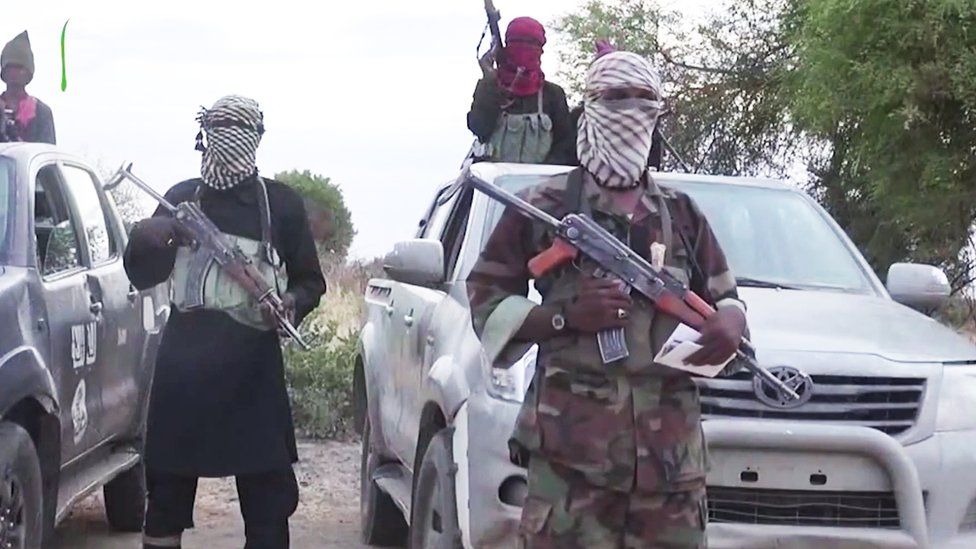
    Nigeria Army troops of Operation Lake Sanity III, under Operation Hadin Kai, have reportedly discovered an Islamic State West Africa Province (ISWAP) terrorist bread production factory hidden within their den in Maisani, Timbuktu Triangle, Damboa Local Government Area of Borno State.

    According to intelligence sources quoted by security analyst and counter-insurgency expert, Zagazola Makama, on Monday, the Combined troops of 199 Special Forces Battalion, in conjunction with Hybrid Forces and Civilian JTF (Joint Task Force), stumbled upon the bread factory during an exploitation mission into the terrorists’ hideout on Sunday.

    “The sources said that the factory was destroyed while items recovered include 2 Lister generating plants, 1 baking machine, and several baking materials,” Makama reported.

    According to the report, the discovery came amidst a week-long clearance operation aimed at decimating the terrorists from their stronghold in the Timbuktu Triangle, an area comprising Buk 1, 2, and 3, Talala, Ajigin, Dusula, Abulam, and Gorgi – a region notorious for harbouring these extremist groups.

    “These groups of terrorists are mostly responsible for attacks, ambushes, and IED/mine incidents targeting the Damboa roads, Damaturu-Maiduguri MSR (Main Supply Route), attacks towards Askira, Buratai, Buni Yadi, as well as the destruction of the high-tension transmission line connecting Borno and Yobe State.

    “Despite the complexity of the terrain, characterised by highly fortified camp mostly located under thick foliage and IEDs planted in several locations within the Timbuktu Triangle, the troops continued to maintain high fighting efficiency,” Makama stated.

    PUNCH

    TIPS