Home Blog Page 580

“We can no longer fish…” Dashed hopes as Ibeju-Lekki locals accuse Dangote refinery

By Lillian Okenwa

It’s been nine years since the All Progressives Congress (APC) took over governance in Nigeria. Yet, the escalating cost of living and diminishing quality of life in Nigeria has left many groaning.

Nigerians at various times in different forums have called on government at all levels to save them from hunger-induced death; as prices of commodities keep soaring as the days go by. The high cost of petrol, cooking gas, armed herdsmen attack on farmers with no buffer from government for afflicted farmers and a myriad of other poverty inducing challenges in Nigeria has left many perplexed. But that is not all.

When an ambitious refinery project in the Ibeju-Lekki suburb of Lagos, Nigeria, took delivery of the world’s largest single crude distillation column in December 2019 Nigerians were divided. Some greeted it with fanfare believing that Nigeria’s petroleum problems was finally coming to an end. Another group comprised of the locals in Ibeju -Lekki viewed it with suspicion.

Recently there was a news report about how Dangote Cement Company shunned mining law, refused to sign a Community Development Agreement and proceeded to contaminate water through its mining activities in Yewa communities in Ogun State.

ICIR Nigeria reports that in the 150-year-old community a chemical analysis of the water sample not only revealed the presence of calcium but that “lead and cadmium from cement kilns infused to Ibese soil and air could cause cancer for children and adults. They either breathe in the polluted air or consume contaminated crops.”

But The Guardian‘s 3 June 2024 article titled ‘There is nowhere to fish any more’: life in the shadow of Nigeria’s biggest industrial complex’, painted an even scarier picture of impoverishment, hopelessness and environmental abuse.

During a 5 August 2023 dialogue between between Dangote Refinery officials, youths and women leaders in Ibeju Lekki on how they are impacted by the refinery, Wosilatu Apena, a woman leader and Community Development Committee (CDC) official, said: “We are typically fishermen in this community. Unfortunately, since the construction work on the refinery started, we have continued to record low fish and snail catch because the fishes have retreated to safer waters. Because of this, we must go further into the Atlantic Ocean to catch anything. It is getting more dangerous to even do so because our boats can no longer withstand the strong waves of the sea.”

Arepo Azeez, a youth leader, said “Vibrations from the seaport and the refinery are affecting us,” even as members expressed worry over possible accidental discharges of oil products into the environment over time.

These fears expressed in 2023 have been confirmed by The Guardian report below.

“Owned by Dangote Industries, a multinational conglomerate founded by Aliko Dangote, Africa’s wealthiest person, the compounds are in the Lekki free trade zone, abutting the Atlantic Ocean about 30 miles outside Nigeria’s commercial capital. The zone was designated by the federal government to develop industry and jobs.

“The $2.5bn (£2bn) urea and ammonia plant opened in 2022 and the $21bn refinery opened last May and began production in January. Dangote and the government, which has a 20% stake, hope this will make Nigeria less dependent on expensive imported petroleum “and stop, once and for all, the dumping of substandard petrol products in our markets”, Dangote said in a televised speech last year.

“People living near the site were happy about the developments when they were first mooted a decade ago, says Tajudeen Ismaila, 35. But the mood has changed. ‘We prayed for development, and we didn’t expect it to come in this form,’ he says.

“Thousands of people from the Ilekuru, Idasho, Okesegun, Okeiyanta and Magbonsegun communities have been evicted from ancestral lands by state authorities to make way for the development.

“Local people say they were promised new schools, electricity, boreholes, jobs and compensation agreed in an MOU signed between the Lagos state government, the Ibeju Lekki local government, the trade zone managers and 12 community groups in 2007, which they understood covered all development in the area. But those the Guardian spoke to say they have received school textbooks, school tuition fees, and less than 81,000 naira (£43) in compensation.

“Lives and livelihoods have also been affected. A large expanse of forest has been removed to make way for the construction of the plants. Some rivers and streams have been dredged to accommodate vessels and pipeline networks. Some swamplands and creeks have been sand-filled to lay foundations. Crayfish and shrimp fishers have seen their catch reduced.

“’A fisherman got up to four baskets in a day in the old days, but today, a basket in one week is a miracle,’ says Ola Tunde, a youth worker in Lekuru. A wet market that attracted buyers from Epe and Lagos has seen customers disappear since 2017, when building the refinery began.

“Those evicted now live on a patch of land a tenth the size of their former homes, says one, Alhaji Majeed Lateef. “There are no more farms. There is nowhere to fish any more.”

“The fertiliser plant, planned to produce 2.8m tonnes of granulated urea a year, with ambitions to be the west African hub for production, is part-funded by a loan from the World Bank’s International Finance Corporation (IFC). A 2014 environmental impact report submitted by Dangote to the IFC said any impact on the biodiversity, health or livelihoods would be minor, but a “livelihood restoration plan” would be developed to compensate people for displacement and loss of resources.

“Producing 650,000 barrels of petroleum a day at full capacity, the refinery will, according to its website ‘meet 100% of the Nigerian requirement of all refined products and also have a surplus of each of these products for export’. In April, the refinery began producing diesel and jet fuel for the domestic market.

“Wumi Iledare, a professor of petroleum economics at Louisiana State University’s Center for Energy Studies in the US, says the refinery could galvanise regional trade and meet energy needs across west Africa. ‘For me, energy poverty is as dangerous as global warming. Energy is very critical to economic growth. It is important, not just for Nigeria’s energy security but also for Africa’s energy security,” he says.

However, Yakubu Bununu, an associate professor of regional planning at Nigeria’s Ahmadu Bello University, says people are not in a position to challenge such developments. “The communities are poor and lack the resources to organise themselves better,’ he says. ‘So they were not aware of what was coming. The issue has become more complicated.’

Prof Orish Ebere Orisakwe, of Nigeria’s University of Port Harcourt, has studied the toxic effects of oil pollution in the Niger delta for decades. He warns of health risks associated with living near a refinery.

“’Proximity to an oil refinery is associated with a statistically significantly increased risk of multiple cancer types,’ he says. ‘It has also been found that people who resided within up to 10 miles showed an increased risk of more advanced disease compared with persons residing 21 to 30 miles from an oil refinery.’

“Philip Jakpor, the executive director of the Renevlyn Development Initiative, which supports the rights of Indigenous groups, says ‘there is no doubt” that noxious emissions from a refinery could be on a similar scale to that in the Niger delta.

“My worry, however, is that this project might slow the country’s transition from fossil fuels to clean and affordable renewables and Nigeria’s target of reducing carbon emissions,’ he adds.

“Nigeria has pledged to cut emissions by 20% by 2030 and be carbon neutral by 2060.

“The Lagos State Environmental Protection Agency appears to be taking residents’ complaints seriously. Earlier this year, it took soil, water and air samples around the fertiliser plant and refinery, and commissioned an independent researcher to do the same. Dangote also took samples for analysis. The agency has not said when results may be published.

Adebayo Solanke, a researcher in environmental micropaleontology at Florida A&M University, says it wouldn’t be too late to make changes. ‘What is the benefit of economic stability that comes at the expense of people’s lives and health? Only living and healthy people work. So, the government and companies should find a balance between economic stability and the health of the people and their environment,’ he says.

“Eighteen ultrasonic flare gas meters have already been installed on large pipelines around the refinery, to measure the gases being burned off and to monitor emissions.

“Solanke says the flared gas could also be trapped and converted into different forms of energy that could power homes or industries. Jobs created by the plant could bolster the local economy, he adds. He called on regulatory agencies to continually collect, analyse, and publish data from the area so residents are kept informed of any change in circumstance.

“Walid Sheriff, who lives in Idasho, says he is struggling. ‘I have three kids, and I can’t send them to a good school. I am struggling to provide food and shelter for them. Look around the community and see how impoverished the people look. Does this look like a community hosting a big refinery?’ he says. ‘I was doing well as a fisherman. Now, I have to beg around for a job. The government should hear our voice and help us. We need help.’

“Dangote refinery did not respond to requests for comment. The Nigerian government responded only to confirm that the environment agency had taken samples for analysis.”

Most part of this article was culled from the story, ‘There is nowhere to fish any more’: life in the shadow of Nigeria’s biggest industrial complex, written by Orji Sunday and published by The Guardian of 3 June 2024.


Police arrest suspected mentally sick woman for attempting to cut husband’s manhood

Habiba Ibrahim, a Kaduna housewife who appears to be mentally ill has been arrested by the police in the Zaria, Kaduna State over an alleged attempt cut off the penis of her 40-year-old husband, Salisu Idris.

Although no reason has been adduced for her action, her husband who is still in a state of shock stated that they have been living peacefully since they got married four years ago.

The strange incident occurred on May 26 after Salisu Idris returned from the mosque where observed the early morning Muslim prayers.

Narrating his ordeal, the commercial motorcyclist explained that he was lying the bed when his wife who was beside him suddenly pounced on him with a sharp knife and nearly cut off his manhood.

But for providence he said, Habiba, who he married four years ago, would have succeeded in completely cutting off his manhood.

Idris said he was shocked by his wife’s action adding that there was no misunderstanding before her action.

After the incident, Idris was reportedly rushed to the General Hospital in Makarfi from where he was later referred to the Ahmadu Bello University Teaching Hospital, Zaria.

“I’m more concerned about my health right now and not thinking of remarrying shortly,” he said.

Idris’ mother, Rabi Salisu, who is taking care of him at the hospital, according to a PUNCH Metro report said he had never complained to her about his wife.

“Her parents are worried and are willing to settle his medical bills,” she added.

The Kaduna State Command’s Police Public Relations Officer, ASP Mansur Hassan, could not be reached for comments.

In July 2023, the Police Command in Katsina State, confirmed the arrest of a woman in her 30s, Tinene Isa, for allegedly cutting off her husband’s manhood.

The Police Public Relations Officer, ASP Abubakar Aliyu, who confirmed the arrest in an interview with the News Agency of Nigeria (NAN), said the incident occurred in Kafur Local Government Area of the state.

Aliyu, who did not disclosed the name of the victim, said that he was in a critical condition receiving medical treatment at General Hospital, Malumfashi.

He said the suspect allegedly used a razor blade to perpetuate the act. “I told you, we are making investigation into the matter.

“She is a bride of over 30 years of age, may be she took long time before she marry, or it is not her first marriage.

“I don’t have much details, we will find out all these in our investigations,” he said. He said the suspect would be charged to court for prosecution after investigations.

Similarly, in March 2022 the Police in Agbor, Delta State arrested Blessing Ndidi, a housewife, for attempting to cut off her husband’s manhood over allegation of infidelity at Alisemien community in Ika South Local Government Area of the state.

Nigerian Tribune gathered that Ndidi, a native of Akokwa in Imo State had on several occasions inflicted injuries on her husband.

On the fateful night, it was further gathered that the man, a bricklayer was said to have been drunk before the attack.

After the attack, he was later rushed to a private hospital in Boji Boji Owa in Ika North East Local Government Area where he is recuperating.

The report said that the couple had been married for about three years without children even as the wife had been accusing the husband of infidelity.

It was alleged that the woman had in the past attacked the man with a pestle and knives at any provocation, warning to chop off the husband’s manhood if she ever discovers that he has a child with another woman.

Confirming the story, the state Police Public Relations Officer, DSP Bright Edafe, said the victim was not helping in the investigation as he insisted that charges should not be preferred against her “because she is my wife.”

Senator who couldn’t Pay minimum wage, renovate hospital in his community as governor donates 600 rams to constituents— Nigerians react

Nigerians on social media platform, X, have tackled a former governor of Zamfara State and current senator, Abdul’aziz Yari for donating 600 rams to his constituency. 

SaharaReporters learnt that the former governor gave the rams to his neighbours and underprivileged families in the Zamfara West Senatorial District in honour of the Eid-El-Kabir festivities coming up on June 17.

The Coordinator, Zamfara West Senatorial District Constituency Office, Sha’ayau Sarkinfawa made this revelation to journalists on Tuesday in Talata-Mafara.

He said, “You know, this is an annual gesture from our leader, Sen. Yari, aimed at assisting the less privileged households to celebrate the Eid-El-Kabir with ease.”

However, this act by the lawmaker has attracted negative reactions from Nigerians who considered it as misplaced priority. 

According to them, Yari should have channelled his good gesture towards improvement of his state. 

An X user, kingkhone wrote: “This is someone that couldn’t pay the minimum wage throughout his tenure as a Governor.”

Zubair Abdullahi wrote:  “Though a good venture but he should have empowered them than sharing the rams to them. Some of them would prefer the 100k to start up a little business than the ram.” 

Saleeem also added: “Meanwhile, this is the current situation of the General Hospital Talata-Mafara, his hometown. He couldn’t renovate it, let alone upgrade it to standard, all these years until recently when Governor @daudalawal_ visited the hospital and ordered its total reconstruction. They would rather spend lavishly and unnecessarily than empower, educate, and build the masses. I’m glad that Governor Dauda is already shaping the system of governance and leadership in the state.” 

SaharaReporters had also reported how a member of the 10th National Assembly representing  Bassa/Dekina Federal constituency in the 10th National Assembly, Paul Gowon Haruna donated a traditional well to his constituency. 

Haruna is a member of the ruling All Progressives Congress.
 

SaharaReporters

Recent study shows how constant anger raises stroke risk, heart disease

Several studies have found links between negative emotions and cardiovascular problems. A recent study has revealed how regular anger raises heart disease, stroke risk

Regular and extreme anger, a new research has shown can increase the risk of heart disease and stroke, prompting experts to emphasise the importance of anger management strategies for better cardiovascular health.

According to the study, anger is detrimental to the heart and brain since it raises the risk of heart disease and stroke in those who experience it frequently.

The researchers said getting briefly angry but not having other emotions such as sadness or anxiety can change the functioning of blood vessels, which might make heart attacks and strokes more likely.

The study published in the Journal of the American Heart Association revealed that there is a relationship between an acute episode of anger and an increased risk of heart attack.

The researchers suggested that even short bouts of anger could worsen cardiovascular health and may trigger heart diseases, heart attacks, and strokes.

The study, which was conducted by researchers at Columbia University Irving Medical Centre, Yale School of Medicine, and St. John’s University in New York, United States, indicated that heart attacks and strokes typically occur when the blood flow to the heart or brain is blocked.

During the study, no fewer than 280 healthy adults were invited and randomised into four groups that recalled events that made them angry, sad, or anxious.

A control group also repeatedly counted out loud from 1 to 100 for 8 minutes and maintained a neutral emotional state.

The study’s lead author, Professor Daichi Shimbo explained, “We saw that evoking an angered state led to blood vessel dysfunction, though we don’t yet understand what may cause these changes.

“This suggests that intense emotions could contribute to cardiac events in people who already have poor health. Repeated episodes of negative emotion may affect cardiovascular physiology over time, causing irreversible damage.

“Investigation into the underlying links between anger and blood vessel dysfunction may help identify effective intervention targets for people at increased risk of cardiovascular events.

“When angry, the body is flooded with stress hormones. These hormones result in detectable physiological changes like a rapid heartbeat and increased blood pressure. How well the blood vessels respond to these changes can have a strong effect on the risk of stroke and heart disease.”

A research team led by Dr. Daichi Shimbo of Columbia University set out to learn more about potential links between negative emotions and blood vessel function. They enrolled 280 adults, ages 18 and older, in the New York City area. The average age of participants was 26. About 40% were Caucasian, 29% Hispanic/Latino, 19% Asian, and 14% Black. All were considered healthy, with no reported history of heart disease, stroke, type 2 diabetes, high blood pressure, or other serious conditions. None reported taking medications or dietary supplements.

Participants were randomly assigned to one of four groups: anger, anxiety, sadness, or emotionally neutral. Those in the anger or anxiety groups were asked to recall and talk for eight minutes about a personal memory that evoked the assigned emotion. Those in the sadness group read aloud for eight minutes a series of sentences designed to elicit sadness. And those in the fourth group repeatedly counted to 100 for the same amount of time, which controlled for potential effects of speaking.

The researchers collected several measurements before and after the emotion-related task. These included blood pressure, heart rate, and blood tests. Specialized probes placed on participants’ index fingers were used to detect changes to blood vessel dilation. The team also tested for evidence of cell injury or reduced repair capacity in blood vessels. Measurements were taken at baseline and at 3, 40, 70, and 100 minutes after the task. Results were reported in the Journal of the American Heart Association on May 7, 2024.

Participants in the anger group had significant impairment to blood vessel dilation compared to the neutral group. This impairment continued for up to 40 minutes after the anger task had ended. Blood vessel function in the anxiety group may also have been impaired, but the effect wasn’t large enough to prove it wasn’t due to chance. Blood vessel function in the sadness group was not significantly affected. The team found no significant evidence of cell injury or repair problems in any group

In his reaction, an Honourary Consultant Cardiologist at the University College Hospital, Ibadan, Oyo State, Dr Oladimeji Adebayo, stressed the need for further research to explore the mechanisms behind anger’s detrimental effects on blood vessels.

Speaking exclusively with PUNCH Healthwise, the physician noted that there is a need for future studies to delve deeper into these mechanisms and explore whether cultivating positive emotions could counteract the adverse effects of anger on cardiovascular health.

While the precise mechanisms linking anger to cardiovascular issues remain unclear, Adebayo highlighted the urgent need to prioritise anger management as a preventive measure against heart disease and stroke.

He further said, “Please note effective anger management strategies include exercise, yoga, deep breathing, and cognitive behavioural therapy.

“While one may not say we should say we should start applying that to reduce cardiovascular diseases, we should realise the benefit of anger management transcends health benefits into social and cultural benefits.

“But overall, this research highlights the importance of managing anger to prevent potential cardiovascular risks.”

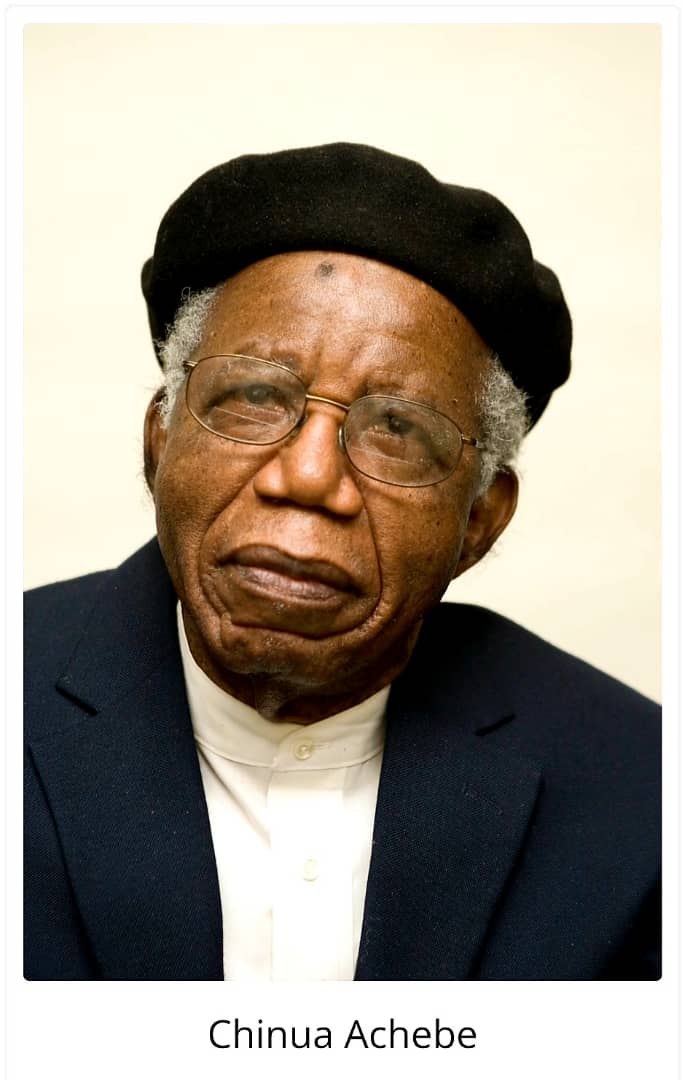
Anambra State and the Achebe prize for literature

By Chuks Iloegbunam

When Governor Willie Obiano instituted the Chinua Achebe Prize for Literature in 2021, his government was showered with encomiums. If anybody’s name deserved a literary prize, it had to be that of the Father of African Literature.

However, the people need assurances that the current Government of Anambra State still shares this sentiment. This is because it is not meeting its commitments and obligations to the continued administration of the literary prize.

The Association of Nigerian Authors (ANA), which administers the annual prize has not been receiving the N1 million prize money from Anambra State. By now, ANA should have called for entries for the 2024 version of the prize. But it has no plans to so act.

“The Anambra Government has not redeemed/funded the prize since last year,” complained an ANA official. “Neither do we have assurance that they will redeem it or continue to fund the prize beyond promises. ANA administers the prize in collaboration with the Anambra Government. We have advised the Government to fund the prize for five years upfront to save ANA the trouble of running around state officials or firing blanks every year.”

This is scandalous.

Not long ago, Governor Chukwuma Charles Soludo named the Anambra Airport at Umueri after Achebe. Consequently, the world visited him with uncommon laudation. For this, it might not be entirely out of place to assume that he does not know how terribly a curious and serious administrative lapse is tarnishing the image of his Aministration. Our people say that the humiliation of a nobleman is more grievous than his assassination.

I advise the fellow or officials responsible for introducing a monkey’s hand in the people’s dish to remove it immediately. Otherwise, I will be left with no option than to let Professor Soludo into this untenable dying of Anambra people’s wholesomeness in the mud of contempt and obloquy.

On the allegation by Chidi Odinkalu that the federal high court under the chief judge has become like private bedroom of Wike

By Simon Chuzu Egede, MON

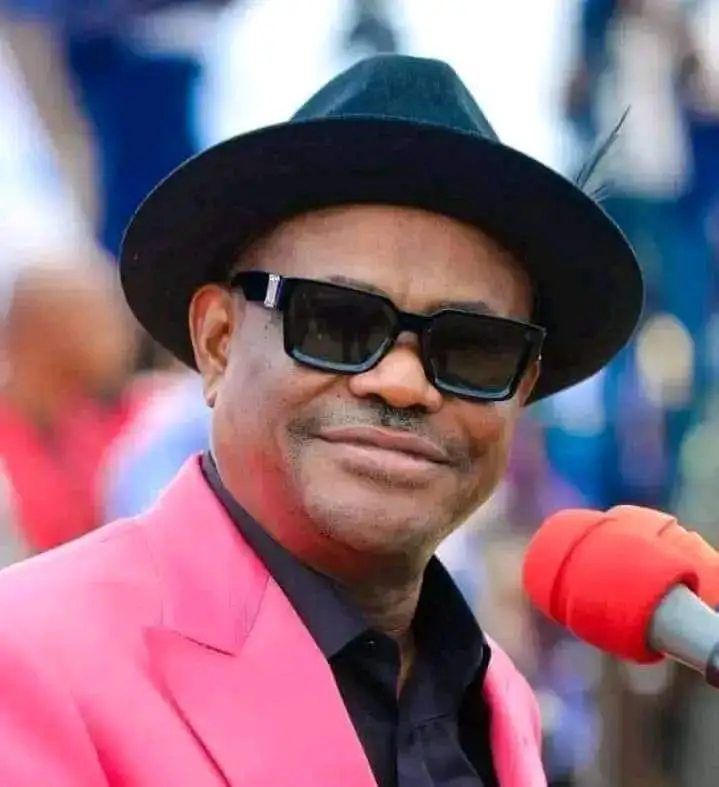
In a recent post on his official X (formerly Twitter) account, Professor Chidi Anselm Odinkalu, a former chairman of the National Human Rights Commission, had insinuated that the Chief Judge of the Federal High Court had become a tool in the hands of the Minister of the Federal Capital Territory, Nyesom Wike, in the on-going political conflict with the latter’s successor, Governor Fubara of Rivers State.

The post by Prof. Odinkalu was in connection with the political crises in Rivers State generated by the 27 assembly member who defected to the All progressives’ Congress (APC), and the litigations which ensued from the actions of the lawmakers which have been widely reported by the media in recent times.

From the tone of the reported post, Prof. Odinkalu concluded that the Chief Judge of the Federal High Court who sits in Abuja had pitched sides with Wike to determine the judicial outcomes of the cases instituted, and currently being heard by judges in Port Harcourt.

Perhaps, Professor Odinkalu is privy to some information he is unwilling to share with the public, who know that being the Chief Judge of the Federal High Court does not thereby amount to undertaking the judicial duties of each and every judge of the Federal High Court spread throughout the country.

It is common knowledge that every judge, including judges of the Federal High Court act independently in the discharge of his/her judicial office without recourse to the chief judge who is merely a primus inter pares in relation to his fellow judicial officers, and therefore lacks the powers to act as lord over them to guide or determine their decisions. The Chief Judge of the Federal High Court only acts in his capacity as the administrative head of that court without being responsible for the day-to-day decisions of the individual judges.

In the case of Rivers State for instance, there is an administrative judge in charge of the Port Harcourt division of the Federal High Court who is responsible for the assignment of cases to judges in the division. Even the administrative judge is himself not responsible for the decisions of any judge in the division, as each act independently and is responsible for his decisions.

With regard to the insinuation of Prof Odinkalu that the Chief Judge has become a tool in the hands of Wike, one would think that such weighty allegations coming from such a respected member of the Bar should have been directed, with the attendant facts, to the appropriate judicial disciplinary body for investigation and sanction. Even if Prof Odinkalu’s has no faith in the disciplinary powers of the judiciary to mete out sanction in deserving cases, nothing stops him from placing the bare and hard facts at the disposal of the public for record purposes, and for the public to judge for itself.

It is disheartening that it has become the trend that judges have become the objects of attack from some persons, including Prof Odinkalu, who sadly ought to know that by virtue of the judicial office that they occupy, judges cannot join issues with individuals in defending themselves in the event of such attacks.

In any case, the view here is that such unfounded allegations by Prof. Odinkalu are unethical and could amount to professional misconduct.

The legal matters in which he is insinuating the bias of the Chief Judge are pending cases awaiting hearing and determination. By the principle of sub judice, it is prudent that Prof. Odinkalu should be very cautious in his statements on those live and sensitive matters without trying to colour the mind of the courts. If he had felt so strongly as to the bias of the Chief Judge or any judge for that matter, the avenue to vent his views is certainly not the social media without himself having not heard from both sides.

For the avoidance of doubt, it is on record that the Chief Judge of the Federal High Court has never assigned or handled any of the cases involving the parties in Rivers State. Indeed, no such matters have been filed in the Abuja division of the Court, nor any ex parte order granted to support either of the parties, especially the so- called ‘pro – Wike faction.’

EGEDE, MON is the immediate past Solicitor General of Benue State and Permanent Secretary, Ministry of Justice, Makurdi.

The king has no friends

By Suyi Ayodele

Marcus Brutus, the villain of William Shakespeare’s epic drama, Julius Caesar, poetically defines the emergence of dictators thus:

…But ‘tis a common proof,

That lowliness is young ambition’s ladder

Whereto the climber-upward turns his face;

But when he once attains the upmost round,

He then unto the ladder turns his back,

Looks in the clouds, scorning the base degrees

By which he did ascend (Julius Caesar, Act II, sc.1)

To Brutus, the lead conspirator in the assassination of Julius Caesar on March 15, 44 BC, dictatorship begins with emotional appeal to the conscience of the masses by a latent oppressor. He cleverly covers his intention with the innocence of a Bishop at a tea party. The dictator gives his ‘last’ meal to the poor, so he seems; and the unsuspecting victims hail him. At another time, he throws the wretched crumbs from his sumptuous meal at the masses, who grab them, munch them with intense rapacity; and praise the ‘geneours donour’ as God-sent!

While preparing the masses for the eventual brutal Golgotha execution, the dictator massages their ego by pretending to be one of them. It is an art and act that only the mean can master; and only the unfeeling can deliver. The net of the oppressor is usually wide, enticing and cooling. The same way the net becomes suffocating when the dictator takes hold of the windpipes of the poor. Funny enough, the masses willingly submit their sovereignty to their oppressors.

The battle cry of the masses to their would-be killer rulers has always been like the ‘Come and reign over us’ line in Keith and Kristyn Getty’s song: “Come Thou Almighty King.” By the time the dictator ‘heeds’ the call, it is always too late for the people to realise that they made a mistake by selling their monkeys, which they accuse of habitual squatting, to buy the dog, which proves to be the greatest squatter of all time!

Brutus’ thesis above, ensconced in poetic lines centuries ago, remains relevant in the Nigeria of the year 2024. No one can take away the truth that every dictator started the journey from the side of the masses. Sad, but true! No dictator in history started as a dictator; ugly but factual! They all started as friends of the people; used the people to climb the ladder of leadership and turned around to be the greatest oppressors of the people. While at the final act, they remain detached and completely isolated from those they went so ‘low’ with on the journey to power. In most cases, as can be found in ancient and contemporary histories, most dictators eliminate those who held the ladder from shifting while ascending to power, immediately the leader consolidates his hold on the levers of authority. Hitler and Napoleon are ready examples here.

If you think you are a friend of the king, you need to think twice. Once on the throne, except in very rare cases, kings become dictatorial. They burn all ladders they used in climbing the throne. Why they are like that, no mortal may know. Not long ago, an older friend (a big professional brother) told me about a nasty experience with one of the First-Class monarchs, who was (is) his friend. My friend, in company with other friends, visited the monarch, who happens to be their college classmate. They all played different roles during the preparation for the monarch’s ascendancy to the throne.

So, when the monarch settled down, the old friends felt that it was proper that they paid him a visit. The first shock they got was that they had to wait for weeks before the appointment to see the monarch was approved. Again, on the appointed date, they were kept waiting in the palace for over five hours. When eventually they got to see the monarch, a professor among them was asked to speak on behalf of the group. That was where the problem started. The Alakowe (academic) started by saying that they were in the palace as “friends of the Oba”.

The monarch would not have that. He cut him short. The Oba told the ‘friend’, with whom he had played football, possibly chased lizards with catapults and did all sorts of things that boys do, that “Oba doesn’t have friends!” He did not stop there. He informed them: “You are all lucky that this is a modern age. If it were to be the old times of our fathers, I would have ordered that your heads be cut off at Ogun shrine!”  The group apologised! The visit ended! The narrator said he would not remember if they were entertained; all that was on his mind, he told me, was how to get out of the palace with his head still hanging on his neck!

I shared this story with another older pal. His response was: “The Oba was right. Obas don’t have friends. In the past, once a man was installed as an Oba, all his age mates would be eliminated; or asked to leave the town.” As I write this, I try to find the nexus between this weird behaviour and the saying of my people that afoba je ni Oba maá ńkókó ñpa (the king kills first, the one who crowns him).

The Nigerian masses are the friends and kingmakers, who crowned Bola Ahmed Tinubu, the President cum Emperor of the Nigerian State in March 2023. Many of the members of the Emilokan clappers club who enthroned Tinubu and made his May 29, 2023, inauguration as President possible, thought that Tinubu was their friend; a very insignificant few did that out of ignorance. It has been one year now that President Tinubu has been in the saddle. The question we are asking the Emilokan apologists, in the street lingo, is: How market? Unfortunately, every Nigerian is paying the price of the 2023 political misadventure!

The pain in the land spares nobody; the agony visits every homestead. We are all paying for what we did not buy, and Tinubu and his cold-hearted handlers are still asking us to pay more with their unending sadistic economic policies. And most unfortunately, while the masses groan, asking God to intervene, the one who rode to power on the high horse of oré mèkúnnù (friend of the masses), keeps throwing crumbs that project his fake love to the people, like he cares for the masses. In the Yoruba political parlance, such is called e wá isé fún won (give them work to do); this is what those in Public Relations and Marketing Communications also call “Talkability” The way of the dictator!

Tinubu, just last week, gave Nigerians two “talkabilities”. The first came in the name of the law that brought back our old National Anthem of Nigeria We Hail Thee. The second is the issue of complete autonomy for the local government system. Ever since the president threw those two issues into the nation’s political firmament; nobody has paid attention to his abysmal failure in power and government in the last one year.

It was so sad that Nigerians got preoccupied with the two issues, especially the old National Anthem, that many people did not remember that President Tinubu marked one year in office as President-do-nothing on May 29, 2024! My concern is not about the old National Anthem; its slavery tendencies (especially when we are virtually all slaves to Tinubu’s misrule); its desirability or otherwise; and those who refused to sing it or find it difficult to learn it. My worry here is the pig-ignorant applause Tinubu promoters are asking us to give to him for initiating the court matter on local government autonomy.

In my engagement with one of the folks hailing Tinubu for the suit as a demonstration of his “love for the masses”, I told him that the appellation of “Tinubu’s pathological hater” notwithstanding, I make no bone about my conviction that there is nothing altruistic in the Federal Government-championed litigation for local government autonomy. It would also not matter if I happened to be the only one with this feeling about the facade going on in the Supreme Court. President Tinubu cannot give what he does not have! That is exactly what he attempts to do with his bojuboju Supreme Court case!

While one would support 100 percent an autonomous local government system, it beats my imagination to discover that someone like President Tinubu; a disguised federalist in a unitary garb, would be the one carrying the placard of that agitation to the Supreme Court; the autonomy that was killed, cremated and the ashes sprinkled in the Atlantic Ocean, while Tinubu held sway as the governor of Lagos State between 1999 and 2007.

Noble as his last week’s suit cum ‘crusade’ may appear to be, it is laden with grievous suspicions that the man who never allowed the local government councils to breathe when he was a governor, is the one asking the Supreme Court to order the same now that he is in Abuja as the president. Tinubu did not only strangulate the local government system while he was governor, he sustained the strangulation even as a godfather of the subsequent governors of the state to the present time. He started the idea of appropriating the allocations of the 20 constitutionally recognised local governments in the state to feed his 37 creatures known as the Local Council Development Authorities (LCDAs).

From the sweepers to the hybrid council chairmen, all players at the local government councils and LCDAs in Lagos State owe their appointments cum elections, retention and continuity to the Godfather himself, Tinubu. It has never been without a cost in every conceivable way, to the occupants of the mushroom chairmanship and councillor positions in that aquatic state. So, what has changed? Why has Tinubu suddenly become the ‘friend’ of the local government councils such that he is in the Supreme Court fighting for their autonomy?  The answer is right here, staring us in our faces. It is all about 2027! He did it in the past and it worked for him.

Nothing would stop President Tinubu from doing it again. And I add this based on his antecedent: if President Tinubu wins the 2027 general election, and with an obsequious Senate President like we have in Godswill Akpabio, Nigerians would one day wake up to discover that President Tinubu had signed the bill amending the tenure of all elected office holders to limitless terms! God forbid, you say? That may sound too pessimistic; but I would not put anything past the Jagaban!

I concede that one thing Tinubu has in excess, and which his opponents in the political terrain keep underestimating to their own peril, is the ability of the man to think outside the box; manoeuvring his ways and tiptoeing among shrubs without missing his steps. Right from his return from the so-called ‘self-imposed’ exile in 1998, the major political venture to which Tinubu has committed his human and material, spiritual and physical resources to, is the Nigerian presidency. He is the real ‘Agba Baller’ in the nation’s political firmament. While the 2023 electioneering lasted, and his opponents were in all United States of America’ courts foraging for evidence of his alleged shady past in terms of forgery and other felonies, they left the man on the streets of Nigeria roaming freely.

By the time they returned to face the electorate, they discovered, to their utter damnation, that the same Bimodal Voter Accreditation Systems (BVAS), that uploaded the results of the National Assembly elections to the INEC result portal, had failed to upload the results for the presidential election. Incidentally, the elections were held at the same time, at the same venues, and the results sorted and inputted into the same machine. While the others were crying wolf all over the place, Tinubu was clinking glasses with his boys in the comfort of his home.

His antecedents as a political tomahawk ready to maul anything on its way, confirms my fear. I tremble each time I remember what became of the Yoruba socio-cultural group, Afenifere, and its political offspring, the Alliance for Democracy (AD), in the hands of Tinubu. Those two noble bodies were annihilated for an all-powerful Tinubu to emerge. Afenifere today is what my people call: kò kú, kò gbáyé (he is neither dead nor alive)!

Here, we are talking of a man who out-witted the old fox himself, General Olusegun Obasanjo, to win a second term as Lagos State governor; when the likes of Chief Segun Osoba (Ogun), the late Adebayo Adefarati (Ondo); Chief Bisi Akande (Osun) and the last sibling of the political quintuplet victims of Obasanjo’s manipulation, Otunba Niyi Adebayo (Ekiti), failed woefully.  Until recently when Baba Akande learnt how to drink his palm wine, quietly, under the tree in his Ila Orangun country home, nobody would believe that he was once a governor-colleague of Tinubu from 1999 to 2003. Whether we like it or not, that is a rich political voyage, the accompanying shenanigans notwithstanding!

So, no one should make any mistakes about the Supreme Court case. As a political puff adder, Tinubu bares his fangs at anything that will threaten his political hegemony. President Tinubu is not asking for full autonomy for the local governments because of the cliche: “to bring development to the grassroots.” No! Tinubu needs a weak and financially impotent 36 states for him to ride roughshod on all his opponents in the 2027 general election. What he aims to achieve with the Supreme Court case is to have pseudo-autonomous 774 LGAs that will be eternally grateful to him for ‘saving’ them from their respective state governors. By the time the Supreme Court grants the relief, the states would have been down financially as they would no longer have access to the local government funds. Nobody should be deceived about the idea of true federalism.

If President Tinubu is indeed a true promoter of true federalism, I dare him to subject the issue of state creation to public debate; I challenge him to approach the Supreme Court to grant financial autonomy, vide resource control, to all the federating states so that no state would have to go to Abuja cap in hand for revenue allocation. Complete state police is another way of entrenching true federalism. Tinubu should ask the Supreme Court to stop him as the president from appointing the Chairman of the Independent National Electoral Commission (INEC); put the funding of the umpire on consolidated budget and allow the Judiciary, through the National Judicial Council (NJC), to appoint justices of the Appeal and Supreme Courts without the input of the president. The list is endless.

Without these, anyone supporting President Tinubu in this his perilous voyage is indirectly feeding our future Napoleon Bonaparte, Adolf Hitler and an all-consuming Frankenstein monster! I will not join the train. As long as President Tinubu is the appointing authority for the Chief Justice of Nigeria (CJN), INEC Chairman, all the Service Chiefs and heads of all para-military bodies as the Immigration, Customs and Prison, his fight for local government autonomy remains a huge joke and a mirage. It is nothing but a distraction from our main pains just like his last week’s voyage to our long-forgotten history of slavery in the name of an old-new National Anthem! Time will tell.

Soludo appoints Odinkalu Pro-Chancellor Odumegwu Ojukwu University

Renowned Professor of Law and ex-Chair of the National Human Rights Commission, Prof. Chidi Odinkalu has been appointed Pro Chancellor/ Chairman of Chukwuemeka Odumegwu Ojukwu University, Igbariam, Anambra State.

The appointment which was announced Tuesday in a press release signed by Christian Aburime, Press Secretary to the Governor governor of Anambra State, Professor Chukwuma Charles Soludo also named Chief (Mrs) Ifeoma Ekwueme, Amb. Bianca Odumegwu Ojukwu and others as members of the University governing council.

Below is full text of the statement.

GOVERNOR SOLUDO APPOINTS GOVERNING COUNCIL FOR CHUKWUEMEKA ODUMEGWU OJUKWU UNIVERSITY

Professor Chukwuma Charles Soludo, CFR, has approved the appointment of a Governing Council for Chukwuemeka Odumegwu Ojukwu University (COOU), Igbariam, Anambra State.

The new Council, assembled with a focus on excellence, integrity and strategic leadership, will provide guidance and oversight for the continued growth and development of the state-owned university.

The members of the new Council include the following:

1) Professor Chidi ODINKALU (Pro-Chancellor/Chairman)

Other members are:

2) Chief (Mrs) Ifeoma EKWUEME

3) Amb. Bianca ODUMEGWU-OJUKWU

4) Chief Christopher NDUBUISI

5) HRH Oranu Chris CHIDUME

Signed,

Christian Aburime
Press Secretary to the Governor

June 4, 2024

[Video] Welcome to Asa, Ogun community where women travel to next-door Benin Republic for water

PUNCH Interview

Asa is a community in Ogun State Nigeria. Its residents are plagued by a perpetual struggle to access potable water.

In an exclusive interview with PUNCH Healthwise, members of the community revealed their dire circumstances, including the absence of boreholes and reliable wells.

This has led to a desperate search for water, with residents forced to fetch contaminated water from nearby streams and rivers or embark on arduous journeys across the border to the Benin Republic in search of clean water.

An investigation by PUNCH Healthwise has uncovered the devastating consequences of this water scarcity, including numerous deaths and health problems suffered by the residents

We also need independent electoral bodies at the federal and state levels — Joy Ezeilo, SAN

  • Congratulates Mexico’s first female president

It is election season worldwide in 2024, with roughly half of the world’s nations and populations having already voted or expected to vote this year.

Notable elections are taking place in Africa (e.g., South Africa), Asia (including India), the Americas (Mexico has already held its election, and the USA is scheduled for November 2024), and Europe (the United Kingdom will have its election in July 2024).

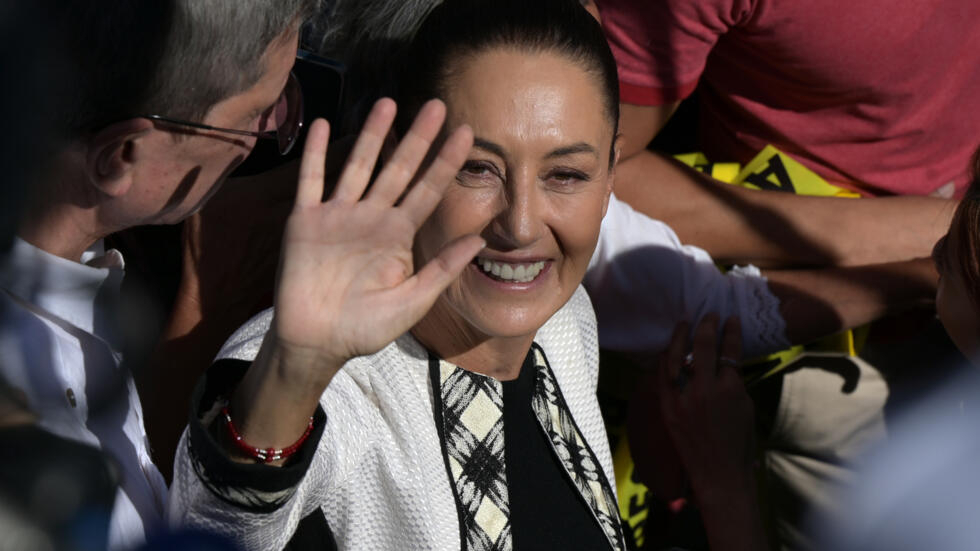
In this year’s harvest of elections, I am excited about the outcome of the recent election in Mexico, with the election of the first female president, Claudia Sheinbaum. She is a 61-year-old former mayor of Mexico City and a climate scientist.

Congratulations to the people of Mexico! We hope she will not be influenced by the outgoing president or anyone else, as the Mexican people have high expectations for her.

When will it be the women’s turn in Nigeria and elsewhere in the West African sub-region? Since Ellen Johnson Sirleaf, the former President of Liberia, shattered the glass ceiling, women in West Africa have been waiting for their opportunity.

When will it be women’s turn? During the just concluded election in South Africa, the ANC lost its majority in parliament, showcasing democracy in action. The South African electorate reduced support for the ANC from 57.5% in 2019 to 40.2%. South African voters showed dissatisfaction with unemployment, inequality, and power outages.

Their votes indicated a rejection of the government and political party (ANC) ‘s indifference to citizens’ needs. I observed as President Cyril Ramaphosa accepted the results and commended the Independent Electoral Commission (IEC) for conducting a free and fair election while calling for unity. I also listened to the impactful speech by the Chairperson of the IEC, which instilled hope about the effectiveness of strong institutions.

Did you notice how the election results were displayed on the electronic board in South Africa? This contrasts to Nigeria, where we tend to announce one local government area result for hours on national television instead of utilizing technology more effectively, especially at the state and national levels collation centres.

There are important lessons for Nigeria’s democracy that must be imbibed. It’s time for Nigerians to embrace democratic values, ensure that our votes are meaningful, and oppose election manipulation, as well as the buying and selling of votes. We also need independent electoral bodies at the federal and state levels. In addition, it’s crucial to focus on inclusion, allowing women, young people, and other marginalized groups to exercise their right to participate in their country’s governance.

TIPS