Home Blog Page 578

NBA Abuja branch swears in new officers Monday

The Nigerian Bar Association (NBA) Abuja, Unity Bar will on Monday swear in its new executive committee members.

A notice shared by Chairman of the Electoral Committee, Moses A. Ebute, SAN reads:

NOTICE OF NBA, ABUJA BRANCH SWEARING IN CEREMONY OF NEW OFFICERS

Dear Esteemed Members,

This is to give you NOTICE that the swearing in ceremony of the new officers of Nigerian Bar Association, Abuja Branch (Unity Bar), will hold as follows:

DATE : Monday 10-06-2024
TIME : 04:00 PM (West Central African)
VENUE : Hybrid (Physical and Virtual)
Physical – Auditorium, NBA National Secretariat, Central Business District, Abuja

Virtual Link: https://us06web.zoom.us/j/86451137099?pwd=a3NKNkhNeCsxV0JqQlhmLytQSVNLdz09
Meeting ID: 864 5113 7099
Passcode: ABUJANBA

HOST : Branch Election Committee

Thank you.
Yours faithfully,

Moses A. Ebute, SAN
Chairman

Intimate Affairs: My wife can’t wear push-up bra

By Funke Egbemode

A younger friend of mine gave me a ride the other day and I learnt a lot from the experience. Trust Lagos traffic jam to show up like an unwanted pregnancy all the time. We had only had about seven minutes smooth drive when we found ourselves at a minor accident scene. A young lady and a man were having a shouting match right in the middle of the road. The man had ‘brushed’ her car while impatiently trying to move from one lane to the other. Lagos drivers, by some logic, have all concluded that not all lanes will take them home. So, they move from one lane to another per minute until they get into trouble. Like this gentleman and his Lexus car. 

The young lady was really angry, throwing her arms round and speaking real ‘fone.’ She must have lived abroad for a while.

Somehow, I noticed that while I was angry and hissing about the inconsiderate attitude of both the offender and the offended right in the middle of Mobolaji Bank-Anthony Way, my friend had a smile and sneer on his face. Then he blurted his lustful thought in ‘Waffi tone’ – “Come, see as this girl set. See wetin she pack for front and back.”

I didn’t know whether to laugh or smack the sneer off his face.

“Really? We are stuck in traffic not knowing when these two selfish people will end their drama, and all you can see is a woman’s curves!”

“Aunty, we are already stuck, I’m just making the best of a bad situation.”

“Guy, you are not okay o. When did you become this unserious being?”

“I’m serious too many hours of the day and you know what they say about all work and no play? Let me just enjoy what’s in front of me.” He was laughing now. 

“Sorry o Aunty, how are you women able to breathe when you wear the kind of bra this woman is wearing? Look at how she packed her body.”

“Well, there’s something called body shaper, push-up bra, corset waist trainer. Doesn’t your wife wear them too?”

Both husband and wife are like my little brother and sister.

Bobo told me he didn’t know. How can a man not know if his wife wears or doesn’t wear body shaper? I didn’t understand. 

“You want me to ask Mobola myself? You know I will?”

Then he confessed. 

“Let me tell you the truth, I don’t like her wearing those things. I don’t like other men ogling her. She’s my own. So I do not encourage her to wear those hard things.”

“But you were ogling another man’s property just now,” I pointed out, still trying to process how the mind of my friend works. But didn’t the Bible establish it that the heart of man is desperately wicked, no one can know it? I guess that was an instance. 

Seriously, men are like tough puzzles when it comes to the women in their lives. See my friend here, he wants his wife to let all of her ‘stuff’ hang natural and loose but he drools when he sees women wearing corsets and half-cups. Doesn’t he know that what’s hanging unpacked is more accessible and naturally attractive to some men? I have heard colleagues in the newsroom say curious things about full-breasted women.

“Who needs a pillow when you have those big things in your bed? Me I prefer to rest ‘in between’ them. You should try it sometime. There’s no better anti-stress therapy.”

And this:

“The baby and I won’t have a serious quarrel when Mama is that endowed. The baby grabs one. I grab the other.”

Look, that your wife is not packing and cinching guarantees nothing. There are men who love them unpacked. They like the fact they don’t have to imagine what’s behind the masquerade masks. All they have to do is get to work if they really want to ‘work your wife’. 

I’m not trying to make men feel bad, just reminding them of the taste of their own medicine.

Men like varieties, right? They insist variety is the spice of life. Good, I agree with them. But when men steal, they steal from other men, yes? We poor women just get caught in the middle. So dearie, enjoy what the good Lord has given you. (If you asked her of the Lord, that is). Stop the double face, like what you like and stop pretending. How did you intend to stop other men from leering when you leer too? Stop making rules that make your woman uncomfortable and less of herself. Stop making yourself miserable by imagining nonexistent monster in every corner. 

If you say she shouldn’t wear makeup because it’s ungodly. Oga, are you sure that’s the only reason your wife should not use a little foundation and brown powder or you are scared to death it will make her more attractive to other men? Poor you. Do you know how many men out there are exactly like you? Yeah, they also love makeup-less face. So, if you are so possessive you can’t see that, there is not much we can do to help you but pray for your deliverance from the spirit of whatever .

Years ago, I met a guy who I thought was one of the most sophisticated dudes I’d met. He spoke with a British accent because his parents went to the United Kingdom when he was only five. Great job, power dresser and well above-average income but I was shocked when out of the blue he told me he liked women who wore their hair natural and wove them. My jaw dropped right on the floor. Twenty years abroad and he wanted an all back weave and “Shuku” (Yoruba woven ponytail). Oyinbo guy? Imagine. Could that not be the reason why men after paying for expensive Brazilian and bone-straight wigs want their women in bed with the all back weave Wig off? They want unfettered access to the scalps of their women. They want to run their fingers up and down her head. We all understand what I’m talking about and the extra kick it gives men.

If a man, so invested in this possessive nature, concludes that because he doesn’t want another man to look at his wife, she should keep her hair virgin, what will he do with men who share his taste for ‘shuku ologede’ (the special Yoruba woven ponytail)? A thief is always suspicious of his fellow thieves. That is the problem, and the fact that an executioner doesn’t want anyone swinging a sword even playfully around his head.

If you love your woman, don’t cage her because you are a thief wary of fellow thieves. The consequences are never nice. The caged woman is always looking for a way out of her cage, and if and when she does find it, you can’t put the leash back on her or a new lid on the cage. Once she’s the one who releases herself, she’s like spilled wine. Done and gone.

Summary of today’s sermon. You need not cut your nose to spite your face. Don’t abbreviate your our own pleasure by hiding your wife’s curves. If you are not a thief, what are you afraid of? Trust her, trust yourself. Enjoy your things.

Egbemode can be reached on [email protected].

When will NASS members slash their salaries and allowances?

By Lillian Okenwa

The Nigerian Labour Union NLC has been accused of an attempt to cripple the nation following recent nationwide strike and their insistence that Nigerian workers could no longer earn slave wages.

In a joint statement posted on the X handle of the organised labour and signed by Joe Ajaero, President of Nigeria Labour Congress (NLC) and Festus Osifo, President of the Trade Union Congress TUC, the Unions said:

“While remuneration of public office holders in Nigeria are calculated at parity or even above the wages of their contemporaries outside the country including those of developed economies, Nigerian workers are regaled with tales of government’s inability to pay decent and living wages to workers who are the one who produce the wealth that they squander. This is tragic!

“In the face of galloping inflation marked by unprecedented food inflation of 40% and general inflation of 33% (government sources), there is no gainsaying the fact that Nigerians especially workers are currently living just on the edge…”

Meanwhile, an  advocacy group, Patriotic Volunteers for Good Governance, has called on the National Assembly members to take a pay cut that will reflect the present economic realities. This is even as the House of Representatives has told NLC to stop divulging information about the earnings of members of the National Assembly to the public.

In 2023, members of the House of Representatives demanded an upward review of their salaries and allowances, following the removal of fuel subsidy.

Describing President Bola Tinubu’s appeal to the organised labour as “An Effort in Dishonesty”, an X user Godswill Nwankwo further remarked that: “The administration’s reluctance to provide a living wage for Nigerians is not only a testament to its dishonesty but also a glaring example of its indifference to the plight of the average Nigerian worker….

“The monthly earnings of Nigerian senators are a testament to the gross inequities perpetuated by the Tinubu administration… [S]enators receive an amount that is staggeringly high and inconsiderate given the economic conditions and inflation that workers struggle with daily….

PUNCH in its Editorial of Friday, June 07, 2024 adds: “The distasteful revelations that the National Assembly padded the 2024 federal budget by N3 trillion and awarded over N500 million contracts to members under the opaque and corruption-ridden constituency projects marks another nadir in the looting of the public treasury….

“BudgIT, a civic-tech non-profit organisation, said the NASS inserted 7,447 constituency projects worth N2.24 trillion in the 2024 budget. The organisation said most of the projects have “no national significance but narrowed to personal interests.”

Moreover, Senator Ali Ndume who got suspended by the Senate for revealing too much abour their earnings admitted that 10 leaders in the chamber, including himself, got more than the usual ₦200 million constituency project fund allocated to each senator. Likewise, Senator Ned Nwoko admitted in an interview on Saturday, March 16, 2024 that he got close to ₦1 billion for constituency projects because he relied on his “weight and contacts.”

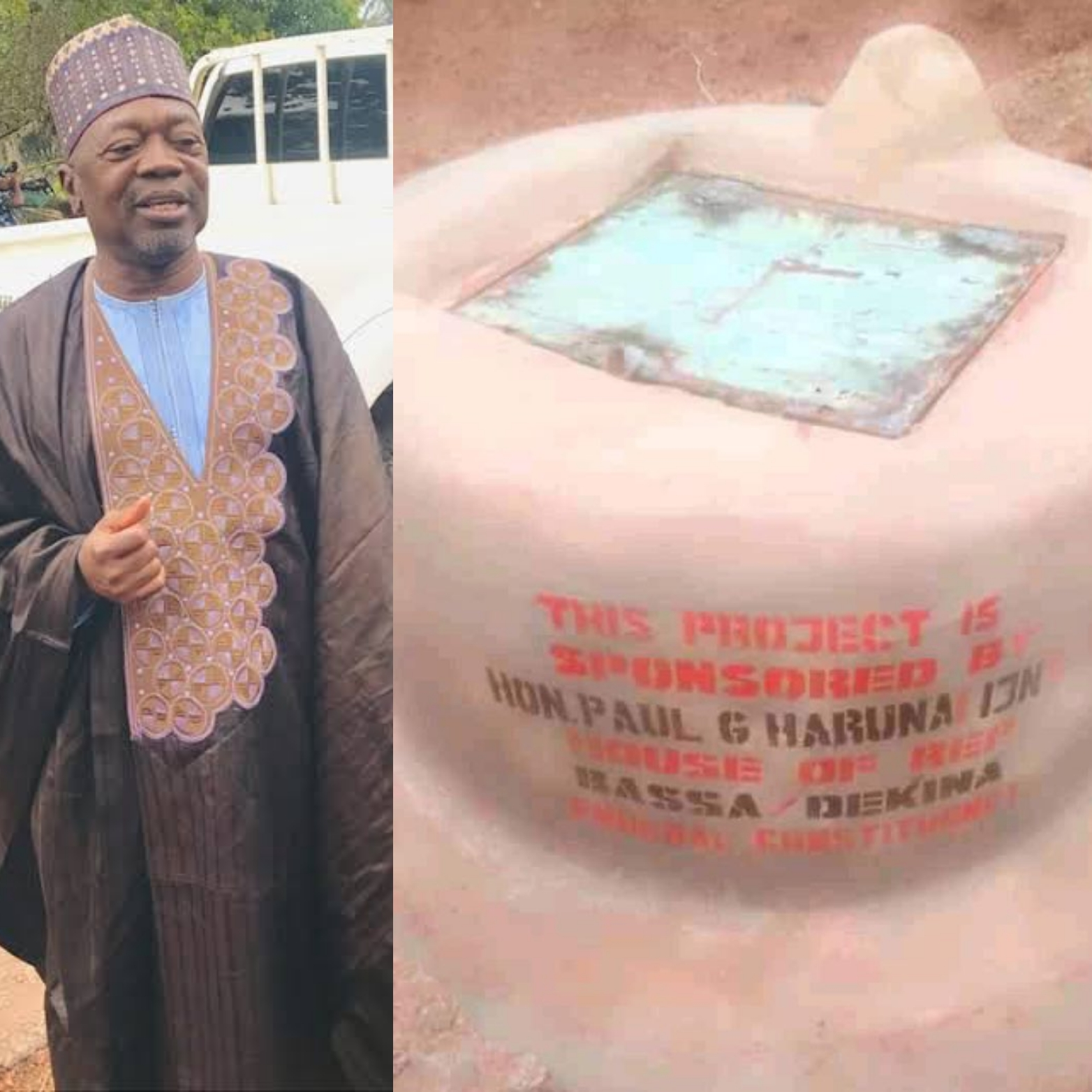
Sadly, most of these constituency projects are as bewildering as they are ridiculous. A member representing Bassa/Dekina Federal constituency in the 10th National Assembly, Paul Gowon Haruna, has just built a traditional well for members of his constituency. Haruna, a member of the ruling All Progressives Congress and also a former member of the Kogi State House of Assembly, donated the well as his constituency project.

Paul Gowon Haruna

Umar Muda Lawal did better. In July 2021 while representing Toro Federal Constituency of Bauchi State he donated 10 deep wells( not boreholes) to his constituents and announced it on his Twitter page (now X):

‘This time we are going outside the box to construct 10 deep wells in 10 rural towns and villages of Toro LGA. Because traditional wells are often more reliable and last longer than any modern small-scale water supply system, Most wells today are centuries old and still working.”

Senator Rufai Sani Hanga  openly and proudly donated burial materials to his constituents. These items were made up of white fabrics and clay pots used for burial in his place. This is equivalent to distributing caskets to constituents but according to him, it is in response to frequent requests for burial assistance by his people.

Senator Hanga

According to the Senator: “Before I became a senator, many people knew me with the gesture; when I became senator, some groups came requesting that I should purchase materials for them to maintain their graveyards. And I decided to spread the gesture to all the 15 Local Government Areas of my constituency.”

Daniel Ukpera

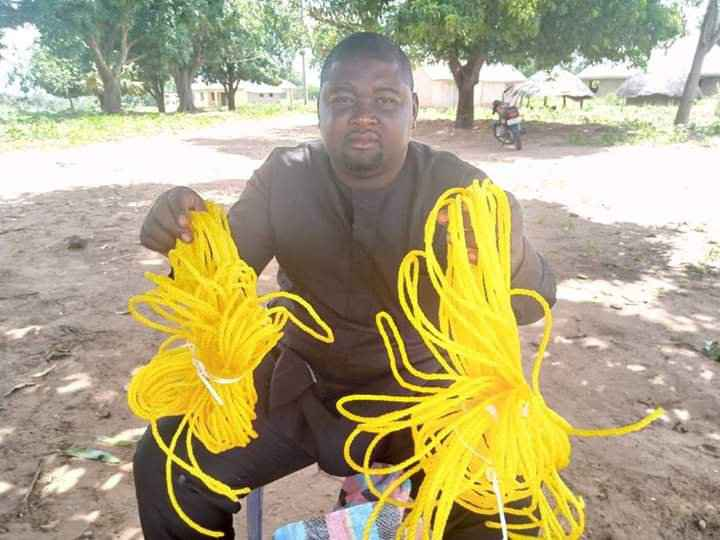
 Daniel Ukpera, a Benue politician, donated ropes to ‘his people’, with which to tie their goats. He did not provide the goats; just the ropes for the goats!

Maigari Bello-Kasimu, representing Jalingo/Yorro/Zing federal constituency in Taraba State, upped the ante by donating wheelbarrows to the poor, who had hitherto hired these one-wheel vehicles on a daily basis.

In August 2021, Hon. Evangelist Margaret Inde, the Chairman of Obanliku Local Government Area of Cross River State, empowered pilot farmers each with a hoe, cutlass, and one tuber of yam. Just one tuber of yam.

On July 9, 2021, Senator Oriolowo of Osun West in the 9th Assembly unveiled an Airtel mast at Ago-Owu Farm Settlement as a constituency project, saying it exemplified APC fidelity with promises. Airtel might be contemplating an action for conversion.

Nigerian senators are considered some of the highest paid lawmakers across the world, but this is only possible when you consider all the perks they have access to that are secret from the public and not under the oversight of the Revenue Mobilsation Allocation and Fiscal Commission (RMAFC.) the agency that decides the salaries and allowances of public officials.

Total₦12,766,320₦1,063,860.01
Basic salary₦2,026,400₦168,866.70
Motor Vehicle fuelling and maintenance₦1,519,800₦126,650
Personal Assistant₦506,600₦42,216.66
Domestic staff₦1,519,800₦126,650
Entertainment₦607,920₦50,660
Utilities₦607,920₦50,660
Newspapers/Periodicals₦303,960₦25,330
Wardrobe₦506,600₦42,216.66
House Mainatenance₦101,320₦8,443.33
Constituency₦5,066,000₦422,166.66

It doesn’t end there.

Other AllowancesAnnual Value
Accomodation₦4,052,800
Furniture₦6,079,200
Duty tour allowance₦37,000 (per night)
Estacode$950 (per night)
Recess₦202,640
Severance gratuity₦6,079,200 (after successful completion of tenure)
Motor vehicle loan (optional)₦8,105,600 (to be repaid before expiration of tenure)

The RMAFC last reviewed the remuneration package in 2007 and the agency’s attempt to increase the package by 114% last year was cancelled following a public outcry.

Lessons from Indian elections — New York Times


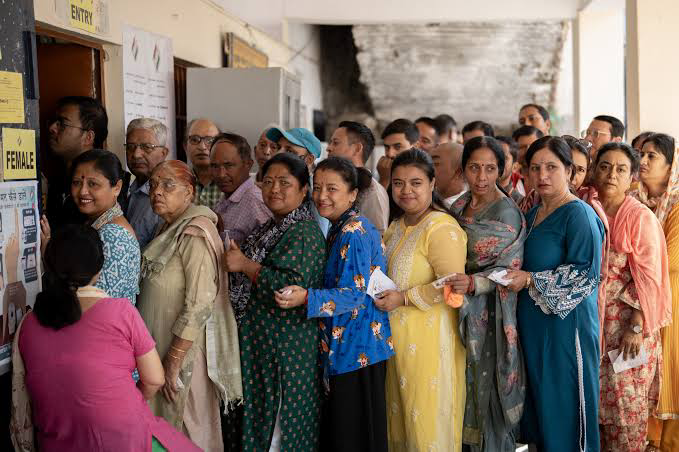
It is truly the greatest show on Earth, an ode to a diverse & democratic ethos, where 700 million + of humanity vote, providing their small part in directing their ancient civilization into the future.
It is no less impressive when done in a neighborhood which includes de-stabilizing & violent Pakistan, China, and Burma.
It’s challenges are immense, more so probably than anywhere else, particularly in development & fending off terrorism — but considering these challenges & its neighbors, it is even more astounding that the most diverse nation on Earth, with hundreds of languages, all religions & cultures, is not only surviving, but thriving.

The nation: where Hinduism, Buddhism, Jainism & Sikhism were born, which is the second largest Muslim nation on Earth;
where Christianity has existed for 2000 years;
where the oldest Jewish synagogues & Jewish communities have resided since the Romans burnt their 2nd temple;
where the Dalai Lama & the Tibetan government in exile reside; where the Zoroastrians from Persia have thrived since being thrown out of their ancient homeland;

where Armenians, Syrians & many others have come to live; where the Paris-based OECD said was the largest economy on Earth for 1500 of the last 2000 years, including the 2nd largest, only 200 years ago;
where 3 Muslim Presidents have been elected; where a Sikh was Prime Minister & the head of the ruling party a Catholic Italian woman,
where the past President was also a woman, succeeding a Muslim President who as a rocket scientist is a hero in the nation;
where a booming economy is lifting 40 million out of poverty each year & is expected to have the majority of its population in the middle class already, equal to the entire US population, by 2025;
where its optimism & vibrancy is manifested in its movies, arts, economic growth & voting, despite all the incredible challenges & hardships;
where all the great powers are vying for influence, as it itself finds its place in the world.
Where all of this is happening, is India and as greater than 1/10th of humanity gets ready to vote, it is an inspiration to the entire World.
— V Mitchell, New York, NY

Current economic situation in Nigeria fueling human trafficking — Ezeilo, SAN

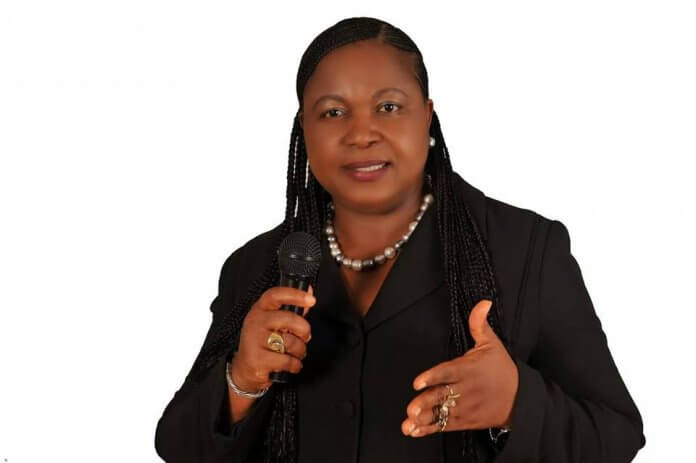
By Joy Ezeilo, SAN

Watching the trending video of young Nigerian girls, mainly from Imo state, trafficked for forced prostitution to neighbouring Ghana is a stark reminder of the pervasive and cross-border issue of human trafficking or trafficking in persons (TiP).

In Africa, one in every four trafficked persons is Nigerian, making the country the most affected by trafficking. This issue remains prevalent in all 36 states and the Federal Capital Territory, Abuja. The Edo state was once considered the epicenter of trafficking in persons (TiP), but that is no longer the case. Nigerian women, children, and men are vulnerable to transnational or cross-border human trafficking, primarily to Europe and Africa, as well as to other parts of the world, including Asia and the Americas. Human trafficking knows no borders.

During my time as the United Nations Special Rapporteur on Trafficking in Persons, Especially Women and Children, from 2008 to 2014, I encountered Nigerians who were trafficked or living as irregular migrants in nearly 100 countries I visited as part of my global assignment. The main reasons for this trend include increasing poverty, unemployment, inequality, gender-based violence, lack of access to education, ignorance, conflicts, and displacement. The most widespread form of human trafficking is sexual exploitation, accounting for 79% of cases, with girls being the most common victims of sexual exploitation.

The current economic situation in Nigeria is fueling human trafficking, migrant smuggling, and unsafe migration, including the “Japa” syndrome.

I strongly urge the government at all levels to implement urgent measures to address the root causes, particularly to reduce the vulnerabilities of young girls. Establishing early warning mechanisms is important to identify when girls disappear from school, fail to enroll in school,  or live outside of family care.

Additionally, we need to address unsuitable working environments that increase the vulnerability of women and children to trafficking. This includes situations where girls work as waitresses in restaurants, hotels, and brothels while still under 18 years of age or when they work as apprentices in specific high-risk jobs and environments.

End human trafficking and unsafe migration now. Stop the impunity of traffickers through effective prosecution and punishment. Join NAPTIP and other actors, including WACOL, to eradicate human trafficking and unsafe migration in Nigeria.

Prof Joy Ngozi Ezeilo SAN OON

Balancing academics with fashion design, I managed to achieve a 5.0 GPA in six out of eight semesters — LASU’s best graduating student

  • How Olaniyi the wood seller’s son became LASU’s no.1 student
  • Gets ₦10m from Gov. Sanwo-Olu

“Successful people are not gifted; they just work hard, then succeed on purpose.” —G.K. Nielson

“Success isn’t always about greatness. It’s about consistency. Consistent hard work leads to success. Greatness will come.” —Dwayne Johnson

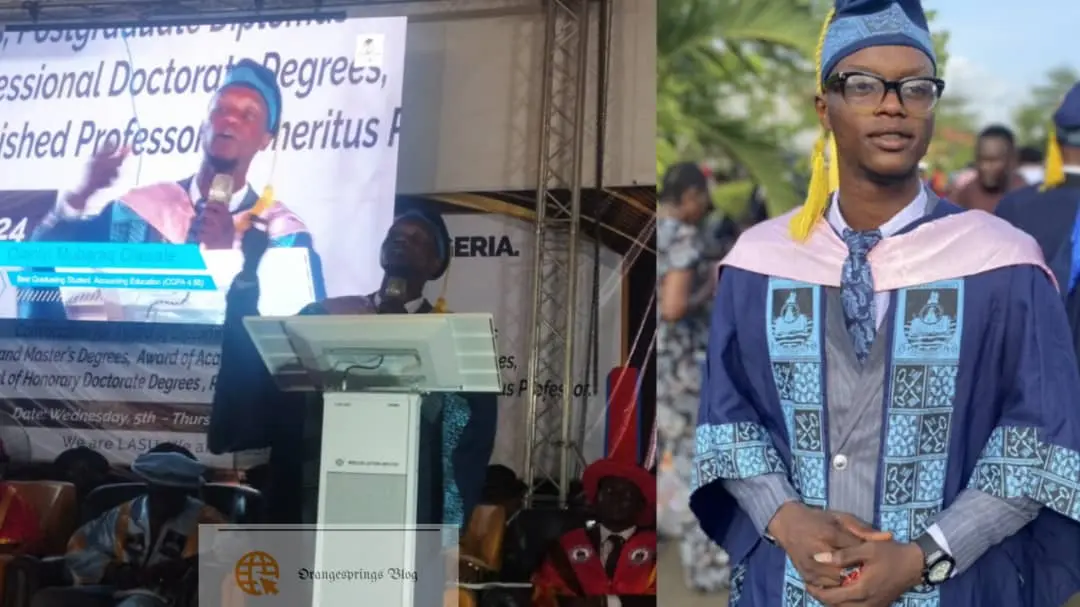
    Aside from the pride and joy of being the best Graduating Student with a CGPA of 4.98 from the department of Accounting Education, Faculty of Education, Lagos State University, LASU, Mubaraq Olawale Olaniyi received an added boost by Lagos state Governor Babajide Sanwo-Olu’s N10 million naira gift.

    The son of a wood seller, Olaniyi whose mother died while he was growing up said despite his humble background, he did not allow the challenges of life to distract him from pursuing excellence.

    Delivering his valedictory speech on Wednesday 5 June 2024, Olaniyi said: “It is with great humility that I address you today as the son of a wood seller father and a late mother, who has defied expectations to emerge from a faculty wrongly adjudged as an asylum for students with low intellectual quotient and for students gifted with courses different from their desires.

    “Mubaraq Olawale OLANIYI is my name. The Best Graduating Student, Lagos State University, 2022/2023 Academic session. Without mincing words, I state categorically that I am neither a low IQ student, nor given the course different from my desire. I chose Accounting Education.


    “Today, I got to know the huge difference between dreams and DREAMS. The semantic meaning of Walt Disney’s quote: “If you can dream it, you can achieve it”, turned out to be true. In part, my standing here today is the result of personal aspirations, brought into animation by the inspiration gotten from the previous LASU’s Best Graduating Students whose legacies are replicable. But before I proceed:


    “The visitor to Lagos State University; His Excellency, Mr. Babajide Olusola Sanwo-Olu, Governor of Lagos State. The Pro-Chancellor and Chairman of the 12th Governing Council of Lagos State University, Sir David Sunmonu. The Chancellor, Professor Gbolahan Elias, SAN. The Vice Chancellor, Professor Ibiyemi Ibilola Olatunji-Bello, mni, NPOM.

    “The Deputy Vice-Chancellor Administration, Deputy Vice-Chancellor Academics, Registrar, Bursar and the Librarian. Deans, Directors, Heads of Department, distinguished guests, ladies and gentlemen.


    “Dear Fellow Graduands, allow me to be the 304th person to congratulate you on this great achievement. Despite the challenges, we have reached the end of our journey at LASU. Four years here is truly remarkable! We’ve all worked hard to be here today.

    “Remember, grades do not define us—our critical thinking abilities and skills are what define us. Our certificate is like a receipt, and our capabilities are the products. A receipt is worthless if the product is not valuable. I am however strengthened by the realization that Lagos State University has equipped us with the right skills and values to excel in the world of work.


    “Achieving only two Bs during my time at LASU wasn’t easy. While balancing academics with my work in fashion design, I managed to achieve a 5.0 GPA in six out of eight semesters. This reminds me of my favorite quote by Colin Powell: “There are no secrets to success. It is the result of preparation, hard work, and learning from failure.”

    “My position as this year’s BGS results from the choices I made in previous years. Determination, hard work, consistency, good associations, mentorship, and prayers brought me here. I wasn’t just an A student; I participated in various activities, joined impact-focused organizations, served humanity, volunteered, and held leadership roles.

    “One notable role was as General Coordinator and Project Lead of the Excel Minds Academic Group at Lagos State University, where we have positively impacted over 15,000 members.


    “I am acquainted with what the future holds. I am not oblivious to the fact that there is a great disparity between higher institutions and the corporate world. But we believe that the Lagos State University has adequately invigorated us conceptually, technically, human relations-wise, and character-wise to confront, change, adapt, and contribute to the dynamic nature of the world. On behalf of my colleagues, I assure university stakeholders that we will always represent the university well.


    “I want to acknowledge those who have been instrumental in my journey. To my late mother, Mrs. Ganiyat Olaniyi—may she rest in peace—and my father, Mr. Semiu Olaniyi, who took on both parental roles. My supportive siblings: Qudus, Ganiu, Quadri, Sauban, and Widaad Olaniyi, and my stepmom, Mrs. Kafayat Olaniyi.

    “A special thank you to the Lagos State University administration, especially Vice Chancellor Professor Ibiyemi Ibilola Olatunji-Bello, for fostering an environment of academic excellence and self-development. I also extend my gratitude to the Dean of my faculty, Professor S.O. Makinde; the head, Department of Educational Management, Professor J.P. Gbenu; and the Department of Accounting under Professor Abolarinwa.

    “While avoiding the unavoidable quagmire attached to names mentioning, I want to say a big thank you to all my lecturers, mentors, friends, family, members of Excel Minds and ‘The Royal Elite,’ I express my deepest thanks. Finally, I appreciate the entire LASU academic and non-academic staff for their immeasurable impact on my life. Thank you all.


    “As I wrap up, I want to commend the efforts of the Lagos State government in our citadel of learning. I believe I speak for everyone when I say the visitor, Mr. Babajide Sanwo-Olu has really done well. Thank you so much for all you did, all you’re doing and the ones you’ll still do. We hope to see Lagos State University realize its near objective of being crowned the best University in West Africa.

    “I must acknowledge my roots and home State, Osun State. I am optimistic that my accomplishments here at LASU will ignite a fire of ambition in the hearts of young people across Osun. I commend the Osun State government for their tireless efforts in developing education and empowering future leaders. Together, let’s continue to shape a brighter future for our youth.


    “To my fellow graduands, it is crucial to understand that dreams are vital—they are fleeting, ephemeral, and beautiful. However, dreams alone do not materialise simply because we envision them. It is through hard work and resilience that we turn our dreams into reality. I hope and pray that as we step out of Lagos State University today, we’ll continue to make accomplishments.

    “Ladies and gentlemen, remember that obstacles and problems cannot stop you. Most importantly, other people cannot stop you. Only you have the power to stop yourself. If you are good, strive to be better. Remember that hard work surpasses talent when talent fails to work hard.”


    Tribunal orders Multichoice to give a month free subscription to customers, awards N150m fine for contempt

    The Competition and Consumer Protection Tribunal, CCPT, sitting in Abuja, on Friday, awarded a fine of N150 million against MultiChoice Nigeria Limited for disrespecting its jurisdiction by flouting its order.

    The tribunal, in a unanimous decision by its three-member panel, equally ordered MultiChoice to provide Nigerians with a one-month free subscription on its DSTV and GOTV services.

    The Saratu Shafii-led tribunal made the orders following an ex-parte motion that was filed on behalf of MultiChoice subscribers by a legal practitioner, Mr Festus Onifade.

    The tribunal subsequently fixed July 3 to hear the substantive action that was instituted against the company.

    It will be recalled that the panel had on April 29, restrained MultiChoice Nigeria Limited from going ahead with its plans to increase tariffs and cost of its products and services, on May 1.

    Onifade had approached the tribunal, alleging that an eighth-day notice the respondent gave before hiking prices of its services, was grossly inadequate.

    He contended that the tribunal had in its previous rulings, stressed that at least one month notice must be given to subscribers before such increase in prices of both DSTV and GOTV services could be effected.

    Specifically, the Applicant, in the motion that was moved by his counsel, Ejiro Awaritoma, applied for, “an order of interim injunction of this honourable tribunal restraining the 1st defendant whether by themselves, her privies, assigns by whatsoever name called from going ahead with impending price increase schedule to take effect from 1st May, 2024, pending the hearing and determination of the motion on notice.”

    As well as, “An order restraining the 1st defendant from taking any step(s) that may negatively affect the rights of the claimant and other consumers in respect of the suit pending the hearing and determination of the Motion on Notice.”

    Cited as defendants in the suit marked: CCPT/OP/2/2024, were MultiChoice Nigeria Ltd and Federal Competition and Consumer Protection Commission, FCCPC.

    In its ruling, the tribunal granted the interim orders as prayed.

    The tribunal restrained Multi-Choice from proceeding with its scheduled price increase, pending the hearing and determination of the motion on notice filed before it.

    It held: “The 1st defendant is hereby restrained from taking any step(s) that may negatively affect the rights of the claimant and other consumers in respect of the suit pending the hearing and determination of the motion on notice.”

    However, despite the restraining order, MultiChoice proceeded with its planned tariff hike, even as it challenged the jurisdiction of the tribunal to issue the interim orders against it.

    Other members of the panel that awarded the fine against MultiChoice on Friday for flouting the interim order, were, Thomas Okosun and Dr. Umar Duhu.

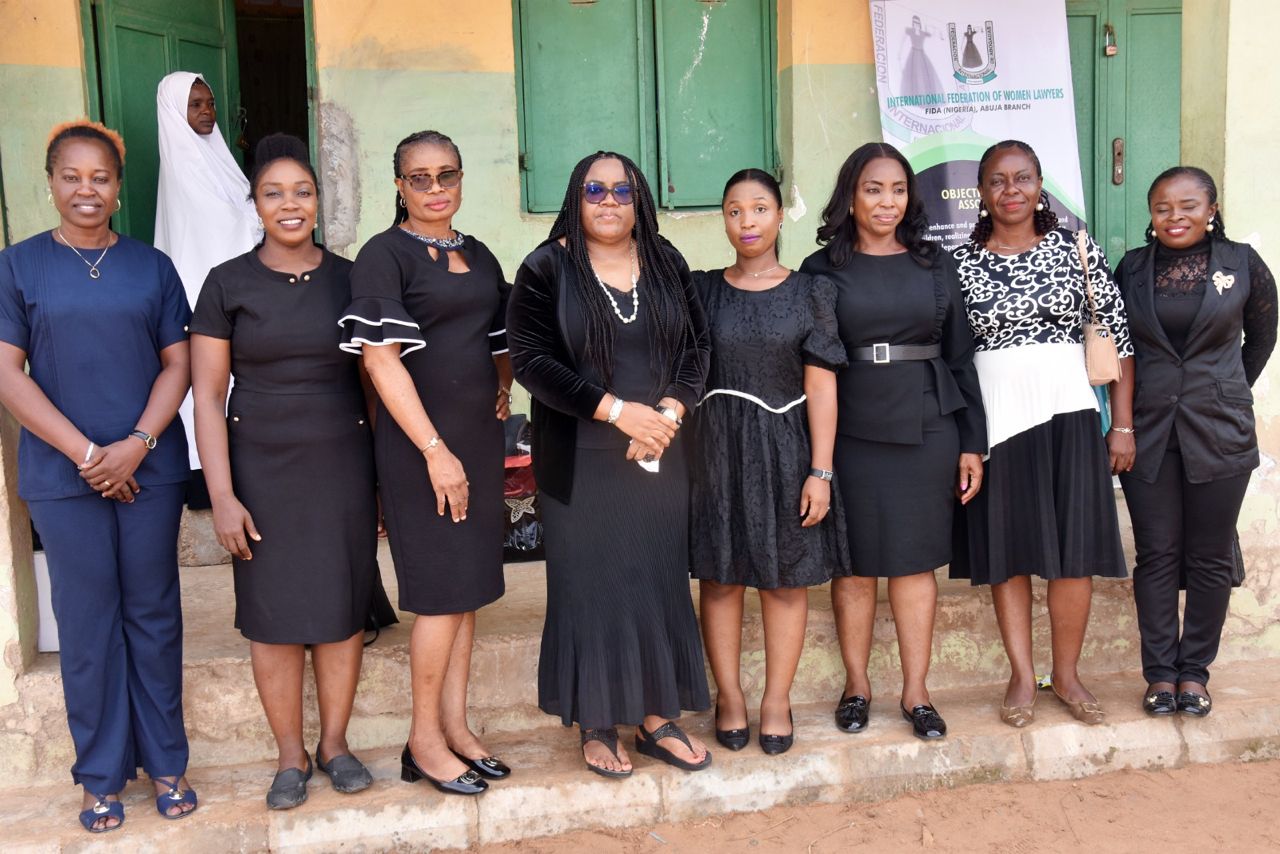
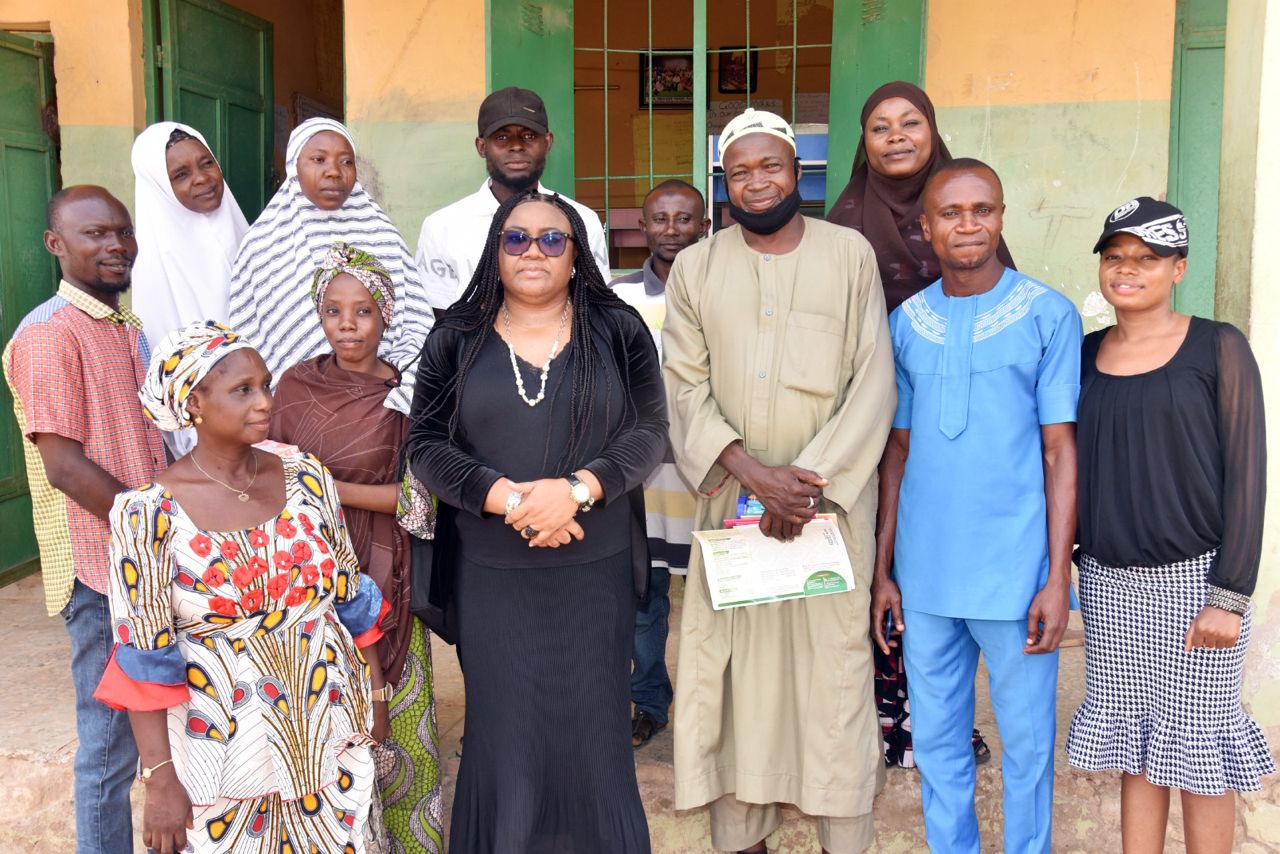
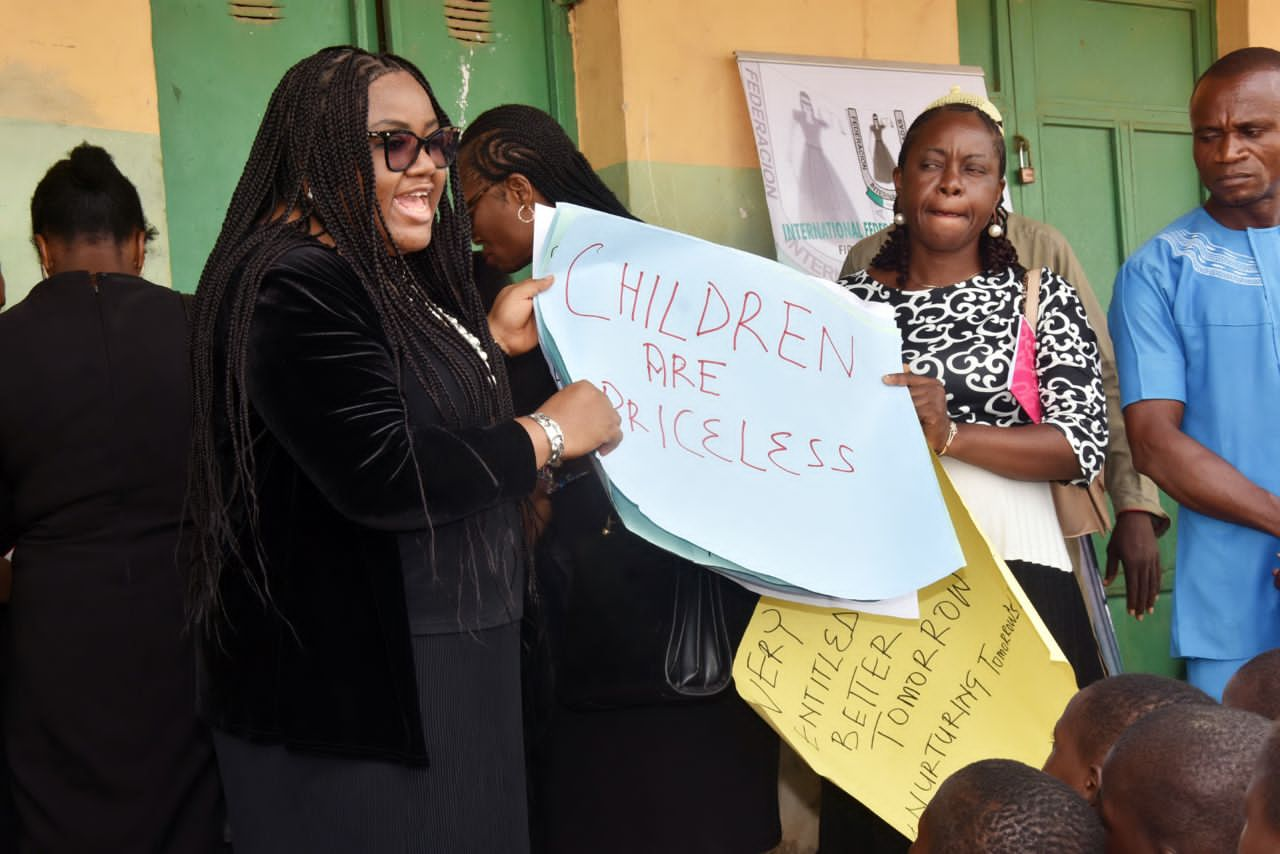
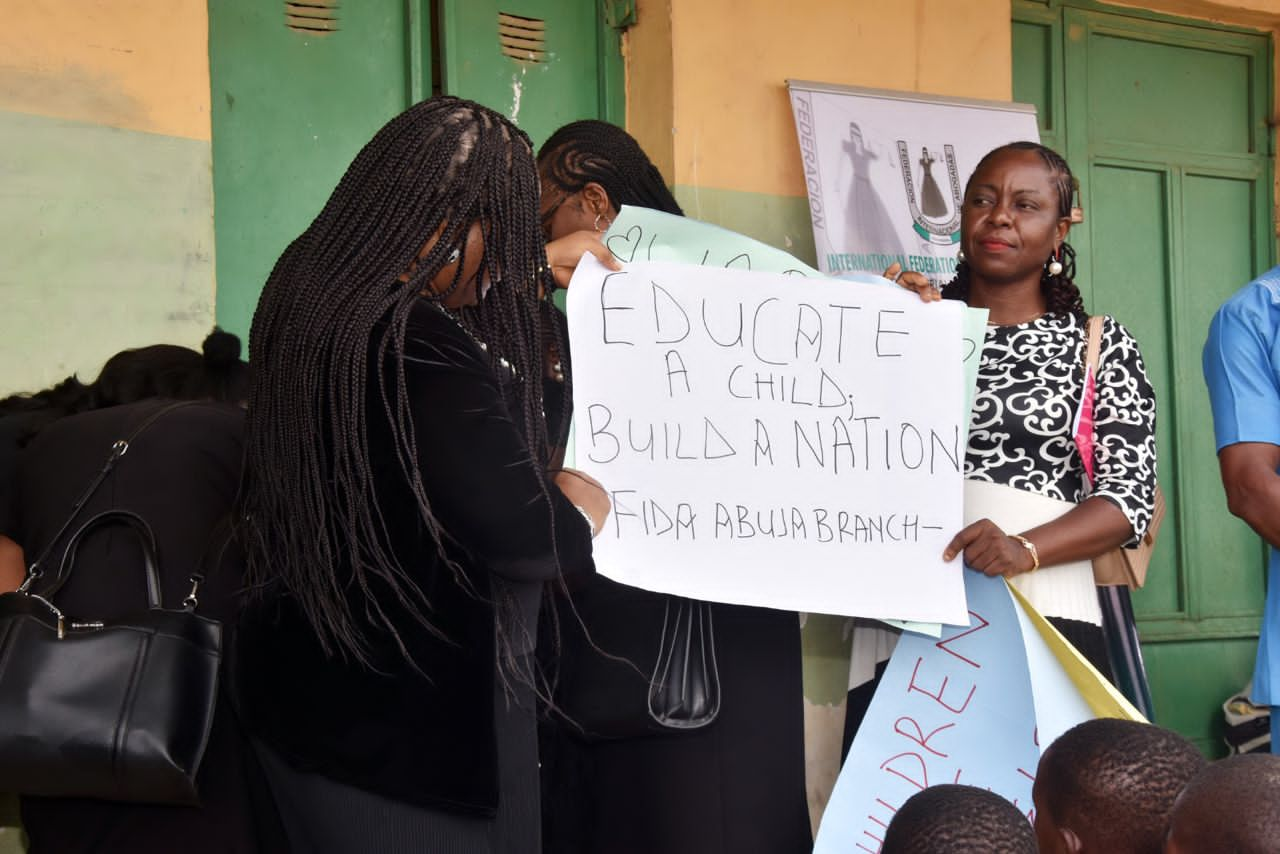
    FIDA Abuja celebrates Children’s day with pupils of LEA Primary School Gwagwa

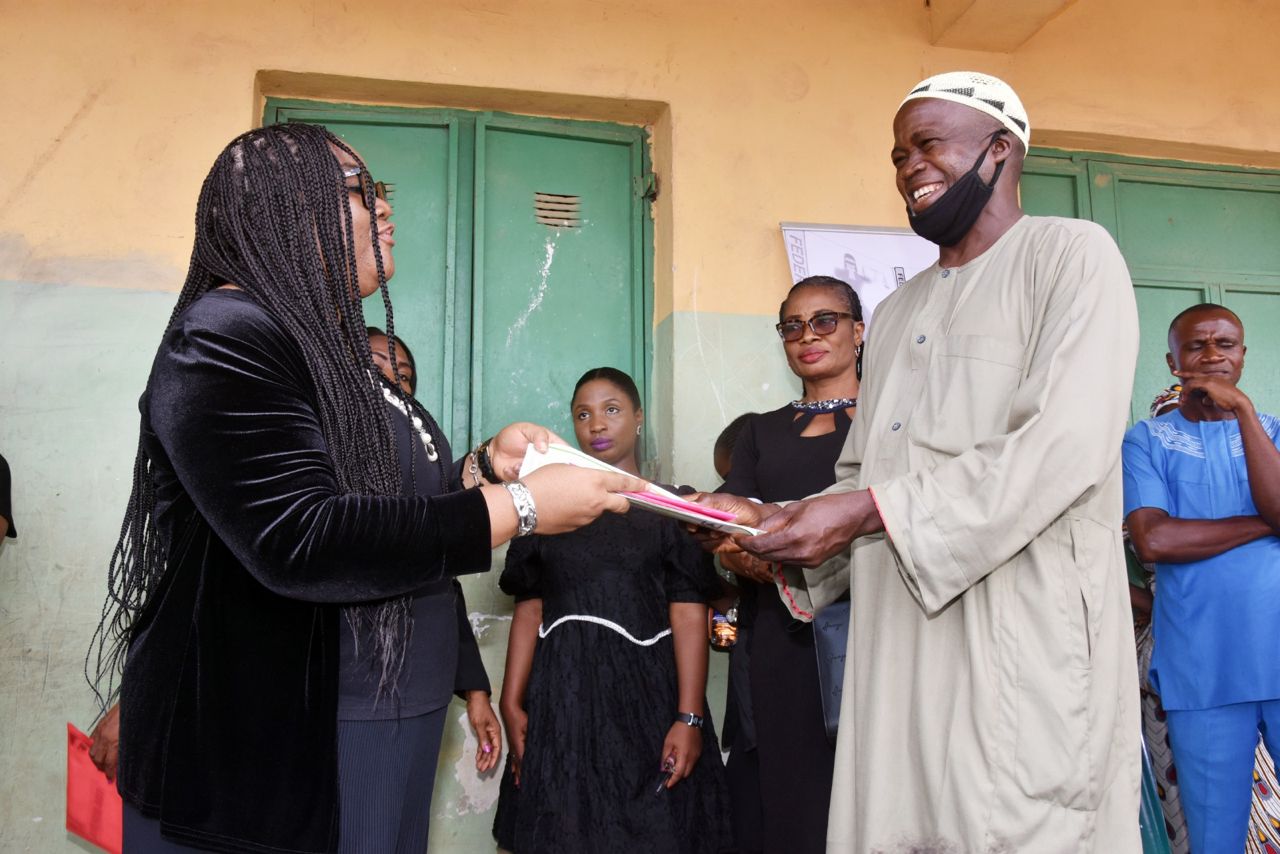
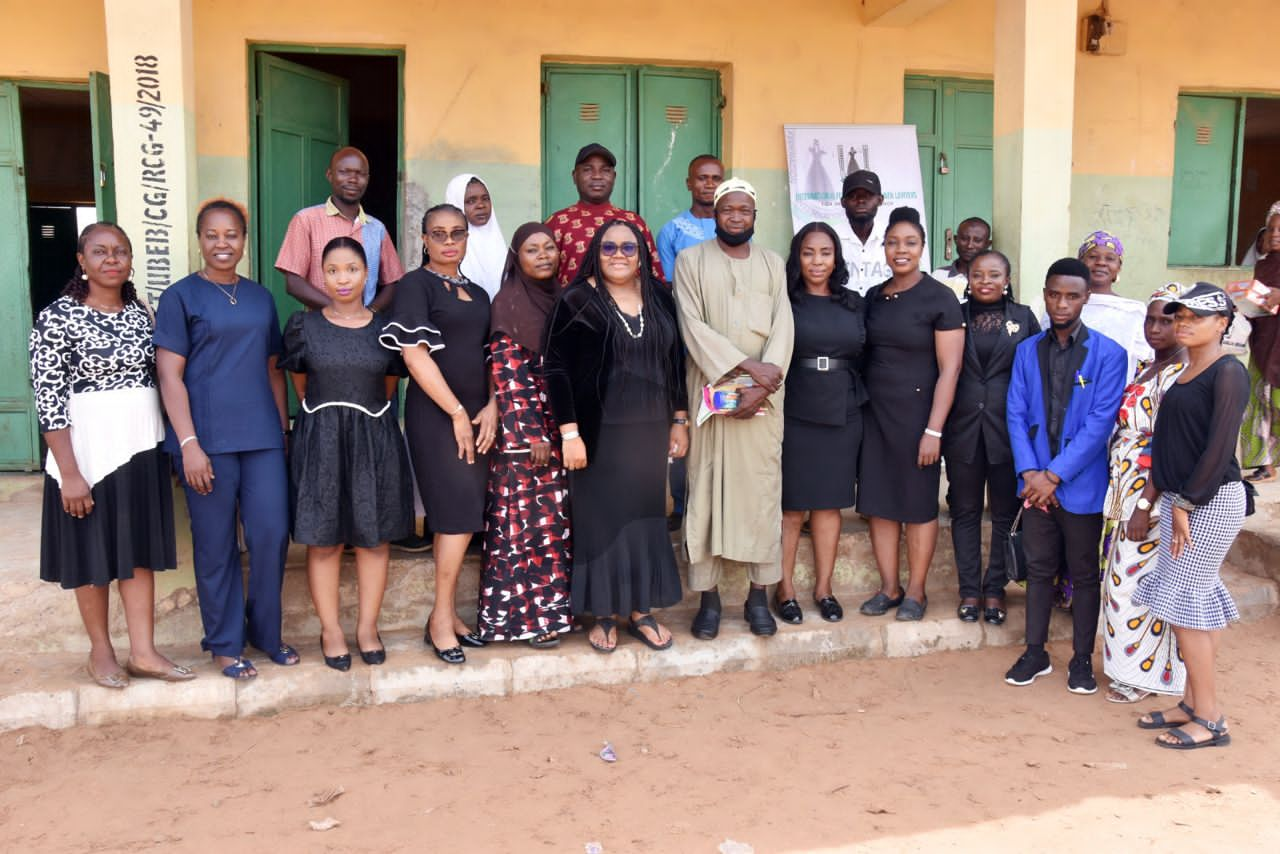
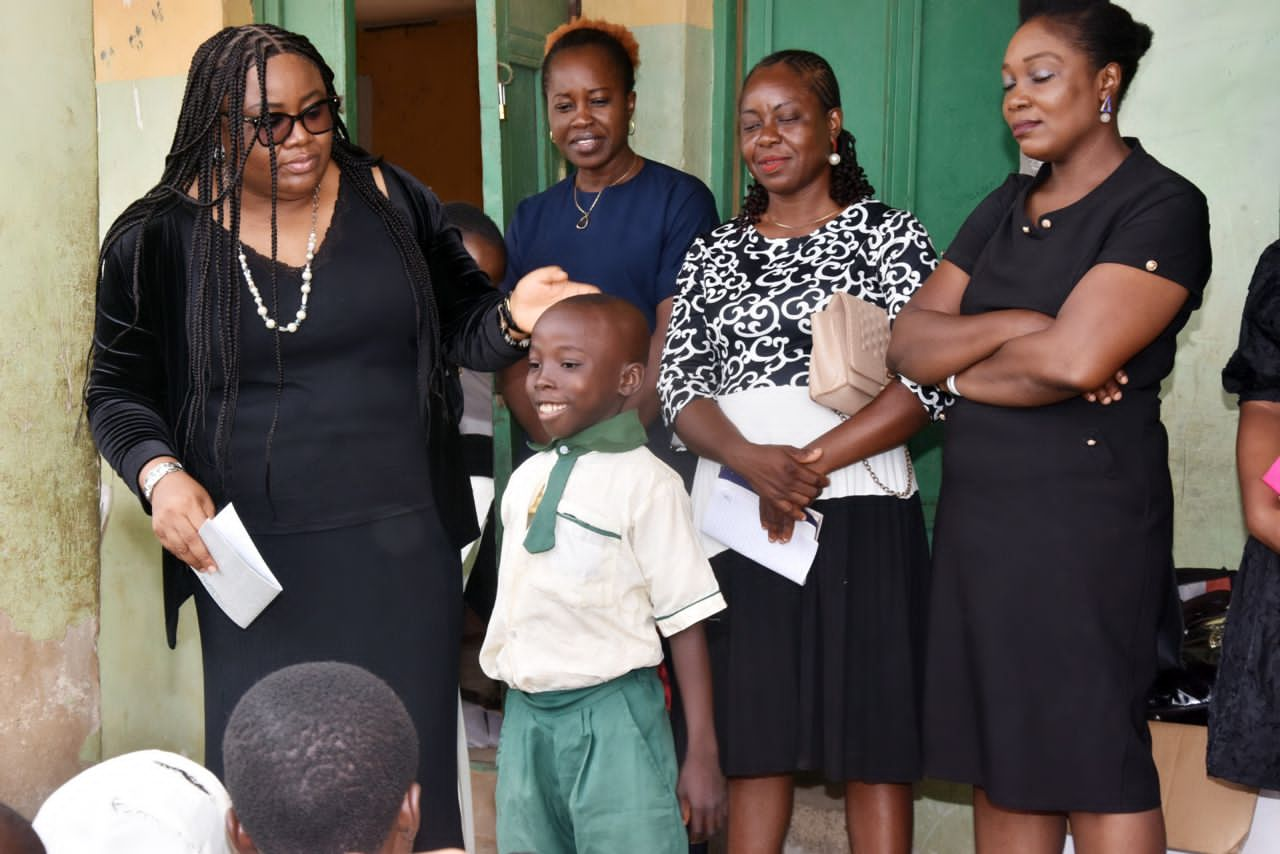
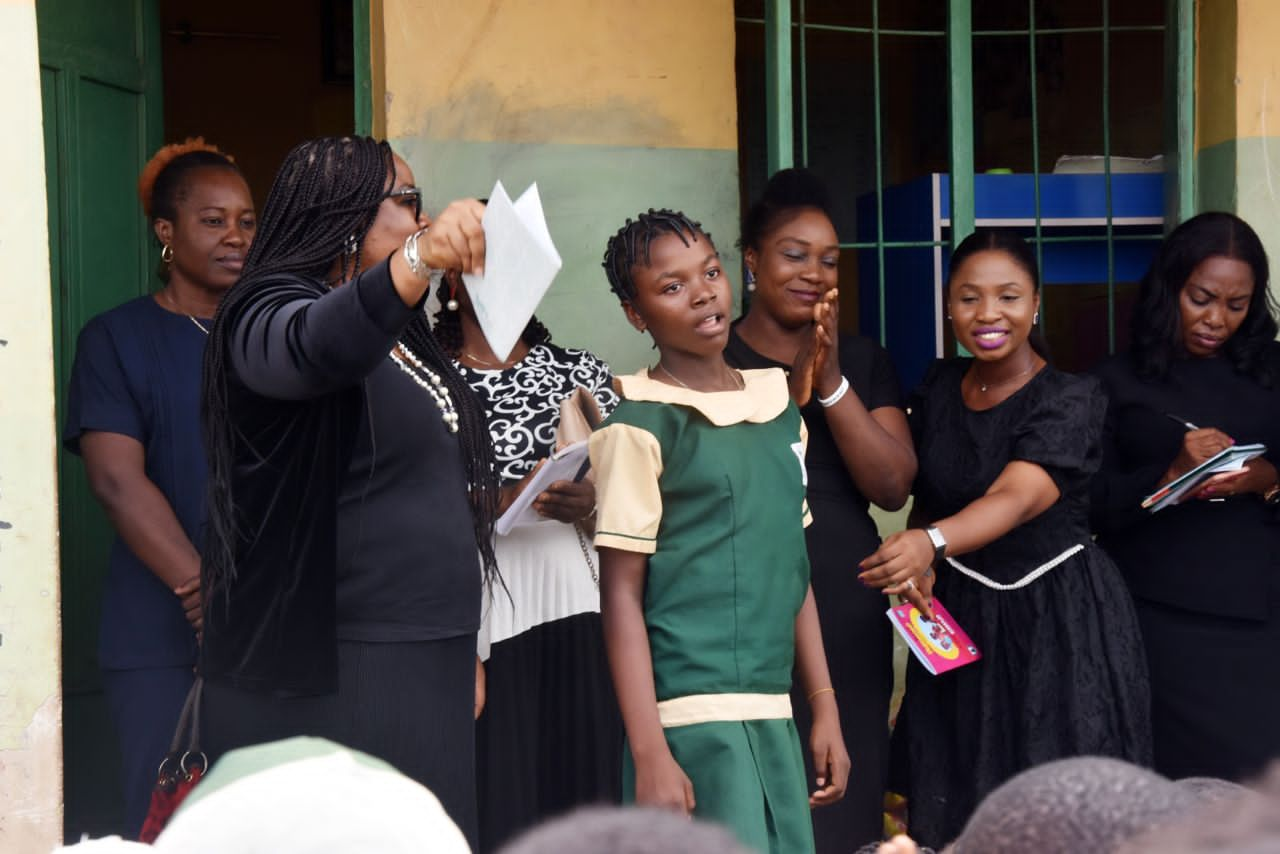
    The visit of members of the the International Federation of Women Lawyers, FIDA Nigeria Abuja branch to LEA Primary School Gwagwa, in the Federal Capital Territory (FCT) not only caused excitement among the students and teachers on 29th of May 2024, but came with a lot of enlightenment.

    The visit according to the school’s the Assistant Head Teacher, Mr. Yahaya Musa could not have come at a better time as the school “is majorly populated by maids who suffer various forms of abuse.”

    A report shared by the FIDA Abuja Publicity Secretary, Olosen Victoria Ibiezugbe explained that the visit led by the Chairperson, Chibuzo M. Nwosu was organized to celebrate with the school children on their Day.

    FIDA Abuja members

    Accompanied by other FIDAns, Ms. Nwosu introduced the branch and its core mandate to the Head Teacher, teachers and students of the school who had never heard about FIDA.

    FIDA Abuja Chair and staff members of the school

    Enlightening the children on key provisions of the VAPP Act 2015 and Child Rights Act 2003 respectively, she spoke extensively on Physical Injury; Rape and Bullying, while informing them of their right against physical injury, psychological and emotional abuse.

    She charged them to desist from bullying one another and also exposed the young minds to private areas of the body which should not be violated. Nwosu then urged the children to report any act of abuse to their parents, teachers, pastors, imam and gave them the contact address and phone number of FIDA.

    The Publicity Secretary on the other hand, enlightened the children on some of the provisions of the Child Rights Act 2003. She informed them of their right to compulsory education, adding that they have the right to study free from financial hindrances, especially as the government has made education free at the primary to junior secondary school level, as provided by the Act.

    She also spoke to the children about the dangers of Female Genital Mutilation and their rights against injury to their bodies viz-a-viz the age long practice of inscribing tribal marks on young vulnerable children which contravene the Child Rights Act. She further enjoined the children to report any infringement on their rights to the school authority.

    In appreciation, the Assistant Head Teacher, Mr. Yahaya Musa, thanked FIDA for the enlightening visit as they had no knowledge about FIDA and her works. According to him “this visit could not have come at a better time, especially when the school is majorly populated by maids who suffer various forms of abuse”. While noting the privilege to be associated with the FIDA family moving forward, the Assistant Head Teacher promised to contact FIDA in the event of an emergency.

    The visit took a momentous turn as students who answered brilliantly, questions posed at them by the Chairperson, were presented with gift items in the spirit of the celebration. Other children were not left out as they also received gift items from the branch, items such as Note Books, Water Bottles, Pencil Holders, Biros, Erasers, Sharpeners, Snacks and other writing materials.

    Copies of the VAPP Act, Child Rights Act and FIDA flyers were also presented to the school authority.

    A Judge Beaten In His Own Court

    By Reuben Abati

    A recent incident reported by The Punch newspaper ought to attract public outrage but in the absence of this in a society that is already shocked beyond further shock, the implications of the developments for the health of society and its moral fibre should not be allowed to pass unremarked. What exactly is wrong with us in this country? Is our country a large mental ward or just another land?

    See The Punch, May 30, pp. 3 and 20, an interview titled: “While policemen beat me in court, their senior officers laughed – Wilberforce Meigbope, the magistrate beaten by Lagos policemen for granting suspects bail.” Mr. Wilberforce Meigbope, the Presiding Magistrate of Court 8, Botannical Garden, Ebute Meta, Lagos, alleges in the newspaper interview that on May 19, he was beaten up in his court by policemen, while their senior officers laughed.

    He had made in the eyes of the police the terrible and unforgivable mistake of granting bail to 25 suspects who had been brought in on a three-count charge of conspiracy, allegation of demanding N15 million and being members of an unlawful society known as the Niger Delta Coastal Security.

    These are bailable offences under Nigerian law and the duty of the judex is to apply the law. But the police had insisted on influencing the judge. When he refused, they resorted to self-help. The tragedy of it is that police men are part of the justice administration system with the court of law at the apex. The police have no powers to issue judgements: the role of all players within the justice dispensation system is well outlined. But when policemen begin to behave like thugs in a court of law, then the entire machinery of justice is derailed. The idea of policemen beating judges is preposterous. I guess it points to the continuing failure of Nigeria as a state. Mr Meigbope’s experience had all the elements of the bizzare.

    The facts of the case as reported by the Magistrate are as follows: On April 14, the accussed persons had been granted bail, but only one of them was yet to perfect her bail conditions. The police prosecutors had registered their objection to the bail on the grounds that “the matter is serious”. On April 28, the police applied to withdraw the case, but the magistrate refused to grant the application. On May 19 when the case was called again in court, the police requested that the case should be adjourned till July 27 at 12 noon. The magistrate granted both requests. Meanwhile the bail that had been granted by the court on April 14 was still in effect. But as soon as the magistrate moved on to “other matters”, hell broke loose.

    The magistrate paints the picture himself: “About 10 minutes later, some lawyers just broke into the proceedings and said that despite the court order, the police had been arresting the 25 accussed persons, because on that day, the lady that was not able to meet her bail condition also came from Kirikiri. After listening to them, I rose and went out. I met with the policemen and said: ‘Please comply with the court order.’ They ignored me. They refused to stop. One of them even told me that he would shoot me. Before I knew what was going on, the accussed persons started jumping down from the two buses which had been hijacked for the purpose of rearresting them. Some jumped through the window and landed on my shoulder, some rushed out through the door. They held my hands and legs and started pleading, ‘Sir, help us, you must help us’. The policemen started punching them against me and in a twinkle of an eye, I felt all manner of blows over my body. In the melee, my shirt was torn and three buttons fell off my suit.”

    His Worship was eventually rescued by “judiciary staff.” “All the senior police officers that came to court that day were inside their cars within the court premises. It was raining. They saw the scene but they did not do anything. I believe they gave the order that led to the mayhem, Before I went to the buses that they hijacked, I told them (officers) to talk to their boys to comply with the court order. They did not even do as if they heard me. They were just laughing.”

    Commenting further on police behaviour, His Worship says one Inspector Julius Okoedo during the arraignment of the matter kept making noise in court and although the magistrate told him to stay where the lawyers were, the policeman told the magistrate that “he had no right.” Meigbope reports that the Inspector, “the one who called himself a lawyer” had advised him not to grant the suspects bail, but “I refused. To play police game? That means you are already dead, I am here to maintain justice even at the point of death.” For standing firm, Mr. Meigbope now suffers a lot of pains. “Now if I want to sleep at night, my heart would be throbbing. Whether it is broken, I don’t know. Then my shoulder, my hips, my thigh where those people held me and they were beating them and beating me”.

    We sympathise with His Worship. His story should be read by all judges and magistrates for it raises not just the obvious issue of the lawlessness of the police, but also the conduct of the judex. The Honourable Magistrate in this instance abandoned his Bench and jumped into the arena with his hands and feet and mouth, and hence he found himself in the undignified position of being assaulted and threatened. He should have stayed on his Bench. And who are those jankara lawyers who rushed in to plead with the magistrate to come out and physically enforce his own order? And he too rushed out of the court, like a militant, to meet with the policemen to tell them ‘please comply with the court order’! And he got beaten in the process, and he lost three buttons and his shirt was torn. He should thank his stars he didn’t lose some teeth.

    His Worship could have been shot and the police would have reported the matter as a case of accidental discharge. Strange things happen in the Nigerian magistracy, but this must go down as one of the funniest. The magistrate became a policeman, threatening to enforce his own orders “at the point of death”, and the police whose original duty is to enforce the law became law breakers in court premises. What happened in front of Magistrate Meigbope’s court on May 19 is a complete breakdown of law and order, with His Worship as the protagonist of a sordid drama. It could have been really sad still if the learned Magistrate had also tried to retaliate by hitting a policeman in return. Judges must realise that the best protection that they have is within the province of the law not physical exertion.

    When the lawyers came to His Worship, he should have told them to take the appropriate steps to ensure compliance with court order. Those lawyers should know what to do and if they don’t, it is not the duty of the presiding judge to act on their behalf by embarking on a rescue mission. Meigbope is a very articulate man and the interview that he has granted The Punch newspaper is quite entertaining, but he must be told that it is not in the place of judges to behave like village chiefs. He has brought the Bench to great ridicule and he lays himself open to charges of partisanship. He says he has reported the incident to the Lagos State Judiciary. The first response from above should be to take the case away from him, to prevent the absurd situation of further physical conflict in his court in this matter.

    In the same interview, Meigbope points out that the Lagos State judiciary can boast of “well certificated judges, experienced and learned judges who are prepared to make sure that justice is done”. Yes, but not through physical involvement, and certainly not through newspaper interviews! Meigbope’s experience confirms the need for the training and retraining of the judex at all levels. Now, he says he will submit the bill for his medical treatment to the state for reimbusement,

    But there is no doubt that the police in this case are useless and that their conduct, including the senior officers who laughed as the law was being broken is reprehensible. We have a police force, as Meigbope points out, where many of the officers are lawyers, and yet the police is the leading law-breaking institution in Nigeria. This points to the general collapse of values and standards in the land, and the failure of the police as an institution.When lawyers and judges exchange altercations in the court room and the police insist on over-ruling judges, with the accussed clinging to the trousers of the judge for physical help, it means that our society is lost. The judiciary fails in its function as the last hope of the common man and the reign of impunity is encouraged. We are unfortunately growing a society where there is widespread disregard for the law at all levels.

    As I read Meigbope’s interview and the accompanying Lagos State Police PRO’s dismissal of the incident as mere “rumour”, I thought of the riotous behaviour by voters, electoral officials and the police in the recent election in Ekiti State, the alleged execution of suspects in police cells, the number of awaiting trial persons in Nigerian prisons, and the well-reported menace of policemen on Nigerian roads, all in a country where the incumbent President says his primary ambition is to enforce the rule of law.

    The Inspector General of Police and the Lagos State Police Commissioner, both of whom are lawyers should take personal interest in Magistrate Meigbope’s case. Who are those policemen who threatened to shoot the learned magistrate? Was there a breakdown of communication on the bail process and why, if so? And is it possible that the accussed persons were being arrested for another offence different from the case already before the court? It is about time the Nigerian Bar Association and the Body of Benchers began to take a keen interest also in cases of this nature: errant lawyers who turn court premises into an arena for combat should have their names struck off the register, be they men of uniform or not. The Nigerian judiciary must also invest in the training of its officers, with special emphasis on decorum.

    The wife-beater from Kenya

    By Reuben Abati

    It is always very embarrassing to read stories of Nigerians who go abroad to give the county a bad name. Nigeria became known as a country of internet scammers and fraudsters not because all Nigerians deserve to be so labelled, but when a few bad eggs behave wrongly in other countries, it is every Nigerian that suffers from the profiling that results and the reputational damage to the country. It got so bad at a point that the Nigerian green passport became a badge of dishonour at many international airports where special attention was always paid to any flight from Nigeria. And yet this is a country of very talented and distinguished persons who have excelled in virtually every field of human endeavour. Those who bring disgrace unto the nation may get sanctioned for their offences or crimes, but that is hardly ever where the matter ends. 

    A violent and abusive man

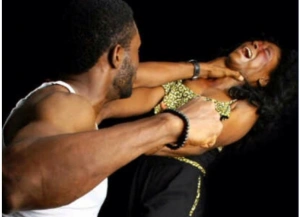
     The latest story in this regard is that of a certain John Nwankwo Noko who was deported from Kenya on Saturday, May 4 by the Kenyan authorities, for beating his partner, identified as Ms. Pauline who happens to be a Kenyan. The story is all over the media in Kenya with the headline: “Nigerian man captured on CCTV assaulting Kenyan woman on wheel deported.”  The Nigerian was caught on a surveillance camera assaulting a woman sitting in a wheelchair. Two ladies were shown trying to restrain him, but he refused. The footage has since gone viral, generating outrage. The woman looked helpless. It was later revealed that John Nwankwo Noko even threatened to kill her and her domestic servants if any word about his actions got out, and in the event of a court case, if they dared testify against him. It was not the first time that Ms. Pauline would be subjected to such violence by her partner. She has children for the Nigerian who has been living in Kenya for years, and has a work permit.

    Somehow, the video got out to the public. The matter was taken up by Senator Gloria Orwoba who reported it at the Karen Police Station. Kenyan policemen are like Nigerian policemen. They tried to slow down the case, quoting technicalities. Many would be familiar with what happens in Nigerian police stations. There is that story, probably apocryphal about a woman who had gone to a police station to lodge a complaint against her husband. 

    The uniformed man at the counter listened carefully to her, only to ask her: “Madam, did you say this man is your husband?” The woman answered in the affirmative. 

    The question was repeated. The woman again affirmed. 

    “This your husband, he paid your dowry?” 

    “Yes”, the woman replied. 

    The policeman reportedly drew himself to full length and said: “Madam, this is a police station, we don’t inquire into husband-and-wife matters here. Go back home and settle with your husband, or call your in-laws make dey settle your quarrel. Person don pay dowry, put you for house, you dey come report am for station.” 

    Kenyan policemen are probably like that too. But for the tenacity of Senator Orwoba who took up the matter with higher authorities. The matter went to court. The Ministry of Gender got involved. The Ministry of Interior too. 

    However, the Kenyan authorities didn’t bother to spend too much time on the case. John Nwankwo Noko was treated with the utmost contempt that he deserves. Assault and threat to inflict bodily harm or kill, as well as domestic violence are serious offences in Kenya as they are in Nigeria. Section 251 at Chapter 63 of the Penal Code of Kenya prescribes a penalty of five years imprisonment for “assault causing bodily harm”. Section 74 of the 2010 Constitution of Kenya explicitly protects both men and women from any form of inhuman treatment. Taking Nwankwo through a court process would have meant using the Kenyan taxpayer’s money to engage lawyers and the court system, and having to battle with “technicalities”.  

    A quick decision was taken to expel him from the country. He was thus sent away as a persona non grata, in the fashion of a good riddance. But there are questions: what then happens to the innocent children he has left behind, and the woman in a wheelchair that he has traumatized? He has also given his home country, a bad name. Nigerians are not particularly popular in Kenya. Quite a number of our compatriots have been implicated in money laundering and drug trafficking cases in that country. From Central. Africa to the South, Nigerian men are also not popular with the male folk: they are accused of competing for the attention of local women and acting superior towards their hosts. Whatever may be the legitimate reason for this, the very picture of a man assaulting a woman in a wheelchair is horrendous. Violent behaviour of any sort is unacceptable. Hitting a defenceless person is clearly animalistic. Even animals sometimes behave better.    

    This is why I think the wife-beater of Kenya should not just slip into Nigeria and feel relieved that he has escaped the wrath of the law in Kenya. He may have escaped lightly also because as in Nigeria, women in Kenya in a marital situation may refuse to testify against their husband in court. Women often imagine that the man will turn a new leaf, and may generally not want the marriage to end. See for example, Piah Njpoki Kagwai vs. Jackson Kagwai, High Court of Kenya, Civil Case No 1897 of 1986 where a husband gorged out his wife’s eye. Church teachings and local traditions have also not helped. But I think here in Nigeria, anybody that disgraces the country and misbehaves in diaspora should upon return to Nigeria either by deportation or relocation be made to face sanctions.

    The rule about double jeopardy should not apply to such persons. Our laws should be amended where necessary to make sure that any Nigerian in diaspora who becomes a persona non grata in his or her place of domicile abroad, also gets sanctioned in Nigeria for bad conduct. This is perhaps the only way we can send a strong message to those Nigerians abroad who give the entire country a bad image. We are quick to celebrate Nigerians who do well abroad, including those who may have taken up the citizenship of their host countries, in any case, the Nigerian Constitution allows dual nationality. By the same token, Nigeria must begin to name and shame those who bring shame to the country abroad. 

    Thirty-four states in Nigeria have domesticated the Violence Against Persons Prohibition (VAPP) Act of 2015. Two states, Lagos and Ekiti have domestic violence registers where they list the names of those who have been found guilty of gender-based or domestic violence.  I don’t know John Nwankwo Noko’s state of origin but here at home, his name should be in the black book containing the names of wife-beaters in states where such exists. Mrs Abike Dabiri-Erewa, Chair of the Nigerians in Diaspora Commission (NIDCOM) interacts regularly with Nigerians in Diaspora across the world and whenever she holds one of her interactive sessions, she always tells her audience that Nigerians have an obligation to respect the laws of the countries where they live. And of course, she always cautions against illegal migration. But there are persons in diaspora who will never listen or accept that they are Nigerian ambassadors abroad. The way to address the matter is to ensure that anybody that breaks the law abroad also faces the full wrath of the law in Nigeria. 

    John Nwankwo Noko was deported from Kenya on Saturday. He is probably walking free in a part of Nigeria today. There is no way the Kenyan authorities would not have contacted the Nigerian Embassy in Nairobi to report his conduct before taking a decision to deport him. We have various desks at our embassies abroad: Immigration, Nigeria Intelligence Agency (NIA) etc. On arrival in Nigeria, Nwankwo Noko must have passed through a Nigerian airport. He should have been detained at the Nigerian end, and subjected to serious interrogation. Kenya sends away a violent man, and he would just walk into Nigeria like that? His name should be at every immigration post in Nigeria.

    Persons like him must never be allowed to go out of this country again. In some other countries, he will be closely monitored. There is the argument about the freedom of movement and how Nigerians are free to choose wherever they want to live in the world, but if anybody is found to have shown a tendency to disgrace this country abroad, such persons must also enjoy the status of a persona non grata inside Nigeria.  Whoever finds himself or herself in such circumstances may go to court to seek enforcement of fundamental human rights, and that is why we need to firm up our laws. Rights under the law are not absolute. We must strengthen our sanctions to re-build the national ethos and value system. 

    The big problem we face however is the enforcement of laws. Nigerian state officials choose which laws to enforce and the ones that they would rather ignore. Our law enforcement officials routinely break the law. It is not that they do not know what is right, or their job, but there is an established culture of impunity that creates a crisis of moral turpitude. This is why civil servants will break the law and have the temerity to boast about it in the media; it is also why all kinds of men and women flaunting dubious wealth are among some of the most influential persons in society. The people of Kenya are happy that the problematic Nigerian who battered a Kenyan woman has been expelled from their country. They see the case as a milestone in their country’s fight against gender-based violence.

    Senator Orwoba who fought for the enforcement of Ms. Pauline’s right to dignity has been praised deservedly for her    intervention: a good case of a woman supporting another woman in distress, and a parliamentarian standing up for one of her constituents. Nigerian women in general have lessons to learn from her example, and all those SUV-riding lawmakers in Abuja and the states who only remember their constituents when they need votes should see what it means to be a lawmaker.     

    II: Togo, Faure Gnassingbe’s Dictatorship and Chad

    One of the biggest problems we face in Africa is the sit-tight attitude of African leaders. We have seen leaders who turned the Presidency of their countries into chieftaincy positions and have worked hard to rule till death separates them from the office. We have also seen African leaders who change or manipulate the Constitution to extend their stay on power perpetually as in Guinea in 2001 and Togo in 2002, Gabon in 2003 and Uganda in 2005. They cling to power not to promote the people’s interest but to satisfy their own greed and in some of the worst manifestations we have seen emergence of dynasties in some of the countries: sons taking over from their fathers as in Gabon, Chad and Togo or watching in the wings to do so as we have seen in Equatorial Guinea. Democracy continues to suffer the hands of these leaders who plan coups against the people thus making Africa’s democratic consolidation a permanent work in progress. Some of Africa’s living dictators include Teodoro Nguema Mbasogo in Equatorial Guinea (44 years in power), Paul Biya in Cameroon (42 years), Dennis Sassou Nguesso in the Republic of Congo (38 years), Yoweri Museveni in Uganda (39 years), Paul Kagame in Rwanda (24 years) and Isaias Afewerki in Eritrea (33 years).  Most recently, President Macky Sall of Senegal attempted a “Constitutional coup” in Africa’s most stable democracy. He was stoutly resisted by the people and the Constitutional Court. The lesson of the Senegalese experience is that the people’s will prevails if the people take ownership of their democracy. 

    The people of Togo are however not so lucky. They have failed to resist Faure Gnassingbe’s impunity. Last Friday, the ruling party of Togo, the Union for the Republic (UNIR) was declared winner of 108 out of 113 seats paving the way for President Faure Gnassingbe to extend his rule in Togo.  He became President in 2005, after his father’s death.  He has done more or less what his own father did in 2002, by changing the constitution. The Gnassingbe dynasty has been in power in Togo since 1967.  In March, President Gnassingbe introduced a parliamentary system of government, which means he would be elected by parliament rather than through popular elections. The legislative elections were delayed twice because of protests by the opposition. Now Gnassingbe has had his way. He could remain in power till 2033, if he is re-elected in 2025, which is certain. It is most unfortunate what has befallen the people of Togo and if the Togolese opposition thought that their protests would make any difference, it did not. Unfortunately, dictatorship in African countries has never translated into prosperity for the people, rather, it has served as an ugly vehicle for stagnated growth, kleptomania and the abuse of the people’s potential. Zimbabwe under Robert Mugabe was a place of misery. The Democratic Republic of Congo continues to be the theatre of one of the world’s most terrible conflicts.

    Faure Gnassingbe needs to be reminded of the fate of Ali Bongo Ondimba of Gabon. His father, Omar Bongo Ondimba ruled Gabon from 1967 until he died in 2009. Ali Bongo seized power and was President for 14 years. In 2023 he was forced out by a military junta. The international community condemned the coup in Gabon, but the underlying consensus was that Ali Bongo deserved no pity. It is good to report history but African leaders appear to be tone-deaf. The next major theatre of power play is most likely to be Chad where interim President Mahamat Deby Itno confirmed his interest in the country’s Presidential election, and indeed was on the ballot in the presidential election in that country that took place yesterday. Chad has been under military rule since the death of Deby Itno’s father in 2021. The late President was President for more than 30 years. He was killed on the war front, fighting rebels. His son seized power and declared himself interim President.  Deby Itno is expected to win yesterday’s election thus creating another dynasty in Chad. He too will get away with it. Chad is about the only ally of France and the United States in the Sahel, Burkina Faso, Mali and Niger having turned against the two countries.  Deby Itno may pretty much do as he wishes and the world will look away. Those who tried to stand in his way ahead of yesterday’s election were either co-opted or they died mysteriously. Sad.     

    TIPS