Home Blog Page 575

Youth unemployment and the wish for a moon (2)

By Kirsten Okenwa

The youth of this country have the potential to shape its future. But, how employable are they? How educated are they? Do they have the core skills necessary to excel in employment and win in everyday life? I have heard employers say that many young people they recruit cannot write coherently nor show any distinction in speech that education provides. 

In March 2018, the World Bank in a report tagged: ‘Learning to Realize Education’s Promise’ revealed that 80% of Nigerian adults who have had primary education cannot read or write. The report said: “Among young adults in Nigeria, only about 20 percent of those who complete primary education can read.” Also, amongst many students and graduates of today, the same can be said of their lousy reading and writing skills. Some people may argue that not everyone is cut out for excellent reading and writing. True, but we can have schools place emphasis on reading and writing skills. Teachers may be overwhelmed with tasks but careful planning can go into this area.

In a core skills course I took with a UK-based organization, I learnt that children and young people need so much more than just knowledge and qualifications to be successful. They need skills like resilience, creativity, empathy, critical thinking, and problem-solving. They need to learn how to navigate digital citizenship, build strong relationships, and maintain positive mental health. Not to mention, they need to develop a sense of purpose, self-awareness, and a growth mindset. And, of course, they need to be encouraged and supported by their families, teachers, and communities.

Soft skills or core skills are general traits not specific to any job, helping employees excel in any workplace. They also include budgeting, communication, teamwork, and adaptability, often termed as transferable or interpersonal skills. They’re essential for professional success.

Learning these core skills or soft skills (interchangeable) must be included in our school curriculum. Our society places much emphasis on academic results, and often neglects the areas of core skill acquisition necessary in any vocation, trade or career. These essential skills development can start at an early age, extend beyond the school gates, and continue all the way through employment because most times as youths enter the labour market, they often find themselves ill-equipped with the skills employers seek.

The challenge lies in addressing the skills “knowledge” gap, where young individuals are unaware of the skills required for future employment opportunities. Soft skills are also behavioral and interpersonal skills that relate to how effectively people interact with others and handle situations. In the case of the first story I shared on the young staff at the optician’s office, there is clearly a need for all the staff to be trained in effective interpersonal skills.

Our youth have the potential to solve problems, create innovative new solutions, and facilitate constructive relationships between peers of diverse groups and ethnicity. However, to realize this potential our education systems have to support young people to develop the knowledge, skills and values they need to live and work in a globalized economy and to contribute responsibly, both locally and globally. Beyond knowledge and qualifications, children and young people need to learn skills like creativity, critical thinking skills, time management, and a strong sense of ethics.

Of course, employers value subject knowledge, but nowadays, they are placing a much greater premium on the need for soft skills to sit alongside that subject knowledge than they have in the past. It is these core skills that students are struggling to demonstrate because very few education systems are focused on giving students the opportunity to develop them.

I have had several observations that once students have a set of skills, acquiring knowledge and qualification also becomes easier. However, if these skills are compromised it leads to gaps in the longer run. Hence, schools ought to focus more on these skills as well as the academic curriculum.

In the Nigerian education system, this may be a tall order but one can only hope that the leaders across our education sector begin to incorporate core skills acquisition into the curriculum because if students are never taught what these skills are and how to specifically use them, we cannot expect them to randomly pick up these traits and excel in the labour market. Even young people with entrepreneurial inclinations, those that work towards being self-employed, need these skills.

A friend of mine who read part of this article before it was published, snorted in derision when she got to the part where I advocated for education leaders of our country to revise and include core skills acquisition in the curriculum. She said that will happen “When the hurlyburly’s done, when the battle’s lost and won.” (quoting from Shakespeare’s Macbeth).

My friend thinks I am wishing for a moon by expecting school leaders and the government to collaborate and include the learning of core skills in the curriculum. It may not be impossible; though a huge step for our educational sector. Employers can bridge this skills gap while we wait for the government.

In an article by Charlee Salmelin, she noted that employers can play a crucial role in addressing the skills gap among young people. They have a responsibility to identify the skills and competencies needed in the labour market and actively participate in the training and development of youth.

As I have seen done by the mobile network MTN in several universities, the company collaborates with educational institutions in the training of youth to align their required skills with the job market. By providing input on the skills needed for specific industries or sectors, employers can contribute to designing relevant and practical training programs. By contributing to the design of relevant and practical training programs and offering internship and apprenticeship opportunities, young individuals can gain hands-on experience and enhance their employability.

Some people may still ask: what in the world do some Nigerian youths want?  A young man I know answered succinctly: “We want opportunities to learn, grow and excel. My friends and I want to learn more digital skills. It is assumed youths know a lot about technology but we want to continue to learn and develop more digital powers so we can compete in this time of science and technology.”  

Other youths may call for help in the areas of technical skills acquisition. As a nation, we need more trained electricians, plumbers, and mechanics. Some globe trotters have noted that these are high-paying jobs abroad.

As a songwriter aptly wrote, “It only takes a spark to get the fire burning, soon all those around will warm up to its glowing…” That’s how it is with creating a system that encourages growth and development. The fire of progress spreads. Youths come down from their high horses to learn and excel in life. Employers get excellent service from employees, and society is enriched as a whole. Indeed, it’s not too much to wish for.

Kirsten is a freelance writer with over 20 years of experience in several non-profit organizations. Trained as an industrial chemist, Kirsten is also an expert in food systems and the agricultural sector and runs a growing manufacturing venture. Outside work, she loves to share songs and her poetry with kids in schools and hospitals.

Herders’ gangrape of 13-yr-old in Enugu

By Tribune Editorial Board

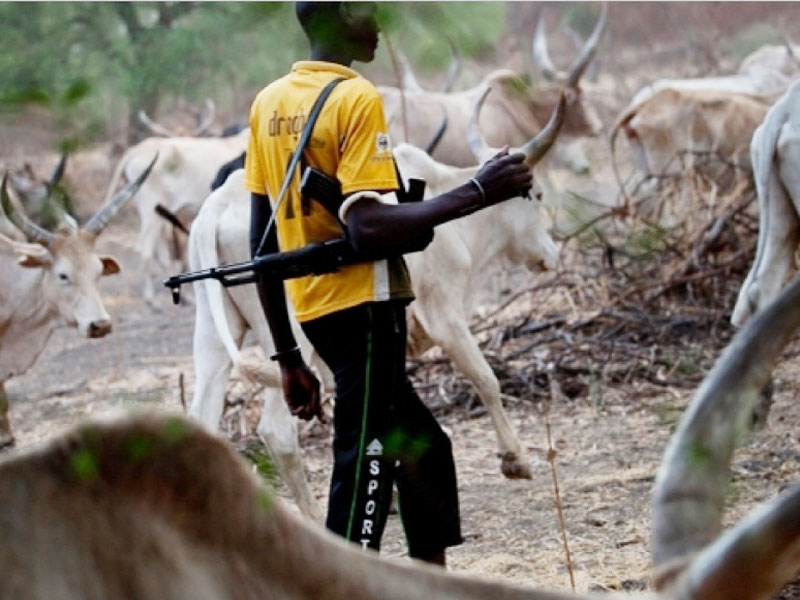
Like many Nigerians who have borne the brunt of terrorist attacks by nomadic herdsmen, residents of Aku in Igbo-Etiti Local Government Area of Enugu State were thrown into turmoil recently following the killing of a farmer identified as Emma Nnadi.

Nnadi was gunned down while trying to rescue a 13-year-old girl who was being gang-raped by the herdsmen.

A community leader, Agu Chineme, who confirmed the incident in a statement, said that the community was traumatised by the incident. He said: “The 13-year-old girl, a primary school leaver, was mercilessly raped by two armed herders while working on her family’s farm.

“The young victim recounted the horrific incident, with her voice trembling with fear and her body still bearing the physical scars of the assault.

The gruesome attack claimed the life of Emma Nnadi, a brave farmer who attempted to intervene and protect the young girl from the clutches of the ruthless herders. The herders showed no remorse as they took turns raping the girl, even as Emma lay dead from gunshot wounds.”

Gruesome as this story is, it is quite typical. For years, the terrorists masquerading as herdsmen have committed unspeakable atrocities across the land. They have laid entire communities waste, shedding blood and burning down homesteads at will. They have made going to the farm a death sentence for many farmers. They have raped wives before their husbands and daughters before their parents, visiting grievous bodily harm on their victims and treating them worse than animals.

They have attacked travellers and vehicles on the roads, taken many hostage, and extorted money from their families after subjecting them to mindless torture. Many drivers have met their untimely deaths at the hands of these merchants of blood. The so-called herders have invaded hospitals, schools and neighbourhoods, cutting down hapless citizens in cold blood. They have fed newborns to dogs, beheaded men and women, and clubbered and stabbed many Nigerians to death.

They have invaded even palaces and shot royal fathers dead in feasts of bestial rage; they have invaded worship places and cut down both worshippers and leaders of worship in blind, demonic rage. The land is crimson with the blood of innocent men and women, boys and girls whose lives were brutally terminated by these blood-thirsty hounds who have severed whatever vestiage of feelings of patriotism many Nigerians previously nurtured about Nigeria as a country.

These outlaws, a band of rampaging killers taking advantage of Nigeria’s lax security architecture to decree death and destruction at will, are a threat to Nigeria’s continued existence. They  have consistently given Nigeria a prominent spot on the Global Terrorism Index, scoffing at the authority of the Nigerian State and carrying on like imperial overlords over the hapless Nigerian populace. It is as if these criminals have the right to treat Nigerians any way they like. They have constituted themselves into an alternative government, scoffing at the authority of the Nigerian state. Sad!

It is clear that the government is not ready to address the menace of these terrorist herders. Their atrocities keep getting worse by the day, but the government pretends as if nothing is amiss, making hollow promises and going to bed thereafter, without the slightest care in the world. Yet, unless the government acts fast and tames these beasts,  a conflagration that will be extremely difficult to handle is inevitable. The idea that a group of killers will take Nigeria and Nigerians for granted forever is not only illogical; it negates the facts of history.

Of course, the herders have enjoyed the patronage of the Nigerian government. For instance, under the Muhammadu Buhari administration, the government consistently rose in their defence, kicking against efforts by subnational governments to rein them in. Their atrocities were part of the reasons the regional security outfit, Amotekun, was created and they have contributed significantly to feelings of resentment against the Nigerian state, including those projected in separatist agitations.

The scenario of persisting atrocities by the herdsmen speaks not just to the air of impunity surrounding them, but also the utter helplessness and nonchalance with which governors and political leaders in the affected localities treat issues concerning their people. This vexing issue ought to be high on the agenda of governors who are supposed to be the Chief Security Officers in their respective states and who should be seen on the frontlines of the resistance to  these marauders, creating enough awareness on the issue and making it difficult to sweep it under the carpet.

Political leaders have to desist from leaving the victims of the criminal activities of the herdsmen in the lurch; they should help to create the necessary governmental framework to address this menace decisively  and comprehensively.

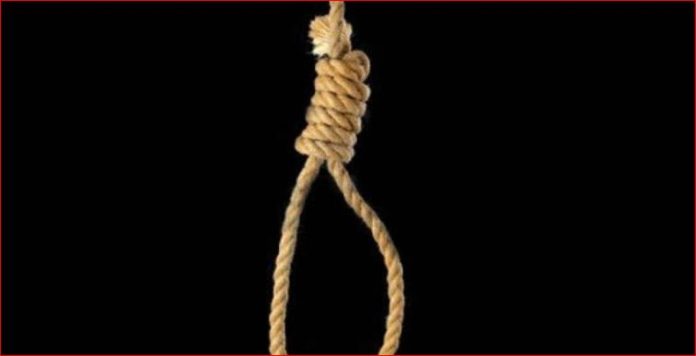
Inspector to die by hanging for killing phone dealer

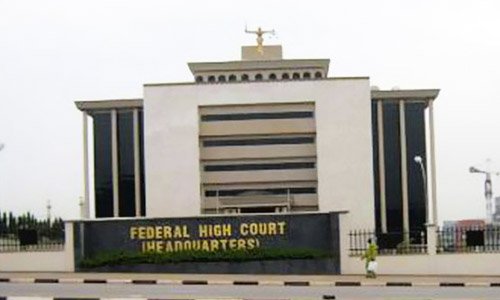
A High Court of Justice sitting at Asaba Delta State on Tuesday sentenced Inspector Ubi Ebri of the Nigeria Police Force to death on a murder charge.

The court presided over by Justice C. D. Diai convicted and sentenced the Inspector to death for killing a phone dealer, Mr Onyeka Ibeh, in Asaba.

Ibeh, a popular phone dealer in Asaba, along with his wife was driving from Ugbolu to Asaba on April 5, 2023, when they were flagged down by the police team for a search.

The deceased was said to have stopped but after waiting for a while to be searched, and they were not being attended to, decided to move away.

Infuriated by the action of the deceased, the police inspector immediately opened fire into the vehicle and the bullet hit the late Ibeh on the head and he died on the spot.

The wife of the deceased who sat in the front seat was unhurt. The killing of the phone dealer led to protests by youths along the streets of Asaba and to police headquarters to demand justice.

The prosecution, led by a director in the Ministry of Justice, Mr E.H. Edema told the court that the defendant was part of a police patrol team that mounted a stop and search exercise on April 5, 2023, along the Ugbolu Asaba Road in the state capital.

Speaking to Journalists after the judgement Edema said, “Today’s judgement is a landmark judgement because justice has been served in this case to the deceased and society at large.”

Also, the elder brother of the deceased, Mr Ifeanyi Ibeh, who witnessed the judgement commended the court for delivering justice to his family.

PUNCH

An Ode to June 12

By Charles Okeibunor

I was almost lost in thoughts, till I found myself back where I started.

Just thinking back.

June 12, that one and only freest and fairest election that could have been a similitude of democracy defined.

A time in history when Nigerians trooped out enmasse, their choice trumping religion, politics, ethnicism or tribalism.

They owned their choice as they lined up to be physically counted in the option A4 model.

Their excitement was palpable as they gleefully sang in front of their televisions and radios like children… Chanting the melodious campaign jingle MKO MKO MKO, Abiola Abiola Abiola they were hyped to the Heavens as if to say this is it!

But this hope that was raised many thousand feet above sea levels crashed in one full swoop, it was dashed and shattered in broad day light.

There were no survivors. Men mourned, women mourned, children bewildered, the sun set at noon.

Could this be the reason why the pieces of democracy have been so difficult to pick up after that?

June 12 was like leading a woman in labour to the delivery room, while her neighbour’s waited for good news. Only to midwife her baby and gag the baby to suffocation before the mothers eyes!

How? How? Why? Why?

Unthinkable anguish, Painful, Numbing, thoughtless, tactless, Hobbesian, callous, cold, cruel, wicked, selfish, and what have you.

I know MKO was not a saint, but I praise him for not budging. It was better to die in detention than to live in bondage.

I am also glad IBB is alive. It is good he is alive to see how the seed he planted is growing.

Frankly, it doesent matter what kind of President Abiola would have become, as much as it mattered about what Nigeria would have become had the results been allowed to stand.

June 12 is bigger than MKO, it is the Civility to choose without bloodshed. It is the ability to be part of creating a future. It is a collective hope frittered away. A story of how a beacon of light became a candle in the wind.

Today, June 12 is not a good example because it never ‘was’, it is not even a scar, it is a festering wound that refuses to heal but suppurates with every election cycle.

Reminding us about a people that hope against hope.

Are we cursed or are we the cause?

June 12…

Charles Okeibunor

Sexual harassment Scandal: Foreign Affairs Ministry Perm Sec suspended, HoS orders probe

  • I am a man of integrity, she’s out to destroy me —Perm Sec
  • Men Against Rape commends minister for bringing allegations to light

Following an alleged sexual harassment of a female ministry staff member, the Head of Service (HoS) has suspended the Permanent Secretary in the Ministry of Foreign Affairs, Ambassador Ibrahim Lamuwa, even as he insists that he is a man of integrity.

The Permanent Secretary Lamuwa according to the Head of Service, Folashade Yemi-Esan would be on suspension pending the conclusion of a probe into the allegation against him.

“The permanent secretary has been suspended pending the outcome of the probe by the committee set up, “ a senior director in the OHCSF said. It was learnt that following a petition submitted by the Minister of Foreign Affairs, Yusuf Tuggar, against Lamuwa, the HoS constituted a committee to look into the matter.

The Men Against Rape Foundation (MARF) had also called for the immediate suspension of the Permanent Secretary pending the outcome of an investigation into serious allegations of sexual harassment while commending the Minister of Foreign Affairs, Yusuf Tuggar, “for his decisive and courageous action in bringing these allegations to light.”

In an electronic statement issued by the Foundation’s Executive Director, Lemmy Ughegbe, and Director of Development Communication, Mr. Augustine Eigbe, the Foundation expressed their appreciation for Tuggar’s integrity in addressing the issue head-on.

“We applaud the Minister’s refusal to adhere to the typical code of silence often observed in high offices and his commitment to ensuring justice and accountability.. The Foundation’s stance is clear: any form of harassment and abuse of power must be met with swift and decisive action to protect victims and uphold ethical standards.

“We call for a comprehensive and impartial investigation into the allegations against Ibrahim Lamuwa… The Foreign Affairs Minister’s actions set a powerful precedent for leaders across all sectors, reinforcing that no one is above the law.

“Therefore MARF hopes this incident will mark a significant turning point in the fight against sexual harassment and abuse in Nigerian workplaces”

Simisola Fajemirokun Ajayi, a married ministry employee, made the allegation in a petition to Minister of Foreign Affairs Yusuf Tuggar, which was submitted by her lawyer, Femi Falana (SAN). The petition detailed allegations of sexual harassment and other misconduct by the permanent secretary.

Ajayi, in the petition filed by her lawyer, Femi Falana (SAN), outlined alleged instances of harassment.

In a letter addressed to the Head of Service on May 27, 2024, Tuggar expressed his concern over the serious nature of the allegations involving the permanent secretary.

“I am compelled to write to inform you of a formal complaint against the Permanent Secretary, Ministry of Foreign Affairs, Ambassador Ibrahim Adamu Lamuwa, on allegations of sexual harassment.

“Bearing in mind the gravity of the matter, I feel it necessary to draw your attention to it and ask that you handle it accordingly,” the minister stated in the letter.

An official familiar with the case revealed on Wednesday that following the receipt of Tuggar’s letter on the allegation against Lamuwa, the HoS set up a probe panel.

The official, who spoke on condition of anonymity said, “Yes, the Head of Service has set up a committee to probe the whole matter. There are pieces of evidence, which will be tabled and witnesses who will also be invited to speak on the matter,  so it is not a matter that will be swept under the carpet.

“The minister (Tuggar) is also very much interested in the outcome. The Ministry of Foreign Affairs is a special ministry that operates even outside the shores of the country, so you can’t expect that an issue of such gravity will be swept under the carpet.”

Ajayi had, in a petition dated May 29, 2024 and addressed to Tuggar, accused the permanent secretary of serial sexual harassment.

Her petition, signed by Adebayo A. Oniyelu LP of Falana & Falana’s, was titled “Request For An Investigation Of Amb. Ibrahim Lamuwa’s Conducts Of Sexual Harassment At The Place Of Work, Abuse Of Office, Official Intimidation And Discrimination.”

There she narrated multiple instances of harassment allegedly by Lamuwa, which had created an unsafe and uncomfortable working environment.

Mrs. Ajayi claimed for instance that during a policy retreat on October 7, 2023, Lamuwa allegedly made inappropriate advances towards her, suggesting she joined him in his hotel room. He reportedly continued with inappropriate remarks throughout the retreat.

She also cited an incident on November 10, 2023, where Lamuwa allegedly invited her to travel to Hong Kong, promising significant personal benefits from the trip.

But denying the allegations, Lamuwa through his lawyers in a document obtained by a Daily Trust stated his own side.

“We are legal representatives of Ambassador Ibrahim Lamuwa (hereinafter referred to as “our client”), the Permanent Secretary of the Ministry of Foreign Affairs, and have been authorised to make the following statement on his behalf, in response to allegations of sexual harassment levelled against him by Mrs Simisola O. Fajemirokun-Ajayi, an aide to the Honourable Minister of Foreign Affairs.

“The media, particularly social media, has been inundated with digital copies of a petition against Amb. Lamuwa signed by Mrs. Simisola O. Fajemirokun-Ajayi’s legal representatives. This petition was clearly leaked to gain sympathy for her unsubstantiated claims.

“We would like to state unequivocally that our client has never made any sexual advances towards Mrs. Simisola O. Fajemirokun-Ajayi, whom he is aware is married, nor has he ever made suggestive comments or innuendos requesting any form of untoward relationship between himself and her.

“Our client vividly recalls the events that occurred at the ministry’s retreat on October 7th, 2023, when Mrs Simisola O. Fajemirokun-Ajayi claims he invited her into his room. Our client categorically states that he never sent such an invitation and that his only overt communication with Mrs Fajemirokun-Ajayi was to check on her, as he did with all participants, to ensure that they were properly lodged in their hotels.

“He further recalls that the instance in which he spoke of her as a nursing mother occurred during the same retreat, in a colloquial conversation with other participants, where one participant even responded jokingly that when a woman says “her baby,” it could mean either her husband or one of her children, to which he innocuously joked, “How big is the baby?” Our client maintains that those conversations were joking, and that their misinterpretation was malicious and intended.

“Our client also believes it is absurd for Mrs Fajemirokun-Ajayi to claim that he invited her to Hong Kong, given that the conversation they were having was about how Hong Kong had digitised its work processes as early as 1999. Our client wonders how such a conversation was interpreted as an invitation for her to accompany him, despite the fact that she is the minister’s aide.
“How can she possibly leave the minister to accompany the permanent secretary on a vacation?” Would not that be the height of delusion for both the one making the request and the one responding to it?

“It is clear that the minister’s aide misinterpreted ordinary conversations, conducted openly and in the presence of other participants, for malicious intent. We believe that these allegations are directly related to our client’s firm objections to Mrs Fajemirokun-Ajayi’s improper requests, particularly those involving financial matters in the Ministry.

“For example, Mrs. Fajemirokun-Ajayi travelled to the World Economic Forum (Davos) and requested reimbursement from the ministry for her expenses. Our client firmly explained to her that, while the ministry may look into ways to reimburse her expenses, it is not appropriate for a trip to be made without prior approval and then funded with taxpayer funds. Following the fact.

“Additionally, Mrs Fajemirokun-Ajayi’s unfamiliarity with civil service rules and processes is evident, as she requested access to policy files and even financial records of high-level ministry activities from our client.” By no means should the permanent secretary, as the ministry’s chief accounting officer, provide such sensitive documents to a ministerial aide, especially over WhatsApp. There are proper procedures in government that must be followed.

“We must emphasise that Mrs. Fajemirokun-Ajayi is a political appointee, not a civil servant. As a result, she is not permitted to discuss financial or policy issues in this case.

“It is critical to note that in his 32 years of service in the Ministry of Foreign Affairs, our client has never received a query or report against him that borders on harassment, let alone sexual harassment. During this time, our client served in Hong Kong, Canada, Saudi Arabia, Syria, and, most recently, Senegal, with no negative reports on his conduct in any of these countries.

“Ambassador Lamuwa has also spent nine years in the State House. From the vice president’s office to the chief of staff’s office to the president’s office, and back again, no negative report or allegation has ever been made against him.”

Nigeria Confronts Its Worst Economic Crisis in a Generation

New York Times

By Ruth Maclean and Ismail Auwal


People in Africa’s most populous nation are suffering as the price of food, fuel and medicine has skyrocketed out of reach for many.

A story from the New York Times.

Nigeria is facing its worst economic crisis in decades, with skyrocketing inflation, a national currency in free-fall and millions of people struggling to buy food. Only two years ago Africa’s biggest economy, Nigeria is projected to drop to fourth place this year.

The pain is widespread. Unions strike to protest salaries of around $20 a month. People die in stampedes, desperate for free sacks of rice. Hospitals are overrun with women wracked by spasms from calcium deficiencies.

The crisis is largely believed to be rooted in two major changes implemented by a president elected 15 months ago: the partial removal of fuel subsidies and the floating of the currency, which together have caused major price rises.

A nation of entrepreneurs, Nigeria’s more than 200 million citizens are skilled at managing in tough circumstances, without the services states usually provide. They generate their own electricity and source their own water. They take up arms and defend their communities when the armed forces cannot. They negotiate with kidnappers when family members are abducted.

But right now, their resourcefulness is being stretched to the limit.

No Money for Milk

On a recent morning in a corner of the biggest emergency room in northern Nigeria, three women were convulsing in painful spasms, unable to speak. Each year, the E.R. at Murtala Muhammed Specialist Hospital in Kano, Nigeria’s second-largest city, received one or two cases of hypocalcemia caused by malnutrition, said Salisu Garba, a kindly health worker who hurried from bed to bed, ward to ward.

Now, with many unable to afford food, the hospital sees multiple cases every day.

Mr. Garba was sizing up the women’s husbands. Which source of nutrition he recommended depended on what he thought they could afford. Baobab leaves or tiger nuts for the poor; boiled-up bones for the slightly better off. He laughed at the suggestion that anyone could afford milk.
More than 87 million people in Nigeria, Africa’s most populous country, live below the poverty line — the world’s second-largest poor population after India, a country seven times its size. And punishing inflation means poverty rates are expected to rise still further this year and next, according to the World Bank.
Last week, unions shut down hospitals, courts, schools, airports and even the country’s Parliament, striking in an attempt to force the government to increase the monthly salary of $20 it pays its lowest workers.

But over 92 percent of working-age Nigerians are in the informal sector, where there are no wages, and no unions to fight for them.

For the Afolabi family in Ibadan, in southwestern Nigeria, the descent into poverty started in January with the loss of an electric tuk-tuk taxi.

Forced to sell the taxi to pay his wife’s hospital bills after the difficult birth of their second child, Babatunde Afolabi turned to occasional construction work. It paid badly, but the family managed.

“We had no thoughts about starvation,” he said.
But then, he said, cassava — the cheapest staple in many parts of Nigeria — tripled in price.

All they can afford now, he said, is a few biscuits, a little bread, and for their 6-year-old, 20 peanuts a day.

A Country Built on Gas

Nigeria is a country heavily dependent on imported petroleum products, despite being a major oil producer. After years of underinvestment and mismanagement, its state refineries produce hardly any gasoline.

For decades, the national soundtrack has been the hum of small generators, fired up during daily power outages. Petroleum products move goods and people around the country.

Until recently, the government subsidized that petroleum, to the tune of billions of dollars a year.

Many Nigerians said the subsidy was the only useful contribution from a neglectful and predatory government. Successive presidents have pledged to remove the subsidy, which drains a hefty chunk of government revenue — and later backtracked fearing mass unrest.
Bola Tinubu, who was elected Nigeria’s president last year, initially followed through.

“It was a necessary action for my country not to go bankrupt,” Mr. Tinubu said in April, at a meeting of the World Economic Forum in Saudi Arabia.

Instead, many Nigerians are going bankrupt — or working multiple jobs to stay afloat.

Mr. Garba, the hospital worker, used to be solidly middle class, even though 17 family members, including 12 children, depended on him.

After shifts at the hospital, where he is setting up the first statewide ambulance service in addition to working in the emergency room, for which he is paid $150 a month, he heads to the Red Cross. There he occasionally receives a $3.30 volunteer stipend for helping tackle a severe diphtheria outbreak.

At night, he works at the pharmacy that he and a colleague set up. But few people have money for medicine anymore. He sells about $7 worth of medication per day.

Last year, Mr. Garba sold his car when the gas subsidies were removed, and now takes a tuk-tuk to work. Unable to power the generator, he reads medicine labels at the pharmacy by the light of a small solar lantern. He can only afford to buy rice and cassava in small quantities.

Life under the previous government was very expensive, he said, but nothing like today.

“It’s very, very bad,” he said.

It’s gotten so dire that there have been several deadly stampedes for free or discounted rice distributed by the government — including one in March at a university in the central state of Nasarawa where seven students were killed.
Mr. Tinubu promised to create a million jobs and quadruple the size of the economy within a decade, but has not said how. The International Monetary Fund said last month the state has started subsidizing fuel and electricity again — though the government has not acknowledged this.

“There’s still very little clarity — if any — on where the economy is headed, what the priorities are,” said Zainab Usman, a political economist and director of the Africa Program at the Carnegie Endowment for International Peace.

The Tapping Craze

A spate of new crypto-mining games that promise to generate income the more the user plays has people across Nigeria spending all day tapping on their smartphone screens, desperate to earn a few dollars.

People tap as they pray, in mosques and churches. Children tap under desks at school. Mourners tap at funerals.
There’s no guarantee any of them will ever benefit from the hours they put in mindlessly tapping.

Then again, they can’t count on the national currency, the naira.

The government has twice devalued the naira in the past year, trying to enable it to float more freely and attract foreign investment. The upshot: It’s lost nearly 70 percent of its value against the dollar.

Nigeria cannot produce enough food for its growing population; food imports rise 11 percent annually. The currency devaluation caused those imports — already expensive because of high tariffs — to explode in price.

Nigerians can become paupers almost overnight. So they’re searching for anything that might hold its value — or ideally, get them rich.

“People are looking for me everywhere,” said Rabiu Biyora, the undisputed king of tapping in Kano, opening one of his five foldable phones to add to his 2.7 billion taps on the TapSwap app. “Not to attack me, but to collect something from me.”

A relaxed, businesslike 39-year-old followed everywhere by young tech-savvy acolytes, Mr. Biyora would only say that he made “over $10,000” from the previous tapping craze.
He profits from everyone else’s taps, so he encourages them in posts on social media, and by providing free internet to anyone willing to sit outside his house. Nigerians don’t need much encouragement — despite the risks and volatility, Nigeria has the second highest cryptocurrency adoption rate in the world.

So every evening, struggling young men gather by Mr. Biyora’s home and tap.

Pleas for Help

In much of Nigeria, it’s normal to share with your neighbors and give alms to the poor.

Every day, people come to the gate of Kano’s Freedom Radio station to drop off sheets of paper containing heartfelt appeals for help paying medical bills or school fees, or to recover from some disaster.

A radio presenter chooses three to read out daily, and often a sympathetic listener calls in to pay the supplicant’s bill.

But lately the appeals have multiplied, and offers of help have dried up.

Good Samaritans used to come to the E.R. and pay strangers’ bills for them, Mr. Garba said. That rarely happens now either.

Still, Mr. Garba said, the number of patients coming to his hospital has almost halved in recent months.

Many of the sick never even make it. They can’t afford the 20-cent bus ride.

Written by Ruth Maclean and Ismail Auwal and originally published by NewYork Times on June 11, 2024.

Download Federal High Court’s Judgment upholding CBN’s policy of collecting customers’ social media handles

On 15th May 2024, Hon. Justice Nnamdi Dimgba of the Federal High Court Lagos held that a Central Bank of Nigeria (CBN) regulation seeking financial institutions to require and get social media handles of their customers is not a violation of the right to privacy.

This according to His Lordship is part of the CBN’s Know-Your-Customer procedure which is neither unconstitutional nor undemocratic.  

Click here to download the judgment.

Judgment-Justice-Dimgba-on-Social-media-handles-and-CBN

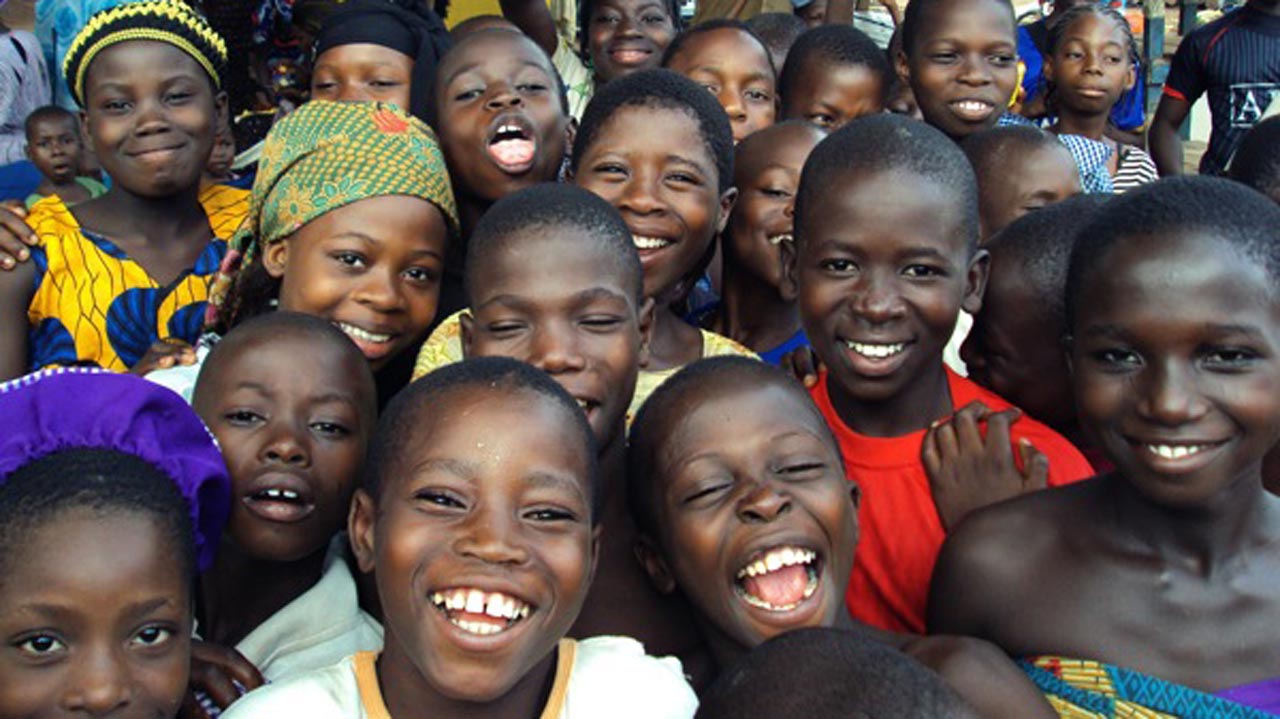
World Day against Child Labour: “Let’s act on our commitments, end child labour” —FIDA Nigeria

Press Release

The International Federation of Women Lawyers – FIDA Nigeria, stands in solidarity with the global community on this pivotal world day against Child Labour commemorated annually on the 12th of June. This year’s observance coincides with the 25th anniversary of the adoption of the Worst Forms of Child Labour Convention 1999, and the theme “Let’s Act on Our Commitments: End Child Labour”, underscores the urgent need to unite efforts in eradicating the scourge of child labour that continues to devastate our nation in its various forms.

The plight of the Nigerian child in the face of child labour is one of profound suffering and lost potential. According to the International Labour Organisation (ILO), about 15 million children in Nigeria are trapped in child labour, with about 160 million children involved in child labour globally, representing 1 out of every 10 children. These statistics are frightening as they are not just numbers, but actual children forced into work at tender ages mostly under harsh and often dangerous conditions, deprived of their childhood and the hope of a great future.

Envision the girl-child in a rural village, rising before dawn to fetch water, cook and clean, before heading to a market to sell goods for her family’s survival. She dreams of going to school, but her day is consumed by laborious tasks that leave her exhausted and without hope for an education.

Visualise the boy child in an urban sprawl, working in a hazardous environment in a local factory, inhaling toxic fumes and handling dangerous machinery. His hands, calloused and bruised, tell a story of toil and hardship that no child should ever have to go through. His dream of a brighter and better future and endless opportunities fade with each passing day spent in labour, instead of learning.

These stories are not isolated incidents or mere imagination, but the pervasive reality for millions of Nigerian children. The COVID-19 pandemic which was closely followed by economic challenges exacerbated this crisis, plunging more families into poverty and increasing the likelihood of children being forced into work to help sustain their households.

FIDA Nigeria alarmed by this growing scourge and the severe and lasting impact of child labour on children emphasises on the dire need for change. Deprived of education, subjected to physical, emotional and sexual abuse, these children are stripped of basic rights and their dignity. The vicious cycle of poverty and exploitation not only stifles their potential but poses a significant threat to Nigeria’s socio-economic development as a nation.

Legal Framework Against Child Labour
Nigeria has established laws and ratified international conventions to combat child labour, yet implementation remains woefully inadequate. Key legal instruments include:

• Constitution of the Federal Republic of Nigeria 1999 (as amended):
• Criminal Code Act

• The Child Rights Act (CRA) 2003: This legislation aligns with the United Nations Convention on the Rights of the Child (CRC) and the African Charter on the Rights and Welfare of the Child (ACRWC), setting the minimum age for employment at 18 years and guaranteeing children’s rights to education and protection from exploitation. 


• Labour Act Cap L1 LFN 2004: This Act prohibits the employment of children under the age of 12 and sets stringent regulations against hazardous work for those under the age of 18.

• Trafficking in Persons (Prohibition) Law Enforcement and Administrative Act 2015

• Violence Against Persons Prohibition (VAPP) Act 2015

• Cybercrime Act 2015

• Disability Act 2018: Prohibits the use of persons with disability (including children) for begging
• Compulsory, Free Universal Basic Education Act 2004

• International Labour Organisation (ILO) Conventions: Nigeria is a signatory to the ILO Convention No. 138 on the Minimum Age for Admission to Employment and Convention No. 182 on the Worst Forms of Child Labour, mandating immediate action to eradicate child labour. 


• Sustainable Development Goal 8 (Target 8.7): Which calls for global commitment in adopting effective measures to eradicate and secure the elimination of child labour in all forms by the year 2025. 


However, despite these robust legal frameworks, enforcement is critically lacking and at an all-time low. Factors such as inadequate resources, poor monitoring/enforcement of existing legislations on child labour and societal acceptance of child labour further perpetuate this grave issue.

Sequel to these and with the determination and commitment to stem the pervasive tide of child labour, FIDA Nigeria makes this crucial call on government, civil society organisations, international partners, public and private sectors, stakeholders and every well-meaning Nigerian to urgently address this crisis. FIDA is advocating for:

  1. Strengthened Enforcement: Rigorously implementing existing laws that prohibit child labour, with violators being held accountable.
  2. Adoption of National Policies: National policies that address the root causes and heightened proliferation of child labour.
  3. Universal Education: Education is a basic right, and all children should have access to quality education with removal of barriers such as school fees and safety concerns.
  4. Increased Awareness: Raise public consciousness and create awareness of the damaging effects of child labour and the non-negotiable protection of children’s rights.
  5. Economic Support: Government to provide social protection programs and financial assistance to alleviate the economic pressures that drive families to send their children to labour.

The story of the Nigerian child should not be one of labour and lost dreams. Together, let us act on our commitment to build a Nigeria where every child can learn, grow, and thrive in a safe and nurturing environment. The future of our nation certainly depends on the well-being and development of its youngest citizens. We need to collectively act to ensure that the elimination of child labour from our society becomes a reality!

FOR: FIDA Nigeria

Amina Suzanah Agbaje, (Mrs.)
Country Vice President/National President
FIDA Nigeria

#endchildlabournow

#ourchildrenourfuture

#Internationaldayagainstchildlabour

#fidanigeria

Youth unemployment and the wish for a moon (1)

By Kirsten Okenwa

Are Nigerian youths employable? Are their job expectations realistic? Here are some stories employers and clients have told me over the years:

“Some colleagues of mine visiting Nigeria for the first time needed to change their reading spectacles and I took them to a popular optician’s outlet. My colleagues were quite impressed with the price range of the spectacles which was cheaper in Nigeria than in their country. They quickly placed orders for three glasses worth almost half a million naira. But, there was a challenge to this transaction; the poor customer relations at the shop. This huge business had staffed its outlet with proud, uncooperative young graduates. The staff found it hard to be friendly and communicative to customers. At some point, they point blank refused to provide an extra service which would have boosted their sales. If not for the pressing need for these spectacles, my colleagues would have walked away and that business lose close to half a million naira due to poor staffing.”

“I was approached by my church member who had an indigent relation in need of a job. The man was desperate for assistance and I decided to give his ward a try at my shop. Located in a busy plaza, my shop was a good place where this young lady could be busy, learn teamwork and make some little money as well. On interviewing her, she came off as proud and selfish. Though she answered questions correctly and her brief work experience was passable even though she hadn’t gone beyond secondary school, I was under the impression she would be difficult to work with. I told her that part of her duties would be to sweep and clean the two rooms of the shop. She responded by saying that she couldn’t; that she wasn’t asked to sweep and clean in her former places of work therefore she shouldn’t be asked to do that at my shop. I was taken aback because, with my degrees and status, I still clean the floor, dust inventory, wash my shop windows and had done that when I was someone’s employee. Some people may say she was right in asserting her stance but I think that when you need a job, you humble yourself, no matter what.”

“Nigerian youths wish for the moon. That is just that. They want employers to give them everything but have they brought anything to the table? Most times, no. I opened a hotel and asked a young friend to help me recruit a baker, preferably a youth. One laughable incident was when he brought a young man in his late twenties who recounted the numerous baking feats he had achieved in his short career. After the interview, the advice I was given by my young “friend” who brought the baker was that while the baker worked for me, I was to give this baker free access to a dozen meat pies per day so that he would not be tempted to steal. At that time, a dozen meat pies cost N5,000; now multiply it by 6 days in a week. This perk was apart from his monthly salary! I laughed really hard and told both of them to go open their own bakery.”

Nkem operates a convince store with several outlets in Abuja. She has on several occasions discovered items hidden in obscure parts of the shop. Still, the most dramatic discovery was a tin of Danish Butter cookies with a broken seal tucked behind some items on the shelf. She brought out the tin, opened it and discovered that the contents were half gone. Turning to her salesgirl, she inquired what happened. The young lady simply responded that she used the cookies to break her fast!

Barr. Juliet Isi Ikhayere, lawyer and youth leaderADC 2023 Candidate, House of Representatives, AMAC/Bwari constituency, Federal Capital Territory (FCT) recounts her experience.

“My experience with looking for people to engage in the food chain production of fish was a bit difficult in the mid part of 2022 until 2023 when I gave up searching for employees.

“The issues surrounding the quest were a lack of interest in hard work. Also, some felt it was condescending getting involved in the roasting of fishes and plantain. Lastly, some felt they wouldn’t tie down their evenings for such a venture.

“I understood the zeal and need for young people to explore and so I gave up the quest and resorted to just focus on breeding the fishes and drying them after a certain form of maturity.

“I also formulated a principle to inform anyone who reaches out for free funds by asking if such a person can engage in the food processing part of the fishes and like the usual response goes; “Barrister it’s not my passion” and all similar responses.

“My candid advice to young people is — whatever pays you that is legal, never relent to put in all the efforts. It is all a process.”

Stories like these abound on the incredible, and unreasonable demands made by some youths before or while they are employed. But there are also several success stories of resilient and enterprising young Nigerians who have distinguished themselves in their workplaces, no matter how low the employment or enterprise may be.

I have been wanting to write this article on youth unemployment in Nigeria but was held back because I didn’t want to be misunderstood. I didn’t want my words to be judged in the same category as that of former president Muhammadu Buhari, who in April 2018, went viral on the internet for comments he made on some Nigerian youths during a panel appearance with world leaders at the Commonwealth Business Forum in London. President Buhari had criticized the attitude of some Nigerian youth, saying, “More than 60 percent of the population is below 30, a lot of them haven’t been to school and they are claiming that Nigeria is an oil producing country, therefore, they should sit and do nothing, and get housing, healthcare, education free.”

I’m going to throw my hat in this boxing ring; this prolonged debate between Nigerian employers and youth employees. This article is in two parts; I will join some employers who cry that Nigerian youths are not employable. I have started by sharing stories of some Nigerian youths who think they are entitled to the good things of life and all must kowtow to their demands. Such youths have to understand that they cannot just sit and wish for the moon. I am also going to show how the government can help its young people in the area of education, skill acquisition and gainful employment.

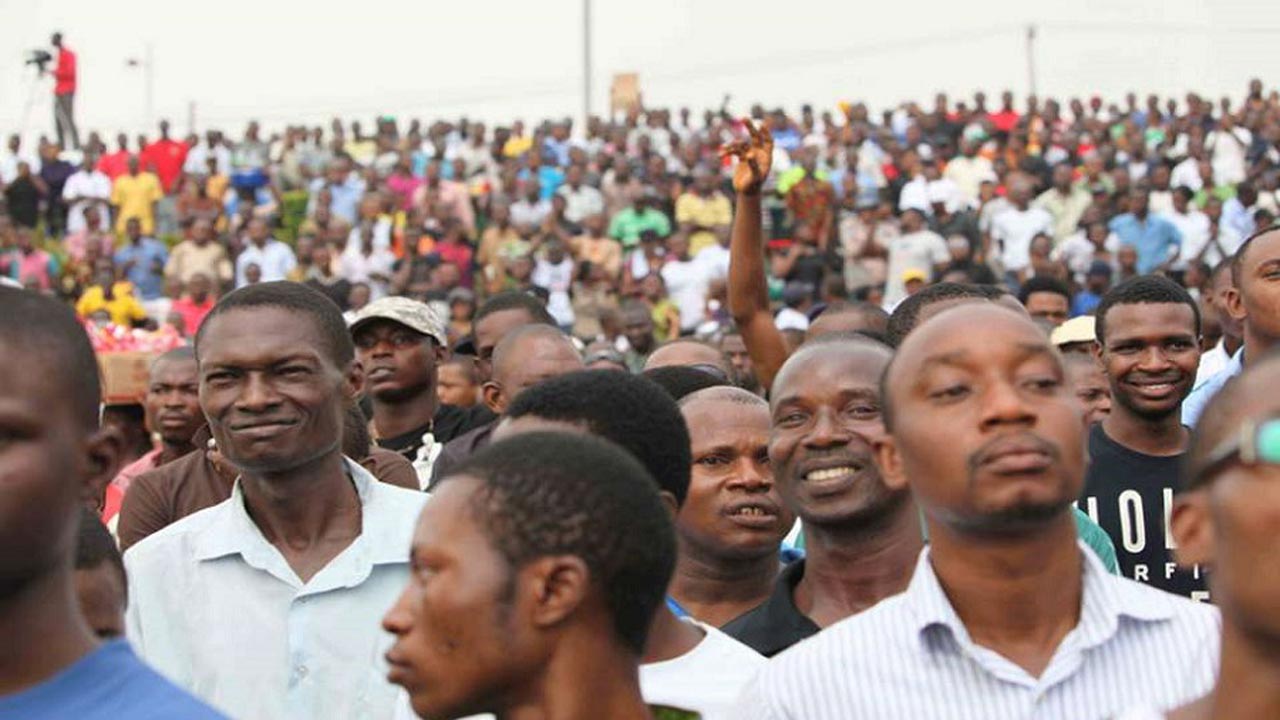
As we stood at the balcony overlooking the courtyard at the Jabi Lake Mall in Abuja, my friend Ashvee on a week’s visit from Mauritius commented on a striking generational gap he observed in Nigeria. He said it was very obvious the high percentage of young people. I heartily agreed with him. Although accurate census data may be required, past studies have shown that Nigeria has the largest population of youth in the world and a median age of 18.1 years.

About 70% of the population is under 30, and 42% is under the age of 15. Looking at other data showing the high rate of unemployment in Nigeria, one cannot help but think that with the right guidance and opportunities, the energy and talent of our young people can make a significant contribution to the development of our nation.

Kirsten Okenwa is a freelance writer with over 20 years of experience in several non-profit organizations. Trained as an industrial chemist, Kirsten is also an expert in food systems and the agricultural sector and runs a growing manufacturing venture. Outside work, she loves to share songs and her poetry with kids in schools and hospitals.
Grill-A-Thon: Another Nigerian pushes to break Guinness World Records in barbecue marathon

All roads lead to Eric Kayser Restaurant, Bishop Aboyade Cole Str., Bendel Close, Victoria Island, Lagos this weekend as another Nigerian plans to break Guinness World Records.

Akinsowon Faderera Edwin, an accountant and a chef, will be making an attempt to become the world record holder in Grill-A-Thon Berbeque for 82 hours.
An indigene of Ondo State, the parents are retired civil servants in the Sunshine State.
When successful, he will put the 48-year-old state on the world map.
Akinsowon is a passionate griller and aspiring world champion, with a background in accounting and a deep love for the culinary arts. His journey from an arts student to a record-breaking hopeful is a story of perseverance and unwavering belief in the power of dreams.

With a burning passion and an unyielding spirit, Faderera, an accountant-turned-restaurant staff, is set to embark on a remarkable journey to break the Guinness World Record for the longest barbecue marathon.
Drawing from his diverse background and motivated by a deep-seated belief in achieving the extraordinary, he aims to grill for over 82 hours, surpassing the current record of 80 hours.

Inspiration and Motivation

When asked about the inspiration behind this ambitious attempt, he shared, “Motivation is an inner drive that pushes you beyond expectations. I’ve always believed that nothing is impossible. Though I was an arts student in secondary school and later studied accounting in higher education, I found my true calling in the restaurant business. Learning to grill from my grandfather in Ondo City ignited my passion for barbecue.”

Preparation and Planning

His journey towards this record-breaking attempt began two years ago. “From childhood, I envisioned myself as a world champion. Working in a restaurant solidified my dream of achieving greatness through grilling,” he explained.
To ensure his success, he enlisted the help of an expert trainer last year, who dedicated a month to honing his grilling skills.

However, the path has not been without challenges. “Financial constraints and a demanding work ethic have been significant hurdles,” he admitted. “But my determination to succeed keeps me going.”

Details of the Attempt

According to him, to break the record, I must grill for over 81 hours in a public area, adhering to specific guidelines set by Guinness World Records. “I plan to grill for more than 82 hours, using only charcoal as modern grilling machines are not permitted. The event will be open to the public, and I’ll have a medical certificate to ensure the quality and safety of the food.”

Logistics and Support

Managing rest breaks and staying active throughout the attempt will be crucial. “Guinness allows only rest breaks, not sleeping time. I aim to remain active for the full four days,” he stated.
The Lagos State government is providing emergency services to ensure safety, and all foods prepared will undergo government approval to maintain high standards.

Personal Experience and Impact

Staying motivated during such a demanding task requires strong personal support. “My mother has always motivated me. Her encouragement keeps me focused, and I want to make her proud,” he shared. Professionally, he hopes to establish a global presence in the grilling business and inspire others through his journey.

Community Response and Future Plans

Despite the lack of widespread support, he remains hopeful. “It’s challenging to get support, but I’m determined. If successful, I plan to build a grilling empire alongside my comedy ministry,” he revealed.
He also intends to share his experience and techniques with others, drawing on his teaching background from his institution days.

Celebration and Advice

When asked about celebrating the record-breaking achievement, he smiled and said, “Let the day come first, and you’ll see.” His advice to aspiring record-breakers is simple yet profound: “Never lose hope. Start planning and believe in your dreams. Even when the odds are against you, your belief will make it happen.”

“My determination to break the Guinness World Records for the longest barbecue marathon will be a testament to my dedication, resilience and unshakable belief in my dreams. The event promises to be an inspiring showcase of skill, determination and community spirit, featuring free barbeque, free drinks, games, music and entertainment, give away and lots more.

“I solicit for public support, private and public company support, federal and state government support as I will be embarking on the journey starting from 1am on Saturday 15th of June till I break the record. We are inviting everybody to come and experience greatness at the venue, Beside Eric Kayser Restaurant, Bishop Aboyade Cole Str., Bendel Close Victoria Island, Lagos”.

The Conclave

TIPS