Home Blog Page 559

Economic crisis, hunger in Nigeria and FG’s alleged recent purchase of $100 million presidential jet

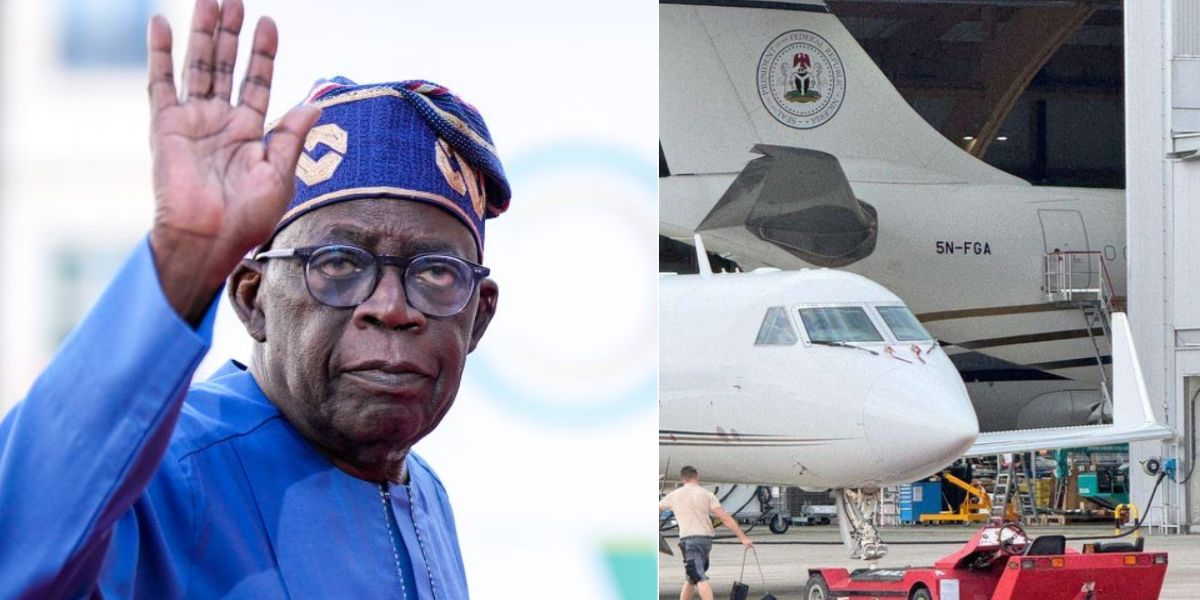
As Nigeria and Nigerians battle perhaps the worst economic crisis in a generation, leading to widespread hardship and anger, activist and former presidential candidate, Omoyele Sowore, has alleged that President Bola Tinubu has purchased a $100 million presidential jet and further investing an additional $50 million for its customisation.

Sowore made the claim via his X handle (formerly Twitter) on Monday evening.

“While they are telling you to ‘exercise patience,’ @officialABAT already bought a $100m Presidential Jet and configured or reconfigured it with some $50 million and it is ready for delivery!” Sowore said.

He went on to describe the aircraft: “The jet is an A330-200 initially christened VP-CAC and is now registered as 5N-FGA.”

He condemned the purchase, emphasising the disparity between the government’s spending and the country’s economic challenges. “This was not in the annual budget; they can’t pay minimum wage for workers but could afford $150m for a private jet. Students have to obtain loans to go to college, but they could afford to approve billions for hajj even as the money ended up being stolen.”
Meanwhile, politician and management expert, Prof. Pat Utomi, has taken to social media to tackle the Tinubu-led government for failing to heed to his advice on how to stop food inflation. 

In a post shared on X, Utomi said the Tinubu government chose to focus on presidential jets, lagos-calabar highway, SUVs for lawmakers rather than sort food inflation.

Describing their action as the ‘’height of unwisdom’, Utomi wrote;

‘’I woke up at 2am to do the KAKAAKI interview this morning but the chill of the wrong policies announced yesterday for the agriculture sector has not let me return to sleep. Do we forget so quickly? How poor trade policy with the ascendance of Oil income caused cash crop farmers to abandon the farms to the none tradable goods sector as messengers and construction workers and when Oil price volatility resulted in construction firms not being paid on time triggering their retrenchment. They did not go back to farms and we became a mono product economy. Now we want to make dependence on food imports permanent when we have not the money to pay for the imports. We are inviting a famine.

Months ago I pleaded that this food price inflation should be combated with Forest rangers being deployed to fertile territories and farmers given input incentives managed by NGOs and not corrupt government officials so that they can focus on legumes that can be harvested in three months and the markets flooded with food. Instead we focused on Presidential Jets, Lagos-Calabar Highway, SUVs for National Assembly and Presidential motorcades of 100 vehicles. The height of unwisdom. Now the chicken have come home to roost and we want to inflict long term structural damage in panic incentives. God Save Our Souls,”

In the report below, Dw.com writes about the human suffering and economic crises in Nigeria.

Toyin Ogundeko, a resident of Lagos and a caterer by profession, lives with asthma. Her son has the condition, too.

But medicines have become so expensive in Nigeria that they can’t afford the inhalers they need.

Amid a worsening economic crisis, Ogundeko isn’t sure how they will get by.
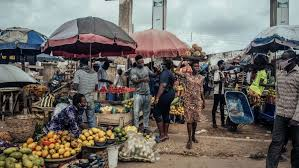
“With the way the economy is going, things are really getting tough. You’re struggling to buy foodstuffs, and you’re also trying to stock up on your medication,” she told DW.

“So, for me I can cut down on the inhaler for myself. I won’t cut it for my child,” she said.

What’s causing the crisis?

The worst economic crisis in Nigeria in decades has cost the country the ranking as Africa’s biggest economy. And inflation and a volatile exchange rate are driving the cost of living up in the nation of more than 200 million people.

Higher drug import prices have led to local price hikes and a scarcity of basic medicines. Pharmacist Emmanuel Olaogun Oladeji says Nigerian drug manufacturers simply can’t plug the gap.

“There is a limit to what local manufacturers can do. We are grateful to have the likes of Emzor Pharmaceuticals and some other indigenous manufacturers in the country, but there is a limit to what they can do,” Oladeji told DW.

Analysts predict that Nigeria could plunge to fourth position on the list of African economies in 2024. Businesses are struggling to stay afloat.

“What caused our problem in Nigeria today is the devaluation of our national currency against the US dollar,” Alhaji Sani Nasidi, a veteran businessman, told DW.

The high cost of essential commodities citizens are facing is a direct result, he said. As a way out of the current crisis, Nasidi suggested that “Nigeria needs to run away from a dollar economy.”

President Bola Tinubu has embarked on a bold set of economic reforms that he argues are necessary and will bear fruit in the future.

His decision to remove fuel subsidies was seen as abrupt. It led to the doubling of fuel prices, rising food and transport costs and an increase in the price of imported products.

According to financial analyst and former banker Aminu Philip Yado, the high fuel costs are impacting Nigerians broadly.

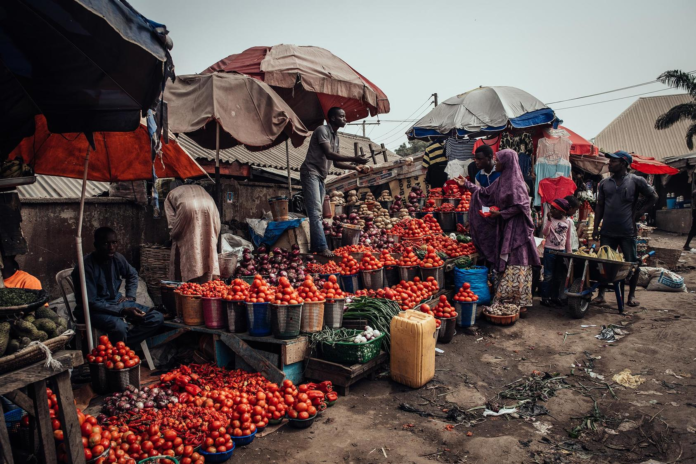
“Transportation is one of the major factors that affects the cost of produce in the market,” Yado said. “When you go to the farm and you have to harvest and transport at a very high cost, there is no way you can come to the market and charge low. You would certainly have to charge profitably and sustainably.”

Nigerian labor unions have called several nationwide strikes over salaries that are too low to keep up with inflation.

“The same inflation is what caused companies to run away from Nigeria because they would not be making a profit,” said Alhaji Sani Nasidi, the businessman. “The quality of goods and services they normally produce would be reduced, and people would not have money to buy it.”

Aminu Philip Yado, the financial analyst, believes that the economy needs innovation.

“What is basically wrong with the economy is that the managers of the economy themselves are not really having the economy at heart. Everybody that gets there struggles for his own and not the Nigerian people,” Yado told DW.

Yado sees a lack of investment in major infrastructure that could grow the economy and create jobs for youth as a key factor in the deepening economic crisis.

“When they talk of borrowing, in fact how much […] of this borrowing that they want to invest in the Nigerian infrastructure actually goes into investment in that infrastructure in Nigeria?” he asks.

Energy crisis with devastating impact

Nigeria also faces an energy crisis. Tinubu is trying to rejuvenate the national power grid by pouring in public money instead of subsidizing electricity for those who cannot afford to pay.

After he scrapped fuel subsidies, Tinubu did away with a series of electricity subsidies.

“If there is power in Nigeria today, all artisans that depend on power to do their business will go back to doing their business at a cheaper cost than they are doing now,” said Yado.

Most business owners are forced to buy generators to keep operations going. This trend, the financial analyst told DW, is not sustainable.

In the meantime, citizens like Toyin Ogundeko and her son are desperate. “People have all sorts of complicated conditions, and imagine how they’re coping?” she said.

“So, for me it’s a plea to the government: Whatever needs to be done, first find a way to stabilize this economy. Things are getting out of hand.”


FIDA celebrates Frances Ibanga on installation as 11th President of Rotary Club of Abuja New Dawn

On Sunday the 7th of July 2024, Rtn. (Barr.) Frances Ibanga PHF was inducted as the 11th President of the Rotary Club of Abuja New Dawn.

A highly accomplished Lawyer with over a decade of distinguished career at the ECOWAS Court of Justice, where she currently serves as the Assistant Registrar of Enforcement in the Registry Department, her commitment to excellence and analytical insight made her an invaluable asset to the court, solidifying her reputation as a key figure in the judicial system.

Frances Ibanga

In addition to her professional duties, Frances is an influential leader dedicated to empowering women and fostering community development. As the President of the ECOWAS Court of Justice Women’s Forum, she advocates for women’s rights and gender equality within the legal sphere. She also serves as the focal person representing her institution on gender issues, furthering her commitment to promoting gender equality.

Her excellent leadership extends to her recent position as the President of the Rotary Club of Abuja New Dawn, reflecting her passion for creating inclusive and supportive environments for people and promoting their active participation in all areas of life. Frances is a Rotarian with a heart of gold, she exudes selflessness which is one the attributes of a good Rotarian. She served as Secretary of RC Abuja New Dawn for 3years consecutively and in other capacities.

The celebrant and members of FIDA Abuja. L-R: June Idang Etim (Welfare Secretary emerita), Welfare Secretary, Ifeoluwa Johnson, the celebrant, General Secretary, Mojirayo Ogunlana and Rosemary Ogazi (Welfare Secretary NBA Garki Branch)

Frances holds an MSc in Peace Studies and Conflict Management from the National Open University of Nigeria, complementing her extensive legal education. Over the years, Frances has acquired numerous certifications, awards, and active memberships in prestigious legal associations, including the International Bar Association, the African Regional Forum, Federación Internacional de Abogadas (FIDA), and the Nigerian Bar Association, among others.

She also received several awards from various organizations, such as the Humanitarian Icon of the Year Award and the Most Inclusive Personality of the Year Award, to mention but a few.

Before joining the ECOWAS Court, Frances practiced in Minna Niger, State at Ndagi Musa & Co Law Firm, gaining valuable legal experience that laid the foundation for her successful career at the court. Her extensive experience, leadership roles, and steadfast dedication to the legal profession and community service have enabled her to continually make significant contributions. She champions the advancement of women across all areas of society, leading by example and inspiring others to follow suit. She engages in numerous humanitarian services, further demonstrating her commitment to positive societal change.

Frances Ibanga is married with children. Her dedication to her family, profession, and community service makes her an exemplary figure in both her personal and professional life. She is committed to advancing women’s rights and opportunities, serving as an inspiration and driving force for positive change.

Suspected Kenyan serial killer arrested after bodies discovered in dump site

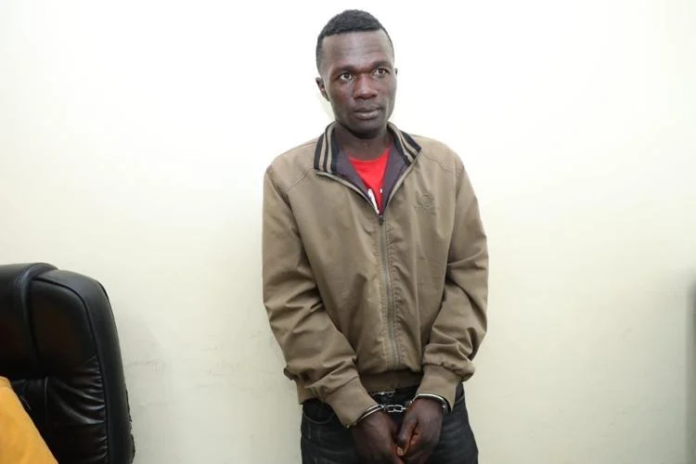
A suspected serial killer has confessed to murdering 42 women over the past two years, police in Kenya have said, in a shocking case that has sparked calls for increased measures to combat gender-based violence in the country.

Authorities said Collins Jumaisi Khalusha, 33, “lured, killed, and disposed of 42 female bodies,” of which only nine have been recovered.

He was arrested in Soweto, east of the capital Nairobi, at 3 a.m. local time on Monday, outside a club where he had gone to watch the Euro 2024 soccer final, Kenya’s director of criminal investigations, Mohamed Amin, told journalists on Monday.

“On interrogation, the suspect confessed to having lured, killed, and disposed of 42 female bodies at the dumping site, all murdered between 2022 and Thursday, 11 July, 2024,” Amin said.

Acting police inspector general, Douglas Kanja, added in a statement that the “post-mortem examination is happening today” on the nine bodies recovered so far.

In a news conference on Sunday before the suspect’s arrest, Kanja said the bodies “were severely dismembered, in different states of decomposition, and left in sacks.”

“We are dealing with a serial killer, a psychopathic serial killer who has no respect for life,” Amin said Monday.

Khalusha “led officers to his single room rented house,” which is located about 100 meters (328 feet) from the crime scene, Amin said. A machete, 12 nylon sacks, a pair of industrial rubber gloves, a hard drive, and eight smart phones were among “crucial” items police said they discovered in the rented house.

Amin said that, according to the suspect’s confession, his first victim was his wife, whom he “strangled to death before dismembering her body and disposing it at the site.”

“From his interrogation, all his victims have been murdered in like manner,” he said.

Khalusha’s arrest followed “forensic analysis of a mobile phone belonging to one of the victims, Josphine Mulongo Owino, where mobile money transactions conducted on the day she went missing pointed to the suspect,” according to Amin.

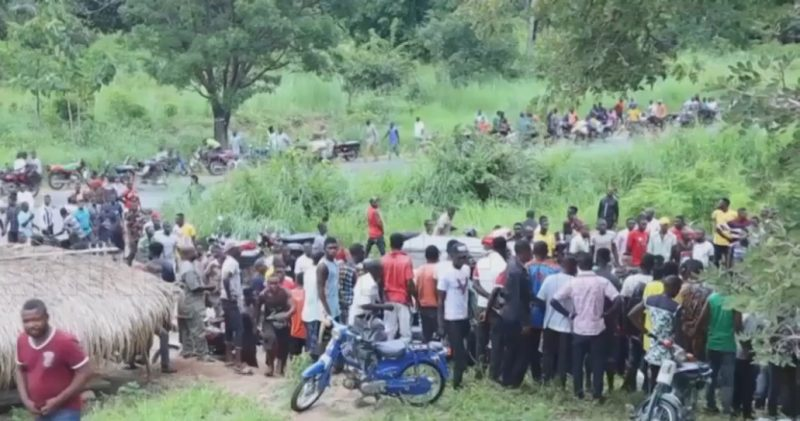
The first six bodies were discovered on Friday by residents of Kware, in Nairobi’s Mukuru kwa Njenga neighborhood. Kenyan Police said the bodies were found in an “abandoned quarry,” currently “filled with water and used as a dumpsite.”

On Monday, police said the suspect lived a short walk from the dumpsite, raising questions about how he evaded detection for two years. The site is also close to a police station.

A group of female leaders called for enhanced protections for Kenyan women on Monday after increasing cases of femicide.

“Those women might have been killed today, but which woman is next in line?” asked Kajiado lawmaker Leah Sankaire Sopiato at a press briefing. “It is so sad that someone who killed 42 people was still roaming out there. Women’s lives must count, and women’s lives must be protected.”

They called for the re-establishment of gender desks at police stations countrywide with well-trained officers to address cases of gender-based violence.

WSILTV

Food Crisis: 53 days after abduction, 148 Niger state farmers still in captivity

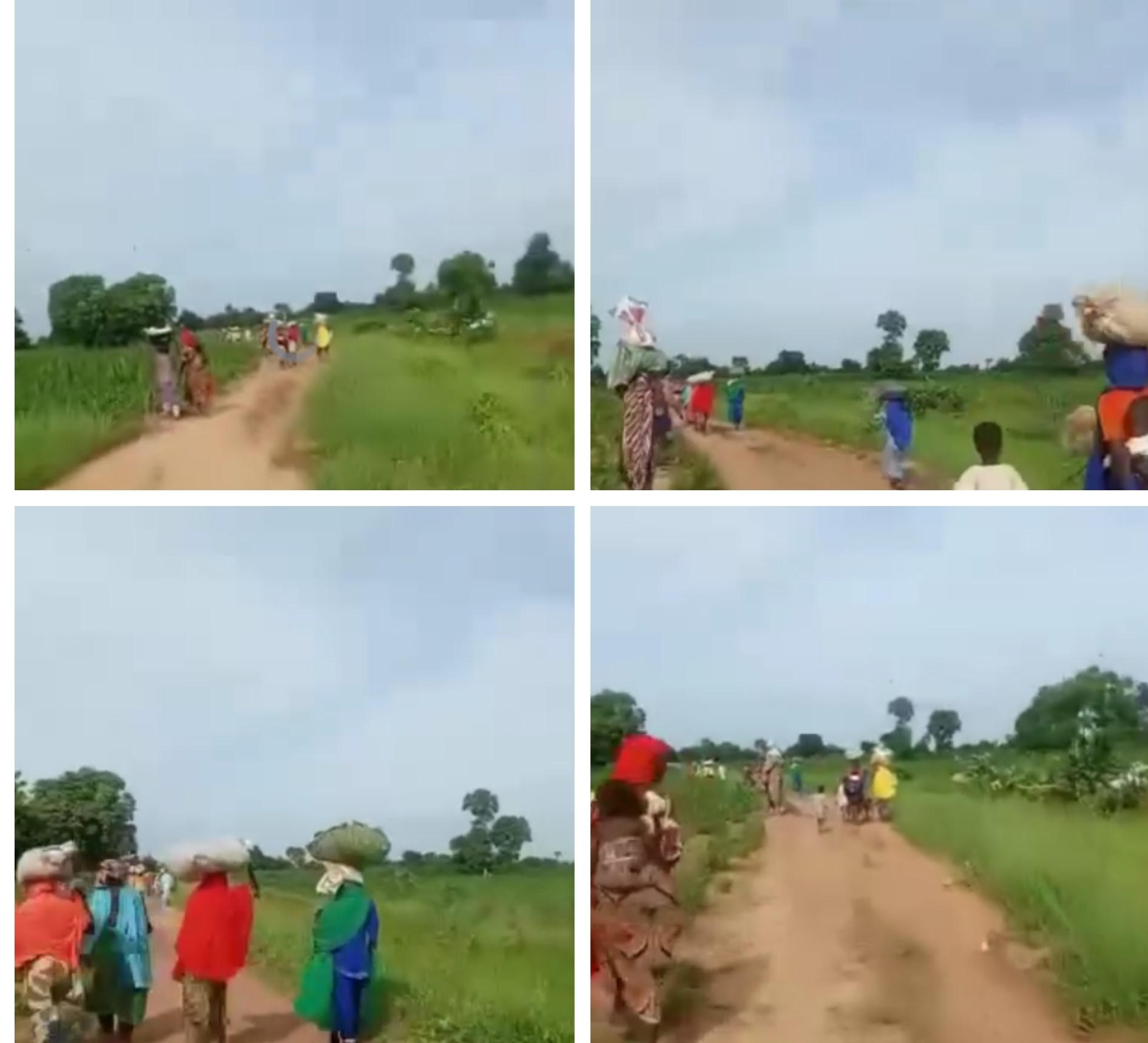
Amidst worsening food crisis and inflation, the 148 farmers kidnapped from  Kuchi, an agrarian community in Munya Local Government Area of Niger State are still in captivity fifty-three days after the abduction. 

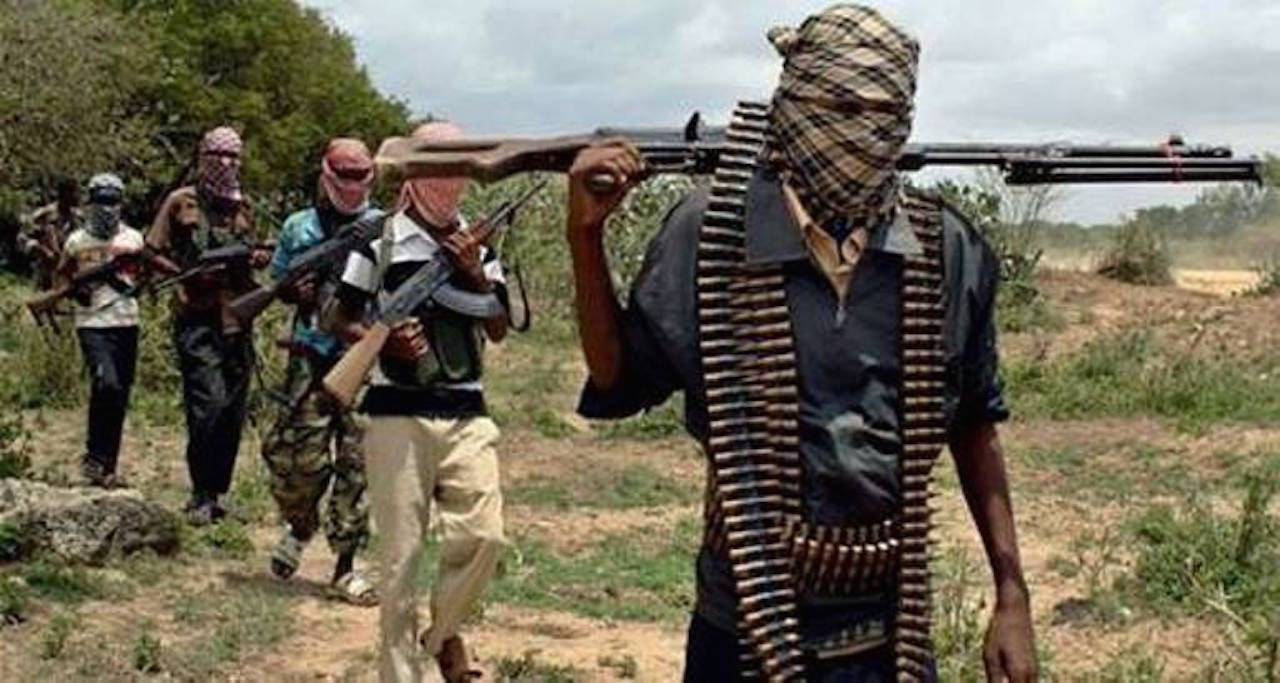
The bandits, numbering over 100, abducted the farmers, including pregnant women and children, on May 24, 2024, and have since demanded ransom for their release.

Speaking to the Daily Trust,  Abdulmalik Iliyasu, expressed anguish over the situation, revealing that some captives have died. 

Those released revealed that the bandits collected ransom before informing families of the deaths.

“The bandits demand N2 million and a Honda motorcycle for each captive. We are farmers, and without access to our farms, we have no means to raise such sums,” lamented Iliyasu

He further disclosed that informants within the communities have been undermining negotiation efforts by revealing wealthy families to the bandits, resulting in increased ransom demands

Communities like Kapana, Wuloto, and Godan also have residents in captivity, exacerbating the region’s crisis.

The district head of one affected community highlighted the pervasive fear among farmers, exacerbated by the bandits’ threats of further attacks and the loss of livestock during raids.

Residents appealed for government intervention, particularly securing the Dan-Gunu riverbank, a known crossing point for bandits into Munya LGA from Kaduna State. They urged authorities to support their return to farming, essential for their livelihoods

In response, SP Wasiu Abiodun, spokesperson for the Niger State Police Command, assured ongoing efforts in collaboration with the military to rescue the victims, underscoring a coordinated operation between Niger and Kaduna states. 

Linda Ikeji

Bandits’ levies, obstacle to food security

By Punch Editorial Board

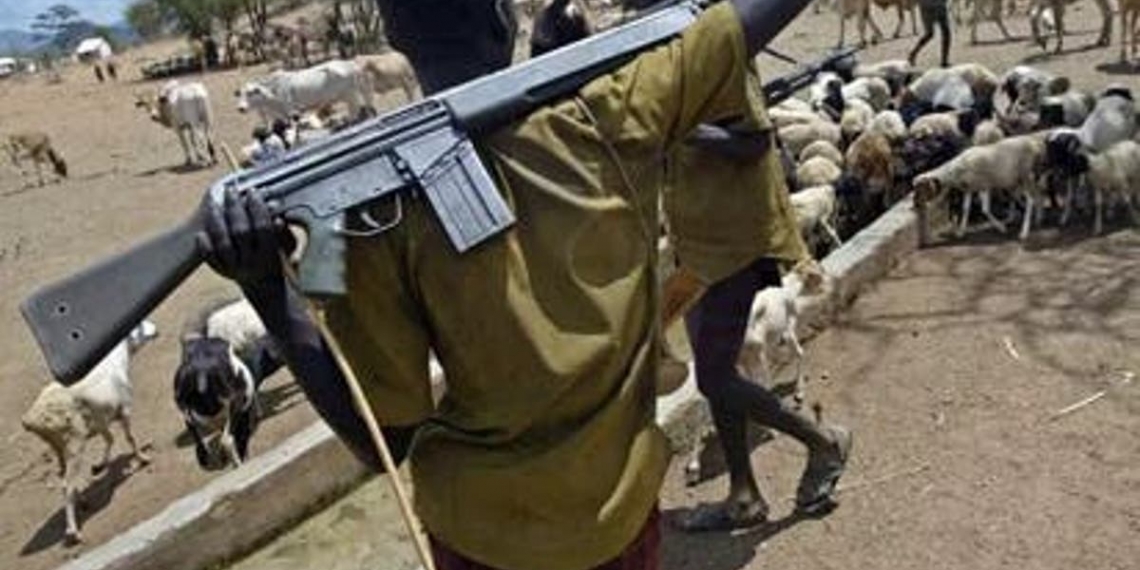
Disturbing reports that bandits are levying farming communities have again brought to the fore the imperative of addressing the banditry crisis. The menace has destabilised communities and exposed the lapses in governance, security, and social cohesion. Urgent and comprehensive action is required to address this multifaceted challenge.

Banditry in Nigeria evolved from isolated incidents to a widespread and coordinated criminal enterprise. Initially perceived as rural cattle rustling and petty theft, it has morphed into organised crime involving mass abductions, village raids, and extortion. States such as Zamfara, Katsina, Kaduna, and Niger have borne the brunt of these attacks, leading to the displacement of thousands, and a humanitarian crisis.

The bandits are extorting huge levies from farmers, destroying farms and barns, and denying farmers who cannot pay them farm access. This has compounded the food crisis in the country. President Bola Tinubu must prioritise tackling banditry and other criminal activities affecting food production.

A PUNCH report said Toro residents in the Ukum Local Government Area of Benue State are now selling their farm produce to raise the N20 million tax slammed on them by bandits. Each household there is to contribute N50,000.

In Zamfara, bandits impose taxes on farmers to gain access to their farmland. Farmers are required to pay sums ranging from N100,000 to N300,000 to cultivate their land or harvest crops. Failure to pay these taxes often results in massacres, the destruction of crops and attacks on villagers. In some cases, the bandits have established a system where farmers must pay a regular levy to avoid attacks. This levy is often collected during the planting and harvesting seasons, severely impacting the livelihood of farmers.

The same absurdity has been recorded in Katsina, where the bandits demand payments for ‘farming rights.’ These payments are enforced under the threat of violence, effectively turning farming activities into a high-risk endeavour. In Jibia and Batsari, bandits have reportedly set up checkpoints to extort money from farmers transporting their produce to markets. This not only disrupts agricultural productivity but also inflates the cost of goods.

In Kaduna – particularly in Birnin Gwari –, bandits impose protection fees on farmers. These fees are framed as payments for protection against other criminal groups, creating a perverse system where farmers are extorted by the very entities they need protection from. The bandits have been known to control local markets, imposing taxes on goods sold and purchased. This control extends to agricultural produce, where farmers are taxed for bringing their goods to the market.

The situation is not different in Niger State. Bandits demand payments from farmers during harvest. All this suggests the absence of a government or a weak one. Without addressing the security issues, food security cannot be guaranteed.

The human cost of banditry is devastating. Communities live in constant fear, with schools, markets, and farms becoming targets of attacks. This has led to significant disruptions in education, agriculture, and local economies, plunging impoverished regions into deeper hardship.

While the Federal Government has launched several military operations and amnesty programmes aimed at curbing banditry and Islamic militancy, the effectiveness of these initiatives has been limited. Military interventions often lack sustainability, and the amnesty programme has been criticised for rewarding criminals without addressing the root causes of banditry and insurgency.

But utilising drones, surveillance cameras, and satellite imagery for monitoring and early detection of bandit movements can have a significant impact.

Nigeria’s security structure should be devolved. Instead of a single police system, it should decentralise its police like the other 24 federal countries worldwide. This can counter the sheer number of bandits by putting more boots on the ground. A former Zamfara governor said there are 120,000 bandits in the North-West alone.

The government should prosecute and punish the bandits.

Bandits strike Zamfara, kill four, abduct 150

Bandits have killed four people and abducted 150 others, including two babies aged six and eight months in an attack on Dan Isa village, Kaura Namoda Local Government Area of Zamfara State.

A resident of Dan Isa, whose wife and son were abducted, confirmed the incident to Daily Trust

The resident, who pleaded anonymity, said the bandits stormed the village around 3pm on Sunday, July 14, and operated for six hours.

According to him, the bandits arrived on about 150 motorbikes, each carrying three people, and began shooting sporadically, causing residents to flee for safety.

“My wife, Na’imah and our six-month-old child, Sudais, were among the victims. My brother’s wife, Aisha, and her eight-month-old child were also abducted. Several women and children were taken during the attack,” he said. 

Another resident, Muhammad Auwal (not his real name), recounted that Hajiya Rakiya, wife of Wamban Dan Isa, Alhaji Bello Halilu, was abducted, and other women were injured in Mr. Halilu’s house.

Two wives of Wamban Dan Isa’s younger brother, Malama Luba and Malama Talatu, were also kidnapped, he added

“I also learnt that Malam Musa Ajiya was among the people that escaped from the bandits but four women including his wife, Suwaiba, and the wife of Shafi’u, his younger brother, were all abducted in his residence,” he said. 

Aminu Bello Dan Isa, another resident, said that the attack was carried out by a gang led by a notorious bandit called Alhaji Shehu Bagiwa. 

Though sources said Bagiwa did not participate in the heinous act directly, escaped women reported seeing his lieutenant, Aminu Baka-da-dadi, leading the operation

“Some women who escaped returned with fractured legs and various injuries, having been beaten by the bandits in the bush before they managed to flee,” Dan Isa said. 

The village has since been deserted, with residents relocating to places like Kasuwar Daji, Rawayya, Gyambarawa, and Gusau, due to fear of further attacks.

Residents appealed to the government for assistance, urging the deployment of soldiers to the area. 

They stressed the need to eliminate bandits, especially notorious ones such as Bagiwa and Baka-da-dadi.

“We need more security personnel around us otherwise we will not go back to the village,” Aminu Bello said.

“Previously, we had soldiers in the village but since they were taken to another place, the bandits returned to the area, attacking us almost all the time

The bandits are heartless and merciless human beings. Once they are eliminated, things will normalise in the area; they are our problem in this part of the state,” he said. 

Click on the link below to watch the video.

https://www.facebook.com/watch/?v=1648835365904897

Linda Ikeji

Kaduna teacher in custody for allegedly sodomising four boys

For allegedly having anal sex with four boys, a Chief Magistrates’ Court in Kafanchan, Kaduna State, has ordered the remand of a 30-year-old teacher, Josiah Alkali.

Alkali was charged by the Nigeria Security and Civil Defence Corp (NSCDC) on four separate charge sheets with unnatural offence, contrary to section 259 of the Kaduna State Penal Code Law.

The four boys were between the ages of 13 and 15 years. 

The NSCDC prosecutor, Mr Marcus Audu, told the court that the matter was reported to the Corp’s office for investigation by the Salama Sexual Assault Referral Centre, Kafanchan on July 3.

Audi explained that the defendant committed the act with the boys separately on multiple occasions between February and July 2024.

He said the defendant lured each of the boys into his room at Takau and had sex with them through the anus.

According to him, the defendant threatened to kill them if they told anyone about the affair.

The prosecutor added that during the course of investigation, he confessed to the commission of the crime.

The Presiding Judge, Samson Kwasu, however, declined to take the defendant’s plea for lack of jurisdiction to entertain the matter but he gave orders for him to be remanded in a correctional facility

Kwasu directed the prosecutor to forward duplicate copies of the case files to the State Director of Public Prosecution for legal advice.

He, thereafter, adjourned the matter until July 25 for further mention.

Benue IDPs returning from farms attacked by gunmen

With Nigeria’s First Lady, Senator Oluremi Tinubu urging Nigerians to take more interest in agriculture amidst dire insecurity in the country, gunmen have killed one Internally Displaced Person (IDP) who was returning from a farm at Tse-Iyo village in Sengev Council Ward, Gwer West Local Government Area of Benue State. 

Oluremi Tinubu who said agriculture still held the key to bettering the lot of citizens noted that the various interventions of the Renewed Hope Initiative, RHI, especially in the areas of Agriculture, Empowerment, Education, Health and Social Welfare are to complement the efforts of President Bola Ahmed Tinubu’s administration.

Between March and June over 165 farmers lost their lives to attacks by bandits, who have hindered access to farms across the country, findings by The PUNCH have shown.

Farmers in Benue, Sokoto, Niger, Plateau, and other states, in separate interviews with our correspondents on Tuesday, lamented that they did not only lose crops to the rampaging bandits but many of their colleagues were also killed by the hoodlums. They added that they had abandoned their farms following the rising attacks by the bandits.

Out of the over 165 farmers killed this year, the highest number was recorded in Benue State, where 130 of them were killed by the bandits.

A former camp manager of Agagbe IDPs’ camp in Gwer West LGA, Ibaah Jacob, told the Daily Trust that the incident happened on Sunday evening, July 14, 2024, while the deceased and other IDPs were returning from their farms.

He said the victim, Ikyumbu Aondowase, 30, was shot by the attackers who accosted him alongside others on the way, killing him on the spot while the others escaped with bullet wounds.

“Yesterday, July 14, 2024, armed men successfully attacked and killed Mr Ikyumbu Aondowase, 30. Mr Achin Terzungwe, 45, was one of those wounded badly during the attack and was rushed to Naka Hospital for treatment,” he said.

“Others however escaped according to the eyewitness report we got. They had taken the path that leads to Tse-Iorbogo while coming back from farms unknown to them the gunmen had already laid an ambush on the bad spot of the road

“On reaching the spot, the attackers started shooting at them and Aondoawase was k!lled immediately. Others like Terzungwe who was badly wounded escaped. However, five people among them are still missing.”

Last month, residents of Torough community in the Ukum Local Government Area of Benue State say they are now selling their farm produce to raise N20m tax imposed on them by bandits.

According to them, the bandits have threatened to attack their community if they fail to pay the N20m on time.

PUNCH reported that as a result of the threat, each resident has been levied N50,000 to raise the N20m.

Months ago, the Kogi East Critical Stakeholders (KECS) said herders have taken over the administration of fishing and agrarian communities and were levying taxes on the people of Kogi State while sacking them from their farmlands and fishing grounds. 

The group while briefing journalists in Abuja yesterday said the herders were equally expanding their control to other communities, thereby creating unrest and displacement of people.

KECS chairman, Sule Iyaji, appealed to President Bola Tinubu to intervene in the security situation, particularly in Omala and Dekina local government areas and other parts of Kogi State. 

He said the urgent intervention of the president would prevent bloodshed and recourse to self-help by the populace. 

After borrowing $1.3 billion to acquire 20% stake in Dangote Refinery, NNPC loses out

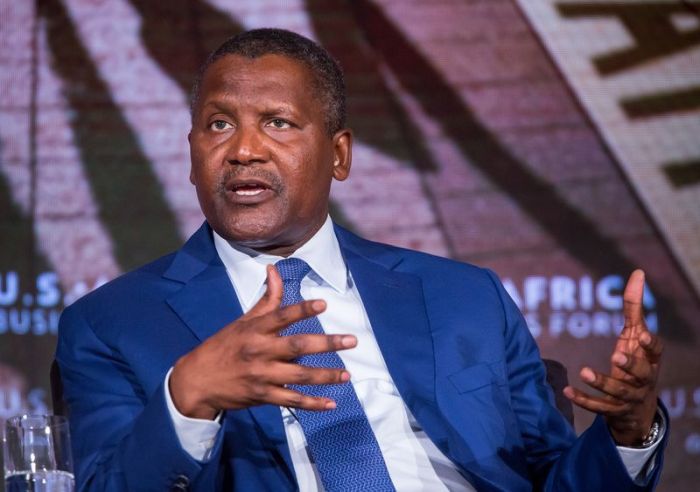
Although a recent data obtained from the Nigerian National Petroleum Corporation (NNPC) Limited’s audited financial report for 2022 indicates that the national oil company borrowed $1.3 billion to acquire a 20% stake in Dangote Refinery, Chief Executive Officer (CEO) of the Refinery, Aliko Dangote, has revealed that NNPC Ltd now owns only 7.2%.

Speaking during a press conference at the refinery on Sunday, Dangote said NNPC’s failure to pay the balance of its share, which was due last month in June reduced its stake to only 7.2% of the refinery.

He further stated that NNPC had promised to provide the funds but that it has been unable to meet its obligations, thus reducing its stake in the $19 billion refinery to 7.2%.

“NNPC no longer owns 20% stake in the Dangote refinery. They were met to pay their balance in June, but have yet to fulfill the obligations. Now, they only own a 7.2% stake in the refinery,” Dangote said.

Confirming the development in a statement, the NNPC Ltd through its Chief Corporate Communications Officer, Olufemi Soneye, said its period assessment of the investment portfolio led to the decline in its share of the refinery.

“NNPC Limited periodically assesses its investment portfolio to ensure alignment with the company’s strategic goals.

“The decision to cap its equity participation at the paid-up sum was made and communicated to Dangote Refinery several months ago.”

In March 2021, Nairametrics reported that NNPC was planning to raise the sum of $2.76 billion in credit facility to purchase 20% stake in Dangote refinery.

The NNPC Chief Operating Officer, Refining and Petrochemicals, Mr Mustapha Yakubu, said this plan is to secure Nigeria’s place in the massive project, making it resource-dependent.

He said this was part of the then government’s plan to work with private oil companies to safeguard the country’s energy security without undermining the plans to rehabilitate its own refineries.

With the recent data sourced from NNPC Ltd’s newly released audited financial report for 2022 showing that the national oil company borrowed $1.3 billion to acquire the stake, and Dangote, saying the company has only paid enough to acquire 7.2% of the refinery was the money actually used as intended?

In 2021 the Federal Executive Council gave an approval for NNPC to acquire 20 percent stake in the refinery.

An insider in the NNPC said acquisition translates to 130,000 barrels per day added: “Firstly, the proposal to take a 20 percent stake in the Dangote Refinery is in line with a government directive stipulating the mandatory participation of the corporation in any privately owned refinery that exceeds 50,000 barrels per day capacity.

“Secondly, the corporate objective of the corporation is designed to grow the domestic refining capacity and improve petroleum products supply from local refineries.

“Thirdly, here is a sound justification in investing in a private sector driven project: A resource-dependent country as Nigeria cannot but show interest, and have a stake, in a business that borders on energy security and has fiscal security implications for the economy.”

Currently, the circumstances surrounding that $1.3 billion investment is begging for answers.

The Dangote Refinery is a massive oil project located in the Lekki Free Zone, Lagos, Nigeria, boasting a capacity of 650,000 barrels per day (BPD). Owned by the Dangote Group, it aims to become Africa’s largest oil refinery and the world’s biggest single-train facility.

The refinery is expected to generate 9,500 direct jobs and an additional 25,000 indirect jobs, providing a substantial economic boost to the region.

Once fully operational, the refinery will produce approximately 50 million litres of petrol and 15 million litres of diesel daily, equating to 10.4 million tonnes of petroleum products annually.

It will also yield 4.6 million tonnes of diesel and 4 million tonnes of jet fuel per year. Moreover, the facility includes a fertiliser plant that will utilize by-products from the refinery as raw materials, further enhancing its economic and environmental impact.

Additional reports from Nairametrics

Man heads to court because his wife cheated in a dream

After having a recurring dream about his wife cheating on him, a man from Bulawayo in Zimbabwe has told a customary court in his province to dissolve the marriage.

The troubled Energy Moyo, a resident of the Lobenvale suburb, who has been married to Angela Dube for nine years recently filed a divorce application to the Bulawayo Customary Court, citing vivid dreams of his wife’s alleged infidelity as the reason for their separation. Despite lacking concrete evidence, Moyo’s dreams have left him convinced of Dube’s unfaithfulness.

In his court application, Moyo described how these recurring dreams involved his wife romantically engaging with another man, who also happens to be their neighbor. These dreams have caused him significant distress and led him to question his wife’s faithfulness.

“The marriage relationship between the parties has irretrievably broken down, and there are no prospects of restoring a normal marriage between them,” Moyo wrote in his application, emphasizing that the dreams have strained their relationship beyond repair.

Moyo explained that these troubling dreams began early in their marriage and have continued throughout the years, eroding the love, affection, trust, and respect they once shared. Although he has no tangible reason to believe his wife has been unfaithful, the persistent dreams have left him unable to continue with the marriage.

Furthermore, Moyo claimed that attempts to discuss these dreams with Dube have resulted in verbal and physical abuse from her. This alleged abuse, combined with the distress caused by the dreams, prompted Moyo to seek a divorce.

In addition to the divorce, Moyo is requesting custody of their two children and an equal division of their household property. He expressed his desire for the best outcome for his children and believes that an equal sharing of their property is fair.

The case has not yet been heard by the Bulawayo Customary Court. It remains to be seen how the court will address this unusual divorce application based on dreams.

Linda Ikeji

TIPS