Home Blog Page 553

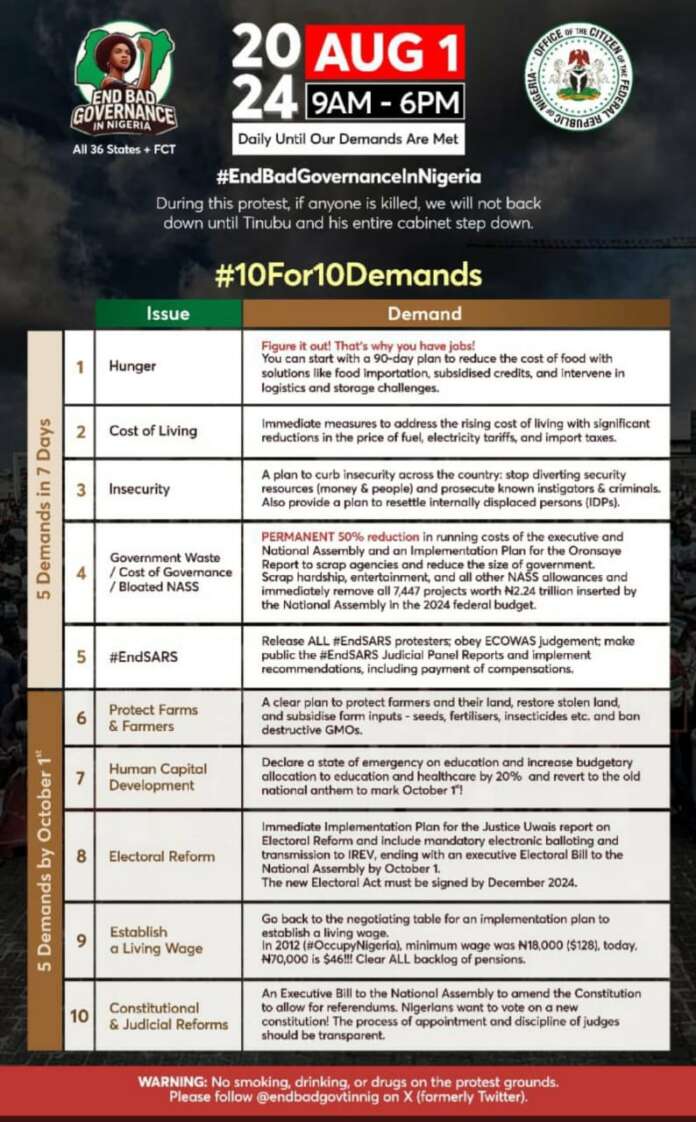
End-hunger protesters set agenda for FG, unveil venues, as miscreants threaten traders in Lagos

  • Falana, Adegboruwa, NBA, Civil Society Groups parley with IGP over protest
  • A timeline of protests in Nigeria from 1999 to date

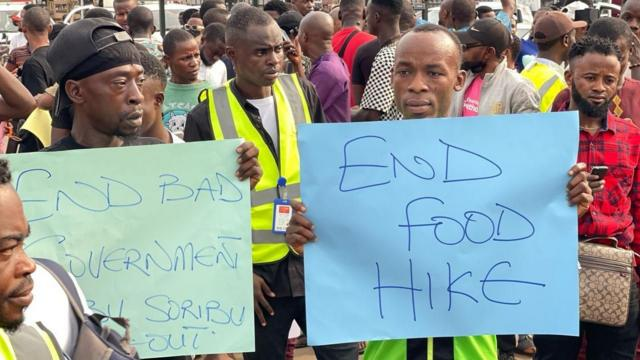
While Nigerians prepare for nationwide protests against poor governance starting 1 August, a troubling video emerged showing thugs intimidating market traders on Lagos Island.

The footage, which has been widely circulated, depicts the thugs moving through the market and threatening traders with severe consequences if they do not comply with their demands.

As Nigerians prepares for nationwide protests against poor governance starting August 1, a concerning video has emerged showing thugs intimidating market traders on Lagos Island.

In a viral clip on Tuesday, persons whose voices were the only ones audible were chastising market women and men in a Lagos market, urging them to desist from the planned protest, as it might lead to more destruction than that witnessed during the #EndSARS protest.

“Anyone confident should come out on Thursday to protest. Are you the only one hungry? If you dare come out for the protest, you will be mercilessly dealt with.

“If they burn your shops, who will be responsible for it? On Thursday, if you truly believe in your cause, come out and protest. You are not the only ones who are hungry; we don’t want things to be destroyed in Lagos. We will not allow it,” the men in the video warned.

The PUNCH had earlier reported that some youths in Lagos held a solidarity march to counter the planned nationwide hunger protest scheduled for August 1.

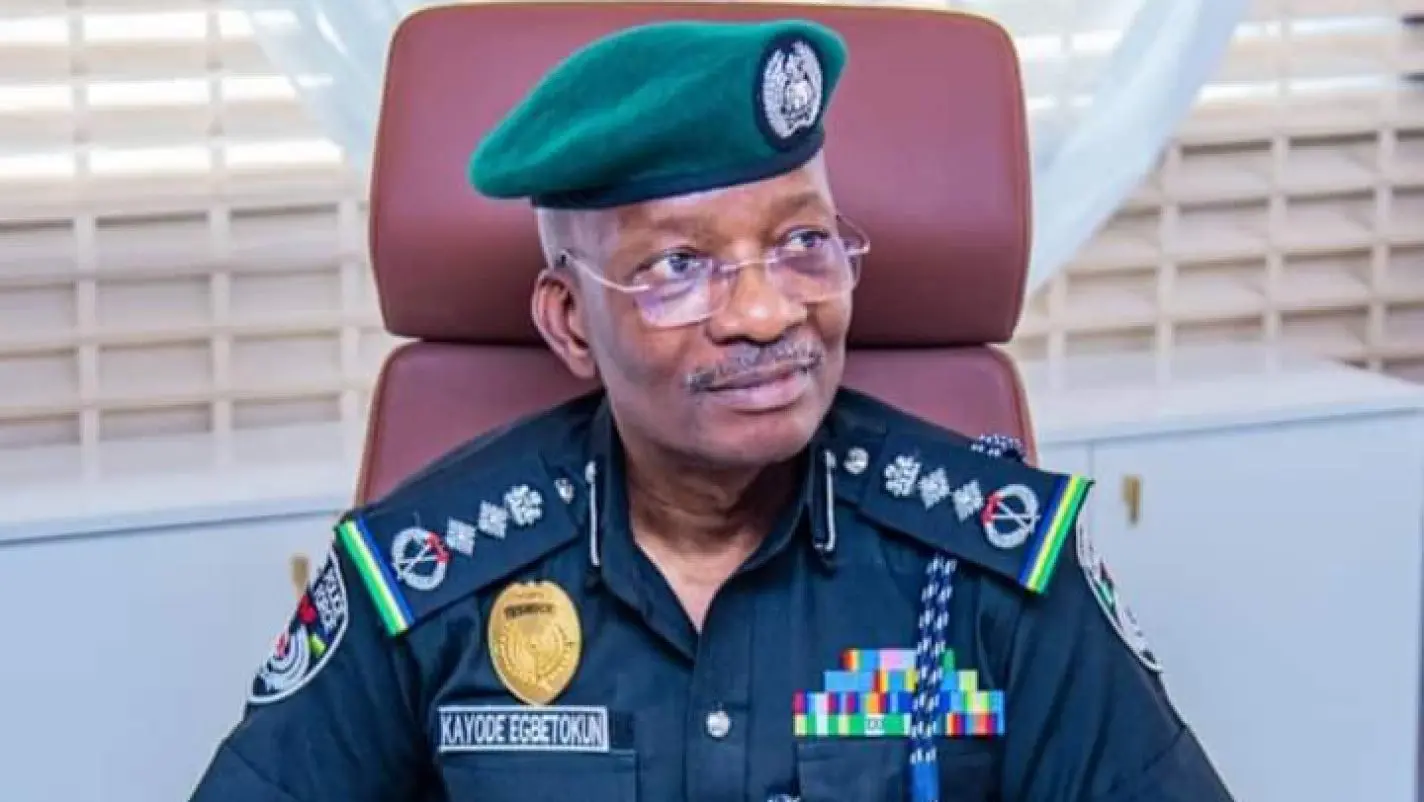
Additionally, the Inspector General of Police, Kayode Egbetokun, has urged all groups planning to participate in the proposed nationwide protest to submit their details to the Commissioners of Police in their respective states.

He stated this was to ensure the protest remains peaceful.
Egbetokun said, “We acknowledge the constitutional right of Nigerian citizens to peaceful assembly and protest.

Meanwhile, the Take It Back Movement, through their solicitors, has sent a comprehensive response to the Inspector-General of Police’s letter dated July 29, 2024, regarding the group’s notice of public meetings, rallies, and processions across Nigeria.

The movement has acknowledged the commitment of the Inspector-General of Police towards ensuring compliance with extant legislations that grant citizens the right to hold such gatherings and the police’s obligation to provide adequate coverage and protection at the venues.

In their detailed response, the Take It Back Movement has requested the contact information of the Deputy Inspectors-General of Police, Assistant Inspectors-General of Police, and the Commissioners of Police designated to cover the said public meetings, rallies, and processions. The group aims to coordinate with the designated police officials to ensure a peaceful and crisis-free outing.

The movement has provided specific details of some of the points of convergence for the public gatherings, including:

1. Eagle’s Square, by the Secretariat, FCT, Abuja
2. Alausa Park by the Secretariat, Ikeja, Lagos
3. Opposite Wema Bank, Akpakpava Lane, Benin City
4. Opposite School of Agric, Bauchi, along Tafawa Balewa Road
5. Rosewale Filling Station, Iwo Road, Ibadan
6. Maiduguri Roundabout, opposite State Stadium, Damaturu, Yobe State
7. Rainbow Roundabout and Pantani Stadium, Rivers
8. Freedom Park, Osogbo

The Take It Back Movement has also requested a virtual meeting with the Inspector-General of Police to facilitate enlarged participation. The group will be led in the meeting by prominent figures such as Mr. Femi Falana, SAN, representatives from the NBA, other lawyers, and civil society organisations. They await the Zoom link for the said virtual meeting.

Below is a timeline of protests in Nigeria from 1999 to date

PUNCH reports that since Nigeria’s return to civilian rule in 1999, the nation has witnessed a series of protests reflecting the populace’s persistent demand for better governance, social justice, and economic reforms.

These protests, ranging from anti-fuel hike demonstrations to the globally recognised #EndSARS movement, have played a crucial role in shaping Nigeria’s political landscape.

Each wave of protests underscores the citizens’ resilience and determination to hold their leaders accountable and address systemic issues.

PUNCH Online reports that Nigerians are gearing up for a nationwide protest on August 1 against hunger and hardship stemming from economic policies and subsidy removal under President Bola Tinubu.

Additionally, the recent ban by network providers on millions of subscribers over the weekend has led to protests in major cities across the country, including Lagos, Osogbo, Oyo, and Niger, among others.

This timeline provides an overview of the major protests that have erupted in Nigeria over the past two decades, highlighting the key events and underlying causes driving these collective actions.

1999 – 2009

1. 2000 – Sharia Law Protests:

The introduction of Sharia law in some northern states led to protests and violent clashes.

2. 2003 – Anti-Fuel Hike Protests:

Widespread protests were organised by labour unions against the government’s decision to increase fuel prices.

3. 2005 – Occupy Nigeria (Early Protests):

Protests against corruption and poor governance.

4. 2007 – Electoral Protests:

Protests against the alleged rigging of the presidential elections won by Umaru Musa Yar’Adua.

2010 – 2015

5. 2010 – Anti-Fuel Subsidy Removal Protests:

Protests against the removal of fuel subsidies led to increased fuel prices.

6. 2012 – Occupy Nigeria:

Massive nationwide protests against the removal of fuel subsidies which significantly increased the cost of living.

7. 2014 – #BringBackOurGirls:

A global movement and protests following the kidnapping of over 200 schoolgirls by Boko Haram in Chibok, Borno State.

2016 – 2020

8. 2016 – Biafra Agitations:

Protests by the Indigenous People of Biafra (IPOB) for the secession of the Southeast region.

9. 2017 – Anti-Buhari Protests:

Protests demanding President Muhammadu Buhari’s resignation due to prolonged medical leave abroad.

10. 2018 – NLC Protests:

Strikes and protests by the Nigerian Labour Congress (NLC) demanding an increased minimum wage.

11. 2020 – #EndSARS Protests:

Nationwide protests against police brutality, specifically the Special Anti-Robbery Squad (SARS), resulted in significant international attention and the eventual disbandment of SARS by the Nigerian government.

2021 – Present

12. 2021 – #EndSARS Memorial Protests:

Memorial protests marking the one-year anniversary of the #EndSARS movement.

13. 2022 – ASUU Strike Protests:

Protests and strikes by the Academic Staff Union of Universities (ASUU) over unpaid allowances and inadequate funding of the education sector.

14. 2023 – Fuel Subsidy Removal Protests:

Protests against the removal of fuel subsidies by the new administration of President Bola Tinubu, leading to increased fuel prices and cost of living.

This timeline highlights some of the significant protests in Nigeria since 1999, reflecting ongoing issues related to governance, economic policies, human rights, and regional agitations.

PUNCH

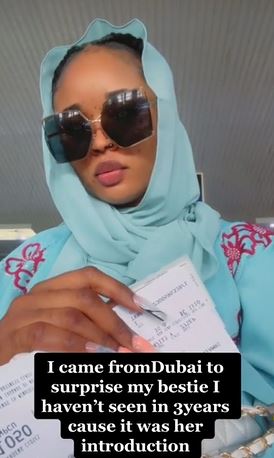
Heartbroken Nigerian woman recounts how she flew in from Dubai for best friend’s wedding and discovered she’s getting married to her boyfriend (Video)

A Nigerian lady identified as Princess Toria expressed her shock and sadness in a TikTok video over a betrayal she is still trying to process.

Princess Toria who flew in from Dubai to Nigeria could not hold back tears after she found out that her bestie was getting married to her own boyfriend.

The shocking revelation came during a traditional introduction ceremony, which the lady attended, unaware of the groom’s identity.

According to a video shared on TikTok, the lady, identified as Princess Toria, narrated the heartbreaking experience.

She explained that her best friend, who was about to get married, invited her to the ceremony. To her utter disbelief, Princess discovered upon arrival that the groom was her own boyfriend.

See Video Below:

Tori.ng

Protect victims of human trafficking, prosecute perpetrators —FIDA Nigeria tells FG

FIDA Nigeria Press Statement on World Day against Trafficking in Persons

Theme: Leave No Child Behind in the Fight against Human Trafficking

In staunch solidarity, FIDA Nigeria stands with the global community on this World Day against Trafficking in Persons to raise awareness and take decisive and accelerated action against the horrific crime of human trafficking. This year’s theme, “Leave No Child Behind in the Fight against Human Trafficking,” underscores the urgent need to protect the most vulnerable among us, our children.

According to the UNODC Global Report on Trafficking in Persons, one in three victims of human trafficking globally, is a child and the majority of these trafficked children are girls. This alarming statistic underscores the urgent need for comprehensive and targeted measures to safeguard our children from falling prey to traffickers. Children, with their inherent vulnerability, are exploited for forced labor, sexual slavery, and other forms of abuse, robbing them of their childhood, dignity, and overall future.

The impact of human trafficking on women and children is devastating. Women often trafficked for sexual exploitation, endure unimaginable physical and psychological trauma. Stripped of their autonomy and subjected to violence, they are forced into situations of extreme degradation. For children, the situation is equally harrowing.

They are not only exploited but also denied their fundamental rights to education, health, and a safe environment. These young victims are often coerced into child labor, domestic servitude, or forced begging, suffering severe emotional and psychological scars that can last a lifetime. This vicious cycle of trauma and exploitation perpetuates poverty, destabilizes families, and undermines the social fabric of communities.

In Nigeria, the situation is alarming. Many children are trafficked within and across our borders, subjected to forced labor in domestic servitude, street begging, and the worst forms of child labor. The trafficking of women and children is not only a violation of human rights but also a severe impediment to national development. It destabilizes families and communities, perpetuates poverty, and severely undermines the rule of law.

Grounded upon its core vision of protection, preservation and promotion of the rights of women and children through ensuring accessible justice particularly to the indigent and vulnerable, FIDA is deeply committed to the fight against human trafficking. Through our legal aid services, dogged advocacy, and community outreach programs, FIDA works tirelessly to provide support to victims, raise awareness about the dangers of trafficking, and collaborate with relevant stakeholders to create a robust legal and social framework to combat this horrific menace.

FIDA Nigeria makes a concerted call on the Government, Law enforcement agencies, civil society organizations, private sector and the international community to intensify efforts to prevent human trafficking, protect victims, and prosecute perpetrators. Urgent and comprehensive action in this regard is non negotiable in order to tackle this nefarious situation. Government must as a matter of urgency, prioritise child protection, improve law enforcement and allocate more resources to combat trafficking. It is imperative to strengthen our laws, enhance cross-border cooperation, and provide adequate resources for the rehabilitation and reintegration of victims.

FIDA remains resolute in this fight and re-affirms its commitment to leaving no child behind. We strongly push for the implementation of child sensitive justice mechanisms and will continue to advocate for strengthened laws against trafficking, provide support to victims and work tirelessly for a world where human trafficking is eradicated. Every child deserves to grow up in a safe and nurturing environment, free from exploitation and abuse.

Together, we can build a society where the rights and dignity of every individual, especially women and children are upheld and where the vulnerable in our society are protected from exploitation.

#EndHumanTrafficking

#LeaveNoChildBehind

#WorldDayAgainstTraffickingInPersons

#July30

#justiceforall

#FIDANigeria

FOR: FIDA NIGERIA

Signed

Amina Suzanah Agbaje (Mrs.)
Country Vice President/ National President
FIDA Nigeria

FIDA Nigeria advocates for nursing mother of newborn twins denied bail by FCT High Court

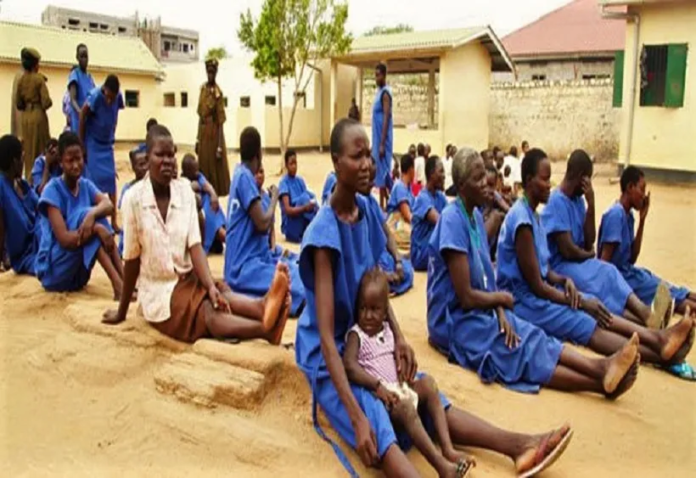
Each day, the twins are brought to Suleja Correctional Center to be breastfed by their mother in detention—a scenario that tugs at the heartstrings of anyone with a sense of compassion.

Press Release

DESPERATE PLEA FOR JUSTICE: FIDA Nigeria Advocates for Nursing Mother Unjustly and Unfairly Separated from Newborn Twins

It is with a heavy heart that FIDA Nigeria brings to light the harrowing situation of Rukhayat Usman Abbayson, a nursing mother of four-month-old twins, who is being prosecuted by the Nigerian Police and has been unfairly denied bail by the High Court of the FCT.

Despite a detailed affidavit filed by her lawyer, outlining her dire circumstances, Honorable Justice Njideka Nwosu-Iheme has kept Rukhayat in custody under Charge Number CR/391/24 and Motion Number M/10717/2024.

Rukhayat, who underwent a Cesarean Section (CS) on February 13, 2024, to deliver her twins, is enduring the unbearable hardship of separation from her newborns. Arrested alongside her aged parents and brother, she leaves behind three young children, the eldest being four years old, is now left in the care of her heavily pregnant sister.

Each day, the twins are brought to Suleja Correctional Center to be breastfed by their mother in detention—a scenario that tugs at the heartstrings of anyone with a sense of compassion.

The charges against Rukhayat stem from allegations by one Ms. Halima Suleiman, who claims that Rukhayat, who is serving as an unpaid personal assistant, stole her personal property. However, the circumstances surrounding this case are steeped in injustice and raise significant concerns about Police investigation, illegal detention and the blatant inconsideration of welfare of the children involved.

A few days ago, Rukayat and her brother underwent a medical emergency while in Suleja Correctional Centre during which her Cesarean surgery site which did not receive adequate post natal care due to the detention, porous investigation and prosecution of this alleged crime is now causing her lower abdominal pain which is now confirmed has led to a medical investigation of pelvic inflammation.

While her brother who is an asthmatic patient has had asthmatic episodes while
in detention. Distressingly, reliable sources inform us that all efforts by Rukhayat to reach
human rights defenders have been thwarted by prominent Nigerians affiliated with the said Halima Suleiman.

At the time of this press release, Rukhayat’s husband and biological father of her children is at large and has been unresponsive to his children’s financial needs and other welfare issues.

Moreover, the arrest of Rukhayat’s parents violates the Administration of Criminal Justice Act 2015, which explicitly states that a person cannot be arrested in lieu of another.

FIDA Nigeria urgently calls upon the Inspector General of Police to further and effectively investigate this case for fair prosecution and appeals to the Chief Judge of the FCT to intervene in the judicial process to ensure justice and fair hearing.

The welfare of these young children must be prioritized, as stipulated in the Child Rights Act 2003, which clearly states that the best interest of the child is of paramount importance in every situation.

FIDA Nigeria stands firm in seeking justice for Rukhayat and her innocent children. We implore all relevant authorities to act swiftly to correct this grave injustice and ensure the well-being of the vulnerable children involved.

Signed:

Amina Suzanah Agbaje (Mrs.)
Country Vice/National President
FIDA Nigeria

Desecration of Christian faith at the ongoing Paris Olympics

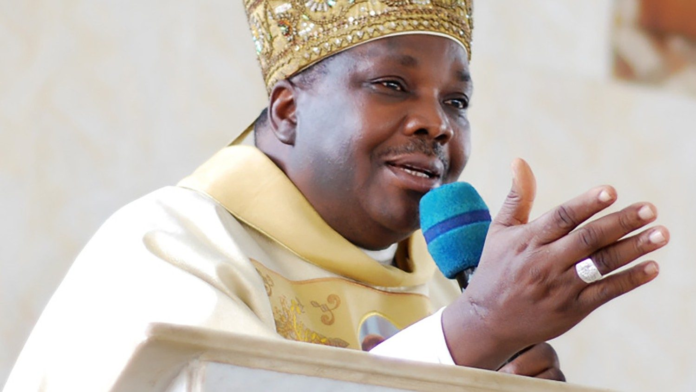
By Bishop Emmanuel Badejo, Catholic Bishop of Oyo Diocese

The religious depictions of Leonardo da Vinci’s “The Last Supper” painting with contemporary ideological figures that are clearly offensive to Christianity at the opening ceremony of the Olympic Games 2024 in France is to say the least shocking and disrespectful.

Sadly it is a perpetration of deliberate ongoing attempts in Europe and America to “repurpose” and cheapen Christian themes without regard for peace loving Christians who practice and profess their religion in peace.

That this decadent caricature of one of the most cherished events of Christianity is publicized in France, a country with a rich and old Christian heritage, and at the Olympic games detracts from the status of the Olympics and belies all claims to enduring civility and respect for freedom of religion in the West.

Christians should exercise their right of outrage and boycott to the extent that the damage already caused can be mitigated and redressed and future occurrences prevented.

Governing bodies and organizations should take full responsibility for accommodating such insulting, tasteless art and expressions that can potentially cause further hurt and division in our already hurting and fractured world.

Huge thanks to all who correctly expressed outrage on the subject well ahead of this.

Regardless of what we go through as Africans, we must never disrespect or thrash religious symbols and sentiments which touch people at their deepest levels of their being. To do this is to throw our humanizing and spiritual values and ideals to the dogs Africa must never follow the West down that obscure path.

+Bishop Emmanuel Badejo, Catholic Bishop of Oyo Diocese

Landmark Judgement: A Victory for Disability Rights and Justice

Press Statement by ALDIN (Association of Lawyers with Disabilities in Nigeria)

The Association of Lawyers with Disabilities in Nigeria (ALDIN) applauds the recent landmark judgement by the Kebbi State High Court. The court sentenced three individuals to life imprisonment for the heinous crime of raping an 18-year-old deaf woman.

The Association speaking through its National President, Ikem U. Uchegbulam, Esq., commended the judgement as a significant milestone in the fight for disability rights and justice in Nigeria. “We salute the court for upholding the rights of persons with disabilities. The perpetrators’ actions were a gross violation of the victim’s rights and dignity, and we are pleased that justice has been served” said the ALDIN boss.

The courageous decision by Hon. Justice Shamsudeen Jafar sends a strong message that disability rights and the dignity of persons with disabilities are sacrosanct and will be protected by the law. The perpetrators took advantage of the victim’s vulnerability, but the court has held them accountable for their reprehensible actions.

This judgement is a testament to the power of advocacy and the importance of ensuring that persons with disabilities have access to justice. ALDIN commends the prosecution team, led by Barrister Faridah Muhammad, for their tireless efforts in seeking justice for the victim. We equally extol the professionalism and diligence of the Nigeria Police Force in investigating and prosecuting this case. Their efforts have ensured that justice is served and that the perpetrators are held accountable for their actions.

ALDIN called on all stakeholders to continue working together to create a society that recognizes and defends the rights of individuals with disabilities. The Association recognize the Kebbi State High Court’s verdict as a noteworthy victory for disability rights, and celebrate it as a significant step towards equity and fairness in society.

As lawyers with disabilities, we understand the challenges faced by persons with disabilities in accessing justice. This judgement reinforces our commitment to advocating for the rights of persons with disabilities and ensuring that they have equal access to justice.

Signed,
Justice Christopher
Director of Media and Publicity, ALDIN National

IGP Orders DIGs, AIGs, CPs To Protect Protesters Nationwide

The Inspector General of Police (IGP), Kayode Egbetokun, has given a directive for the police to protect intending participants of the planned #EndBadGovernance protest slated for August 1 to 10, 2024.

This was contained in a letter by the IGP to the request of human rights lawyer Ebun-Olu Adegboruwa.

Adegboruwa, a Senior Advocate of Nigeria (SAN), had on July 26, 2024, written the IGP to provide police coverage for protesters. The senior lawyer had written the IGP on behalf of the Take It Back Movement, one of the groups planning the #EndBadGovernance protest in August.

The IGP, in his response letter dated July 29, 2024, directed senior police officers to attend to the request of the senior lawyer.

Egbetokun’s response was signed by his Principal Staff Officer, CP Johnson Adenola.

The IGP also requested to have a meeting with Adegboruwa in Abuja on Tuesday, July 30, 2024, “to deliberate further” on his request.

“I am to inform you that the Inspector General of Police has directed the Deputy Inspectors-General of Police (Operations and Intelligence), the Assistant Inspectors-General of Police (AIGs) in charge of Zonal Police Headquarters and the Commissioners of Police (CPs) in charge of State Commands across the country to attend to your request.

“I am to also inform you that the Inspector General of Police wishes to have a meeting with you at the Nigeria Police Force Headquarters, Abuja, on Tuesday, 30th July, 2024 to deliberate further on your request,” CP Adenola said.

The police, military and the Department of State Service had warned against Kenya-styled protest. Politicians, who surmised that the planned rally might end up like the EndSARS demonstration of October 2020, continue to appeal to youths to shelve the planned rallies but the young people remain unfazed, doggedly insisting that the protest will hold.

The protest against economic hardship, which is gaining traction on social media, has been scheduled to be held across all states of the Federation as well as the nation’s capital in August.

Prices of food and basic commodities have gone through the roof in the last months, as Nigerians battle one of the country’s worst inflation rates and economic crises sparked by the government’s twin policies of petrol subsidy removal and unification of forex windows.

Channels TV

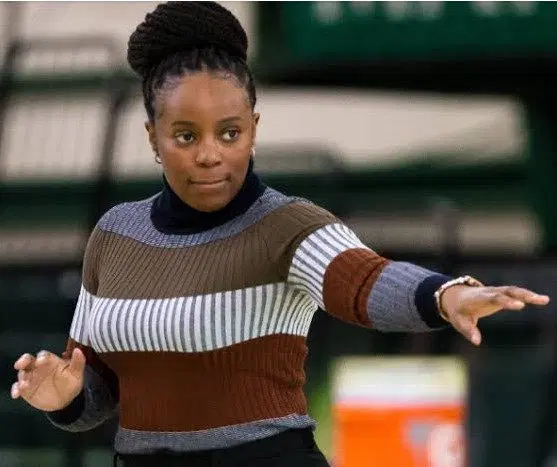
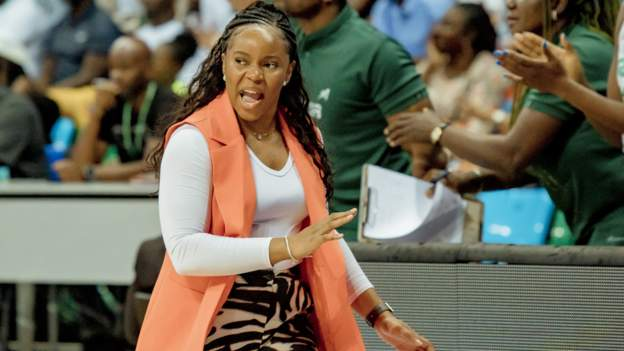
Meet Rena Wakama, Nigeria’s first female basketball national team coach

By Precious Osadebe

Rena Wakama, the first female head coach of the Nigerian female basketball national team, made history on Monday when he guided Team Nigeria to a landmark victory, securing a 75-62 win over Australia.

Under her expert guidance, Team Nigeria triumphed with a 75-62 win over Australia as the D’Tigress secured their first win at the Olympics in 20 years.

The Nigerian team, inspired by Wakama’s strategic acumen, delivered a performance marked by agility, precision, and unwavering determination.

Amid the celebration of the historic milestone, here are five things to know about Rena Wakama:

Five things to know about Rena Wakama

Early Life and Background

Rena Wakama was born on April 11, 1992, in Raleigh, North Carolina. Her parents, Johnson Wakama and Rosana Oba, hail from Okrika in Rivers State, Nigeria.

Education and Early Basketball Career

She attended Western Carolina University, graduating in 2014 with a Bachelor’s degree in Therapeutic Recreation. During her college years, she played four seasons with the university’s women’s basketball team, the “Catamounts.”

Transition to Coaching

After a brief playing career, Wakama joined the D’Tigress in 2015 following her college graduation. She traveled to Cameroon with the team for the 2015 Women’s Afrobasket competition, where Nigeria finished third.

Professional Experience

Prior to her coaching career, Wakama competed with Nigeria’s First Bank team at the FIBA Africa Champions Cup for Women, gaining significant experience and insights into high-level competition.

Coaching Career

Wakama moved to Manhattan College, where she initially served as the operations director for the women’s basketball team. In her third year, she was promoted to assistant coach. In this role, she developed her coaching skills and managed academic and volunteer responsibilities, further honing her expertise.

Vanguard

The Financial Times’ Analysis on Nigeria

In the nearly 15 months since Bola Tinubu became pres­id­ent, he has forced his 220mn fel­low Nigeri­ans to swal­low some bit­ter medi­cine. He removed a gen­er­ous fuel sub­sidy, one of the few bene­fits cit­izens receive from their inef­fi­cient and cor­rupt state. He allowed the coun­try’s cur­rency, the naira, to enter freefall, fuel­ling impor­ted infla­tion and trig­ger­ing the worst cost of liv­ing crisis in a gen­er­a­tion.

These meas­ures have pushed tens of mil­lions of already impov­er­ished people deeper into misery. But they were neces­sary to begin cor­rect­ing the coun­try’s long-term eco­nomic demise. The fuel sub­sidy was ruin­ously expens­ive, guzz­ling nearly a third of the fed­eral budget. It was also dis­tor­tion­ary, chan­nel­ling Nigeri­ans’ ener­gies into rent­seek­ing, smug­gling and graft. The exchange rate regime, which vastly over­val­ued the naira, wiped out exports of everything but oil. While genu­ine indus­tries were starved of hard cur­rency, cronies accessed cheap dol­lars to sell on the black mar­ket. Nigeria’s elite learnt a les­son that was toxic to the nation’s pro­spects: why pro­duce any­thing when you can make a killing through arbit­rage?

Mov­ing to more ortho­dox policies is vital to reset an eco­nomy that has not grown in per cap­ita terms for a dec­ade and where one of the most luc­rat­ive indus­tries has been kid­nap­ping. It is neces­sary, but insuf­fi­cient. “Tinubu­n­om­ics” is so dis­join­ted it barely deserves the name. Shock ther­apy will prob­ably fail if import­ant adjust­ments are not made.

First, the pres­id­ent must chart a course ahead and con­vince Nigeri­ans they are in it together. For that to be remotely cred­ible, the polit­ical class must make sac­ri­fices. Out must go lav­ish pay rises for civil ser­vants and flashy cars (not to men­tion jets) for gov­ern­ment offi­cials. Tinubu only has to look at Kenya, where viol­ent street demon­stra­tions have forced the gov­ern­ment to with­draw tax rises, to see what hap­pens when a sense of injustice festers.

Like­wise some sav­ings from the fuel sub­sidy should be redeployed to sup­port the most eco­nom­ic­ally vul­ner­able as a pri­or­ity. Hun­ger levels are soar­ing and mil­lions of chil­dren are fore­go­ing meals and school. Nigerian politi­cians love to be seen hand­ing out bags of rice. But what is needed is dir­ect cash pay­ments to people’s phones, the tech­no­logy for which exists, and in the longerterm a proper safety net.

As things stand, the state lacks either the capa­city or the prob­ity to admin­is­ter such a scheme. Tinubu needs to fix that urgently. With a few excep­tions, his cab­inet is full of light­weights who owe their jobs to polit­ical pat­ron­age, not to expert­ise. Tech­no­cratic tal­ent exists in abund­ance. It must be mar­shalled.

Cor­rup­tion needs to be tackled. It does not help that Tinubu’s own vast wealth is not easy to decipher, nor that his poverty min­is­ter was sus­pen­ded for alleged diver­sion of funds, something she denies. It does not help either that the state is implic­ated in the whole­sale theft of oil, depriving the nation’s cof­fers of bil­lions of dol­lars. Tinubu should use all his polit­ical guile to staunch the flow.

Some will argue that Nigeria’s state is so weak all Tinubu can do is remove its influ­ence and retreat. Nigeria col­lects tax worth about 10 per cent of gross domestic product, one of the low­est rates in the world. That is a sure sign of how little trust exists between the gov­ern­ment and the gov­erned. But if the eco­nomy is to be revived, the state needs to be an ena­bler. It must provide power, roads, secur­ity and justice, not to men­tion schools, hos­pit­als and sup­port for the poorest in soci­ety. Without a joined-up and artic­u­lated plan, Tinubu’s bit­ter medi­cine will not cure Nigeria’s ills. It will just leave a bad taste.

This article was originally published by the Financial Times

Protest, Dangote and other stories

By Lasisi Olagunju

Nigeria is a drama, an entertainment. Listen to the ‘Wahala’ singer, Portable, as he wonders why anyone would want him to join this week’s proposed protests. Yes, he admits that he joined protests in the past. But he says that was when he was poor. “Now I am rich…You want a rich man to protest?” He asks cynically. He does not want an answer. Portable’s video looks like it would be the end of all protests if we all became wealthy. The government should love it. I do.

The government and Portable join forces to beg you not to protest on August 1. I don’t care if you protest or you protect your turf. All I crave is no violence. I urge you to look deeply at other areas of our governance. Look at the laws being made and the laws being interpreted. They can make your protests useless, your bad worse and the worse disastrous. Can you remember what Judge Gideon John Tucker said about lawmakers and the laws they make? The American, in 1866, wrote in a court record: “No man’s life, liberty, or property is safe while the legislature is in session.” Fortunately, at this moment, our own legislators are on break. Or how would we have combined their presence with threats of protests from the north to the south?

However, whether the lawmakers are in session or not, they are still working very hard and harder like obedient Boxer in George Orwell’s Animal Farm. Boxer is that Orwellian horse who believes strongly that “if Comrade Napoleon says it, (then) it must be right.” His motto is: “I will work harder.” With them, Tinubu is the Big Brother; always right. A democracy can have a bumbling executive but it must not have a stupid, servile legislature and a deliberately ‘illiterate’ judiciary. The country is in the throes of a to-be-or-not-to-be protest over these very bad times. In desperate moments as we are, the legislature and the judiciary should be stabilizing forces. Sadly, they are not. They’ve willingly donated their freedom to the Villa. I heard an elder say no one begs to be sold into slavery. It is not in all cases. I remember a character, Kent, in Shakespeare’s King Lear whose ambition is to be servile to power:

King Lear: Who are you?

Kent: A very honest-hearted fellow, and as poor as the king.

King Lear: If you’re as poor a subject as the king, then you’re certainly poor enough. What do you want?

Kent: To serve.

Lear: Whom do you want to serve?

Kent: You.

King Lear: Do you know me, fellow?

Kent: No, sir. But there’s something in your face that makes me want to call you master.

King Lear: What’s that in my face?

Kent: Authority.

What Kent sees in King Lear’s face is exactly what Senate president, Godswill Akpabio, and his men see in President Bola Tinubu. The ‘authority’ in the cap of the president makes our lawmakers desperately seek to serve Tinubu and call him master.

This president is lucky to have Akpabio as Senate president. If President Olusegun Obasanjo had had him as the head of the National Assembly, he would have got his third term. Today, there is a bill before the Senate seeking a single-term of six years for the president and the governors. Thirty-five senators sponsored the bill. If the president wants this Senate to pass the bill today and the implementation to start this moment with him as the first beneficiary, his will shall be done. The lawmakers will do it “in national interest.” The Supreme Court will approve it.

There are other matters that should concern you. A justice of the Supreme Court addressed tenure extension in the court’s recent judgment on Local Government funds. He wrote: “Under Section 135 (3) of the Constitution, the tenure of 4 (four) years for the president provided for by Section 135(2) thereof, shall be extended for periods not exceeding ‘a period of six months at any time’ by a resolution of the National Assembly, if it ‘is not practicable to hold elections’. By the same token, by a law of a State House of Assembly, the tenure of local government councils can be legally extended, for any reason, such as insecurity or war, if it becomes impracticable or impossible for elections into the local government councils to be conducted. The mandate given to an elected local government council is the mandate of the electorate of that local government area and if the tenure is extended, it is the people’s mandate that is extended…” I found that reasoning quite ingenious! Was that point one of the issues canvassed before the court? Read it again.

Someone said Nigeria is a Netflix series. Two deputy governors in Edo; two speakers in Rivers, two emirs in Kano. All courtesy of the judiciary. We wait to see the next set of twins in our mad political ward. But while we wait, I salute the spell makers who started the blockbuster protest drama going on. They have corralled this government into working for their scheme. They couldn’t have given better oxygen to their protest agenda than the government spin doctors have done so far. August 1 may be an anti-climax; the audience is satisfied already.

Meanwhile, the Bola Tinubu government has been dancing to Da Grin’s music lately:

“T’an ba s’eyin bi aya,

Won a s’are kabakaba.”

The song is too onomatopoeic to accept the corruption of translation. I should just say it warns that you will run helter-skelter if you cross the line of decency. Is the government truly in panic mode because of threats of protests? Or is it acting its own scene in the tragedy that mocks the people’s pains? The Villa has become a house of feasts. It hosts kings and priests; princes and principals. And when they come out, they tell the hungry: “Peace!” I also join them to chant peace be upon Nigeria. If the protest organizers want to protest despite the state’s pleas and threats, they should please tell looters of stores and warehouses not to come out. They should also tell those who killed and ate human beings in the name of protests in 2022 that they are not welcome. All these happened during the EndSARS crisis and they were not funny. They gave activism a very bad name. I don’t think anyone wants such mayhem added to the headache of hunger in every home.

The protest drama has got an interlude. The Dangote/NNPC series. In size, strength and beauty, the Dangote horse in Lekki fits the race and the battle. But Aliko Dangote’s observers demand to know why the super-rich man started looking for feedstock after building a refinery. No Muslim prays first before doing ablution. “May not an ass know when the cart draws the horse?” That is Shakespeare again in King Lear, Act 1, Scene 4. No one does that without injuring the horse and stalling the cart. Why did he do that? We are talking of a master sculptor here, not a woodpecker. Cricket (Lántètè in Yoruba) was asked why he fixed his wedding date and on that very day commenced cooking the expected baby’s teething medicine. He answered that whatever should be fast should never be delayed.

I want to believe that Dangote did not become this super rich by doing things in the wrong order. No. It just happened that: “Now a new king arose over Egypt who did not know Joseph…” – Exodus, chapter 1, verse 8. Whether in Egypt or Israel, the one who trusts in their chariots and takes things for granted always have their journey extended well into the night. Even those who claimed affinity with God roamed the wilderness for 40 years. But the refinery is a national asset that should be made to work. This is where a pro-business government should come in to still the boiling waters. And I think it has. NNPC’s Alsatian appears on a leash. The investment is huge. Nigerians say they need that refinery.

There will be hunger, anger and protests where 20 bean cakes serve two hundred masquerades. The next scene flows directly from the Dangote/NNPC Act. The scene is where 200 million Nigerians scramble for proceeds of 200,000 barrels of crude oil. Nigeria’s daily crude production is about 1.4 million barrels. But the country is left with 200,000 barrels per day to finance its budget. You wonder why and ask where the remaining 1.2 million barrels go? The government we have, and the ones we have had, helped us to eat tomorrow’s food yesterday. In simple prose, today’s crude production pays for money already collected and spent. That is why the government is broke and has gone for the broke; that is why the government squeezes honey out of us. It is a revelation that shows that things are worse for Nigeria than is ever imagined.

I once quoted a report in the Washington Post of May 4, 2016 which spoke of an oil-rich nation that should be rich but “instead, it’s becoming a failed state”; that had been run down so much that it “can’t afford to brew its own beer, stay in its own time zone, or even have its own people show up to work more than two times a week.” How did that country get here? The report describes the tragedy as an entirely man-made catastrophe. “Economic mismanagement at a world-historical scale had barely left it with enough money to even, well, pay for printing money anymore.” That country got here by “spending more than it had and not having as much as it should.” That is a country that thought of spending money, and did spend money that it did not earn. “You can’t redistribute oil profits if there aren’t oil profits to redistribute,” the report says the country did just that and followed it up with policies like the president replacing “people who knew what they were doing with people he knew would be loyal to him at the state-owned oil company.” That action, among others, it says, scared oil companies out. That country is not Nigeria. It is Venezuela, Nigeria’s twin brother.

The August protest will come and go; the problem of Nigeria will remain. Protests have failed to melt the hardened heart of the rulers of Venezuela. Suffering-and-smiling has failed them too. The country has continued to dwell in a maelstrom of violence and grinding poverty. The United Nations keeps a tab on what goes on in that country. Its report says, today, Venezuela suffers from one of the highest rates of undernourishment in South America, and 68% of the people struggle to afford food. The country faces a humanitarian crisis with nearly 8 million people (out of 29.4 million) taking refuge in other countries. Some 2,000 people flee Venezuela every day, displaced because of rising crime and violence and shortages of food, medicine and essential services. It held a presidential election yesterday.

August is this week. The country is on edge. People with the right oracle say the actual protesters are the entity called the north. They say the aggrieved harbor the anger of the conned. And they cannot be named. You would think that those who offended them would know how to appease them. Both sides should know what they ate that is giving them constipation. They should also tell us the broth they cooked that is setting the house ablaze.

Nigeria’s drama, like Venezuela’s, is unending. Every Scene is linked to an Act. The link could be through the characters, or the theme, or the sub-themes. The plot is predictable. So much is happening right now. So much may still happen. May Thursday, August 1 meet us in peace.

TIPS