Home Blog Page 546

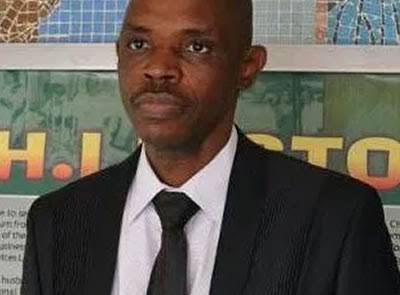
The call for “Ndi Igbo” to leave Lagos is a treasonable offence

Press Statement

Otu Oka-Iwu Abuja vehemently condemn the renewed call for Igbos to leave Lagos, along with all associated threats that jeopardize the existence of Ndi Igbo in Nigeria. Such statements and threats should be considered treasonable offences, and those responsible must be arrested and prosecuted for threatening the peace and unity of the country.

This is not the first time such dangerous rhetoric has surfaced, and it is time to put an end to it once and for all. During the 2023 elections, similar calls were made in Lagos and were met with a lackluster response. It is, therefore, unsurprising that some individuals now feel emboldened to threaten an entire section of the country. We must remember that this very trend led to the civil war, yet the security agencies have taken little to no action against those inciting such dangerous sentiments.

Otu Oka-Iwu wishes to remind those responsible for these threats that the Constitution of the Federal Republic of Nigeria, 1999 (as amended), is clear in its provisions. Specifically, Section 41 of the Constitution of the Federal Republic of Nigeria 1999 (as amended) provides that: Every citizen of Nigeria is entitled to move freely throughout Nigeria and to reside in any part thereof, and no citizen of Nigeria shall be expelled from Nigeria or refused entry thereby or exit therefrom.

Similarly, Section 43 provides that: “Subject to the provisions of this Constitution, every citizen of Nigeria shall have the right to acquire and own immovable property anywhere in Nigeria.”

The Igbo community has long been subjected to negative stereotyping, often portrayed as secessionists or criminals in both government-controlled and independent media. Such false narratives have fueled resentment and further marginalized the Igbo people. Moreover, there have been instances of censorship and suppression of pro-Igbo voices, further silencing the region in national discourse.

The insinuation that the recent #Endbadgovernance protest was masterminded by Igbos is particularly unfortunate and was clearly a tactic to scapegoat the Igbo community once again. We commend the calls by Ohanaeze Ndigbo and other well-meaning Igbo leaders who urged restraint and advised the Igbo community to stay away from the protests. It is noteworthy that there were no reports of protests in any of the Southeastern states.

Otu Oka-Iwu earnestly expects the Inspector General of Police to take action before the expiration of the 14-days ultimatum issued by Dr. Sam Amadi to act or an action will be instituted for an order of mandamus. Indeed, this call for the Inspector General’s action is long overdue. All well-meaning Igbo Associations should rise to the occasion and demand caution from those who threaten the unity of this country.

It is on record that the Igbos have always been at the forefront of Nigeria’s progress and unity, from the time of Dr. Nnamdi Azikiwe to the demands of Dim Odimegwu Ojukwu (Ikemba). Consequently, the collective sensibility of the entire Igbo Nation cannot be undermined by political opportunists or social media provocateurs seeking attention or traffic to their platforms.

We however, appreciate President Bola Ahmed Tinubu, GCFR, the Commander in Chief of the armed forces for condeming such alterances in his #endbadgovernance speech to the Nation and commend all individuals and organizations that have stood in solidarity with the Igbos across the country and have condemned these uncultured and provocative pronouncements.

Chidi Udekwe, Esq.
President
Otu Oka-Iwu (Igbo Lawyers)
Abuja

#EndBadGovernance: High Court of FCT extends restraining order on Abuja protests

FCT high court extends the order restraining protesters from gathering at Eagle Square or parading themselves along any roadway, within the FCT save for the Moshood Abiola Stadium in Abuja.

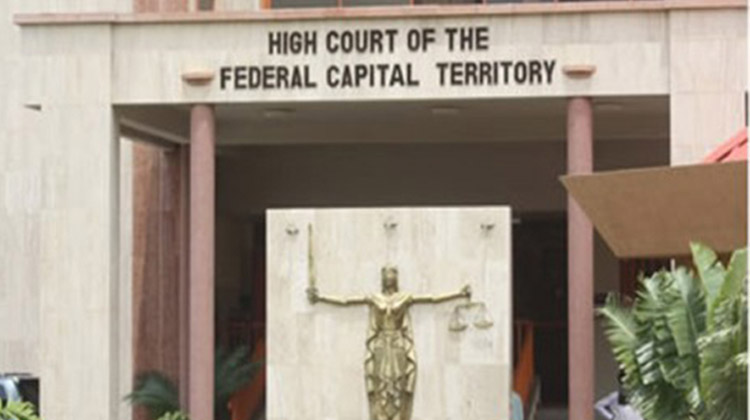
A high court of the Federal Capital Territory (FCT) sitting in Maitama presided by Hon. Justice Sylvanus Oriji has extended the order he granted on 31st July restraining protesters from gathering at Eagle Square or parading themselves along any roadway, within the FCT save for the Moshood Abiola Stadium in Abuja till the hearing of the motion on notice in the suit filed by the FCT Minister.

The order was extended at the instance of the counsel representing the Minister of the FCT, Dr. Ogwu James Onoja who is the plaintiff in the matter.

Dr. Onoja had prayed for an extension of the order to afford the defendants in the matter to enter an appearance.

He noted that in the letter written to the FCT minister, the protesters had submitted that their protest may extend beyond 10th August hence the reason for the application for an extension of the order.

In a short ruling, Justice Oriji ordered that the defendants be served with the interlocutory applications and the motion on notice.

His Lordship also took a swipe at the former Executive Secretary of the National Human Rights Commission Chidi Odinkalu for the derogatory comments he made against him due to his displeasure over the order he granted.

He noted that whoever is aggrieved has the right to appeal.

Ifa’s message for our president

By Suyi Ayodele

At the very beginning of time when the deities lived among human beings, Òrúnmìlà, the father of Divination, occupied a prominent space. He attracted many people to himself, friends and foes alike. He assisted many people to achieve their ambitions. Òrúnmìlà was instrumental to many becoming wealthy. He made nobles of not a few. He crowned and assisted in dethroning kings. He was powerful, influential and generous. But he has hubris. He was always ruthless whenever he saw any obstacle to his ambition.

A time came when Òrúnmìlà wanted to take the highest title among the deities. Of course, many rose in his support; those who wanted to repay his past good deeds. Likewise, some others who had felt cheated or ill-treated by Òrúnmìlà, also lined up against him. To these people, it was payback time. Two Òrúnmìlà’s partners in divination were ferocious in their opposition to Òrúnmìlà’s aspiration. What went wrong between them, only the gods could tell. But Òtúrúpòn and Òkàràn swore that Òrúnmìlà would not attain the position he sought. While Òkàràn was ready to shift ground if certain conditions were met, Òtúrúpòn was so determined, and nothing would persuade him to be soft on his erstwhile friend. The duo approached Èsù (the trickster deity) to assist them in their mission against the great diviner. Èsù kept them in his shrine, waiting to see what Òrúnmìlà would do.

At his wits end, Òrúnmìlà summoned his diviners to find a solution. Ifa revealed to Òrúnmìlà that his two enemies were waiting in ambush for him at the shrine of Èsù. Òpèlè equally told him that it was only Èsù that could save him and get him to the position he so desired. Sacrifices were prescribed. Among them was that Òrúnmìlà must carry 700 empty gourds and 4,000 cowry shells to the shrine of Èsù. How would one man carry those items at once? Ifa simply asked Òrúnmìlà to make the poor in the town to be happy. He was asked to attend to the needs of the masses reasonably.

For seven days, Òrúnmìlà took care of the needy. He fed them, divined for them pro bono, attended to every of their needs and asked the king to initiate policies that would make life bearable for the poor. The people were happy. On the eighth day, Òrúnmìlà brought out the sacrificial items and began to carry them. The people who came to thank him for the way he had treated them in the past one week saw his struggles with the items. They offered to assist Òrúnmìlà. The masses shared the items among themselves and Òrúnmìlà led the way to the shrine of Èsù, otherwise known as Elégbáa.

The noise from the items as the empty gourds and cowry shells knocked one another was terrifying. The noise produced a music, which according to the Odù, says: A ó pa Òtúrúpòn/A ó kan Òkàràn lésè (We will kill Òtúrúpòn. We will break the legs of Òkàràn). On hearing the music, which was just coincidental, the duo thought that it was a battle cry, and took to flight. Òrúnmìlà and his party arrived at the shrine, offered the items to Èsù. He was instantly proclaimed the head of all deities. Òrúnmìlà defeated his enemies without shooting a single arrow. The masses who made up his team were his strength. When a dog has the people behind it, even the monkey on a high tree becomes a meal!

Today is barely three days after the Annual Convention of my church, The Redeemed Christian Church of God (RCCG), with the theme, “Heaven”, ended. For those my fellow heaven-bound brothers and sisters, who may be wondering why I chose the path of divination early this New Year in the RCCG, I refer you to my new position in the cabinet of President Bola Ahmed Tinubu as Senior Special Adviser, Culture and Tradition (See “Dangote Refinery: Blind man and his yam scrapers”, published on July 30, 2024). It is in pursuant of that new office that I offer this ‘advice’ free of charge! But like the deity, Olúa, in my town is wont to say: I wish Tinubu not to accede to my divination so that at the fullness of time, he would say the Oracle warned!

The year 2027 is going to be a decisive year for Nigeria, Nigerians, and particularly for President Tinubu. It is the year that Tinubu will be seeking his second term in office, no doubt. Many will support him, just as many will be up in arms against him. The battle will be fierce, mean and bloody. The opposition camps will give all it takes for the president not to realise his second term ambition. President Tinubu should have no doubt in his mind that the Òtúrúpòns and Òkàràns of the nation’s political firmament will assemble all arsenals at their disposals to see the end of his political career. We will be on the fringes to observe events and lend our voices here and there, and from time to time, by God’s grace. However, the battle will rage most fiercely, in Tinubu’s camp. What should the president do? We shall come to that.

But first, let us establish this fact. With the way the #EndBadGovernance ‘protest’ was prosecuted and ended in the North, it is clear, even to the blind, that the Òtúrúpòns and Òkàràns of the North have parted ways with Tinubu’s Òrúnmìlà. What happened between President Tinubu and his old friends and allies from the North is left at the imagination of the deities as it happened in the divination above. The North, we all have come to realise, did not ‘protest’ hunger, inflation and the general pains in the land during the August1-10, 2024 EndBadGovernance ‘protest’. What ails the North most in the last 15 months of President Tinubu’s administration is the loss of power to the South.

The folks up the Niger River have not been able to reconcile themselves with the fact that they are no longer in charge. They find the prospect of a Tinubu second term too difficult to bear. So, when the opportunity came for them to ‘protest’ hunger, the North sent their youths to do it peculiarly. That region is ready to do anything, ready to give anything and ready to allow anything, for power to return to it. They canvassed for military intervention. But it is understandable, anyway. When a region has no other business apart from the government, the loss of power, no matter how temporary, can never be palatable.

During the build-up to the 2023 general election that produced the Tinubu presidency, many of us warned Tinubu then that it was fatal for the dog to make the tiger its best man. Such a relationship comes with a huge price. But when a man sets his eyes on the throne of his forebears, it is useless to caution him to tread softly. In the course of realising his ambition, everything, no matter how deadly, got a warm embrace from Tinubu. While one is tempted to salute his dexterity at executing all his political battles, one cannot but shrug at the tendency of Tinubu to throw caution to the winds. He befriended his most arch enemies. One of them was Nasir El-Rufai, the immediate past governor of Kaduna State. The public insults El-Rufai heaped on Tinubu prior to the 2023 race paled into insignificance as the same diminutive governor became the arrowhead of Tinubu’s campaign. That is what our politics is all about; no clear-cut ideology.

In power, Tinubu has made so many concessions to his ‘friends’ in the North. He has done everything he could to pacify them. With numerous appointments, to even creating a full ministry for the cows of the North, President Tinubu has demonstrated that he is a man ready to give in anything for his own personal comfort and ambition. But despite what he has done for the North, the same people came out during the EndBadGovernance ‘protest’ to show that they are implacable. The only thing that will pacify the North is a return of power to the zone.

President Goodluck Ebele Jonathan did the same. Rather than establish a Ministry of Cows for the North, Jonathan established nomadic schools for the ambulant pastoralist populace of the region. But that did not pacify them. They ensured he was practically chased out of power! Anything short of power is nothing for the region. It doesn’t matter the huge difference between the number of years the North has been in power and the alarming backwardness of the region, the zone still wants power and nothing more. Those children on the streets during the ‘protest’ are products of the wickedness of the elite class up there! That should get any rational mind worried. And this is why nobody up there appears to appreciate Tinubu’s rapprochement with the North! Come 2027, the North will queue behind any northerner that stands against Tinubu at the election. The only bragging right they have is the population. That itself is a ruse! In all this, Tinubu can change the narrative. He can do something that will make 2027 an easy ride. What do I think President Tinubu should do?

I refer the president back to Ifa’s counsel to Òrúnmìlà in the above divination. Nigerians, I have come to realise, don’t really bother about who rules them as long as life is more abundant. We demonstrate that in sports. Nobody cares if our National Team is populated by the Okechuckwus of this world or by the descendants of Ahmed Musa, or the offspring of Segun Odegbami. All they want is the gold medal!

So, if I were President Tinubu, I would, like Òrúnmìlà did, make food available for the masses by ensuring that farmers are no more molested by herders and bandits. I would ensure that Nigerians can travel on the highways without any fear of being kidnapped. As the president, I would take a look at the power sector and ask questions as to why the Power Generating Companies (GENCOs) generate so much but the Transmission Companies (TMs) could not transmit the megawatts generated for the Distribution Companies (DISCOs) to sell to the populace.

I would address the issue of over-bloated cost of governance by cutting down on the number of political appointees and stem other profligacies. I would also not forget to look at the NNPC and its moribund refineries and do a decisive surgical operation there. In all the juicy pies where my family members, cronies and I have our hands, I will become more transparent and be above board. If indeed I were him, I would devote more time to good governance and leave politics for a while.

I take a bet, if President Tinubu makes the welfare of the people the cornerstone of his administration today, when 2027 comes and the Òtúrúpòns and Òkàràns all gather, the masses will carry his sacrificial items to the shrine of Èsù with the battle cry: A ó pa Òtúrúpòn/a ó kan Òkàràn lésè (We with kill Òtúrúpón. We will break the leg of Òkàràn)! May the president hear and understand what the Oracle says!

Amazing Nigerian boy creates glasses for blind people

A Nigerian teenager has designed glasses that could revolutionise life for blind people.

The glasses have sensors that bleep to warn the wearer of nearby obstacles. It’s a simple idea that’s been brought to life by 17-year-old Khalifa Aminu, from Kano.

He’s now looking for funding to get them manufactured.

Will he get support?

Bank directors say 70% windfall tax excessive, ill-timed

The Bank Directors Association of Nigeria has termed the proposed 70 per cent windfall tax on profits generated from foreign exchange transactions by banks as not only excessive but also ill-timed.

A press statement from the association after its board meeting on Monday said that while they respect the intentions of the government in making the decision, it had concerns about the magnitude of the levy, its timing and the ambiguities surrounding its implementation.

The chairman of the Board of Directors of the association, Mustafa Chike-Obi, who signed the statement said, “While the imposition of this windfall tax appears to be a response to the current economic climate, we suggest that a 70 per cent tax rate is excessively burdensome and ill-timed, particularly considering the ongoing bank recapitalisation efforts. Such a high levy has the potential to stifle growth and innovation within the banking sector, ultimately affecting the quality of services we provide to our customers and the broader economy.

“Moreover, we believe that it is vital for all stakeholders in the banking sector to have been consulted prior to the enactment of such significant changes in the Finance Act 2023. Open dialogue and negotiation are essential to ensure that policies are both equitable and effective.”

The association said that its primary concern lies in the ambiguities of the language in this amendment which leaves critical questions unanswered, “such as, whether the windfall tax will be implemented as a Total Tax charge on banks, incorporating other taxes already levied such as Company Income tax, Tertiary Education Tax, National Information Development Levy etc We also request clarification on what constitutes ‘FX transactions’ to be taxed and the treatment of banks that may incur losses rather than gains during this period. We urge the government to provide clear guidelines on this matter to avoid further uncertainty.”

BDAN also argued that Nigerian banks were amongst the most heavily taxed in the world due to the burden of the Asset Management Corporation of Nigeria levy which is imposed on the total assets of banks.

It went on to call on the National Assembly to revisit this amendment and engage in constructive discussions with stakeholders in the banking sector.

“By collaborating, we can develop a framework that effectively balances the need for revenue generation with the imperative of fostering a thriving banking environment that supports sustainable economic growth,” BDAN concluded.

Earlier in the month, BDAN distanced itself from the personal views of some bank chairmen on the proposed foreign exchange windfall tax, who expressed support for the move.

PUNCH

Meet Nigerians who won medals for other countries at Paris 2024 Olympics

It is no longer news that Nigeria made a poor showing at the Paris 2024 Olympics despite the N9 Billion spent on the exercise. N12 billion was said to have been invested on the entire venture, a sum reportedly almost twice the amount budgeted for the entire Ministry of Science and Technology this year.

Nigeria’s scant treatment of its athletes has been an issue over the years and it was demonstrated right at the commencement of the games when Nigeria’s senior women’s basketball team, D’Tigress was not allowed to board the delegation’s boat for the opening ceremony.

When the team made it to the area where it was supposed to board the boat for the ceremony, they were denied entry and turned back by a Nigerian official who told the players and coaches there were too many people on board. They went on to win their first game and another despite the discouraging treatment.

The Ese Ukpeseraye Nigeria’s first ever Olympic cyclist had to borrow a bike from the German team to compete with after she was unable to source one of her own.

Indeed the athletes allege that they have been let down by the nation’s sports officials. 

Posting on X, formerly Twitter, Nigerian sprinter and one of the fastest women this year, Favour Ofili, said the country’s athletics federation and Olympic organising committee failed to register her for the event.

Ofili said this was not the first time she was being let down. At the Tokyo Games four years ago, she was one of 10 Nigerian athletes who were not able to compete because Nigerian Olympics officials failed to organize doping tests or the tests they organized did not meet international standards.

But what Nigeria fails to appreciate other countries are grabbling with both hands. Several athletes of Nigerian descent made significant contributions while representing other nations.

These athletes, though born or connected to Nigeria, chose to compete under the flags of countries such as Germany, Bahrain, the United States, France, Great Britain and Spain.

Their performances not only earned them individual glory but also highlighted the diverse and global nature of talent originating from Nigeria.

From winning gold in shot put to securing silver in the 400m and hammer throw, and men’s football these athletes demonstrated exceptional skill and determination on the world stage, continuing the legacy of Nigerian excellence in international sports.

Nigeria went ‘medal-less’

Meanwhile, Nigeria’s contingent left the tournament without securing a single medal, marking it one of the country’s most disappointing Olympic outings in recent times.

Despite having a strong roster of athletes, the closest Nigeria came to winning a medal was in athletics, where a few athletes made it to the finals but failed to finish on the podium.

This result contrasts sharply with Nigeria’s best Olympic performance, which occurred at the Atlanta 1996 Games, where the nation won six medals, including gold in men’s football and women’s long jump.

On the other hand, the 2024 outing could be considered among Nigeria’s worst, paralleling the 2012 London Olympics, where the country also failed to win any medals, underscoring the ongoing challenges in Nigeria’s sports development and international competition performance

The Paris 2024 Olympics concluded on August 11, 2024, with the United States leading the medal table with 126 medals (40 gold, 44 silver, and 42 bronze). China followed closely with 91 medals, and Japan rounded out the top three with 45 medals.

Notably, the host nation, France, finished fifth with 64 medals. Other standout nations included Australia, Great Britain, and the Netherlands, all of which placed in the top ten. N9bn budget

Sports development minister, Senator John Owan-Enoh, said that President Bola Tinubu approved over N12bn for Team Nigeria’s preparation and participation at the forthcoming 2024 Paris Olympics and Paralympics in Paris, France. This comes with N9bn for Olympics and N3bn for Paralympics.

Here’s an overview of eight athletes of Nigerian descent who won medals representing other nations at the Paris 2024 Olympics:

  • Yemisi Ogunleye (Germany)

Event: Women’s Shot Put
Medal: Gold
Yemisi Ogunleye, born in Germany to a Nigerian father, made history by winning the gold medal in the women’s shot put at the Paris 2024 Olympics. This victory marked Germany’s first gold in the event since 1996.

Watch video of joyful Yemisi singing praises after her win.

@latoshabranch1

German athlete Olympic Gold winner with Nigeria heritage, Yemisi Ogunleye sang Kurt Carr’s “I Almost Let Go” with tears in her eyes during her press conference after winning. I love how these athletes are so BOLD with their faith at this ongoing Paris Olympics. #worship #christian #staymotivated #bible #gospelmusic #ghana #jesuschrist #preach #inspiring #believertamilstyle

♬ original sound – Latosha Branch
  • Salwa Eid Naser (Bahrain)

Event: Women’s 400m
Medal: Silver
Salwa Eid Naser, originally born as Ebelechukwu Agbapuonwu in Nigeria, claimed the silver medal in the 400m for Bahrain. Naser, who switched allegiance to Bahrain in 2014, continues to be a dominant force in track and field, adding to her collection of international medals.

  • Annette Echikunwoke (USA)

Event: Women’s Hammer Throw
Medal: Silver
Annette Echikunwoke, who was born in Ohio to Nigerian parents, won a silver medal in the hammer throw for the United States. Her performance at the Paris 2024 Olympics added to her growing reputation in field events.

  • Michael Olise (France)

Event: Men’s Football
Medal: Silver
Michael Olise, born to a Nigerian father, was a key player for France in the men’s football competition at the Paris 2024 Olympics. The team won the silver medal, with Olise’s contributions being crucial to their success​.

  • Samu Omorodion (Spain)

Event: Men’s Football
Medal: Gold
Samu Omorodion, who represented Spain, won a gold medal in men’s football at the Paris 2024 Olympics. Although he is still eligible to represent Nigeria, Omorodion has been making his mark with Spain​.

  • Barthelemy Chinenyeze (France)

Event: Men’s Volleyball
Medal: Gold
Chinenyeze is a French volleyball player who gained prominence by leading the French national team to a gold medal in men’s volleyball. His outstanding performance has established him as a key player in the sport.

  • Victoria Ohuruogu (Great Britain)

Event: 4x400m Relay
Medal: Bronze
Victoria Ohuruogu, representing Great Britain, won a bronze medal in the women’s 4x400m relay at the Paris 2024 Olympics. She is the younger sister of Christine Ohuruogu, a former Olympic gold medalist, and has followed in her footsteps by contributing to Britain’s success in the relay.

  • Femi “Bam” Adebayo (USA)

Event: Men’s Basketball
Medal: Gold
Femi Bam Adebayo, often referred to simply as Bam Adebayo, played a crucial role in the USA men’s basketball team winning the gold medal at the Paris 2024 Olympics. Born to a Nigerian father, Adebayo is a prominent NBA player known for his defensive prowess and versatility on the court.

Paralympics to the rescue?

Over the years Nigeria’s physically-challenged athletes have been the ones redeeming the much needed Olympic gold despite never having been properly honoured by the government.

In 2016 after another dismal and embarrassing performance of Nigeria’s athletes at the Olympic Games in Rio, Brazil, Nigerians had cause to cheer and celebrate, courtesy of the outstanding performance of Team Nigeria to the Paralympic Games.

While the country’s able-bodied athletes had a crisis and controversy-riddled preparation and only a bronze medal to show for the huge expectations on the Olympic contingent, the physically-challenged athletes of Team Nigeria to the Paralympics finished commendably with eight gold, two silver and two bronze medals.

PUNCH Online reports that the next Summer Olympics will be held in Los Angeles, USA, in 2028, offering Nigeria another opportunity to improve on its performance and regain its standing on the global sports stage.

Additional reports and photo by PUNCH.

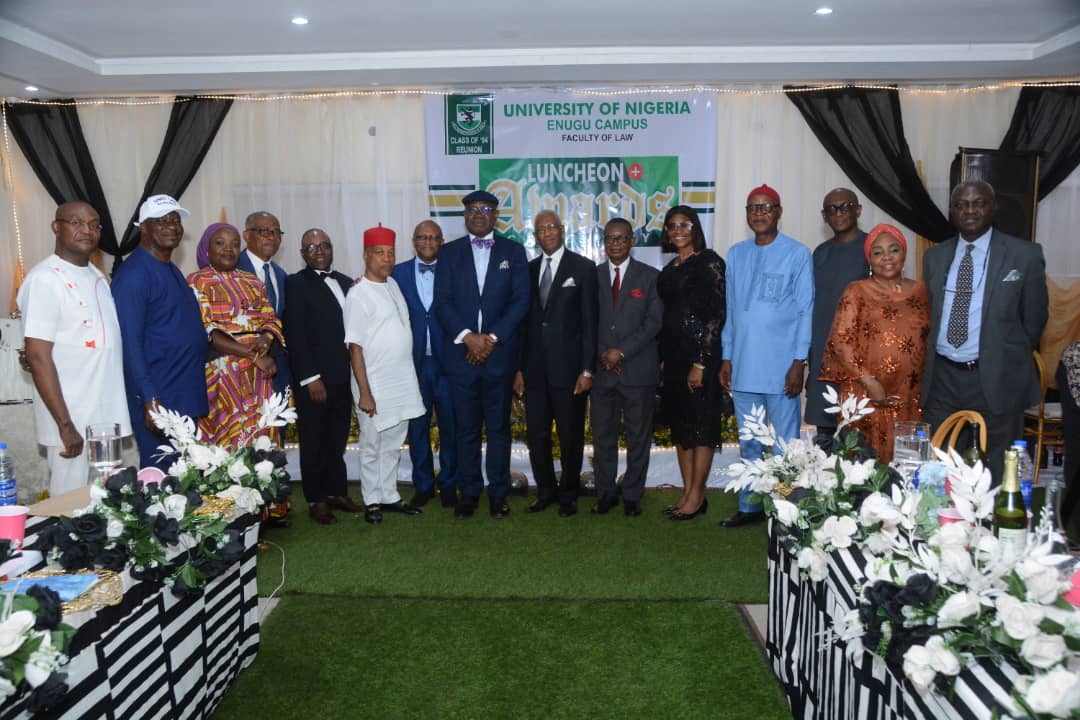
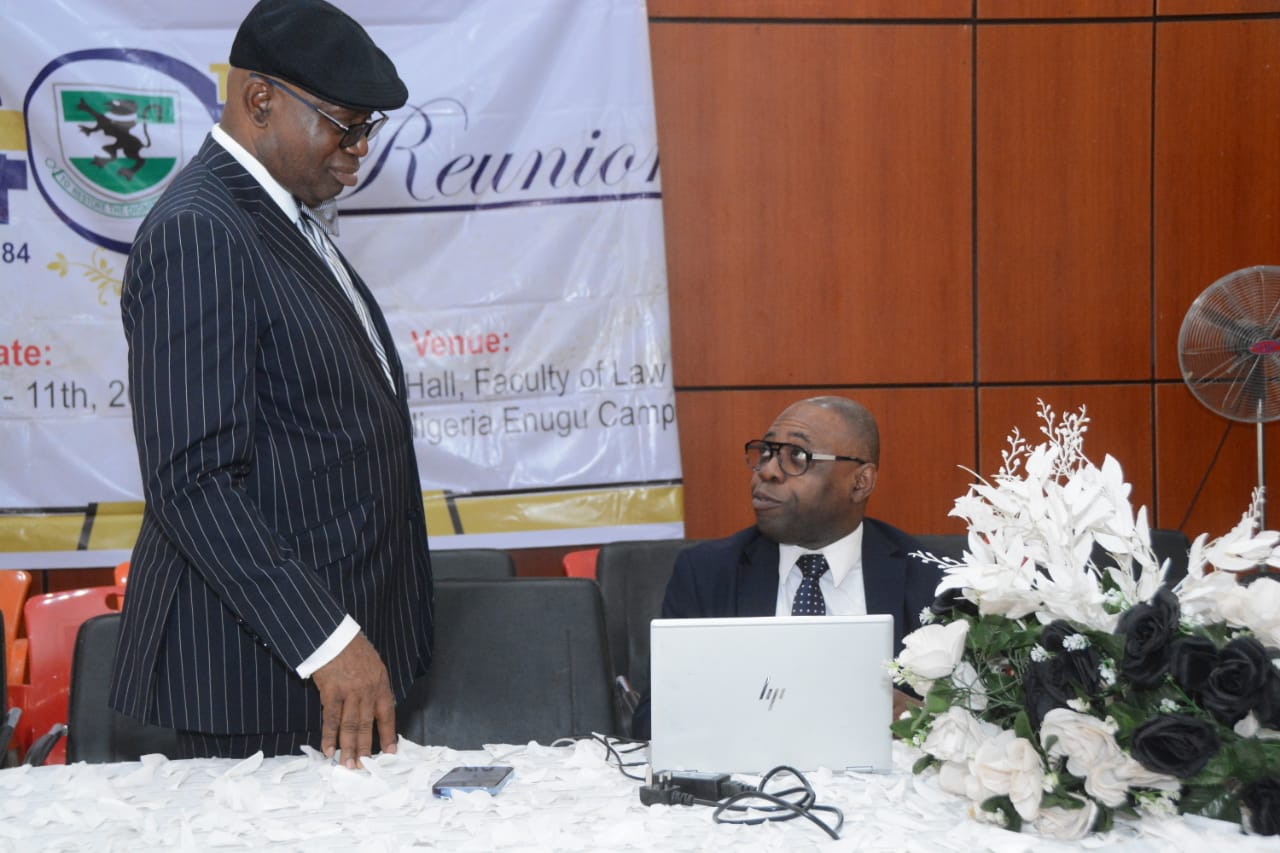
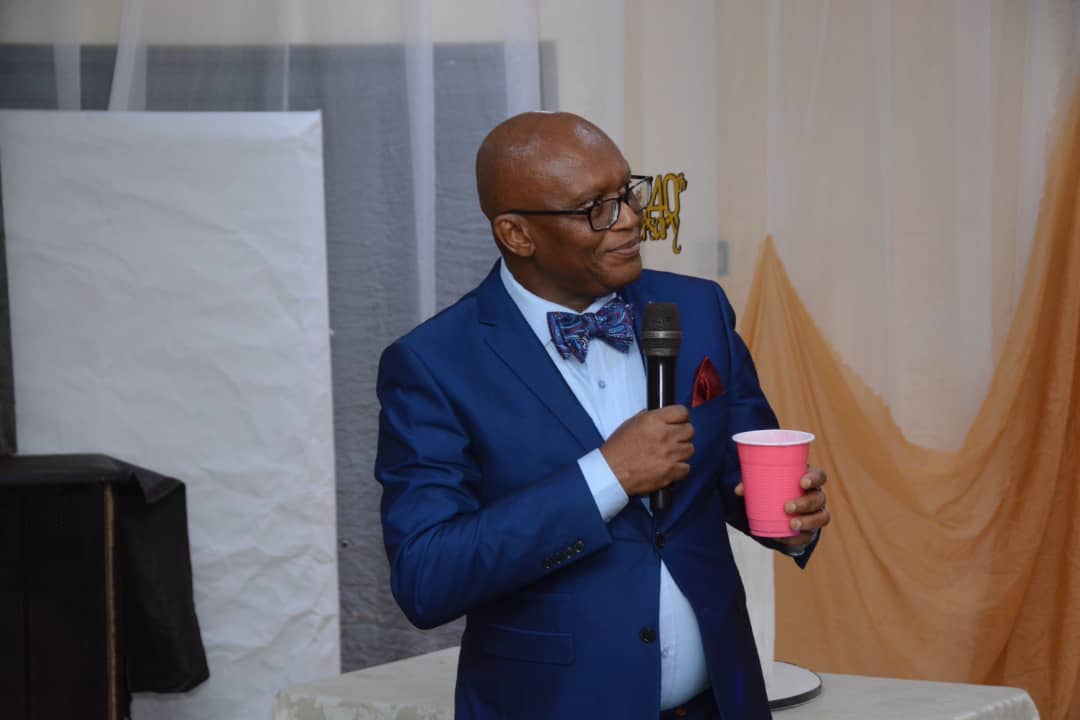
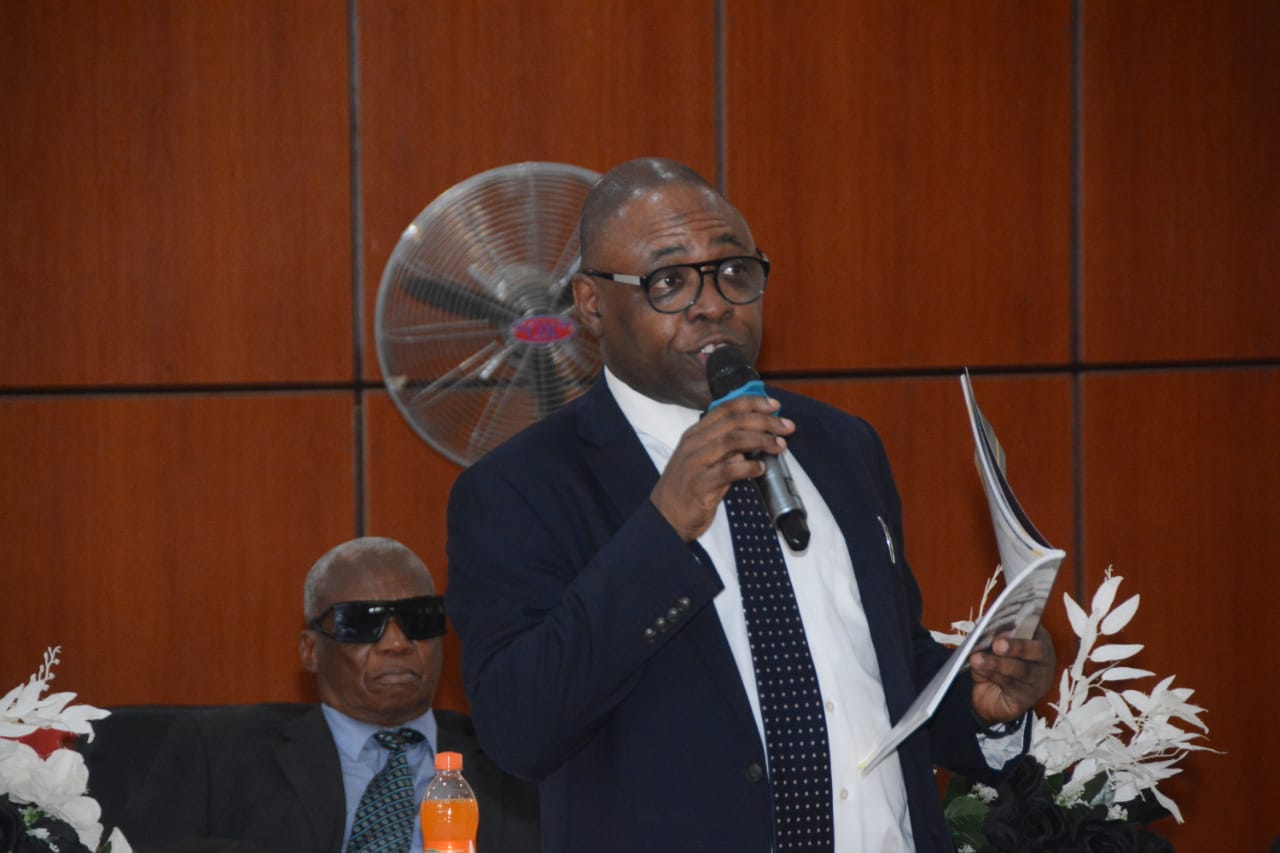
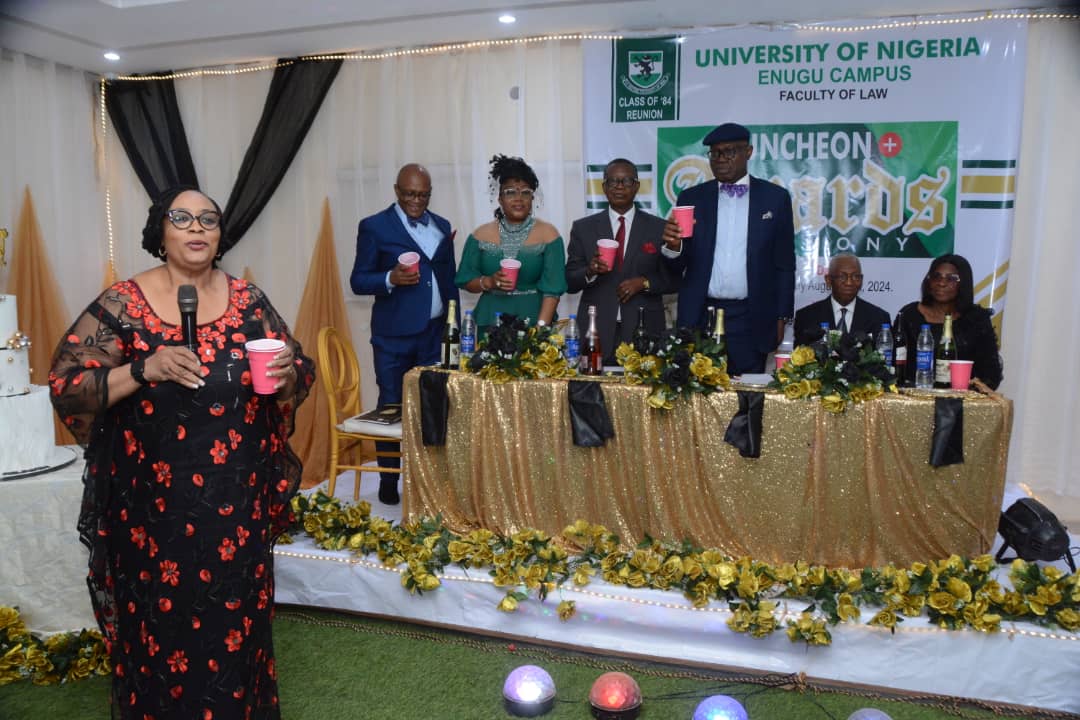
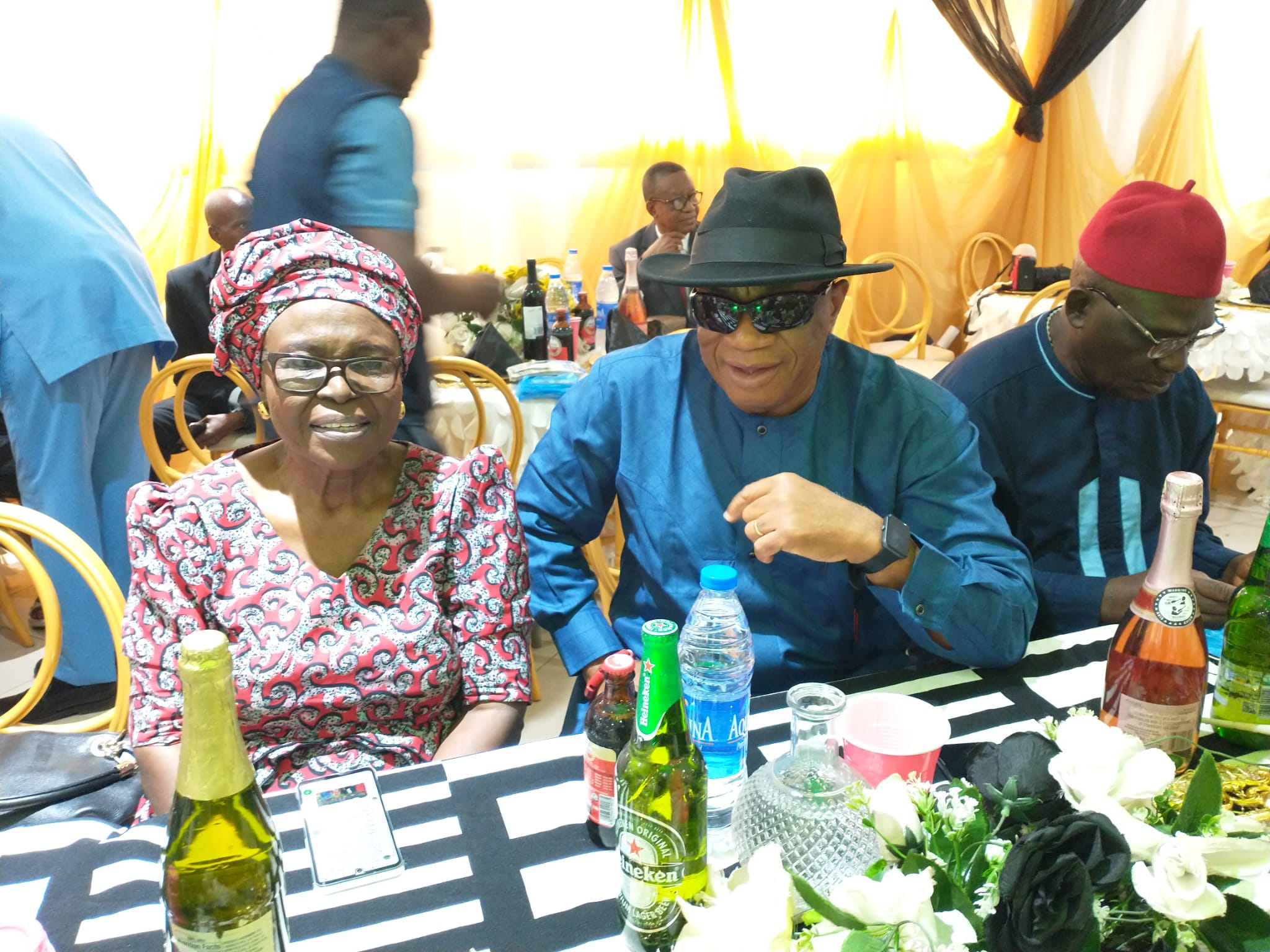
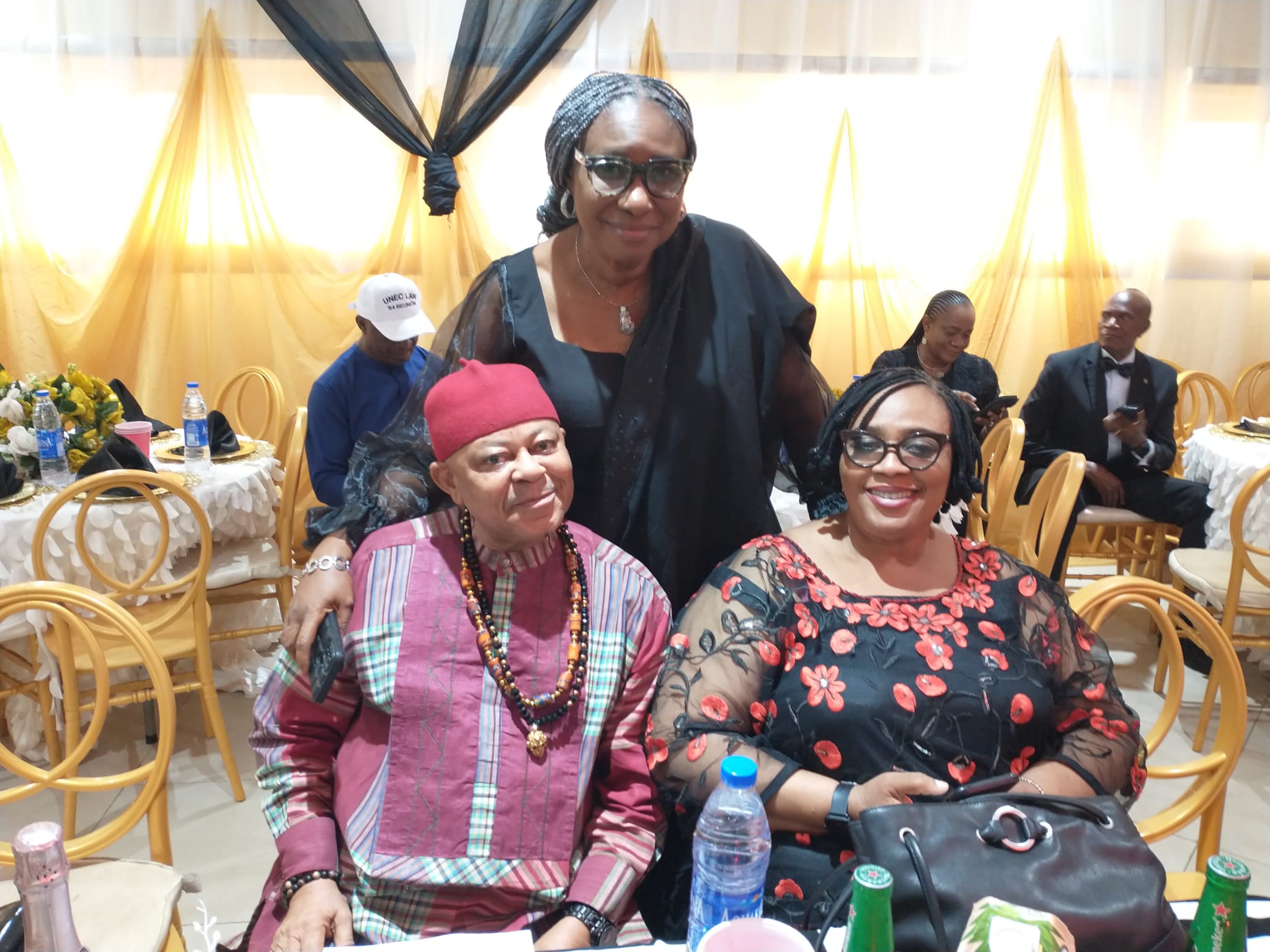
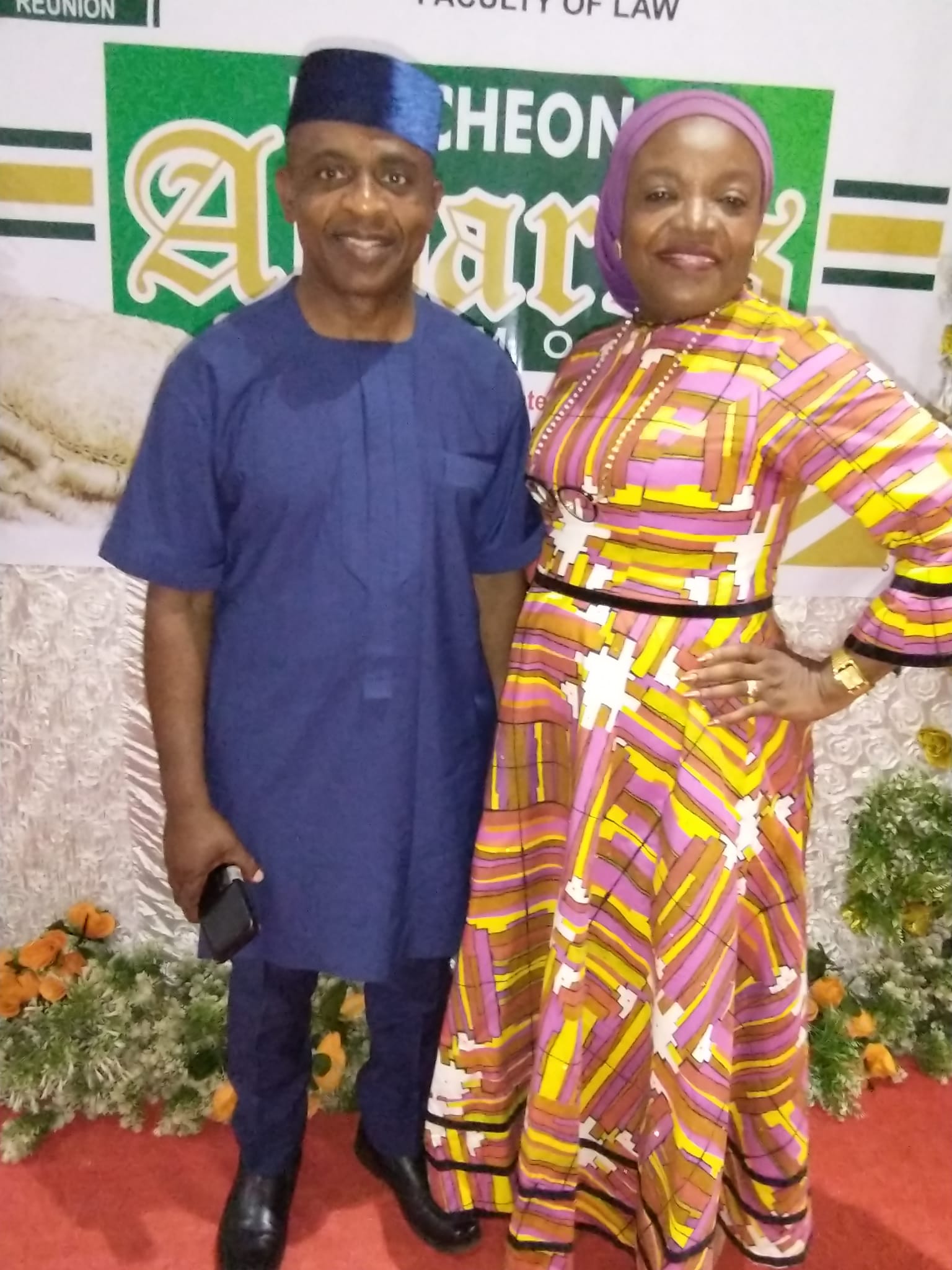
Photos Speak: UNEC Law ‘84 endow prizes to outstanding students at 40th anniversary

  • Late Justice Agbakoba’s law library donated to faculty library

The 1984 graduating class of faculty of law, University of Nigeria, Nsukka, Enugu Campus at the weekend marked the 40th year anniversary of graduation with pomp.

The event which saw Hon. Justice Anthony Ogakwu JCA, a member of the class deliver a lecture to students of the Faculty on Admissibility of Electronically-generated Evidence, witnessed the presentation of the entire law library of the late Hon. Justice Nneka Edith Noelita Agbakoba of the National Industrial Court to the faculty.

It turned out that just before she passed on, Her Lordship, a member of the UNEC class of ‘84 donated her entire law library to the faculty library. It was presented during the ceremony.

Chief Emeka Ngige SAN, who eaqually delivered a paper also donated law books. Dele Aloko a Business Executive and member of the Rule of Law (RoL) group delivered a paper too.

The following prizes were endowed by the UNN Class of ‘84:

  1. Most Outstanding Female Student: – Endowed by Mrs. Miannaya Essien, SAN (of the class of ‘84).
  2. ⁠Most Outstanding Male Student: – Endowed by Sylvester Elema, SAN (of the class of ‘84).
  3. ⁠Best Student in Industrial Law – Endowed by Dele Aloko (of the Class of ’84).
  4. ⁠Best Student in Company Law – Endowed by Alex Ugwuanyi (of the Class of ’84).
  5. ⁠Best Student in Equity and Trusts – Endowed by Chief Chuma Oguejiofor (of the Class of ’84).

Judges from the UNN class of ‘84 who were present included:

  1. Hon. Justice Urhomwen Ogbomo of the Edo State Judiciary.
  2. ⁠Hon. Justice CCT Adiele of the Abia State Judiciary.
  3. ⁠Hon. Justice Lynda Okibe of the Enugu State Judiciary.
  4. ⁠Hon. Justice Ngozika Oji of the Enugu State Judiciary.
  5. ⁠Hon. Justice Anthony Ogakwu, JCA of the Court of Appeals.

Class Leader: Emeka Ngige, SAN, OFR.


Class Captain: Ikeazor Akaraiwe, SAN.


Class Secretary: Dele Aloko.

SANS present included:

  1. Chief Emeka Ngige, SAN, OFR.
  2. ⁠Anthony Anaenugwu, SAN.
  3. ⁠James Ikeyi, SAN.
  4. ⁠Johnny Asoluka, SAN.
  5. Ikeazor Akaraiwe, SAN.

Members of the LOC included

  1. James Ikeyi, SAN – Chair.
  2. ⁠Anthony Anaenugwu, SAN – Alternate Chair.
  3. ⁠Chief PMB Onyia – Secretary
  4. Hon. Justice Ngozika Oji.
  5. ⁠Hon. Lynda Okibe.
  6. ⁠Paschal Aku Okoloagu, Esq
  7. ⁠Chuma Oguejiofor, Esq.
  8. ⁠ ⁠Ikeazor Akaraiwe, SAN.

Below are some of the events’ photos.

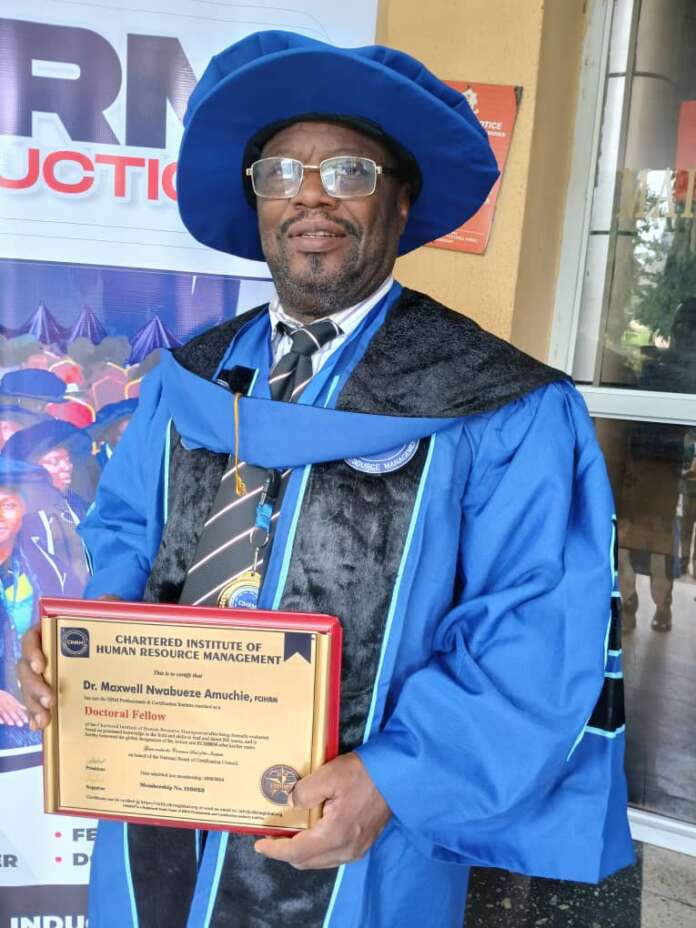
Amuchie inducted as Doctoral Fellow, Chartered Institute of Human Resource Management

The Publisher/CEO of Sundiata Post Media Ltd, Max Amuchie was at the weekend inducted as a chartered human resource consultant and Doctoral Fellow of the Chartered Institute of Human Resource Management.

Yoruba’s spirit of resistance

By Lasisi Olagunju

The king in pre-colonial Oyo had power over everything. He determined who lived and who died. At a point in time, there was this street drummer in Oyo metropolis who moved from one point of the town to the other plying his trade. And, he was a master of his art, great skill, vigorous activity. He would praise those he considered praiseworthy; he would deprecate the deplorable. The people enjoyed what he did as long as he did not make them the object of his pillory.
One day, the drummer got up early and woke up the town with a strange beat and a strange message:

Kòtò kan nbe n’íta oba,
Olórun ó mu
Kò ì yá ni

(Meaning: There is a pit in front of the king’s palace; God will catch him (the king) but it is not yet time).

What is he saying? Alarm bells rang in homes and across Oyo that a drummer was spreading a strange message against the king. Is it not said that a dog is allowed to run mad but its insanity notwithstanding, it is expected to know and avoid fire? B’ájá bá nsínwín sebí ó ye k’ó m’ojú iná. This particular dog had a madness that obviously knew no limits. He had added the king to his list of objects of scorn.

The message soon got to the King, the Alaafin. He sent for the drummer.
“Ngbó, what are you saying about me?” Kabiyesi asked him.
The drummer responded before Ikú Bàbá Yèyé with his drumbeat:

Kòtò kan nbe n’íta oba,
Olórun ó mu
Kò ì yá ni.

You would not be a Yoruba in those days if you did not understand the language of drums.
Everyone heard him loud and clear and gasped. This one should die! Ar’óbafín l’oba á pa. Palace guards moved to assault him; the king stopped them. Kabiyesi took a long look at the drummer, took a deep breath and told the man to go home. He even gave him money for his trouble. The drummer was equally stunned by the king’s verdict. He left.
The king looked round his chiefs, then turned to his people. “We must not touch him. Oba kìí mú akorin (The king does not arrest the bard).” He said and added, in very low tones that apart from the fact of a bard having immunity, touching him because of that particular message would set the town ablaze.
What is Kabiyesi saying? He and a few of his trusted aides understood clearly what the drummer was saying. There was truly a deep pit in front of the king’s palace. In that pit were the king’s deepest secrets. It was into that pit he threw the unfortunate heads of his enemies.

So, what happened thereafter? A contrite Aláàfin ordered the pit closed. He also stopped the serial murders he was committing.

Where did the above story come from? I got it from the late Aláàfin of Oyo, Oba Lamidi Olayiwola Adeyemi III. It was in his palace he told me a few months before he joined his ancestors in 2022. I was not there alone; my friend, Festus Adedayo, was also there.

With the oba, we had many deep discussions on the notions of rights and privileges in the context of Yoruba identity and cultural nuances. This was one of them. The Aláàfin stressed that the story was real. Kabiyesi said he also heard it from his fathers. He pointed at the probable site of the pit. We agreed that the drummer of that era would be today’s press.

I am writing on the spirit of protest and resistance – my focus is the Yoruba. My dictionary says the opposite of acquiescence is resistance. Anywhere you find the Yoruba and there is injustice or simple insult, do not think of acquiescence; think of the opposite. They value their girl’s idí bèbèrè but they don’t deck the voluptuous waist of a bad daughter with beads of stupid accommodation. They also do not make their hips available for dislocation by bumbling relations. To them, pimples find seats only on foolish faces. It makes very little difference whether the actors are men or they are women.

What we heard about the ancient time is what we read of more recent eras. Professor Ulli Beier lived in Yorubaland and patiently studied the Yoruba of the 1950s and the 1960s. He was in Ede, Osogbo, Ilobu, Okuku, Ibadan, etc. Ulli Beier witnessed resistant women bringing grasping men to their knees in Ede in 1955. He recollects this in his piece, ‘The Position of Yoruba Women’. Ulli Beier writes: “The women who sell ògì, a food prepared from ground maize, must bring their maize to the mill owners for grinding. These mill owners are men. Now the women began to complain that the charge of the men was too high to allow them sufficient profit on the sale of ògì. The Iyalode then made representations to the mill owners, demanding a lower price for the grinding. The men refused at first, then tried to bargain. The Iyalode, however, called out all ògì sellers on strike. The women then began to grind the corn by hand and after a week, the mill owners surrendered unconditionally” (Beier, 1955:40).

Women in any Yoruba society would do exactly what those who have long departed did in Ede in 1955.

Ilorin Dadakuada musician, Odolaye Aremu, in his album, Olówe Mòwe, characterised the immediate past Iyalode of Ibadan, Alhaja Aminatu Abiodun, as a man: “Wón pè é l’óbìnrin ní/ohun t’ólókó nse ló nse (They call her a woman but she does what those who have penises do).” Long before Abiodun, there was Madam Efunroye Tinubu whose activism straddled business and politics in Lagos, Badagry and Abeokuta. In Lagos of the early mid-1880s, she was with Oba Adele I whom she married and lived with. Then Adele died, there was a problem in Lagos, she went on exile to Badagry. From exile in Badagry, she led the push that ousted Oba Kosoko and re-installed Adele’s younger brother, Akintoye, and reigned with him. She shared the throne with Oba Dosumu, Akintoye’s first son, and with it ruled the business world of Lagos.

While doing all these, Madam Tinubu ensured that her activism broth had a large dose of nationalist condiments. Oladipo Yemitan wrote Efunroye’s biography and gave it the title: ‘Madam Tinubu: Merchant and Kingmaker’. In that book, the biographer notes that though Tinubu was overbearing in her dealings with Dosumu, one of the obas she dealt with in Lagos, “her pre-emptory orders had a nationalistic undertone: She did not want the oba to be dominated by foreigners” (Yemitan, 1987:38). Madam Tinubu organised resistant actions against Europeans in Lagos seeking their expulsion from the land. On one occasion, a major uprising against foreign ‘rule’ ensued under her instigation. “Several meetings were held in her house by the dissidents. So efficient was her organizing machinery that this uprising nearly succeeded…”, Yemitan wrote. At a point, the white man felt her cup was full. She was deported back to her hometown, Abeokuta.

The zenith of Madam Tinubu’s activism was her becoming the Iyalode of Egba, the number one woman in Abeokuta. In Abeokuta, she remained a major force in politics and business. Marjorie Mclntosh in her ‘Yoruba Women, Work and Social Change’ (2009: 137) wrote that when the Dahomeys attacked Abeokuta in 1864, Efunroye Tinubu “was a key figure in organizing the defence of Egbaland and securing the enemies’ defeat.” Her biographer, Yemitan (page 47) wrote: “The women’s war-cry – ‘Elele-múlele’ – meaning: let everyone reach for his machete – was a slogan coined by Madam Tinubu on that occasion. She moved from quarter to quarter in Abeokuta rousing up women for concerted action.”

On that incident, Saburi Biobaku, in his ‘Egba and Their Neighbours’ (1957: 38) wrote about Tinubu: “Her compound was converted into a veritable arsenal from which arms and ammunition were issued to the Egba forces on their way to the front: Then she took up a position at Aro gate, nearer the front, at which the wounded were nursed by her and her female associates, where soldiers whose powder had exhausted in battle replenished their store and from which any would-be deserters were sent back with a renewed determination to fight the Dahomey and save the Egba metropolis from destruction.”

At about the time Madam Tinubu reigned in Lagos, in Badagry and, later, in Abeokuta, another Egba woman activist was in charge in Ibadan putting the men there in their proper place. She was Madam Efunsetan Aniwura (c. 1790-1874). Like Tinubu, Madam Aniwura was the Iyalode of Ibadan. Historians credit her with uncommon entrepreneurial ability, enormous wealth and man-like bravery. Efunsetan’s activism saw her challenging the power structure of Ibadan which was effectively in the firm grips of her male counterparts. She was assertive and daring, and would be called, in today’s parlance, a feminist who queried lords and troops and the incessant disruptive wars they fought, hurtful to women and their trade, injurious to children and their growth.

Akinwumi Ishola, who wrote ‘Efunsetan Aniwura: Iyalode Ibadan’ (1981), a very negative play on this woman, would later describe her as a positive force in the evolution of Ibadan as a metropolis. In an interview in The Punch of 16 November, 2013, Akinwumi Isola said: “I was very young with little education when I wrote the book. If I were to write it today, it would be different. Efunsetan can be described as a woman fighting for the rights of womenfolk. She could be described as a woman rights activist. She is not as tough as I portrayed her.”

In ‘Iyalode Efunsetan Aniwura (Owner of Gold)’, Bolanle Awe describes Efunsetan as a very ‘independent-minded’ and outspoken woman who was not afraid to criticise Aare Latoosa and his other chiefs. Very importantly, Awe says she was a woman who was strong enough to openly oppose Ibadan war chiefs’ constant wars. “She realized that the condition of almost continuous warfare disrupted her own and other people’s trading. She therefore became the spokesperson for a group of chiefs who were opposed to the aggressive policy of the leading war captain. For the expedition launched in 1874, she refused to field any soldiers, give ammunition on credit, or demonstrate her solidarity by meeting with the chiefs at the town gate” (McIntosh, 2009: 139).

If we want more on contemporary activism of the Yoruba woman, I think we should read about the Nigerian General Strike of 1945. We should read how Yoruba market women took the lead in giving moral and logistic support to the striking workers: “The workers found support among the women community especially market women headed by Madam Alimotu Pelewura… The women traders deliberately lowered their prices to enable workers purchase available foodstuffs apart from contributing generously to the workers Relief Fund. Madam Adunni Oluwole in particular donated 100 pounds to assist the workers”. That quote is from Wale Oyemakinde’s ‘The Nigerian General Strike of 1945’, published in 1975. Check page 704.

Rebellion or resistance; strifes and wars are usually preceded by songs (of abuse). Among the Yoruba, songs or even drama can be channels of resistance – and of change. Akinwumi Isola in his ‘The African Writer’s Tongue’ (1992) tells a story: “An aggrieved king tried in vain to punish an oral artist who had caricatured his lawless messengers. The masquerade was Agborako at Oyo, and the king was Alaafin Ladigbolu (1911-1944). When the king’s messengers, usually identified by the single tuft of hair in the center of their heads, became intolerably cruel in the execution of their duties, Agborako (the masquerade) organized a performance that criticized the king’s lack of control over his messengers. Members of Agborako imitated the customary hair style of the king’s messengers and dramatized examples of their lawless behavior. The king was furious! He immediately ordered the arrest of Agborako! But the arrest stirred up considerable anger among the people, who participated in a huge demonstration demanding the immediate release of the masquerade singers. At this point, the king was reminded of the rule: ‘Oba ki i p’okorin’ (The king never kills an artiste). Agborako was released.”

The story of Hubert Ogunde is well known to members of my generation. The generation before ours experienced his trail-blazing exploits in the decade before independence. In 1945, Ogunde came out smoking with an opera titled ‘Strike and Hunger.’ Oliver Coates (2017) wrote a descriptive piece on that play. He says the play “provides a unique opportunity to examine the ways in which late colonial politics were reimagined in drama.” The play was inspired by the 1945 General Strike in Lagos and “offers an allegorical dramatization of the events”. Recalcitrant Ogunde and his theatre company had considerable problems with the government over that product. The company was banned in Jos in 1946 and fined 125 pounds for staging ‘Strike and Hunger’. The Ogunde Theatre was again banned in Kano in May 1950 for staging another of his plays, ‘Bread and Bullet’. In addition to the ban, he was arrested and charged with sedition. He was discharged of that count but fined six pounds “for posting posters of the play without permission.” Ebun Clark’s ‘Hurbert Ogunde: The Making of Nigerian Theatre’ (1979) which contains accounts of those incidents also has other details of the activities of this activist artiste. Tunde Kelani’s ‘Saworoide’ (1999) and its sequel, ‘Agogo Eewo’ (2002), continue the Ogunde tradition of using drama as a vehicle for social commentary and activism.

I started this piece with the story of an oba and an activist drummer. I have also quoted Professor Akinwumi Isola’s recollection of a communal resistance to an oba who ordered the arrest of a masquerade. Both incidents tell us that the oba is in reality not above the law – although he is greeted Kabiyesi, a salutation which mocks the invincibility of the unwary.

An oba’s behaviour must not endanger the community. If it does, he will pay. In a proverb, the Yoruba found an oba involved in money ritual. His exasperated people rose against him and asked why! Is there any other position bigger than the throne in a kingdom? They queried and chastised the oba: “Do you want to become God?” Won fi o j’oba, o tun nw’awure, se o fe d’Olodumare ni? Deeper into history, no oba who misbehaved escaped justice at the hands of their subjects. Samuel Johnson, author of ‘The History of the Yorubas’ (1921), has a long list of such obas. He calls them the wicked kings. He also remembers to tell what became of them:

Alaafin Ojigi reigned a long time ago. Some accounts say he was the eighth Alaafin of Oyo. He was a good, effective king but he lost his throne and his everything to the excesses of his crown prince. This is how Johnson (1921: 206-207) tells the story: “Ojigi, who was elected to the vacant throne, was a powerful and warlike king…Personally, he was a very good man, but a too indulgent father. The Aremo (crown prince) by his cruelties and excesses brought about the father’s rejection and death. He ordered Oluke, the Basorun’s son, to be unlawfully beaten. As this wrong could not be avenged without serious consequences, and as the king did not punish the wrong doer, it was thought more expeditious to effect the king’s death, for about this time the custom began to prevail for the Aremos to die with the father, as they enjoy unrestrained liberty with the father. A pretext was soon found for rejecting the king and fond father, and consequently he died, and his eldest son with him.” That Alaafin did well running the empire but did not do well running his home.

That king’s immediate predecessor, Osinyago, suffered a similar fate. He had an Aremo who died young because, according to Johnson, “he was of a grasping propensity…like his father, an avaricious man who by exactions, massacre and confiscations amassed wealth which he did not live long to enjoy.” This king lost all when his second child, a lady “of masculine character” out of envy and “wounded pride”, slew the son of a commoner. The king had to die, his family with him (Johnson, 1921: 205).

One more example from the same Oyo. It is said that one of the early kings, Oba Jayin, killed himself before he was publicly disgraced by an Egungun for murdering his own son whose sin was that he was a better person in character. And, so, the people sang: “O ku dede k’a ko’wi w’Akesan, Oba Jayin te’ri gb’aso.” (Johnson, 1921 [2017]: 202-203).

There is also Yoruba praise names or praise chants, oriki. Karin Barber, an authority says an individual’s oríki is the standard unit that “refers to qualities of character or physical appearance” of someone. She says sometimes the oriki refers “to incidents in the subject’s life – often apparently trivial or even scandalous.” In Adeboye Babalola’s ‘Awon Oriki Orile Metadinlogbon’ I find these verses in ‘Oriki Iran Olofa’:

“Won l’Omo òtòsi Ộfa, wáá lo sódò lo rèé ponmi wa,
K’ómo olówó o ri mu…

Omo òtosi Ộfa

Ò lóun ò ní i lọ sódò lo rèé pọnmi wa, k’ómo olówó ó ri mu.

A fọn ộn kò dún.

A tè é ko ya’nu.

Ộrò d’ilé Abiódún Oba Aláafin…”
(They told the child of the poor to go to the stream and fetch water for the child of the rich to drink. The child of the poor said no, he would not go to the stream to fetch water for the child of the rich to drink. There was trouble. The matter was taken to the palace of Abiodun, Alaafin of Oyo. Alaafin asked the child of the poor to go and enjoy his life in peace).

The above explains the Yoruba ideal of equality and justice: “Ibi ko ju’bi; bi a ti bi eru ni a bi omo (birth pangs are the same; a slave has the same privilege of birth as the freeborn).”

I was the lead paper presenter at a major conference on ‘Yoruba Activisms’ which was held at the Lead City University, Ibadan, between Monday and Wednesday last week. There were 247 presentations; participants were drawn from across this ccountry and from countries abroad. What you have read so far here is a reworked excerpt from the paper I presented at that conference. The drummer story was my opening glee.

Parrot is bird of the sea; cardinal is bird of the Lagoon. I wrote the above and have read it all over again. My conclusion is that if you have a Yoruba as your president, do not seek to overwhelm him without good planning. He will fight back and will not take prisoners. Also, if a president has the Yoruba as his subjects, he should not take them for granted. If he is a leader who shoots his arrow towards the sky and covers his own head with a mortar, the Yoruba will gasp at his wickedness; the resistance in their gene will come to the fore. They will light their torch of fire and beam it into the face of that masquerade. And if he is of their house, it won’t gel to suggest bastardy as reason for their telling ‘their brother’ that his regime is painful. If they can’t hit the streets in open confrontation, they will migrate away from the unfeeling without the drama of a noisy rejection.

Àbò mi rèé o. I have said my own.

Odinkalu, Ex- AG Ogun State, Baruwa praise Fatima Waziri – Azi’s transformation of NAPTIP

Law Professor and onetime Chair of the National Human Rights Commission (NHRC) Chidi Anslem Odinkalu has described the immediate past Director-General (DG) of National Agency for the Prohibition of Trafficking In Persons (NAPTIP), Prof. Fatima Waziri-Azi as the woman who transformed NAPTIP with “strategy, mixing enforcement with education, enlightenment and prevention.”

Likewise, a former Attorney-General and Commissioner for Justice in Ogun State and International Accountability Expert, Akingbolahan Adeniran, as well as International gender and development expert, Olufunke Omoyemi-Baruwa agreed that NAPTIP was blessed with her excellence and professionalism in the last three years.

Odinkalu in a post on his LinkedIn page —Prof. Fatima Waziri – Azi, Ph.D turned the NATIONAL AGENCY FOR THE PROHIBITION OF TRAFFICKING IN PERSONS (NAPTIP) from a forgettable entity into something that could work —.showered praises on the NAPTIP DG.

“With a deft combination of professionalism, passion & principle, she took the fight to traffickers & many of them ended up in jail or took flight.

“In the FCT, where the hashtag#NAPTIP under her took responsibility for modelling implementation & enforcement of the Violence against Persons Prohibition (VAPP) Act, she also turned in significant scalps.

“But she also had strategy, mixing enforcement with education, enlightenment & prevention.

“It reflects very poorly on the current leadership of hashtag#Nigeria that they seem to think every agency exists to reward party lackeys. Of course, no one is indispensable but when the principal reason for transition in leadership in an agency like hashtag#NAPTIP is to make lackeys feel good, you have to worry.

“Anyway, that is not Fatima’s problem now. Gratefully, she has an alternative address & she can look back with pride at the legacy that she leaves behind at the agency.

“Thank you, Fatima, for showing what a difference one committed person can make even in the most difficult of situations. And thank you, Boye, for calling attention to an inspiring & different kind of record.”

Akingbolahan Adeniran, International Accountability Expert and Independent Investigator added to the commendations.

“She was just different. I find that I am often guilty of complaining about bad governance but rarely find time to recognize those who stand out in public service.

“I want to begin to change that, starting with the recognition of Dr. Waz as I call her, or Prof. Fatima Waziri – Azi, Ph.D as others more formally refer to her.

“Her appointment as the Director-General of the National Agency for the Prohibition of Trafficking in Persons (NAPTIP) in September 2021 was one of the few well-thought-out appointments at the time.

“By the time of her appointment, Dr. Waz had already distinguished herself as an academic with the Nigerian Institute for Advanced Legal Studies, as an anti-corruption adviser with the Presidential Advisory Committee Against Corruption, and as a rule of law expert working as Professor Yemi Osinbajo’s Rule of Law Advisor.

“I recall her enthusiasm at the beginning of her tenure. She realized what most political appointees never fully grasp throughout their tenure – that is, time is an appointee’s worst enemy.

“Within a month or so after her appointment, she started consolidating the national network of her agency. I was a state attorney-general at the time, and she met with me and others to discuss collaboration to ensure greater accountability for offenders and better support for victims.

“Although I left office soon thereafter, my former colleagues were full of praise for the capacity-building support she provided to the state’s task force against trafficking in persons.

“Now, we can see the results of her efforts. In less than three years, her tenure recorded 190 human trafficking convictions, representing almost 28% of the total convictions secured by NAPTIP in its 21 years of existence.

“For this to happen, she had to understand the agency and its workers. She prioritized the expansion of the agency’s operational structures to cover most of the country.

“Then, she introduced regular mental health and trauma sessions for officers of the agency to improve their productivity and overall wellness. She also succeeded in securing increased allowances for them.

“Dr. Waz redefined the terms of engagement with several donor agencies to ensure that their support was put to the best possible use. That way, she was able to maximize the use of available resources from an efficiency and effectiveness standpoint.

“Although there has been a baton handover to her successor, this much I can tell you – Dr. Waz is not done with helping survivors of trafficking in persons or gender-based violence. Her story is only just beginning.”

Responding to the posts, International gender and development expert, Olufunke Omoyemi-Baruwa said: “I couldn’t agree more, Prof. Fatima Waziri – Azi, Ph.D is a rare breed.

“NAPTIP was blessed with her excellence and professionalism in the last three years. I wish she had more time to consolidate on the good work she began but alas, our politicians don’t think about the import of their decisions on the institutions.”

TIPS