Home Blog Page 520

Ethel Kennedy Obituary: Gregarious wife of Bobby Kennedy


Indomitable matriarch who was by her husband’s side when he was shot dead in 1968 and continued his fight for justice

The Times, Thursday, October 10 2024

Ethel Kennedy, three months pregnant, was a few feet away from her husband, Robert, when he was shot in the kitchen of the Ambassador Hotel in Los Angeles shortly after midnight on June 5, 1968. She pushed through the mêlée, knelt by her husband and sought to comfort him. He died the next day.

Flying home, she “moved down the aisle of the plane, propping pillows under the heads of friends, telling them not to grieve”, according to a profile written a few years later. She organised his funeral, and iconic photographs show her dressed in a black veil, bravely leading the mourners. “There was something indomitable about Ethel,” the profile noted.
There needed to be. Her life veered between exuberance and tragedy. Fun-loving, gregarious, feisty and irreverent, she was an integral part of the “Camelot” mystique that the Kennedy brothers, John and Robert, created in Washington in the early 1960s.

But both her parents had died in one plane crash, and her brother in another. Her husband and her brother-in-law, the president, were both assassinated. Of her 11 children, one son died from a drug overdose, another in a skiing accident. A daughter-in-law took her own life. A nephew was convicted of murder.

Ethel Kennedy never remarried after Robert’s death and largely avoided the media, but she did not let the so-called “Kennedy curse” break her. She vowed to continue her husband’s fight for justice and equality, and did so into her old age.

As recently as 2018, when she was 90, she participated in a 24-hour hunger strike in protest at President Trump’s policy of separating migrants from their children at the Mexican border. “Generations of Americans did not toil and sacrifice to build a country where children and their parents are placed in cages to advance a cynical political agenda,” she declared.

“That’s who she is,” said Ethel’s youngest child, Rory, a documentary maker who made an eponymous film about her mother in 2012. “She doesn’t reflect back on these moments [of tragedy] in the way that we might imagine, or do ourselves. She kind of forges ahead and moves on.”

Ethel Skakel was born in Chicago in 1928, the sixth of seven children of a strong-willed Irish-American mother and a coal tycoon who had started his working life as a railway clerk earning $8 a week and went on to build one of the biggest private companies in America. He was also an alcoholic.

She grew up in a family every bit as wealthy, rambunctious and devoutly Roman Catholic as the Kennedys — the one difference being that the Skakels were Republicans.
The family moved east when she was five, settling in an English-style manor house in Greenwich, Connecticut. She was educated at the all-girl Greenwich Academy, then the Convent of the Sacred Heart in the Bronx, and finally Manhattanville College where she became a close friend of Jean Kennedy (obituary, June 20, 2020), Robert’s sister, and regularly broke the rules. She was “alive with mischief”, according to her college yearbook.

She met Robert for the first time in 1945 when, aged 17, she joined a Kennedy family skiing holiday at the Mont Tremblant resort in Quebec. “He was standing in front of a roaring fireplace in the living room,” she recalled. “Wow … pretty great,” she thought. Robert was dating Ethel’s older sister, Patricia, at the time, but took up with Ethel when that relationship ended. She rode, sailed, played tennis, and enthusiastically embraced the Kennedy clan’s ethos of sports, roughhousing and fierce competition.

They were married at St Mary’s Catholic Church in Greenwich in 1950, with the Pope’s blessing. They settled in Washington, where Robert was working for the Department of Justice. Kathleen, the first of their 11 children and a future lieutenant-governor of Maryland, was born 13 months later.

In 1955 Ethel’s parents were both killed when their private plane crashed, having apparently run out of fuel, but she had plenty to distract her. The Kennedys’ second child, Joseph, a future US congressman, had been born in 1952. Bobby Jr, who was charged with heroin possession before becoming an environmental lawyer and who withdrew from his own presidential campaign this year, was born in 1954. David, who died of a drug overdose in a Florida hotel room aged 28, was born in 1955, and Courtney in 1956. Courtney later married Paul Hill, one of the Guildford Four who were wrongly convicted of the Provisional IRA’s bombing of two Surrey pubs.

In 1956 the Kennedys bought Hickory Hill, a Georgian mansion set in a rolling six-acre estate in McLean, Virginia, from Robert’s brother John for $125,000. There they threw rollicking parties, with John Lennon, Judy Garland, Rudolph Nureyev and the like among the guests. André Malraux, the French novelist, once described Hickory Hill as “hellzapoppin’”. Arthur Schlesinger, the historian, called it “the most spirited social centre in Washington”, adding: “It was hard to resist the raffish, unpredictable, sometimes uncontrollable Kennedy parties.”

Ethel also enjoyed political campaigning, and actively supported John Kennedy’s congressional, Senate and presidential bids. After winning the White House in 1960 he appointed Robert attorney-general. By that stage Ethel had had two more children: Michael, a lawyer who died in a skiing accident in Colorado in 1997; and Mary, a human rights activist who was married to the future New York governor Andrew Cuomo for 15 years. Four more would follow: Christopher, a businessman, Max, a lawyer, Douglas, a journalist, and Rory, who was born six months after her father’s assassination.

In the end Ethel produced two more children than her mother-in-law, Rose, the great matriarch of the ultracompetitive Kennedy clan. John’s wife, Jackie, reportedly once described her sister-in-law as “a baby machine … wind her up and she becomes pregnant”.
Neither motherhood, nor her husband’s high office, nor his rumoured dalliance with Marilyn Monroe, curbed Ethel’s high spirits. President Kennedy had to intervene to stop his cabinet ministers being thrown in the Hickory Hill swimming pool. Ethel once “freed” a horse from a neighbouring farm because it was being mistreated.

She oversaw a menagerie of umpteen dogs, horses and a pet seal named Sandy. She received frequent speeding tickets. She was accused of buying expensive dresses, wearing them once, then returning them.

She could be difficult, too. She had a temper, and few cooks or domestic staff lasted long. She adopted a “tough love” approach to her children, demanding very high standards, and could swiftly withdraw her approval and affection. She had a tendency to “divide the world into friend and foe” and “sometimes discarded time-honoured friendships for minor infractions”, wrote her son, Bobby Jr, who had a strained relationship with his mother.

In November 1963 Ethel picked up the phone when J Edgar Hoover, the FBI director, called to break the news that John Kennedy had been assassinated. The president’s death caused Robert “six months of blackness”, she said, but it did not put her off politics. The following year she backed Robert’s successful bid to win a US Senate seat in New York. She would frequently appear beside him at interviews, rallies, congressional hearings and civil rights marches, often with her children in tow.

In 1968 she helped to persuade her wavering husband to challenge President Johnson for the Democratic presidential nomination. She was Robert’s “most consistent advocate of a race for the White House”, Evan Thomas, his biographer, wrote. But on June 5 that year, having just addressed supporters after winning the Democratic primary in California, he was shot by a Palestinian militant named Sirhan Sirhan.

After that Ethel’s life changed radically. She kept a much lower profile, though she enjoyed enormous public sympathy. She struggled to control her headstrong children, at least two of whom turned to drugs. She vowed never to remarry and never did, though for a while she was escorted to events by Andy Williams, the singer. She instead devoted herself to her husband’s legacy and other forms of political activism. She founded the Robert F Kennedy Centre for Justice and Human Rights. She co-chaired the Coalition of Gun Control. She appeared at protests with the marginalised and downtrodden.

Rory recalled how in 1984 she and her brother Douglas watched on television as anti-apartheid activists were being arrested outside the South African embassy in Washington. They asked to go. “Without missing a beat, Mummy said, ‘Fantastic. Get in the car, I’ll get you down there’,” said Rory. “They arrested me and I was thrown in the car and handcuffed. I looked up at my mother and I tell you, I don’t think she has ever been prouder.”

In 2008 Ethel hosted a $6 million fundraiser for Barack Obama’s presidential campaign at Hickory Hill. Six years later he awarded her America’s highest civilian honour, the Presidential Medal of Freedom, for “advancing the cause of social justice, human rights, environmental protection and poverty reduction.”

In 2009 Ethel sold Hickory Hill for $8.25 million. Thereafter she divided her time between Palm Beach, Florida, and the Kennedy clan’s Hyannis Port compound in Massachusetts. By then she had long replaced Rose as its great matriarch and survivor. Religious and stoic to the end, she always resisted talking about her husband’s death or the other tragedies in her life. “Everyone deals with pain at some point. Why dwell on it?” she said. “Rose Kennedy said that after a storm the birds still sing. You just get on with it.”

Ethel Kennedy, human rights activist and Robert Kennedy’s widow, was born on April 11, 1928. She died after a stroke on October 10, 2024, aged 96

Culled from The Times

https://www.thetimes.com/article/4d5d6df4-29db-495a-9b10-e32628daafdf?shareToken=2f08769b2a9bdced3f1e218795b03df0

Depraved dad sentenced for sexually violating and murdering infant daughter

  • Brother rapes 15-year-old younger sister who told him about being sexually abused by their dad

An apparently sick and depraved father in Texas father has been sentenced to life in prison without parole for killing and sexually attacking his 8-month-old daughter.

A press release from the Harris County Attorney’s Office said the 27-year-old Luis Luna of Houston was convicted after a 10-day trial of capital murder in the August 2020 death of his 8-month-old daughter, Savayah Mason.

According to the press release, the Harris County sheriff’s deputies were called to Luna’s apartment on 24 August 2020, following a report that the infant had stopped breathing.

There, emergency medical personnel worked to help the infant, but she was unresponsive. The baby was then brought to the hospital, where she was pronounced dead.

According to the district attorney’s office, an autopsy determined the infant died of suffocation, adding that there were marks on her neck and ligature marks that showed she had been tied up. In the statement, the authorities also noted that the baby had been sexually assaulted.

Assistant District Attorney Edward A. Appelbaum, who prosecuted the case alongside Assistant District Attorney Sara Delgado, called the crime “one of the most horrific acts of violence imaginable,” adding “It’s the worst kind of evil in the world.”

“This baby couldn’t walk or talk, and she should have been with someone who kept her safe, but instead he abused that trust,” Harris County District Attorney Kim Ogg said. 

Meanwhile, a 15-year-old girl’s father raped her several times over nearly two years and when she mustered the courage to tell her elder brother about it, he too raped her in Shivpuri district, India. 

The police have arrested both father and son and a probe is underway in the case. 

The incident took place in a village under the Dinara police station of the district. 

According to the complaint made by the minor, her 56-year-old father raped her for nearly two years and when she informed her 19-year-old elder brother, he too raped her and even recorded obscene videos of her. 

The officer in charge of Dinara Police Station, Vinod Bhargav, said, “The family included the accused father, his elder son who is also an accused, the survivor, and her younger brother. 

“The mother of the children left her husband a few years ago and went somewhere else. 

“The minor then informed her younger brother and other members of her extended family, who then brought her to the police station. A case was registered on her complaint on October 6, and on Monday, the accused were produced before the court, which had them remanded in custody pending investigation and trial.”

International Day of the Girl Child: 16-year-old gender advocate presides over Reps session

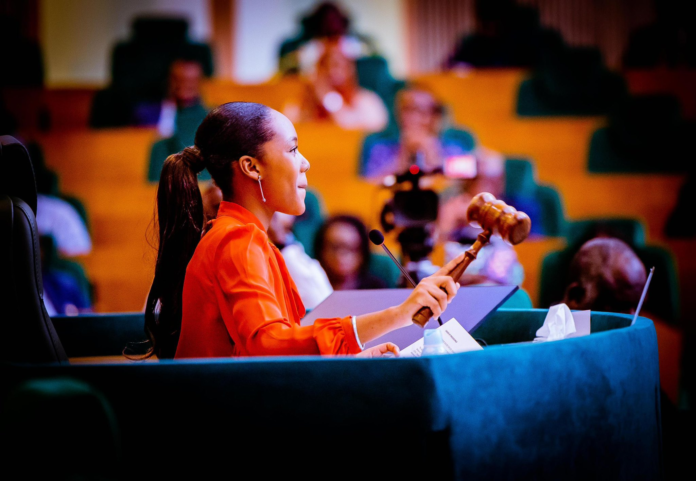
In commemoration of the International Day of the Girl Child, the House of Representatives on Thursday was presided over by a 16-year-old gender advocate, Isabel Anani with the Speaker, Tajudeen Abbas, giving up his seat for her.

The International Day of the Girl Child is an international observance day declared by the United Nations. It is marked annually on October 11.

Anani, accompanied by female students from selected schools in the Federal Capital Territory, was introduced as the “Speaker for the Day.”

Speaker Abbas at the occasion, spoke on the significance of the girl-child, citing their resilience, potential, and crucial role in shaping a better future.

The ceremony was organised by Plan International Nigeria, a non-governmental organisation that advocates for children’s rights.

Before vacating his seat, Mr Abbas said, “Honourable members of the House of Representatives, I am pleased to announce that today, October 10, the House joins the global community in commemorating the International Day of the Girl Child. This day highlights the challenges faced by girls around the world while celebrating their resilience, potential, and crucial role in shaping a better future.

“In recognition of this special occasion, we have the privilege of welcoming girls from public secondary schools across the Federal Capital Territory, who are present today to observe our proceedings. Their presence is a reminder of the importance of investing in the education and empowerment of young girls in Nigeria.

“Furthermore, the House is proud to introduce Ms Isabel Anani, our ‘Speaker for the Day.’

“Isabel is a remarkable young leader and a girl advocate for gender equality. She is also the youngest member of the Technical Working Group for Adolescent Health and Wellbeing in Nigeria as well as a UNICEF Young Influencer.

“Isabel was chosen for this prestigious role after emerging first among candidates across Nigeria, following an open call and a rigorous interview process.

During the session, Isabel presided over the presentation of a motion titled “Commemoration of the 2024 International Day of the Girl Child.”

The motion, moved by the member representing Kosofe Federal Constituency, Lagos State, Kafilat Ogbara, was sed seconded by the House spokesman, Mr Akin Rotimi.

The Shadow Speaker said, “For me, I envision a future where every girl regardless of where she comes from has an opportunity to flourish.

“A future where education isn’t seen as a high-pedestal privilege, but as an essential tool to equip girls to make important decisions that affect them, and ultimately the places they come from.

“I want a future where we don’t have to combat all the overwhelming experiences of childhood and adolescence alone; where girls aren’t discriminated because of their bodily functions, and are encouraged when they want to take firm hold of the mantle in places like STEM and politics and feel safe, feel wanted.”

She added: “As an aspiring woman in STEM, I know what it is like to be the only girl in male-dominated spaces. However, I don’t want to be the only girl. I want to be one of many. I want a future where the healthcare system for girls isn’t discriminated against due to the socio-cultural factors that so wrongfully exist.

“Now more than ever, we need girls to combat problems of climate change, political conflict, economic degeneration, diseases, and global unrest.

“We need to ensure that for every girl, there is access to healthcare that protects her and understands her needs; access to quality education that enables her to reach her potential; and safety from violence and harmful practices that affect her physically, emotionally, and mentally.”

Following the adoption of the motion, the House urged relevant agencies to collaborate with schools and community organizations to educate the public on drug abuse dangers and promote a drug-free lifestyle.

They also called for practical measures to educate out-of-school girls across the 36 states of the federation.

Similarly, the House urged the National Assembly leadership to amend the Child’s Rights Act to protect sexually abused children and ensure swift passage of bills protecting women and girls, such as the Gender and Equal Opportunities Bill.

PUNCH

Tinubu: N855 fuel price increase in 17 months, unhealthy volatility

By  Ikenna Emewu

This administration just spent less than 18 months, so, it is not the cause of the economic challenges on the ground.” —  Remi Tinubu

The worst outlook of any economy is instability or negative volatility. That is what the government of Nigeria has subjected the nation’s economy to since May 2023.

This situation doesn’t show any dexterity in handling what should be done to improve the economy.

In the past 17 months President Bola Tinubu has been in power, he has demonstrated the highest ineptitude about the management of the economy by increasing the pump price of petrol four times in very quick succession. From the foregoing, Tinubu doesn’t seem to know anything to do to support the economy apart from taking more money from the common masses, which so far, we have not seen the justification.

It has been a one-way traffic of the masses bleeding in favour of the government without the government giving anything back to make life easier for the people.

While this goes on, the cost of services from the government to the people has increased – from road toll charges to driver’s licence, passport, vehicle documents renewal, etc.

Tinubu on Thursday increased the petrol price yet again, with the NNPC retail outlets, the government’s agency, adjusting their pumps to between N1,030 and N1,070 nationwide.

Since May 29 he came to power and hastily, without any policy plan announced an increase, NNPC has fixed the price four times from N578 to N617, N857, and latest at N1,050 average.

Such volatility like the changing face of the cloud doesn’t support economic planning or implementation.

How would the government implement a budget that is pegged on crude oil benchmark with this instability? How would government agencies cope with the steady adjustment of their current expenditures with this?

It becomes worrisome since the price of petroleum drives the cost of all goods and services in Nigeria since they all depend on transportation.

These moves worsen the hardship Nigerian citizens go through every day where the basic needs for their everyday living keep skyrocketing and moving away from their reach.

Before Tinubu, Muhammadu Buhari, his compatriot in shabby economic management increased the price of petroleum seven times in his eight cancerous years. However, while Buhari’s increase in the times amounted to an N50 difference, Tinubu’s four times adjustment has created a difference of N855 from N195 which he met it on May 29, 2023. This is an unhealthy average of N213.75 per increase whereas Buhari inched up at an average of N7.142 per time.

If the rate and average increase in fuel price is the yardstick to assess leadership, the facts are clear Tinubu has become Nigeria’s worst economic nightmare.

Unfortunately, the government does not balk at the pains of the hardship it imposes on Nigerians and carries on like all is well.

During the campaign, a video of Tinubu promising to shrink the purchasing power of the citizens, strangulate the economic window and tax them most were taken like jokes. But these policies seem to validate that talk we thought was a mere joke.

As the masses face these instabilities, that is how the banking system serves them heartache where depositors can’t have access to their money, but rather get them from roadside POS operators where they pay for them, a situation that makes people to question where the roadside gets the money from.

A stranglehold on the masses through this volatility may work the contrary outcome. Since all these seem like the weaponization of poverty as a political tool, it may possibly work out a possibility where the patience of the hungry masses may snap and turn to what was least expected.

In the same vein, the US dollar, Nigeria’s major international trading medium keeps flexing muscles against another volatility on the value of Nigeria’s naira. As a country that literally manufactures nothing, and even the little it does depends solely on imports, it hasn’t been funny watching the naira tumble by almost N1,000 from where inept Buhari left it at N750 to now N1,700 to the US dollar.

It is senseless to boast that you allow the naira to float endlessly at the vagaries of market forces. That is delusional because no reasonable economy in the world leaves its currency and essential policies purely at the mercy of market forces.

Having run this odd system for 17 months, the federal government should take stock of how it has favoured the general economic outlook. We need to know how it increased job creation, volume of local production, import of capital goods, generation of internal revenue and reasonable and productive taxes, or the micro-economic indicators at the individual citizen’s level. None of these indicators has turned green.

This is a time for a rethink because Tinubu and his team seem marooned with the retreating hope of local refining of the public refinery in Port Harcourt or Kaduna, a promise that has not materialized since last December the deadline for commencement of operations has been bandied endlessly.

These increases are really wearing down the hope of the economy towards recovery.

International Day of the Girl Child: What hope for the future of the Nigerian girl child

By Mabel Adinya Ade

The International Day of the Girl Child presents an opportunity to reflect on the state of girls in Nigeria, a country where numerous barriers continue to undermine the potential of the girl child. Despite progress in some areas, access to education, menstrual health, protection from gender-based violence, and safe environments remain significant challenges for millions of Nigerian girls. As a result, the Nigerian girl child finds herself caught in a complex web of cultural, social, and economic barriers, depriving her of the opportunity to thrive.

The Crisis of Education

Access to education remains one of the greatest challenges facing the Nigerian girl child. According to UNICEF, Nigeria has one of the highest rates of out-of-school children globally, with girls bearing the brunt of this crisis. Insecurity, insurgency, displacement, and resource scarcity often force families to prioritize which child to send to school, and more often than not, boys are chosen. The widespread displacement due to Boko Haram insurgency, banditry, and communal violence has left millions of children out of school. This is particularly true in northern Nigeria, where traditional beliefs sometimes limit the value placed on educating girls.

The cost of schooling also weighs heavily on families with scarce resources, leading to the early marriage of girls to relieve financial burdens. Compounding this, the lack of safe schools in conflict-affected areas puts girls at further risk, both physically and emotionally. Even where schools are available, poor menstrual health management infrastructure, including a lack of sanitary products and hygiene facilities, results in absenteeism, as girls skip school to avoid shame during their menstrual cycle. This issue perpetuates the cycle of poverty and disempowerment that prevents girls from achieving their full potential.

The Menstrual Health Crisis

Menstrual health is a critical yet overlooked challenge facing the Nigerian girl child. Millions of girls lack access to sanitary products and hygiene infrastructure, forcing them to use makeshift items that often lead to infections. Inadequate menstrual education, cultural stigmatization, and lack of privacy further exacerbate this issue. Many girls are embarrassed to attend school during their periods, leading to frequent absenteeism and, in some cases, complete withdrawal from education.

Without access to menstrual products, many girls fall behind in their studies, limiting their future prospects. This menstrual-related absenteeism also underscores broader gender inequalities in access to education, further entrenching the marginalization of girls in Nigeria.

The Threat of Gender-Based Violence

The Nigerian girl child is increasingly vulnerable to sexual gender-based violence (SGBV), which remains a pervasive and growing issue in the country. Conflict and displacement have made girls easy targets for traffickers, ritualists, and sexual predators. In some areas, “Yahoo boys” are implicated in butchering girls for ritual purposes, while organ harvesters’ prey on vulnerable girls for their body parts.

Underage pregnancy is another symptom of the widespread gender-based violence, particularly in conflict-affected areas. Many girls, often victims of rape, are left to raise children without access to resources, further compounding their vulnerability. The stigma attached to underage pregnancy prevents them from returning to school or participating in community life, perpetuating a cycle of poverty, illiteracy, and disempowerment.

Some Cases that Show the Nigerian Girl Child is an Endangered Specie

Alhaji Dogo’s Case (2019): This case involved a group of young men who lured a woman to a location under the pretense of helping her with a job. They killed her for ritual purposes, claiming it was to enhance their internet fraud activities. The perpetrators were arrested and faced prosecution.

The Case of Jennifer (2020): In this incident, a young woman was reportedly killed by her friend who was involved in internet fraud. The friend believed that sacrificing her would improve his chances of success in his scams. The case drew significant media attention and highlighted the disturbing trend of using human sacrifice for financial gain.

Chinelo’s Murder (2021): A young lady was murdered in a similar context, where fraudsters believed that using her for rituals would boost their luck in scamming activities. The case led to public outrage and calls for stricter laws against ritual killings.

Ifeoma’s Case (2022): A young student was lured under false pretenses by men involved in internet fraud. They killed her for ritualistic purposes, and the incident sparked widespread condemnation and discussions about the growing influence of ritualistic practices among youth.

Ijeoma’s Murder (2019): Ijeoma, a 22-year-old woman, was reportedly killed by her boyfriend, who was involved in internet fraud. He believed that sacrificing her would enhance his financial success. The case highlighted the dangers young women face in relationships with those engaged in fraudulent activities.

The Case of Happiness (2021): Happiness, a young woman, was abducted and later found murdered. Her death was linked to a group of fraudsters who were seeking rituals to improve their fortunes. The investigation revealed a network of individuals involved in similar crimes.

Ugochi’s Abduction and Murder (2022): Ugochi was kidnapped by men posing as job recruiters. They murdered her for ritual purposes, believing it would increase their chances in online scams. The incident led to protests against ritual killings and calls for stricter penalties.

Nneoma’s Case (2023): A university student named Nneoma was lured to a secluded location by a group of men involved in cybercrime. They killed her for ritual purposes, sparking outrage and highlighting the vulnerability of students.

The Killing of Yetunde (2023): Yetunde was killed by a gang who believed that using her for rituals would boost their online scamming activities. The police apprehended the suspects, and the case drew attention to the need for better protections for young women.

Chidera’s Case (2020): Chidera, a young woman, was killed by a group of men who believed that sacrificing her would enhance their internet scam operations. The gruesome nature of her death led to widespread outrage and condemnation.

Kemi’s Murder (2021): Kemi was reportedly lured to a meeting under the pretense of a job opportunity. After being abducted, she was murdered for ritualistic purposes by individuals involved in internet fraud. The case brought attention to the deceptive tactics used by perpetrators.

The Killing of Peace (2022): Peace was targeted by a gang of fraudsters who sought to use her for rituals. She was kidnapped and later found dead. This incident sparked protests and discussions about the dangers young women face from those involved in cybercrime.

Temitope’s Abduction (2022): Temitope was kidnapped by a group of men who were part of a ritual killing ring. They believed that her death would grant them success in their fraudulent activities. The case led to calls for stronger law enforcement actions against such crimes.

Adaobi’s Incident (2023): Adaobi, a university student, was murdered by individuals she trusted. They killed her for ritual purposes, thinking it would improve their luck in online scams. The incident highlighted the risks young women face in trusting relationships.

Charting a Way Forward: Strategic Actions for Change

To address the multifaceted challenges facing the Nigerian girl child, strategic interventions must be holistic, encompassing education, health, protection, and socio-economic empowerment. Parents, society, and the government must work together to unlock the full potential of girls.

1. Prioritize Girl Child Education: The government must strengthen policies that mandate free and compulsory education for all girls, with specific attention to conflict-affected and rural areas. Parents should be sensitized on the long-term benefits of educating girls, which not only transforms their lives but also contributes to family and national development. This will require more investment in building safe schools, providing scholarships, and offering incentives to families to keep their daughters in school.

2. Invest in Menstrual Health Management: Comprehensive policies and programs addressing menstrual health are crucial. The government, in partnership with NGOs and private sectors, should make sanitary products available in schools and communities, especially in rural areas. Schools must be equipped with hygiene facilities and girls should receive menstrual health education to reduce absenteeism. Menstrual health education must also be integrated into school curricula to destigmatize the natural biological process.

3. Strengthen Legal Protections and Enforcement: There is a need for stronger enforcement of laws against sexual violence, trafficking, and ritual killings. The government must ensure that perpetrators are prosecuted and that girls receive the necessary psychosocial and medical support to recover from trauma. Establishing specialized police units trained in handling cases of gender-based violence can provide the necessary protection and recourse for victims.

4. Create Safe Spaces for Girls: Society and communities should create safe spaces where girls can seek guidance, report abuse, and build life skills. These spaces, both in schools and communities, can offer mentoring and vocational training, fostering girls’ confidence and resilience. Traditional and religious leaders should be actively engaged in breaking down harmful practices and advocating for the protection and empowerment of girls.

5. Economic Empowerment Programmes: To reduce early marriage and improve girls’ autonomy, economic empowerment programmes targeting families, particularly in rural areas, must be established. Training programsme that provide families with skills to increase income will reduce the economic incentives for child marriage, allowing girls to continue their education.

6. Sexual and Reproductive Health Education: The government, in collaboration with health institutions, must expand access to reproductive health services and education, particularly in conflict-affected areas. This includes access to family planning, prenatal care, and prevention of mother-to-child transmission of HIV. The integration of reproductive health education into school curricula can equip girls with the knowledge to protect themselves from unwanted pregnancies and sexually transmitted infections.

7. Political and Economic Empowerment of Girls: More investments should be made in leadership training programmes for girls to prepare them for future roles in political and economic spheres. This could be through mentorship programsme, targeted scholarships, and initiatives that expose girls to governance, entrepreneurship, and leadership at a young age.

Policy Recommendations

National Girl Child Development Policy: A national policy focusing on education, health, and economic empowerment for girls should be developed and implemented with clear metrics and targets. This policy should also address regional disparities and include strategies to ensure the protection of girls in conflict zones.

Institutionalizing Gender-Responsive Budgeting: Governments at Federal, State, and Local levels should adopt gender-responsive budgeting that ensures funding is allocated to programmes benefiting the girl child, including education, healthcare, and protection services.

Partnerships for Development: The private sector, NGOs, and development partners should collaborate with the government to design and implement programmes that support the holistic development of girls. Public-private partnerships can expand access to technology, training, and entrepreneurship opportunities for girls.

Conclusion

The future of the Nigerian girl child hinges on deliberate, sustained, and strategic efforts to dismantle the barriers that limit her potential. Parents, communities, the government, and civil society must act with urgency to create an environment that nurtures and protects girls. By investing in their education, health, safety, and leadership, we can unlock the transformative power of girls to build a more equitable and prosperous Nigeria.

Mabel Adinya Ade is E.D. Adinya Arise Foundation (AAF), [email protected]

NDLEA reviews visa clearance procedures, says married women no longer need approval letters from husbands

The National Drug Law Enforcement Agency has announced a review of its visa clearance procedures.

A controversial requirement, which mandated married women to submit an approval letter from their husbands as part of the visa application process, sparked widespread debate on social media on Wednesday.

Many criticised the policy, describing it as outdated and discriminatory.

In response, the agency’s spokesperson, Femi Babafemi, in a notice on Thursday, stated that the provision had been removed as part of an ongoing review of the entire procedure.

The notice read, “The entire procedure for visa clearance issued by the NDLEA, as required by some countries, is currently under review, and the requirement for a married woman to present a letter of approval from her husband to travel is one of the items the Agency has since discarded as a non-mandatory requirement. The inclusion of this item initially arose due to certain unfavourable developments in some source countries.

“Members of the public are assured that this item has been removed from the list of requirements in the ongoing review, which will be made public in the coming days.”

In response, the agency’s spokesperson, Femi Babafemi, in a notice on Thursday, stated that the provision had been removed as part of an ongoing review of the entire procedure.

The notice read, “The entire procedure for visa clearance issued by the NDLEA, as required by some countries, is currently under review, and the requirement for a married woman to present a letter of approval from her husband to travel is one of the items the Agency has since discarded as a non-mandatory requirement. The inclusion of this item initially arose due to certain unfavourable developments in some source countries.

“Members of the public are assured that this item has been removed from the list of requirements in the ongoing review, which will be made public in the coming days.”

PUNCH

Parents win notable court case to use deceased son’s sperm for surrogacy

A couple in India has expressed their joy after a landmark ruling by the Delhi High Court granted them access to their late son’s frozen semen, allowing them to pursue surrogacy and have a grandchild, as reported by The BBC.

This decision followed a four-year legal battle with a hospital that had initially refused their request.

Harbir Kaur and Gurvinder Singh lost their 30-year-old son, Preet Inder Singh, to Non-Hodgkin’s Lymphoma in September 2020. Before starting chemotherapy, doctors advised Preet to store his semen, as the treatment could potentially damage his fertility. Preet, who was unmarried, followed this advice, and his semen sample was frozen in June 2020. Following his death, the grief-stricken parents sought to retrieve the sample from Delhi’s Ganga Ram Hospital, but their request was denied.

Determined to continue their son’s legacy, the couple petitioned the Delhi High Court. They argued that they wished to raise a child born using Preet’s sperm and had already made arrangements for the child’s care within their family. Their daughters had even provided assurances to the court that they would take responsibility for the child if the couple passed away.

Last week, Justice Prathiba Singh ruled in favor of the couple, stating that Indian law does not prohibit posthumous reproduction if the deceased has given consent. She acknowledged that, as Preet was unmarried and had no children, his parents became his legal heirs under the Hindu Succession Act and were entitled to access the sperm sample.

The couple, now in their 60s, explained that this ruling offered them a chance to preserve their son’s memory and carry on the family name.

Their lawyer, Suruchii Aggarwal, noted that while this case is rare, it is not unprecedented. She cited similar cases in India and abroad, including one from 2018 where a mother in Pune used her deceased son’s sperm for surrogacy. Justice Singh, in her ruling, also referenced international examples, such as a 2002 case in Israel where parents were allowed to use their deceased son’s sperm to conceive a grandchild.

In court, Ganga Ram Hospital had argued that sperm samples could only be released to a spouse, as there were no clear guidelines for transferring them to legal heirs in the absence of a spouse or children. The Indian government also opposed the petition, pointing out that surrogacy laws in India are primarily intended to assist infertile couples or women, not those seeking grandchildren. Additionally, the Assisted Reproductive Technology (ART) Act 2021 prohibits single individuals from having children through surrogacy.

However, Aggarwal contended that Preet had given implied consent for the use of his sperm, as he had filled out a form stating it was for IVF purposes and included his father’s contact information. Justice Singh sided with this argument, concluding that Preet had intended for his sperm to be used to have children, and as his legal heirs, his parents were entitled to use the sample.

Following the ruling, the family is now considering surrogacy, with a relative agreeing to act as the surrogate.

Culled from todaysfamilylawyer

FIDA Nigeria says decisive actions must be taken to dismantle structures that perpetuate gender inequality, gross discrimination against the girl child

Press Release

FIDA Nigeria Press Release on the International Day of the Girl-Child 2024

Theme: “Girls’ Vision for the Future”

As we celebrate the International Day of the Girl-Child observed annually on the 11th of October, FIDA Nigeria stands resolute and in solidarity with every girl whose dream and aspiration remains a beacon of hope for a brighter tomorrow. Today, we do not only celebrate girls—we amplify their voices, highlight their struggles and call for urgent and proactive action to ensure that their vision for the future become a reality.

Across Nigeria, millions of girls are born into a world filled with challenges that are beyond their making. From the plains of the northeast, where continued conflict and displacement shatter the innocence of childhood, to the rural communities where girls are still denied access to basic education, the story of the Nigerian girl-child is often one of untold hardship and deprivation.

A story of daily struggle from dawn, not to prepare for school, but inundated with household chores and in most cases enduring the endless and cruel reality of child labor and gender inequalities. She dreams of a future where she can learn, grow and thrive, yet that dream is clouded by the weight of systemic barriers and discrimination, early and forced marriages, gender-based violence, harmful traditional and cultural practices that rob her of her childhood and future.

In the face of all these adversities, the Nigerian girl-child tenaciously remains a symbol of resilience and courage, daring to dream despite the odds, constantly envisioning a world where she is empowered, her rights protected, her voice heard and her potentials nurtured. However, this vision cannot be realized alone. The girl-child needs allies—people, institutions, and government that will not only listen but take decisive actions and steps to dismantle the structures that perpetuate gender inequality and gross discrimination.

The theme for the year 2024 resonates deeply within our nation. Insecurity, poverty, climate change, illiteracy, cultural and religious limitations and the degradation of progress made in gender parity, have further exacerbated the plight of girls in Nigeria. Nevertheless we make bold to say that the Nigerian girl-child is not a victim waiting to be saved, she is a leader waiting to be heard, standing tall at the frontline of change, challenging oppressive norms and pushing boundaries, yet she cannot win this fight alone.

FIDA Nigeria recognizing the immense potential of girls to reshape our society is deeply committed to creating spaces where their voices are not only heard but acted upon. We shall continue to work tirelessly to provide support, legal protection, and advocacy for the right to education and the overall wellbeing of the girl-child, ensuring that every Nigerian girl has the tools, resources and opportunities to shape her future.

As we reflect on this year’s theme, we call on Government, Civil Society Organizations, Public and Private sectors and indeed all stakeholders and well-meaning Nigerians to invest in proven solutions that address the challenges which girls face. We must focus on and prioritize security, education, health care, and wholesome protection from violence and exploitation. When girls lead, they uplift families, transform communities, and strengthen the nation.

Let us not only dream with our girls but invest heavily into these dreams. The future of Nigeria is in their hands and by empowering them today, we are securing a brighter tomorrow for all.

It is time to rise for the girl-child, walk the talk, guarantee her participation in leadership through education, thereby accelerating progress for a brighter tomorrow where her dreams become reality.

Together we certainly can!

FOR: FIDA NIGERIA

Signed

Amina Suzanah Agbaje (Mrs.)

Country Vice President/ National President FIDA Nigeria

Is there justice for workers in Nigeria?

By Olusegun Adeniyi

The National Industrial Court of Nigeria (NICN) held its 2024/2025 Legal Year ceremony yesterday in Abuja. With a retired Justice of Supreme Court, Ejembi Eko as Chairman, I was the guest speaker. Below is a slightly abridged version of my presentation that speaks not only to labour justice and public interest but also the rule of law and the role of Judges in Nigeria.

Read it:

I consider it an honour and a privilege to stand before this august gathering as you celebrate the 2024/2025 Legal Year. I expect many of you may be wondering what qualifies me to be here and why a journalist is presenting a paper on labour justice and public interest. Perhaps I should let you in on a secret. I got the invitation for this assignment when I met an energetic man playing ping pong (table tennis) sometime last year. Had I not been introduced to the gentleman before I watched him toss the ball upward with his left hand and strike it fiercely with his right, it would have been difficult for me to believe that he was the Honourable Justice Benedict Kanyip, President of the National Industrial Court of Nigeria (NICN).

Even though we exchanged contacts that day, I decided not to dwell too much on the promise because I thought it was one of those spur-of-the-moment decisions people make while in a jolly mood. But early this year, the honourable justice followed up with a call to remind me that I would indeed be the speaker at the 2024/2025 Legal Year ceremony. I cannot thank Justice Kanyip enough for the honour. Let me also appreciate other Judges of this court.

My understanding of the contributions of the NICN to labour jurisprudence in our country has been enriched in recent days. To prepare my paper, I spent considerable time at the Court’s library. And, as it is with most libraries in Nigeria, the environment could be better. But I was fortunate to encounter two dedicated library staff who painstakingly provided me access to relevant materials, including ‘Digest of Labour Cases in Nigeria (1960 to 2012)’ and ‘Digest of Judgements of National Industrial Court (1978 – 2006)’ edited by Oluwole Kehinde with foreword (to both books) written by a former President of this Court, Justice Babatunde Adejumo. These materials, and a few others I browsed through, catalogue hundreds of cases decided by this court to advance the course of justice for workers in Nigeria.

I have been asked to speak on labour justice and public interest. There could not have been a better time to interrogate this topic in Nigeria as both labour and government were recently locked in negotiating an appropriate national minimum wage—the lowest amount of salary that employers of labour, whether in the private or public sector, should earn in the country. After much drama, it is gratifying that the two parties were able to reach a consensus on the issue, despite the fact that the agreed amount cannot even buy a bag of rice in the market.

The situation of workers in Nigeria is further complicated by the fact that those in the informal sector are practically excluded from any form of labour justice. Today, the only avenue for redress for most is to appear on radio programmes. That is how Ahmed Isah, an activist and on-air personality who anchors ‘Brekete Family’ on Human Rights Radio Abuja, has become not only the ‘Ordinary President’ for the vulnerable of our society but also their ‘Chief Justice.’ Such is the flagrant violation of workers’ rights by all levels of government and the private sector that even foreign owned entities operating in Nigeria have been emboldened to treat our people with disrespect.

In a clear breach of extant labour laws, many of these companies resort to unwholesome practices that deny their Nigerian workers job security and appropriate benefits. Even where there are statutory compensation provisions for work-related diseases, injuries, disabilities, or death, they are mostly observed in the breach. In several cases, affected workers or their next of kin receive little or no compensation for death or permanent injuries, including when they occurred while carrying out assigned duties.

The concept of Labour justice and public interest are interwoven. Any initiative that engenders fair treatment in the workplace impacts positively on societal wellbeing. Indeed, the United Nations (UN) has on many occasions highlighted the importance of access to justice which essentially means the right to have one’s cause heard before an impartial arbiter. The international reference point for the concept of labour justice, as we are all aware, is the International Labour Organization (ILO) which, in several instruments, enshrines the right of workers to access justice without encumbrance. This includes access to courts and other formal dispute resolution mechanisms in pursuit of effective remedy.

The parameters in any given jurisdiction to measure labour justice include fair wages, which indicates that workers are to be compensated by their employers in a manner commensurate with their output; safe working conditions that guarantee protection from foreseeable danger and defence of their inalienable right to organize protests and negotiate collectively. There are of course several others, including not being discriminated against on the basis of religion, race, gender, age etc. If these parameters encompass the principles and practices that ensure fair treatment and protection of workers in their employment context, it goes without saying that the aim of labour justice is to address power imbalances between employers and workers, and to promote the dignity of labour.

Unfortunately, despite a plethora of legislation and the fact that Nigeria is a signatory to numerous conventions that should guarantee access to justice for workers, the reality is quite different. This can be glimpsed from the way key aspects of labour justice are resolved in our country. Not necessarily to the satisfaction of workers. These include freedom from discrimination, the ability to engage in collective bargaining, modalities for addressing unfair dismissal, among others. This then brings me to the issue of specialized labour court which the NICN represents in Nigeria.

The evolution of industrial courts can be traced to 1806 in France, 1869 in Germany and 1919 in the United Kingdom. But it was not until 1976 that authorities in our country signed on to the idea with the NICN. Established to address labour justice in all its ramifications, the court became functional in 1978. In the early years, the NICN faced several challenges that affected its effectiveness and efficiency. But even when operational, the court provided no reprieve for aggrieved workers for decades as its judgments were unenforceable due to the lack of laws and procedures required of a Superior Court of record.

The problem started with the Supreme Court decision in the case between the National Union of Electricity Employers (N.U.E.E.) and Bureau of Public Enterprises (BPE). The apex court held that, despite the provisions of Decree 47, the NICN had neither exclusive nor coordinate jurisdiction with state high courts. The fact that the court was powerless for about 28 years of its operation was acknowledged on 5th May 2003 by the then NICN President, Justice Adejumo in a scathing remark. This was the way he put it: “The NICN remained practically moribund. The court sat only in Lagos for those years. It was clearly unknown and its decisions and pronouncements hardly respected.”

The constitutional amendment of 2011 assented to by President Goodluck Jonathan changed the narrative by altering sections 6 and 254 of the 1999 Constitution and including the NICN as a Superior Court of record with coordinate jurisdiction with High Courts. The amendment also expanded the jurisdiction of the court to handle human right cases emanating from the workplace. The court is also saddled with jurisdiction to resolve disputes between the Nigeria Labour Congress (NLC), Trade Union Congress (TUC) and government.

Before I continue with the issue of labour justice and public interest, let me make a general point about justice administration in Nigeria. It is important because the extent of justice available to workers in any given society is a function of the extent of rule of law available in that society. It is doubtful that citizens as workers can expect a higher degree of labour justice than what is available within the larger society. In her speech at the special session of the Supreme Court commemorating its new Legal Year and the induction of the latest set of Senior Advocates of Nigeria (SANs) on 30 September 2024, the Chief Justice of Nigeria, Honourable Justice Kudirat Kekere-Ekun emphasised that obedience to court orders will, under her watch, be “non-negotiable”. And that “No individual or institution, irrespective of their standing, will be permitted to treat the judgments of our courts with levity or disregard”.

This, indeed, is as it should be in a society governed by ‘rule of law’. But ‘rule of law’ is not the same as ‘rule of judges.’ According to worldjusticeproject.org, “The rule of law is a durable system of laws, institutions, norms and community commitment that delivers four universal principles: accountability, just law, open government, and accessible and impartial justice”. In contrast, ‘rule of judges’ denotes impunity towards the law by the very persons who ordinarily are invested with the functions and responsibilities of upholding ‘rule of law’. It is a situation in which a judge places himself/herself above the law or makes himself/herself the law rather than a servant of the law or shepherd of the ‘rule of law’. Regrettably, the loud and overpowering noise of the latter is becoming definitive of Nigeria’s judiciary in the perception of most people. Nothing gives better expression to that than the statement, “Go to Court” by conscious wrong-doers, often followed by “Go on appeal” by their hand-in-glove judges!

Aside the indiscipline of conflicting judgements, there is also the disgraceful issue of courts of coordinate jurisdiction nullifying one another since forum shopping has been institutionalised in Nigeria. In recent days, we have seen how the judiciary has been dragged into the power struggle between the godfather and his godson in Rivers State. If there is anything to take from what transpired before last Saturday’s local government election in the state, it is the willingness on the part of an alarmingly increasing number of judicial personnel to accept and play the role of hitmen for influential political actors as against serving the interest of the country and the public good. That should also be of serious concern to Justice Kekere-Ekun.

I still cannot fathom how any self-respecting Judge would grant an injunction, using subterfuge to restrain the police from performing their primary responsibility of restoring law and order during an election process. Unfortunately, it is such contrived court orders that the police are ever eager to obey most often against the public interest. (NOTE: After my presentation yesterday, Mr Nnamonso Ekanem, SAN, said I was wrong on the case of Rivers State, and that the Federal High Court Judge did not restrain the police. He asked me to go and read the Certified True Copy of the judgement. Ekanem was immediately countered by another SAN, Jibrin Samuel Okutepa, who said the Judge indeed restrained the Police in what he described as an affront on the law. Okutepa (who later sent me the CTC of the 45-page judgement) was unsparing of the antics of some judicial officers in the country. Interestingly, shortly before I left the court, a respected retired Jurist whispered to me that my position is indeed unassailable. The Judge not only restrained the police from carrying out their constitutional responsibility, according to the eminent jurist, but he also prevented the Independent National Electoral Commission from providing a voters register that would have aided the conduct of a credible local government election in the state).

Meanwhile, at the rate some Judges are going; they will soon be granting injunctions to spouses who seek to restrain their partners from performing matrimonial duties in ‘The Other Room’. Now that prominent politicians are openly describing judgments emanating from our courts as ‘Kangaroo judgement’, it is incumbent on the National Judicial Commission (NJC) to step in and deal with blatant deviant behaviour among its members. But let’s come back to the issue of labour justice and public interest.

The NICN may have been envisioned as a specialized superior court of record with the aim of having its divisions everywhere in Nigeria, but this vision, in my view, is yet to be achieved. From its website, the NICN currently has twenty-eight (28) divisions outside the Abuja division. This means that eight states are left without any division of the NICN. Regrettably, that includes my state, Kwara, where the presence of the court is no more than a Registry located at 13A Offa Road, Ilorin. This lack of national spread not only raises the issue of awareness and accessibility but also limits the court’s ability to serve all segments of the population effectively.

There is another issue that relates to a crisis of mission, though not of its own making. In creating the NICN in the mid-seventies, the military government at the period envisioned sustainable rapid industrialization of Nigeria which they reasonably believed would make industrial disputes inevitable. For instance, between 1975 and 1985, Nigeria experienced significant industrial growth driven by the oil boom and government-led initiatives aimed at diversifying the economy. This period saw the establishment and expansion of various manufacturing companies across different sectors, including food and beverage, textiles, cement, pharmaceuticals, and more .Unfortunately, that sector is now almost comatose.

I began from the premise that the NICN has done quite a bit to advance labour jurisprudence in Nigeria based on my rudimentary research. But, as attested to by Justice Adejumo, the work of the Court is not known to most Nigerians. Even lawyers are not particularly conversant with it, according to some legal experts. In his book, ‘Rocheba’s Labour Law Manual (with International Conventions of Occupational Health and Safety)’, Enobong Etteh who has edited several Nigeria Labour Law Reports alluded to this. “A good number of the lawyers that appear before the court (NICN) do not appreciate the law and practice of the court. And consequently, they carry on as if what obtains in the regular courts necessarily obtains in the NICN,” Etteh wrote. “This is far from being so as the NICN is a specialised court permitted to regulate its procedures and proceedings as it thinks fit, and is not bound by any rules of evidence, although it may inform itself on any matter in such manner as it thinks just.”

However, the biggest challenge to labour justice has come from the regular courts. Between 2010 and 2024, the NICN has had a number of its decisions overturned, particularly by the Court of Appeal and the Supreme Court. These reversals often stemmed from jurisdictional challenges, misinterpretation of labour laws, and procedural issues. I will highlight three of such notable cases and what they mean for labour justice in Nigeria. The first is the case between Skye Bank Plc (now Polaris Bank) and Victor Iwu. The NICN had ruled in favour of the claimant regarding wrongful termination of appointment. But the Supreme Court overturned the NICN decision and clarified that the Court of Appeal has the jurisdiction to hear all civil matters from the NICN, not just those related to fundamental rights.

Considering that there were already two conflicting judgements of the Court of Appeal regarding appealability of the NICN on the issue under reference, this ruling overturned the prevailing belief that decisions of the court were final except in cases involving human rights or criminal matters, thus opening the door for more NICN decisions to be appealed. There are implications for this decision. I know that this may not sound well to lawyers but I am of the view that the NICN should have both original jurisdiction and final say on some issues pertaining to workers. Especially those relating to compensation for injury or disease and wrongful dismissal. Allowing all cases instituted at the NICN to be subject to appeal may not bode well in a country like ours. While it is conceded that the right of appeal may encourage NICN judges to be careful about their decisions in cases before them, some unscrupulous employers could use the right of appeal as a punitive measure or a delay tactic.

The second case is that between Chevron Nigeria Ltd and Mr. Titus Oyegun. While the NICN ruled in favour of the employee in a wrongful termination claim, the Court of Appeal overturned the decision, arguing that the NICN overstepped its jurisdiction by addressing certain contractual matters that should have been handled by the High Court. I am of the opinion that the decision of the Court of Appeal upturning the decision of the NICN should be tested at the Supreme Court. I do not believe it is in the interest of labour justice to exclude contractual matters from the jurisdiction of the industrial court.

In the third case between Arik Air Ltd and Mr Gabriel Igbinigie, theNICN had ordered the reinstatement of the claimant and awarded compensation. The Court of Appeal overturned the decision on grounds that the NICN exceeded its jurisdiction by ordering reinstatement. This was based on the time hallowed labour principle that you cannot force a willing employee on an unwilling employer. I understand the point the appellate court is trying to make but I still do not believe the ruling will serve the end of labour justice. In such circumstances, I would prefer punitive damages and compensation for aggrieved workers as a deterrent to arbitrariness on the part of employers.

The next point I want to make may sound a little bit heavy but there is a perception among some stakeholders that the judges of the NICN tend to be biased, especially in favour of the government. That is understandable since the jurisdiction conferred on the NICN dictates that a good percentage of its cases will involve government as employers of labour. The challenge is that a labour court considered biased may be unhelpful to workers. I must, of course, state here that the allegation of being pro-government cannot be sustained by any credible evidence.

When the federal government secured an injunction restraining the Nigeria Labour Congress (NLC) from proceeding with its proposed nationwide strike last year, the Congress accused the court of a “continuous weaponisation of the instrument of Exparte injunction in favour of government.” According to the NLC President, Joe Ajaero, “that is against the interests of Nigerian workers.” However, it should be noted that in several instances, the government has also attacked the judgments of the court. I remember the former Governor of Kaduna State, Mallam Nasir El-Rufai saying that one of the biggest mistakes Nigeria made was to establish the NICN, citing instances when judgements were entered against the government in favour of workers. So, if neither the government nor the NLC appear comfortable with the NICN, then the court must be doing something right. However, while the perception of being pro-government may be baseless, it can undermine public confidence in the court’s impartiality and fairness.

Let me now come to the issue of jurisdiction. As the ILO has succinctly put it in their publication, ‘Overview of procedural for access to labour justice in judicial dispute resolution institutions’, access to labour justice should not only be viewed from the perspective of labour courts and the right to have a claim examined by an impartial judge. It should also encompass access to a fair procedural regulation which enables real conditions of equality before recuring to the judiciary. The emerging regime in labour justice globally is ensuring effective labour dispute prevention and resolution, in law and practice. That’s because the notion of access to labour justice, according to the ILO, “encompasses judicial and non-judicial mechanisms and institutions dealing with the prevention and resolution of individual and collective labour disputes.”

Here, I must commend the establishment of the Alternative Dispute Resolution (ADR) Centre of the NICN to resolve certain labour related disputes using the process of mediation and/or conciliation. Since an effective labour justice system accommodates other active players, the exclusive jurisdiction of the NICN as guaranteed by the Industrial Act and Constitution may be unhelpful. Exclusive jurisdiction doesn’t, in my view, enhance access to justice for workers. For instance, the history of the labour court in England show shows how refusal by the major labour unions to appear before it ultimately led to the labour court ceding the majority of its powers to administrative tribunals.

Meanwhile, I find it disturbing that in conversations about labour justice in Nigeria, there is hardly any thought given to the informal sector. Yet, as of the first quarter of 2023, according to the National Bureau of Statistics (NBS) ‘Nigeria Labour Force Survey’, 92.6 per cent of workers in Nigeria were in informal employment. If you exclude agriculture from this sector, going by the survey, we still have 89.4 per cent of our people in informal employment. How can we exclude such a huge percentage of workers from access to justice and social protection and imagine we can develop our society? Take farmers for example. Because of their vocation, they are both employers and employees who feed the nation. Their incapacitation by reason of insecurity and natural disaster has resulted in nationwide shortages of foodstuffs, high cost of food crops and hunger in the land, impacting all Nigerians. Yet, they are excluded from any form of labour justice or social protection.

What the foregoing suggests is that in Nigeria today, labour justice is designed more for the formal sector. We need to redress this anomaly by the instrumentality of law and policies. Can there be a law mandating that at least 75% of the labour justice standard applicable to the formal sector also be made applicable to the informal sector? With that, we can address issues like unwritten contract agreements regarding wages, hours of work, and other indices of labour justice enjoyed by the formal sector. At present, there is no such law. These are some of the issues that should concern the National Assembly whose members seem obsessed with where and how Mr Bobrisky was sleeping when serving his jail term.

I am also aware of the principles of the Common Law of Contract that make some oral contractual agreements enforceable. So, may I ask: Will this court or any tribunal for that matter adjudicate on the hypothetical case of an office clerk whose employer refuses to pay him the meagre amount orally agreed by both parties, and then lays him off after working for 13 months? Will our court not be technically rigid by asking for a document evidencing labour agreement?

To enthrone labour justice, there is need for effective enforcement of labour laws. But it is important to also note that labour laws in Nigeria are complex and with outdated provisions that make their interpretation and application challenging. This complexity has often led to unpredictable judgments and uncertainty in labour relations and justice. There is therefore an urgent need to align these laws with current realities and international labour standards.

As I take my seat, let me briefly speak to the issue of compensation for injury or disease contracted at the workplace. Based on the duty of care to which workers are owed by their employers, the Employee Compensation Act of 2010 provides comprehensive compensation to those who sustain injury from accidents at the workplace. There is a brilliant disquisition of the Act by Mr Ajibola Olaosebikan, a lawyer. “Despite the existence of robust legal frameworks, several challenges persist in the realm of employee compensation in Nigeria. Enforcement of labor laws can be inconsistent, especially in smaller enterprises or informal sectors where oversight is limited” he wrote after reviewing all the provisions in the Act. “This inconsistency sometimes leads to exploitation and unfair practices, such as inadequate wages or denial of benefits.”

Many countries have devised creative ways by which workers in the informal sector can access justice, especially when in distress and there is no reason why we should not learn from them. In Canada, for instance, they have the Workplace Safety and Insurance Board (WSIB), an independent trust agency operating under the Ministry of Labour for small businesses that employ staff like nannies, babysitters, gardeners, bar attendants etc. Regulated by the Workplace Safety and Insurance Act (WSIA), it is a collective liability insurance to which employers subscribe. It provides compensation to employees in the event of a workplace accident.

Finally, we must understand that public interest is served when workers are not only fairly treated but also economically empowered. But in a society where there is weak enforcement of labour laws to protect workers, it is easy for employers to evade legal responsibilities. That’s why and how most of the banks and oil sector companies now deploy graduates as casuals who are paid peanuts and deprived of the opportunity to become mainstream workers.

This is an issue that should be addressed by relevant stakeholders. What the government, at all levels in Nigeria, must understand is that a system that ensures labour justice also fosters cohesion as addressing grievances in the workplace can prevent social unrest and promote harmony. To the extent that public interest is tied to ensuring a humane interpretation of socio-economic rights, relevant authorities must ensure that workers’ rights are respected, fair wages are paid, and safe working conditions provided. All of these are geared towards balancing the rights of workers with the economic and social well-being of society as a whole. Prioritizing labour justice, therefore, is a public interest imperative.

* You can follow me on my Twitter handle, @Olusegunverdict and on www.olusegunadeniyi.com

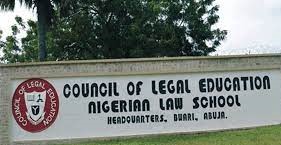
Reconsider the one-year ban, Kwara State University appeals to Council of Legal Education

Kwara State University, Malete has sent out an appeal to the Council of Legal Education (CLE) asking it to reconsider the one-year ban on admission of law students imposed on the University.

The school in a letter addressed to the Chairman of the Council of Legal Education pointed out that when its attention was drawn to the violation of the CLE accreditation regulations in 2020, it ceased from admitting students into its Law programme for two academic sessions.

In the letter of appeal signed by its Registrar, Dr. Kikelomo W. Sallee, the university further explained that its pause on law students’ admission accounted for there being no students’ graduation from the Faculty of Law at the end of 2022/2023 and 2023/2024 academic sessions.

The letter sighted by Law & Society Magazine reads:

On behalf of the Governing Council, the Vice Chancellor and the entire management of the Kwara State University, Malete, I express our profound gratitude to the Council of Legal Education (CLE) under your chairmanship, for the kind reprieve for our law graduates who are currently undergoing their mandatory vocational training in the Nigerian Law School.

However, our attention has been drawn to a social media report that the CLE decided at its last meeting to suspend our University from admitting students into its law programme as a result  of our commencement of the Law programme before the CLE accreditation. I wish to state that Kwara State University, Malete has zero tolerance for violation of laws or regulations. Hence, the University unilaterally suspended admission of students into its law programmes the moment its attention was drawn to the inadvertent violation of the CLE  accreditation regulations in 2020.  

Consequently, the University did not admit students into its Law programme for two academic sessions until the Faculty of Law passed the CLE resource visit in 2021 and was cleared to commence the programme. This accounted for why the University did not graduate any student from the Faculty of Law at the end of 2022/2023 and 2023/2024 academic sessions. Our law graduates who are currently in the Law School are the 2019/2020, 2020/2021 and 2021/2022 sets.

In view of the foregoing, we sincerely appeal to the CLE under your leadership to reconsider its position and waive the one-year ban on admission imposed on our University having established our remorsefulness by suspending the law admission process suo motu for two academic sessions even without the Council’s directive to that effect.

TIPS