Home Blog Page 1419

Kano Mystery Deaths: Kwankwaso writes Buhari

*Accuses Kano Governor of laxity

*Demands inquiry to cause of death of elderly in the state

*Asks for 10 additional NCDC centers in Kano

By Malachy Uzendu

Former Governor of Kano State Alhaji Rabiu Musa Kwankwaso has tongue lashed the incumbent governor of the state, Alhaji Umar Ganduje, accusing him of laxity in the deaths recorded in the state recently.

In a letter addressed to President Muhammadu Buhari dated 27th April, 2020 which was submitted at the Pilot Gate of the Presidential Villa and received by one Blessing at 8:55am, the former governor alleged that the mysterious deaths recorded in Kano since last week was a direct consequemce of the mismanagement of issues relating to corona virus by the state governor.

According to him, rather than face reality, the governor politicised the issues and paid lip service to the fundamental things he ought to have done in the state to prevent the near crises situation in the state.

Although he did not pointedly state that it was corona virus that led to the death of mostly the elderly in the state recently, he argued that the failure of Ganduje to put up adequate measures against covid-19 was largely responsible for the deaths.

He offered five suggestions in the four-paged letter, asking for urgent intervention by the federal government in the state.

He accused the state government of unprofessionally handling covid-19 cases and expressed worry at what he described as near absence of cooperation between the state and federal government in that direction.

Kwankwaso warned that except emergency action is taken, the situation in the state could snowball to security emergency, stating with the large population of Kano, everything should be done to halt the pandemic and stem the rate people are dying in the state.

“At present and to all intent and purposes, the state has practically no covid-19 response committee”, claiming that what had existed was a contraption comprising of the governor’s cronies who were “both unqualified and incompetent”.

He lamented that since the disbandment of the committee, no further covid-19 tests had been carried out in the state, raising fears that some of those who died mysteriously may have been as a result of the dreaded virus.

“Mr. President, in times of crises like this, we require a robust and unifying leadership that will assure the citizens that it understands and shares it’s concerns; but unfortunately, the state government is even denying that there is unusual surge in the number of deaths in the state,” he said.

The former governor suggested the setting up of a task team of professionals to collect data in all cemeteries in the state and follow up with the cause of such deaths.

He also opines that people who prepared the dead for burial should be isolated and monitored in line with NCDC protocols.

“Mr. President, since is is undeniable that there is a spike in the number of deaths, and it is probable that these deaths are either as a result of covid-19 or some other illness, the state government is citizens should treat and consider all deaths as if they were caused by the virus, ” he stated.

He called on the federal government to send health experts to the state to assist and also to increase palliatives sent to the state as a result of the crises, but advised Governor Ganduje to stop politicising the distribution of palliatives in the state.

Reacting the state government dismissed Kwankwaso’s claims insisting that deaths in the state were caused by “complications arising from hypertension, diabetes, meningitis and acute malaria”.

The state Commissioner of Information, Muhammad Garba said, “although an investigation into the cause of the deaths is still ongoing, preliminary reports from the state Ministry of Health indicated that the deaths are not connected to the COVID-19 pandemic.

“Reports have shown that most of the deaths were caused by complications arising from hypertension, diabetes, meningitis, and acute malaria,” he maintained.

Garba stated the state government has three modern Isolation Centres where those tested positive to COVID-19 are being cared for.

“We are also hopeful of getting an additional two Isolation Centres soonest. The government has also hired a hotel where suspected cases are accommodated,” he said.

The Authority

Appointing a female Chief of Staff will certainly elevate President Buhari – Gender Experts

As behind the scene jostling continues in the on-going tussle and quest for a new Chief of Staff to President Muhammadu Buhari, Presidency sources have tipped Dr. Hajo Sani, OON as the next replacement to the late Mallam Abba Kyari.

Meanwhile gender experts have said appointing a female to the role will be a ground-breaking, glass ceiling-smashing achievement which will certainly elevate President Buhari to a new level of greatness and possibly recoup much of his credibility in the eyes of women both in Nigeria and beyond.

Inside sources in the presidency disclosed that President Buhari might not sustain further crises that have sandwiched him between his wife, Hajia Aisha and his closest associate and uncle, Mamman Daura. Consequently, the president is now searching for somebody who is very close to the wife in other to avert future crisis.

The sources further revealed that presently, all attention and advice have drifted to one side, which is that of the First Lady as the other side has obviously, failed Nigerians due to greed.

This became very evident especially when some facts began to emerge that the president was highly disappointed and full of regrets over certain developments that have since dragged the presidency into some very embarrassing matters. “Mamman Daura does not see him like before”, the sources stated.

Speaking on Hajo Sani’s qualifications with regards to the Office of the Chief of Staff to the President, the sources who are close to the Presidency, described Hajia Sani as “an excellent woman and silent achiever in every sense of the word.

“She is a very educated woman with an admirable capacity to deliver on set goals. An educationist, author and policy analyst of a rare style, she served as the second minister of the Federal Ministry of Women Affairs and Social Development from 1997 to 1998. After her national assignment, she founded Women and National Development (WAND), an NGO that focuses on the education of the girl- child as antidote to the numerous problems and obstacles facing women, and was elected Secretary General of the West African Women Association (WAWA), in 2001.

“Hajia Hajo Sani joined the Society for Family Health (SFH) in 2003; the largest NGO focusing on Public Health issues in Nigeria until her appointment as Senior Special Assistant, SSA to the President on Administration In 2015 till date. A PhD degree holder in Public Administration and Policy Analysis, she is also a prolific writer and author of several books.”

Nigeria has never had a female Chief of Staff to the president.

Dr Liz Ewumi a gender expert and sociology lecturer noted: “It is a promising development for the country that a woman is even being considered for such a role in a patriarchy. More heart-warming is the fact that the individual in question, Dr Hajo Sani OON, is a highly educated and accomplished woman who has held high profile positions including as a cabinet minister and currently as a Senior Special Assistant to the President on Administration. I honestly hope it comes through for her and for Nigerian women too.”

She further pointed out that the appointment of the Chief of Staff to the President is a matter entirely at the discretion of the President. “It is not a Constitutional role, it is more of a housekeeping role.

“Secondly, it is under President Buhari that the office of the Chief of Staff has for the first time since independence attracted such prime attention, as it did under its last occupant, the late Mallam Abba Kyari.

“Thirdly, appointing a female to the role will be a ground-breaking, glass ceiling-smashing achievement which will certainly elevate President Buhari to a new level of greatness and possibly recoup much of his credibility in the eyes of women both in Nigeria and beyond.

“Recall that quite early in his tenure, he made that unfortunate and ill-judged remark about his wife’s role being in the other room. Appointing a female, particularly one with all the requisite qualifications and experience, against the odds, will not only redeem his own legacy but set a whole new benchmark in gender diversity for leaders in Nigeria and beyond.”

Other women activists equally view this as a welcome development if it sails through. They however, expressed concern that one of the promises of President Buhari during his presidential campaign was to make his cabinet gender inclusive yet till date, low representation of women continues to trail political office in Nigeria.

He told Nigerians that women will make up 35 percent of his cabinet as part of his commitment to take the country to the ‘Next Level’. Only seven women made the ministerial nominees list of 43. About 16 per cent. This was no different from the six women out of 42 nominees he appointed in 2015.

Although the proportions of women in elected positions increased slightly between 1999 and 2007, from an average of 2.3% across both houses of legislature to 7.8%, these small gains had stopped by 2011.

As at the 2015 election, Nigeria had 20 women out of 359 in its lower house (5.6%) and 7 out of 109 in its upper house (6.4%). This put the country at 180th in the world (“Women in Parliaments: World Classification,” 2019).

Following the 2019 elections, women made up 7.3% of the Nigerian Senate and 3.1% of the House of Representatives.

No state governors are women (NWTF, 2019). The number of women serving as ministers and appointed executives is also very low, with 11 of the 636 appointed executives between 1999 and 2015 being women (17.5%) and 15% of ministers in the same period (NCWD, 2016).

The World Economic Forum (2018) Global Gender Gap report measures ‘political empowerment’ in terms of the ratios of women to men in ministerial and parliamentary positions, as well as number of years as head of state over the last fifty years. Out of a total of 149 countries, Nigeria is ranked as having the 139th largest gender gap in ‘political empowerment’.

According to Dr Emeka Okengwu, an economist and public affairs analyst, what should matter is whether the candidate possesses the qualifications and experience for the job. “Dr Hajo Sani has both the experience and strength of character for the job.”

From South Africa, Bonnie Feadi opined: “I think women should be given a chance.  Men generally have failed the country where empathy is needed and alongside sound economic judgment.”

In the United States, the White House Chief of Staff is an Assistant to the President of the United States.

The Chief of Staff oversees the Executive Office of the President (EOP) of the United States. This office was created in 1939 by President Franklin D. Roosevelt and is responsible for a variety of critical functions in support of the president’s work and agenda.

The duties of the White House Chief of Staff vary greatly in each administration, according to the needs and desires of each president. The position typically plays both a managerial and advisory role that encompasses several important functions:

  • Select and supervise key White House staff
  • Control access to the Oval Office and the president
  • Manage communications and information flow
  • Negotiate with Congress, executive branch agencies, and external political groups to implement the president’s agenda.

In fulfilling these duties, the Chief of Staff oversees and coordinates the efforts of the following offices within the EOP and White House Office:

  • Council of Economic Advisers
  • Council on Environmental Quality
  • Executive Residence
  • National Security Staff
  • Office of Administration
  • Office of Management and Budget
  • Office of National Drug Control Policy
  • Office of Science and Technology Policy
  • Office of the United States Trade Representative
  • Office of the Vice President
  • Domestic Policy Council
  • National Security Advisor
  • National Economic Council
  • Office of Cabinet Affairs
  • Office of the Chief of Staff
  • Office of Communications
  • Office of Digital Strategy
  • Office of the First Lady
  • Office of Legislative Affairs
  • Office of Management and Administration
  • Oval Office Operations
  • Office of Presidential Personnel
  • Office of Public Engagement and Intergovernmental Affairs
  • Office of Scheduling and Advance
  • Office of the Staff Secretary
  • Office of the White House Counsel

The average term-of-service for a White House Chief of Staff is less than three years. Many White House Chiefs of Staff are former politicians and many continue their political careers in other senior roles.

Beginning with George Washington, each president employed a private secretary, but it was not until President Buchanan’s administration in 1857 that Congress created an official office called the “Private Secretary at the White House” and funded the position. During President McKinley’s administration, the official Secretary to the President was designated.

The Secretary to the President was a respected government office held by highly talented men and considered worthy of cabinet rank and an oath of office. The role combined personal and professional assignments that were highly delicate and required great skill and discretion. In contrast, the Appointment’s Secretary served to control access to the president and manage the president’s schedule.

In 1939, during President Roosevelt’s second administration, the foundation of the modern White House office was created. Congress, at President Roosevelt’s request, approved the creation of the Executive Office of the President, which reported directly to the President of the United States.

In 1946, the position of Assistant to the President of the United States was established and charged to oversee the affairs of the White House. In 1953, President Eisenhower re-designated the position as the White House Chief of Staff. This new system was not fully adopted immediately, however, as President Kennedy and President Johnson retained Appointments Secretaries.

The Chief of Staff became a permanent fixture of White House administrations beginning with the Nixon administration in 1968. Every president since has designated a White House Chief of Staff.

Africa does not need saving during this pandemic

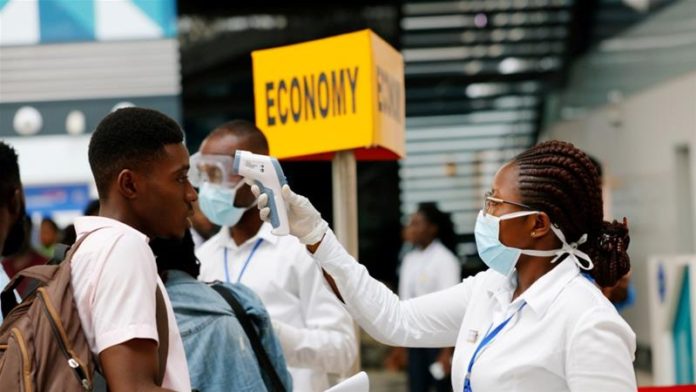
A health worker checks the temperature of a traveller as part of the coronavirus screening procedure at the Kotoka Airport in Accra, Ghana on January 30, 2020 [File: Reuters/Francis Kokoroko]

By Robtel Neajai Pailey

In fact, Africa and the Global South can teach the rest some lessons.

It was inevitable that racism would rear its ugly head.

Having previously documented the long and shameful history of unethical drug testing on communities of colour across the globe, I was not surprised earlier this month when two French doctors proclaimed on national television that Africa would be the most appropriate location for a coronavirus vaccine trial. Never mind that this continent has the lowest recorded number of cases regionally.

For bigots who operate under the appalling assumption that black, brown, and other non-white bodies are easily expendable during times of crisis, COVID-19 presents the perfect storm. Yet, instead of expending energy on denouncing the doctors’ asinine comments, as so many have already done, we should be reflecting on what Africa and other regions of the so-called Global South have to teach the world in this collective moment of reckoning.

Call me naive in the heyday of apocalyptic projections about infections and deaths to come, but I prefer to focus on the silver lining. This is in some ways why I have been rolling my eyes at countless doomsday commentaries published by Western media outlets in which so-called Global North “experts” have argued that Africa, a continent of 54 diverse countries rumoured to be the final frontier of coronavirus, desperately needs saving. My response? Puh-lease!

Ordinary Africans, and their counterparts in Asia, Latin America and the Caribbean, are not navel-gazing or waiting around for the “mighty” Global North – itself in the bullseye of the virus – to come to the rescue. Even in the midst of constraints unheard of in Europe and North America, Global South folks are exemplifying the kind of ingenuity, generosity, solidarity, empathy and civility from which we all must learn. We should be borrowing from this playbook, not casting it aside.

Let’s start with my own country, Liberia, once destabilised by a 14-year intermittent armed conflict in the late 20th and early 21st centuries. During the deadliest ever Ebola outbreak of 2014-2016, which killed more than 11,000 in West Africa alone, 22-year-old Liberian student nurse Fatu Kekula single-handedly treated three family members at home when they fell ill. She transformed rubbish bags into aprons, gloves and masks which became her very own retrofitted personal protective equipment (PPE) – a technique that resource-strapped healthcare workers in Europe and North America are now replicating.

Indeed, the Global South has both exported innovation and disseminated much needed “staff, stuff and systems“. While critiques abound, Cuba’s late March deployment of 52 medical workers to Italy was a stark and important exemplar of “South to North” medical humanitarianism. Once vilified for its socialist leadership and harshly sanctioned by the West, this island nation has a long history of dispatching health missions in times of calamity and tranquillity.

In keeping with Cuba’s efforts in Italy, Somalia followed suit by sending 20 doctors to aid the southern European country. Lest we forget, this Horn of Africa nation is recovering from protracted warfare, including current threats from al-Shabab armed fighters, which makes its intervention all the more admirable.

Though the United States has tightened sanctions against conflict-affected Iran and slammed crisis-prone Venezuela with narcoterrorism charges, countries across the Southern hemisphere have extended olive branches of support while the pandemic nears its peak.

Having faced virulent forms of Sinophobia as the initial epicentre of coronavirus, China has begun a global campaign to distribute medical supplies and expertise to African countries such as Algeria and Nigeria, with plans to deploy personnel to Europe, the Middle East and the Gulf in due course. Although not without controversy, such is the beauty of “South-South” cooperation.

Whereas others parroted early on the racist edict that COVID-19 was exclusively a Wuhan epidemic, Chinese philanthrocapitalist Jack Ma, of tech giant Alibaba fame, was one of the first billionaires to spring into action when he pledged $14m in late January to develop a vaccine to tame the virus. Regional heavyweight South Korea also proved its mettle by getting ahead of the curve with nation-wide testing and quarantining, earning international plaudits in the process.

In the likeness of South Korea’s proactive approach to virus prevention, Zimbabwe’s universities have shown that necessity is the mother of all inventions. As the country battles a chronic economic recession, including hyperinflation, with healthcare workers striking across the country, universities are manufacturing gloves, masks and hand sanitizers amidst a 21-day lockdown. Farther east, a factory in Kenya now produces 30,000 surgical masks a day to meet heightened national demand.

South Africa also has important lessons to impart. Because of the country’s experience researching and testing for HIV/AIDS and other communicable diseases, it has started developing locally-made COVID-19 tests and will embark shortly on a clinical trial for a vaccine.

It has been said a disease transported by upwardly mobile jet-setters – who have the wherewithal to huddle at homes and the resources to practice physical distancing when necessary – is now killing the poor and sedentary, who do not.

Yet, Global South traders in the so-called “informal sector” have defiantly dictated that one-size-fits-all coronavirus prevention measures will not work everywhere, that they hurt vulnerable populations in low-income countries, and that “top-down”, militarised lockdowns cannot be imposed on poor people without advanced warning or social protection schemes.

While some leaders in the Global South have unleashed physical brutality against their citizens under the guise of battling COVID-19, or blindly borrowed protocols from the North without understanding that context must drive policymaking, others, like Nigeria’s senators or senior members of Rwanda’s executive branch of government, have donated portions of their salaries for relief to poor households.

As Global North leaders jockey for power, undercutting each other in a bidding war over respirators, the Global South is unassuming in its instructions about the necessity of civility. Because whether rich or poor, black, brown, or white, young or old, man or woman, we are all in this existential catastrophe together. And while some of us may be more equipped than others to tackle it, the virus’ visa-free obliteration of borders and orders proves that no one is exempt from its ferocity.

Africa and other regions of the Global South have already demonstrated that they are far from passive centres for medical experimentation. Rather, they are the sites of home-grown solutions which should be transmitted globally.

As the celebrated Indian author and activist Arundhati Roy reminds us, coronavirus has not only exposed nature’s wrath against the crudeness of capitalism, but also forced us to imagine a better world beyond flattened curves, and, might I add, racist vitriol.

Editor’s note: An earlier version of this article  incorrectly claimed that 11,000 were infected during the Ebola outbreak in West Africa. It has been updated to clarify that 11,000 was the deathtoll from the outbreak. 

The views expressed in this article are the author’s own and do not necessarily reflect Al Jazeera’s editorial stance.

https://www.aljazeera.com/indepth/opinion/africa-saving-pandemic-200408180254152.html

Kogi Commissioner—Danga Allegedly Abduct, Brutalise, Rape Lady, Did Porn With Her [video]

A serving commissioner in Kogi State, Honourable Abudulmumuni Danga has been accused of abducting a lady, Queen NiNa, from Okene, took her to Lokoja, the state capital, assaulted her physically, made a pornography of her under duress while raping her.

The victim reportedly called Honourable Danga out via a post on social media accusing him of neglecting his family members  and asked him to begin his charity at home.

See screenshot of post below:

ElombahNews gathered that the Commissioner, thereafter, forcefully sent in thugs that kidnapped her and her son in Okene and then took her to Lokoja.

While at Lokoja, Danga allegedly molested and maltreated her and held her captive for a day, before her release after a nude apology according to a video obtained by ElombahNews.

Watch video below:

After the nefarious action of violence, rape, intimidation, revenge porn and abuse of power, Danga extracted apology from her and her friend on tape.

Inside the coronavirus testing failure: Alarm and dismay among the scientists who sought to help

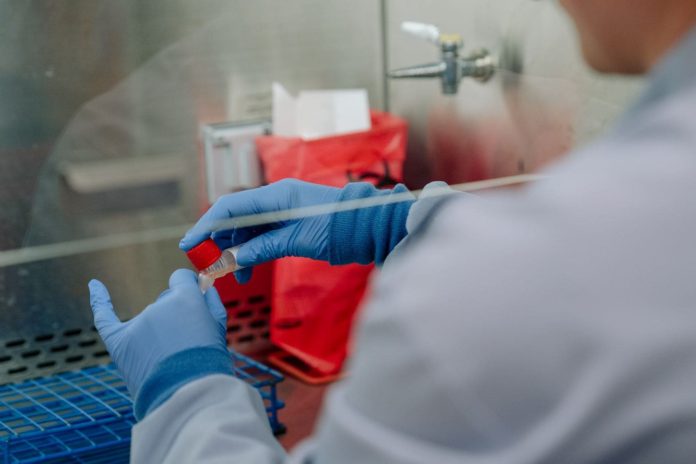
A technician transfers a sample to a tube for coronavirus testing at a lab in Seattle on March 27. (Jovelle Tamayo for The Washington Post)By Shawn BoburgRobert O’Harrow Jr.Neena Satija and Amy Goldstein   

On a Jan. 15 conference call, a leading scientist at the federal Centers for Disease Control and Prevention assured local and state public health officials from across the nation that there would soon be a test to detect a mysterious virus spreading from China. Stephen Lindstrom told them the threat was remote and they may not need the test his team was developing “unless the scope gets much larger than we anticipate,” according to an email summarizing the call.

“We’re in good hands,” a public health official who participated in the call wrote in the email to colleagues.

Three weeks later, early on Feb. 8, one of the first CDC test kits arrived in a Federal Express package at a public health laboratory on the east side of Manhattan. By then, the virus had reached the United States, and the kits represented the government’s best hope for containing it while that was still possible.

For hours, lab technicians struggled to verify that the test worked. Each time, it fell short, producing untrustworthy results.

That night, they called their lab director, Jennifer Rakeman, an assistant commissioner in the New York City health department, to tell her it had failed. “Oh, s—,” she replied. “What are we going to do now?”

In the 21 days that followed, as Trump administration officials continued to rely on the flawed CDC test, many lab scientists eager to aid the faltering effort grew increasingly alarmed and exasperated by the federal government’s actions, according to previously unreported email messages and other documents reviewed by The Washington Post, as well as exclusive interviews with scientists and officials involved.

In their private communications, scientists at academic, hospital and public health labs — one layer removed from federal agency operations — expressed dismay at the failure to move more quickly and frustration at bureaucratic demands that delayed their attempts to develop alternatives to the CDC test.

“We have the skills and resources as a community but we are collectively paralyzed by a bloated bureaucratic/administrative process,” Marc Couturier, medical director at academic laboratory ARUP in Utah, wrote to other microbiologists on Feb. 27 after weeks of mounting frustration.

The administration embraced a new approach behind closed doors that very day, concluding that “a much broader” effort to testing was needed, according to an internal government memo spelling out the plan. Two days later, the administration announced a relaxation of the regulations that scientists said had hindered private laboratories from deploying their own tests.

By then, the virus had spread across the country. In less than a month, it would upend daily life, shuttering the world’s largest economy and killing thousands of Americans.

In a statement to The Post, the CDC said an investigation of the initial problems is ongoing. The test is now in use in every state and is “accurate and reliable,” the agency said.

Stephen Hahn, the commissioner of the Food and Drug Administration, which regulates testing, told The Post the agency is continuously adapting to an “unprecedented global public health crisis.”

“Right now, our efforts are focused on doing everything we can do to fight COVID-19, but we know there will certainly be a time to learn larger lessons from the agency’s response,” he said in a statement, referring to the disease caused by the novel coronavirus.

In an interview Thursday, Brett P. Giroir, a Public Health Service admiral who on March 12 was named the top administration official on the testing effort, acknowledged the government should have moved more decisively to detect and contain the virus.

“There was a clear need for a more aggressive posture,” said Giroir, an assistant secretary at the Department of Health and Human Services, adding that agency leaders named him to the new role because “unprecedented steps needed to take place.”

Asked who was responsible for the delays in the early stages of the crisis, he paused.

“A problem like this is bigger than any single agency,” he said. “Clearly, there needed to be a higher level of leadership and organization.”A hospital is constructed in January for coronavirus patients in Wuhan, China. (Getty Images)

The need for a test

The first reports about a strange, possibly unknown virus started leaking out of China in late December. Scientists and researchers in the United States and around the world began paying keen attention to the apparent epicenter of the spread, a sprawling industrial city in central China called Wuhan.

Among those keeping close track were virologists and other specialists at the CDC, the country’s flagship public health agency. Founded in 1946 to fight malaria in Southern states, the CDC is at the vanguard in the fight against infectious diseases throughout the nation. It employs some 22,000 epidemiologists, biologists, behavioral scientists and others. Recent successes include rapid responses to contain the Zika, MERS and Ebola viruses.

In early January, the CDC publicly treated the virus from Wuhan as a distant potential threat, issuing an advisory urging that the “usual precautions” be taken when traveling abroad.

The agency also began laying plans to protect the country. Led by Lindstrom, one team began considering the kinds of tests, technically called assays, that could identify the virus.

Lindstrom is a microbiologist with an impressive track record: He had helped develop a testing method critical to detecting the H1N1 virus in 2009. During a Jan. 7 conference call, he told public health officials that the CDC’s aim was to “plan for the worst, hope for the best,” according to an email exchange among scientists and others. Lindstrom, like several other officials named in this report, did not respond to requests for interviews.

On Jan. 10, CDC scientists received an important break when the Chinese government published the pathogen’s genetic sequence. The sequence, a long string of letters representing the RNA structure of SARS-CoV-2 described a coronavirus never before seen in humans. It also gave scientists a path to create a precise diagnostic test that could detect the virus.

CDC has long led the nation’s efforts to create diagnostic tests when a public health threat emerges. The agency usually distributes the tests to a network of state and county public health labs nationwide, using the results to track and contain new pathogens until large-scale commercial tests come on line.

But state and local public health labs juggle an immense array of responsibilities, including water and food safety, and government studies dating back two decades have found the public health labs often lack the money and resources to keep pace with the demands.

On the Jan. 15 call, Lindstrom told more than a dozen public health officials that the CDC planned to make its test available to all state and county public health labs. He assured them “there will not be pressure for everyone (at least from CDC) to implement unless the scope gets much larger than we anticipate right now,” according to the email summary written by Kelly Wroblewski, director of infectious disease programs at the Association of Public Health Laboratories.

CDC scientists were not the only ones interested in creating a test. Commercial laboratories began to mobilize, and scientists at major hospitals and universities sprang into action to develop tests of their own.

One of them was Alex Greninger, 38, an assistant director of the University of Washington’s clinical virology lab. For Greninger, the chance to create a diagnostic test for a novel coronavirus was a rare opportunity.

Researchers at the University of Nebraska, Stanford University and elsewhere also began taking their first steps toward inventing tests for the virus to use in their own labs. These academic labs didn’t have the capacity to process the millions of tests that would be needed in the event of a pandemic, a scale that is achievable only by commercial labs, but their limited testing capabilities might have helped efforts to detect and slow the virus in its early stages.

On Jan. 16, the day Greninger started buying supplies for his test, a 35-year-old man who had recently visited Wuhan became ill with flu-like symptoms after returning to the Seattle area, according to a CDC incident report. The man went to his doctor, who swabbed his nose and sent the sample to the CDC, according to the report.

Four days later, using its newly developed test, the CDC confirmed that the man was the first person in the United States known to be infected with the novel coronavirus.

In a CNBC interview two days after that, President Trump downplayed the threat to Americans.

“We have it totally under control,” he said.


EARLY DECEMBERDEC. 31JAN. 7JAN. 8JAN. 10JAN. 15JAN. 16JAN. 17JAN. 20

Early December

The first presumed case of the novel coronavirus, which causes the disease covid-19, appears in Wuhan, China.

Dec. 31

China informs the World Health Organization about a strange pneumonia-like illness.

Jan. 7

The Centers for Disease Control and Prevention begins planning for tests. In an email, Stephanie Chester from the Association of Public Health Laboratories tells her colleagues that the CDC’s chief microbiologist said the agency’s aim is to “plan for the worst, hope for the best.”

Right now the pathogen is still unidentified, but if it is identified and is truly novel, they will be putting together an EUA assay. He said they are in a “plan for the worst, hope for the best” mode. A lot of their response efforts are contingent on being able to actually get data and info out of China. The main concern for the US PHLs is general travel and people returning from the Chinese New Year in the coming weeks. Will let you know if I hear more.

Jan. 8

The CDC issues an official health advisory recommending travelers to take the usual precautions.

 Read the full document

Jan. 10

China publishes the pathogen’s genetic sequence.

Jan. 15

The first known person in the United States to be infected with the virus arrives in Seattle from China. On the same day, CDC scientists say the agency will make its tests available to all state and county public health labs.

Jan. 16

Alex Greninger, a scientist at the University of Washington who was creating a coronavirus test, orders the necessary chemical reagents. He is one of several scientists across the country rushing to design their own test.

Jan. 17

Nancy Messonnier, a CDC official, says that “for a family sitting around the dinner table tonight, this is not something that they generally need to worry about.”

Since the outbreaks of MERS and SARS, we have made improved in our capacity in the United States and around the world. We’re now better poised to respond to this new threat quickly and collaboratively. Based on the information that CDC has today, we believe the current risk from this virus to the general public is low. For a family sitting around the dinner table tonight this is not something that they generally need to worry about.

Jan. 20

After developing a test over the weekend, the CDC in an internal incident report confirms the first positive case of the coronavirus in the United States.

 Read the full document


A significant moment

Designing the test took CDC scientists seven days — a stunningly short period of time for a health-care system built around the principles of medical quality and patient safety, not speed.

The CDC could use the test in its Atlanta labs but could not send it out to public health labs until it won approval from the FDA. On Jan. 28, Lindstrom and others at the CDC assured public health scientists in a conference call that “CDC’s goal is to get (FDA approval) as quickly as possible and expects the assay will be ready to deploy within two weeks, possibly sooner,” according to an Association of Public Health Laboratories’ summary of the call.

Although the CDC test was a priority, the FDA was also fielding inquiries from other test developers. At the end of January, about 20 companies and scientific groups were talking with the FDA about their plans to develop tests, according to two government officials familiar with those inquiries who like many others interviewed for this story spoke on the condition of anonymity to discuss sensitive matters.

At the same time, pressure on the Trump administration to take action was growing. The number of people who had died of the infection worldwide spiked to 200 by Jan. 30, when the World Health Organization declared the virus a public health emergency of international concern.

The next day, Health and Human Services Secretary Alex Azar announced a health emergency in the United States. At the time, Azar was the leader of the White House’s newly created coronavirus task force.Secretary of Health and Human Services Alex Azar speaks during a January briefing with members of President Trump’s coronavirus task force. (Jabin Botsford/The Washington Post)

The declaration was one of the most significant moments in the unfolding crisis. Such declarations provide the FDA flexibility to speed up approvals for critical medical products, including commercial diagnostic tests. But they also trigger strict limits on scientists in government-certified clinical labs at universities, research centers and hospitals.

Those labs are typically permitted by the FDA to make and use their own tests without government approval, including to make decisions about patient care, as long as they use them only in their own facilities and do not sell them.

But once Azar announced a public health emergency, tests created in such laboratories had to receive an “emergency use authorization,” or EUA, from the FDA. The additional regulation is intended to ensure the efficacy of tests in public health crises in which inaccurate results could be damaging.

The new regulatory hurdle stalled efforts like the one underway by Greninger at the University of Washington. Greninger and other scientists were located in some of the nation’s early coronavirus hot spots, where successful tests might have helped reveal the scope of the outbreak. Suddenly, their hands were tied.

Clinical scientists fumed about the new obstacle, according to exchanges in private online chat groups among academics and scientists.

“The EUA process is flawed, broken, and inefficient,” Couturier, the medical director and diagnostic specialist at ARUP Laboratories in Utah, wrote later on ClinMicroNet, a private message system for microbiology lab directors across the world.Alex Greninger, an assistant director of the University of Washington’s clinical virology lab, said his efforts to develop a test for coronavirus were stalled by an FDA regulation. (Jovelle Tamayo for The Washington Post)

In a statement this week, the FDA said its regulations “had not hindered or been a roadblock” to the rollout of tests.

“Every action the FDA has taken during this public health emergency to address the COVID-19 pandemic has balanced the urgent need to make diagnostic tests available with providing a level of oversight that ensures accurate tests are being deployed,” the agency said.

But in his interview, Giroir offered a different analysis.

“If someone says they were a barrier, to me, you have to believe them,” he told The Post. “If they thought it was a barrier, it becomes a barrier.”

One person familiar with the emergency declaration told The Post that FDA career staff did not raise concerns about the EUA’s burdens on clinical labs to Azar or to FDA leaders. Azar oversees the FDA.

Hahn had been confirmed by the Senate as FDA commissioner on Dec. 12 — just seven weeks before Azar’s declaration. Before that, Hahn was a radiation oncologist and chief medical executive at the MD Anderson Cancer Center in Houston.

Hahn’s agency approved the CDC test on Feb. 4, making it the country’s only accepted test for the novel coronavirus. Public health officials in New York City, Nebraska, Colorado, Minnesota, New York State and elsewhere began receiving them four days later.

The test kits contain compact collections of chemicals known as reagents. The chemicals help isolate viral genetic material and then amplify it so that it can be detected by probes that also came with the kit.

Scientists in the local labs quickly recognized something was wrong. The assays often produced results that suggested the virus was present in samples in which scientists knew it was not.

On Feb. 8, when lab technicians for New York City’s health department ran the test on samples that contained the virus, they saw on their computer screens a logarithmic curve sloping upward, indicating the virus was present. The problem was, they saw something similar when they ran the test on distilled water that contained no trace of the virus.

When they finally gave up that evening, the technicians called their director, Rakeman. Shortly before midnight, she relayed the bad news in an email to local health authorities. “The issue will need to be investigated and could result in significant impact to testing availability at the CDC and across the country until the issue is resolved,” she wrote.

New York State lab officials also passed on the news, according to documents and interviews. “There is a technical problem in one of the reagents which invalidates the assay and will not allow us to perform the assay,” the lab director of New York State’s Wadsworth Center, Jill Taylor, wrote to state health officials in an email that same night.

“I am sorry to not have better news,” she wrote. “It is a bummer.”

Word that some labs were having problems with the test quickly made its way back to the CDC.

“Is this something to worry about?” Daniel Jernigan, a leader of the CDC’s coronavirus response, wrote to the Association of Public Health Laboratories the next morning as he prepared to board a plane.

It was, he was told.

Later that day, Scott Becker, chief executive of the association, raised concerns to another CDC official. “The states and their governors are going to come unglued,” he wrote, adding later, “If CDC doesn’t get ahead of this it will be a disaster.”

As they struggled to make the test kit work, many of the public health labs realized they might succeed by eliminating one of its three main chemical components. But under the FDA’s emergency rules, they could use the test only as it was approved. The flaw meant they could not use it at all.

“The silence from CDC … is deafening,” Joanne Bartkus, the Minnesota health department’s lab director, wrote to Becker on Feb. 10. “What is going on? We are getting questions from our governor’s office and other labs are getting media requests asking when we will be starting.”

By Feb. 12, a total of 2,009 tests had been conducted in the United States, according to CDC data.

“We’re screwed from a testing standpoint if this thing takes off in the US,” Susan Butler-Wu, director of medical microbiology at the Los Angeles County and University of Southern California Medical Center, warned in a Feb. 13 email to fellow scientists.Scott Becker, chief executive of the Association for Public Health Laboratories, raised concerns to the CDC about issues with its test. (Bill O’Leary/The Washington Post)

Falling behind

The United States was clearly falling behind in the fight against covid-19. Other countries such as Singapore and Taiwan were ramping up testing quickly. In South Korea, 1,000 people were being tested each day by mid-February, a number that would increase more than tenfold by the end of the month.

The Geneva-based World Health Organization, meanwhile, had already delivered 250,000 diagnostic tests designed and manufactured by a German lab to 70 laboratories around the world.

Academic and hospital researchers including Greninger eagerly experimented with the German lab design early on and found it workable, but U.S. health officials continued on their own path.

“To our knowledge, no discussions occurred between WHO and CDC (or other USG agencies) about WHO providing COVID-19 tests to the U.S.,” WHO spokesman Tarik Jasarevic told The Post.

Hahn defended the U.S. government’s approach at a news conference weeks later.

“In the U.S., we have policies in place that strike the right balance during public health emergencies of ensuring critical independent review by the scientific and public health experts and timely test availability,” he said in a White House press briefing. “What’s important here is that we have a test that the American people can trust.”

The FDA’s confidence in the flawed test was based in part on assurances from the CDC that it could be fixed easily, according to officials familiar with the agency’s deliberations.

In its statement to The Post, the CDC said it collaborated closely with the FDA and “encouraged our government partners to work with the private sector to develop diagnostic tests for commercial use and to remove restrictions for … labs in hospitals and universities across the county.”

On Feb. 16, officials from the FDA and CDC met to discuss solutions, including the possibility of eliminating the component of the test that was causing problems, officials said. FDA officials said that would be a fast solution that could quickly get the public health labs up and running. But in the following days, the FDA learned that some public labs were reporting continuing problems with the test, the officials said.

As officials struggled to understand the test flaws, leading clinical labs were spending much of their time and energy on the FDA’s paperwork and data demands to win approval for their tests.

The Mayo Clinic created its first-ever rapid response team. A third of the 15 members were devoted solely to the FDA’s data and paperwork demands. Like others on the team, they worked 15-hour days for three weeks.

“It’s unlike anything we’ve ever done before,” said Matt Binnicker, a director of clinical virology at Mayo.

He said they decided to persist because, in a worst-case scenario, the public health labs alone could not test on the scale that would be needed. “The public health infrastructure is really not set up to handle a pandemic,” he said.

At the University of Washington, Greninger and his fellow scientists were initially baffled by an FDA process they viewed as baroque. They had always worked under strict guidelines, aimed at protecting patients and guaranteeing quality. But the EUA was a bureaucratic puzzle they had never encountered.

“The most pernicious effect of the current regulatory environment is that it kneecaps our ability for preparedness should a true emergency emerge,” Greninger wrote to colleagues on Feb. 14.

Greninger channeled his energy into the paperwork problem, spending more than 100 hours filling out forms and collecting information needed for the application, he told The Post. But when he finally submitted the material, an FDA official told him the agency could not accept it — because he had emailed it.

“We received your email and attachments regarding the UW 2019-nCoV assay pre-EUA,” an FDA official wrote on Feb. 20. “However, we have not received the official submission through DCC.”

“What is the DCC?” Greninger wrote back.

“The Document Control Center,” came the reply.

“What is the Document Control Center?”

Greninger then learned about another requirement. Under FDA rules, he was supposed to digitally copy the electronic documents he had emailed to the FDA, burn the copies onto a disk and mail the hard disk to an office in suburban District of Columbia.

Greninger shared his exasperation in a Feb. 20 email to a colleague: “repeat after me, emergency.”

In a statement, an FDA official said information sent by Greninger on Feb. 19 was promptly reviewed, despite not having been submitted properly, and was found to be insufficient to demonstrate that the test would work. The official said that after that interaction, “we immediately addressed how we receive applications.”

“The FDA is improving ways we interact with developers of products to address the pandemic, including those we don’t normally interact with,” the official said.

By the time Greninger sent his email, the FDA was in discussions with dozens of test developers, a number that was growing quickly. But none had managed to complete a formal application to the FDA, according to officials familiar with the agency’s actions. FDA officials interpreted the paucity of applications as a sign of limited ability or interest, the officials said.

Some private labs struggled to obtain samples of the virus necessary to verify their tests and complete their applications, according to government officials and lab representatives. An FDA official said that, at the time, the agency supported efforts to help those labs secure the necessary samples.


JAN. 28JAN. 30JAN. 31FEB. 4FEB. 8FEB. 13

Jan. 28

HHS Secretary Alex Azar praises the CDC for developing a coronavirus test in one week: “This was really a historic accomplishment.”

Jan. 30

The World Health Organization declares a “public health emergency of international concern.”

It is important to note that as the situation continues to evolve, so will the strategic goals and measures to prevent and reduce spread of the infection. The Committee agreed that the outbreak now meets the criteria for a Public Health Emergency of International Concern and proposed the following advice to be issued as Temporary Recommendations.

Jan. 31

Azar declares a public health emergency, triggering tight restrictions on FDA approvals for tests called emergency use authorizations, or EUAs. Though meant to expedite approval of medical products, the EUAs added delays to the development of coronavirus tests at clinical labs at hospitals and universities.

Following the World Health Organization’s decision to declare the 2019 novel coronavirus a Public Health Emergency of International Concern, I have declared today that the coronavirus presents a Public Health Emergency in the United States.

Feb. 4

The CDC receives an emergency use authorization from the FDA to distribute its test to public health labs around the country. The CDC also announces it will start shipping test kits to around 100 public health labs. It is the only test kit available.

Feb. 8

CDC test begins arriving at labs in New York, Nebraska, Colorado, Minnesota and elsewhere. By the end of the day, public health lab directors tell the CDC it doesn’t work properly. Through the weekend, the lab directors share notes of the test not working and start to realize, “this could be really bad.”

The silence from CDC on the nCoVtest kit failures is deafening. What is going on? We are getting questions from our governor’s office and other labs are getting media requests asking when we will start testing. We need to be able to respond.

Feb. 13

Susan Butler-Wu, director of medical microbiology at the Los Angeles County and University of Southern California Medical Center, warns in an email to fellow scientists: “We’re screwed from a testing standpoint if this thing takes off in the US.”


Anxiety intensifies

On Feb. 22, an FDA official named Timothy Stenzel flew to Atlanta. The director of a diagnostic office at the FDA, Stenzel was a key figure in the decisions about testing. The purpose of his visit was not clear to CDC officials, but he said he wanted to understand the testing development and help find a way to fix the troubled assay, according to three people familiar with the visit.

Stenzel spent much of the following week attending CDC meetings, touring the facilities and offering suggestions about how to cobble together viable tests from existing materials, the officials said.

At the same time, CDC officials, including Jernigan from the agency’s influenza division, urged Stenzel to convince the FDA to approve other tests under development in private laboratories.

Anxiety about the lack of widespread testing, meanwhile, was cresting among scientists and public health officials nationwide. Many felt the country could wait no longer.

On Feb. 24, the Association of Public Health Laboratories formally asked Hahn to loosen the FDA’s rules.

“We are now many weeks into the response with still no diagnostic or surveillance test available outside of the CDC for the vast majority of our member laboratories,” the association’s letter said. “While we understand that the EUA process is open to [public health labs], we believe a more expeditious route is needed at this time.”

Two days later, the FDA allowed public health labs to begin using the CDC test, with the troubled component eliminated.

On Feb. 27, Anthony S. Fauci, the government’s top infectious disease expert, added to the pressure to expand testing further. He spoke in person with Brian Harrison, Azar’s chief of staff, and underscored the urgent need to accelerate the approval of new tests, according to two people familiar with the call. At noon that day, Harrison convened a teleconference of officials from the FDA, CDC and other agencies.

In strong language, Harrison told the group to come up with a new test approval plan before they left the meeting. The participants scrambled to swap ideas. At the FDA and CDC, Stenzel, Jernigan and others worked on a memo into the evening that outlined a new strategy.

The memo, “A Plan to Increase Covid-19 testing in the U.S.,” frankly acknowledged that the original approach had not worked. The spread of the virus was “leading to significant impact on healthcare systems and causing social disruption,” it said.

“CDC has worked with FDA to assure that testing is available at Public Health Laboratories to support public health investigations and control efforts; however, a much broader interagency approach is needed to fill the greater need for diagnostics by commercial manufacturers and laboratories capable of developing their own tests.”

It recommended giving clinical laboratories, such as the University of Washington, leeway to create and begin using their own tests while seeking FDA approval. The memo was forwarded to top government officials, including Azar, who supported loosening the regulations.

The next day, Greninger and scores of other clinical scientists appealed to Congress in a letter of their own. They complained that “significantly more stringent” FDA rules had nearly frozen the country’s fight against the virus.

“Notably, no test manufacturer or clinical laboratory has successfully navigated the EUA process for SARS-CoV-2 to date,” the Feb. 28 letter said. “Therefore, the CDC test remains the only test available with EUA status, and it has not been made available to hospital laboratories.”A laboratory test kit for coronavirus that was developed by the Centers for Disease Control and Prevention. (CDC/AP)

FDA’s turnaround

On Feb. 29, the FDA finally reversed course, opening the way for clinical labs outside the government to begin testing for coronavirus. Under a revised policy Hahn announced at a White House briefing, the labs would have to notify the FDA when testing began, but they would not have to submit paperwork for 15 days.

“The FDA recognized the urgent need for even faster testing availability,” the agency said in a statement this week. “Although laboratories could use the EUA pathway, many were hesitant or didn’t know the pathway was available to them.”

Giroir told The Post that the FDA was right to reverse itself but could have done so sooner.

“In retrospect, it might have been useful earlier, right?” he said. “I mean, it was the right decision to make.”

On March 2, Greninger and his colleagues at the University of Washington went live, testing 30 patients in a single day. Two days later, they tested 202 people. That number soon soared to over 2,800 per day, roughly the equivalent of a quarter of tests done by all state and federal public health labs on the same day.

About two weeks after the FDA loosened its grip on testing, two major manufacturing giants, Roche and Thermo Fisher Scientific, won approval. By then the number of confirmed cases in the United States had grown to more than 2,000.

On March 12, Fauci, who runs the National Institute of Allergy and Infectious Diseases, told lawmakers the problem was not simply the failure of the CDC test. The coronavirus testing debacle had exposed deep structural problems in the nation’s public health system, he said.

“Yeah, it is a failing, let’s admit it,” he said. “The idea of anybody getting it easily the way people in other countries are doing it, we’re not set up for that. Do I think we should be? Yes, but we’re not.”


FEB. 14FEB. 18FEB. 24FEB. 26FEB. 27FEB. 28FEB. 29MAR. 11MAR. 12

Feb. 14

As of this date, more than three dozen public health labs are having problems with the CDC test. Greninger writes a message to his colleagues about the bureaucratic difficulties for clinical labs at universities trying to make their own tests.

The most pernicious effect of the current regulatory environment is that it kneecaps our ability for preparedness should a true emergency emerge, as Susan notes. Why bother getting ready as a clinical lab if you think that you won’t ever be allowed to do anything until May or June (per the time frame on the prior Zika virus EUAs).

Feb. 18

The CDC warns clinical laboratories around the country against testing on their own without FDA approval. Meanwhile, it has still not provided public health labs with instructions on how to modify its test to make it work properly.

Feb. 24

A coalition of public health labs asks the FDA for permission to make their own tests: “We are now many weeks into the response with still no diagnostic or surveillance test available outside of CDC for the vast majority of our member laboratories.”

We are now many weeks into the response with still no diagnostic or surveillance test available outside of CDC for the vast majority of our member laboratories. While we understand that the EUA process is open to PHLs, we believe a more expeditious route is needed at this time.

 Read the full document

Feb. 26

The FDA commissioner sends a letter to the coalition of public health labs that had asked for permission to make tests: “False diagnostic test results can lead to significant adverse public health consequences — not only serious implications for individual patient care but also serious implications for the analyses of disease progression and for public health decision-making.

 Read the full document

Feb. 26

The CDC announces to public health labs that a workaround for the test has been approved.

Feb. 27

CDC Director Robert R. Redfield testifies to the House Foreign Affairs subcommittee on Asia, the Pacific and nonproliferation that the “CDC believes that the immediate risk of this new virus to the American public is low.” Privately, the CDC concluded that a “much broader” effort to testing is needed.  An internal memo titled,“A Plan to Increase Covid-19 testing in the U.S.,” frankly acknowledged the approach was not working. The spread of the virus was “leading to significant impact on healthcare systems and causing social disruption,” it said. “A much broader interagency approach is needed to fill the greater need for diagnostics by commercial manufacturers and laboratories capable of developing their own tests.”

 Read the full document

Feb. 28

Dozens of clinical laboratory scientists from across the nation write to Congress asking for more leeway to create new tests, saying “this regulatory process is significantly more stringent than that required for every other virus we test for.”

Feb. 29

The FDA reverses course and announces it will permit clinical labs to develop tests with less stringent review. By this date, the CDC and public health labs have tested 3,999 people nationwide.

March 11

WHO declares the coronavirus outbreak a pandemic.

March 12

Anthony S. Fauci, the nation’s top infectious diseases expert, testifies to Congress about coronavirus testing and the nation’s response to the outbreak: “The system does not, is not really geared to what we need right now,” he said. “Yes, it is a failure, let’s admit it.”


Emily Rauhala, Yasmeen Abutaleb and Josh Dawsey contributed to this report.

The Washington Post

Wife crashes her own funeral, horrifying her husband, who had paid to have her killed

By Sarah Kaplan Reporter

Noela Rukundo sat in a car outside her home in Melbourne, Australia, watching as the last few mourners filed out. They were leaving a funeral — her funeral.

Finally, she spotted the man she’d been waiting for. She stepped out of her car, and her husband put his hands on his head in horror.

“Is it my eyes?” she recalled him saying. “Is it a ghost?”

“Surprise! I’m still alive!” she replied.

Far from being elated, the man looked terrified. Five days earlier, he had ordered a team of hit men to kill Rukundo, his partner of 10 years. And they did — well, they told him they did. They even got him to pay an extra few thousand dollars for carrying out the crime.

Now here was his wife, standing before him. In an interview with the BBC on Thursday, Rukundo recalled how he touched her shoulder to find it unnervingly solid. He jumped. Then he started screaming.

“I’m sorry for everything,” he wailed.

But it was far too late for apologies; Rukundo called the police. The husband, Balenga Kalala, ultimately pleaded guilty and was sentenced to nine years in prison for incitement to murder, according to the Australian Broadcasting Corp. (the ABC).

The happy ending — or as happy as can be expected to a saga in which a man tries to have his wife killed — was made possible by three unusually principled hit men, a helpful pastor and one incredibly gutsy woman: Rukundo.

Here is how she pulled it off.

Rukundo’s ordeal began almost exactly a year ago, when she flew from her home in Melbourne with her husband, Kalala, to attend a funeral in her native Burundi. Her stepmother had died, and the service left her saddened and stressed. She retreated to her hotel room in Bujumbura, the capital, early in the evening; despondent after the events of the day, she lay down in bed. Then her husband called.

“He told me to go outside for fresh air,” she told the BBC.

But the minute Rukundo stepped out of her hotel, a man charged forward, pointing a gun right at her.

“Don’t scream,” she recalled him saying. “If you start screaming, I will shoot you. They’re going to catch me, but you? You will already be dead.”

Rukundo, terrified, did as she was told. She was ushered into a car and blindfolded so she couldn’t see where she was being taken. After 30 or 40 minutes, the car came to a stop, and Rukundo was pushed into a building and tied to a chair.

She could hear male voices, she told the ABC. One asked her, “You woman, what did you do for this man to pay us to kill you?”

“What are you talking about?” Rukundo demanded.

“Balenga sent us to kill you.”

They were lying. She told them so. And they laughed.

“You’re a fool,” they told her.

There was the sound of a dial tone, and a male voice coming through a speakerphone. It was her husband’s voice.

“Kill her,” he said.

And Rukundo fainted.

Rukundo had met her husband 11 years earlier, right after she arrived in Australia from Burundi, according to the BBC. He was a recent refugee from Congo, and they had the same social worker at the resettlement agency that helped them get on their feet. Since Kalala already knew English, their social worker often recruited him to translate for Rukundo, who spoke Swahili.

They fell in love, moved in together in the Melbourne suburb of Kings Park, and had three children (Rukundo also had five kids from a previous relationship). She learned more about her husband’s past — he had fled a rebel army that had ransacked his village, killing his wife and young son. She also learned more about his character.

“I knew he was a violent man,” Rukundo told the BBC. “But I didn’t believe he can kill me.”

But, it appeared, he could.

Rukundo came to in the strange building somewhere near Bujumbura. The kidnappers were still there, she told the ABC.

They weren’t going to kill her, the men then explained — they didn’t believe in killing women, and they knew her brother. But they would keep her husband’s money and tell him that she was dead. After two days, they set her free on the side of a road, but not before giving her a cellphone, recordings of their phone conversations with Kalala, and receipts for the $7,000 in Australian dollars they allegedly received in payment, according to Australia’s The Age newspaper.

“We just want you to go back, to tell other stupid women like you what happened,” Rukundo said she was told before the gang members drove away.

Shaken, but alive and doggedly determined, Rukundo began plotting her next move. She sought help from the Kenyan and Belgian embassies to return to Australia, according to The Age. Then she called the pastor of her church in Melbourne, she told the BBC, and explained to him what had happened. Without alerting Kalala, the pastor helped her get back home to her neighborhood near Melbourne.

Meanwhile, her husband had told everyone she had died in a tragic accident and the entire community mourned her at her funeral at the family home. On the night of Feb. 22, 2015, just as the widower Kalala waved goodbye to neighbors who had come to comfort him, Rukundo approached him, the very man whose voice she’d heard over the phone five days earlier, ordering that she be killed.

“I felt like somebody who had risen again,” she told the BBC.

Though Kalala initially denied all involvement, Rukundo got him to confess to the crime during a phone conversation that was secretly recorded by police, according to The Age.

“Sometimes Devil can come into someone, to do something, but after they do it they start thinking, ‘Why I did that thing?’ later,” he said, as he begged her to forgive him.

Kalala eventually pleaded guilty to the scheme. He was sentenced to nine years in prison by a judge in Melbourne.

“Had Ms. Rukundo’s kidnappers completed the job, eight children would have lost their mother,” Chief Justice Marilyn Warren said, according to the ABC. “It was premeditated and motivated by unfounded jealousy, anger and a desire to punish Ms. Rukundo.”

Rukundo said that Kalala tried to kill her because he thought she was going to leave him for another man — an accusation she denies.

But her trials are not yet over. Rukundo told the ABC she’s gotten backlash from Melbourne’s Congolese community for reporting Kalala to the police. Someone left threatening messages for her, and she returned home one day to find her back door broken. She now has eight children to raise alone and has asked the Department of Human Services to help her find a new place to live.

And lying in bed at night, Kalala’s voice still comes to her: “Kill her, kill her,” she told the BBC. “Every night, I see what was happening in those two days with the kidnappers.”

Despite all that, “I will stand up like a strong woman,” she said. “My situation, my past life? That is gone. I’m starting a new life now.”

The Washington Post
COVID-19: NMA Rejects Buhari’s Decision To Invite Chinese Doctors

ABUJA – More reactions have continued to trail the Federal Government’s decision to invite medical doctors from China to assist in managing COVID-19 cases in the country.

The latest of such reactions is coming from the Nigeria Medical Association (NMA) who described the action as an embarrassment to its members.

In a statement on Monday, the union said it is dismayed about the decision of the Federal Government to invite doctors from China, when the Chinese government is still battling with the pandemic.

According to the statement, Nigeria has a large pool of unemployed general medical and specialist practitioners that the government can engage instead of foreigners who can pose some security concerns at this time.

The NMA advised the government to concentrate on improving the welfare of front-line health workers, provide them with the needed personal protective equipment and other incentives to work.

In its communique, the NMA stated that it would loathe to review her participation in the fight against COVID-19 considering the serious implications and risks this will bring to their members should the government insist on invitation. (Channels TV)

Read full statement.

Twitter users react to 5G network enabling coronavirus

Some Twitter users had taken to their handle to express their opinions over claims that 5G network could be an enabler of COVID-19.

While some seem to believe there is inherent danger in the network, others believe otherwise.

Implying ignorance as a major factor in people’s negative reactions towards the network, a user, @xybox, said “anything a Blackman can’t explain, he accredits to a deity”.

@MohammedBlack_ said “pathetic theory with unfound research, 5G network is non-ionising unlike X-Ray and Gamma rays which are ionising radiation that mutate cells and cause cancer or tumour.

“Only exception is, continuous exposure to non-ionising radiations can take 50 to 70 years to affect health”.

@Abiriba_1stSon was of the opinion that 5G does have a serious effect on the environment and on humans in general.

According to him, “I won’t dismiss it as baseless conspiracy theory, however, I think an intensive research has to be carried out on the subject to ascertain the veracity or falsity of the claims”.

@MansaSeyi agreed that 5G had a higher frequency and a shorter wavelength.

“For effective coverage, we need more masts and radios, which means a higher concentration of radioactive waves around us. But the propagation of biological viruses? Come on…”

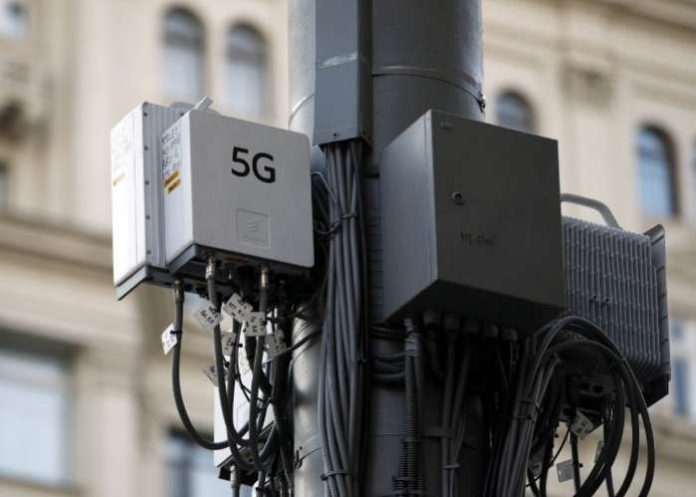
Newsmen report that 5G Network is the next generation of mobile internet connectivity which offers speed, reliable connections on smartphones and other devices, but it is increasingly being linked to the spread of the Coronavirus pandemic.

5G’s large scale adoption started in 2019 and is sought for by developing telecommunication provider with the network having a spectrum frequency that consists of millimetre waves, mid-band and low-band.

However, in recent days and as countries of the world struggle to contain the COVID-19 pandemic, the fears are heightening that 5G could be more dangerous than the better connections.

Nigeria on Nov. 25, 2019, launched a 5G demo trial to be carried in Lagos, Abuja and Port-Harcourt, expected to enhance the economy.

Dr Isa Pantami, the Minister of Communications and Digital Economy, however, on April 4, debunked the claims that Nigeria was already putting measures in place to deploy 5G network, saying it is just a three months trial.

Pantami said the trial considered security and health implications, among others.

He said the trials had been concluded, adding that the study and report process is ongoing.

Mr Dayo Akindolani, an Information Communication Technology (ICT) expert, recalled that the International Telecommunication Unit (ITU), graded Nigeria and some other African countries’ network at 3G with 79 per cent penetration.

Akindolani said the country had barely had access to 4G network.

According to him, while 5G network is the way to go, we need to quickly invest in infrastructures to deploy 4G fully before considering giving licenses to deploy 5G network.

“Most telecommunication providers are still struggling with huge infrastructure costs and unstable regulations of government and are not sure of recouping their money if they invest.

“The government can consolidate on efforts of telecomm providers in finding solution to prevailing issues affecting the deployment of telecomm infrastructures across the country.

“The government should consider issues on multiple taxation, regulations and Right of Ways before adopting 5G network,” he said.

He added that an attempt to deploy the 5G network without addressing existing problems would encourage telecomm providers to burden the end users.

“Mobile operators will spread the cost of infrastructures on mobile communications customers who will keep paying for the value of network they did not get,” he explained.

Dr Mustafa Babakolobe, a Radiologist, explained that radiation were of ionising and non-ionising types and they don’t enable disease infection.

Babakolobe said that non-ionising radiations from radios, televisions have short wave length and were harmless to human health.

According to him, ionising radiations like x-rays, ultra-violent radiations and emissions from the sun could change cells in human beings.

“Ionising radiations affects human cells, DNA, cause mutations, which is why x-ray radiations are used to kill cancer cells.

“Radiations from 5G, 4G are mild and cannot cause harm to humans, and there is no clinical research to prove that it enables COVID-19.

NAN

5G and COVID-19: The Technology, Conspiracy and Ignorance; By Emeka Oparah

One would ordinarily have dismissed the “controversy” around 5G technology and the strange connection with COVID-19 being stridently pursued by some people as ignorant rants occasioned by the morbid fear of the rampaging Coronavirus, but with the prevailing circumstances of fear and tension, I have elected, as one familiar with the workings of the telecommunications industry, to say something.

Several years ago, I was part of a global campaign by mobile telecommunications operators to debunk a widely held belief that telecommunications base stations emitted radiations that led to Cancer. As an organisation, my employers then spent a lot of money on an awareness campaign to explain that the radiations from telecommunications base stations were within the safe limits and definitely not injurious to health.  It worked then and saved the operators a lot of trouble. I hope I succeed this time in helping to clarify this particular issue and stop these manipulative charlatans in their tracks. It has to be stated, though, that times like these are fertile moments for mischief makers and conspiracy theorists to peddle their virulent wares taking undue advantage of the fears and vulnerability of the people, especially the ignorant and the illiterate. So, while we are keeping safe, we must remain vigilant and ever ready to challenge Fake News and outright lies wherever and whenever.

First, let’s discuss 5G. What is it? To understand 5G, we must first understand G. G stands for generation. So, 5G means 5th Generation Mobile Technology. Most mobile telecommunications operations are currently running on 4G (4th Generation LTE and high-speed mobile internet). Before now, we have had 3G (voice and mobile data)  and 2G (digital voice) and 1G (analog voice), of course. It must be admitted that the mobile telecommunications industry is probably one of the most innovative and fastest developing of all. Perhaps, the other will be television and aviation. Lest I digress, 5G is the next level, after 4G, and will “elevate the mobile network to not only interconnect people, but also interconnect and control machines, objects, and devices”, according to Qualcomm. Continuing, the technology research and development company says “5G will deliver new levels of performance and efficiency that will empower new user experiences and connect new industries. 5G will deliver multi-Gbps peak rates, ultra-low latency, massive capacity, and more uniform user experience.”

5G is similar to 4G but it has much better speed, low latency and has capacity to take more users. It has the capability to enhance the broadband we know today to do more, connect more people and devices and generate more revenue. It is indeed super-fast and has a much smaller cell site than what we already know. And that is no surprise as the world seems to be going smaller, especially in the world of technology. Comparably, 5G is a unified platform that is more capable than 4G.

Here’s how Qualcomm classified the advantages of 5G:

A. Enhanced Mobile Broadband: 5G will not only make our smartphones better, but it will also usher in new immersive experiences, such as VR and AR, with faster, more uniform data rates, lower latency, and cost-per-bit.
B. Mission-Critical communications: 5G will enable new services that can transform industries with ultra-reliable/available, low latency links—such as remote control of critical infrastructure, vehicles, and medical procedures.
C. Massive Internet of Things: 5G will seamlessly connect a massive number of embedded sensors in virtually everything through the ability to scale down in data rates, power and mobility to provide extremely lean/low-cost solutions.
D. A defining capability of 5G is also the design for forward compatibility—the ability to flexibly support future services that are unknown today.

In essence, this is technology that will redefine the way we communicate, entertain, shop, and generally love our lives. If you think 3G and 4G changed the aforementioned, 5G will transform them. By the way, there isn’t much more you really need as a user to know about how 5G is delivered to your device, your device or your home, except that you should get ready for new realities – devices, content, apps, lifestyle. Medical scans and other results will also be delivered much faster than ever before. I still treasure the video of the Esophagoscopy test I did five years ago! I know Tito and Muna, my twins will forever cherish the video of their first steps and first words! I’m keeping them safely in iCloud!

Now to the conspiracies around 5G and the untenable and fallacious connections to the Coronavirus pandemic.
It is customary in times of strife and great difficulties for bad guys with a proclivity for mischief to take undue advantage of the emotions, the fears and the vulnerabilities of others to peddle all sorts of nonsense including conspiracy theories. I must say here that people in that business are usually clever, but they are more often than not clever by half.
On the issue of the relationship between 5G and Coronavirus, nothing can be more ludicrously deceptive. The choice of this moment to change the narrative against 5G makes it all too obvious. There has been a strategic campaign against the 5G technology driven by business and diplomacy and propagated by an orchestrated campaign to discredit the innovation. How it got twisted to establish a link to Coronavirus is perhaps the most important argument to debunk the fables.

I would rather not rehash the claims and allegations by those who are behind the fallacious pretensions to intellectualism, so we do not lend further currency and even credence to them, but suffice it to say that the conspirators refer to two theories to support the claim that 5G accelerates the new coronavirus. Firstly, that 5G might suppress the immune system and, secondly,  that viruses can communicate through radio waves. Of course, neither of these theories is backed up by evidence and indeed the new coronavirus is also affecting countries and regions where no 5G is currently present. So what are we even talking about?

The most important point here is that those who should know have come out strongly to debunk them. The UK government yesterday came out with perhaps the strongest rebuttal of these figments of the fertile imagination of some self-styled scientists. “There is absolutely no credible evidence of a link between 5G and coronavirus,” the UK’s department of Digital, Culture, Media, and Sport (DCMS) tweeted, noting that “inaccurate information” was being spread online about 5G. The DCMS pointed to research debunking the supposed link between 5G and the coronavirus, as well as links discussing the actual cause of the infection — direct exposure to COVID-19 particles spread through physical contact, not radio waves.

Trade association Mobile UK, a group which represents all of the major UK carriers, issued a statement, calling the conspiracy theory “baseless” and “not grounded in accepted scientific theory’, and noting that “some people are also abusing our key workers and making threats to damage infrastructure.” The statement read in part: “During this challenging situation, it is concerning that certain groups are using the COVID-19 pandemic to spread false rumours and theories about the safety of 5G technologies. The mobile industry is putting 100% of its effort into ensuring that the UK remains connected and the Government has rightly recognised our workers and the mobile operators as critical to the national effort.”

Continuing, it said: “The theories that are being spread about 5G on social media are baseless and are not grounded in accepted scientific theory. Research into the safety of radio signals including 5G, which has been conducted for more than 50 years, has led to the establishment of human exposure standards including safety factors that protect against all established health risks.”

Categorically speaking, there is no evidence that 5G networks are harmful to health.
Like the previous generations of wireless network technology (4G, 3G and 2G), 5G mobile data is transmitted over radio waves. Other types of technology that use radio waves include smart meters, TV and radio transmitters, and radar and satellite communications. Most modern medical laboratory equipment use radio waves, some use nuclear radiation, but they are used within the guidelines. By the way, every medication has recommended dosage. Even too much food and drinks can become injurious to health. This is basically the same principle on which radio waves operate. There are acceptable safe limits, which are determined, specified, regulated and supervised by International Technology Regulatory bodies. That is a universal truth in international best practice. practice.

According to Kate Lewis of Full Facts, “Radio waves are a small part of a wider electromagnetic spectrum of waves, which all emit energy called electromagnetic radiation. Radio waves are found at the low-frequency end of the spectrum and—alongside microwaves, visible light and heat—only produce non-ionising radiation. This means that these waves cannot damage the DNA inside cells, which is how waves with higher frequencies (such as x-rays, gamma rays and ultraviolet light) are thought to cause cancer. To improve the speed and capacity of our wireless technology, 5G uses a higher frequency of radio waves compared to its older generations. The frequency of this new wireless technology remains very low: the maximum levels of electromagnetic radiation measured by Ofcom were about 66 times smaller than the safety limits set by international guidelines. Public Health England states that “the overall exposure is expected to remain low relative to guidelines and, as such, there should be no consequences for public health.”

Continuing, Lewis wrote: “The Daily Star quotes an “activist and philosophy lecturer at the Isle of Wight College” saying that electromagnetic radiation from 5G suppresses the immune system, helping the virus to thrive. As mentioned above, the level of radiation from 5G is far below levels of electromagnetic radiation thought to cause damage to cells in the human body. The second theory appears to be that “viruses “talk to each other” when making decisions about infecting a host”. This is not true. The Daily Star article links to a 2011 research paper which suggested that bacteria may produce electromagnetic signals to communicate with other bacteria. This hypothesis is disputed, and refers to bacteria and not viruses like the new coronavirus.

“The new coronavirus is also spreading in places without 5G networks. There are many parts of the UK that do not have 5G coverage yet, but are still affected by the virus (for example, Milton Keynes and Portsmouth). There are no 5G networks at all in Iran, yet this country has been severely affected by Covid-19 (at the time of writing, Iran had the sixth-highest number of reported Covid-19 cases and fourth-highest number of deaths of 177 countries and regions in the world).”

It is regrettable and highly unfortunate that people should prey on the vulnerability and fears of others in a critical time like this. One would even begin to wonder which generation of mobile technology facilitated the spread of the Spanish Flu aka Influenza, which ravaged the world between 1918 and 1920 and killed over 50 million people worldwide including 500,000 Nigerians! What is even more regrettable is the tendency of otherwise educated, enlightened and widely travelled even influential people to lend credence to these fallacies and flights of academic fantasies by either sharing them without commentary or propagating them as truths and facts.

In the long run we are all dead, so said the fatalistic Social Economist Thomas Keynes. We are already surrounded by televisions, refrigerators, microwaves, cookers and ovens, wireless electronics, computers and all sorts of mobile devices in addition to the radiations we experience during visits to medical laboratories for one health-related investigation of the other. Why cause panic with 5G? The law of unity and conflict of opposites presupposes that everything we eat to stay alive ultimately contributes to killing us, one way or the other. It is preposterous to single out 5G technology particularly at this time. I will NOT forget that the United States is not particularly pleased that China beat her to the race for 5G, the reason Huawei Technologies has suffered tremendous (apologies to President Donald Trump) persecution in the hands of the US government. In the end, facts are facts, fiction is fiction. Science is fact not fiction. Stay woke! Be safe! Thank you!

Emeka Oparah, leading Corporate and Crisis Communication Expert, writes from Lagos.

The 10 deadliest epidemics throughout history

These deadly outbreaks throughout history make last winter’s flu look like a walk in the park.

0

Some outbreaks wiped out entire populations.  ~ 

In an age of advanced medical technology and innovation, we can hardly imagine a time where the flu could be deadly. There are definitely still epidemics in our time, like for example the recent Ebola outbreak. However, the epidemics in the past involved far greater numbers of people.

Let’s have a look:

1. The Third Cholera Pandemic (1852-1860)

Cholera is a bacterial infection that is mainly contracted through food and water. A recent cholera outbreak in Haiti made headlines last year, but the largest cholera outbreak known to mankind is the Third Cholera Outbreak that originated in India and spread far beyond its borders, killing as many as 23 000 people in Britain alone.

2. The Asian Flu Pandemic (1957)

The Asian Flu Pandemic was an outbreak of avian influenza that  originated in China and spread worldwide. The estimated death rate was one to two million.

3. Typhus fever in World War 1 (1945)

This disease is spread by lice. In the war conditions, there was poor sanitation that probably led to a greater density of lice, which meant that the transmission of typhus was more prevalent. During WW1, typhus caused three million deaths in Russia alone.

WW1

4. Cocolitzli epidemic (1576)

This “disease” refers to millions of deaths in the territory of New Spain, which is the present-day Mexico. Cocolitzli refers to a collection of pests. The symptoms were very much the same as Ebola, but included a dark tongue, jaundice and neck nodules.

5. Plague of Justinian (541-542)

This deadly pandemic affected the Eastern Roman Empire, specifically Constantinople and port cities along the Mediterranean sea. This pandemic was so severe, it killed off an estimated 25 million people, almost 13% of the world’s population. The plague returned in waves, but was never as severe as this one. It was named after the Eastern Roman emperor Justinian, who ruled at the time. Necrosis of the limbs, as depicted in the image below, was one of the terrifying symptoms

6. Antonine Plague (165-180 AD)

This disease was also known as the plague of Galen, and historians suspect that it could have been smallpox or measles. This disease claimed almost up to 2 000 deaths per day in Rome. The total death toll was tallied at about 5 million.

7. The Third Plague Pandemic (1855)

The Third Plague Pandemic , also referred to as the Modern Plague, refers to a bubonic plague pandemic that started in the Yunnan province in China.  Over the next 20 years it spread to Hong Kong and port cities around the world by rats that carried the infectious fleas responsible for the disease. It caused almost 10 million deaths.

.

8. The Black Death (1334)

Also called The Great Plague, it originated in China and spread all along trade routes to Constantinople and Europe, where it claimed nearly 60% of the European population and completely wiped out many towns.

9. The Great Flu Epidemic (1918)

The Great Flu Epidemic has been recorded as the most devastating epidemic in history. With a death toll of somewhere between 20 million and 40 million, this disease killed more people than WWI.

10. HIV/Aids global pandemic  (1960s – present)

It is hard to determine when and where exactly HIV originated, but it is widely believed that it originated in the Democratic Republic of the Congo around 1920 when the disease was spread from chimpanzees to humans.

Since the first cases of acquired immunodeficiency syndrome (Aids) were reported in 1981, infection with human immunodeficiency virus (HIV) has grown to pandemic proportions, resulting in an estimated 65 million infections and 25 million deaths.

Image credits: iStock and Wikimedia Commons

Health 24

TIPS