“Men that feel threatened by intelligent women should examine themselves.” – Rhodes-Vivour, JSC
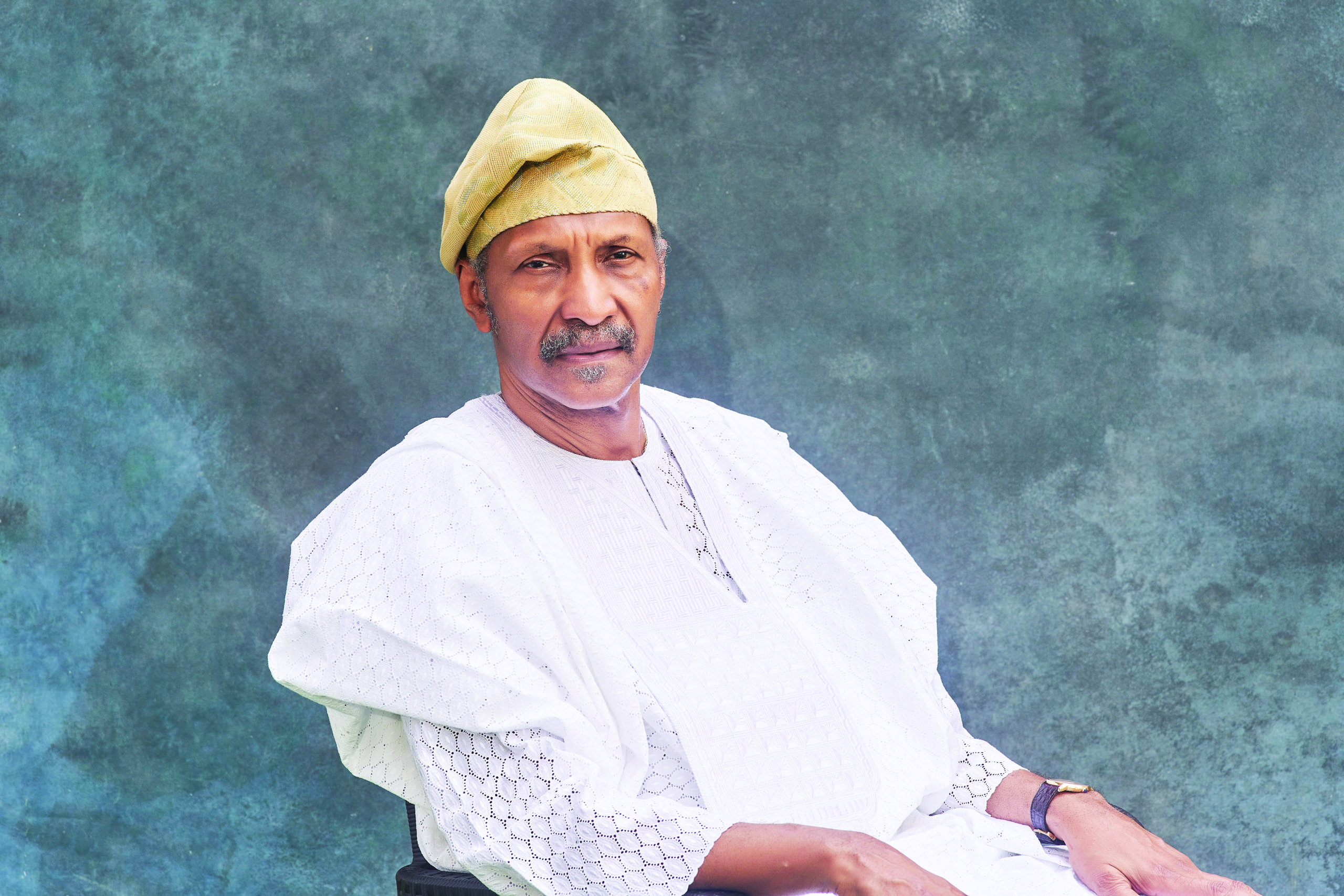
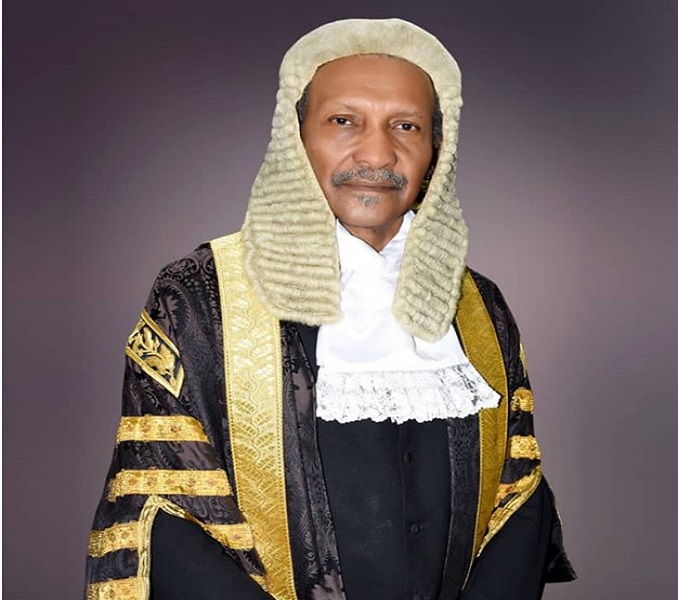
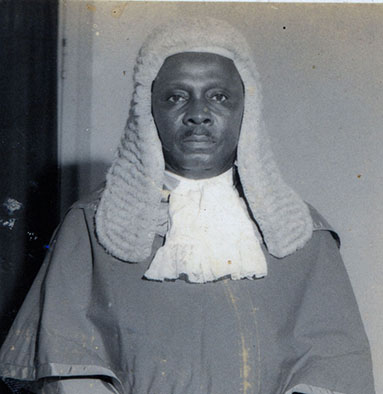
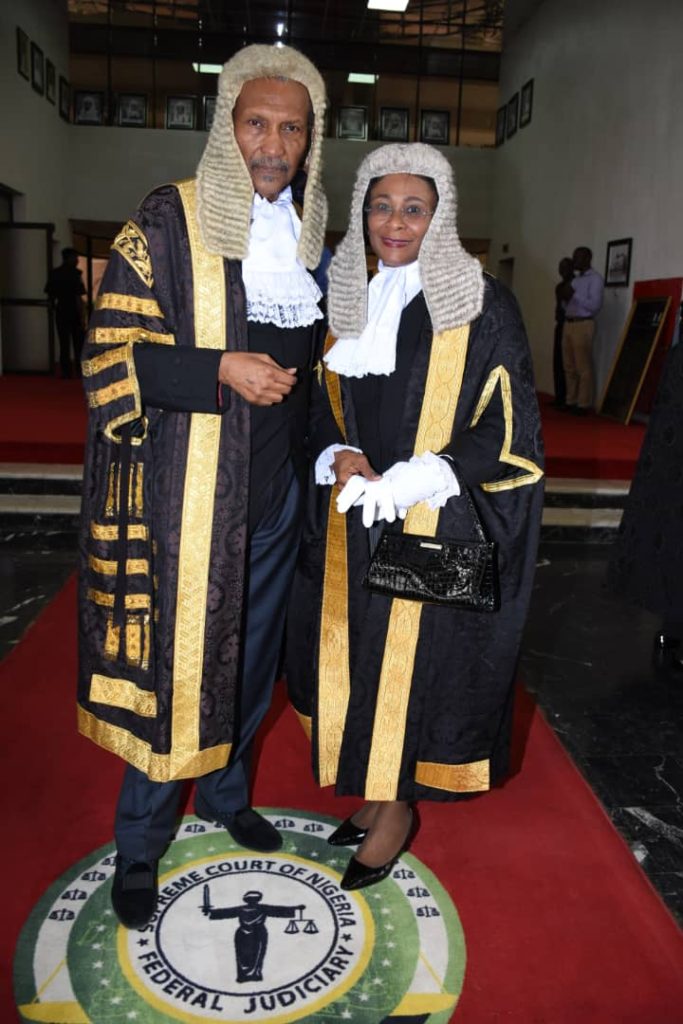
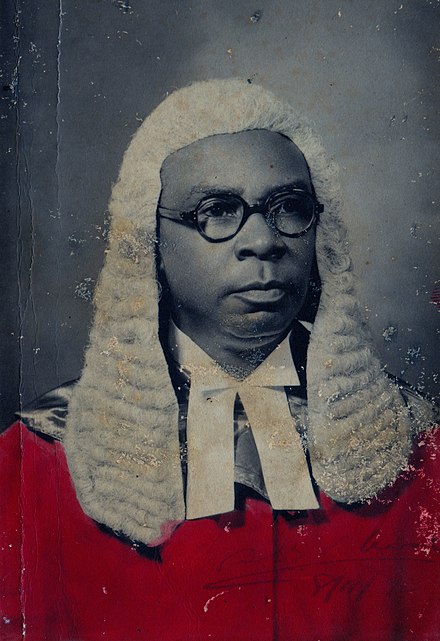
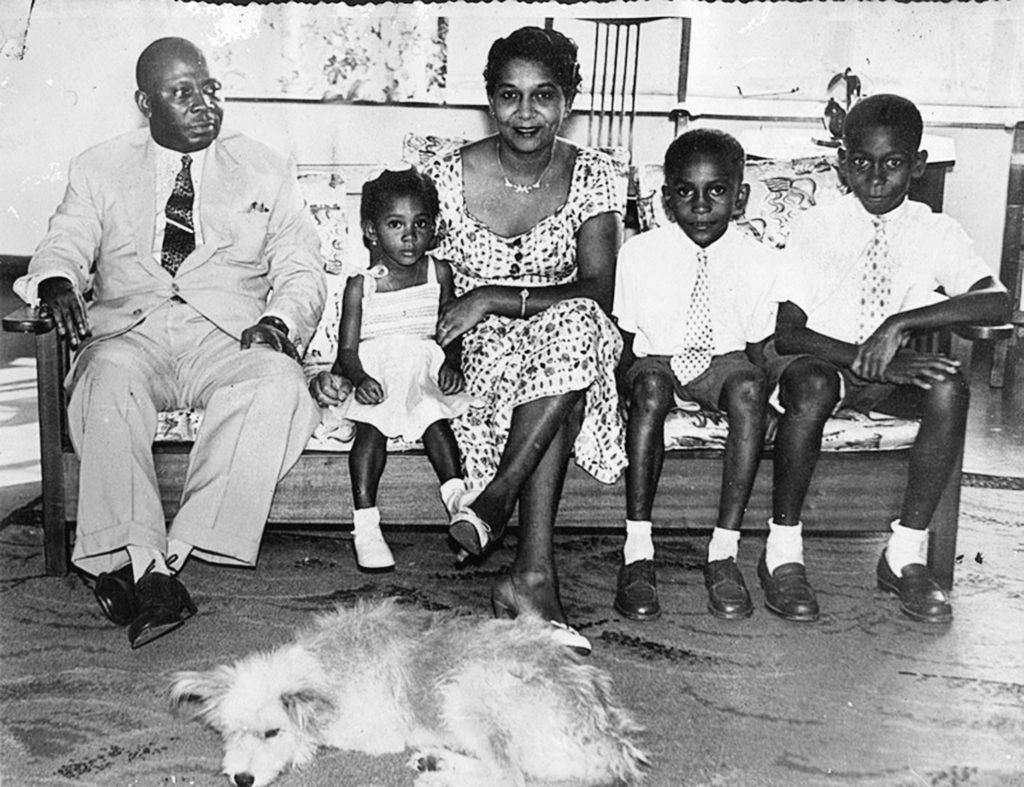
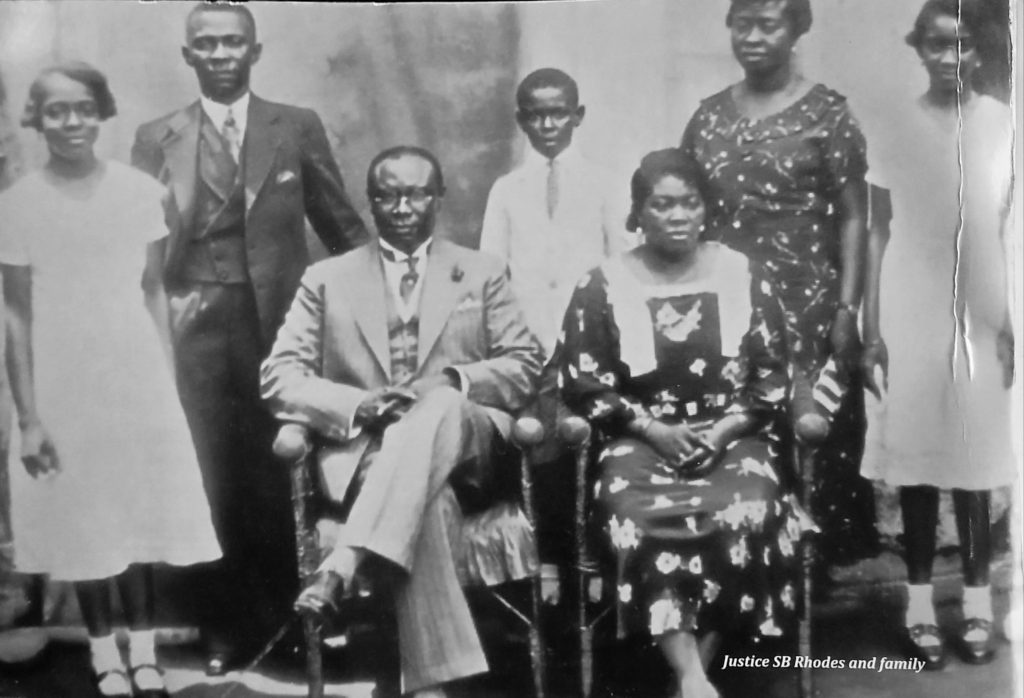
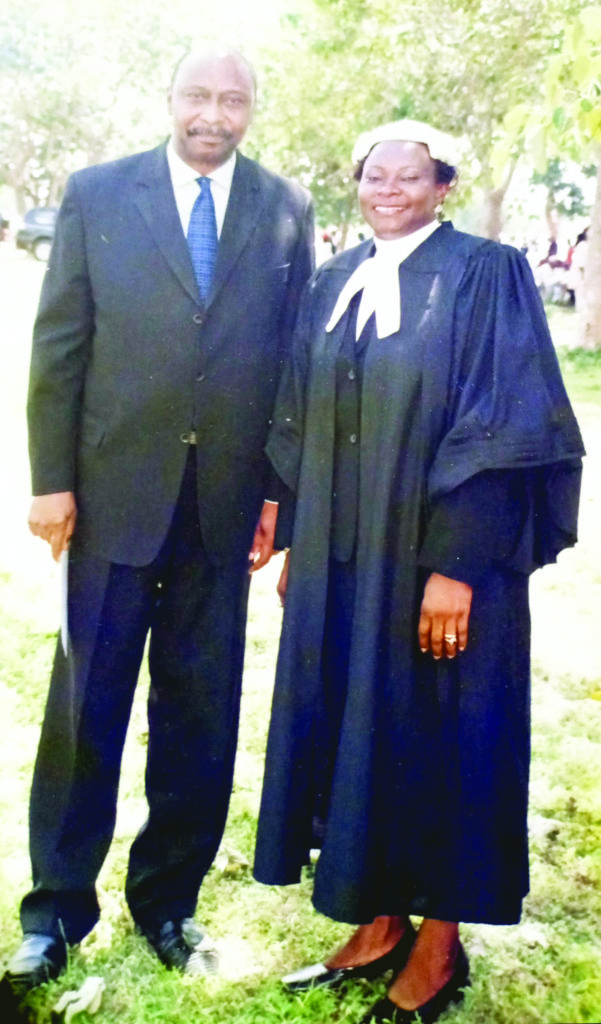
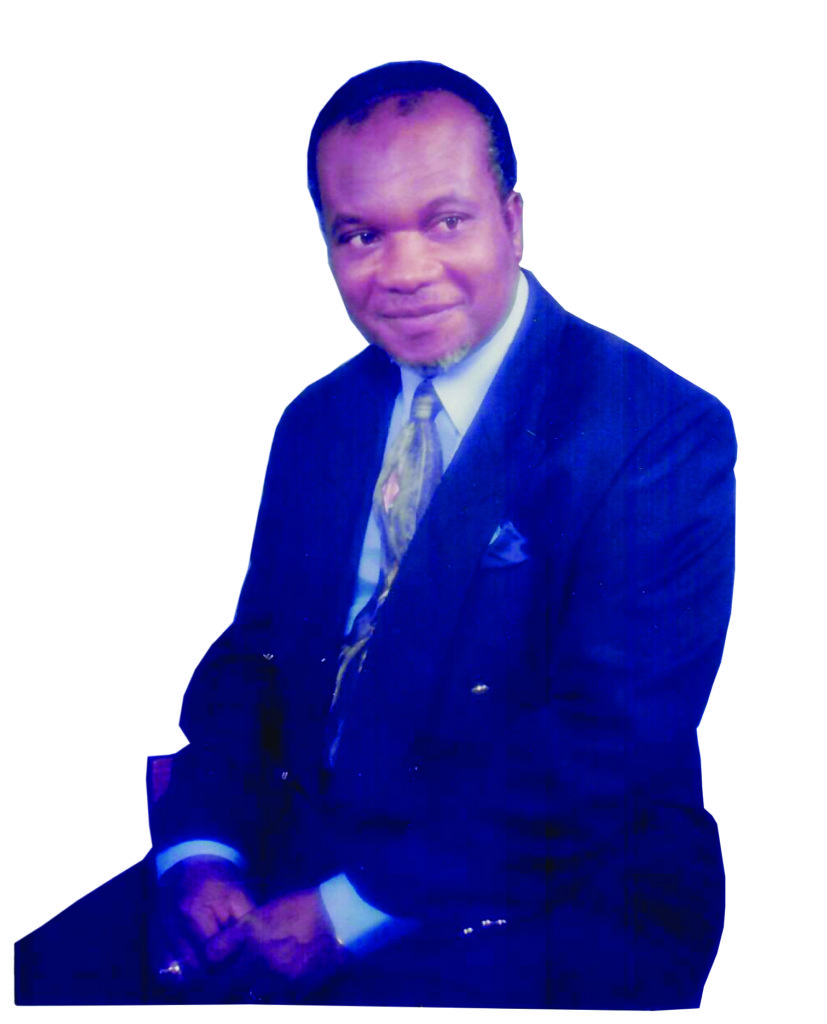
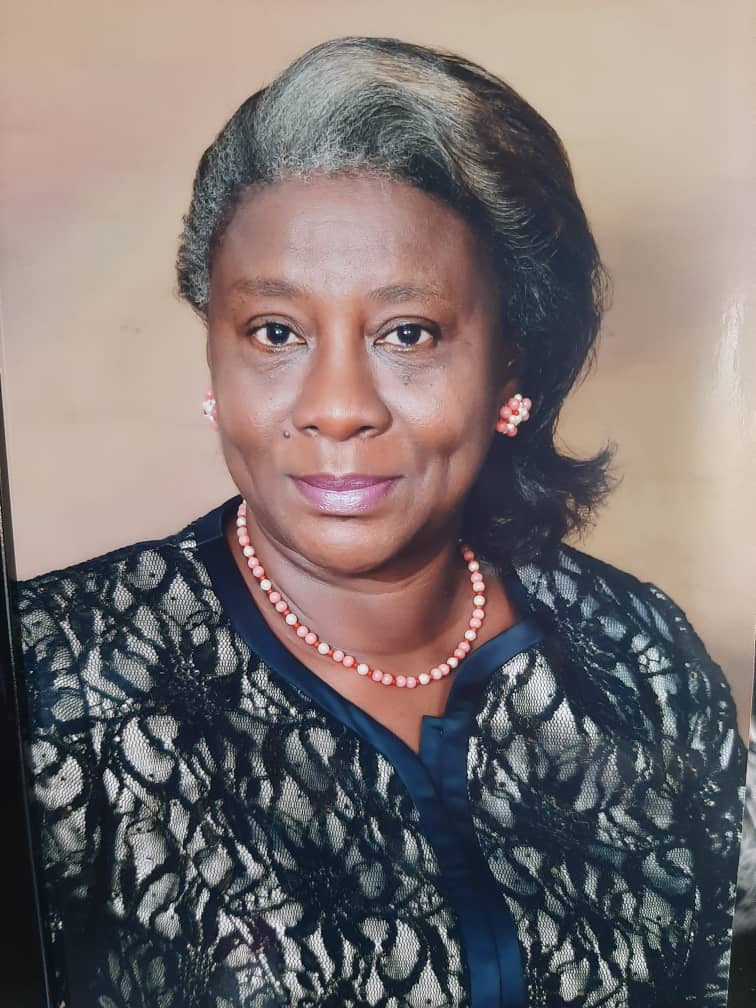
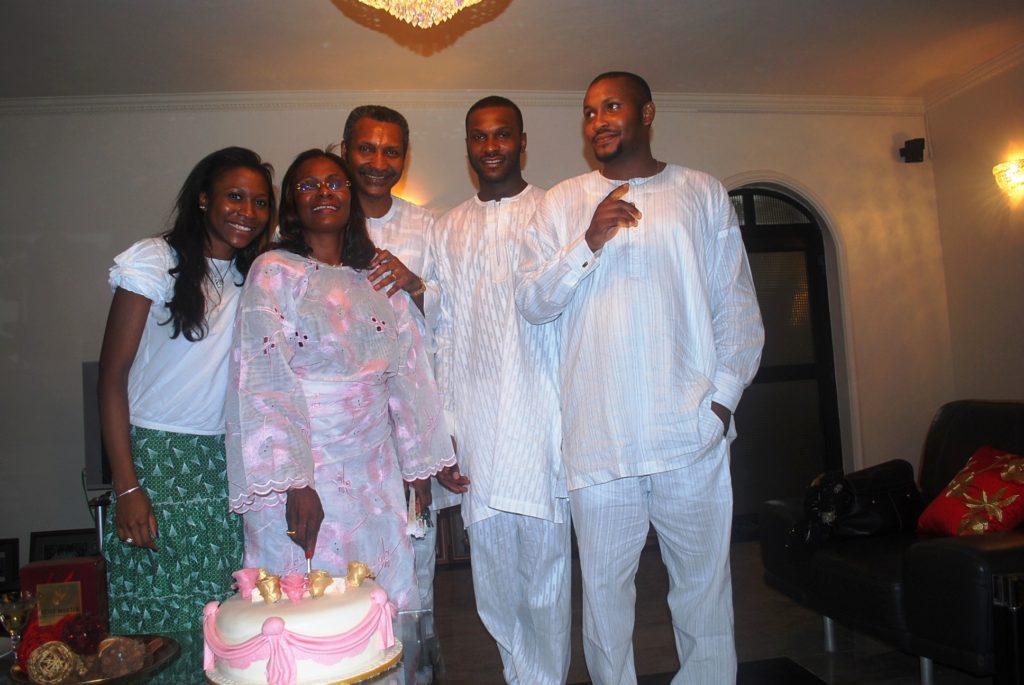
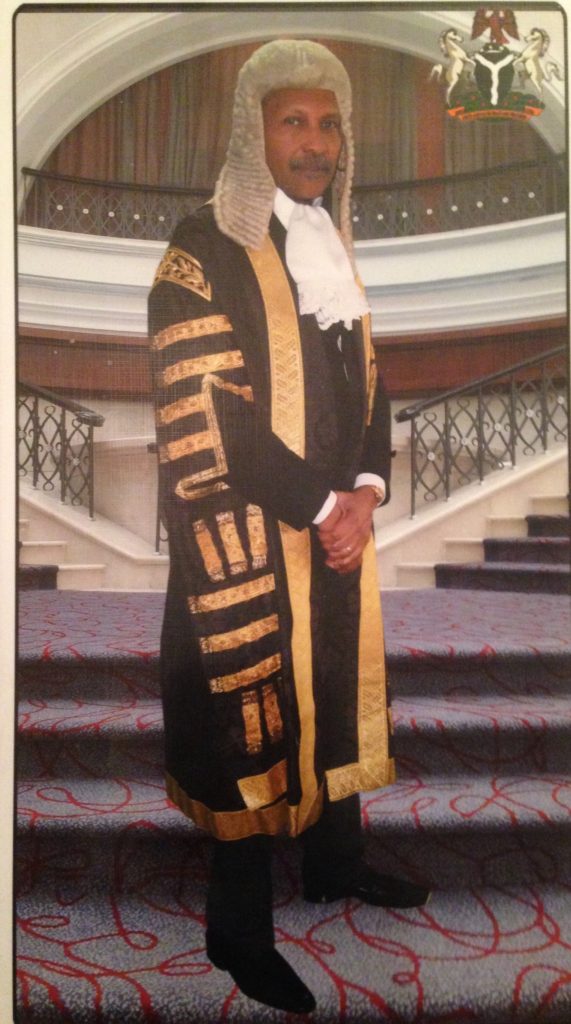
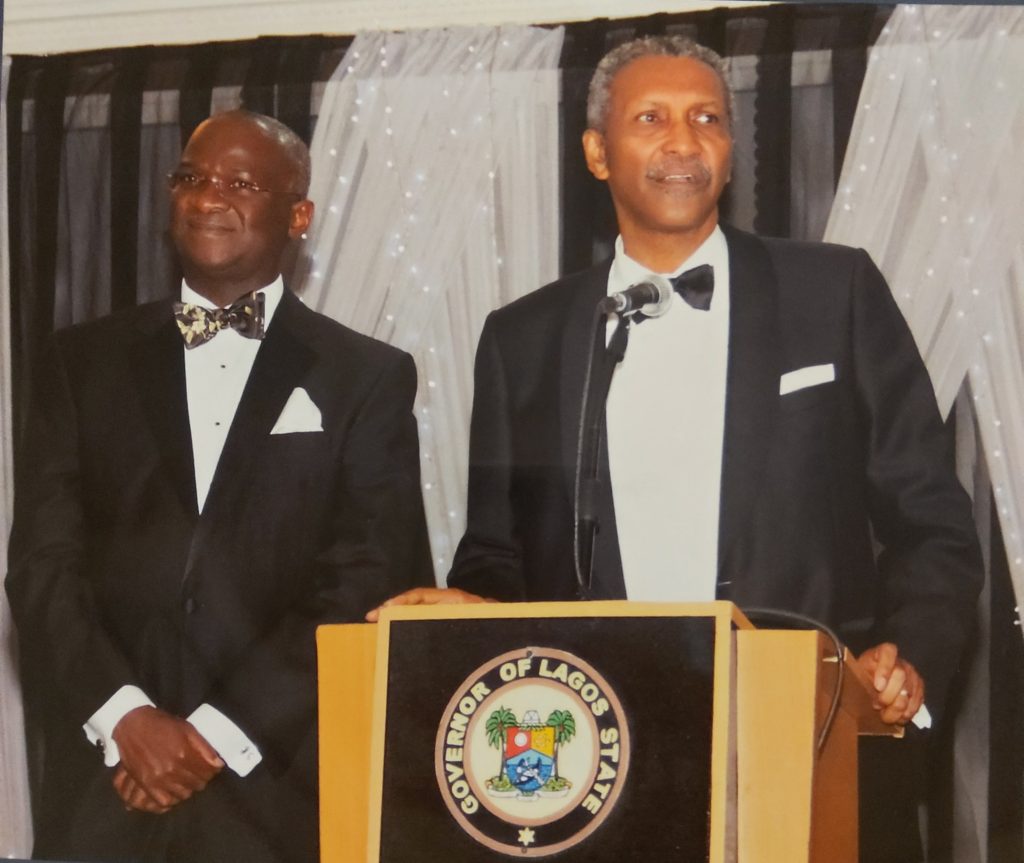
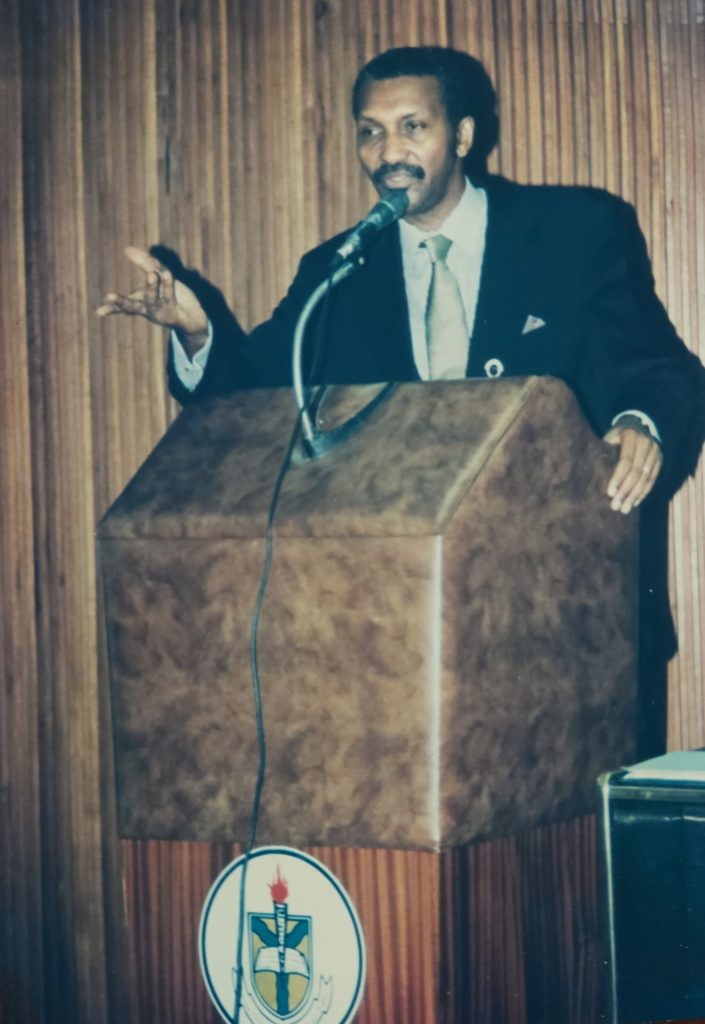
Outside the courtroom, his imposing figure, and deep baritone voice command attention. But his friends will tell you that he’s both warm and fun loving. In the courtroom, however, he is known for strict adherence to the letters of the law, no matter whose ox is gored. For a man whose entire life is surrounded by the law, that’s not surprising. Born on 22 March, 1951 to Hon. Justice Akinwumi R.W Rhodes-Vivour a retired High Court Judge and ultra-chic Mrs. Majorie E. Rhodes-Vivour in Lagos Island, Lagos State, his grand uncle, Hon. Justice Steven Bankole Rhodes, who served at the Federal Supreme Court of Nigeria and West African Court of Appeal (WACA) was the second Nigerian after Hon. Justice Olumuyiwa Jibowu to be appointed a judge. He was also the first Nigerian lawyer to be elevated to the Supreme Court Bench straight from the Bar, assuming his role on the 8th of November 1945. Likewise, Hon. Justice Bode Rhodes-Vivour’s cousin, Mrs. Gloria Omodele Jackman (nee Rhodes), was the first female Chief Registrar of the Supreme Court of Nigeria andNigeria’s fourth female lawyer. His siblings, Mr Olawale Rhodes-Vivour and Mrs.Tejumade Rhodes-Vivour Nwogu are lawyers. They both married lawyers too. His wife Mrs. Adedoyin Rhodes-Vivour, a foremost International Arbitrator of repute is a Senior Advocate of Nigeria. Her father is also a lawyer. His lordship’s first and last sons Rotimi and Bode Rhodes-Vivour are not left out. They’re fast making their mark in legal practice and in the society. Besides, his daughter Michelle is a law graduate. Michelle who added Chemical Engineering to her many caps is married to a lawyer, Akinjide. In this interview with Lillian Okenwa, His lordship shared some insights.
L&S: My Lord, tell us a bit about your childhood.
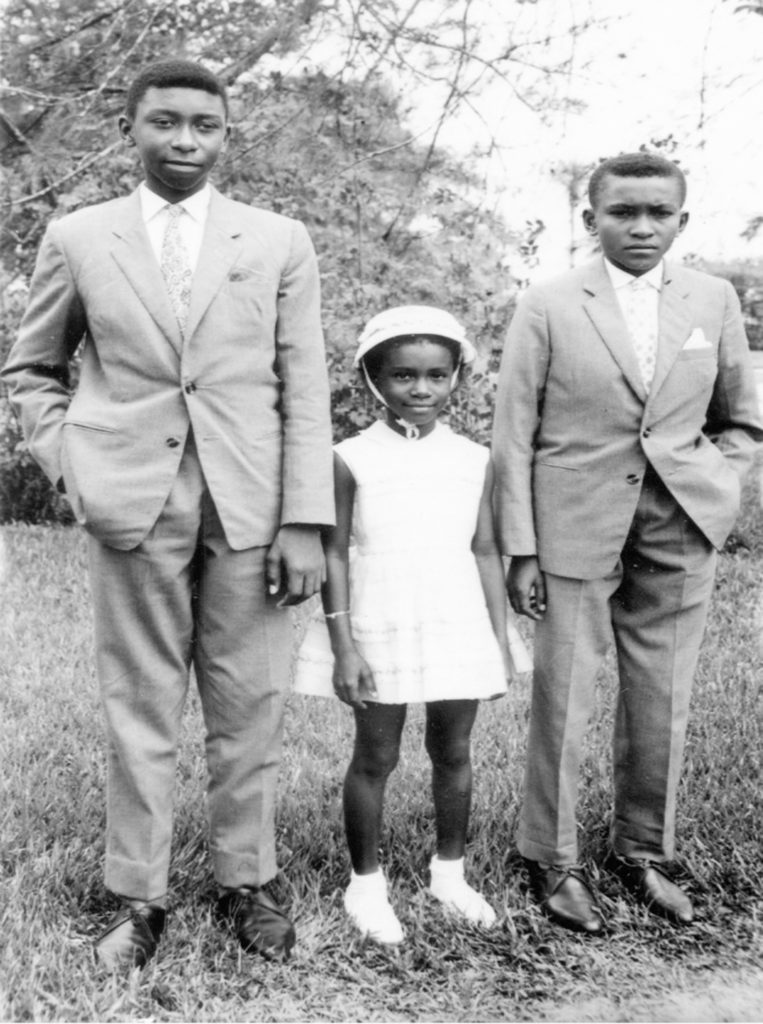
Answer: My family was close- knit. Myself, my brother, my sister and my parents. It was all about going to school and playing a lot of football. My father was in civil service, you know; a Magistrate. He later became a judge and was being transferred all over the western region. That’s what it was called then; all the states in the west. He could be transferred from Ondo to Oyo, to Ibadan to Ogbomosho and things like that; so we were going from school to school. Different schools all over the West.
I liked playing football. I enjoyed playing a lot. Football was the main thing then.
L&S: As a teenager growing up, did you get into troubles?
Answer: I was in boarding house at St Gregory’s College. I wouldn’t describe myself as a rascal but we did things like breaking bounds. You know going out when you’re not supposed to be out. A lot of that went on. We go out in the night to the cinema.
L&S: How come nobody found out?
Answer: It was during prep time else they would have noticed. The house master doesn’t necessarily come around when we were doing prep. While we junior boys went to cinema, the senior boys went to parties and things like that.
L&S: How did you do it?
Answer: We scaled the walls. The films were from about 6 to 8pm. Plaza Cinema, it was by the Race Course in Lagos.
L&S: And your school was not far away?
Answer: No, my school was in Obalende by Ikoyi. You could do all that and come back before lights out by 9pm.
L&S: Really?
Answer: Yes, lights out was by 9 0’clock.
L&S: What kind of films did they show then?
Answer: Cowboys and Indian films.
L&S: And you weren’t scared that you and your friends could be caught?
Answer: Oh yes, we were scared we could get caught, but we were very fast. Once we just see anyone that looks like the house master, we just beat the gun.
L&S: Tell us a bit more about life those days as a school boy.
Answer: You see when you are in Saint Gregory’s College, when you come out or you are going out legitimately, the women you see by the road side selling groundnuts could call you and tell you to tuck in your shirt and dress properly. Those were the standards in those days. I mean when you are in Form One to Two. That’s what was going on. We didn’t have all these nonsense you have now.
L&S: How do you mean?
Answer: Now, nobody is interested in anybody. Then, you were your brother’s keeper. You go out, you buy something from the shop near the school and you don’t have enough money, they ask you when are you coming to pay, and you come back to pay on the said day. There was so much trust and you don’t have what we have now. You know, I read somewhere that Nigeria at that time, was arguably a place where no stealing was going on. Nobody stole anything. We slept with doors and windows open in Lagos. The gutters, the drains were very clean. We made paper boats and put it there to sail. The place was clean, spotless. I am talking of mid late 50s; well before the war.
On Sunday you went to church. Most mothers wore stockings and broad hats. You go to church, Christ Church Cathedral, Marina. You come back and have launch. Thereafter you go for horse racing just like you have in Maryland in USA or in Ascot in England.
L&S: Did you get to ride horses?
Answer: No, no, no. Just to watch, that’s what Lagos was like in that race course. People placed bets on the horses. That’s what it was. Everybody knew everyone.
L&S: Who were those riding the horses?
Answer: Jockeys. But there were families that owned horses. They don’t ride though. Jockeys did.
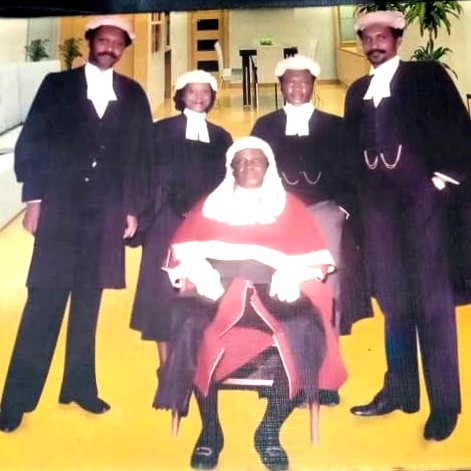
L&S: Your father was a judge and your granduncle was also a judge. Could that have influenced your studying law?
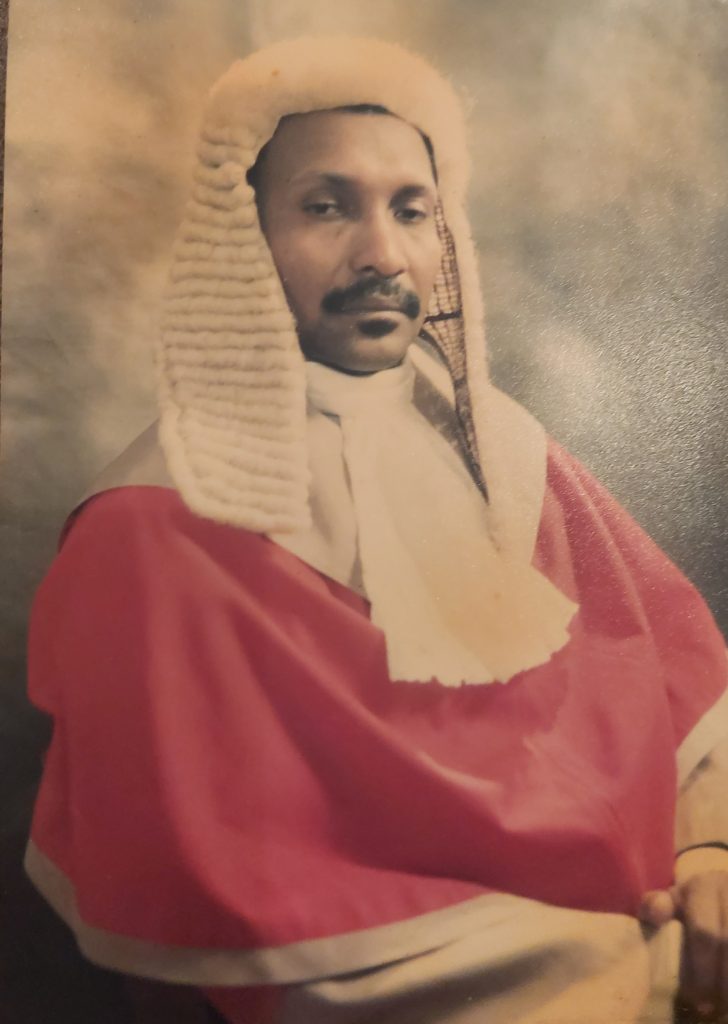
Answer: Yes it did. I wanted to be a judge like my father because I liked the paraphernalia around him. From about the age of six, I made up my mind to be like him.
L&S: Your father must have had a tremendous influence on you.
Answer: Not really. I see him around the house, and I liked what I was seeing not that he told me to go and be a lawyer. He didn’t tell me that.
I can also say, I was not too good in science subjects. I loved medicine but I couldn’t go in. I’m good in the Arts. Maybe that encouraged me to go that way.
L&S: Were you a dad’s boy or mummy’s boy? Who were you closer to?

Answer: I think mummy’s boy. I was closer to her. We were very close. We say a lot of things together. She tells me things and I tell her things. I could tell my mother anything, and she will tell me how to go about it.
L&S: Why was it so?
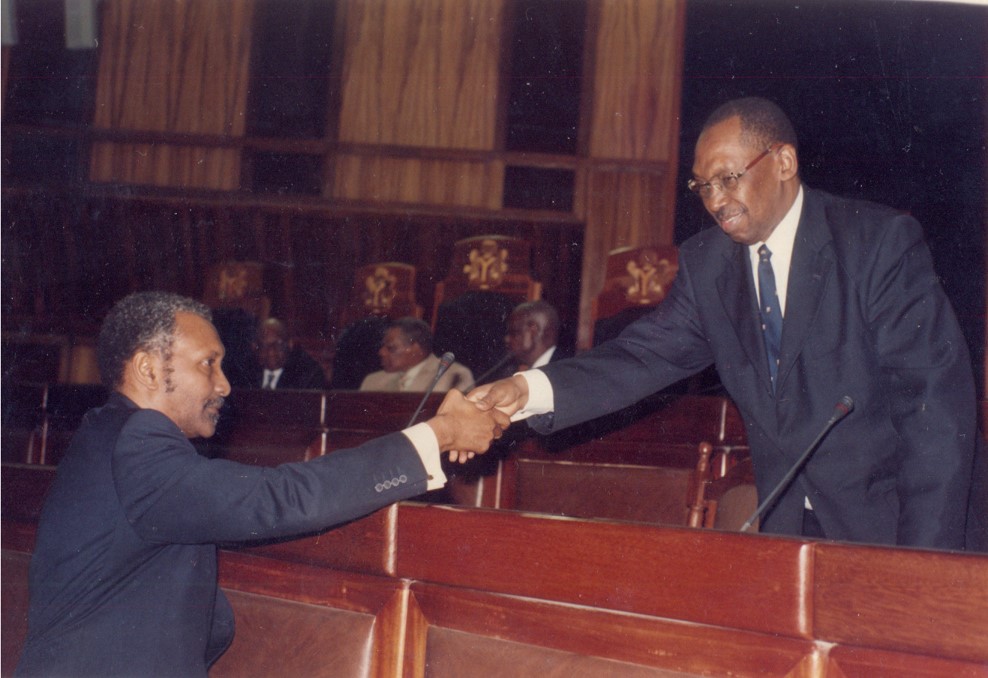
Answer: My father was very strict, but my mother was more easy-going.
L&S: Was it because you were the last boy?
Answer: I was the 2nd. We were only two boys, with a sister so I’m the last boy.
L&S: Did you ever get smacked by your dad?

Answer: Yes. Like when you don’t do your homework or something like that, and he gets to know about it.
L&S: Did you play so much that sometimes you forgot to do your homework?
Answer: Yes, football. A lot of football.
L&S: You have two boys and a girl like your parents. Were they as playful as you were?
Answer: No they did their work when they were little. They were not playful like me
L&S: At the Lagos State Ministry of Justice, what was the most difficult case you prosecuted?
Answer: I won’t say I prosecuted any particularly difficult case. That was the time armed robbery was picking up. We didn’t have armed robbery before 1970.Armed robbery started coming in after the war, with the celebrated case of Oyenusi, that dare-devil armed robber. I did a lot of armed robbery cases, and they were dangerous at that time. They could kill you or sabotage you just like that. None of the cases readily comes to mind.
L&S: Were there threats to your life or your family?
Answer: No, I didn’t have threats to my family, but I had things like people putting salt into the petrol tank of my car.
L&S: How did that happen?
Answer: When you park your car, they open the fuel tank and pour in salt. Luckily on the two occasions this happened someone alerted me so I didn’t start the car. If I did the engine would have knocked and that’s what whoever did it wanted.
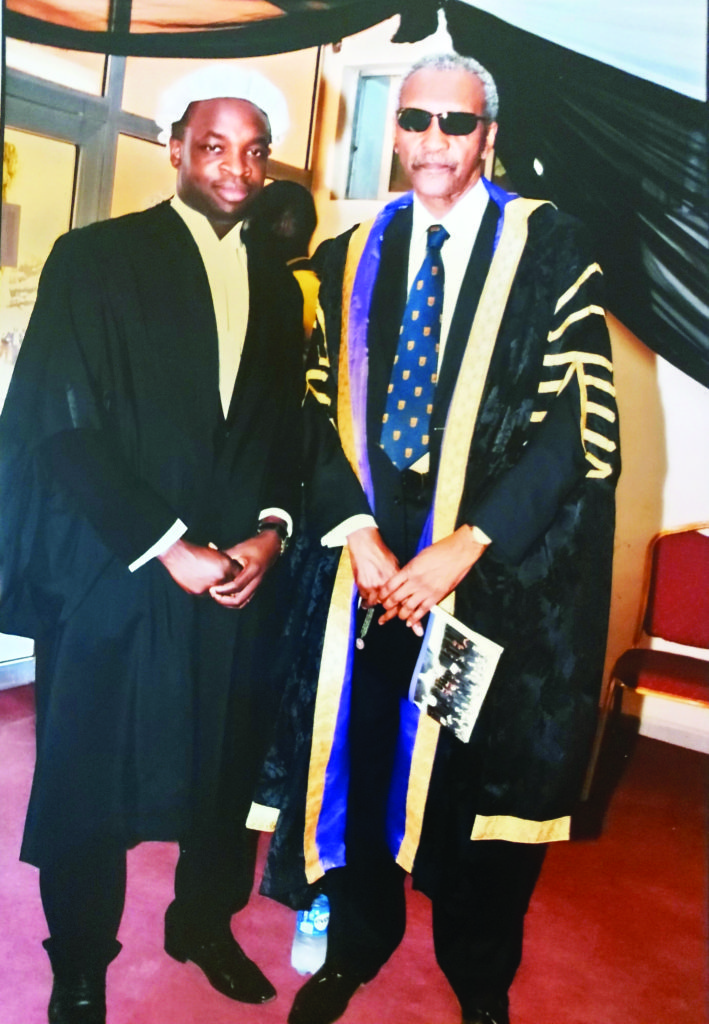
L&S: Were you were handling some sensitive matters at that time? Akinjide Adesokan (Son-in-law
Answer: You can’t know, because you handle not only one case. You handle two to three armed robbery criminal cases, everyday so you can’t really know which one is responsible for what I mentioned.
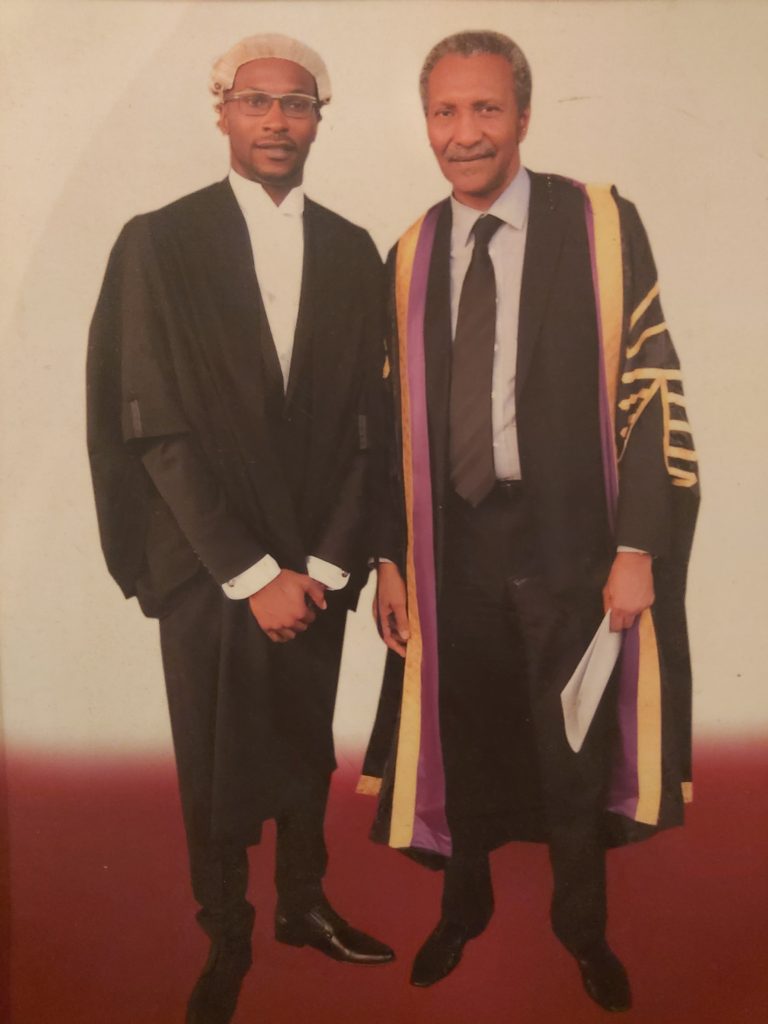
L&S: When does this happen, is it before or after the cases?
Answer: When you go into the courts and come out, you will see some salt on the ground, and people will tell you, don’t start that car. The mechanic comes, dismantles the engine and brings out the petrol tank. He then washes out the salt.
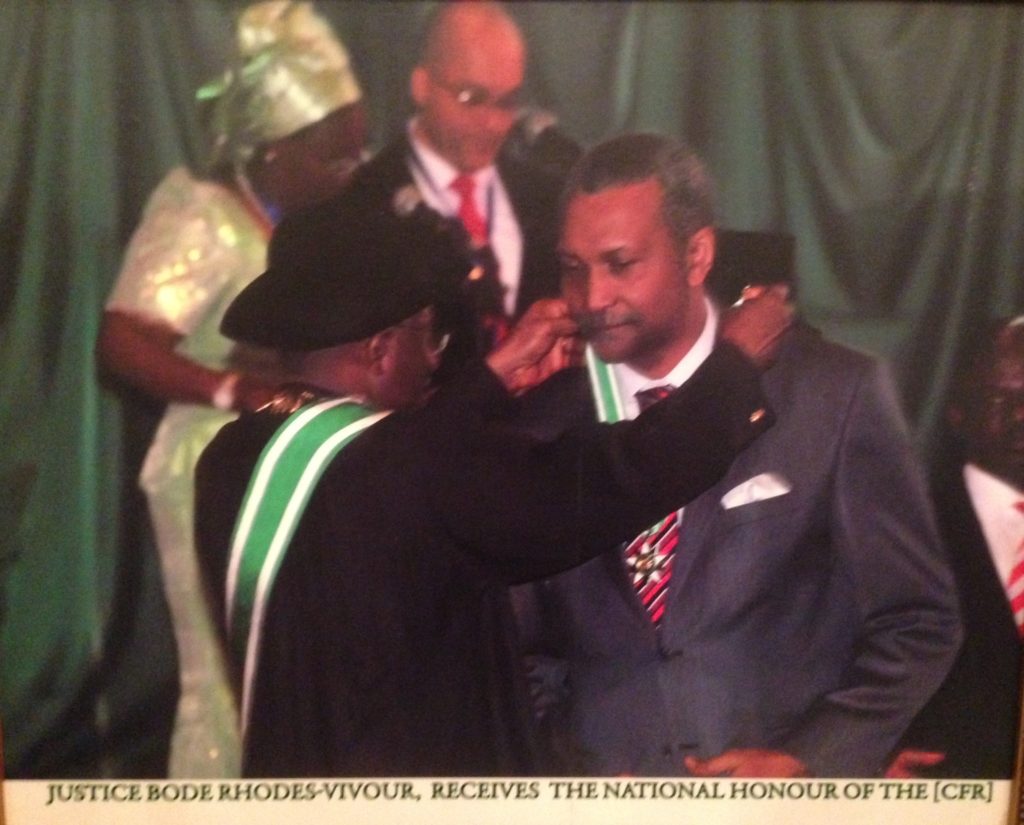
L&S: When you become a High Court Judge, what was the most challenging case you handled?
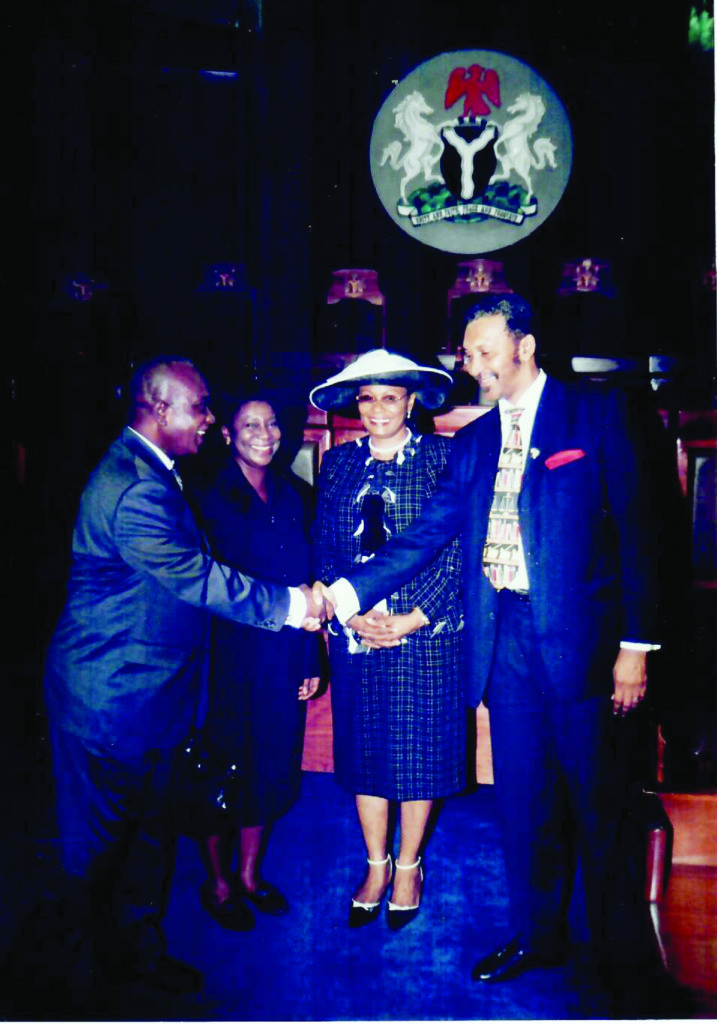
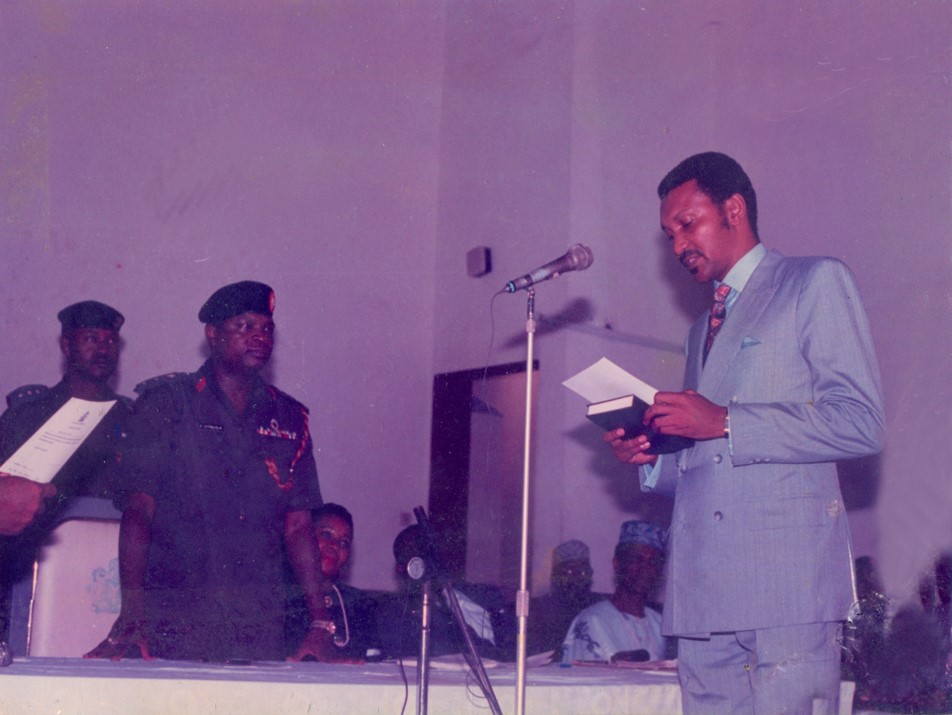
Answer: One thing with me is no matter what type of case you bring before me, no matter the pressure from government or whatever is perceived I handle it with the ambit of the law. I go by facts, once am satisfied with the facts, I don’t give a damn about who is interested, and so far, I have survived this far.
L&S: In all your years, from the High Court to court of Appeal to the Supreme Court, no case readily comes to mind that was particularly difficult? No pressures from government?
Answer: No, I cannot say any case is difficult, but challenging. Nobody in government has ever told me look, “we want it done this way or that way”, no I have never experienced that.
L&S: There were reports that you were influenced to give favourable judgment to the All Progressive Congress (APC) in the contentious Osun election.
Answer: Osun was straight forward. What happened in Osun was that they lost on the basis of jurisdiction. The judge who wrote the judgement did not sit on a particular day when the two witnesses on the other side were taken. The Court of Appeal gave a decision that the Supreme Court affirmed and they were right. The High Court’s decision was two to one in the favour of the other side. But what Osun was all about was that a judge that sat on the panel, did not sit on a particular day and come back to write the leading judgment, and that Judge is still alive, he can be asked whether he sat or not.
L&S: So that particular case could be seen as an error of counsel since the Senior Advocate of Nigeria who prosecuted the matter should perhaps not have gone on appeal?
Answer: Yes, that’s error of Counsel, error of Judge, error of everything.
L&S: How do you feel when you hear or read commentaries and criticisms on account of some of the decisions you have given?
Answer: There is only one case that I know of that some Pressmen did not agree with, and that is the Osun matter. I don’t know of any other one.
L&S: How did you feel reading all those commentaries?
Answer: You begin to wonder why people do not know how elementary the issue of jurisdiction is. Legal authorities from England, America and Nigeria support what I did. The authorities are so clear. A court is properly constituted when the required number of judges are present. In this case, the required number of judges were not there on that day. What is the order to make? All what happened that day is a nullity. It is as simple and straight forward as that. That’s what the Supreme Court decided in the 1962 case of Madukolu and Nkemdilim. What it says is if the court is not properly constituted, any proceeding that takes place, no matter how well conducted is a nullity.
I don’t know if that is an issue to discuss. For example, if you go to the Senate and they discuss a bill today; after all the deliberations, at the end of sitting by 2 0’clock, they just realize the mace is not there. Everything they’ve done is a nullity. Everybody knows that. You go and start all over again. That is it. But some people are not bold enough to say what it is. I am bold to say what it is.
L&S: The conversation in the public space is that Asiwaju Bola Tinubu who had an interest in Osun elections got you a fellow Lagosian to give APC a favourable ruling despite the widespread irregularities during the elections.

Answer: Do you also realize that, before that judgment was given, there was a lot of write ups in the papers that I was not going to give judgment for APC? Do you also realize that there were wide spread reports in the papers that, there is no way I can give judgment for APC because I’m PDP? Part of the story was that my uncle, Yinka Rhodes was PDP, my nephew Gbadebo Rhodes-Vivour ran for Senate under PDP in Lagos. Do you know that, there was another group that was saying, he will give judgment to PDP? The APC were saying that. So how do you relate that one with the Tinubu one now? You see, that’s how people are. When judgment was given for APC, the APC people kept quiet. When it’s in favour of PDP they keep quiet.

You see, by the time a judge gets to the Supreme Court, he’d have developed a thick skin. When you give judgment for them, you are the best Judge. When you give judgment against them, you are the most useless Judge. So you have to be bold enough to do the correct thing. And I stand by that judgment. Take it anywhere, it is correct and it is correct on the basis that jurisdiction wins the day.
L&S: Do you see yourself as controversial?
Answer: No, no. I see myself as conservative. Most articles I read about me, describe me as conservative. I think I am conservative. But what I know about myself is that I don’t know how to dance around the correct position of things, and people tell me that I say it as it is. That’s how I know how to do it. I don’t know how to go about bending what is so obvious. If it is so obvious, you say it and get out of the place or you keep quiet. That’s how I see it.
L&S: How do you relax?
Answer: I look at a lot of sports on the TV. They just finished the Australian Open Champions. I like TV stations like Aljazeera and I watch a lot of nice documentaries.
L&S: So you like watching documentaries?
Answer: Yes, like problems in the Middle East, events in history and things like that.
L&S: What games do you play?
Answer: No, I just exercise now by walking. I don’t play any games.
L&S: With all the amount of work you have as a Supreme Court Judge, how do you find time to watch TV? Some Judges will tell you, they are so busy they hardly have the time to do any of those things.
Answer: You asked, “How do I relax?” There are times you don’t have anything to write, no judgment to write. Sometimes when I finish a judgment, I relax by either watching films and if I don’t have any strength, I go to sleep.

L&S: Where are your favourite holiday places?
Answer: I like Europe. I go to Dubai too. France, Germany. Dubai is a nice place. There are lots of things to see there.
L&S: You’re married to a distinguished International Arbitrator of renown. She is also a Senior Advocate of Nigeria. Did you intentionally marry a lawyer?
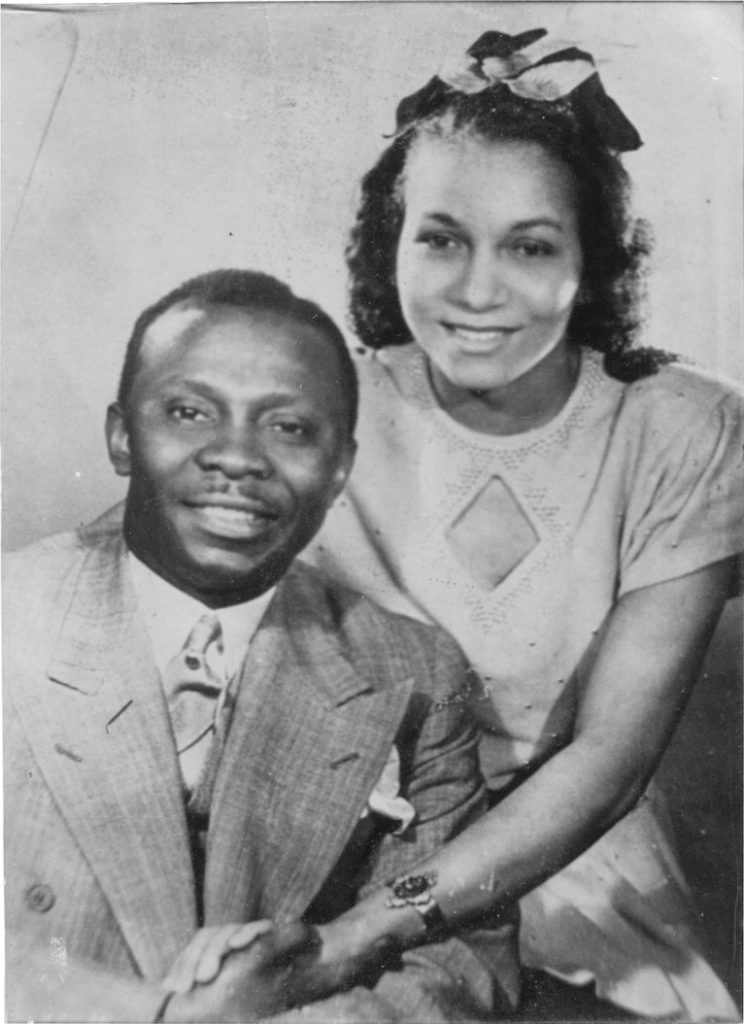
Answer: When I met my wife, she was a lawyer but not an Arbitrator, so I did not set out to marry lawyer. It was by chance. We met at the Ministry of Justice in Lagos. As they say one thing led to the other and the rest is history.
L&S: What attracted you to her?
Answer: She is no doubt attractive, but I was carried away by her intelligence.
L&S: My lord you’re not one of those men that are intimidated by intelligent women?
Answer: I am very confident and at home with very intelligent women because we can communicate at a high level and it’s always quality time.
L&S: What’s your opinion about men who are not comfortable with intelligent women?
Answer: Men that feel threatened by intelligent women should examine themselves. They have a strange ego that needs to be worked on.
L&S: Your sons are lawyers. Your daughter is a law graduate but also trained as an engineer. How come you didn’t win her over to the Bar?

Answer: My daughter is a law graduate and a Chemical Engineer. She always wanted to practice as a Chemical Engineer. She’s a very intelligent young lady. Just like her mother. Her husband Akinjide Adesokan is a lawyer.
L&S: My lord your decision in Ukeje and Ukeje is an indication that you’re a girl child advocate.
Answer: I support girls having equal rights as boys. See Numbers 27 verse 7 and Job 42 verse 15 in the Holy Bible. Even God supports it. Women are Heads of State in several countries. See our own Okonjo Iweala. Once you give a girl education, she would achieve enviable heights. So, a girl child should be treated equally as the boy child.
L&S: Now you are about to leave the Supreme Court, what will you remember most and what will you miss most?
Answer: What I’ll remember most is that I met Judges from all parts of Nigeria and it was interesting sharing ideas with them. I met people that came from diverse backgrounds and really got to know what Nigeria is. We got on very well with all of them. What I’ll miss most is- I don’t know, because if you are retiring in good health as I am, it’s a thing of joy. No matter how long you stay in the court, there comes a time when you have to go. So I don’t think I will miss anything.
L&S: Would you support increase in the retirement age of Supreme Court Justices?
Answer: Yes, I would support the increase of retirement age.
L&S: Do you feel you still have more to give?
Answer: At 70, I still feel strong. I still have a lot to give society.
L&S: The Constitution provides that appointment to the Supreme Court could also be from the Bar. So far, appointments into the Court of Appeal and Supreme Court in recent times have not reflected that.
Answer: The reason why it has not been implemented, that is bringing in lawyers as Judges to the Supreme Court is because of the requirements for going to the Supreme Court. The requirements are laid out in such a way that, before going to the Supreme Court, you must have written judgments. I am talking of how it is being implemented by NJC (National Judicial Council).
L&S: The SAN may never have written a judgment, but would have written briefs.
Answer: The NJC does not look at briefs. I am telling you the practicality.
L&S: Why then were some senior members of the Bar selected for appointment to the Court of Appeal and Supreme Court some time ago? It was never implemented though.
Answer: Why didn’t they go through? I’m telling you why they didn’t go through. How are you to assess a lawyer who has no judgment to present according to NJC rules?
L&S: Those are NJC rules. If the NJC really wants to comply with the Constitution, can’t their rules be amended?
Answer: Yes, it can be amended. I agree with you. Another way to look at it is that after we all graduated as lawyers, you decided to go to Bar. I decided to go to the Bench. You’ve made all the money you can think of and you became a SAN. I suffered and got up there, how can you eat your cake and have it? That’s another way people should look at it.
If you want to be a SAN, be a SAN and make all the money and leave me here. That’s another way those against it look at it. But I look at it in a slightly different way. I look at it that lawyers who have distinguished themselves should be considered for the Supreme Court so that, we have a mixture. Because in the Supreme Court, what we have are Judges from the court of Appeal, so virtually all of them think in the same way. So if you throw in one Professor there, you throw in some highly respected Senior Advocates there, you can have a menu. But what I am saying is, to choose that SAN or Professor is not easy because there is nothing to guide.
L&S: Then NJC should mend its rules.
Answer: That is if they want to. I am not making a case for them. I think they should look at it, but what I am saying is that, when you want to implement, it’s is not easy bearing in mind what’s on ground. I’m not saying it can’t be done. You are saying it can be done. I agree with you. If you amend the rules, of course, you can say lawyers, we want to see your briefs or cases you did and won. Those are good requirements.
L&S: We have had appointments from the Bar during the military rule. Justices Elias and Nnamani.
Answer: There was no NJC then. That was the military. Obasanjo did it. The last was during the military era. At that time, there were not too many Judges. Not like now, where Judges are all over the place.
Answer: The constitution didn’t say when you apply, they must take you. It doesn’t say that. They won’t tell you it’s impossible. They will tell you to go and test it. Like in England, you can be appointed from the Bar. But, if the Constitution said when you’re 15 years at the Bar, you can go to the Supreme Court and Court of Appeal, those provisions should be complied with. For that to happen, I believe the NJC should amend its guidelines in line with the constitution for appointments to be made from the Bar.
L&S: Wouldn’t you say that technically, NJC is breach of the Constitution? I’m talking about the Constitutional provision.
Answer: The constitution didn’t say when you apply, they must take you. It doesn’t say that. They won’t tell you it’s impossible. They will tell you to go and test it. Like in England, you can be appointed from the Bar. But, if the Constitution said when you’re 15 years at the Bar, you can go to the Supreme Court and Court of Appeal, those provisions should be complied with. For that to happen, I believe the NJC should amend its guidelines in line with the constitution for appointments to be made from the Bar.
L&S: What’s your take on interlocutory applications coming to the Supreme Court? It’s an issue that has been on over the years.
Answer: Interlocutory applications are applications requesting the court to restrain the offending party from doing whatever he wants to do for the duration of the case. We have always warned about bringing appeals from interlocutory applications to the Supreme Court. We always say wait for the case to be finally decided before you appeal, but that’s an advice, because no law stops it.
L&S: But it keeps coming and clogging the wheel of progress.
Answer: Yes. The judge grants it. One way or the other you go back to the High court and it spends 30 years before it is decided.
L&S: Would you rather that some kind of law is made regulating interlocutory applications from coming to the Supreme Court?
Answer: Yes. That is what Leave is all about. You refuse leave. The court, the Court of Appeal should refuse leave. Interlocutory appeals from the Court of Appeal should be by a leave of that court. So if that court refuses leave and gives no reason it cannot come up to the Supreme Court.
L&S: What if counsel in the matter files a petition against the judge at NJC?
Answer: These are the things that come up. But ideally you cannot remove a judge for the way he handles a matter in his court. You remove a Judge when he takes a bribe or is compromised. You don’t remove a Judge because he gave an injunction or he didn’t give an injunction, because if you start doing that, you start making them afraid to do their job.
L&S: How do you see the judiciary in Nigeria today compared to 20-30 years ago?
Answer: There is not much difference. What we hear nowadays is that the judiciary is very corrupt. My thinking is that when you tarnish the judiciary with corruption tag, you are doing a disservice not only to Nigeria but to a vast majority of judges who preside with distinction. Whilst to be candid there is no profession that does not have bad eggs, we should build a strong judiciary capable of meeting the expectations of stakeholders. If you go into history of the judiciary of countries like the USA and England, you will see that they had and still have cases of corruption; but they addressed it and today they are amongst the best judiciaries in the world.
L&S: But you know the position of the judge is similar to that of God Almighty Himself. That I guess is why people are crying out for justice to be done and seen to be done.
Answer: The people that are crying are the people that corrupt the judiciary, who are those crying out? That’s how we are in this country. When it favours you, you don’t cry out, but when it doesn’t favour you, you cry out.
It is surprising that lawyers who are meant to be major stakeholders in building up a strong judiciary are the ones that cast aspersions or try to pull it down, oblivious of the fact that in most cases of corruption, a judge cannot be corrupt without a lawyer. All well-meaning lawyers should work together with judges to improve the judiciary

L&S: But people are crying out. In rape cases for instance, where a man rapes a minor and he gets a slap on the wrist even when the facts are there, many have cried out for justice to be seen and done. Instead of giving the rapist maximum punishment a lot of times, some judges go for the minutest, and you begin to wonder at the justice in it all.
Answer: When they say rape, you have to look at the facts of the case.
L&S: I am talking about a situation where, the facts are evident. Where it is clear that this man actually did it and you expect that he will get the hardest punishment. I’m talking particularly about the case of minors. Violation of 8-year olds and below. All those kind of crazy things we read these days, and one wonders why a judge who has seen all the facts will slap the rapist on the wrist instead of sending him off to spend the rest of his life in the jail. It is very prevalent now
Answer: One will like to see, because I know the maximum punishment for rape is 14years to life.
L&S: The VAPP Act proscribed and cancelled some portions of the Penal Code including the part that has to do with rape but the police still prefer to prosecute with the Penal Code that gives lesser punishments.
Answer: It all boils down to corruption, but I think you have to look at the facts because I have seen rape cases where the judge gives maximum. I have seen where they give less than the minimum and where they give minimum sentence. I think it’s the facts. Why did he give six months when he can give 10 years or 14 years? I don’t know unless I see the facts that motivated him to go that way.
L&S: If you can convict him at all for rape, why give him 6 months?
Answer: It’s too lenient. I agree it’s crazy.
L&S: My Lord, what advice do you have for people aspiring for the bench?
Answer: You just have to hang in there and read, read, read. And by hanging in there, I mean if you are in practice, you just have to go to court and make a name. Be well prepared any time you go to court. People will see you and recognize you. When it is time to go to the Bench, it will be straight forward, or if you go to the ministry, you work harder. You could end up at the top as a Permanent Secretary or Director of Public Prosecution or you are in the Magistracy, you rise up. But the bottom line of getting there is just hard work, and have a lot of patience. Be focused.
L&S: Is it really hard work Mi Lord, for people who want to get in?
Answer: You have some people that become Judges from some strange background. You have that everywhere; only that here you can say there are quite a few. That’s what one can say. But I don’t think there’s any short cut to hard work, cause if you become a Judge without hard work, or you become a judge when you are not supposed to be, you will be exposed on the bench. Everybody will know you don’t know anything. It’s good for a lawyer who wants to be a judge to know his onions.
L&S: Now you’re exiting the Supreme Court, is there anything you will like to say in closing?
Answer: I don’t think so. I wish everybody well. I wish myself well too, in good health and that all those that I leave behind, I pray they stay in good health, work hard to the glory of the Judiciary. Whoever gets in control of the judiciary should try and improve it and make it a better place and get a better reputation than it has now.

L&S: Doesn’t it have a good reputation now?
Answer: You yourself said it. So I am saying let us have a new phase of life. I pray that whoever comes in as time goes on will look at things and improve it. If we start saying it’s bad, it’s bad, we are not saying anything. Let us try and improve it. I think that is the way to go. If I was CJN today, I will like you to come and tell me, look my lord, the perception of this judiciary is bad, what are you doing about it? That makes sense instead of you to come and ask me, ‘what do you think about the judiciary? When we say it is corrupt, we are not saying anything. Let us stop saying it is corrupt. Let’s think about what we should do to improve and not just talk about it. I think that will be better for generations unborn. What we need are solutions.