Abuja’s grief no longer announces itself with sirens. It waits at bus stops before dawn, slips into unmarked cars, and follows commuters onto expressways that promise arrival—but sometimes deliver only death.
On November 14, 2024, architect and pastor Uche Nwokeke received a call no spouse is prepared for. Police asked him to come and identify a body. Friends intervened first, trying—briefly and unsuccessfully—to cushion the moment.
The body was his wife’s.
Elizabeth Nwokeke, a staff member of the Federal Ministry of Communications, had left home for work and never returned. She was later found dead along the Kubwa Expressway, killed by assailants who remain unidentified more than a year later. No arrests have been made.
“When a reporter reached him over a year after the killing, Uche said only this: ‘Nigeria has failed me.’”
What haunts him most, he said, is his wife’s lifelong belief in justice—an ideal she defended even when similar crimes dominated the news. That justice, he says, has never come.
Uche recalled that a police spokesperson contacted him shortly after the murder and promised a follow-up. Since then, he said, calls have gone unanswered.
His story mirrors a wider terror gripping Nigeria’s capital, where the phrase “one chance”—slang for criminals posing as public transport operators—has become synonymous with abduction, robbery, and murder. These attacks routinely target commuters, especially women, professionals, and low-income workers.
Public rage has occasionally boiled over.
In 2025, along Umaru Musa Yar’Adua Way, Abuja’s Airport Road, two alleged “one chance” suspects were killed by a mob after a struggle with a female passenger drew attention. The men were dragged from a vehicle and set ablaze in daylight. No arrests followed.
The episode underscored a dangerous pattern: when institutions fail repeatedly, citizens resort to vigilante justice—often with fatal consequences.
Professionals Targeted
In January 2026, Abuja recorded two more high-profile killings linked to “one chance” attacks.
Chinemerem Chukwumeziem, a nurse at the Federal Medical Centre, Jabi, was killed on January 3 after boarding public transport home from work.
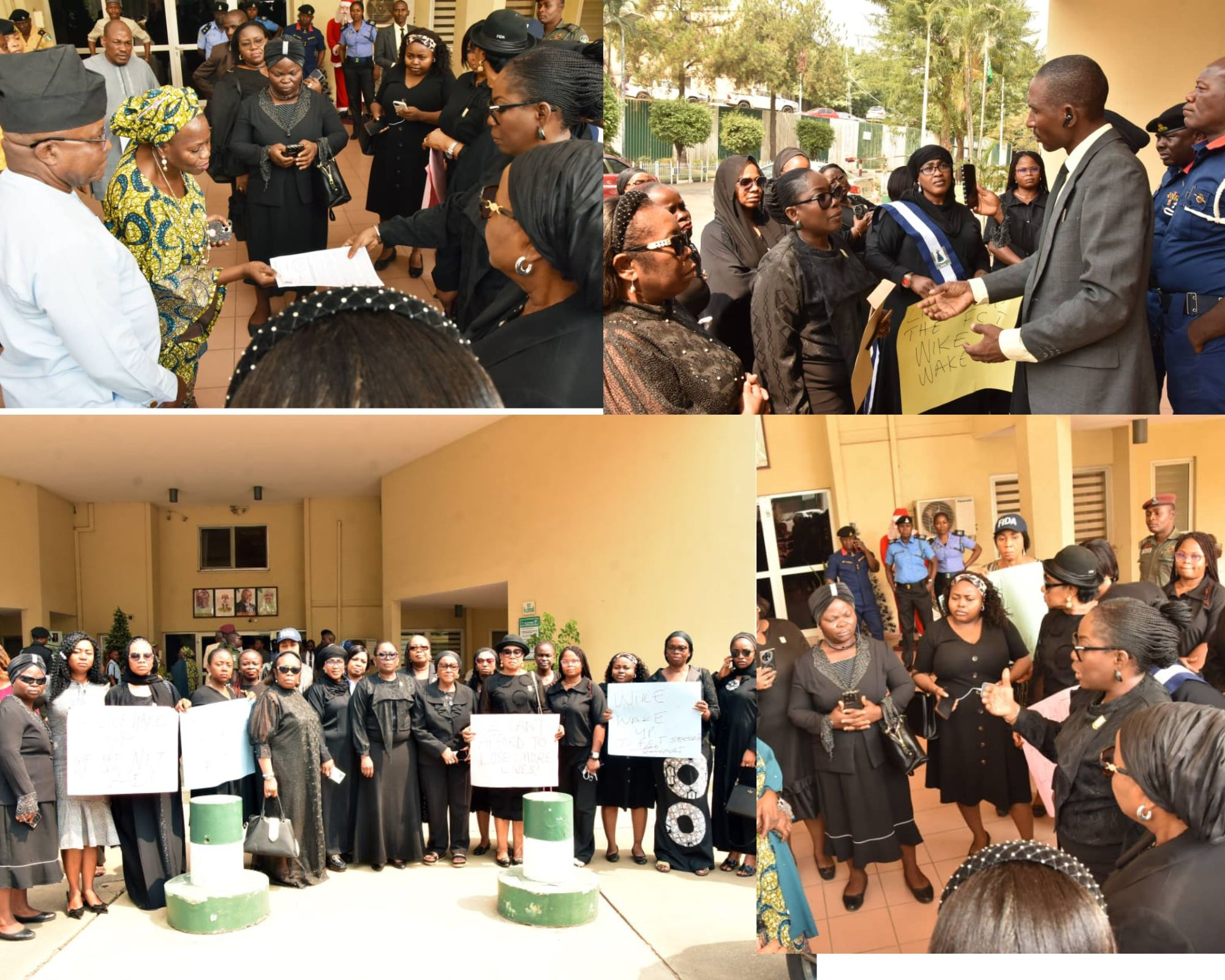
Days later, Princess Mediatrix Chigbo, a lawyer and former Treasurer of the Nigerian Bar Association (NBA), Abuja Branch, was abducted and murdered. Her body was later found along the Kubwa Expressway.
The International Federation of Women Lawyers (FIDA) has since vowed that the deaths will not fade into statistics.
“At a time when officers of the court and caregivers are abducted and killed on the streets of the nation’s capital,” said Chioma Onyenucheya-Uko, Chairperson of FIDA Abuja, “it sends a chilling message—especially to women and vulnerable commuters navigating public spaces under constant threat.”
FIDA insists the attacks are not isolated incidents but part of a persistent, ignored security failure. The group is demanding a security emergency declaration against “one chance” syndicates, a dedicated multi-agency task force, functional CCTV surveillance, transport sector regulation, and regular public accountability briefings.
Family’s Account Raises Alarms
The family of Princess Chigbo has disputed early official narratives, describing a violent abduction and a failed rescue.
In a statement signed by her sister, Maureen Chigbo, the family said Princess was abducted on January 5, 2026, while on a phone call with another sister. The line went silent after screams were heard. A ransom demand of ₦3 million followed, but no payment details were provided.
Despite reports that suspects were being tracked, the family said no rescue occurred. Princess was later found in critical condition and pronounced dead at a specialist hospital. The family alleged signs of severe abuse.
Police say investigations are ongoing.
Legal and Medical Communities React
Senior Advocate of Nigeria Chief J.S. Okutepa described Princess Chigbo’s killing as a national failure, urging sustained pressure to prevent the case from being “swept under the carpet.”
Human rights lawyer Frank Tietie and the National Association of Nigerian Nurses and Midwives (NANNM) also demanded urgent reforms, warning that nurses and other essential workers are increasingly exposed due to unsafe transport systems.
“When nurses die,” NANNM said, “the nation loses more than caregivers—it loses trust.”
A Capital on Edge
Colleagues remember Princess Chigbo as a committed advocate for justice and women’s rights. Her death has shaken Nigeria’s legal community and intensified calls for action.
Abuja was designed as a symbol of order and safety. Today, residents describe a city where every shared ride feels like a risk, every delayed arrival sparks fear, and justice too often arrives late—or not at all.
For families like the Nwokekes, for Chinemerem, for Mediatrix, and for countless unnamed victims, the roads keep moving.
Whether justice will ever catch up remains the one chance Nigeria keeps missing.
Watch the video below.