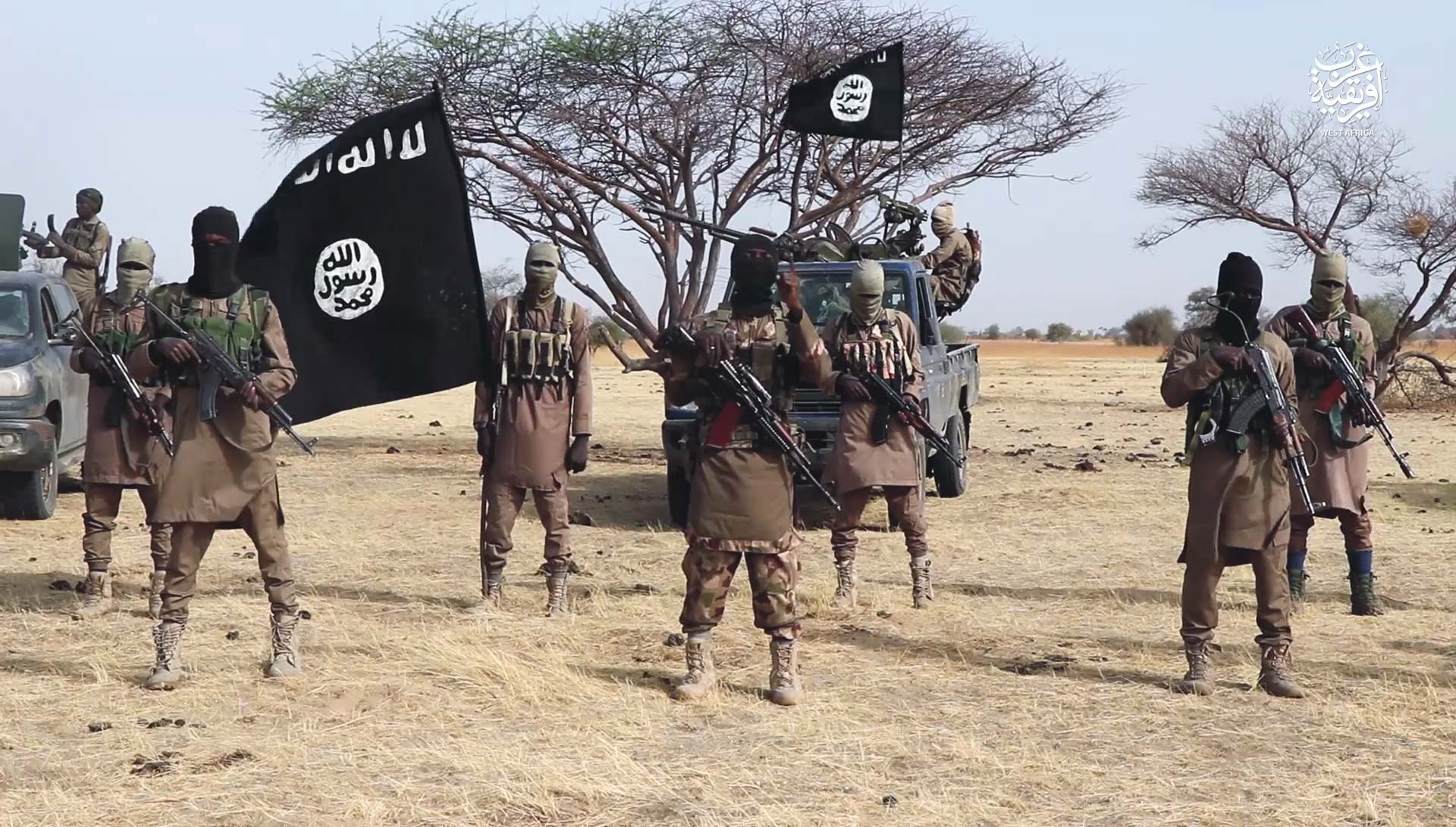
A new video released by Boko Haram has escalated fears for hundreds of abducted civilians in northeastern Nigeria, as the militant group issued a stark 72-hour ultimatum to authorities, while daring the government to attempt a military rescue.
The footage, obtained early Monday, shows armed fighters in camouflage declaring they are “battle-ready” and warning that 416 captives, mostly women and children taken from Ngoshe in Borno State—will be dispersed to undisclosed locations if their demands are not met.
“Take a look at them now,” a masked spokesperson says in Hausa, translated into English subtitles. “Because you may never see them again.”
The group, identifying itself as Jama’atu Ahlis-Sunna Lidda’Awati Wal-Jihad, said it does not recognize the Nigerian government and described the ultimatum as its “first and final message.”
Though no demands were stated in the video, intermediaries say the militants are seeking a ₦5 billion ransom.
Hostages in Limbo
The threat comes amid ongoing mediation efforts led by the Borno South Youths Alliance (BOSYA), which confirmed receiving what it called a “final warning” from the insurgents.
BOSYA President, Samaila Kaigama, urged urgent intervention from federal and state authorities, as well as wealthy Nigerians, warning that time is running out for the captives.
The abduction traces back to a March 4 attack on a military base in Ngoshe, where insurgents overran security forces, torched vehicles, and kidnapped dozens of civilians.
A Nation Divided: Victims vs ‘Repentant’ Fighters
But beyond the immediate hostage crisis, the video has reignited a deeper national controversy: Nigeria’s controversial policy of rehabilitating former Boko Haram fighters.
In a sharply worded critique, Abuja-based lawyer Kachi Okezie argues that the country is “drifting into dangerous territory,” where perpetrators are reintegrated while victims remain neglected.
According to investigations cited by Okezie, Borno State has spent billions reintegrating ex-insurgents, even as tens of thousands of displaced survivors continue to live in dire conditions with little government support.
His criticism follows the recent graduation of 744 former fighters under the government’s deradicalization initiative, Operation Safe Corridor—a program that has quietly released ex-combatants back into society with financial aid and vocational training.
“What we are witnessing is not rehabilitation,” Okezie writes. “It is substitution—where the courts are bypassed, and justice is negotiated behind closed doors.”
Rule of Law or ‘Rule by Fiat’?
Okezie and other critics argue that the process undermines Nigeria’s constitutional framework by sidestepping judicial oversight.
In their view, repentance should not replace prosecution—especially in cases involving mass violence.
The concern is not only legal but moral: what message does it send when survivors remain in displacement camps while former fighters receive state-funded support?
“It risks suggesting that violence is ultimately negotiable,” Okezie warns.
A Crisis of Trust
As the 72-hour deadline ticks down, the government faces a dual challenge: securing the safe return of hundreds of captives while addressing growing public outrage over its handling of former insurgents.
For many Nigerians, the contrast is becoming harder to ignore.
On one side: abducted women and children facing an uncertain fate.
On the other: former militants walking free, rehabilitated, resettled, and, critics say, insufficiently held accountable.
The pressing question now extends beyond whether the hostages can be rescued, but whether Nigeria’s justice system can still command the confidence of its people.