More than two decades after the gruesome murder of former Nigerian Bar Association (NBA) Onitsha Branch Chairman, Barnabas Igwe, and his pregnant wife, Amaka, justice remains elusive despite a far-reaching investigation by the Anambra State Truth, Justice and Peace Commission (TJPC) that documented the circumstances surrounding the killings and recommended urgent remedial action.
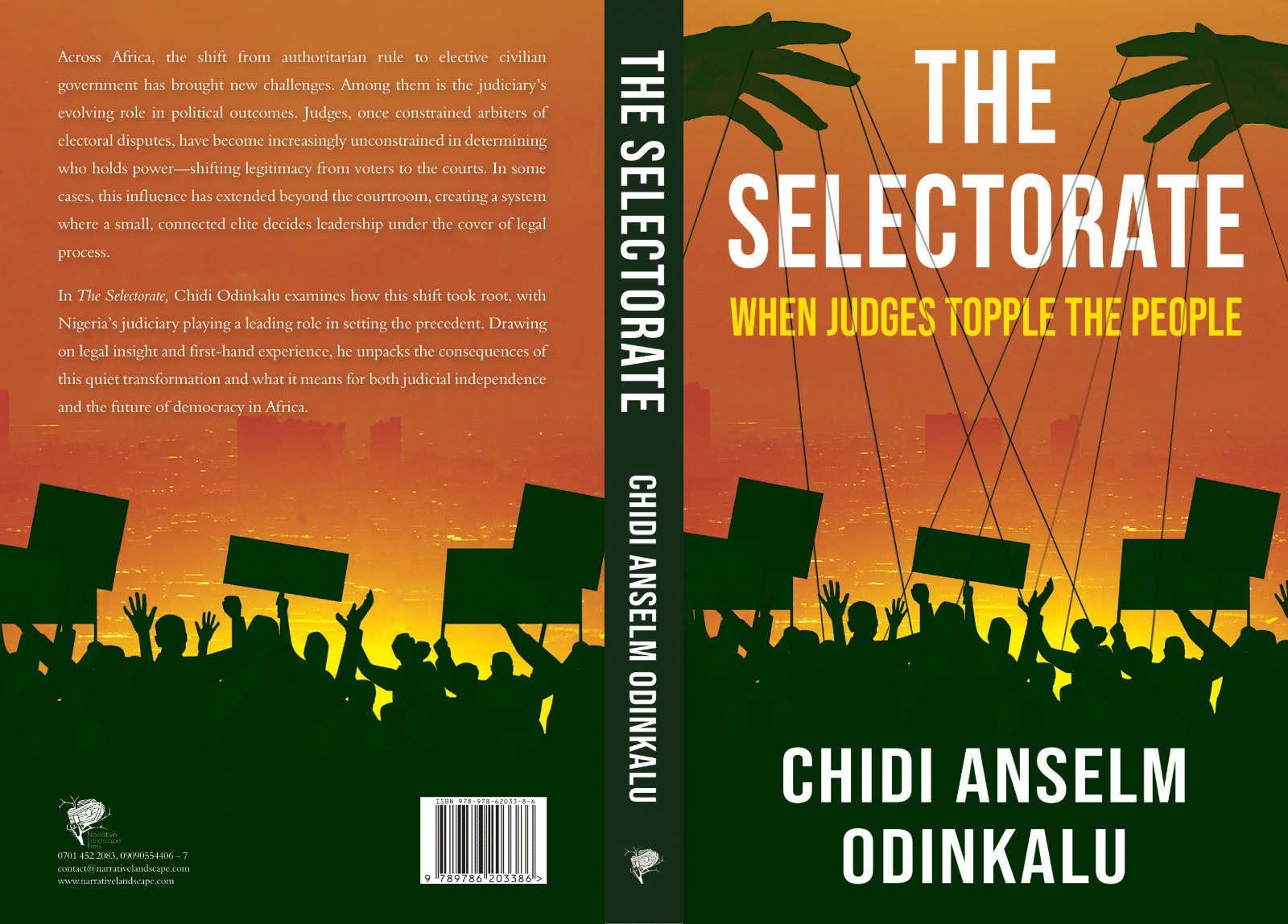
The commission, chaired by prominent human rights advocate, Chidi Odinkalu, concluded that the case represented a “continuing violation crying out for remedy” and raised troubling questions about alleged state involvement, institutional obstruction and the collapse of efforts to prosecute those linked to one of Anambra’s most notorious political-era murders.
Yet, 24 years later, one of the individuals identified in the commission’s findings remains a powerful figure in Anambra politics.
The report named Ken Emeakayi, then Commissioner for Works under former Governor Chinwoke Mbadinuju, as the leader of the convoy allegedly linked to the attack that claimed the lives of the Igwes.
Today, Emeakayi serves as Special Adviser on Community Security to Anambra Governor Charles Soludo and heads the state’s Agunechemba security outfit.
No court has convicted Emeakayi in connection with the murders, and the allegations remain findings contained in the commission’s report. However, the contrast between the commission’s conclusions and his current position at the heart of Anambra’s security architecture is likely to reignite debate over accountability in the long-running case.
Read Also: Juliana and Vincent Igwe: POTY 2023
A Murder That Shocked Anambra
According to the confidential report obtained by THISDAY, Barnabas and Amaka Igwe were attacked on September 1, 2002, shortly after returning from the NBA Annual General Conference in Ibadan.
The commission said armed men allegedly blocked their vehicle on Oraifite Street in Onitsha, dragged the couple out, hacked them with machetes and clubs, and subsequently ran them over with a vehicle.
Amaka reportedly died later that night, while Barnabas succumbed to his injuries the following day after allegedly identifying some of his attackers.
The commission linked the assailants to the then state-backed Anambra Vigilante Service (AVS), a controversial security outfit that operated during the Mbadinuju administration.
Critic of Government
The report painted a picture of escalating hostility between the state government and the outspoken lawyer in the months leading to his death.
As chairman of the NBA’s largest branch in the old Eastern Region, Igwe had become one of the fiercest critics of the administration over prolonged salary arrears owed to teachers, judicial workers and civil servants.
He was also a vocal opponent of the Bakassi Boys vigilante group, which the commission said had been accused of intimidation, unlawful detention and violent attacks.
Weeks before the killings, the NBA branch under Igwe’s leadership reportedly issued a 21-day ultimatum demanding payment of outstanding salaries and even called on the governor to resign if he could not resolve the crisis.
According to the commission, tensions worsened after confrontations between NBA leaders and political appointees of the government during meetings involving senior lawyers.
Allegations of Interference
Perhaps most disturbing are the commission’s findings on what happened after the murders.
The report alleged that investigators handling the case faced pressure to abandon or compromise their work.
It claimed that police officers who pursued the investigation suffered professional setbacks, while the prosecution itself was repeatedly undermined through judicial transfers, interference and the disappearance of suspects.
The commission further alleged that a 2006 prison break enabled several suspects to escape custody, effectively crippling the case.
Even more troubling, it said critical case files later disappeared from both court records and the Directorate of Public Prosecutions.
As a result, despite arrests and initial prosecutions, the case gradually faded without a definitive judicial conclusion.
A Family Left Behind
The report noted that beyond the political implications of the killings, the murders left behind three orphaned children who were subsequently raised by relatives.
It also concluded that the killings sent a chilling message across Anambra, discouraging civic activism and weakening pressure groups, civil society organisations and the legal profession at a critical moment in the state’s political history.
Before his death, the commission said Barnabas allegedly told his elder brother that one of the attackers described the assault as punishment for challenging the government.
According to the report, the assailant allegedly warned that “in his next life, he would not fight a sitting Governor again.”
What the Commission Recommended
In its recommendations, the Odinkalu-led panel called for a public apology from the Anambra State Government to the Igwe family and urged the state to consider symbolic compensation for the surviving children.
It also recommended renaming Oraifite Road, where the couple were murdered, in their honour.
Most significantly, the commission urged the governor to commission an independent review of the handling of the case to determine whether accountability could still be achieved.
Twenty-four years after Barnabas and Amaka Igwe were brutally murdered, that recommendation remains largely unimplemented.
And while the commission’s findings continue to gather dust, one of the men named in the report has risen to become one of the closest security advisers to the state’s current governor — a reality that raises uncomfortable questions about justice, accountability and whether one of Anambra’s darkest chapters will ever truly be closed.