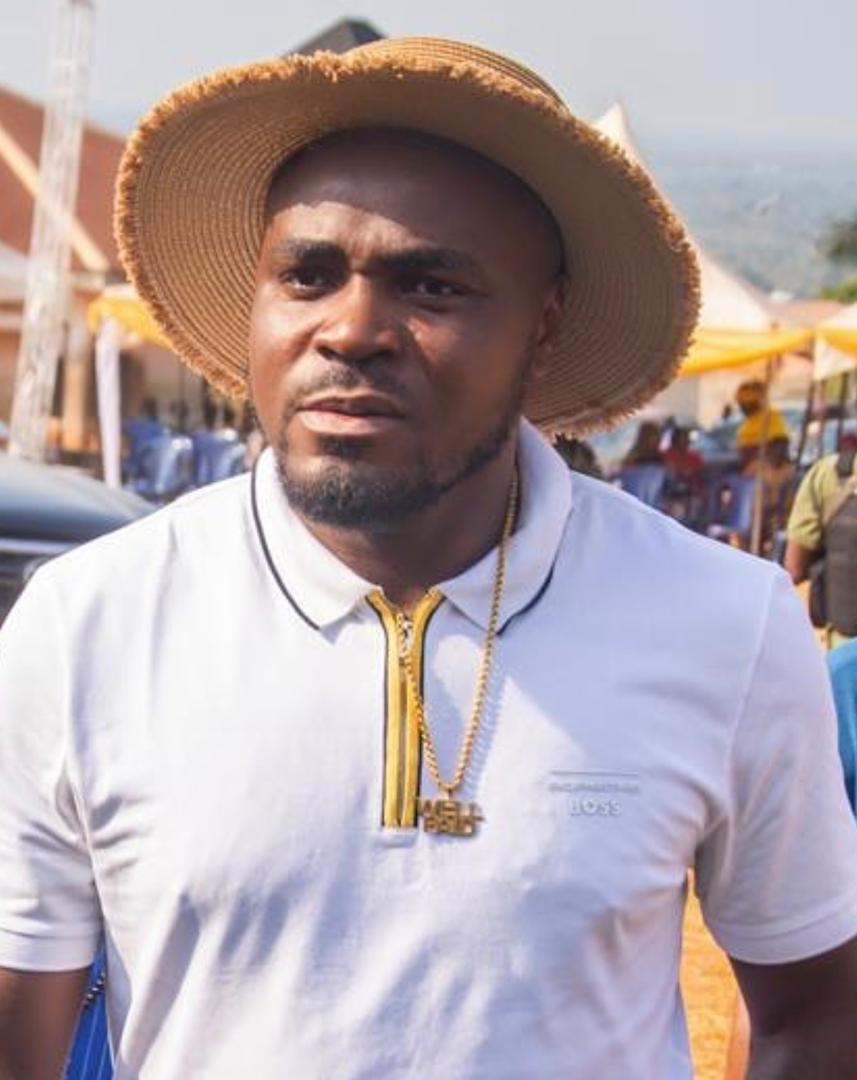
Former Super Eagles striker Emmanuel Emenike has ignited fierce debate after delivering a blunt assessment of Nigeria’s trajectory, arguing that citizens are “dreaming” if they believe the country will improve under what he described as its current “oppressors.”
In a strongly worded Instagram post shared Thursday morning, the ex-international lamented rising insecurity, shrinking civic space and what he called a leadership class riddled with “criminals.”
“There are no more road trips,” he wrote, referencing the surge in kidnappings across parts of the country. He further alleged that critics of government policies risk being “set up and arrested.”
His remarks come as fresh abductions and deadly attacks deepen anxiety in Ondo State, underscoring why his comments are striking a chord.
Read his post below
_1772269961.jpeg)
Highway Protest After Late-Night Abduction
On Saturday, February 21, 2026, residents of Ilu Abo community in Akure North Local Government Area barricaded the busy Owo/Benin Highway in protest against what they described as relentless kidnappings.
The trigger: a late-night attack in Olaribigba Estate on Friday.
A butcher, Jamiu Olawale, and his wife were reportedly abducted while returning home in an ash-coloured Toyota Camry. Eyewitnesses said gunmen also shot a neighbour, Patrick Ilumaro, who was sitting outside his residence. He was rushed to hospital.
The Ondo State Police Command confirmed investigations had commenced. Spokesperson DSP Jimoh Abayomi said efforts were underway to rescue the victims and apprehend the attackers.
But by dawn, frustration had boiled over.
Protesters blocked the highway for hours, stranding motorists and halting commercial activity. They insisted the road would remain closed until authorities delivered concrete security guarantees.
₦80 Million Ransom Demand
According to a source cited by The Nation, the abductors have demanded ₦80 million for the couple’s release, ₦40 million each.
Residents say kidnapping has become almost routine.
“In the past few weeks, no fewer than 10 persons have been abducted in Akure North alone,” one protester, Adekunle Adeleye, said. “We pay taxes. It is the government’s responsibility to protect us.”
Many households, he added, have resorted to self-help security arrangements, though such measures remain limited without state support.
The latest abduction came just days after suspected gunmen reportedly killed a traditional ruler, Oba Kehinde Falodun, during a failed kidnap attempt in Agamo community, an attack that further heightened fears.
Governor Lucky Aiyedatiwa condemned the killings and directed security agencies to pursue those responsible.
“Nigeria Could Be UAE”
Emenike’s criticism went beyond security.
He argued that Nigeria, given its resources, could rival the United Arab Emirates in development, but is held back by entrenched political interests.
It is a comparison that reflects a familiar narrative among frustrated citizens: immense potential undermined by governance failures.
Nigeria’s kidnapping crisis has morphed from isolated incidents into a lucrative criminal enterprise in many regions, targeting commuters, farmers and even traditional rulers. For rural communities dependent on agriculture, the consequences are existential. Farmers fear venturing into fields; traders dread highway travel.
The result is an atmosphere where fear dictates daily life.
Athlete as Activist?
Public figures speaking out against governance in Nigeria is not new. But when a high-profile athlete like Emenike weighs in, the message carries added resonance, particularly among younger Nigerians who view sports stars as symbols of global success.
His comments have drawn both praise and backlash online. Supporters applaud his candour. Critics accuse him of oversimplifying complex security challenges.
Yet the timing is unmistakable.
With highways blocked in protest, ransom negotiations unfolding, and communities pleading for intervention, Emenike’s warning taps into a broader national unease.
A Nation on Edge
The Ondo protests illustrate a deeper reality: insecurity is no longer a distant headline—it is a lived experience.
When residents risk confrontation by shutting down major roads, it signals not just anger but desperation.
For many Nigerians, the question is no longer whether crime exists. It is whether the state can decisively contain it—and whether governance reforms can restore confidence.
As Emenike’s viral post circulates, it reflects more than celebrity commentary.
It mirrors a country grappling with insecurity, economic pressure and an increasingly vocal demand for accountability.
And for communities like Ilu Abo, the urgency is immediate: safety first, politics later.