Four officers arrested after allegedly forcing ICPC Chairman to withdraw ₦53,000; incident reignites concerns over police corruption and accountability
ABUJA — It is the kind of irony that could scarcely have been scripted.
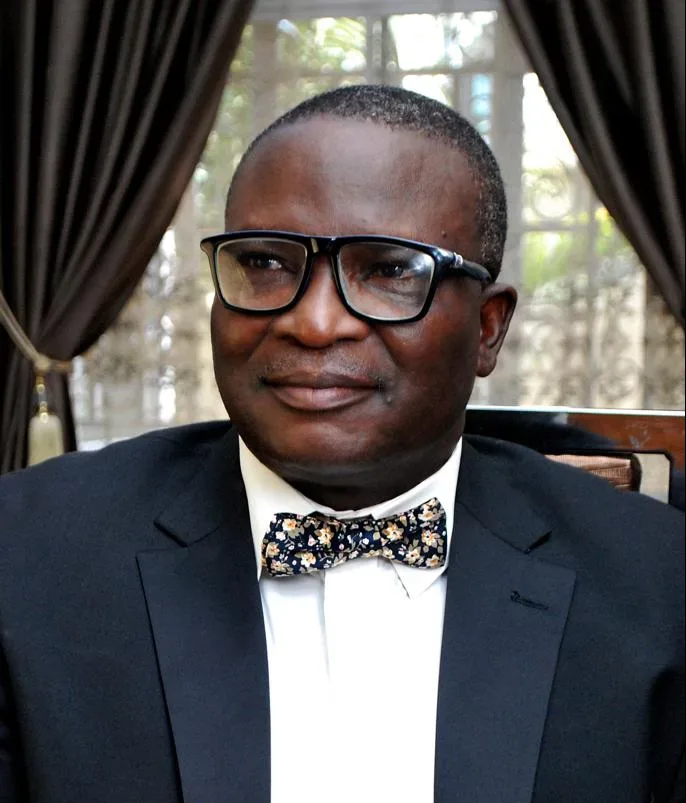
The man charged with leading Nigeria’s fight against corruption allegedly became the latest victim of the very misconduct his office exists to combat after four police officers were accused of extorting ₦53,000 from the Chairman of the Independent Corrupt Practices and Other Related Offences Commission (ICPC), Dr. Musa Aliyu, SAN, at an illegal checkpoint in Abuja.
According to the Federal Capital Territory (FCT) Police Command, the officers—who reportedly had no idea they had stopped the nation’s anti-corruption chief—allegedly forced him to withdraw the money from a nearby Point-of-Sale (POS) operator before sharing the proceeds among themselves.
The extraordinary allegation, disclosed on Monday by the FCT Commissioner of Police, Ahmed Sanusi, has sent fresh shockwaves through the Nigeria Police Force, exposing what the Command says was an organised extortion syndicate operating outside the law.
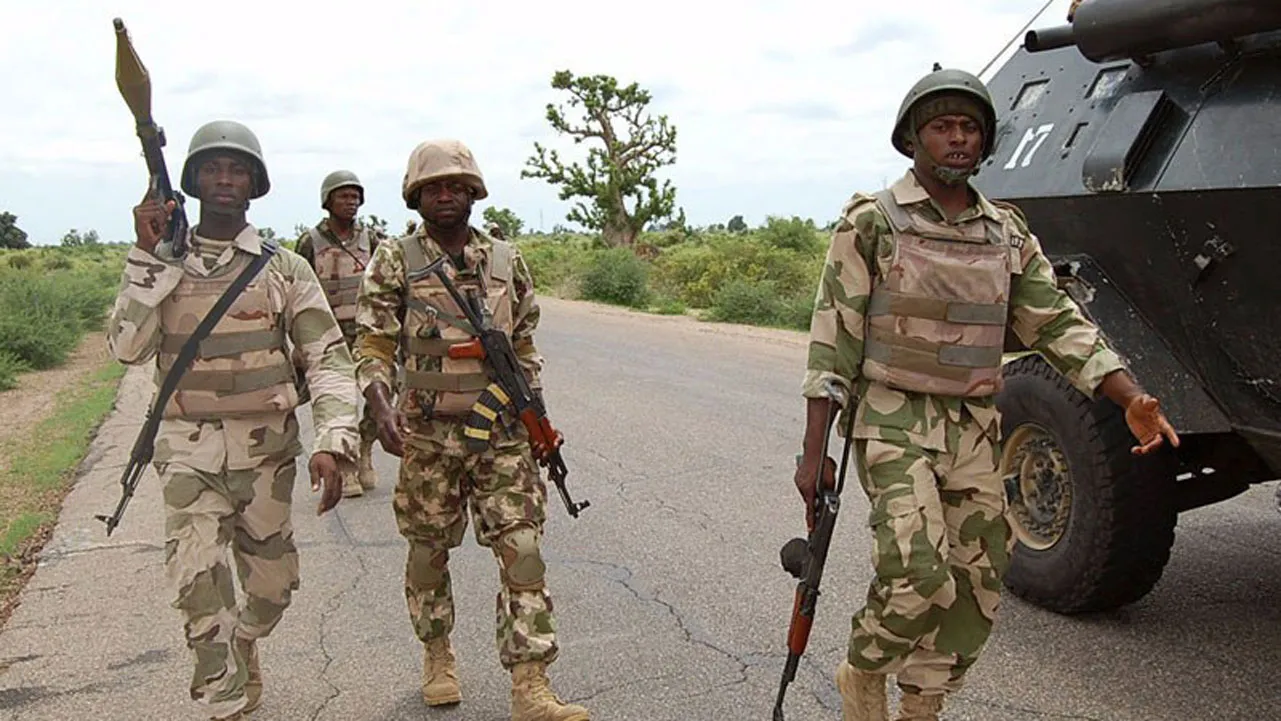
Sanusi said the officers had abandoned their officially assigned duty posts and established an unauthorised stop-and-search checkpoint around the Banex area of Wuse, where they allegedly preyed on motorists and other road users.
“They extorted the Chairman of the ICPC of ₦53,000. They took him to a POS operator, he withdrew the money, paid the transaction charges and they shared the money among themselves,” the Commissioner told journalists.
Investigations, he said, revealed that the officers had effectively transformed themselves into a roadside extortion ring.
Following complaints received by the Command, the suspects were declared wanted before detectives tracked down the alleged leader of the group. Information obtained during interrogation subsequently led investigators to the arrest of the remaining three officers.
“We got all of them. We are going to make sure they are severely punished. Those that are going to be dismissed will definitely be dismissed,” Sanusi said.
The Commissioner described the suspects as “criminals” who had no place in the Nigeria Police Force, insisting that the Command would not shield officers found guilty of extortion, abuse of office or other misconduct.
A Familiar Complaint
The incident has once again cast a spotlight on one of the most persistent complaints against policing in Nigeria—illegal checkpoints and roadside extortion.
Successive Inspectors-General of Police have repeatedly outlawed unauthorised roadblocks, arbitrary stop-and-search operations and the routine inspection of citizens’ mobile phones, yet allegations of extortion by rogue officers continue to surface across the country.
Human rights organisations have long argued that such practices not only violate citizens’ constitutional rights but also erode public confidence in law enforcement and undermine efforts to build a professional, accountable police service.
Reiterating the Force’s position, Sanusi reminded residents that police officers have no legal authority to stop members of the public and demand access to their mobile phones during routine patrols.
“You cannot stop anybody on the road and ask the person to bring out his phone for search. If any policeman stops you and asks to search your phone, don’t agree. Call the police emergency lines and we will ask them why,” he said.
Beyond the Identity of the Victim
That the alleged victim happened to be Nigeria’s anti-corruption chief has amplified public interest in the case.
Yet, beyond the irony lies a more troubling question: If the head of one of Nigeria’s foremost anti-corruption agencies could allegedly be compelled to part with money at an illegal checkpoint in the nation’s capital, what does that suggest about the experience of ordinary citizenswho have neither official status nor institutional visibility?
Legal analysts say the case is likely to reignite calls for stronger internal accountability within the Police Force, stricter enforcement of disciplinary measures against erring officers and renewed efforts to eliminate illegal checkpoints that have, for years, remained a source of public frustration.
For many Nigerians, the alleged extortion of the ICPC Chairman is more than an embarrassing episode. It is a stark reminder that the fight against corruption is not confined to courtrooms and anti-graft agencies; it also begins on the nation’s roads, where the rule of law is too often tested one checkpoint at a time.
LAW & SOCIETY ANALYSIS
When the Anti-Corruption Chief Becomes the Victim
The significance of this case does not lie in the ₦53,000 allegedly collected. It lies in the symbolism.
For years, Nigerians have complained about illegal checkpoints, roadside extortion and arbitrary searches. What often changes is not the conduct itself but the identity of the victim. This time, the alleged victim was the country’s anti-corruption chief.
If the allegations are proved, the incident underscores a deeper institutional challenge: corruption cannot be defeated solely through prosecutions by agencies such as the ICPC or the EFCC. It must also be confronted within law enforcement institutions themselves.
Ultimately, the episode poses an uncomfortable but necessary question: If those entrusted with enforcing the law become its violators, who then protects the ordinary citizen?