In Obubra Local Government Area of Cross River State, maternal anger has boiled over.
Last weekend, hundreds of women, many of them mothers , marched through villages chanting, praying and issuing ultimatums. Their message was blunt: Nigeria’s youth drug crisis has reached breaking point.
Led by schoolteacher and mother of five, Mrs. Caroline Ekpe, the women from Onyen Orangha, Nkum Iyala, Akam, Nyametet, Ababene and surrounding communities declared zero tolerance for hard drug abuse.
“We are mothers and must act now before the situation gets completely out of hand,” Ekpe said. “If the men are looking the other way, the government not concerned, and the churches not bothered, we must show our children the right way before our communities are completely engulfed.”
Their protest reflects something deeper than substance abuse. It reflects despair.
Addiction in the Age of Hopelessness
Across Nigeria, youth unemployment remains stubbornly high. Formal job creation lags population growth. Millions of young Nigerians, graduates and non-graduates alike, face shrinking economic prospects.
Experts say that vacuum is increasingly filled with drugs.
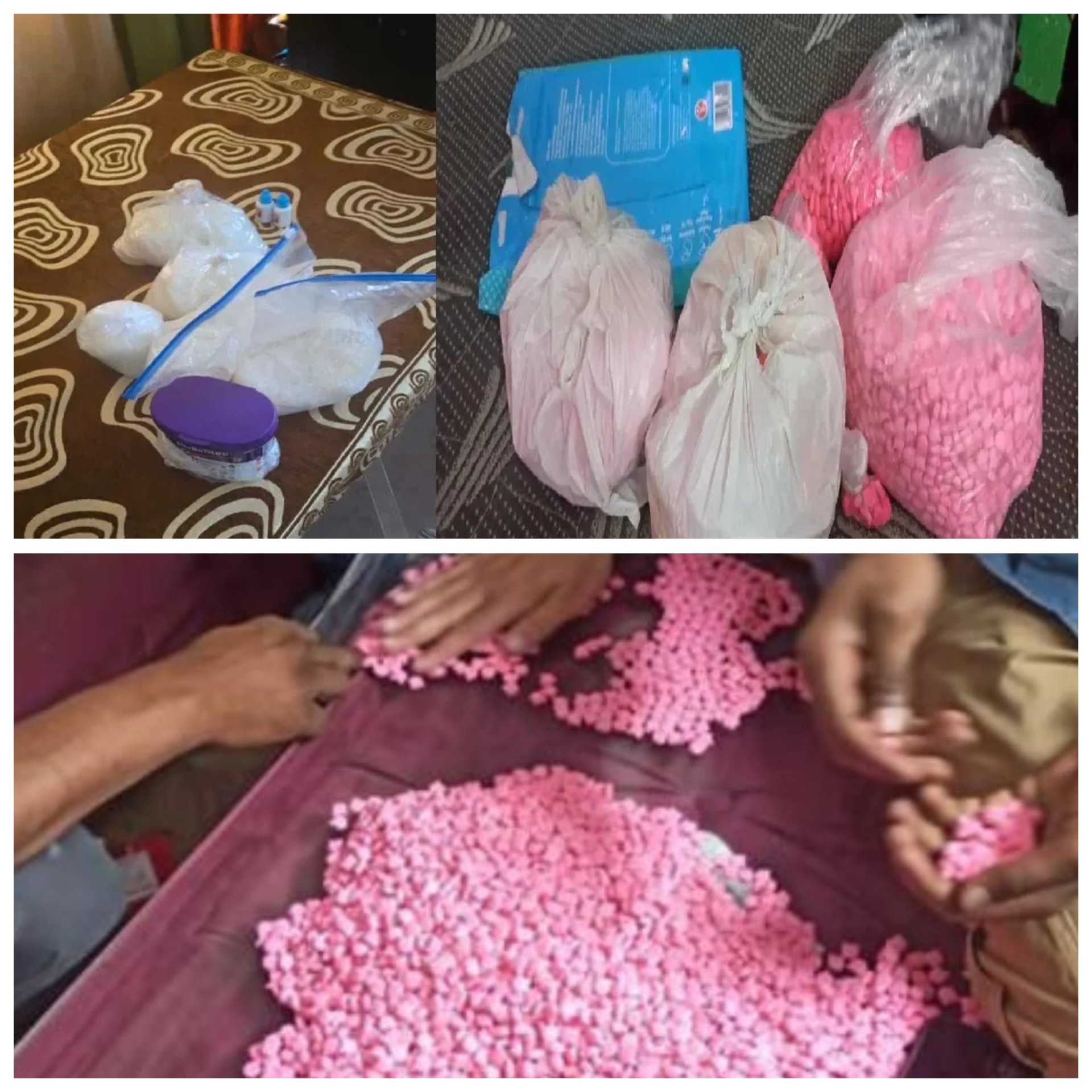
Methamphetamine, locally known as “ice.” Tramadol. Marijuana. Codeine-based cough syrups. Rohypnol. Cocaine. Shisha. Cheap, accessible and widely circulated.
The 2018 National Drug Use Survey by the United Nations Office on Drugs and Crime (UNODC), conducted with the Federal Government, found that one in seven Nigerians between ages 15 and 64 uses drugs, nearly three times the global average.
Since then, medical professionals say, the situation has worsened.
At a September 2025 symposium hosted by Redeemed Christian Church of God (RCCG), Zion Chapel, Lagos, health experts warned that Nigeria risks “losing a generation.”
Dr. Henrietta Igbokwe of the College of Medicine, UNILAG, linked rising addiction to untreated trauma and economic despair.
“Young people experiment to belong. Others use drugs to escape depression, anxiety, or hopelessness caused by lack of opportunities,” she said.
That hopelessness is palpable in towns like Obubra.
Road Crashes, Teen Pregnancies, Mental Breakdown
The protesting women described a social collapse unfolding in real time:
- Motorcycle crashes involving intoxicated youths
- Teenage pregnancies linked to substance abuse
- Violent squabbles and moral breakdown
- Rising mental instability
The women have imposed a ₦500,000 fine on anyone caught selling or using banned substances, with threats of community sanctions and ex-communication.
The traditional ruler, Ohorodo, has endorsed their campaign.
But even the mothers acknowledge that community enforcement alone cannot solve a structural crisis.
Drug Abuse and Political Risk
The alarm is spreading beyond Cross River.
The Aniocha–Oshimili Elders’ Association in Delta State has warned that unemployed, drug-dependent youths could become easy recruits for political violence ahead of the 2027 general elections.
In a statement signed by its leadership, the group cautioned that addiction, joblessness and frustration create fertile ground for:
- Political thuggery
- Criminal recruitment
- Social unrest
- Cultism and armed violence
Retired narcotics officer Dr. Wale Ige noted that drug abuse is strongly linked to kidnapping, armed robbery and domestic violence.
“Until enforcement is tightened, supply will overwhelm control,” he warned.
But enforcement is only half the story.
Governance Gap: Jobs Missing, Trauma Rising
Nigeria’s youth bulge is often described as a demographic advantage. But without jobs, skills and mental health support, it becomes a ticking time bomb.
Mental health services remain underfunded. Public hospitals lack adequate psychiatric care. Counselling services in schools are limited. Rehabilitation centres are overwhelmed.
At the same time, economic pressures mount:
- Inflation erodes purchasing power
- Entry-level jobs remain scarce
- Informal sector earnings are unstable
- Migration routes close
For many young Nigerians, drugs become both escape and self-medication.
An anaesthetist at General Hospital, Gbagada, Dr. Yinka Anifowoshe, described addiction as “a silent destroyer.”
“It forces many students out of school, destroys families emotionally and financially, and erodes national productivity,” he said. “If nothing is done, we risk losing a generation.”
Borders, Supply Chains and Weak Enforcement
Despite official bans, tramadol and codeine circulate widely. Experts cite porous borders and weak regulatory enforcement as key enablers.
They call for:
- Stronger operations by the National Drug Law Enforcement Agency
- Sanctions against complicit officials
- Stricter pharmaceutical regulation
- Border control reform
Yet supply-side crackdowns will falter without addressing demand.
And demand is being driven by something more insidious than peer pressure: economic despair.
Trauma Behind the Addiction
Mental health professionals warn that addiction among Nigerian youths increasingly intersects with depression, anxiety and untreated trauma.
Years of insecurity, unemployment, family instability and social media comparison culture compound psychological strain.
In communities with limited therapy access, drugs become coping mechanisms.
Churches and community groups are stepping in. But faith-based outreach cannot substitute for national policy.
A Generation at Risk
The mothers of Obubra are fighting for their children with fines, songs and village marches.
But their protest raises uncomfortable national questions:
- Where are the large-scale youth employment programmes?
- Where is the investment in vocational training?
- Where is expanded mental health funding?
- Where is coordinated prevention policy?
Drug abuse is not merely a youth issue.
It is a workforce issue.
A security issue.
A governance issue.
An economic issue.
And increasingly, a trauma issue.
As one expert put it: “Saving the youths means saving the future of Nigeria.”
In Obubra, mothers have begun the fight.
The question now is whether policymakers will.