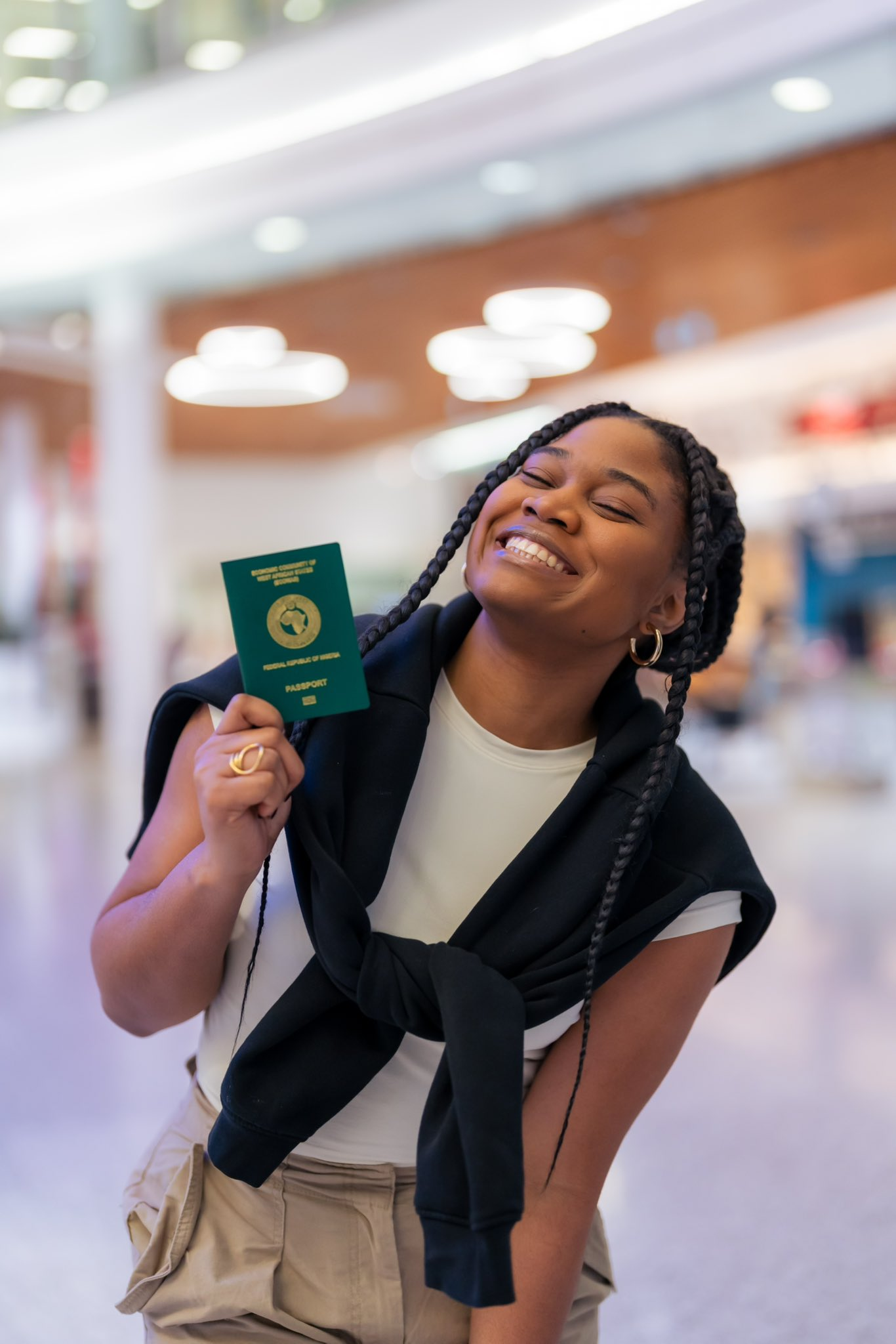
A Nigerian woman has sparked a fierce national conversation about marriage, gender-based violence and personal safety after revealing why she abruptly called off her wedding, less than 24 hours after visiting her fiancé’s family home for a formal introduction.
In a deeply personal account that has since gone viral on social media, the woman said a single night in the household shattered her expectations of marriage and exposed what she described as a dangerous culture of silence around domestic abuse.
According to her, the visit initially appeared uneventful. But late at night, she began hearing disturbing sounds from another part of the house. She soon realised that her fiancé’s father was violently assaulting his wife—an attack she described as severe, degrading and terrifying.
What unsettled her most, she said, was not only the violence itself but the response of those who witnessed it.
The household reportedly includes five children—two married daughters and three sons—yet none intervened. Her fiancé, she said, was among those who remained passive, behaving as though the assault was routine.
When she attempted to express concern, she alleged that her fiancé stopped her, warning her not to interfere. He reportedly dismissed the incident as his mother’s fault, describing her as “stubborn” and prone to exaggeration. That night, she said, her prospective mother-in-law was forced to sleep outside, while the rest of the family treated the episode as normal.
“At that moment, reality hit me,” the woman wrote. “If a man can justify abuse against his own mother, what would stop him from doing the same to his wife?”
By morning, she decided to leave. Upon returning home, she informed her fiancé that he should no longer visit her family and formally ended the engagement. She said she felt no regret, choosing safety, peace of mind and self-respect over societal pressure to proceed with the wedding.
Her story has triggered intense debate online. While many praised her decisiveness and courage, others questioned whether ending the relationship was too extreme—an exchange that has laid bare Nigeria’s ongoing struggle with deeply rooted attitudes toward domestic violence and marriage.
A Wider Pattern—and a Legal Shift
The episode comes amid growing concern over the rise of gender-based violence in Nigeria, where domestic abuse is frequently minimised, justified or treated as a private family matter until it becomes fatal.
In September 2025, an Upper Customary Court in Kafanchan, Kaduna State, issued a landmark ruling reinforcing the idea that leaving a toxic marriage is not only acceptable but necessary when life is at risk.
Delivering judgment in the case between Talatu Williams and Williams Sunday, the court held that parental support for a married child facing violence does not amount to undue interference, especially when the marriage has become life-threatening.
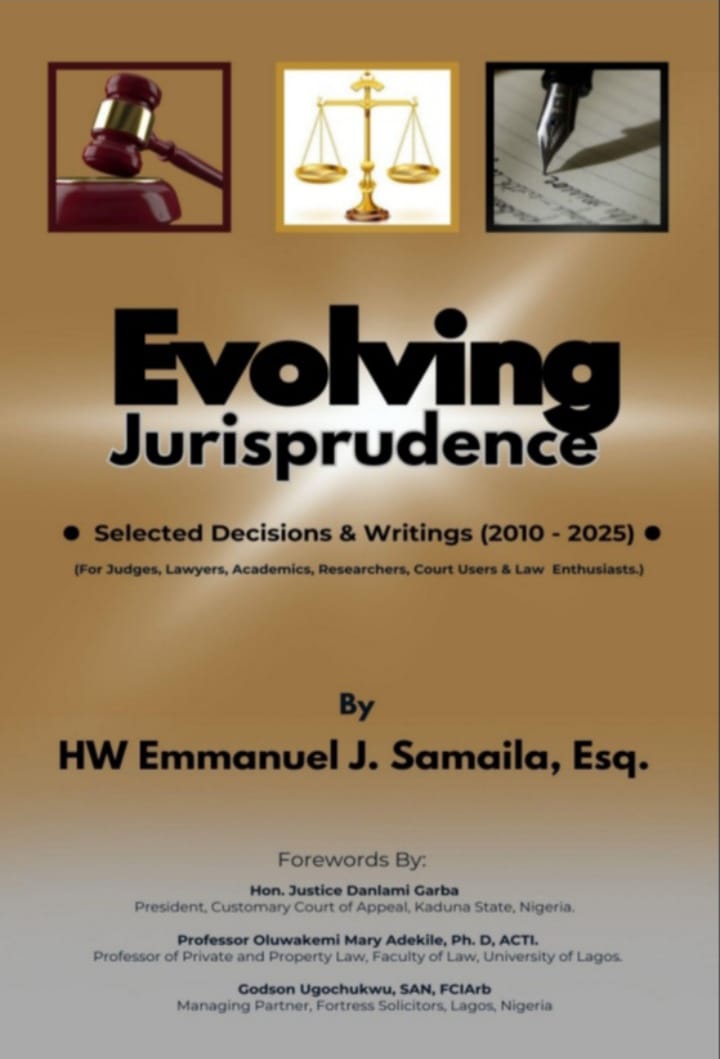
His Worship Emmanuel Samaila commended Talatu’s mother for choosing to receive her daughter back rather than risk her death in a violent marriage that had already left her physically injured and her children emotionally traumatised.
“If a woman is killed in marriage, the husband will remarry,” the judge noted. “But a mother will lose her child forever.”
The court also condemned the failure of the respondent’s parents to intervene despite repeated distress calls, stressing that a daughter-in-law is not a symbolic title but a moral responsibility.
“A deep religious conviction is not a licence to turn a blind eye to domestic violence,” the court ruled, rejecting the use of faith as justification for silence. “The Bible does not justify violence. Marriage is not a licence to treat another adult like a child or a slave.”
In one of the ruling’s most striking passages, the judge emphasised that bride price does not confer ownership.
“The token paid as bride price is not a purchase price,” the court stated. “It does not grant a man the right to brutalise or discard a woman at will.”
Choosing Life Over Social Approval
Taken together, the viral account and the court’s ruling highlight a growing shift, particularly among women, toward redefining marriage not as endurance at all costs, but as a partnership that must be safe, dignified and humane.
For advocates, the message is increasingly clear: walking away alive from a toxic relationship or marriage is not failure—it is wisdom.
As Nigeria grapples with persistent gender-based violence, these stories underscore a hard truth long ignored: silence protects abusers, while survival often begins with the courage to leave.