


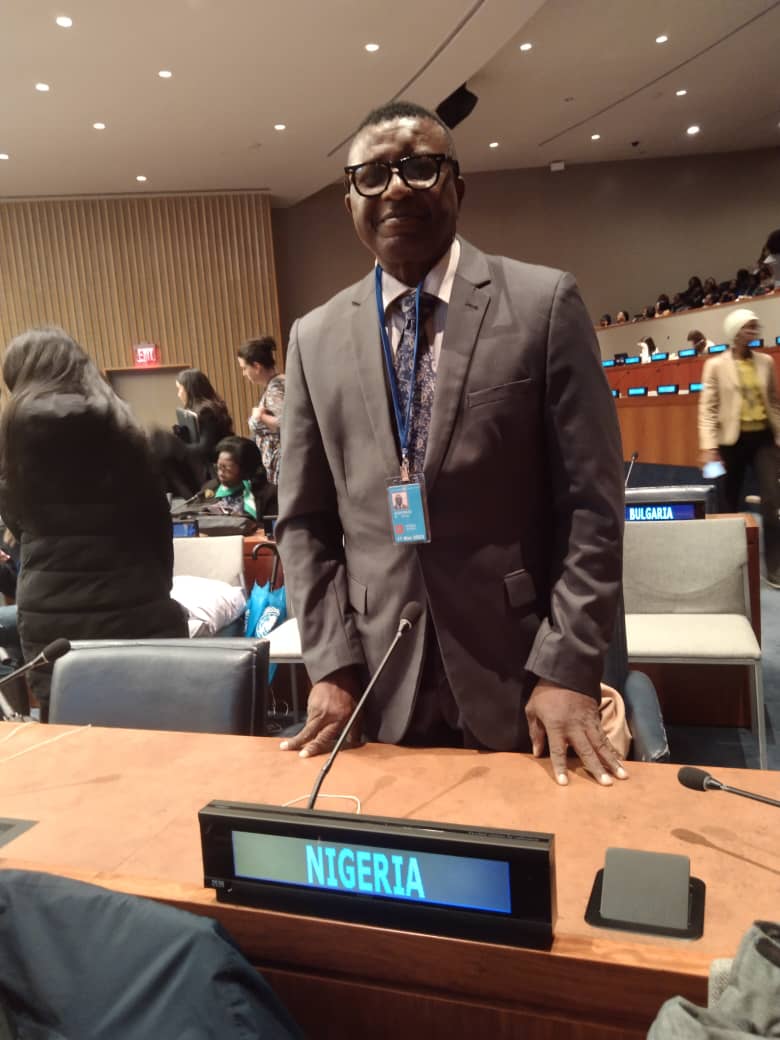
By Sonnie Ekwowusi
The United States has recently implemented new visa restrictions on Nigerian travelers, limiting them to single-entry, three-month visas. Prior to this development, Nigerian citizens could obtain multiple-entry visas valid for up to five years. The United States has also recently stated that pregnant Nigerian women applying for a U.S. visa with the intention of traveling to the U.S. to give birth—so that their babies would automatically acquire American citizenship—will henceforth be denied visas.
Unsurprisingly, the new visa restriction has caused a significant stir in the polity. It is disrupting Nigerian-American and immigrant communities, impacting family visits, business travel, and financial planning. The restriction is also seen as creating unnecessary financial burdens for those who must reapply for visas more frequently.
The move is widely perceived as a retaliatory measure by the U.S. in response to Nigeria’s alleged suspension of the issuance of five-year multiple-entry visas to U.S. citizens, and Nigeria’s refusal to accede to pressure from the Donald Trump administration to accept Venezuelan deportees from the U.S. However, the U.S. Embassy in Nigeria has denied this claim, stating that “visa reciprocity is a continuous process and is subject to review and change at any time, such as increasing or decreasing permitted entries and duration of validity.”
In Canada’s case, the government has raised the minimum financial threshold for applicants seeking to migrate under the Federal Skilled Worker and Federal Skilled Trades programs. Effective July 7, 2025, a single applicant must now demonstrate access to at least CAD $15,263 (roughly ₦17 million), up from the previous requirement of CAD $14,690. For a family of two, the new minimum is CAD $19,001 (about ₦21.2 million). According to Immigration, Refugees and Citizenship Canada (IRCC), applicants must update their Express Entry profiles with the new proof of funds by July 28, 2025, to maintain eligibility. The required amount increases with family size.
As for the United Arab Emirates (UAE), it is now implementing stricter travel conditions for Nigerians, including a ban on transit visas and new restrictions on tourist visas. Specifically, Nigerians aged 18–45 traveling alone are now ineligible for tourist visas, while those aged 45 and above must provide a six-month bank statement with a minimum balance of $10,000 or its naira equivalent. These changes come after the recent resolution of a two-year visa ban on Nigerians.
Meanwhile, contrary to widespread rumors, the United Kingdom has denied recently imposing any visa restrictions on Nigeria. The United Kingdom’s denial of imposing any visa restrictions on Nigeria serves as a timely clarification amidst growing public concern and widespread misinformation
The recent visa restrictions on Nigeria and the increase in the minimum financial threshold for visa applications by Canada are more than symbolic gestures; they should be seen as diplomatic alarm bells—warning shots urging Nigeria to clean up its political and governance systems. While often aimed at pressuring political elites to reform, visa restrictions carry far-reaching consequences that ripple across Nigeria’s economy, diplomatic relations, education sector, and national psyche.
These visa restrictions are, without doubt, most damaging to the Nigerian economy. Nigeria, already grappling with a sluggish economy and high unemployment, cannot afford to be isolated from the global investment community. Visa bans—particularly those tied to allegations of corruption, electoral malpractice, or terrorism—send damaging signals to foreign investors. They portray Nigeria as unstable and untrustworthy, thereby reducing foreign direct investment and slowing economic growth.
Businesses with international links also suffer. Nigerian entrepreneurs and executives are often denied access to global markets, trade shows, or business negotiations abroad. Travel limitations further affect the tourism and hospitality industry, which loses potential revenue from Nigerians seeking to travel and from foreigners wary of engaging with a sanctioned country.
Visa restrictions on Nigeria can isolate the country diplomatically, hinder personal and professional mobility, damage the economy, and increase public frustration—particularly among the youth and educated class. While intended to drive reform or enhance security, they often have collateral consequences that affect ordinary citizens more than the political elite.
Such bans or restrictions may be interpreted as signs of political instability or governance failure, deterring foreign direct investment. Nigerian companies with global operations may struggle to send staff abroad for training, meetings, or negotiations.
Visa restrictions also obstruct academic opportunities abroad. Many Nigerian students rely on international education, particularly in the US, UK, and Canada. These restrictions block access to such institutions. Qualified professionals may lose opportunities to attend conferences, pursue fellowships, or work abroad legally—leading to frustration and, in some cases, illegal migration.
Ultimately, no country can afford to operate in isolation. For Nigeria to thrive in a globalized world, it must uphold democratic principles, strengthen its institutions, and earn back the respect of the international community. Visa restrictions may be temporary, but the damage they cause—if left unaddressed—can be long-lasting.
Therefore, Nigeria should promptly respond to the visa restrictions through a combination of diplomatic efforts, policy adjustments, and public communication. This means not waiting for the restrictions to expire or escalate, but actively initiating dialogue with Washington, Ottawa, and Abu Dhabi. A special envoy or delegation comprising top diplomats, national security experts, and technocrats should engage their counterparts to clarify Nigeria’s position, propose timelines for institutional reforms, and seek mutual understanding and potential policy adjustments.
The visa restrictions may sting, but they are not the end of diplomatic engagement. A mature response lies in engagement, diplomacy, and accountability—not retaliation or blame-shifting. If Nigeria can demonstrate progress and goodwill through diplomatic engagement, the same international partners imposing restrictions today may become allies tomorrow.
Even though the U.S. has denied that the visa restriction is a retaliation for Nigeria’s refusal to accept and accommodate Venezuelan refugees, Nigeria acted properly by not yielding to U.S. pressure. Nigeria is a sovereign and independent country. Therefore, it cannot be pushed around by the U.S. or any other country for that matter.
However, the Tinubu government must strive to end the brewing diplomatic spat between Nigeria and the United States. This diplomatic strain is partly blamed on poor handling and the absence of full-fledged ambassadors in Nigeria. It is unfortunate that Nigeria’s 109 foremost diplomatic offices abroad have remained vacant since President Bola Tinubu recalled all previous ambassadors in September 2023 and has yet to appoint replacements. Diplomats argue that the absence of top-quality representatives in key countries, including the United States, has left Nigeria vulnerable in the arena of international politics and made it difficult to plead her case effectively where it matters most.
Therefore, the government should immediately appoint new ambassadors and diplomats to fill the vacant diplomatic posts abroad. Additionally, it must ensure that these ambassadors and diplomats are paid their salaries promptly. How can a government expect its diplomats—who are supposed to defend the country’s image and interests abroad—to be effective if their salaries are not being paid? Failing to support and defend Nigerians abroad weakens the state’s legitimacy and risks eroding the trust and contributions of the diaspora.
Moreover, Nigeria should actively negotiate with the U.S. to address concerns such as visa overstays and other issues that may have contributed to the restrictions. It should work with the U.S. to establish clear and transparent protocols for the repatriation of individuals who overstay their visas or violate immigration laws.
The Tinubu government should also reassure Nigerian citizens that it is actively working to address the visa issue and minimize its impact on legitimate travel and business. By taking these steps, Nigeria can demonstrate its commitment to addressing the concerns raised by the U.S. and other countries, while safeguarding the interests of its citizens and promoting healthy bilateral relations.
While it may be tempting to retaliate—perhaps by issuing reciprocal visa restrictions—such actions rarely help and often damage bilateral interests. Nigeria must rise above emotional diplomacy and embrace strategic patience. Retaliation should be a last resort, only considered if all diplomatic avenues have been exhausted and discriminatory treatment of Nigerians persists unjustly. Rather than retaliate, Nigeria must look inward and fix the systemic governance failures that triggered the restrictions in the first place.
However, the most urgent task before the Tinubu government is to halt the mass exodus—the growing trend of young and old Nigerians fleeing the country in search of meaningful livelihoods abroad, popularly referred to as the “japa” phenomenon. This mass migration has reached alarming proportions. From skilled professionals to students and entrepreneurs, the country is witnessing a massive brain drain that threatens its future development. While migration is a global reality, the scale and desperation among Nigerians today point to a systemic crisis.
After all, Nigerians are not inherently nomadic. They do not hate their country. They flee because Nigeria has failed to offer them safety, dignity, opportunity, and hope. Many have lost faith not only in the system but in the very idea of “Project Nigeria.” The solution to this crisis lies not in denying desperate Nigerians visas, but in making Nigeria a flourishing country worth living in. The responsibility lies with the government—but also with the private sector, civil society, and all Nigerians committed to rebuilding the nation.
At the heart of the flight is the lack of sustainable livelihoods. If most Nigerians were gainfully employed at home, they would not be fleeing abroad in search of elusive jobs. Therefore, the Tinubu government, private sector, and civil society must prioritize job creation—not just in numbers, but in quality and dignity. This involves investing in industries that can absorb young talent—such as technology, agriculture, renewable energy, and manufacturing; reforming the ease of doing business to support startups and small enterprises; and expanding targeted programs that offer grants or low-interest loans to young entrepreneurs.
Nigerian students are leaving in droves for foreign universities due to a decaying educational system plagued by strikes, outdated curricula, and poor infrastructure. The Tinubu government must fix the education system. To do this, the government must adequately fund and reform public universities and polytechnics. It should introduce tech-driven, 21st-century learning that prepares students for global competition and create pathways linking education and industry to reduce graduate unemployment. A quality, affordable, and globally competitive education system will restore confidence and reduce the “japa” phenomenon.
Many Nigerians fleeing abroad have lost confidence in the Nigerian government. Therefore, the Tinubu government must restore trust in governance and leadership. Nigerians—young and old—are fleeing not just poverty, but hopelessness. They see a system rigged against them—where corruption is rewarded, justice is delayed, and merit is irrelevant. Nigeria must reform its political processes to promote merit and ensure electoral credibility. The government must end impunity for corruption, hold public officials accountable, and build transparent institutions that serve the people—not just political elites.
Insecurity—ranging from terrorism and banditry to kidnappings and police brutality—is also driving people out of the country. The Tinubu government must recognize that it is the constitutional responsibility of the federal government to tackle insecurity. This duty cannot be outsourced or improvised with propaganda to create a false impression of progress. A government that cannot protect its citizens is, by all standards, a failed government.
When the daily struggle for survival does not ease, emigration becomes inevitable. That is why the government must make Nigeria a livable country. Basic services—such as stable electricity, affordable primary healthcare, and functional transportation—are essential to keeping Nigerian citizens at home.
Until we create a country where the average Nigerian can dream, thrive, and be free, the exodus will continue unabated. Therefore, the government must prioritize the welfare of its citizens, starting with those living at home. It must foster national pride and cultural confidence so that Nigerians believe they can succeed within their own country—not only abroad. When ordinary Nigerians believe in their country’s political leadership, they will fight to fix it—not flee from it.
CONCLUDED
The views expressed by contributors are strictly personal and not of Law & Society Magazine.



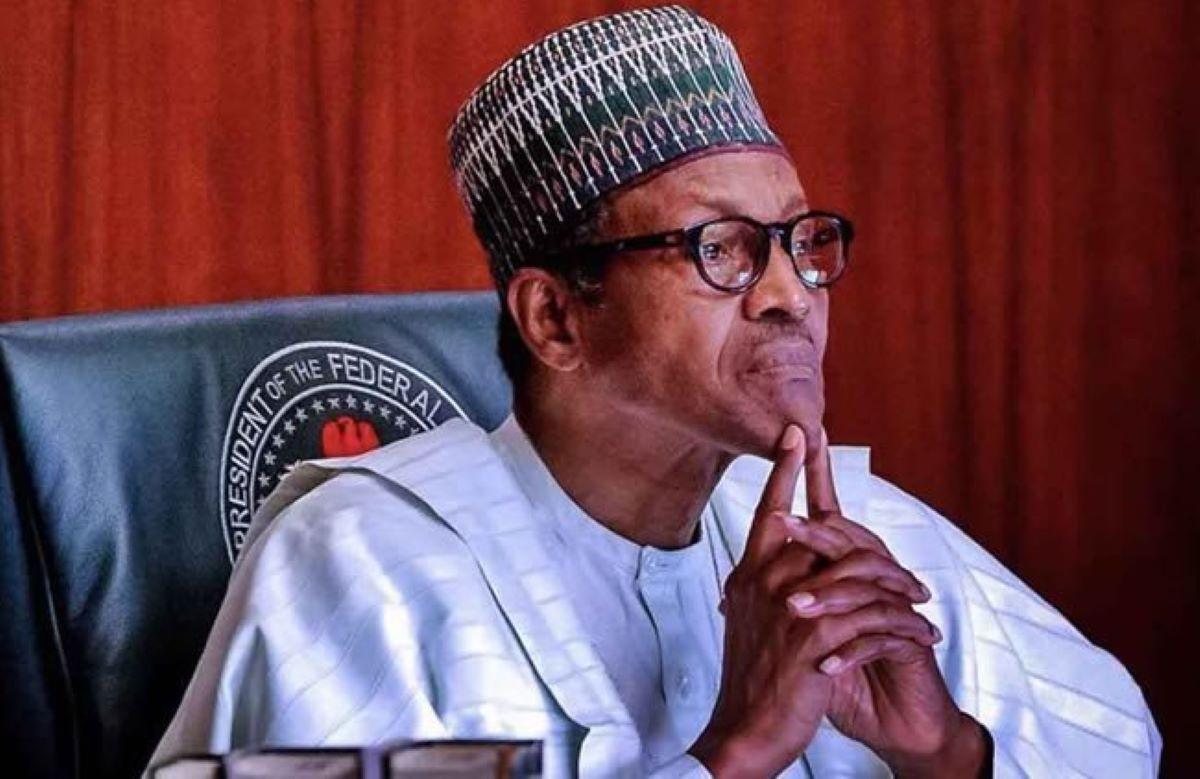


The mass exodus of Nigerians is not just about visa bans—it is a loud protest against decades of failed leadership. Until governance becomes people-centered, our brightest minds will keep seeking dignity elsewhere