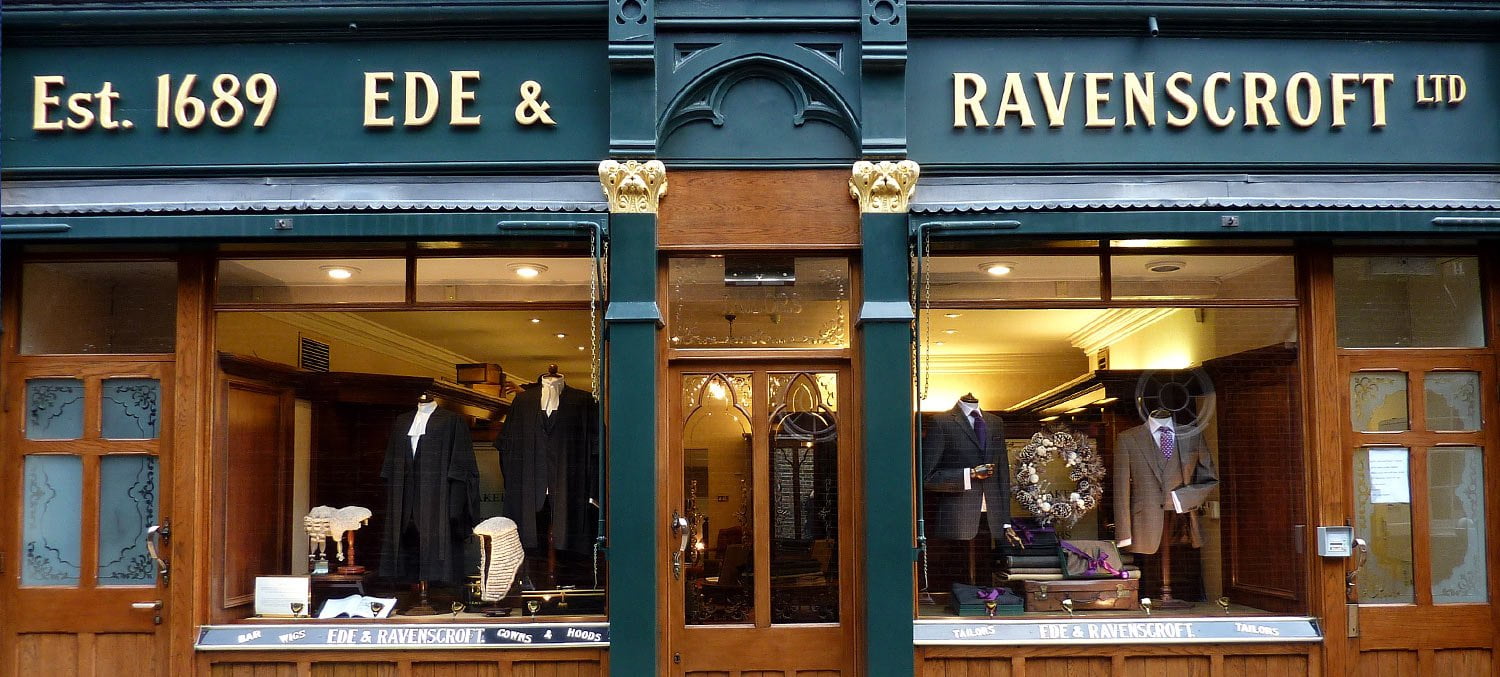
In a discreet corner of London, a centuries-old tradition endures—one strand of horsehair at a time. Beneath the historic storefront of Ede and Ravenscroft, the city’s oldest tailor, artisans continue to craft the wigs that have defined Britain’s legal identity for more than 300 years.
Founded in 1689, Ede and Ravenscroft remains the primary supplier of wigs for barristers, judges and ceremonial occasions. Hidden below street level is the wig room, where each piece is still made largely by hand, following methods that have changed little since the early days of the English courts.
“These aren’t costumes,” Christopher Allan, court and ceremonial manager at Ede and Ravenscroft, told Newsweek. “The legal profession today dresses much the same way it did several hundred years ago.” The system, he explained, is built on hierarchy, symbolism and continuity—values reflected in the wigs themselves.
There are three primary types. Barristers wear the simplest design in open court. Judges don a more elaborate version, while the full-bottom wig—long, flowing and unmistakable—is reserved for ceremonial and state occasions. Each style serves a distinct role, and each requires weeks of painstaking labour.
A standard barrister’s wig takes around three weeks to complete. A full-bottom ceremonial wig can take up to two months. All are made from carefully treated horsehair, which is colour-graded to avoid an unnaturally bright appearance. New barristers often request wigs that appear slightly aged, a subtle way of avoiding any visual suggestion of inexperience.
Beyond tradition, the wigs serve a functional purpose. Andrew Eborn, a barrister since 1985, said there are three reasons they remain essential: to preserve the solemnity of court proceedings, to maintain continuity with the past and, critically, to provide anonymity.
“The wig acts like a uniform,” Eborn explained. “It removes individuality. In court, you are not there as yourself—you are there as a representative of the law.” He likened putting on the wig to “a knight donning his armour.”
For many barristers, that moment marks a rite of passage. After years of training and study, the wig signals a psychological shift—from student to advocate, from observer to defender. Despite broader changes in society and the legal profession, that symbolism has endured.
To outsiders, the practice may seem antiquated, even theatrical. But within the justice system, the wigs remain powerful markers of responsibility and restraint. In an age of fast fashion and digital disruption, their continued use reflects a deep reverence for legal heritage.
From powdered horsehair to polished legal arguments, Britain’s courtroom wigs continue to bridge past and present—an enduring symbol of authority, anonymity and tradition in modern law.