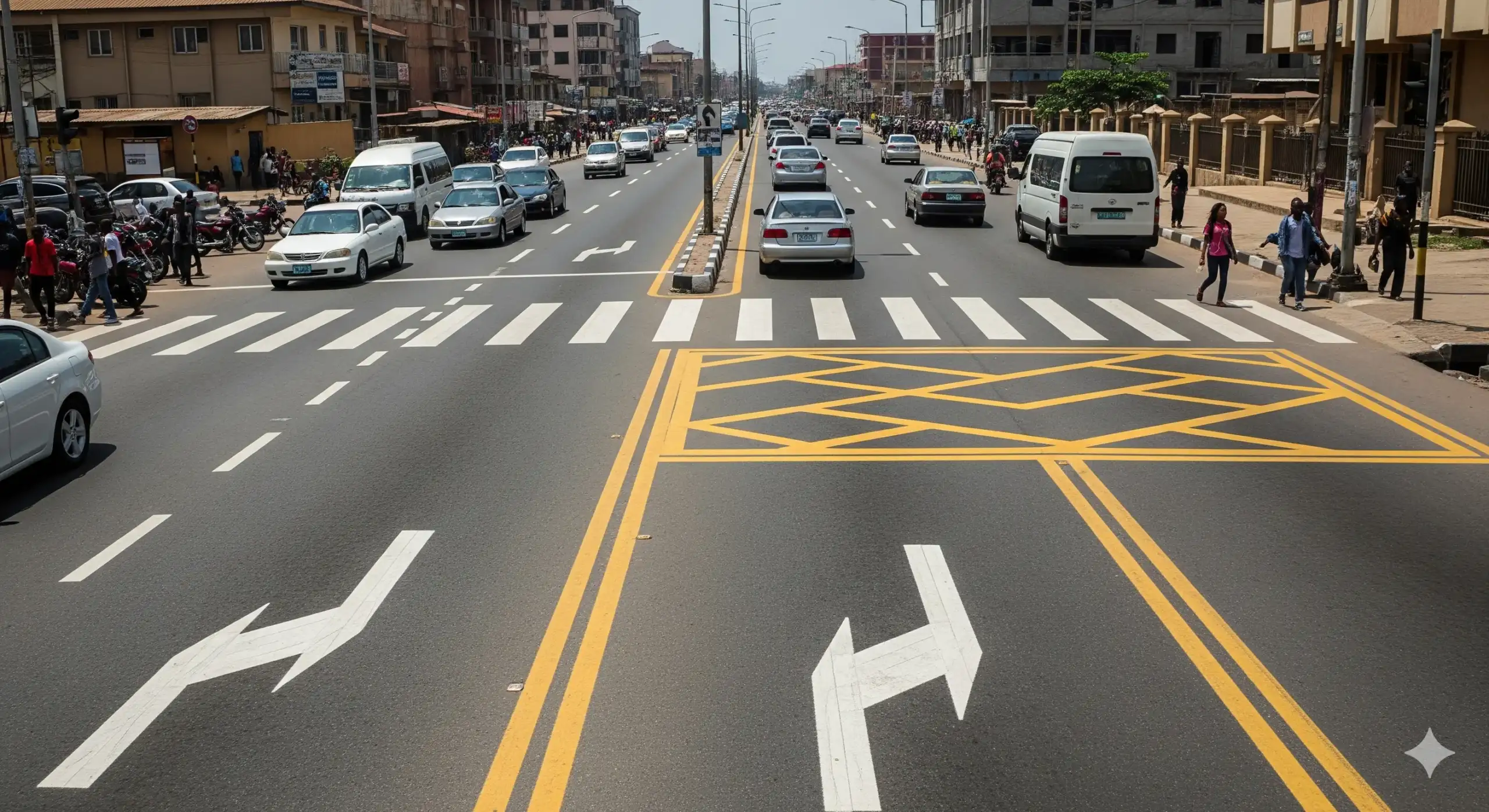
Across Nigeria today, one of the most persistent yet least-discussed challenges threatening public safety is the growing disregard for traffic rules. From major highways to inner-city roads, a disturbing culture of carelessness has taken root—fuelled not only by motorists’ indiscipline but also by the disappearance of essential road signs and markings that should guide responsible road use.
This combination—citizen negligence and institutional neglect—has created a silent national crisis. Road Signs: The Missing Language of Our Highways
Traffic signs are the basic language of any functional road network. They tell drivers where to stop, slow down, give way, cross carefully, or expect hazards. Yet across Nigeria, these safety markers have largely vanished.
It is now common to find:
- Zebra crossings without visible stripes, faded or never repainted for years, leave pedestrians to gamble with their lives.
- Speed bump warning signs are completely absent, causing motorists to slam unexpectedly into bumps, sometimes leading to accidents.
- Missing “Children Crossing” signs, especially near schools, creates dangerous conditions for pupils.
- Damaged or uprooted road signs are left unreplaced for months or years.
- Non-existent traffic lights at critical junctions, or lights that function randomly like seasonal decorations.
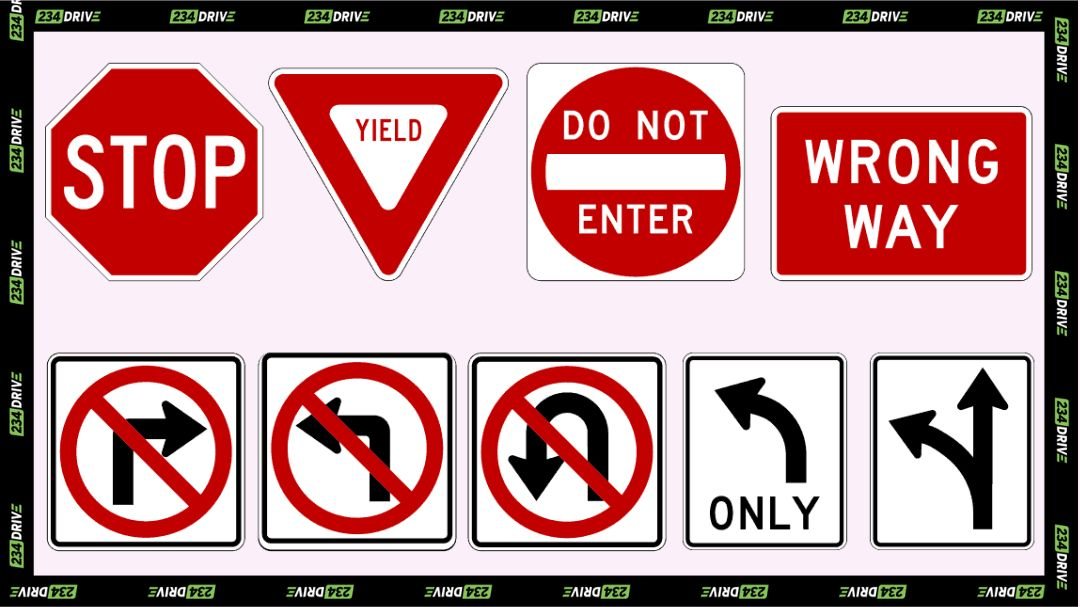
Our roads have become wordless spaces—highways without instructions—and yet we expect drivers and pedestrians to magically conform to rules they can no longer see.
When Citizens Become Victims of System Failure
It is easy to blame Nigerians for recklessness on the road—and indeed, many motorists display shocking impatience, speed, and disregard for rules. But the truth is more complex: you cannot obey a sign that does not exist.
A driver approaching a village at night with no speed-limit sign, no reflective road markings, and no bump warning is being asked to drive safely with half the required information. Pedestrians at a zebra crossing that has faded into the asphalt cannot be sure cars will stop because the motorist often does not see any crossing at all.
This infrastructural neglect feeds indiscipline. When the physical environment does not promote order, chaos becomes the default.
The Human Cost: Accidents That Should Never Happen
Road traffic accidents remain one of the leading causes of death in Nigeria. The Federal Road Safety Corps (FRSC) has repeatedly noted that preventable crashes—those caused by speeding, poor visibility, and lack of proper signs—account for a significant number of fatalities.
Some everyday tragedies include:
- Motorists crashing into unpainted speed bumps.
- Pedestrians knocked down while using an unmarked zebra crossing.
- Cars veering off poorly marked roads at night.
- Children injured near schools without appropriate signage.
These are not accidents. They are consequences of systemic failure.
Two Problems, One Crisis: Indiscipline + Neglect
Nigeria’s traffic problem is a two-way street:
- Government failure to maintain road signage and markings
- Public disregard for traffic rules—even where signs exist
Even when road signs are present, many drivers behave as if they are optional suggestions. Some refuse to wait at pedestrian crossings. Others treat traffic lights as decorations. Motorcyclists and tricycles weave through lanes as though the rules do not apply to them.
But the absence of signs has worsened the culture of disregard because it removes the daily reminders that shape responsible behaviour. In countries with high road discipline, signs are not merely decorative—they are constant reinforcements of the law.
Rebuilding Order: What Must Be Done
To address this national problem, a comprehensive approach is needed:
1. Restore and Maintain Road Infrastructure
- Repaint Zebra crossings across cities and highways.
- Replace missing road signs and install reflective signage.
- Introduce solar-powered traffic lights, especially at busy junctions.
- Mark speed limits clearly and consistently.
2. Enforce Traffic Laws More Strictly
FRSC and state traffic agencies must enforce compliance without fear or favour. Discipline grows where consequences are certain.
3. Public Education and Civic Training
Nigerians must be taught—through campaigns, schools, and media—that road signs are not suggestions; they are life-saving tools. Pedestrians, too, must understand their rights and responsibilities.
4. Community Ownership of Road Assets
Local communities should be empowered to report missing signs, vandalised infrastructure, and dangerous road conditions quickly.
Conclusion: Our Roads Reflect Our Values
A nation that cannot maintain simple road signs is revealing something deeper—an erosion of civic responsibility, institutional efficiency, and respect for life.
If Nigeria is to reduce road accidents, protect pedestrians, and restore order, then both government and citizens must act. Repainting a zebra crossing may seem a small task, but to a child crossing the road on a school morning, it could be the difference between safety and tragedy.
Traffic rules are not about control—they are about preserving life. And until both the people and the authorities begin to treat them as such, the roads will remain one of the most dangerous places to be in Nigeria.
Hon. Justice Ibrahim S. Galadima is a judge of the National Industrial Court of Nigeria (NICN), Jos Judicial Division.