Berida Irawo suffered life-threatening burns after police say her husband poured petrol on her and set her ablaze. Days later, she is asking that he be forgiven—a heartbreaking pattern experts say is all too common in domestic violence cases.
The decision by a Kogi woman to plead for the release of the husband accused of setting her on fire has rekindled debate about one of the least understood aspects of domestic violence: Why victims of extreme abuse often become their alleged attackers’ strongest defenders.
Mrs. Berida Irawo, who remains hospitalised after suffering severe burns in what police describe as an attempted homicide, has reportedly appealed for forgiveness for her husband, Jacob Irawo, despite allegations that he deliberately doused her with petrol and set her ablaze during a domestic dispute.
Her plea, confirmed after a visit by cleric John Esiga Abu, has surprised many Nigerians. For professionals who work with survivors of domestic abuse, however, it is a tragically familiar response.
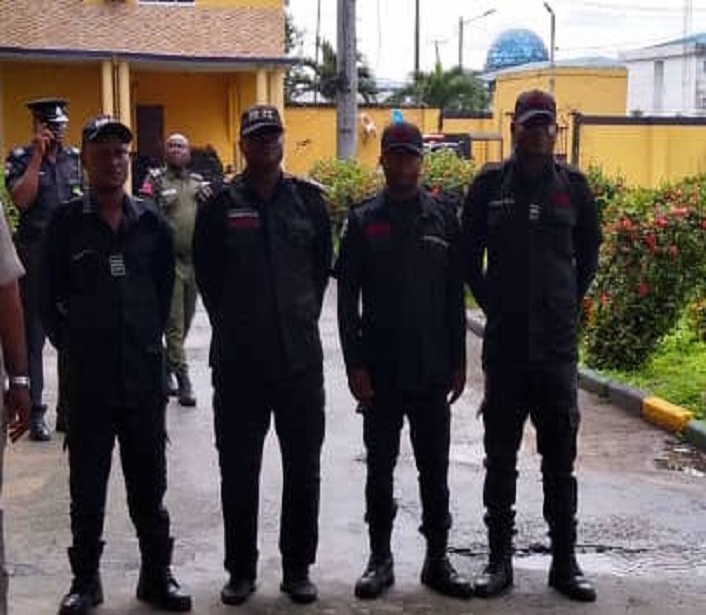
The Kogi State Police Command arrested Jacob Irawo following the incident, which occurred on August 14 at Oworo Estate in the Felele area of Lokoja.
According to police, preliminary investigations indicate that an argument broke out after Mrs. Irawo allegedly disposed of some of her husband’s clothes, believing he no longer needed them.
Investigators say the disagreement escalated dramatically. The suspect allegedly threatened his wife, retrieved petrol from his motorcycle and set her on fire.
He was subsequently arrested and is being investigated for alleged attempted culpable homicide.
During a visit to the hospital on Tuesday, Pastor John Esiga Abu disclosed that the victim had appealed for mercy.
He also dismissed widespread claims circulating on social media that the suspect is a pastor, clarifying that he is a schoolteacher and an ordinary member of his church.
According to Abu, Mrs. Irawo has responded well to treatment and is expected to be discharged in the coming days.
He added that, in his view, the suspect should undergo psychiatric evaluation and rehabilitation before any consideration of forgiveness, while recommending that the couple live apart for the time being.
His comments have generated widespread discussion online, but the victim’s appeal has drawn even greater attention because it reflects a pattern repeatedly documented in domestic violence cases.
For many survivors, leaving an abusive relationship—or supporting the prosecution of an abusive partner—is rarely straightforward.
Psychologists describe a range of factors that may influence such decisions, including trauma bonding, fear of retaliation, financial dependence, concern for children, emotional attachment, religious convictions, family pressure and the hope that the abuse will not happen again. These dynamics can make victims reluctant to cooperate with investigators even after life-threatening assaults.
Women’s rights advocates in Nigeria say the problem is compounded by social expectations that encourage women to preserve marriages at almost any cost, even where their safety is at risk.

The consequences extend beyond individual families.
Prosecutors handling domestic violence cases have frequently complained that victims later withdraw complaints, refuse to testify or ask that charges be dropped. Those decisions, while deeply personal, can complicate criminal proceedings, particularly where prosecutions depend heavily on a victim’s evidence.
Legal experts, however, note that offences involving attempted murder or grievous bodily harm are crimes against the State, not merely private disputes between spouses. As a result, prosecutors may proceed with charges where sufficient independent evidence exists, even if a victim later asks that the suspect be forgiven.
That principle has become increasingly important as Nigeria seeks to strengthen its response to gender-based violence.
Campaigners argue that treating serious domestic abuse as a private family matter has, for decades, enabled cycles of violence to continue behind closed doors. They contend that meaningful accountability requires investigations to proceed on the strength of available evidence rather than solely on whether traumatised victims are willing—or able—to pursue prosecution.
The Kogi case has once again brought that difficult reality into public view.
For many observers, the question is no longer simply why a woman would forgive a man accused of setting her on fire. The more difficult question is whether Nigeria’s justice system is equipped to protect victims whose first instinct, even after surviving extreme violence, is to shield the very person accused of inflicting it.