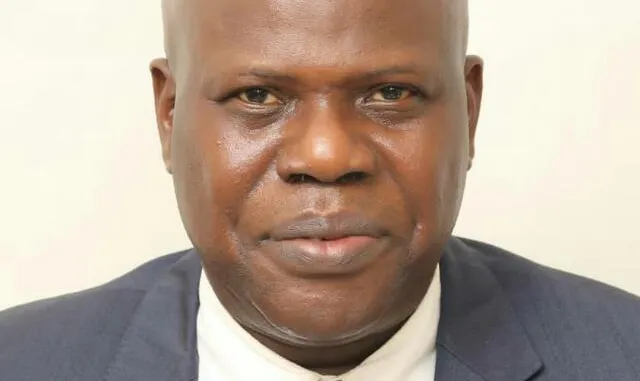
By Citizen Richard Odusanya
Let me begin by clarifying: I am not anti-capitalist. In its classical sense, capitalism is one
of humanity’s most remarkable inventions. Long before modern markets, people were
exchanging shells and goods as early as 8,000 BCE. This simple act of trade became the
seed of civilization’s growth. Properly harnessed, capitalism has lifted billions out of
poverty, rewarded creativity, and driven the greatest technological progress in human
history. In its purest form, it is a system of productive freedom—a beautiful engine for
human advancement.
However, what we are running today is no longer that noble system. It has mutated into
a deadly, devilish form of capitalism—one that devours rather than develops. This version
prioritizes greed over growth, speculation over service, and profit over people. It
commodifies everything, even human dignity. It thrives on inequality, exploitation, and
environmental depletion, creating a society where the rich weaponize opportunity while
the poor inherit despair.
The late John Nash, the Princeton mathematician and Nobel laureate, offered an
important insight that exposes this flaw. His theory—depicted in the film A Beautiful
Mind—proved that if each person pursues only their self-interest without regard for the
collective good, society ultimately regresses. Sustainable prosperity requires mutual
benefit, not ruthless competition.
Sadly, across sectors—from politics to banking, education to governance—we have
enthroned a warped form of capitalism that rewards corner-cutting and punishes
conscience. At this juncture, we appeal to all leaders at all levels in these and every other
sector of endeavour, to think of society against self as a precondition for the growth and
development of our dear motherland, Nigeria.
Ours is not a free market; it is a captured market, where connections trump competence and short-term profit eclipses long-term vision. Regardless of who is in government, we must understand that Nigeria is not like the societies we reference in our conversations, and Nigerians are not Europeans, Americans or Asians; we are unique in our ways, and our approach to economics and its realities must reflect our character. Our laws must be modified beyond what obtains in the East or West to change our mindset, reconfigure our brand of capitalism and release our arrested progress.
We thus assert that the call for reform must go beyond economic models to moral
renewal. We must humanise capitalism again—tie enterprise to empathy, profit to
purpose, and success to service. Until we do, what we are running is not an economy but
a machine of moral erosion, driven by brilliance but blinded by greed.
Odusanya is a Public Affairs Enthusiast and Good Governance Advocate
[email protected]
The views expressed by contributors are strictly personal and not of Law & Society Magazine.