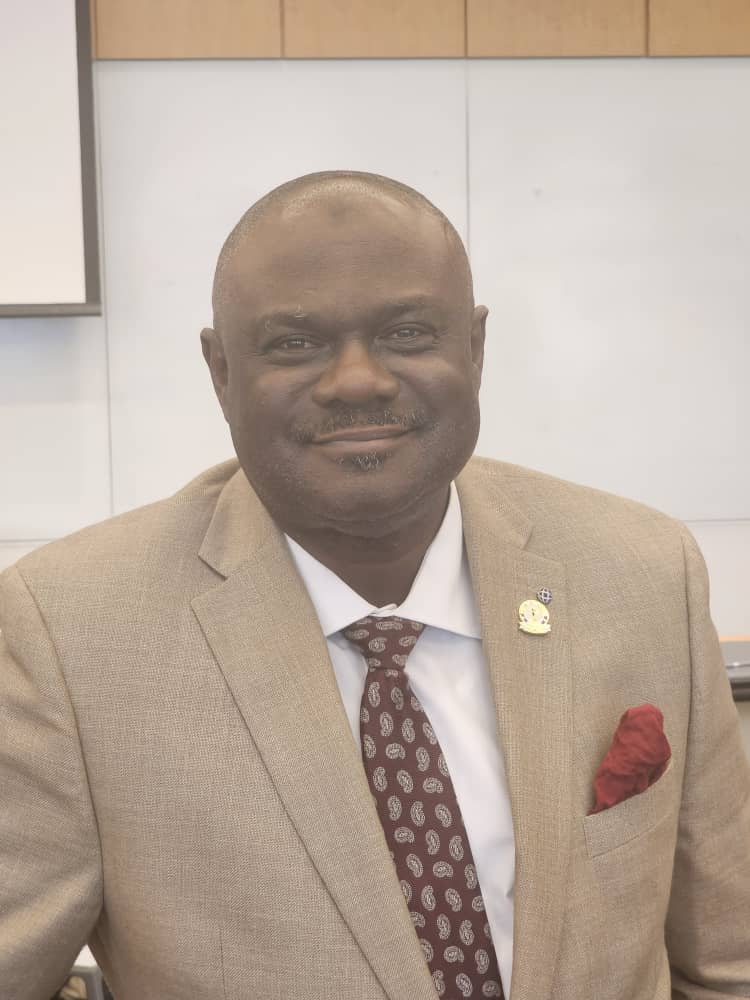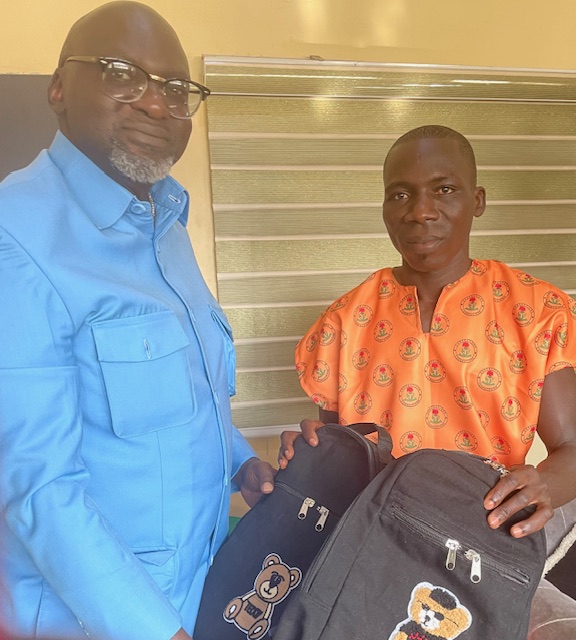
Sunday Jackson, one of Nigeria’s most prominent death row inmates, has broken his silence after Adamawa State Governor Ahmadu Umaru Fintiri exercised his prerogative of mercy in his case, ending what supporters describe as one of the gravest miscarriages of justice in the country’s history.
In a message shared with supporters around the world, Jackson expressed gratitude to his family, faith community, and an international network of advocates who campaigned for his freedom.
“I am also grateful. I thank my parents and my children, and I encourage them to continue praying,” Jackson said. “By God’s will, relief is on the way. I sincerely appreciate the prayers of the general public who wish to see me regain my freedom.”
He added that the support he received extended far beyond Nigeria. “People all over the world have stood by me…not only from Nigeria, but from outside the country, where many have spoken strongly about my case. May God bless them all and grant all their good wishes.”
‘A Symbol of Everything Wrong With Nigeria’
Jackson’s legal counsel and international human rights advocate, Emmanuel Ogebe, Esq., welcomed the pardon, describing it as the end of a long-running injustice.
“I received with elation the delightful news that Governor Fintiri exercised his prerogative of mercy in favour of my death row client Sunday Jackson,” Ogebe said, calling the case “one of the worst miscarriages of justice in Nigerian history.”
According to Ogebe, Jackson—who spent 11 years on death row—became “the most famous Nigerian on death row” and a symbol of systemic failure.
“A country that cannot protect its citizens from mass murder condemned to death a citizen who protected himself from murder,” he said.
International Pressure and Unlikely Forgiveness
Ogebe acknowledged the role played by Nigerian authorities as well as the U.S. and UK governments, which raised concerns over the case, alongside traditional leaders, including the Hama Bachama, who intervened.
He also paid tribute to Ardo Bawuro, father of the deceased herdsman involved in the original incident, for what he described as “forgiveness, graciousness, and magnanimity.”
Ogebe said Bawuro’s conduct should be publicly recognized for challenging harmful stereotypes and promoting reconciliation.
A Life Lost to the System
Despite the pardon, Ogebe stressed that clemency alone does not undo the damage done.
“Jackson should never have spent a day in prison, much less 11 years,” he said.
During his incarceration, Jackson lost his home in a violent attack, lost his marriage, and missed more than a decade of his daughter’s life—learning of her existence only when she was six years old.
“She lost having a father for all her life,” Ogebe said.
Calls for Legal Reform and Compensation
Supporters argue that Jackson’s release must mark the beginning—not the end—of reform.
Ogebe called on the Supreme Court to revisit the judgment that upheld Jackson’s conviction, saying it set a “dangerous precedent” that undermines natural justice and the right to self-defense.
He also urged the National Assembly to amend Nigeria’s laws to clearly define self-defense and prevent similar cases, and demanded compensation for Jackson’s years of wrongful incarceration.
“The state saved him from death at the hands of the state,” Ogebe said. “But justice demands more.”
‘God Have Mercy on Nigeria’
As celebrations over the pardon continue, the case has reignited national debate over Nigeria’s criminal justice system, the death penalty, and the protection of citizens in a country plagued by violent insecurity.
“God bless Adamawa State,” Ogebe said in closing. “And God have mercy on Nigeria.”