By Ladidi Sabo
Nigeria’s worsening economic crisis is pushing thousands of families into a painful dilemma: sending their children to public schools that lack even the most basic facilities or withdrawing them from education altogether.
Across the country, parents who once struggled to keep their children in private schools are now transferring them to public institutions, not because they believe the schools offer better learning conditions, but because the country’s spiralling cost of living has left them with little choice.
The shift is flooding already overstretched government schools with new students, exposing deep structural failures in Nigeria’s education system.
Private School Exodus
Parents and education stakeholders say rising transportation costs, inflation, and the ripple effects of economic reforms have made private school tuition unaffordable for many households.
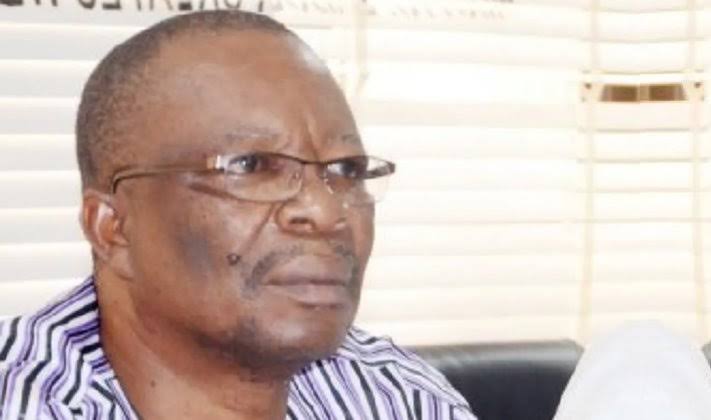
Education manager Mr. Alake Ayo said the cost of schooling has become unbearable for average Nigerian families.
“Tuition fees have increased even for families that could afford them before, while living expenses have surged fourfold,” he said.
“Many parents simply cannot keep their children in private schools anymore.”
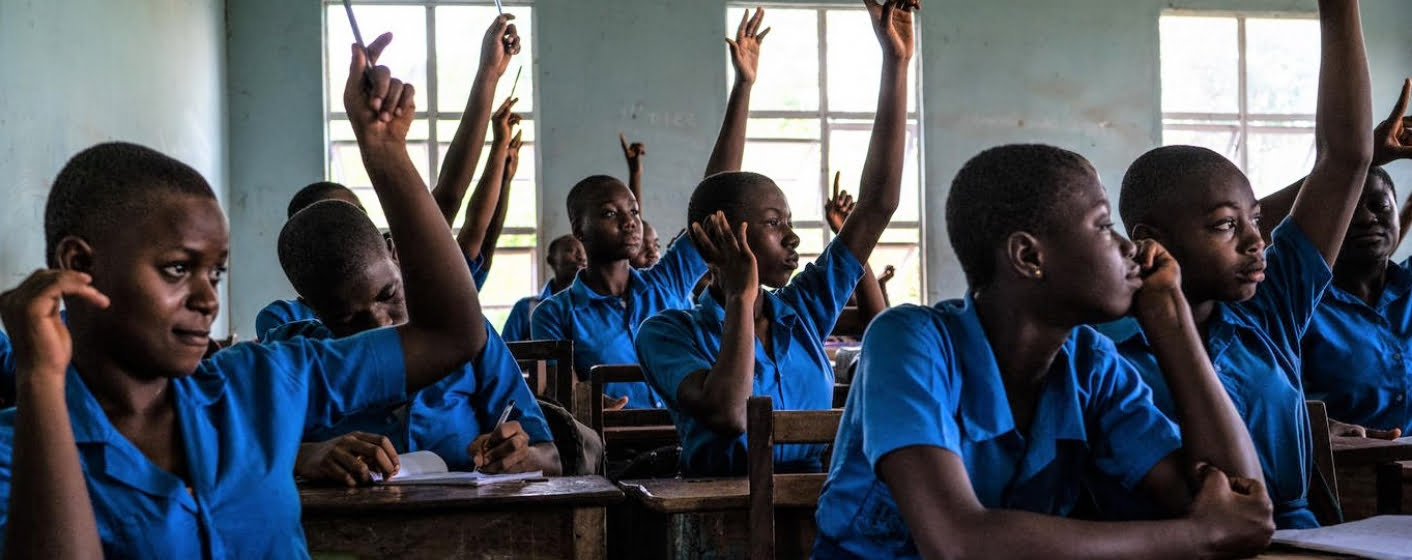
As a result, thousands of students are leaving private schools and moving into public institutions that were already struggling with inadequate infrastructure and poor funding.
Education analysts estimate that millions of Nigerian students have dropped out of school in recent years, while many others are being pushed into the public education system as the only affordable option left.
Public Schools Buckling Under Pressure
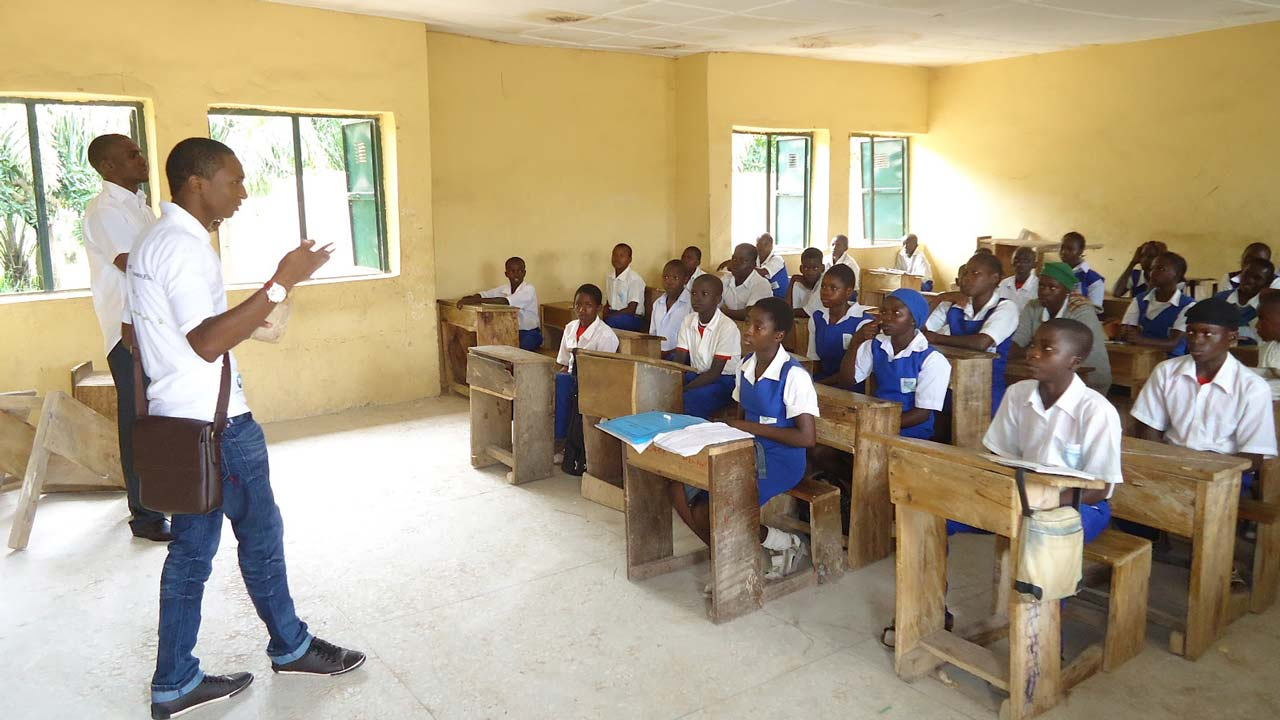
The sudden influx of students is overwhelming government schools that already lack sufficient classrooms, teachers, and learning materials.
In some cases, classrooms designed for fewer than forty students now accommodate more than one hundred.
A teacher in a public school in Iba, Lagos, who spoke anonymously, described the situation as unsustainable.
“Even though we are already in the second term, parents are still bringing their children for admission,” the teacher said.
“Some classes now have over a hundred pupils.”
Such overcrowding is worsening long-standing problems in public schools, where dilapidated classrooms, broken furniture, poor sanitation and shortages of teachers are common.
Critics say the situation reflects years of weak governance and chronic underinvestment in Nigeria’s education sector.
Families Forced Into Difficult Choices
For many parents, transferring their children to public schools is not a preferred option but a survival strategy.
Books, uniforms, transportation and other associated costs have also risen sharply, leaving families struggling to keep their children in any form of schooling.
Some parents have gone further, pulling their children out of school entirely and sending them into informal work to support household income.
In Okokomaiko, Lagos, residents say children as young as seven are now seeking work in local factories and small businesses.
One concerned parent described scenes of children lining up outside a popular sachet-water factory in search of daily-paid jobs.
“Some parents even bring their children themselves to beg for work,” the parent said.
“They believe the small money earned each day will help the family survive.”
Schools Struggling to Stay Afloat
The economic downturn is also affecting the ability of schools to operate effectively.
School administrator Miss Akwa Ugo said the crisis is destabilising school management.
“Students keep leaving because their parents cannot pay fees,” she explained.
“Teachers are also quitting because salaries no longer cover basic living expenses.”
According to social commentator Mr. Stanley Uzo, the imbalance between school fees and teacher wages highlights the structural problems within the education sector.
“Teachers are building the future while being compensated as if they belong to the past,” he said.
Even Public Technical Schools Becoming Expensive
In some parts of the country, even government-owned institutions are becoming financially inaccessible.
Education advocate Mr. Alex Onyia pointed to technical schools in Enugu State where fees reportedly exceed ₦300,000 per term, a figure far beyond the reach of low-income families.
He also questioned the effectiveness of government programmes designed to support students.
“The government allocated ₦30 billion for school feeding, yet fewer than ten schools are benefiting,” Onyia said.
“Something in the system is clearly broken.”
A System Near Breaking Point
While a few low-cost private schools offering flexible payment plans have seen a rise in enrolment, analysts say such isolated cases cannot offset the broader collapse unfolding across the education sector.
The combination of poverty, failing infrastructure and weak governance is creating a perfect storm.
As public schools become overcrowded and underfunded, Nigeria risks producing a generation of students educated in conditions that make meaningful learning nearly impossible.
For many families, however, the reality is stark: public schools may be broken, but they remain the only schools they can still afford.