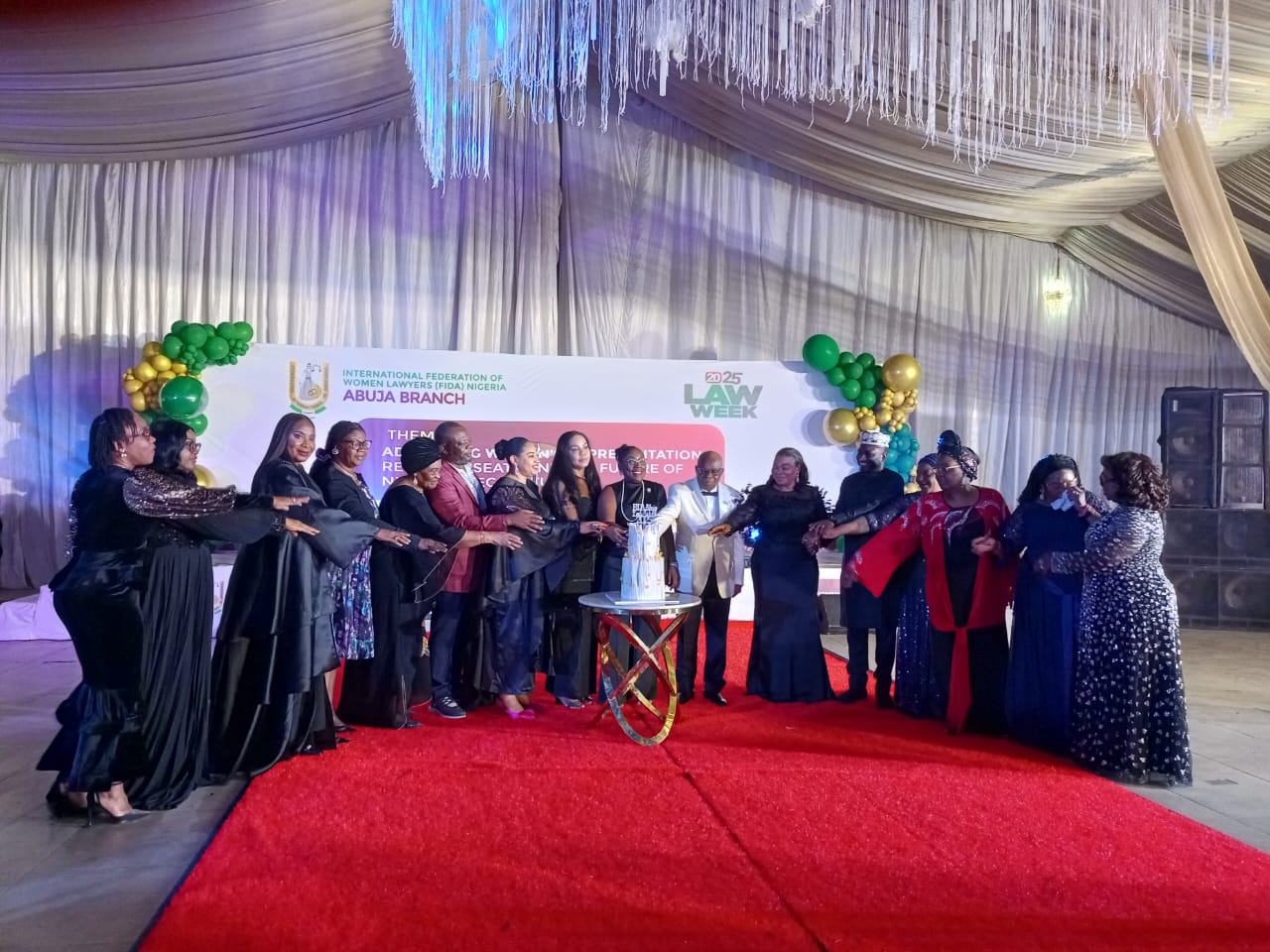
Former Chief Justice of Nigeria (CJN), Walter Onnoghen, has issued a strong call for deeper women’s representation in governance.
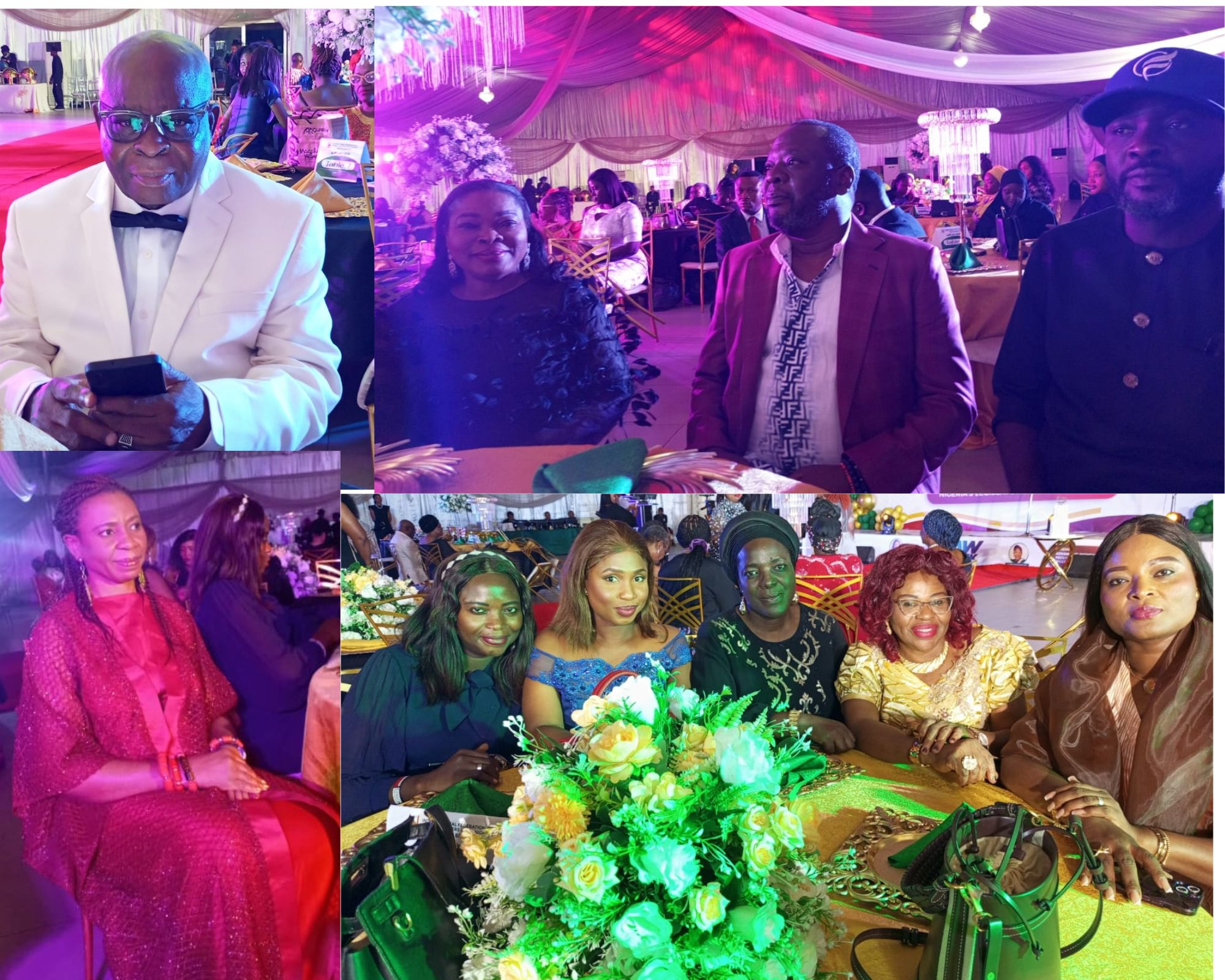
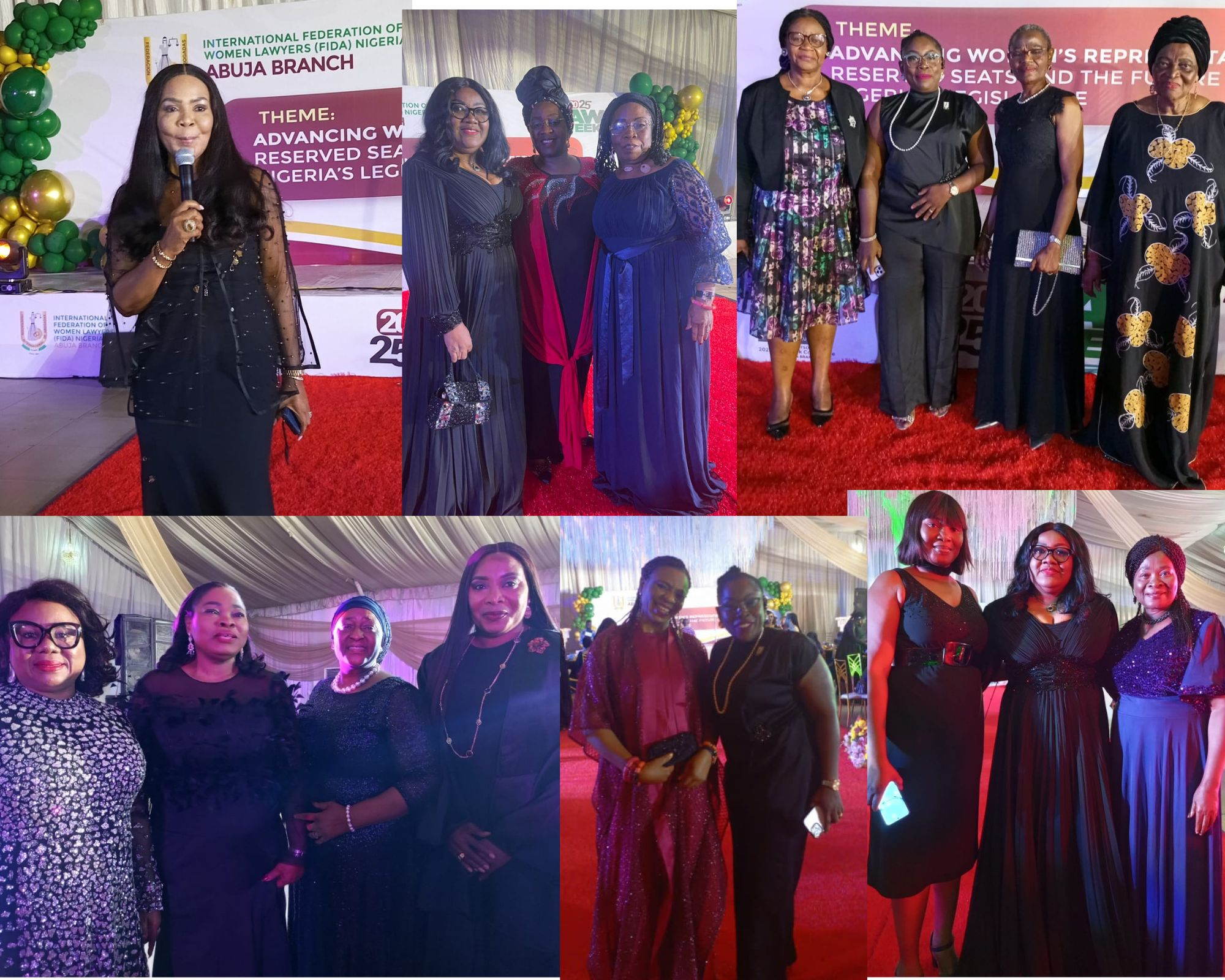
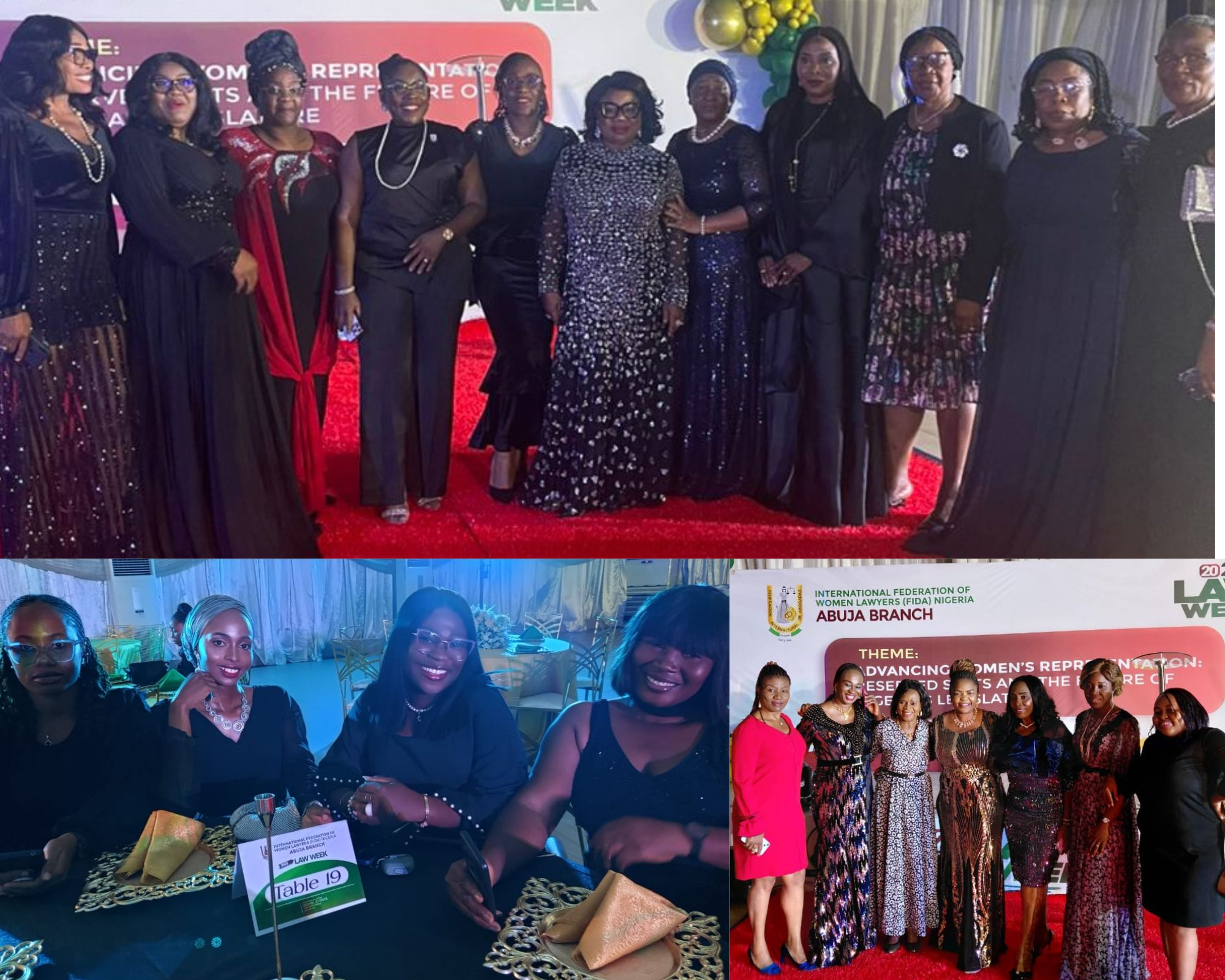
He delivered the message at the closing dinner of FIDA Abuja’s 2025 Law Week while praising the branch for its commitment to advancing women’s rights and legal empowerment.
Onnoghen, who said Nigeria must confront the urgent need to bridge the gender gap in political leadership, described reserved seats for women as a strategic tool for justice and balanced governance.
He said the Reserved Seats Bill aims to guarantee women’s voices in national decision-making.
The former CJN stressed that women’s inclusion strengthens democracy and boosts public trust, adding that laws become more responsive when women sit at the decision-making table.
He argued that issues like education, healthcare and social justice benefit from women’s leadership.
Onnoghen warned that true democracy fails when half the population is excluded.
Noting that women’s presence in the Legislature remains critically low across Nigeria, he said current statistics reflect silenced voices and stalled national progress.
He urged Nigerians to support reforms that remove cultural and political barriers.
Concluding, he called for a level playing field, which he said is essential for women to win and lead in politics.
Chair of the dinner and Minister of State for Labour and Employment, Hon. Nkeiruka Onyejeocha who co-sponsored the bill in the Ninth Assembly revealed that “when this bill first came up in April 2021, it moved at the speed of light through the committee, but on the day of final voting, despite overwhelming support, it failed because the numbers were not there.”
Onyejeocha, while lauding the undeniable resilience and leadership strengths of FIDA, urged them to broaden and sustain their advocacy campaign until women get seats at the table in numbers.
“We must insist on no less than 35% representation. If a woman is at the head of anything, you will see change.
“Even with nothing, she can turn little into much. Keep pushing, keep changing the narrative. This is our time, and Nigeria cannot afford to leave its women behind,” she said.
In her address, FIDA Abuja Chairperson, Chioma Onyenucheya-Uko, said representation determines who writes laws and shapes Nigeria’s democratic future.
She warned that limiting women to token roles harms national development.
Onyenucheya-Uko said women bring intuition, experience and multidimensional leadership to governance.
She reminded the audience that women are “jinx breakers” and natural solution-drivers.
The FIDA Abuja chair said Nigeria’s low legislative representation weakens democracy, adding that women occupy only about 3.62 percent of seats at the federal level.
The stagnation in women’s representation, she emphasised, reflects systemic barriers that must be dismantled.
Outlining FIDA’s three-point agenda for women’s political inclusion, she called for legal reforms, capacity building and strict accountability for affirmative action.
She urged political parties to guarantee women credible platforms and safe participation.
Onyenucheya-Uko envisioned a future where women from all backgrounds lead confidently in parliament.
She said women must not fill quotas but must occupy their rightful seats in governance.
The Law Week Committee Chair, Wendy Kuku, SAN, echoed global lessons on inclusion.
She said nations worldwide are adopting quotas and gender-parity reforms.
She argued that women’s leadership strengthens democracy and accelerates development.
Kuku said Nigeria stands at a defining moment in the global push for gender equity.
She said women’s inclusion is a constitutional necessity and a justice imperative.
She emphasised that Nigerian women’s brilliance must be reflected in legislative institutions as “no democracy thrives while women remain on the margins of political power.”
Onnoghen ended his message with a strong appeal for national action.
He said Nigeria must move from talk to visible change in women’s representation.
He called for a Legislature that reflects the full nation, not half the population.
Watch the video of the losing dinner dance.