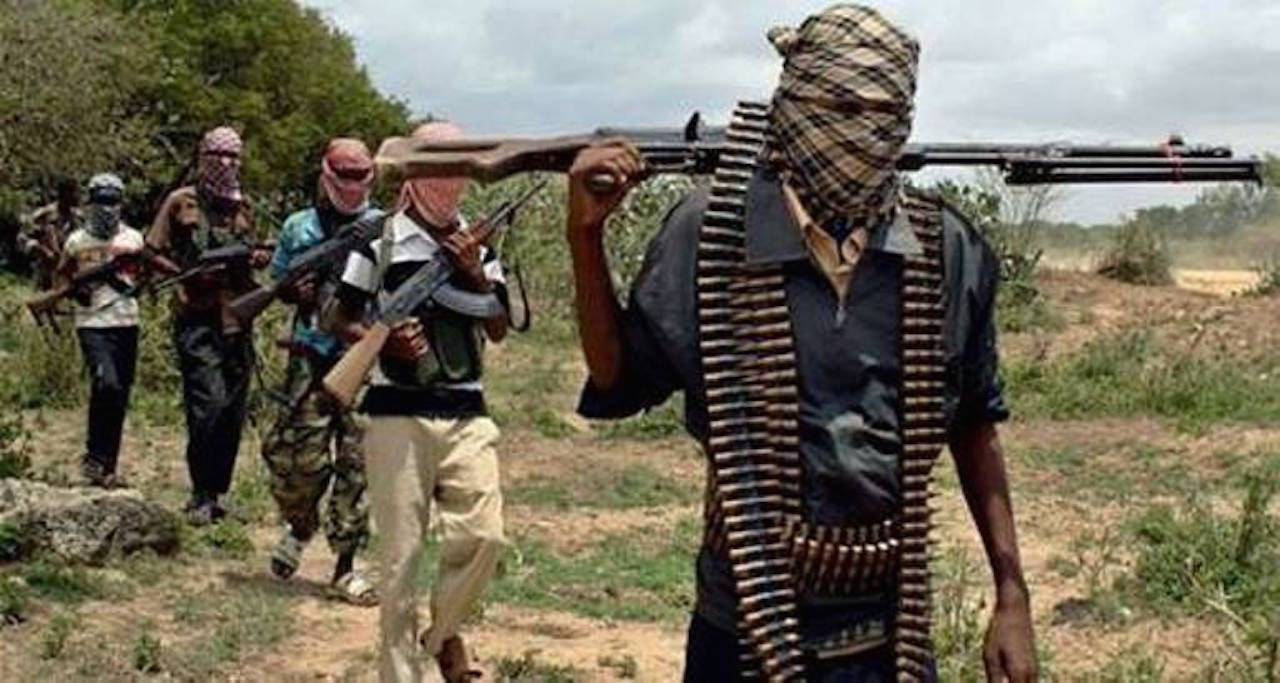
A fresh political storm has erupted in Nigeria after Bashir Dalhatu, chairman of the Arewa Consultative Forum (ACF), urged the federal government to consider granting amnesty and financial assistance to Fulani militias—often described as bandits—similar to the compensation and rehabilitation packages once offered to Niger Delta militants.
Speaking on Arise TV, Dalhatu argued that many of the armed young men fueling insecurity in the North had grown up without access to education or economic opportunity. “The federal government should give these people amnesty and money just like the Niger Delta militants were given,” he said. “If we engage them properly, it could reduce the level of violence we see in the north.”
Dalhatu insisted his position was not a call to excuse criminal activity, but a push for sustainable peacebuilding. “We need a combination of a hand of friendship with clear consequences for criminal behavior,” he said, calling rehabilitation and reintegration essential parts of any lasting solution.
His comments immediately reignited a long-running national debate over how to dismantle the armed groups destabilizing the North-West and North-East.
Senator Shehu Sani, a former lawmaker and rights advocate, pushed back on narratives that external forces are behind the violence. During a separate public forum, Sani argued that the armed groups are overwhelmingly local.
“The terrorists harming people in the North-East are not from Congo or Libya,” he said. “The bandits in the North-West are not from Senegal or Morocco. They are northerners, and many are Fulani from the North-West. We must be honest about this.”
Sani criticized what he called an “externalization of blame,” saying regional leaders must take responsibility for confronting the crisis. “It is for us to solve this problem, not anybody else. They are speaking Fulani, Hausa and Kanuri—our languages.”
Contrary to widespread assumptions, Sani claimed the armed groups number fewer than many believe. “The total number of bandits and terrorists is not more than 5,000,” he said, urging northern leaders to craft a coordinated security response based on accurate assessments rather than political narratives.
As Nigeria grapples with worsening insecurity, the divide between advocates of negotiation and those demanding stronger military action continues to widen. Dalhatu’s call for amnesty—echoing a controversial but once-successful strategy in the Niger Delta—has now propelled the debate back to the forefront, forcing policymakers and regional leaders to confront uncomfortable questions about responsibility, identity, and the path to peace.