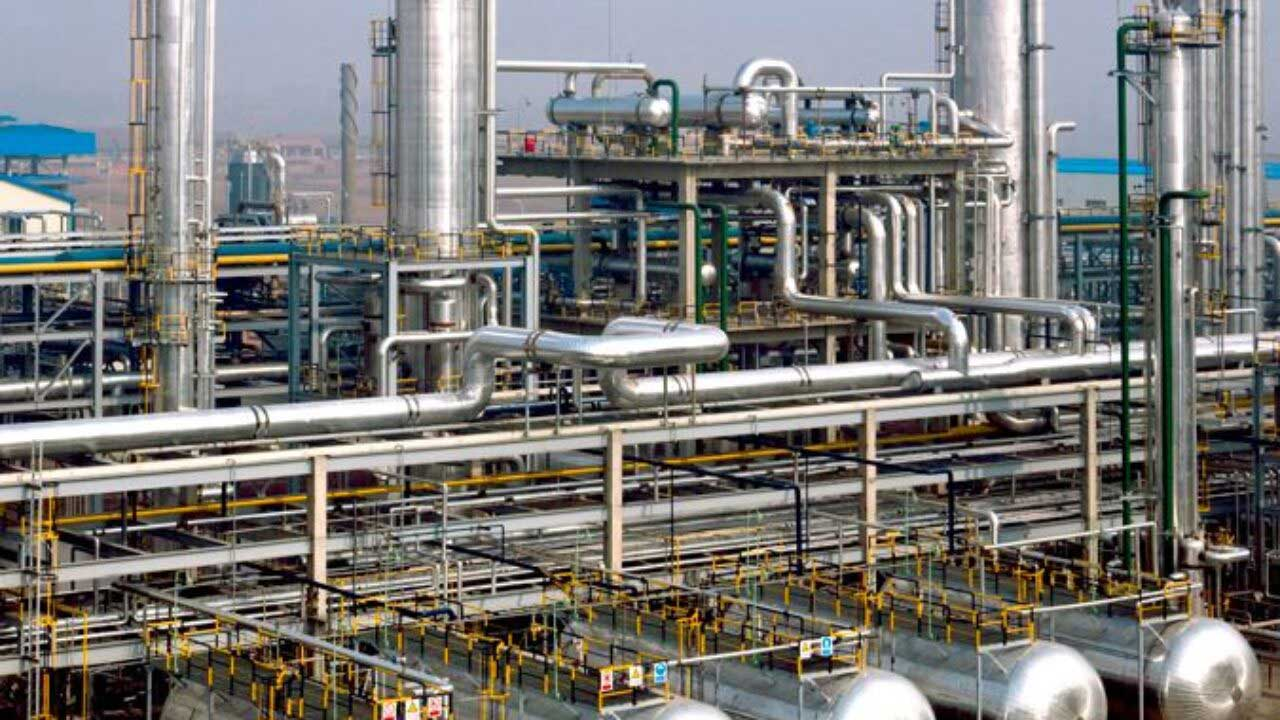
After decades of failed repairs, ballooning costs, and public assurances that never matched reality, Nigeria has shut down its state-owned refineries—an admission, according to the head of the Nigerian National Petroleum Company Limited (NNPC Ltd), that the country has been “lying to itself.”
Bayo Ojulari, Group Chief Executive Officer of NNPC Ltd, said the decision to halt refinery operations marked a deliberate break from what he described as years of self-deception in Nigeria’s downstream oil sector.
“For years, we told ourselves stories,” Ojulari said while speaking at the Nigeria International Energy Summit. “But the numbers never supported those stories.”
The remarks come months after NNPC declared the Port Harcourt Refinery operational in November 2024 following a rehabilitation project that reportedly cost $1.5 billion. At the time, the company said the refinery was running at 70 percent capacity, with plans to scale up to 90 percent.
Public optimism was short-lived.
Within weeks, the refinery was shut down for what NNPC described as routine maintenance. As of July 2025, operations have yet to resume, overshooting the corporation’s own restart timeline and reinforcing long-standing skepticism around the viability of Nigeria’s government-run refineries.
From Optimism to Admission
The Port Harcourt announcement had sparked a public dispute between NNPC officials and former President Olusegun Obasanjo, who openly doubted claims that the refineries could be successfully revived. In response, NNPC’s spokesperson invited Obasanjo to tour the facilities—an invitation widely viewed as dismissive.
Months later, Ojulari’s comments appeared to validate Obasanjo’s scepticism.
NNPC has since acknowledged that selling the refineries remains an option. Ojulari said rehabilitation efforts proved “more complex than anticipated” and confirmed that “all options are being reviewed.”
For critics, the admission underscores what they say is a pattern of mismanagement stretching back decades.
Billions Spent, No Fuel Produced
Nigeria’s four state-owned refineries—Port Harcourt, Warri, and Kaduna—have a combined installed capacity of 445,000 barrels per day. Yet they have rarely operated at meaningful levels since the early 2000s.
In 2020 alone, NNPC reported spending ₦101.69 billion to maintain three refineries that processed zero crude oil throughout the year. The facilities collectively posted monthly operating losses ranging from ₦5.48 billion to more than ₦10 billion.
Between 2010 and 2023, Nigeria is estimated to have spent more than ₦11 trillion on refinery repairs and turnaround maintenance, even as the country relied almost entirely on imported fuel—draining foreign exchange reserves and worsening energy insecurity.
“We were running processes, not enterprises,” Ojulari said. “Money was going out, but value was not coming in.”
A System That Became a Ritual
Ojulari said internal reviews showed refinery operations had devolved into a ritualised system that rewarded spending rather than performance. Preventive maintenance culture collapsed, while turnaround maintenance cycles, often lucrative for contractors, became the norm.
“These refineries mean a lot to Nigerians emotionally,” he said. “But emotion cannot replace truth.”
He added that continuing to operate loss-making refineries without confronting their structural failures would have been irresponsible.
“At some point, leadership requires honesty,” Ojulari said. “You cannot fix a problem you refuse to acknowledge.”
Dangote Changes the Equation
Ojulari credited the privately owned Dangote Refinery for creating the space to confront reality.
“Whether you love Dangote or not, thank God it is working,” he said. “It allows us to stop pretending.”
With domestic refining capacity now emerging outside government control, NNPC says it is pursuing restructuring talks with “credible partners,” insisting that future reforms will focus on substance rather than cosmetic fixes.
“This shutdown is a moral decision as much as an economic one,” Ojulari said. “This is how nations grow—by telling themselves the truth.”