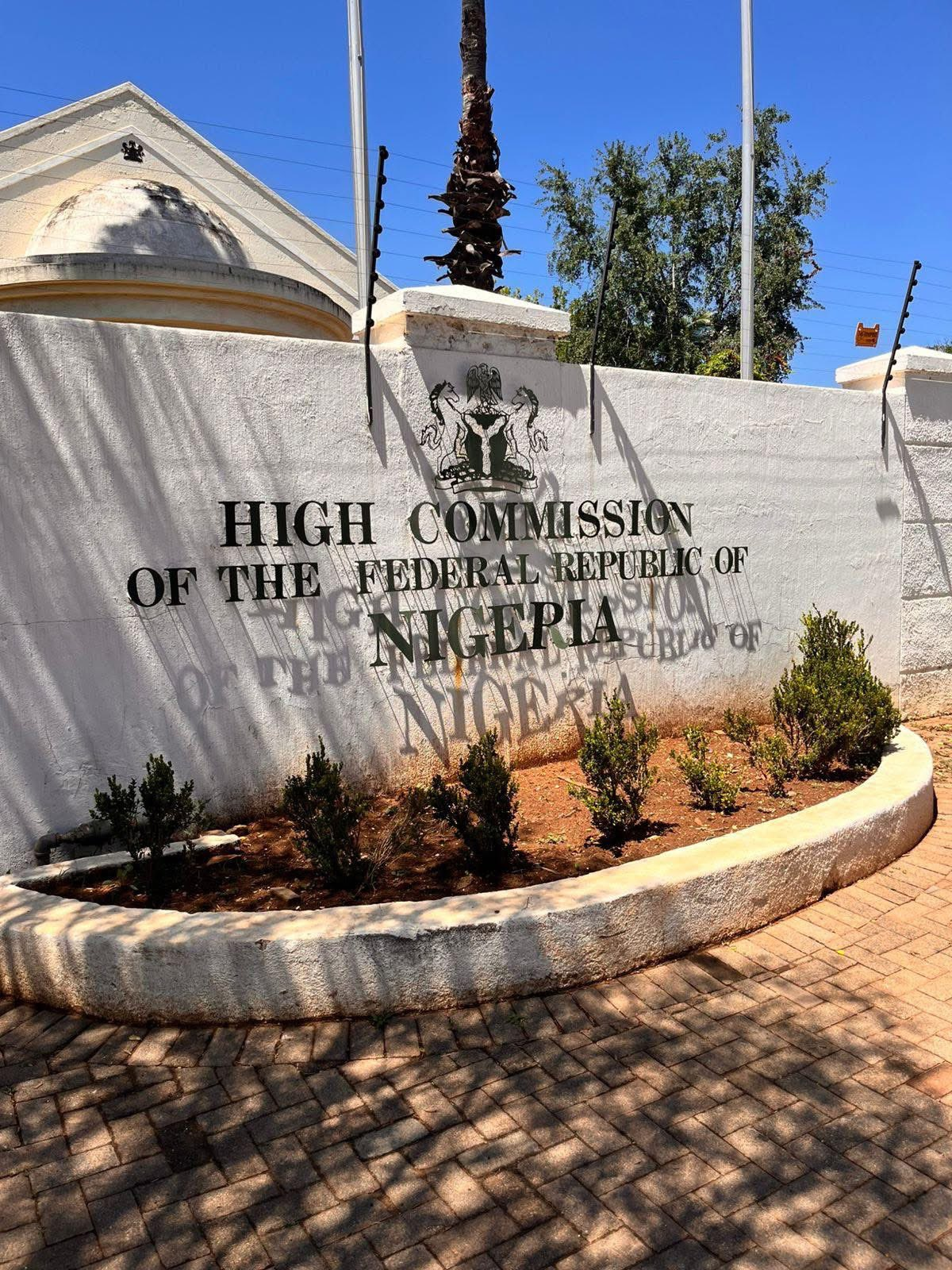
The Nigerian High Commission in Pretoria has paid its outstanding utility bills after South African authorities disconnected electricity to the diplomatic facility — a startling development that has intensified scrutiny of Nigeria’s spending priorities and the long-running complaints of underfunded foreign missions.
The City of Tshwane confirmed it cut power to the mission as part of its #TshwaneYaTima enforcement campaign targeting consumers with significant unpaid municipal debts.
Executive Mayor Nasiphi Moya announced the move in direct terms.
“We’ve disconnected electricity at the High Commission of the Federal Republic of Nigeria. They owe the city for utility services,” she said.
Hours later, the mayor confirmed that payment had been received and electricity would be restored.
“We thank the High Commission of the Federal Republic of Nigeria for honouring its debt to the city,” Moya added.
Funding Crisis Back in Focus
While the immediate dispute was resolved, the incident has reignited persistent complaints that Nigeria’s diplomatic missions across the world are chronically underfunded, often struggling to maintain basic infrastructure.
The episode has led many Nigerians to question why Africa’s largest economy appears unable to adequately support its foreign representations — even as critics accuse the government of wasteful spending and the excesses of political office holders at home.
“The Nigeria House in New York faces the same embarrassment. The elevator to the House is dysfunctional, trapping visitors. It has trapped me twice,” he recalled.
Observers warn that such reports risk projecting an image of administrative neglect and weakening Nigeria’s diplomatic stature at a time when global perception increasingly shapes geopolitical influence.
Social Media Backlash
The power cut triggered a storm of reactions in Nigeria, with many describing the situation as a “national embarrassment.”
Critics questioned how a diplomatic mission representing one of Africa’s most influential nations could default on routine municipal payments.
Others drew uncomfortable parallels between Nigeria’s domestic electricity challenges and the embassy’s blackout abroad, arguing that the episode reflects deeper structural problems in governance.
Calls for greater transparency and accountability in the funding of foreign missions quickly followed.
Little Sympathy in South Africa
Online reaction in South Africa was far less forgiving. Social media users insisted that a diplomatic status should not exempt any institution from paying for essential services.
“If you don’t pay, you get cut off,” one widely shared comment read.
More Than a Temporary Blackout
Though electricity has now been restored, analysts say the damage may not fade as quickly. Service disconnections involving diplomatic facilities are rare and often carry outsized reputational consequences, signalling possible governance lapses.
For many observers, the Pretoria incident is less about an unpaid bill and more about what it reveals — a growing perception that Nigeria’s global presence is being undermined not by lack of resources, but by contested priorities.
The lights may be back on in Pretoria, but the uncomfortable questions about funding, governance, and national image remain very much alive.