By Johnson Agu
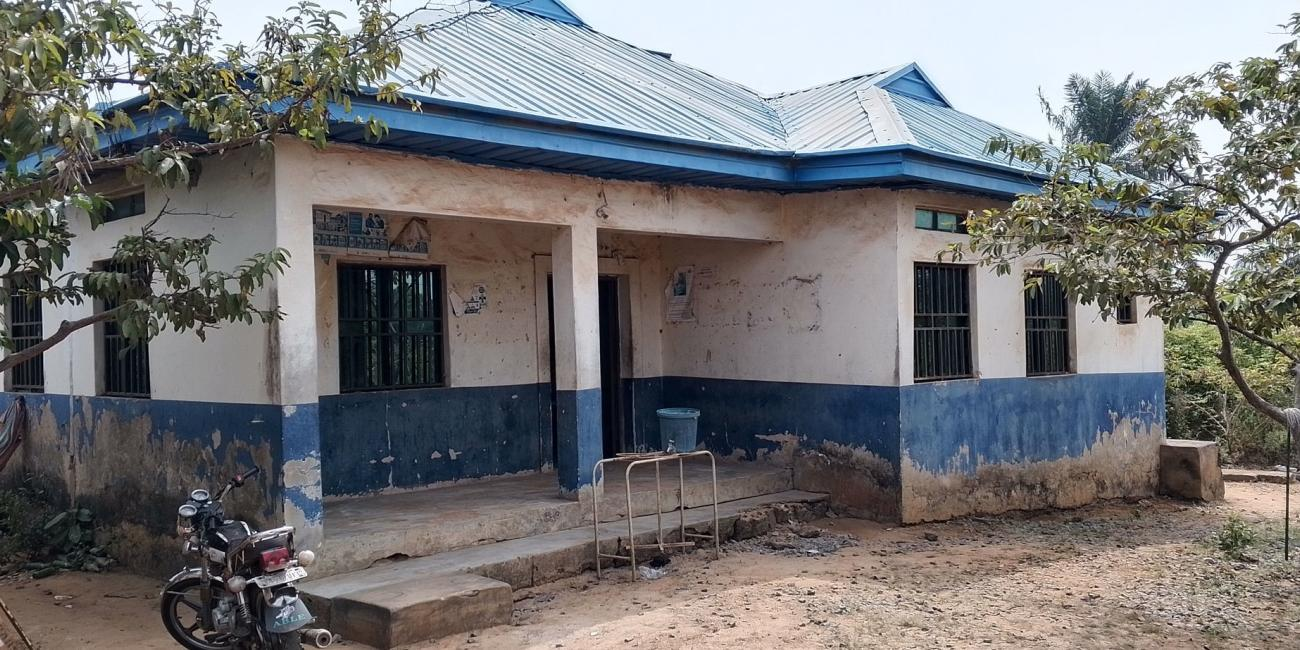
More than 3,000 residents of Akpaka community in Ngbo, Ohaukwu Local Government Area of Ebonyi State are facing serious health risks as the community’s only Primary Health Care (PHC) centre has been abandoned and left in ruins for over four years—an ordeal that underscores Nigeria’s wider healthcare collapse, chronic government neglect and a growing constitutional failure.
A report released by civic technology organisation MonITNG described the state of the facility as a “clear failure of governance,” noting that Akpaka PHC, the community’s sole public health institution, has remained in a shocking state of decay despite repeated notifications to government authorities. Legal and health advocates argue that the prolonged neglect goes beyond poor administration, pointing instead to a breach of the state’s constitutional responsibility to safeguard citizens’ welfare.
“The total neglect of the only primary health care centre in Akpaka community is a serious threat to human lives,” the report stated. “For over four years, Akpaka PHC has remained abandoned and forgotten despite being the sole public health facility serving the community.”
According to the report, rooms, hospital beds and mattresses are damaged beyond use, while the centre lacks functional medical equipment, doctors and qualified health personnel, effectively denying residents access to even basic healthcare.
The structure of the facility has also deteriorated severely, with broken roofing, collapsing ceilings and dilapidated walls, rendering the building unsafe. These conditions mirror those found in many public health facilities across Nigeria, where systemic underfunding and weak oversight have hollowed out primary healthcare.
Perhaps most alarming, MonITNG revealed that pregnant women in Akpaka are forced to give birth using lanterns, owing to the absence of electricity, sterilised equipment and skilled attendants; conditions widely regarded as preventable under a functioning public health system.
Residents seeking routine medical care are reportedly compelled to travel long distances or rely on unaffordable private clinics, further entrenching inequality and excluding the poorest from essential services.
Beyond the humanitarian implications, the report raises constitutional concerns. Section 14(2)(b) of Nigeria’s 1999 Constitution states that “the security and welfare of the people shall be the primary purpose of government.”
Rights advocates say the prolonged abandonment of Akpaka PHC calls into question the government’s compliance with this provision, particularly as healthcare remains central to citizens’ welfare.
The crisis has persisted despite formal letters submitted in December 2024 to the Senator representing the constituency under which Akpaka falls and the member of the House of Representatives, followed by repeated engagements throughout 2025.
This has fuelled criticism over the absence of accountability from elected officials.
For the past three years, MonITNG’s Tracka team said it has consistently monitored, documented and escalated concerns without any meaningful response.
“This crisis persists despite letters submitted in December 2024 and repeated follow-ups throughout 2025,” the organisation said. “For three years, the Tracka team has raised concerns, yet no meaningful action has been taken.”
MonITNG called for urgent intervention from Ebonyi State Governor Francis Nwifuru, the Coordinating Minister of Health, Prof. Muhammad Pate, lawmakers Odono Ikechukwu, Senator Onyekachi Nwenbonyi and Eze Nwanchukwu Eze, as well as the National Primary Health Care Development Agency (NPHCDA), the Ebonyi State Government and the Federal Ministry of Housing.
“The lives and health of over 3,000 residents depend on immediate action,” the organisation stressed, urging authorities to rehabilitate and equip the centre, deploy qualified healthcare workers and uphold their constitutional duty to protect the welfare of citizens, rather than allowing preventable suffering to persist.